REVIEW · HIKKADUWA
Hikkaduwa/Galle/Weligama/Mirissa/Tangalle: Udawalawa Safari
Book on GetYourGuide →Operated by Ceylon Nature Tours · Bookable on GetYourGuide
Elephants come first, then the coast fades away. This Udawalawe safari is a strong pick for seeing wild Asian elephants in a real park setting, and a guide like Pathum can make the sightings feel easy and exciting. I especially like the chance to watch the herd in the wild, then see the Elephant Transit Home during feeding time.
One catch to plan for: the Udawalawe National Park entry fee and the Elephant Transit Home fee are not included, and the jeep roads can be bumpy if you’re prone to car sickness.
You’ll get a convenient hotel pickup from Hikkaduwa, Galle, Unawatuna, Thalpe, Habaraduwa, Ahangama, Weligama, Mirissa, Matara, Hiriketiya, or Tangalle, then travel inland in an air-conditioned vehicle. After that, the safari shifts to a customized 4×4 jeep with an English-speaking driver/guide, plus chances to spot crocodiles, buffalo, deer, and lots of birds. You’ll usually build your day around an early-morning safari, and when rain hits, the jeep covers help.
In This Review
- Key things I’d bet on
- Why Udawalawe Is Such a Good Elephant Safari Choice
- South Coast Pickup to Udawalawe: The Drive Part That Matters
- The 4×4 Jeep Safari: How You Get Close to Wildlife
- Elephant Transit Home Feeding Times: Conservation With a Human Face
- Price and Value: What You Pay vs. What You Still Need
- Comfort Notes: Bumpy Roads, Rain, and Motion Sickness
- Who This Safari Fits Best (and Who Should Rethink It)
- Making the Day Go Smoothly: What I’d Do
- Should You Book Udawalawe Safari From the South Coast?
- FAQ
- What areas do you pick up from for the Udawalawe safari?
- How long is the safari experience?
- Is the Udawalawe National Park entry fee included?
- Is the Elephant Transit Home entry fee included?
- What time are Elephant Transit Home feeding visits?
- What’s included in the price besides park fees?
- What wildlife might I see on the safari?
- Is the tour guide available in English?
- Is this a small-group tour?
Key things I’d bet on
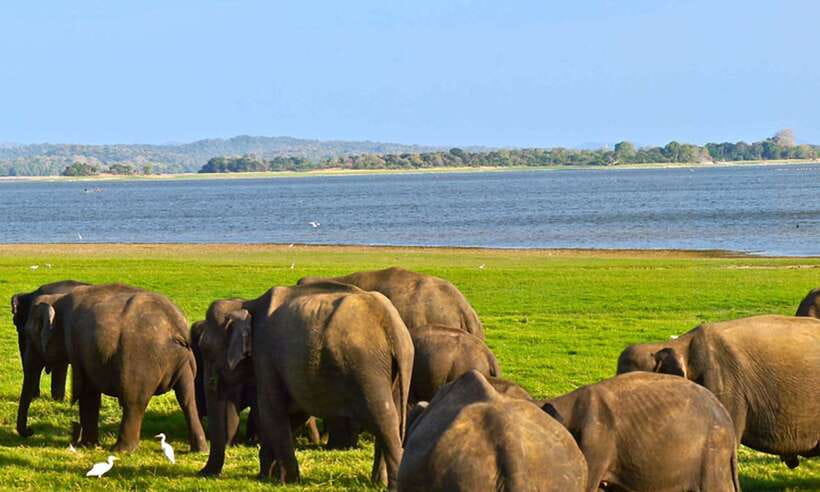
- 400-strong Asian elephant herd in their natural habitat, with frequent close-up sightings
- 4×4 jeep safari through Udawalawe with an English-speaking guide who finds the best viewing spots
- Elephant Transit Home feeding times at 10:30 AM, 2:30 PM, or 6:00 PM (about young orphaned elephants)
- Big animal variety beyond elephants, including buffalo, deer, crocodiles, and many birds
- Pickup from multiple southern beach towns with air-conditioned transport and drop-off back to your hotel
Why Udawalawe Is Such a Good Elephant Safari Choice
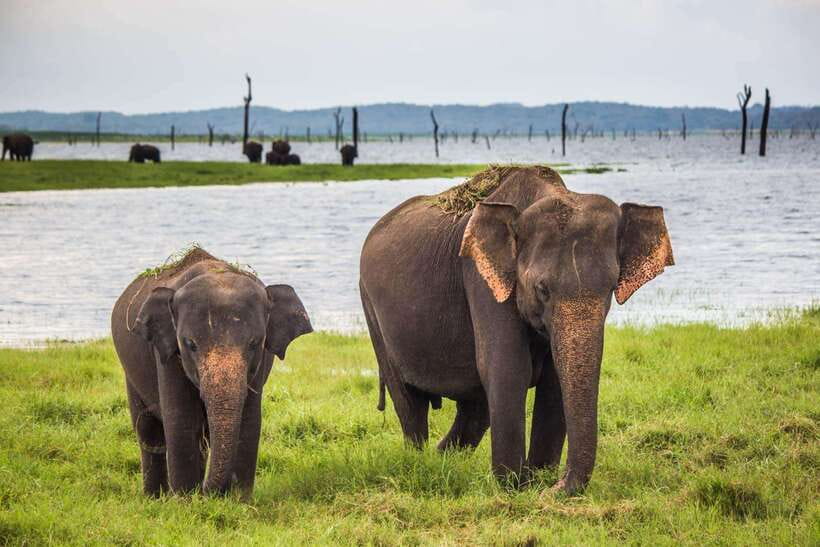
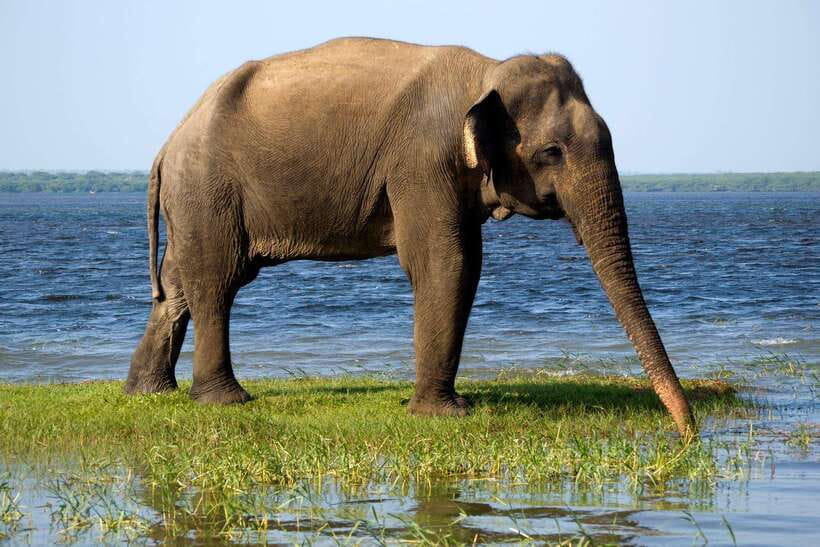
If your goal is elephants, Udawalawe is one of the most straightforward places in Sri Lanka to make it happen. The park is known for a herd of around 400 Asian elephants, and you’re not just looking from afar. You’re out on a jeep route where elephants are a normal part of the scenery, not a rare “maybe we’ll get lucky” bonus.
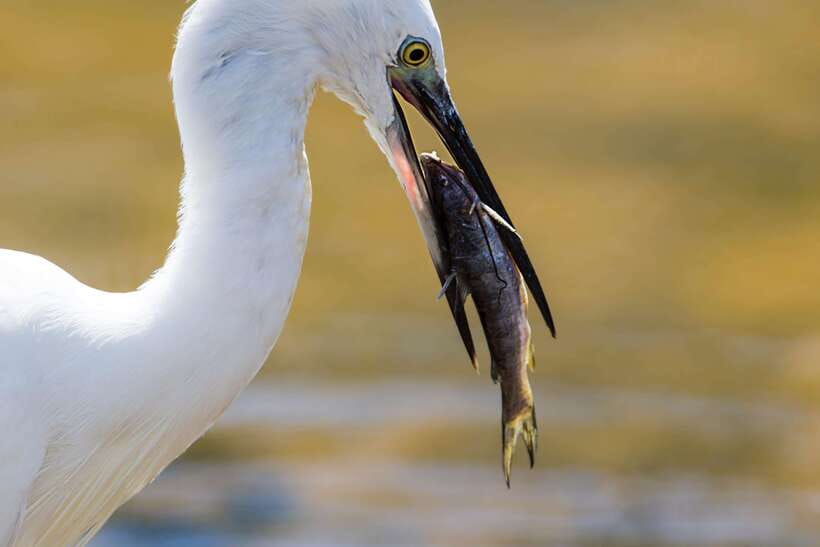
I also like that Udawalawe doesn’t turn into an all-elephant show. Expect water buffalo, deer, crocodiles, and lots of birdlife, so your day feels like wildlife viewing, not one long wait for the next elephant. One reason guides like Pathum and Mahesh get praised is that they help you read the park, not just chase animals.
The Elephant Transit Home visit adds another layer. It’s not the same experience as watching wild elephants from a jeep, but it puts conservation into focus during feeding times, when you can see how young elephants are cared for before returning to the wild.
You can also read our reviews of more tours and experiences in Hikkaduwa.
South Coast Pickup to Udawalawe: The Drive Part That Matters
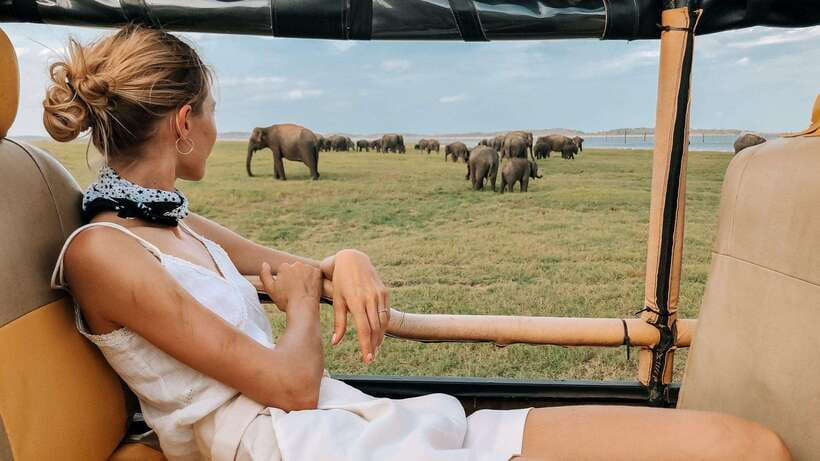
Your day starts with a pickup from many popular coastal bases: Hikkaduwa, Galle, Unawatuna, Thalpe, Habaraduwa, Ahangama, Weligama, Mirissa, Matara, Hiriketiya, or Tangalle. That matters because you’re not spending time figuring out transport or negotiating last-minute rides. The tour includes hotel pickup and drop-off, and you travel in an air-conditioned vehicle, with highway toll charges covered.
Timing varies by your departure option and location. A couple of guides and drivers in the field communicate very early starts, including very early pickups for morning safari departures. In practice, that means you should be ready for your day to begin before the sun feels fully awake.
Here’s the practical tip: morning safaris are widely favored because animals tend to be easier to spot and the day is less punishing for everyone. One traveler noted mid-day felt quieter at the park even though it was hotter, which can be a real comfort if you prefer fewer vehicles around you. Either way, the drive is part of the experience—watch for wildlife and enjoy the fact you’re heading somewhere that’s built for elephant encounters.
The 4×4 Jeep Safari: How You Get Close to Wildlife
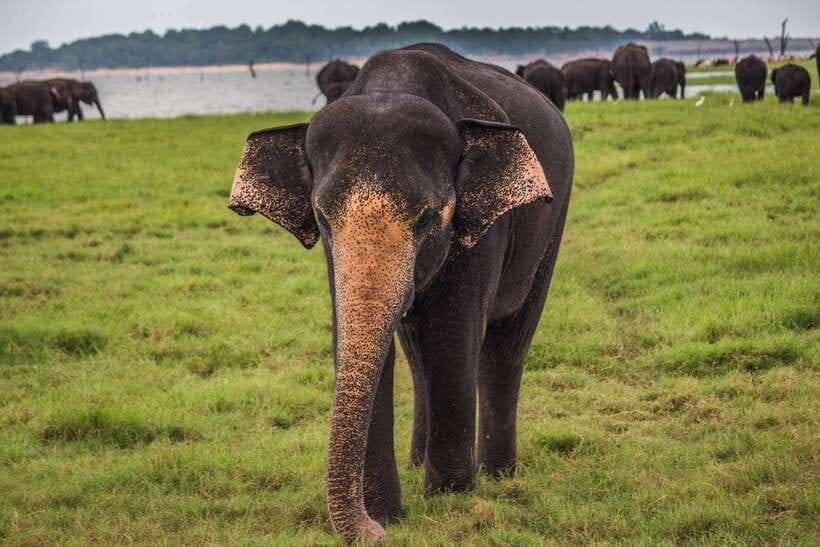
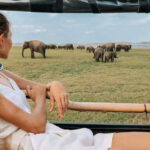
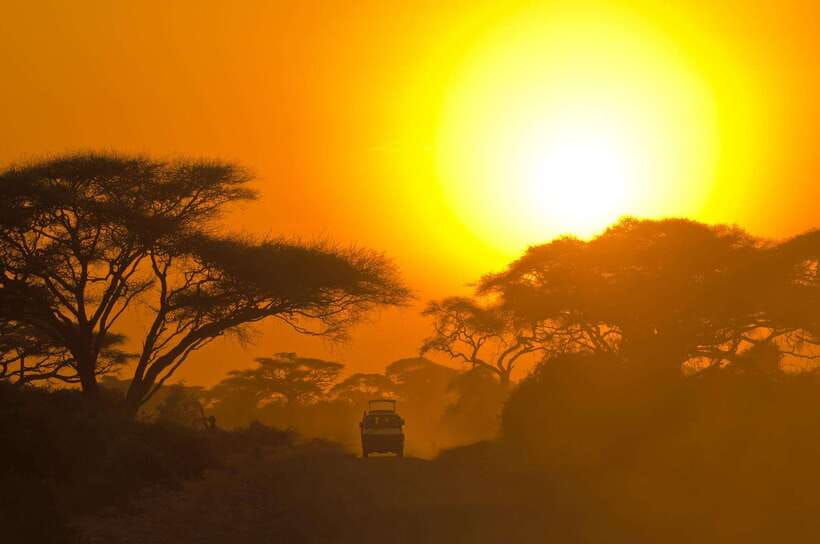
Udawalawe is a park where the jeep ride is not just transportation. It’s the main viewing platform. You go in a customized 4×4 jeep, and your driver/guide helps you spot animals and position the car for good views. People consistently praise how guides manage visibility—getting you away from the busiest spots and into areas where sightings are more likely.
What you’re looking for during the safari is not just the elephant herd. You’ll also want your eyes on:
- Water buffalo and deer, often near watering areas and grassland edges
- Crocodiles, depending on water levels and where the guide routes the jeep
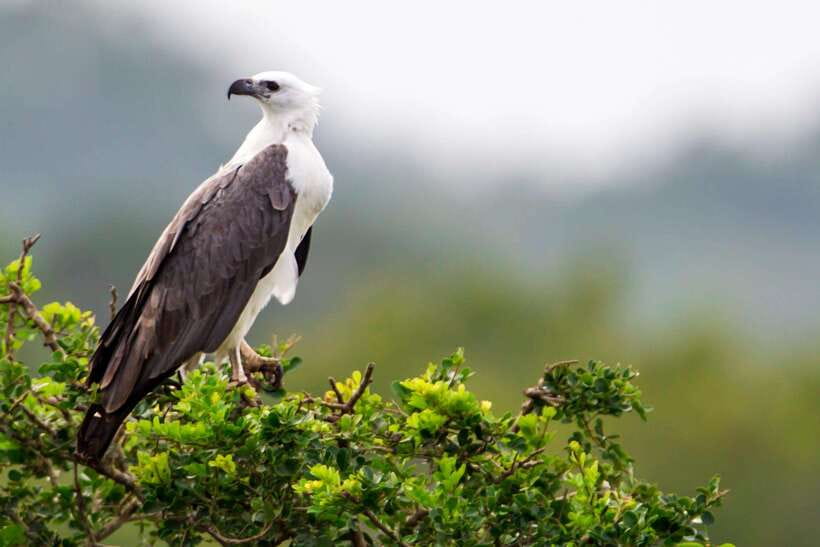
- Birdlife, including eagles and other raptors that show up when you least expect them
Several reports highlight very close elephant encounters, including elephants approaching the jeep. That’s part of why Udawalawe feels intense in a good way. When you’re close, you notice details you can’t get from a distance: movement patterns, ears flicking, trunk behavior, and the way the herd manages space.
Guide skills matter here. Names like Pathum, Mahesh, Sheehan, and Koshala come up because they’re described as strong at spotting wildlife and explaining what you’re seeing. Even when you’re not chasing perfect photos, understanding behavior makes the whole hour more enjoyable.
Also: wildlife days aren’t all identical. In one case, a leopard sighting was reported, which is a reminder to keep expectations flexible. The elephant herd is the “sure thing” vibe; other animals are the bonus surprises.
Elephant Transit Home Feeding Times: Conservation With a Human Face
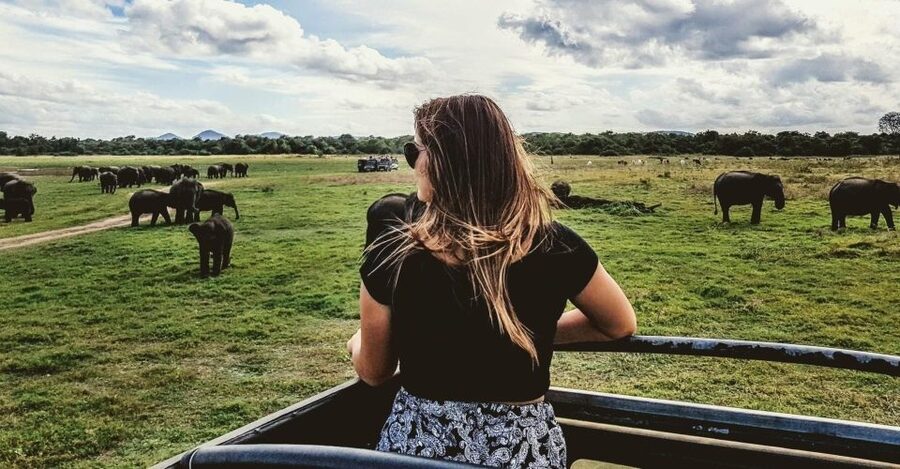
After the safari, you visit the Elephant Transit Home during one of its feeding times: 10:30 AM, 2:30 PM, or 6:00 PM. The timing matters because you’re not just passing by a facility—you’re there when feeding is happening.
This stop is often the emotional highlight for people who care about animals. You can watch young orphaned elephants being cared for as they prepare to return to the wild. Even if you came mainly for the safari jeep, this part changes the tone of the day. It adds purpose to what otherwise feels like pure sightseeing.
One thing to plan for: the Elephant Transit Home entry fee (about 6 USD) is not included. It’s a small add-on compared with the park fee, but it’s still something you should budget so you’re not caught off guard at the gate.
Price and Value: What You Pay vs. What You Still Need
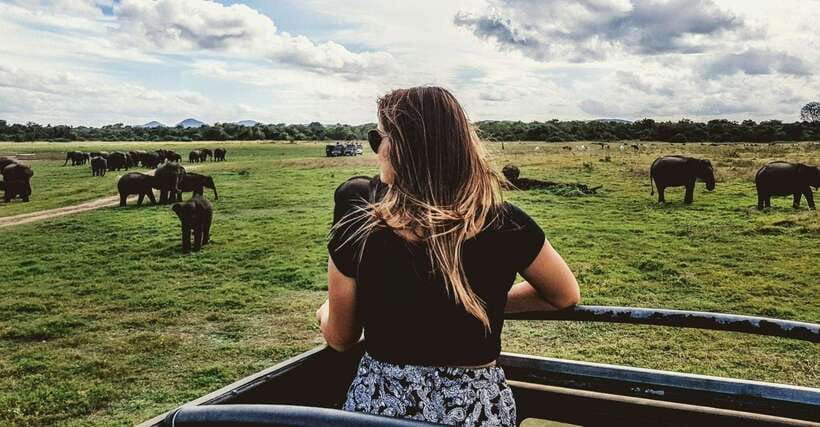
The tour price you’ll see is $27 per person, with a package that includes:
- Hotel pickup and drop-off from select southern areas
- Air-conditioned transportation
- Jeep safari at Udawalawe National Park
- Driver/guide
- Highway toll charges
What’s not included is the part that can surprise first-timers:
- Udawalawe National Park entry fee (about 36 USD)
- Elephant Transit Home entry fee (about 6 USD)
- Food and drinks
So the real budget is usually closer to the tour price plus roughly $42 in entry fees, before considering meals. If you’re comfortable paying that for guided elephant safari access, this still tends to be good value because the day includes transport, jeep time, and a guide who helps you make the most of the route.
One more cost angle: food. There’s no included meal, so you’ll want snacks or a plan for lunch after the safari. People have also noted the ride can be long, which makes it easier to just pack a small bag of basics.
Comfort Notes: Bumpy Roads, Rain, and Motion Sickness
Udawalawe safari days can involve rougher roads than you expect, especially on the way to and around the park. One traveler specifically warned about bumpy surfaces and said it may not suit people who get car sick. That’s worth taking seriously, because the jeep and park roads aren’t built for smooth city commuting.
If you’re prone to motion sickness, I’d treat this as a “bring your solution” moment. Ginger candies, motion-sickness bands, or whatever works for you can make the difference between a great day and a miserable one.
Rain is another practical factor. At least one report described heavy rain during the safari, with covers used on the jeep to keep things manageable. That doesn’t guarantee you’ll stay perfectly dry, but it does suggest the operation adjusts when weather shifts.
Seat comfort also varies. A few comments mentioned the jeep seats felt positioned for good viewing, and one person noted the safari jeep sat them up high for better animal spotting. If you’re tall or sensitive to cramped spaces on long transfers, it’s smart to ask your operator what vehicle you’ll be using for your pickup leg.
Who This Safari Fits Best (and Who Should Rethink It)
This tour suits you best if you want:
- A guided elephant-focused day in Udawalawe
- A strong chance of seeing elephants without needing hours of planning
- Wildlife variety beyond elephants, including birds and sometimes crocodiles
It’s also a good match if you’re basing yourself on the south coast and want a “done-for-you” inland excursion. The pickup options make it easy to connect from Hikkaduwa to Tangalle without sorting a long-distance bus.
A possible mismatch is anyone who hates early starts or long road time. Some departure options start extremely early, and the total duration can stretch to up to 8 hours. If you’re traveling with small kids or you prefer a quiet, low-stress ride, it’s smart to be mentally ready for the day to feel like an active outing, not a calm, laid-back activity.
Making the Day Go Smoothly: What I’d Do
Here’s the practical checklist I’d follow for this exact kind of safari + transit-home schedule:
- Bring cash for the park entry fee and Elephant Transit Home fee since they’re not included
- Pack a small snack so you’re not stuck hungry during a long wildlife-focused schedule
- Wear breathable clothes and plan for sun, because even a great day can feel warm
- If you get motion sick, take precautions before the drive starts
- Keep your camera ready and battery charged, but also take a few minutes to just watch without shooting
Also, pay attention to your guide’s routing and advice. The best sightings often come when you let the guide do the work—spotting tracks, reading animal movement, and picking viewing angles. That’s where experienced guides like Pathum and Mahesh get praised most.
Should You Book Udawalawe Safari From the South Coast?
I think you should book this safari if your top priority is wild elephants plus a guided wildlife day that doesn’t stop at one animal. The combination of the Udawalawe jeep safari and the Elephant Transit Home feeding visit gives you both sides: nature in the park and conservation in action.
Book it with eyes open on cost: the headline price is $27, but you should plan for the Udawalawe park entry fee (about 36 USD) and Elephant Transit Home entry (about 6 USD), plus food. If you budget for that, the day feels like solid value because the included jeep safari and guide time are the heart of the experience.
One final decision tip: if you’re choosing between timing options, I’d lean toward morning if you want more comfortable conditions and a classic safari feel. If your body prefers mid-day and you don’t mind the heat, you might still have a calmer park experience.
If you want an elephant day with real wildlife variety and an emotional conservation stop at the end, this is a very sensible way to spend a half to full day in southern Sri Lanka.
FAQ
What areas do you pick up from for the Udawalawe safari?
Pickup is offered from Hikkaduwa, Galle, Unawatuna, Thalpe, Habaraduwa, Ahangama, Weligama, Mirissa, Matara, Hiriketiya, and Tangalle, with drop-off back to those areas.
How long is the safari experience?
The duration is listed as 3 to 8 hours, depending on the starting time and your route.
Is the Udawalawe National Park entry fee included?
No. The Udawalawe National Park entry fee is not included (about 36 USD).
Is the Elephant Transit Home entry fee included?
No. The Elephant Transit Home entry fee is not included (about 6 USD).
What time are Elephant Transit Home feeding visits?
Feeding times are listed as 10:30 AM, 2:30 PM, or 6:00 PM.
What’s included in the price besides park fees?
Included are hotel pickup and drop-off, air-conditioned transportation, the jeep safari in Udawalawe National Park, a driver/guide, and highway toll charges.
What wildlife might I see on the safari?
The experience highlights elephants in the wild, plus chances to see crocodiles and buffalo, along with deer and a range of bird species.
Is the tour guide available in English?
Yes, the live tour guide is listed as English.
Is this a small-group tour?
Small group availability is listed as part of the experience.