REVIEW · JACKSON WYOMING
Jackson: Grand Teton Sunrise Safari with Naturalist Guide
Book on GetYourGuide →Operated by Grizzly County Wildlife Adventures · Bookable on GetYourGuide
Cold mornings, big sightings.
If you like your wildlife tours with a little science and a lot of patience, this Grand Teton sunrise safari is a strong match. You start early in the Tetons, when animals are moving and the light makes the Teton Range look unreal. The small-group format and the naturalist guide approach mean you’re not just sitting and hoping.
What I really like: you get real help finding animals, and you also get the gear to see them well. The spotting scope setup (including techniques that help with phone photos) turns distant movement into something you can actually track. One possible drawback: you’re out in the field at sunrise, so you’ll want to dress for cold and changing weather, even though the transport is comfortable.
In This Review
- Key things to know before you go
- Grand Teton sunrise: why 4 hours starts your day right
- Small-group comfort with a high-end Jackson pickup van
- Wildlife spotting plan: moose, bears, bison, and more on the Tetons timeline
- Photo gear that actually helps: binoculars, a spotting scope, and phone-friendly tips
- Scenic pullouts for mountains, lakes, and valleys without a rushed schedule
- Naturalist guide field notes: geology, history, and why animals behave the way they do
- What to bring for cold mornings and sudden weather shifts
- Price and logistics: is $170 worth it for a 4-hour wildlife safari?
- Who this sunrise safari fits best
- Should you book this Jackson sunrise safari?
- FAQ
- How long is the Grand Teton Sunrise Safari?
- Is the national park entrance fee included?
- What wildlife might I see?
- Are binoculars and a spotting scope included?
- Does the tour include pickup and drop-off?
- Does the tour run in bad weather?
- How big is the group?
Key things to know before you go
- Sunrise timing matters: the tour runs early for the best combination of light and wildlife activity.
- Small group size: limited to 9 participants, so the guide can adjust stops and viewing.
- Spotting tools included: binoculars and a spotting scope come with the tour.
- Guides work the search: routes and stops are built around where animals are likely to show.
- Jackson Hole pickup and drop-off: convenient start-to-finish if you’re staying in town.
Grand Teton sunrise: why 4 hours starts your day right
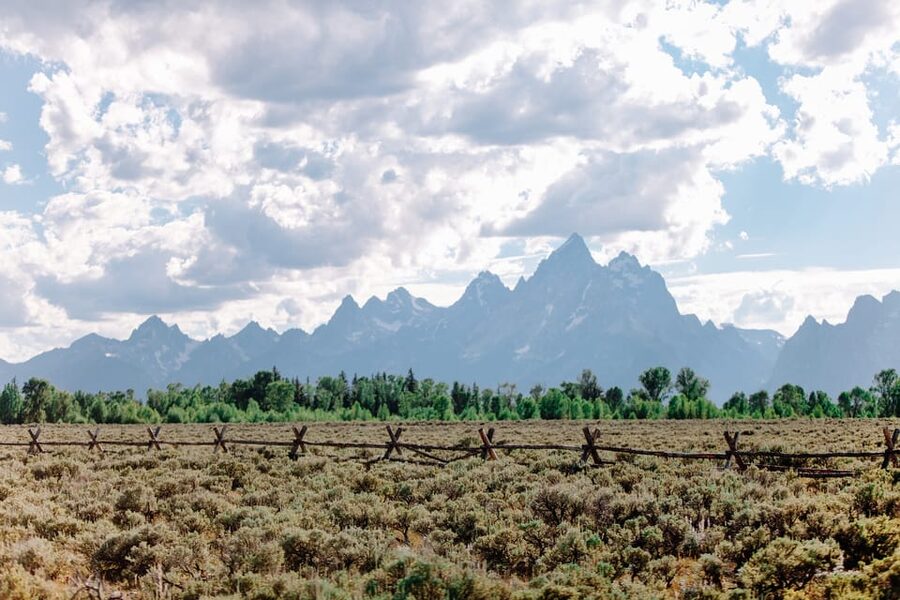
Grand Teton National Park is at its most dramatic when the day is still waking up. This tour is set for sunrise, which matters for two reasons: wildlife tends to be more active early, and the light is gentler for viewing and photos. You’ll spend your morning when the Tetons look sharp and the valleys and lakes start reflecting color.
The pacing works too. This isn’t a long bus ride with one quick stop. You make multiple stops so you can stretch your legs, get set up for wildlife watching, and take photos without feeling rushed. In a place like this, those short breaks are the difference between seeing a blur and actually recognizing what you’re looking at.
Small-group comfort with a high-end Jackson pickup van
You start right from your accommodation area in Jackson Hole, with pickup and drop-off included. That’s an underrated part of the value. Morning tours can eat time before you even reach the park, and here you skip that hassle.
The vehicle is described as comfortable and upgraded for viewing: enclosed transport with leather captain’s chairs and raised roofs. That raised roof detail is a big deal because you don’t have to crouch or angle weirdly to see over heads when something pops up. And since the tour runs rain or shine, staying comfortable while still getting good sightlines helps a lot.
With up to 9 people, you’ll be able to use the binoculars and scope without fighting for elbow room. It also means your guide can spend extra time on a sighting instead of moving everyone along too fast.
Wildlife spotting plan: moose, bears, bison, and more on the Tetons timeline
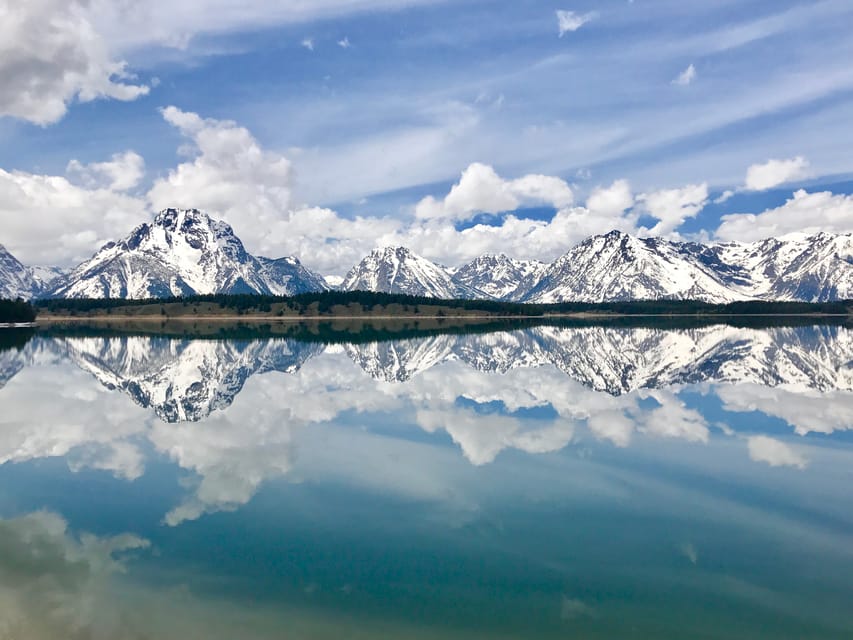
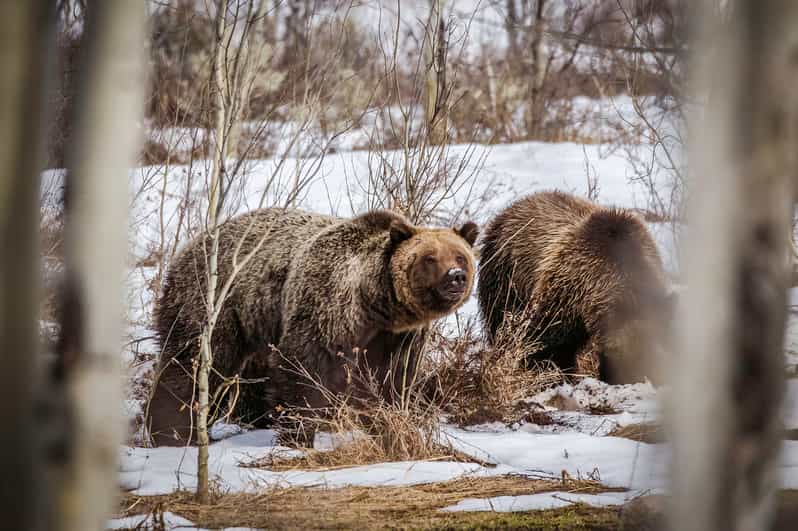
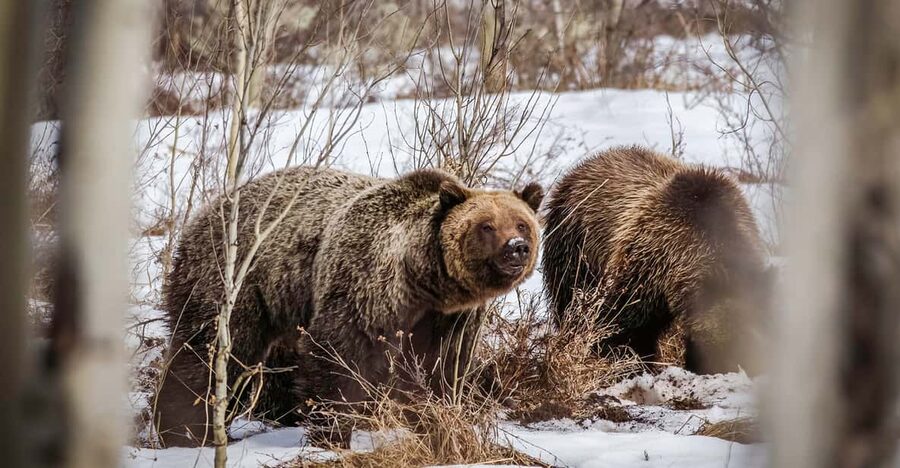
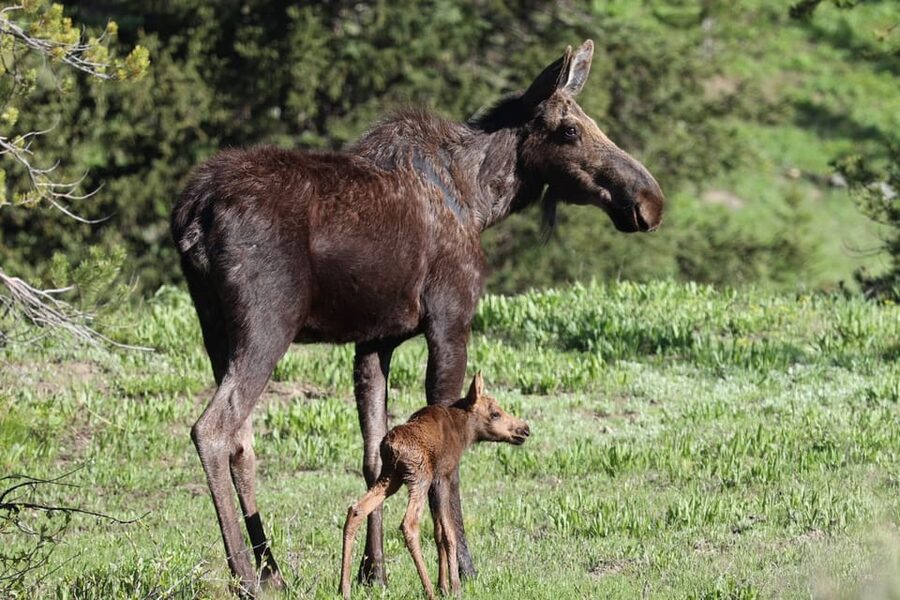
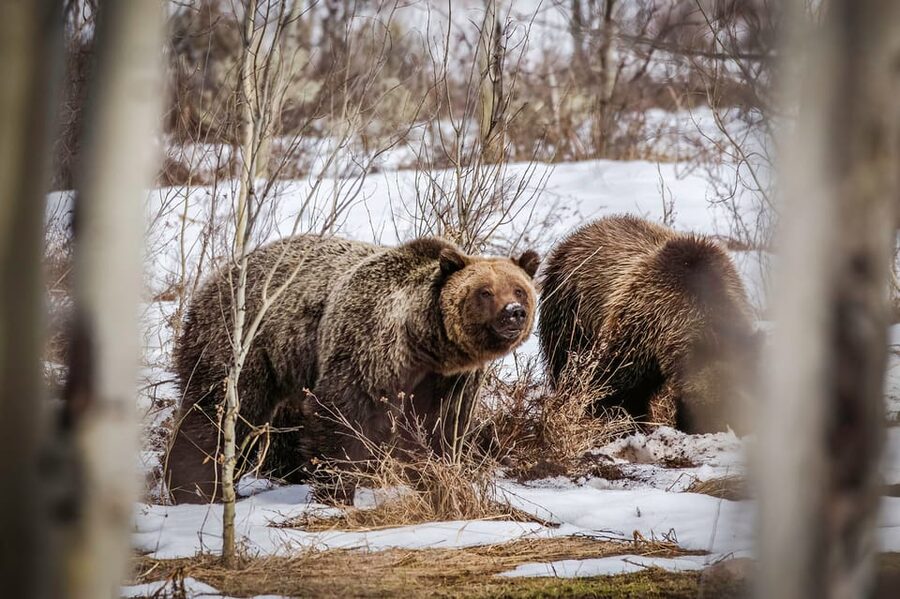
The core promise is straightforward: you’re going out to see animals. And the sightings listed for this tour go well beyond the usual park hits. You could spot moose, elk, bison, bears, bald eagles, and wolves, plus other wildlife like big horn sheep, fox, and even a rare golden eagle noted in one guide’s results.
What makes the experience feel different is how your guide sets you up. Several named guides—like Michelle, Michael, Alec, Frank, and Chris—are repeatedly described as putting in serious effort to get everyone good viewing. That usually comes down to two things: knowing where to look and being willing to adjust stops based on what the morning is producing.
Here’s the practical part for you: sunrise wildlife watching rewards calm. When you’re in a small group, the guide can help keep everyone focused and positioned when an animal is a few minutes away from becoming visible. One standout detail from the guide notes is the way they use the scope first to help you find the animal quickly—less time guessing, more time watching.
And yes, sometimes you get extremely close. One account specifically mentions a moose within about 10 yards of the van, which is rare luck—but it’s the kind of luck that becomes possible when the guide is actively working the search and communicating clearly.
Photo gear that actually helps: binoculars, a spotting scope, and phone-friendly tips
This is one of those tours where the included gear isn’t just decorative. You get binoculars, a spotting scope, and field guides, and you’ll use them multiple times during the morning.
The spotting scope is the star. It lets you see details that binoculars can’t handle when animals are farther out, especially in open valleys. Some guides also help you make that scope useful for your own devices. One guide gave participants a zoom lens so they could get better keepsakes using their phones. Another guide described using a technique called digi-scoping, which can help your phone capture what your eyes see through the scope.
Also pay attention to how the guides manage the “find it fast” step. One guide is noted for training the scope on the animal first, so you can switch to your own binoculars right away. If you’ve ever spent a safari tour trying to locate a moving speck, you already know why that matters.
Bring the right mindset: the best wildlife photos often come from slow watching, not frantic clicking. With a scope, you can watch longer without losing the subject.
Scenic pullouts for mountains, lakes, and valleys without a rushed schedule
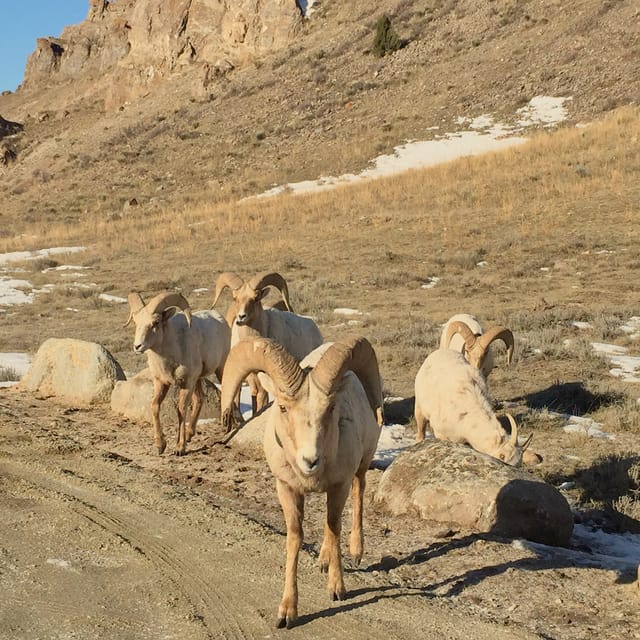
Even if wildlife is your main goal, you’ll also get big scenery in the Tetons. The tour includes scenic stops that let you get out, stretch, and enjoy views of mountains and the park’s watery scenes. Because you’re going early, you often get cleaner sightlines and calmer conditions for photos and viewing.
The best part is the balance. You’re not stuck at a single overlook. Multiple stops mean your guide can reposition the group based on animal activity while still giving you chances to take in the range and valleys. In a park this size, that flexibility helps.
A small caution: mornings can shift quickly. If weather clouds up or visibility changes, wildlife patterns can change too. The upside is that you’re in a comfortable vehicle and the tour continues rain or shine, so you aren’t stuck out there in misery.
Naturalist guide field notes: geology, history, and why animals behave the way they do
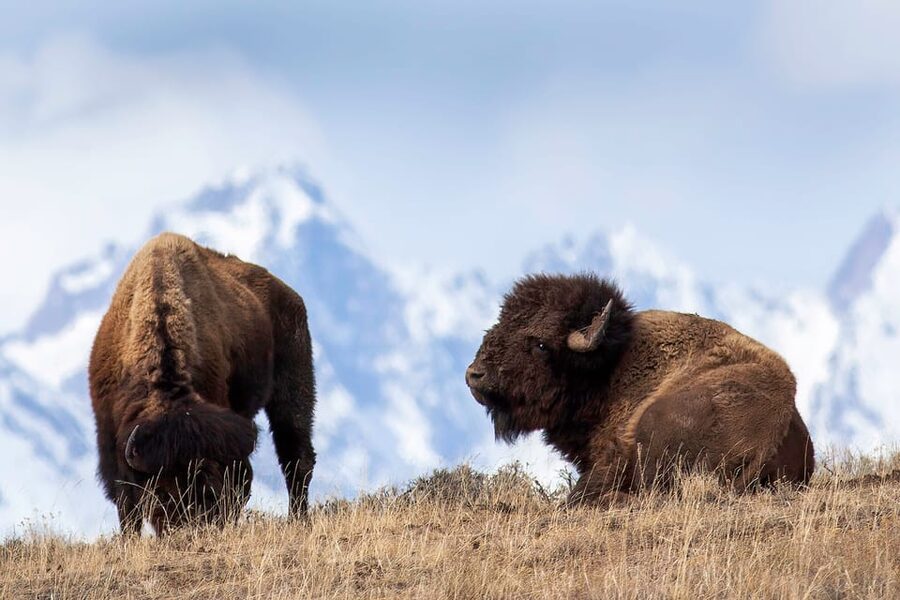
You’re not just being transported to pullouts. This tour runs with a naturalist guide, and the experience is built around learning the area while you look. You’ll hear about the history and geology of the region, which gives context for the Tetons beyond the postcard views.
Why that matters for you: when you understand how the land was shaped and how the park’s features influence water, vegetation, and travel routes, wildlife spotting gets easier to interpret. You stop thinking only in terms of where animals might be, and start thinking in terms of why they might be there at that hour.
Guide personalities also shine in how they teach. Named guides such as Michael and Michelle are repeatedly described as enthusiastic and energetic in their explanations, while others like Alec are called out for clear communication and flexibility with photo time. In practical terms, this means if you want a minute to reset your camera or adjust your scope position, the guide is more likely to work with that rather than shutting you down.
What to bring for cold mornings and sudden weather shifts
The tour includes water and locally-made snack bars, so you don’t have to plan extra food for the morning. Still, you’ll want to bring the basics your body will thank you for.
Plan on:
- Comfortable shoes for getting in and out during photo and wildlife stops
- Sunglasses for early light and glare off open ground and water
- Weather-appropriate clothing, especially layers for chilly sunrise conditions
Even though you can stay comfortable in the vehicle (with the enclosed design and raised roof), you’ll spend time outside for viewing. Sunrise air can feel sharper than daytime weather reports, so layering is the simplest way to stay focused instead of distracted by cold.
Price and logistics: is $170 worth it for a 4-hour wildlife safari?
At $170 per person for a 4-hour small-group tour, the value comes from what’s included and what you avoid.
You get:
- Hotel pickup and drop-off in the Jackson Hole area
- Binoculars and a spotting scope
- Field guides
- A naturalist guide
- Snacks (locally-made snack bars) and bottled water
You don’t get:
- National park entrance fee (you can purchase at the entrance)
- Meals
From a value standpoint, pickup alone can save you time and hassle, especially if you don’t want to coordinate a car early in the morning. The included wildlife viewing tools are also part of the cost equation. If you’ve ever tried to sight notable animals without a scope, you’ll feel the difference quickly—especially with animals like moose and eagles that may be visible at range.
One budgeting tip: factor in the park entrance fee so you don’t get surprised at the gate. Then you’ll know exactly what the day costs.
Who this sunrise safari fits best
This tour fits you if you want wildlife with structure. It also fits you if you’re the type who enjoys learning while watching, not just hunting for the next sighting.
I think it’s especially good for:
- First-time visitors to Grand Teton who want a guided start in the park
- Photographers who benefit from a spotting scope and help locating subjects quickly
- Nature lovers who like the blend of wildlife viewing plus geology and history context
- People who appreciate small group dynamics and a guide who can keep the experience moving at a smart pace
If you’re expecting a guaranteed animal checklist, no sunrise tour can promise that. But the guide-driven approach, the early timing, and the repeated emphasis on getting everyone a good view make it a strong odds play.
Should you book this Jackson sunrise safari?
I’d book it if you want the Tetons at the most productive time of day, with a guide who actively helps you see and photograph wildlife. The combination of small group size, pickup convenience, and the practical viewing tools (especially the scope) makes the morning feel efficient without rushing you.
Skip it only if you’re mainly interested in sleeping in, or you don’t handle early mornings well. You’ll be outside at dawn and you’ll want layers.
If you’re traveling during peak wildlife season or you’re in town for a short window, this is also a smart way to add a focused Grand Teton experience without dedicating a full day to driving and searching on your own.
FAQ
How long is the Grand Teton Sunrise Safari?
It runs for 4 hours.
Is the national park entrance fee included?
No. The National Park entrance fee is not included and can be purchased at the park entrance.
What wildlife might I see?
The tour highlights include potential sightings of moose, elk, bison, bears, bald eagles, and wolves, plus other wildlife like moose and eagles noted in guide outcomes.
Are binoculars and a spotting scope included?
Yes. The tour includes field guides, binoculars, and a spotting scope.
Does the tour include pickup and drop-off?
Yes. You get hotel pickup and drop-off in the Jackson Hole area.
Does the tour run in bad weather?
It operates rain or shine.
How big is the group?
It’s a small group limited to 9 participants.