REVIEW · LISBON
Lisbon: Ocean Safari with Marine Biologists
Book on GetYourGuide →Operated by Seaview - Nautical Events · Bookable on GetYourGuide
A RIB ride turns Lisbon’s coast into a classroom. This Lisbon Ocean Safari mixes marine biology with fast boat time, so you get real explanations about what you’re seeing, from birds and fish to the cliffs and an old lighthouse.
Two things I’d prioritize: the chance to watch marine life in action and the on-board science that helps you connect the dots in Lisbon Bay. One note to consider up front: it’s not a smooth, slow cruise—if you’re prone to seasickness, this may feel like more motion than you want.
I also like how the trip is built around both ocean and the land-side story at Fort São Lourenço do Bugio, not just a boat-and-hope experience. The biologists guide you through the estuary meeting the ocean, plus how pelagic fish schooling can bring bigger predators into the area. The main drawback is simply unpredictability: you’re on the water looking for wildlife, and sightings can vary by conditions.
In This Review
- Key things to know before you go
- Entering Lisbon Bay on a RIB boat
- Meeting point options and how the safety briefing fits in
- Fort São Lourenço do Bugio: the coast’s “pause button”
- The estuary meeting the ocean: where the food chain starts
- Tracking dolphins and pelagic fish the smart way
- The scenery you’re not supposed to ignore
- Price and value: what you’re really paying for
- What to pack (and what to leave at home)
- Who this Lisbon ocean safari suits best
- Should you book this ocean safari?
- FAQ
- How long is the Lisbon Ocean Safari?
- What time does the tour depart?
- Where does the tour start?
- What happens at the start of the activity?
- What is the Fort of São Lourenço do Bugio stop?
- What wildlife might I see?
- Is food included?
- What should I bring?
- Are there restrictions on what I can wear or do?
- Is it okay for kids and for people who get seasick?
- What’s included in the price?
- Can I cancel?
Key things to know before you go
- Marine biologists on board: you get live explanations while you’re actively spotting birds, fish, and marine animals.
- A true RIB adventure: expect a fast, energetic ride as you explore Lisbon Bay.
- Fort São Lourenço do Bugio stop: a guided land segment adds context to the coast you’re seeing from the water.
- Estuary-ocean ecology: you learn how the mixing zone supports feeding and migration patterns.
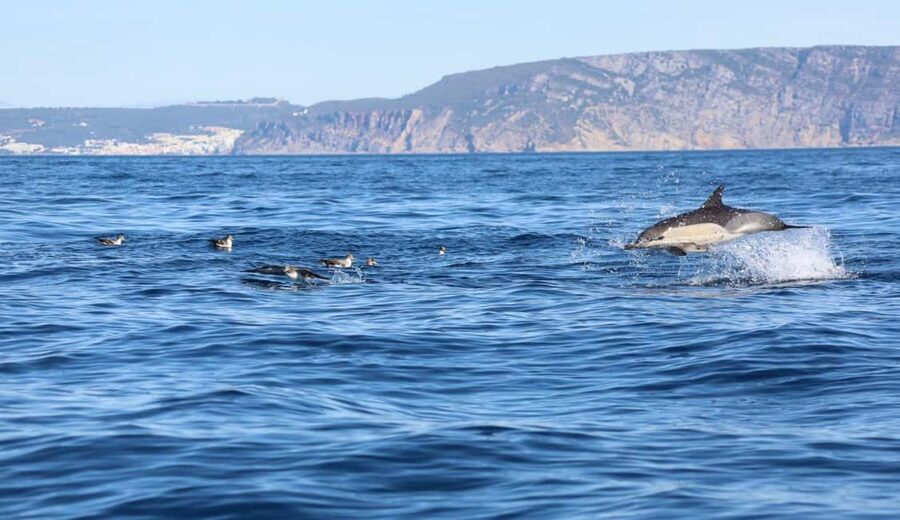
- Pelagic fish connections: sardines and tuna migrations often attract dolphins and also seabirds like cormorants and gannets.
- What’s not provided: no food/drinks and no windbreakers, so bring what you’ll need to stay comfortable.
Entering Lisbon Bay on a RIB boat
This is the kind of outing that helps you see Portugal’s capital in a different way. Lisbon isn’t only tiled streets and viewpoints—its coastal edge is where ecosystems collide, and that’s where this trip focuses.
You start from the dock area near Doca Alcântara (with an alternate starting option listed as Doca de Santo Amaro). From there, you hop onto a RIB boat for an out-and-back loop in Lisbon’s bay area. The RIB format matters: it’s faster and more maneuverable than a big sightseeing boat, so you get the sense of being part of the action rather than parked offshore. If you like feeling the wind and the speed, it’s a big plus.
The trip is timed for a morning departure at 9:30 AM and runs about 150 minutes (2–3 hours). That duration is long enough to leave the docks behind, explore the coastal zone, and still have a land segment at the fort before you’re back.
You can also read our reviews of more tours and experiences in Lisbon.
Meeting point options and how the safety briefing fits in
There are two possible starting locations tied to what you book. The activity can begin at:
- MRXF+VJ Lisbon, Doca Alcântara
- Alcântara, Lisbon (listed as an option in the same area)
Your meeting point might vary depending on the option you chose, so I’d treat your confirmation details as the authority.
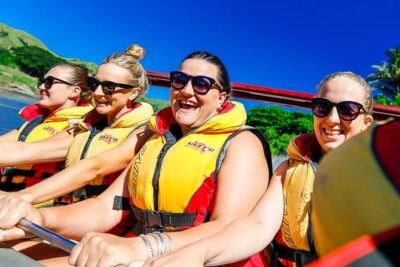
Before you head out, there’s a 15-minute safety briefing. For this kind of boat, that briefing isn’t filler. It sets expectations for how to move on board, how to stay seated, and the rules around wildlife observation. You’re also issued life jackets, and insurance is included, which is exactly what you want on a speed boat over open water.
A practical tip: arrive early enough to get your bearings at the dock. One disappointing experience shared in the feedback shows what happens when people are rushing and can’t locate the dock entrance in time. Even if you’re confident with Lisbon logistics, give yourself a buffer for parking or navigating the waterfront.
Fort São Lourenço do Bugio: the coast’s “pause button”
The most interesting surprise in the schedule is that the outing isn’t all water. You’ll visit Fort of São Lourenço do Bugio for about two hours with a guided tour.
Why this matters: viewing wildlife from the boat helps you understand the present moment, but the fort connects you to the coast’s long relationship with ships, currents, and survival along the shoreline. Even if you’re mainly here for dolphins, the fort stop gives you something that doesn’t depend on animal sightings.
Also, the timing works well. You’re out on the RIB, then you switch to a structured land segment—so even if you’re someone who finds boat rides mentally exhausting, you still get a clear break.
The estuary meeting the ocean: where the food chain starts
One of the best ways to think about this tour is as a guided explanation of why marine life gathers where it does. Lisbon’s coast is shaped by the meeting of an estuary and the Atlantic. That mixing zone creates conditions that attract feeding, migration, and hunting.
On board, the biologists help you understand what’s happening beyond the obvious. You’re not just told, “There are dolphins.” You learn how the ecosystem supports them—through birds and fish, through schooling behavior, and through the way the zone concentrates life.
This is also where your spotting strategy improves. Once you know the “why,” it’s easier to read the bay:
- marine birds are often a clue that fish are moving
- certain fish behaviors can draw larger hunters
- cliffs and coastal features can help guide where animals show up
If you’ve ever watched the ocean from shore and wondered what you’re missing, this is the kind of tour that teaches you to see the system, not just the spectacle.
Tracking dolphins and pelagic fish the smart way
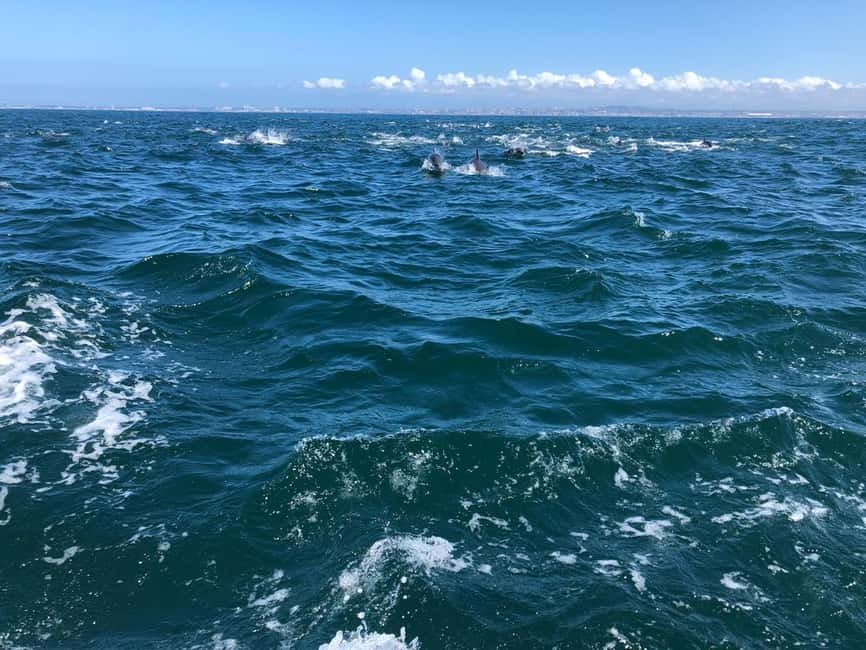
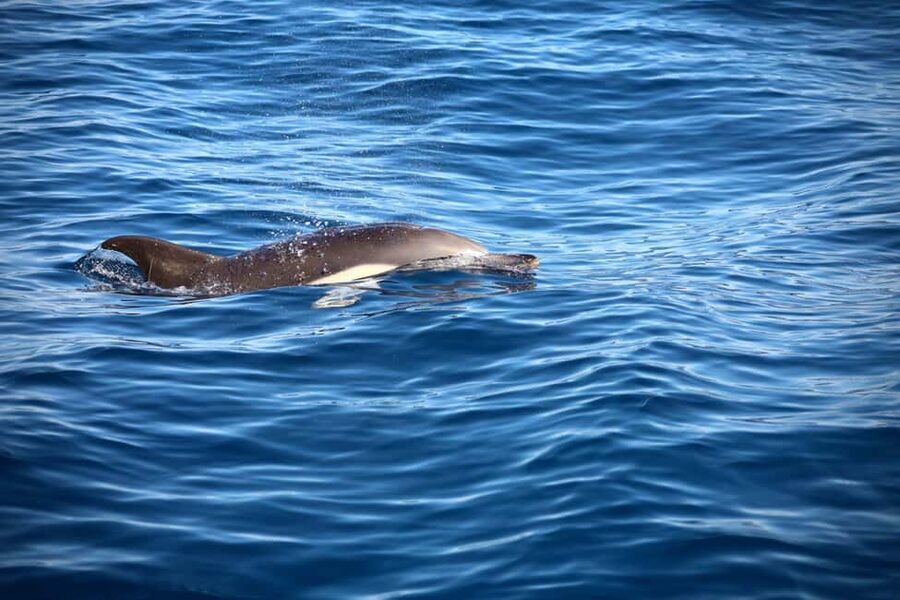
The big hook is obvious: the chance to spot dolphins and other marine life in their habitat. The key word here is chance. Your best odds come from how the ecosystem is operating that day—especially when pelagic fish like sardines and tuna are migrating or schooling.
Here’s what you can expect the biologists to connect for you:
- when fish school, you often see feeding behavior ripple upward
- dolphins can follow the same patterns
- birds like cormorants and shearwaters may show up because they’re also hunting
And if dolphins do show, the experience tends to feel immediate—because you’re on a RIB with the ability to get close enough for real viewing, without turning it into reckless animal chasing.
One more thing I appreciated from the feedback: even in choppier water, people often described the ride as fun, not just uncomfortable—so the ocean motion can become part of the adventure if you’re comfortable. Still, if you’re seasickness-prone, I’d take the warning seriously. This is not designed to be a gentle float.
The scenery you’re not supposed to ignore
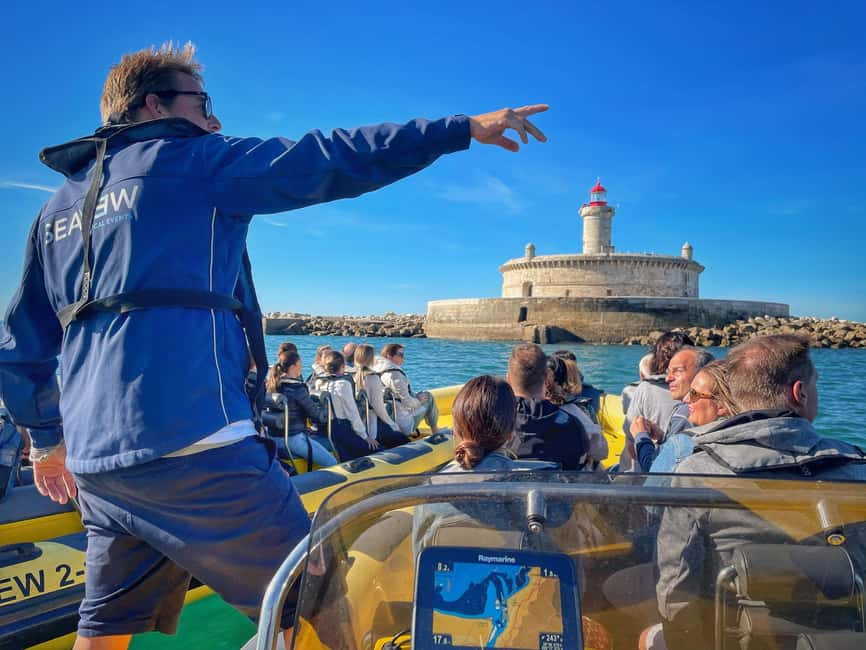
Wildlife is the headline, but the visuals help you stay present. On this route along the Lisbon coast, you’ll get views of dramatic cliffs and an old lighthouse that anchors the scenery as you head along the shoreline.
Why this matters: it’s not just pretty. Coastal landmarks help explain the geography of where you are and why marine life uses certain corridors or feeding grounds. When the biologists point out features you can see, the science clicks faster.
Also, the feedback includes at least one small cultural moment: on the way back, one group mentioned a brief ginja shot near the lighthouse. That’s not something you should count on, but it hints at the kind of local touches the crew may weave in when timing allows.
Price and value: what you’re really paying for
At about $63 per person for roughly 2–3 hours, this sits in the “mid-budget adventure” zone. What makes it feel fair is that you’re not just paying for boat time.
You’re getting:
- a RIB boat tour
- a live biologist guide
- wildlife observation
- life jackets, plus insurance
- fuel and port fees included
Compare that to the alternative: many shore-based tours are cheaper but don’t teach you how to read the ecosystem. Here, the science is part of the product, and that’s what elevates it from sightseeing to learning.
One detail that helps manage expectations: windbreakers are not included, and neither are food and drinks. The price covers the marine experience and the fort tour, not comfort items or meals—so you’ll want to plan like you’re out for a sporty morning, not a picnic cruise.
What to pack (and what to leave at home)
Bring items that keep you comfortable in coastal wind:
- Hat
- Sunscreen
- Water
- Comfortable clothes
I’d also prioritize footwear with grip and skip anything fussy. High-heeled shoes are not allowed, which makes sense on a boat and at a fort.
You should also follow the safety and wildlife rules:
- no alcohol and drugs
- do not touch marine life
That last rule isn’t just for ethics. It keeps the interaction safe for you and for the animals. You’ll get the real point of the tour—watching behavior—without turning it into a contact event.
Who this Lisbon ocean safari suits best
This works best if you’re the kind of traveler who likes:
- learning while you’re looking
- getting off land and into the real environment
- wildlife that shows up because conditions are right (not because a performer forces it)
It’s not suitable for children under 6, and it’s not a great fit for people prone to seasickness. If you fall into either category, I’d look for a slower option or a land-focused coastal tour instead.
On the plus side, the language options are helpful if you don’t speak Portuguese fluently: the guide can be in English, Spanish, Portuguese, or German.
And even if you end up not seeing dolphins that day, you still have the combination of:
- guided wildlife observation
- the fort visit
- ecosystem explanations tied to what’s happening in front of you
That balance is part of why this tour earns strong marks in the feedback.
Should you book this ocean safari?
Book it if you want a Lisbon outing that connects scenery, wildlife, and science in one smooth package. The RIB boat adds energy, the biologists help you understand what you’re seeing, and the Fort São Lourenço do Bugio stop keeps the tour interesting even when wildlife sightings are limited.
Skip it (or rethink it) if motion is a deal-breaker for you. This is water-based and active, and the tour rules and duration suggest a real ocean experience, not a comfortable sit-and-watch session.
If you do book, I’d prepare like this is a sporty morning: pack your water and sun protection, wear grippy shoes, and arrive with enough time to find your dock option confidently. Then show up curious—because the best part isn’t only spotting animals. It’s understanding the ecosystem that makes them appear.
FAQ
How long is the Lisbon Ocean Safari?
The tour duration is listed as 150 minutes, which is described as about 2–3 hours.
What time does the tour depart?
The tour departs daily at 9:30 AM.
Where does the tour start?
The meeting point may vary based on the option booked. Options listed include Doca Alcântara (Lisbon) and MRXF+VJ Lisbon, Doca Alcântara, and another starting option listed as Doca de Santo Amaro.
What happens at the start of the activity?
You begin with a safety briefing lasting about 15 minutes.
What is the Fort of São Lourenço do Bugio stop?
It includes a guided tour of the fort area for about 2 hours during the overall outing.
What wildlife might I see?
The tour focuses on wildlife observation and mentions a chance to see dolphins and other marine life, plus birds and fish interactions. It also references pelagic fish migrations that can attract dolphins.
Is food included?
No. Food and drinks are not included.
What should I bring?
Bring a hat, sunscreen, water, and comfortable clothes.
Are there restrictions on what I can wear or do?
High-heeled shoes are not allowed. Alcohol and drugs are not allowed, and you cannot touch marine life.
Is it okay for kids and for people who get seasick?
Children under 6 are not suitable. People prone to seasickness are also not suitable.
What’s included in the price?
Included items are the RIB boat tour, a live biologist tour, wildlife observation, life jackets, insurance, fuel, and port/government fees.
Can I cancel?
Yes, free cancellation is available up to 24 hours in advance for a full refund.