REVIEW · MPUMALANGA
Kruger National Park: Morning Safari
Book on GetYourGuide →Operated by Kurt safari PTY LTD · Bookable on GetYourGuide
Early morning in Kruger pays off fast.
This half-day private safari is built for sharp wildlife watching, with a rare morning chance at the Big 5 and the park’s most active animals. I like that you’re not stuck on a bus or guessing where to go; you’re guided along Kruger’s road network with the goal of better sightings.
Two things I’m especially drawn to: the professional guide who helps you spot animals (and small things many people miss) and the comfortable, well-managed private vehicle setup for families, couples, and photographers. One consideration is that meals aren’t included, and you’ll also need to factor in Kruger conservation fees for entry (especially as an international visitor).
In This Review
- Quick hits
- Why a Kruger Morning Safari Works So Well
- Private Vehicle and Pro Guide: What You Really Get
- Big 5, 140 Mammal Species, and Kruger’s Road Web
- Wildlife Viewing Tactics You’ll Appreciate on the Ground
- Weather and Comfort: Pack Like It’s a Real Drive
- Breakfast Stops at Kruger Rest Camps (Meals Are Extra)
- Timing, Pickup, and What “Private” Means in Practice
- Price and Value: The Real Cost Beyond the $249
- Who This Safari Fits Best (and Who Should Skip It)
- Should You Book This Kruger Morning Safari?
- FAQ
- How long is the Kruger National Park morning safari?
- Is this safari private?
- How much is the tour?
- What does the price include?
- Are meals included?
- Are conservation fees included in the price?
- What are the conservation fees for international visitors?
- What should I bring for the safari?
- Who is this tour not suitable for?
Quick hits
- Morning game drive focus for higher odds of action early in the day
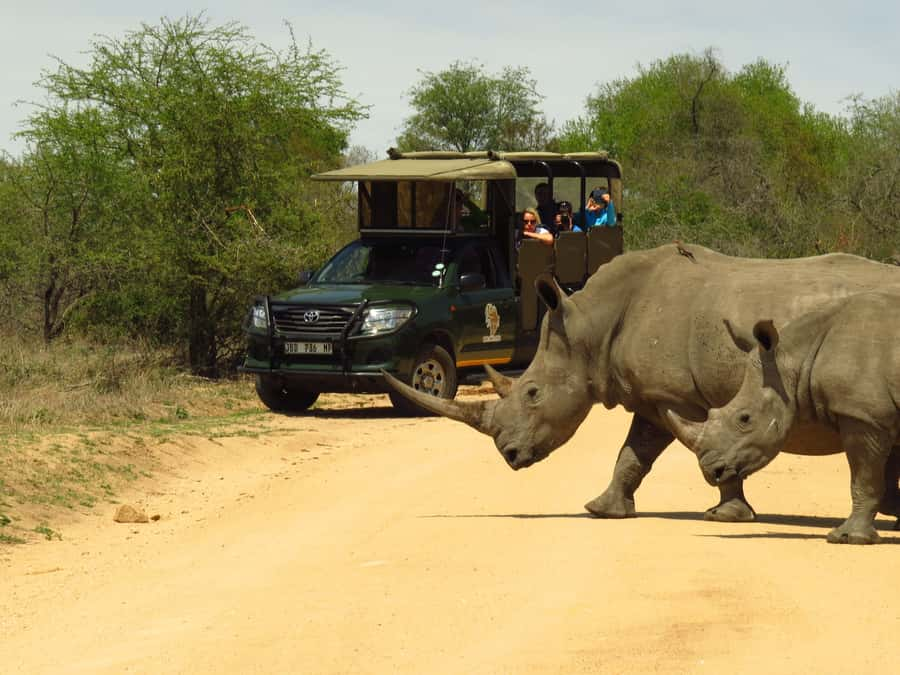
- Private vehicle comfort with a guide who drives and stops strategically
- Big 5 + over 140 mammal species on Kruger’s road network
- Photo-friendly guidance on where to position and how to shoot from the vehicle
- Optional breakfast stops at Kruger rest camps (meals extra)
Why a Kruger Morning Safari Works So Well
Kruger National Park has a special rhythm, and mornings are when you feel it. The air is cooler, animals often move more, and the whole park seems to wake up in layers. That’s exactly why a morning safari feels like more than a box-checking outing—it’s a timing advantage.
This tour runs for about 6 hours, giving you a solid block of time to hunt for sightings without dragging your day into a full marathon. It’s also a smart choice if you’re balancing a trip with other plans in Limpopo or you want to see the park at its most alive.
If you care about photography, mornings also make your job easier. You’re more likely to catch animals at a manageable distance with light that’s friendlier for shooting than harsh midday glare.
You can also read our reviews of more tours and experiences in Mpumalanga.
Private Vehicle and Pro Guide: What You Really Get
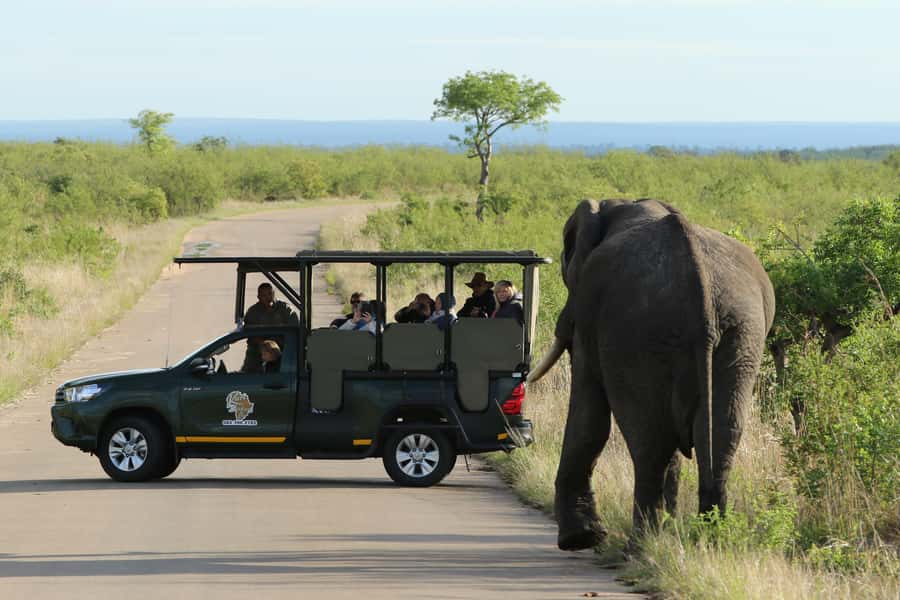
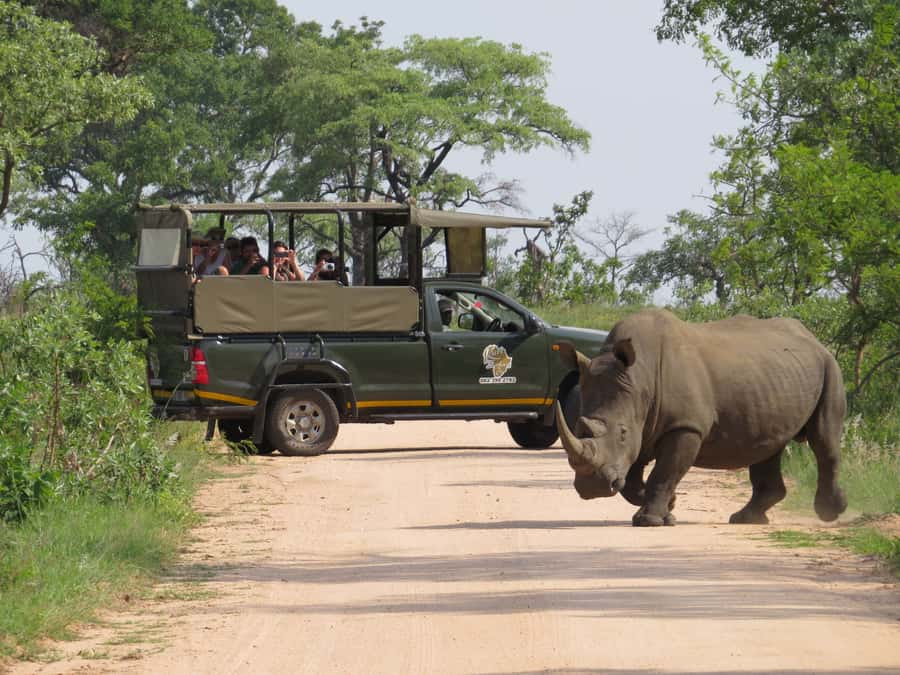
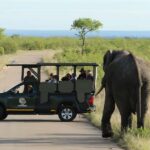
This isn’t a shared-ride free-for-all. You get a private group safari vehicle, and the driver and guide work together like a team—spotting, repositioning, and deciding when to spend time watching versus moving on.
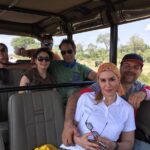
A big part of the value is that a guide can help you read Kruger faster than you can on your own. You’re learning what to look for, where to park for the best view, and how to keep your patience when sightings are quiet for a bit. In one real-life example, a guide named Steven even provided wind-protective clothing when conditions turned breezy while driving, and the group stayed warm when light rain moved through. That kind of practical care matters more than people expect.
You’ll also notice the difference in communication. One booking mentioned smooth coordination ahead of time, and that’s the detail you feel on the ground—less uncertainty, more time to focus on the park.
Big 5, 140 Mammal Species, and Kruger’s Road Web
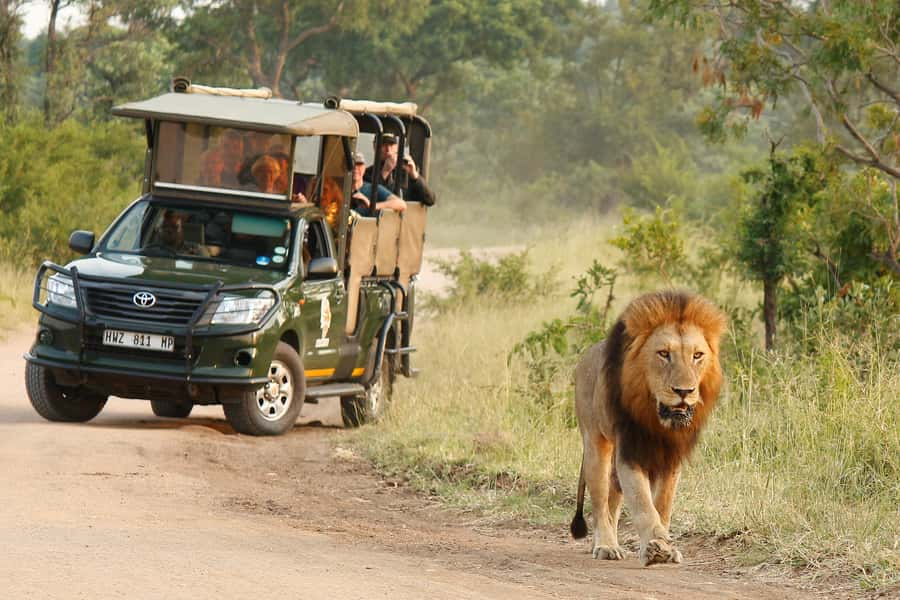
Kruger is huge—about 2,000,000 hectares—so the question isn’t just what animals exist, it’s how you reach them efficiently. This safari uses Kruger’s 200 km network of roads, which is the practical key to seeing a variety of wildlife in one half-day.
The park is famous for the Big 5 (lion, leopard, elephant, buffalo, rhino). It’s also home to over 140 mammal species, which is a quieter win. Even when the Big 5 isn’t fully on the menu, you can still leave with strong sightings and a deeper sense of how the park works.
Your guide’s job is to shape the drive around the season and conditions. The tour is designed so you’re not doing a random loop and hoping for the best. Instead, you’re driving with a plan for quality wildlife viewing, and that plan is adjusted as the day unfolds.
Wildlife Viewing Tactics You’ll Appreciate on the Ground
On paper, a safari sounds simple: drive, look, repeat. On the ground, it’s more about strategy—knowing when to stop short, when to move quickly, and when to wait.
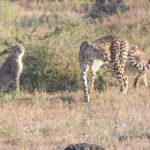
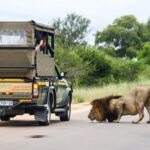
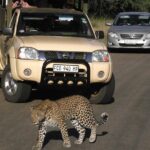
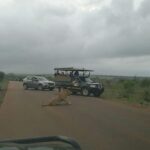
This is where you’ll feel the advantage of a good guide. One experience highlighted how the vehicle was driven and parked strategically so people could get better shots of animals. Another mentioned quick movement through the park while searching for cats, which ultimately led to sightings like lions.
You’ll also see why patience helps. One group described pushing their way through a huge herd of buffalo. That’s not the kind of moment you can plan with a checklist—it’s the kind you get when your guide keeps you in the right place at the right time and doesn’t rush the viewing.
Finally, don’t skip the small stuff. One guide told stories and even pointed out small creatures along the roads that many visitors miss entirely. It’s a reminder that Kruger isn’t only big-ticket animals. If you’re willing to look slightly closer and slower, the park keeps rewarding you.
Weather and Comfort: Pack Like It’s a Real Drive
Expect real-world weather. Kruger morning tours can start cool and stay that way, especially in winter. In summer, you might get heat plus sudden rain, so you want to cover your bases.
Here’s what I recommend based on how this tour is run:
- Bring warm clothing in winter. Wind while driving can cut through even when the day looks okay.
- In summer, bring cool clothing with a hat and a rain jacket.
- Use the provided mineral water to stay refreshed during the drive. It’s included, so you don’t have to guess hydration plans.
Also note what’s not allowed: alcohol and drugs. Keep things simple and stay focused on the wildlife and comfort of the ride.
Breakfast Stops at Kruger Rest Camps (Meals Are Extra)
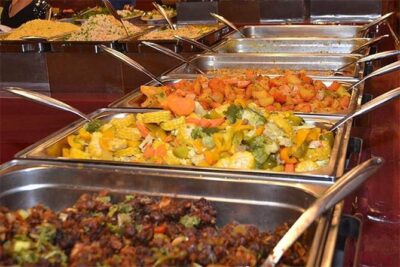
The safari is about wildlife, not dining theatrics. Still, there’s a practical perk: breakfast stops are available at Kruger rest camps, and you can choose from a variety of dishes.
But here’s the honest tradeoff: meals aren’t included in the tour price. So if you want breakfast, you should treat it as an add-on and plan a bit of budget for it. The good news is it can be convenient. Rest camps are a natural place to reset—grab food, use facilities if needed, and refuel before you continue the morning road game drive.
If you’re traveling with kids, a rest camp stop can make the trip easier to handle. If you’re traveling light and just want maximum time on the roads, you can also keep expectations flexible and decide once you’re out there.
Timing, Pickup, and What “Private” Means in Practice
You’ll be picked up from your accommodation or one of the park gates. Pickup is included, but you should contact the provider a day before to confirm pickup time and venue. That step matters because it keeps the morning stress low when you’re dealing with early start energy.
Your tour duration is set at 6 hours, but the starting times can vary. Check availability for the specific departure slots before you plan the rest of your day.
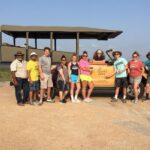
This is also the kind of tour where private group structure helps you feel less rushed. Up to 10 people are covered in the group pricing, and the private vehicle setup means you’re not constantly negotiating space with strangers or waiting for a long series of photo stops while other people shuffle around.
Price and Value: The Real Cost Beyond the $249
The headline price is $249 per group (up to 10 people). That’s the part most people see first. The value piece is that you’re paying for a guide, a safari vehicle, and the main experience—time in Kruger on the road network with planned wildlife viewing.
But then there’s the important add-on: conservation fees, which are not included. These fees depend on residency status:
- South African citizens with ID: R134 per adult and R67 per child (2–11)
- International visitors: R602 per adult and R300 per child (2–11)
And yes, you need to pay them by card for a speedy entrance. That detail affects your prep. Make sure you have a card that will work on the spot, because it’s the difference between an easy entry and a frustrating delay.
If you’re traveling as a family, the group-per-price structure can be a good deal versus paying separate safari costs for each person. If you’re traveling solo or as a couple, it can still be worth it when you compare what you get: private vehicle time, guide focus, and the morning road targeting that helps you see more variety.
Who This Safari Fits Best (and Who Should Skip It)
This safari is a strong match for:
- Families who want a structured half-day experience with a guide doing the spotting and decision-making
- Couples who want a more personalized wildlife outing than a crowded group safari
- Photographers who want help positioning the vehicle and maximizing shot opportunities during sightings
- Anyone who prefers a morning start and wants Kruger high activity time without using the entire day
But it’s not for everyone. It’s marked as not suitable for children under 3 years and not suitable for pregnant women. If that applies to your group, you’ll want to choose a different style of tour or adjust plans for comfort and safety.
Also, it’s a driving-focused safari. You’ll be spending time in a vehicle, and wildlife viewing rewards attention and patience. If you want constant walking or frequent long stops, this isn’t built that way.
Should You Book This Kruger Morning Safari?
I’d book it if your priority is a focused half-day Big 5–style game drive with a guide running the process, not guessing. The early timing, private vehicle setup, and guide-led strategy make it a practical value play—especially for families and photo-minded travelers.
I’d think twice if you’re trying to keep costs ultra-low after the headline price, because the international conservation fees can be a meaningful chunk of the total. Also keep in mind that meals aren’t included, so plan whether you’ll want a breakfast stop at a rest camp.
If you’re prepared with the right clothing for morning conditions, have a working card for park entry fees, and like the idea of learning while you look, this is a very reasonable way to experience Kruger in a short window.
FAQ
How long is the Kruger National Park morning safari?
The duration is 6 hours.
Is this safari private?
Yes. It’s a private group with a private safari vehicle.
How much is the tour?
It’s priced at $249 per group, up to 10 people.
What does the price include?
The tour includes a professional guide, a safari vehicle, and mineral water.
Are meals included?
No. Meals are not included, but breakfast stops at Kruger rest camps are available.
Are conservation fees included in the price?
No. Conservation fees are not included and must be paid by card for speedy entrance.
What are the conservation fees for international visitors?
International visitors pay R602 per adult and R300 per child aged 2–11.
What should I bring for the safari?
Bring a passport or ID card (a copy is accepted). Also bring appropriate clothing for the weather: warm in winter, and cool clothing with a hat plus a rain jacket in summer.
Who is this tour not suitable for?
It is not suitable for children under 3 years and not suitable for pregnant women.