REVIEW · BENTOTA
Madu River Boat Safari Balapitiya
Book on Viator →Operated by Suduhansa Tours · Bookable on Viator
One of Sri Lanka’s best easy wildlife trips is here. This Madu River motorboat safari is a simple, 2-hour cruise through mangroves and river islands, with a stop at a Buddhist monastery, plus a fish foot massage and a visit tied to cinnamon. I like that it’s hands-off and organized—board a skippers motorboat and let the river do the work. I also like the mix of wildlife spotting and rural life, not just scenery. One thing to consider: this is weather-dependent, so plan for a possible change if conditions are rough.
The route is built for an out-and-back feeling without the hassle: you travel to the departure point on your own, then get guided around the ecosystem and communities along the river. The boat ride is shared, but the operator has shown flexibility for big groups—there’s a case of them arranging a private boat for a group of 13 and helping an elderly member with limited mobility get comfortable. Because you’re on the water for about two hours, bring what you need for sun and damp conditions.
In This Review
- Key things to know before you go
- Madu River mangroves: why this safari works so well
- The 2-hour shared boat safari (with a real skipper)
- Wildlife spotting: what to watch for along the mangroves
- Island monastery stop: culture without turning it into a lecture
- Fish foot massage in the pedicure pond: fun, different, and a little strange (in a good way)
- Cinnamon island: how a local ingredient becomes a story
- Value and price: is $29 a good deal for a Madu River safari?
- What logistics look like (so your day stays easy)
- Who this boat safari suits best
- Should you book the Madu River Boat Safari with Suduhansa Tours?
- FAQ
- How long is the Madu River Boat Safari?
- What’s included in the ticket?
- What is not included?
- Where is this experience located?
- What are the opening hours?
- Is there a mobile ticket?
- What is the cancellation policy?
Key things to know before you go
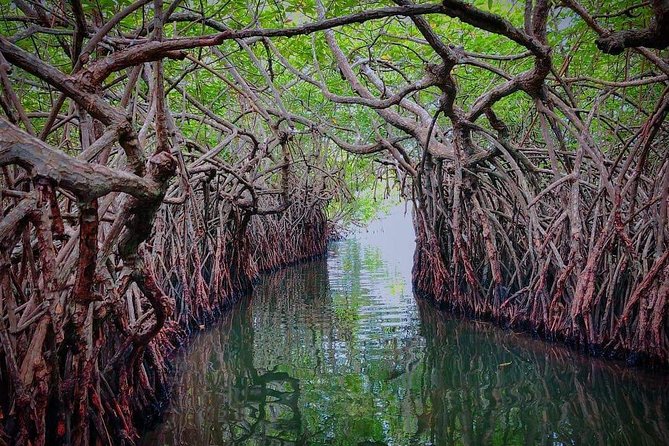
- Mangrove cruising: you’ll glide through the river’s mangrove areas where birds and reptiles are often seen.
- Wildlife variety: watch for monkeys, cormorants, kingfishers, and even monitor lizards and crocodiles.
- Temple stop: there’s an island Buddhist monastery visit, which adds cultural context to the nature focus.
- Fish foot massage: you can try the fish foot massage at the fish pedicure pond.
- Cinnamon island link: you’ll see how locals use cinnamon in everyday life and cooking.
Madu River mangroves: why this safari works so well
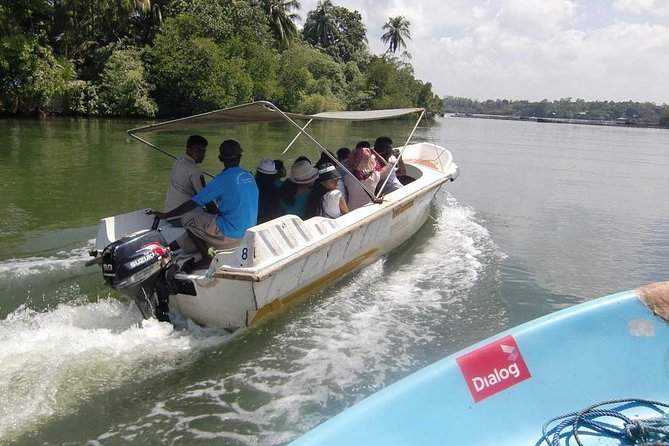
The Madu River area is special because it’s not “just water with trees.” Mangroves act like living walls—part habitat, part nursery, part protective buffer for wildlife. On a boat safari like this, those mangrove channels turn into natural corridors where birds and reptiles have ways to live close to the river edges.
What I like is that the trip isn’t trying to be fancy. It’s practical wildlife travel: you get out onto the water, follow the river’s pathways, and look for what’s there. The included stops also prevent the experience from becoming only sightseeing from a moving seat—you get culture and local food-flavor connections through the monastery and the cinnamon island segment.
If your travel style is short and sweet, this is built for you. In about two hours, you get multiple “looks” at the river: wildlife cruising, a monastery on an islet, a fish pedicure pond, and a cinnamon stop. That’s a lot of variety for one ticket.
You can also read our reviews of more tours and experiences in Bentota.
The 2-hour shared boat safari (with a real skipper)
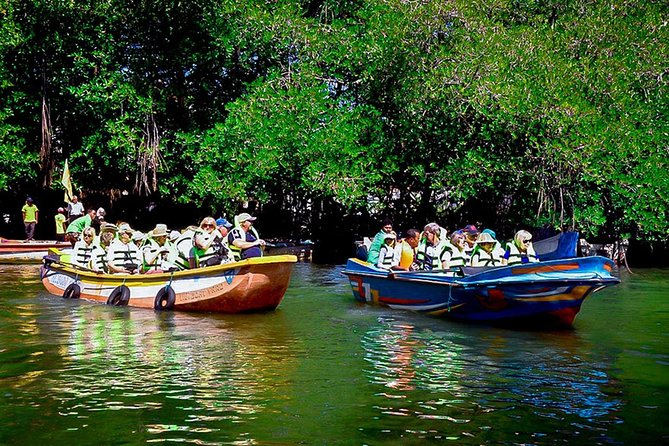
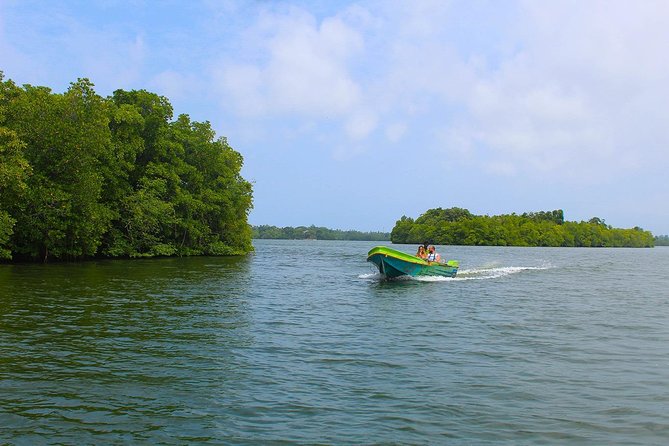
This is described as a shared boat safari with an instructor/skipper on a motorboat. In real life, that usually means you don’t have to worry about route planning or safety decisions—you’re handed a plan and pointed toward the places where sightings are more likely.
The timing matters. Two hours is long enough to actually see river behavior—bigger birds reposition, reptiles bask or move along edges, and monkeys (when they’re nearby) can show up in bursts. It’s also short enough that it doesn’t drain your whole day, which matters if you’re staying in the Bentota/Balapitiya area and still want beach time or other stops.
One practical tip: plan to be there early in the day window. The listed opening hours are 5:00 AM to 4:00 PM, so you can choose a calmer time for better light and easier boat conditions. Also, since you’re on the water, wear clothes you don’t mind getting a bit damp—river air plus splashes can happen.
Wildlife spotting: what to watch for along the mangroves
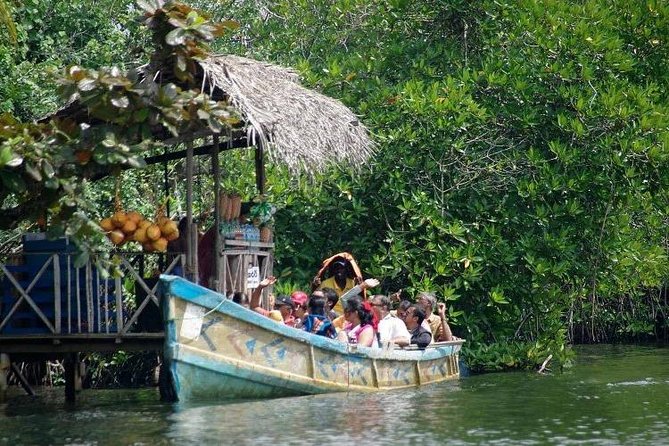
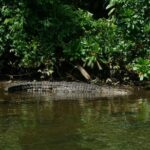
The safari’s wildlife list is one of the reasons it’s popular. The experience highlights spotting reptiles, monkeys, cormorants, and other species as you cruise. The description specifically points toward monitor lizards and crocodiles, and it also mentions kingfishers.
Here’s how to make those sightings more likely:
- Stay alert at water level. A lot of action happens near the mangrove roots and along the edges, not only out in open water.
- Watch for stillness. When you see one animal pause, others often follow with movement nearby—especially birds.
- Don’t rush your eyes. If you keep scanning the same direction, you miss the short flits and quick repositioning that birds and monkeys do.
Also remember: wildlife isn’t guaranteed. This is a nature setting, so your best “plan” is good attention and patience. The upside is that the trip is designed around the ecosystem—this isn’t a long journey where you’re mostly hoping. You’re cruising the right environment for the right animals.
Island monastery stop: culture without turning it into a lecture
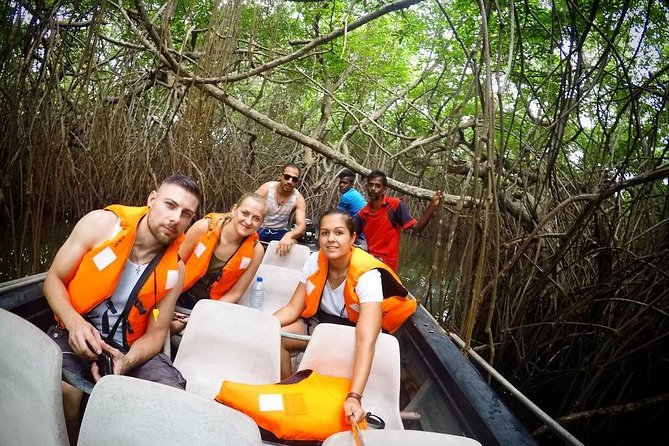
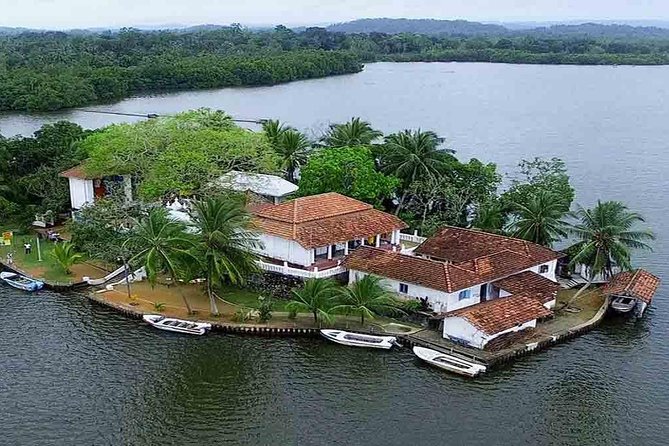
A big part of what makes this safari feel authentic is that it includes a stop at a Buddhist monastery set on an islet. That’s not just a photo break. It changes the rhythm of the trip, moving from moving-water wildlife watching to a calmer, land-and-practice moment.
What’s valuable for you: you’ll see how local faith and daily life stay connected to the river environment. A monastery on an islet also makes sense geographically—the island setting gives a sense of separation and quiet, which aligns with many temple traditions around waterways.
Practical note: since this is a visit included in the itinerary, dress respectfully. Even if it’s a quick stop, treat it like a real place of worship, not a generic tourist landmark.
Fish foot massage in the pedicure pond: fun, different, and a little strange (in a good way)
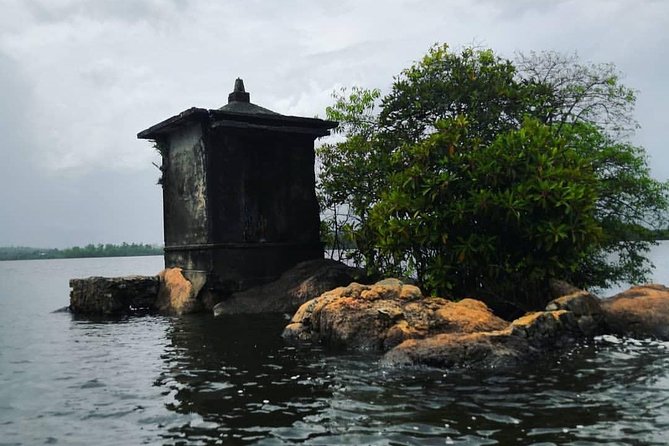
One of the most memorable inclusions is the fish foot massage at the fish pedicure pond. If you’ve never tried it, the idea is simple: you put your feet into a pond where small fish nibble at dead skin as a kind of natural pedicure.
What makes this worth your time on this specific safari is that it’s paired with the broader river ecosystem theme. You’re already learning about the river’s life and mangrove habitat—then you get a hands-on connection to how local operators use living pond fish for a service.
A few things to keep in mind:
- It’s not a spa in the Western sense; it’s more of a hands-on encounter.
- If you have sensitive skin, you might want to judge the experience carefully and stop if it feels uncomfortable.
- Bring a mindset of curiosity, not expectation of a perfect luxury procedure.

Cinnamon island: how a local ingredient becomes a story
The trip doesn’t treat cinnamon as a souvenir word. It includes a cinnamon island segment and ties it to how locals use cinnamon in cooking. That matters because cinnamon is one of those flavors people associate with Sri Lanka, but most visitors only taste it once or twice—usually in a shop.
On this safari, cinnamon becomes a place-based lesson. You’ll see the connection between a coastal river community and a cooking ingredient that’s part of everyday life. Even if you’re not a hardcore foodie, it’s a neat “why it matters” moment that adds meaning beyond the boat ride.
If you’re planning to cook later or buy spices, this helps you buy with context. You start seeing cinnamon as more than a packet—it’s something grown and used in real local practice.
Value and price: is $29 a good deal for a Madu River safari?
At $29 per person, the price is the kind of value that works for budget travelers. The ticket covers the boat, the instructor, the monastery stop, the fish foot massage, and the cinnamon island. That package is important: two of the most “activity-like” parts—fish foot massage and cultural stop—aren’t treated as optional add-ons.
What’s not included is equally important: food and transport to the boat safari place. Food isn’t included, so plan a snack or meal before or after, depending on your timing. And because you handle getting to the departure point yourself, build in buffer time from where you’re staying.
For many travelers in Bentota/Balapitiya, the value equation looks like this: you pay once for a multi-stop river experience that’s hard to stitch together on your own with the same flow and timing. If you’re staying nearby, this is exactly the kind of day activity that keeps your schedule light.
What logistics look like (so your day stays easy)
This safari uses a mobile ticket, and you should receive confirmation at booking time. It also lists that the meeting point is near public transportation, which is useful if you’re not renting a car.
Duration is listed as about 2 hours, so it’s a good “in-between” activity—especially if you’re mixing beach time with one meaningful nature stop. The opening hours are broad—5:00 AM to 4:00 PM—so you’re not stuck with only one departure time.
One more thing to plan for: the experience requires good weather. If conditions are poor, it may be offered on another date or refunded.
Who this boat safari suits best
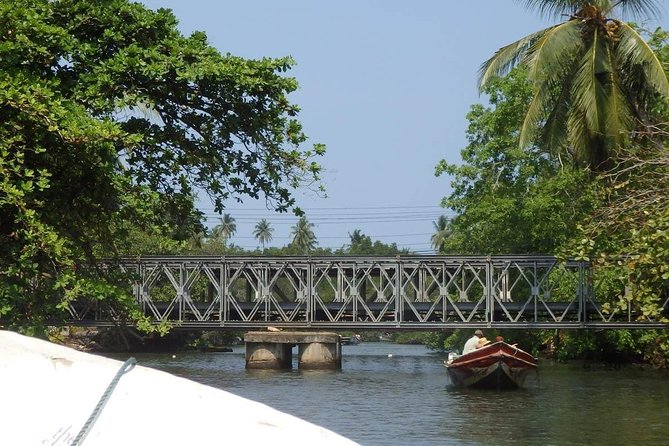
This Madu River boat safari is a strong fit if you want:
- Wildlife and nature without complex planning
- A cultural stop that’s short, real, and not overly scripted
- A family-friendly format with a mix of sights and simple activities
It’s also a good option if you travel with people who prefer comfort and guided pacing. The operator has shown support for group needs—there’s an example of accommodating an elderly member with limited mobility and even arranging a private boat for a larger group.
If you’re the kind of traveler who hates waiting around, this helps: two hours, multiple stops, one ticket, and a boat skipper guiding the way.
Should you book the Madu River Boat Safari with Suduhansa Tours?
I’d say yes if you’re after an efficient Sri Lanka experience that feels both local and alive. The combination of mangrove cruising, wildlife chances, a monastery on an islet, fish foot massage, and cinnamon makes this more than a one-note boat ride. At $29, the included activities give you a strong value snapshot for the time you spend.
I’d hesitate only if you’re the type who needs guaranteed wildlife sightings, or if you don’t like weather-dependent plans. Also, since food and transport aren’t included, be sure you’re organized about getting to the departure point and eating before/after.
If your goal is an enjoyable, well-structured nature-and-culture outing from Bentota/Balapitiya, this is a smart booking.
FAQ
How long is the Madu River Boat Safari?
The safari lasts about 2 hours (approx.).
What’s included in the ticket?
Included items are the boat, instructor, Island Temple, Fish Foot massage by Fish, and Cinnamon Island.
What is not included?
Food is not included, and transport to the boat safari place is also not included.
Where is this experience located?
It’s listed as being in Bentota, Sri Lanka (with the safari associated with the Balapitiya area).
What are the opening hours?
The listed opening hours are Monday through Sunday from 5:00 AM to 4:00 PM.
Is there a mobile ticket?
Yes, it’s listed as having a mobile ticket.
What is the cancellation policy?
You can cancel for free up to 24 hours in advance for a full refund. If you cancel less than 24 hours before the experience starts, the amount paid is not refunded. If canceled due to poor weather, you’ll be offered a different date or a full refund.