REVIEW · WESTERN CAPE
Marine Big 5 Safari: Self-Drive
Book on Viator →Operated by Marine Dynamics Whale Tours · Bookable on Viator
Whales and penguins, same day, same coast. I love the way this day blends an on-the-water Marine Big Five search with real conservation education, not just sightseeing. I also like the included warm meal back at the Great White House Restaurant, so you’re not scrambling for food after the boat. The main drawback to plan for is that wildlife sightings depend on the season and weather, so you should go with flexible expectations.
This is a great pick if you want a structured marine outing with the right gear and guidance, without hiring a driver or messing with complex transport. You’ll meet at the restaurant in Van Dyks Bay, get briefed, then head down to the harbour for a custom boat trip on the water.
One more thing to consider: on-board narration can be clearer depending on where you sit. If you need audio to follow the science and safety talk, I’d position yourself where you can hear the guide/biologist without straining.
In This Review
- Key things to know before you go
- Marine Big Five in Gansbaai: what this self-drive day really gives you
- The Great White House meeting spot in Van Dyks Bay
- Pre-boat briefing, conservation room, and the gear you actually need
- Boarding the Dream Catcher: what to watch for offshore
- A practical tip for better narration
- Warm up after the sea: soup and bread/lasagne at the Great White House
- APSS penguin rescue stop: why the sanctuary visit matters
- Price and value: what you get for $129.98 per person
- When should you go: aligning with Southern Right whale season
- Who this tour fits best (and who should skip it)
- Should you book this Marine Big 5 Safari self-drive?
- FAQ
- FAQ
- How long is the Marine Big 5 Safari?
- Where do I meet for the tour?
- Is hotel pickup included?
- What’s included in the price?
- Do I need to pay an extra conservation fee?
- What marine animals are you looking for?
- When is the best time to see Southern Right whales?
- If I go outside whale season, will I still see whales?
- Is the APSS visit included, and when does it happen?
- What happens if the weather is poor?
- What if I need to cancel?
Key things to know before you go
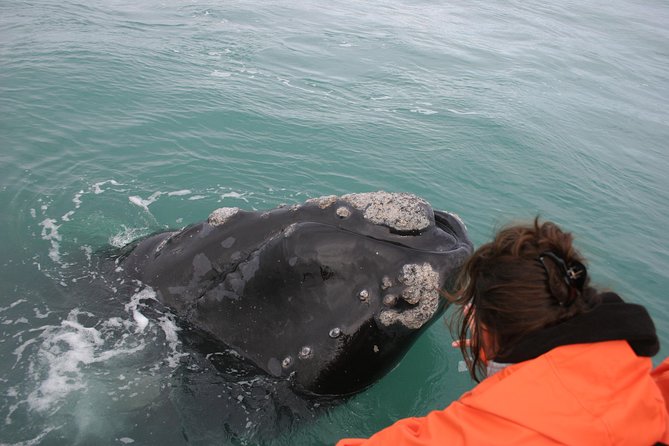
- Marine Big Five focus on whales, sharks, seals, penguins, and dolphins in one outing
- Professional guide/biologist-led education starts with a briefing before you even board
- Weather gear + life jackets are provided, so you’re not guessing what to pack
- Dream Catcher boat trip leaves from the Great White House harbour area
- Free APSS sanctuary visit adds context to why African penguins need help
Marine Big Five in Gansbaai: what this self-drive day really gives you
If you’re basing yourself in the Western Cape and want more than a typical coastal “look and hope” tour, this one is built for you. You’re not only heading out to search for whales and marine mammals—you also get a safety-and-conservation setup first, plus a follow-up visit that connects the wildlife you saw (or didn’t) to the work being done on land.
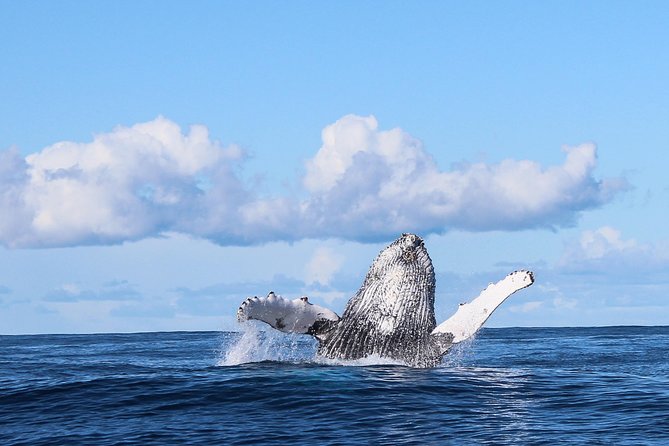
I especially like the balance: you get the thrill of being out at sea, then you warm up and get context. That matters here, because the marine life you’re chasing is seasonal. Southern Right whales are most expected from June to December, while other times of year can still bring sightings of Humpback or Bryde’s whales. Even if you’re outside peak season, you’re still in an area known for marine biodiversity, including seabirds, Cape fur seals, and dolphins.
The self-drive part is a plus. You’re not paying for transport you might not need, and you can time your morning around your own rhythm. Still, you’ll want to arrive with a little buffer. The day runs on meeting-point timing, a short walk to the harbour, and a briefing that you don’t want to miss.
The Great White House meeting spot in Van Dyks Bay
Your start point is the Great White House Restaurant in Gansbaai (5 Geelbek St, Van Dyks Bay, 7220, South Africa). This is one of those practical locations that makes your day easier: it’s where you can use bathroom facilities, grab a drink on arrival, and get oriented before heading down to the harbour.
You should expect a small on-site routine when you arrive. Tea, coffee, and muffins are served up front, which is genuinely helpful if you’re early or if the weather is chilly. There’s also a conservation and education room for the briefing, so you’re not stuck standing around while people scramble for jackets.
If you’re self-driving, the biggest tip is simple: don’t treat this like a “show up anytime” tour. The wording around briefing and prep means you’ll want to be there before the group is called. Your time on the water is limited, and it’s best to start that clock feeling calm.
Pre-boat briefing, conservation room, and the gear you actually need
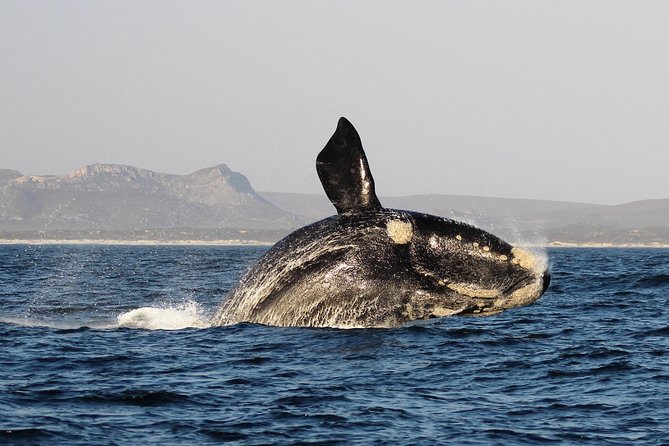
Before you even step onto the boat, you get a proper briefing in the conservation and education room. This is one of the best parts of the experience because it sets the day up like a guided mission, not a random boat ride.
You’ll receive information about the area you’ll be operating in, the conservation work happening there, and key safety guidance. Then you’re equipped with inflatable life-jackets and wet weather gear if conditions are cooler. I like that this is handled for you. It reduces decision fatigue and helps you focus on the water once you’re out.
The crew-to-guest ratio is another detail that matters. The operation is set up so one crew member looks after about 6 to 7 guests. On a wildlife trip, that kind of attention helps with basics like jacket fit, where to stand, and how to handle movement on deck.
Boarding the Dream Catcher: what to watch for offshore
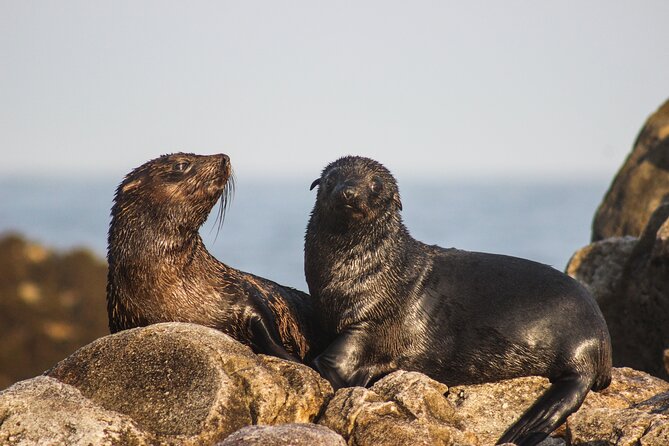
Once the briefing wraps up, it’s a short walk down to the harbour for the boat trip on the custom designed Dream Catcher. This is where your day shifts from education to sea time.
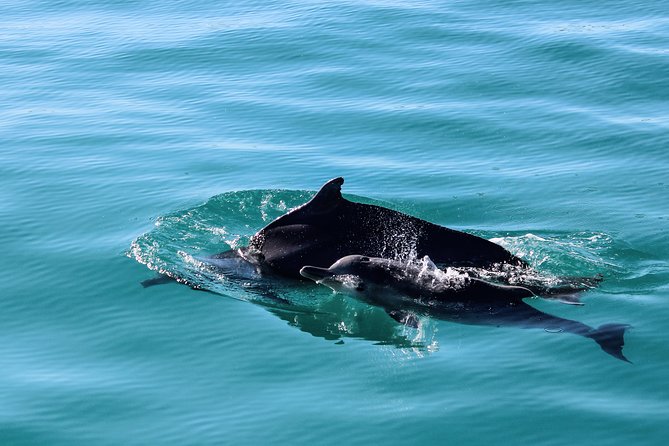
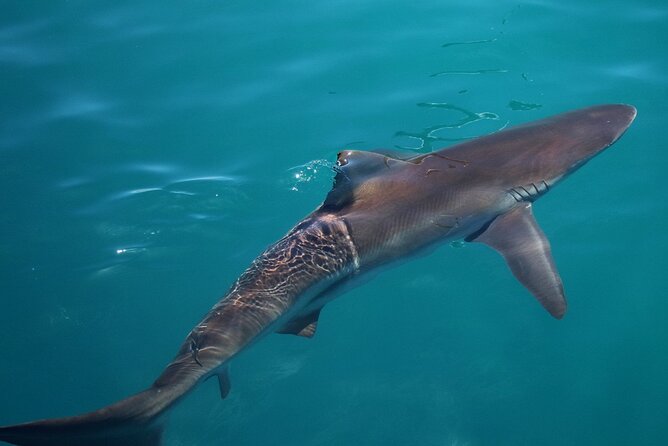
Your goal is the Marine Big Five: whales, sharks, seals, penguins, and dolphins. In practice, that means you’re scanning for a mix of large and smaller marine life along the route. You’re in a well-known area for marine encounters, and the tour is designed to give you repeated chances to spot wildlife rather than rushing past.
Here’s how the seasons affect your odds:
- Southern Right whales are normally expected from June to December.
- Outside that window, you may still see Humpback or Bryde’s whales.
The boat trip also connects to areas known for shark presence, including the Shark Alley region. The day’s planning includes stops around the wider marine zone, and you might even get close enough to observe the kind of conditions that bring Great White sharks into the conversation. That said, don’t plan your trip like a guaranteed sighting machine. Marine wildlife changes fast.
And yes, you may see Cape fur seals and various seabirds in the area. Dolphins are also part of what you’re searching for, and the region can be active with multiple species at once. If you’re the kind of traveller who likes when things feel alive around you, this is a good match.
A practical tip for better narration
The tour is designed to be educational on board, but audio quality can vary depending on microphone setup and where you’re seated. If you can’t follow the narrative clearly, ask a crew member to help you find a spot where you can hear better. It’s a small fix, and it makes a big difference when you’re trying to understand what you’re seeing.
Warm up after the sea: soup and bread/lasagne at the Great White House
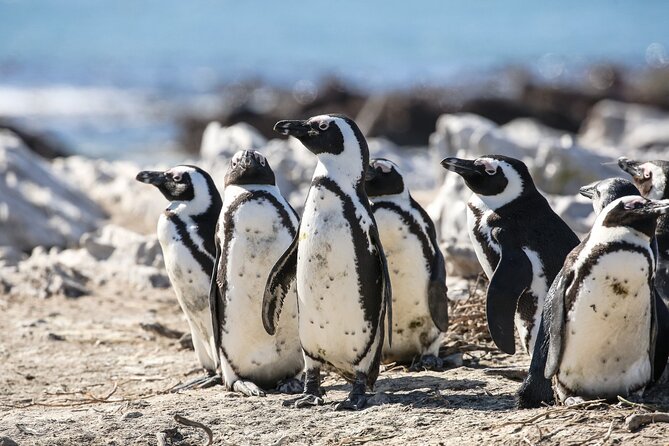
After the boat time, you return to the Great White House area. This is where the included warm food becomes more than a nice extra—it’s part of why this trip feels worth it.
The package includes warm soup and bread, or lasagne after the trip. You also get bottled water and the arrival coffee/tea and muffins. For me, that added comfort is key on a marine day. Salt air and wind can make you feel colder than you expect, and having a proper warm meal waiting means you’ll actually enjoy the rest of your afternoon instead of trying to find something quickly.
This stop also gives you a chance to decompress and compare notes with the guide/crew about what conditions were like and what you might have missed. Even if sightings weren’t your highlight that day, the conservation framing keeps the experience meaningful.
APSS penguin rescue stop: why the sanctuary visit matters
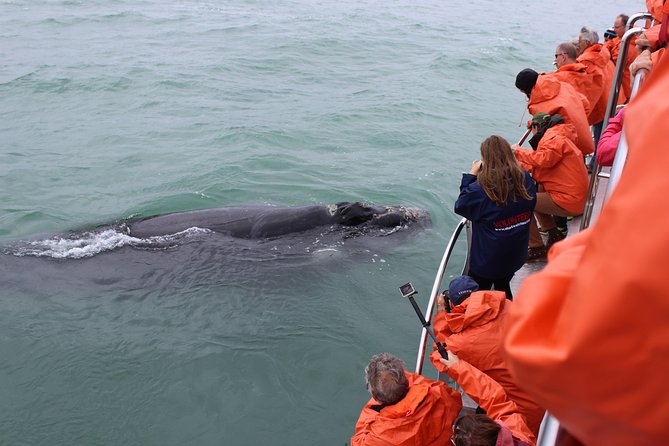
The African Penguin & Seabird Sanctuary (APSS) is a short included visit, and it’s one of the best reasons to choose this tour instead of a plain wildlife cruise.
APSS is described as a marine bird rehabilitation centre. It provides temporary rehabilitative care to marine birds that are diseased, displaced, injured, oiled, or abandoned. The special focus is the endangered African penguin, but the sanctuary’s work extends to other seabirds as part of a broader conservation plan.
What I like about adding APSS is the cause-and-effect connection. You go out looking for wildlife at sea, then you come back to understand the human pressures that affect penguins and other marine birds. The sanctuary combines rescue, rehabilitation, and release with research, education, and awareness programs meant to reduce impacts on colonies.
The visit can be done before or after the tour, and it’s included as a free stop. The time is short (about 15 minutes), so think of it as a concentrated introduction. You won’t get lost in a long museum experience, but you’ll leave with a clearer picture of why the conservation fee and education portion of the day are central to the whole plan.
Price and value: what you get for $129.98 per person
At $129.98 per person, this trip sits in a middle ground that can be good value—mainly because it bundles multiple parts you’d otherwise pay for separately.
What’s included:
- Bottled water
- Coffee/tea and muffins on arrival
- Warm soup and bread or lasagne after the trip
- Inflatable life-jackets and wet weather gear
- Professional guide (with marine/biologist-led education)
- Free visit to APSS
What’s not included:
- Transportation to/from attractions
- Hotel pickup and drop-off
- Trip footage for purchase (optional, if you want it)
There’s also a note that a conservation fee is compulsory. That’s important to know because it’s part of how the program supports the work around the region. For me, that fee is a better sign than a hidden extra. It means you’re paying into conservation rather than just buying a chance at sightings.
Timing-wise, the day is listed at about 3 hours overall, but the boat portion is described as around 2 to 2.5 hours excluding travel and briefing time. With a cruise plus a sanctuary stop, you’re getting a full arc, not a quick loop.
And group size matters here. The activity caps at 45 travellers, and with that crew attention ratio (one crew member to about 6–7 guests), you should feel more looked after than on huge boats where you’re basically on your own.
When should you go: aligning with Southern Right whale season
If your top goal is whale watching, plan around the Southern Right whale season (normally June to December). That’s when the odds are designed to be best for that iconic local species.
If you’re travelling outside that season, you’re still not out of the game. The area may still have Humpback or Bryde’s whales on occasion. In other words, you’re going for the experience and the education, with the understanding that the specific whale species is a season-linked bonus.
Also keep in mind that this experience requires good weather. If poor conditions cancel the trip, you’ll be offered a different date or a full refund. That policy is worth paying attention to when you’re planning your overall Western Cape schedule. Build in flexibility so you’re not stuck.
For packing, the provided wet weather gear helps. You’ll still want layers you can move in and shoes that work on a harbour and boat deck. Wind and spray can change comfort fast, even when the forecast looks mild.
Who this tour fits best (and who should skip it)
This Marine Big Five Safari is best for you if:
- You want a guided marine outing with conservation education built in
- You prefer a self-drive day plan with a clear meeting point
- You like learning why penguins and seabirds need protection, not just seeing them if you get lucky
- You’ll enjoy a mix of possible wildlife sightings rather than betting everything on one species
It might be less ideal if:
- You need guaranteed whale sightings (marine life can’t be guaranteed)
- You hate waiting on weather because the experience runs only when conditions are suitable
- You’re sensitive to audio clarity and can’t easily relocate to hear narration
Should you book this Marine Big 5 Safari self-drive?
I’d book it if you want a smart, value-forward marine day in Gansbaai that goes beyond casual sightseeing. The combination of the Dream Catcher boat trip, the warm meal back at the Great White House, and the included APSS sanctuary visit makes it feel like a complete experience rather than a single-purpose outing.
Book it especially if you’re visiting during the June to December window for Southern Right whales, but don’t rule it out outside that season. Even when whale conditions are less predictable, the area’s marine activity can still deliver meaningful sightings, and the education portion keeps the day worthwhile.
If you’re on a tight schedule, do yourself a favour and arrive early to the meeting point. If you can hear the guide/biologist clearly, you’ll get more from the wildlife you spot—and you’ll understand what you’re seeing as it changes out on the water.
FAQ
FAQ
How long is the Marine Big 5 Safari?
The experience is about 3 hours in total. The marine tour itself is described as 2 to 2.5 hours, excluding travel and briefing time.
Where do I meet for the tour?
You meet at the Great White House Restaurant – Gansbaai, 5 Geelbek St, Van Dyks Bay, 7220, South Africa.
Is hotel pickup included?
No. Transportation to and from the attractions is not included, and there is no hotel pickup or drop-off.
What’s included in the price?
The package includes bottled water, coffee/tea and muffins on arrival, warm soup and bread/lasagne after the trip, inflatable life-jackets and wet weather gear, a professional guide, and a free visit to the African Penguin and Seabird Sanctuary (APSS).
Do I need to pay an extra conservation fee?
Yes. The conservation fee is compulsory.
What marine animals are you looking for?
The tour focuses on the Marine Big Five: whales, sharks, seals, penguins, and dolphins.
When is the best time to see Southern Right whales?
Southern Right whale season is normally June to December.
If I go outside whale season, will I still see whales?
You might still see Humpback and Bryde’s whales occasionally outside that June to December window, but sightings are not guaranteed.
Is the APSS visit included, and when does it happen?
Yes, the APSS visit is included and can be done before or after the tour. It lasts about 15 minutes.
What happens if the weather is poor?
The experience requires good weather. If it’s canceled due to poor weather, you’ll be offered a different date or a full refund.
What if I need to cancel?
Cancellation is free. You can cancel up to 24 hours in advance for a full refund.