REVIEW · ANURADHAPURA
Minneriya National Park Elephant Jeep Safari Private Tour
Book on Viator →Operated by Sudath Safari and Tours Sri Lanka · Bookable on Viator
There’s a reason Minneriya is always on the elephant map. This private Jeep safari takes you into the Minneriya area for a serious chance at seeing wild Asian elephants up close, plus plenty of other wildlife and birds.
What I like most is the mix of big-elephant energy and variety. You’re not just hunting one animal—you’re driving through scrub, forest, and wetlands around the old Minneriya Wewa, where wildlife comes to drink and move.
The main thing to think about: the exact park can shift. The plan is centered on Minneriya National Park, but the guide may steer you to the best option based on weather, including Hurulu Eco Park or Kaudulla National Park, which can affect what you see and what you pay for entry.
In This Review
- Key points before you go
- Why Minneriya’s elephant country is so famous
- The private Jeep format: what 3 to 5 hours gets you
- Entering Minneriya National Park: what you’re really looking for
- If the park is Hurulu Eco Park or Kaudulla: how the route can change
- Your elephant game plan: spotting herds without getting stressed
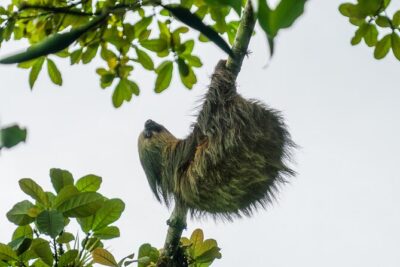
- Beyond elephants: birds and other animals you’ll notice once you slow down
- What’s included for $46.86: value that makes sense
- Timing and operating hours: plan around the midday window
- What to bring in a Minneriya Jeep safari
- Who should book this private Minneriya area safari
- Booking checklist: questions worth asking before you pay
- Should you book this Minneriya Elephant Jeep Safari?
- FAQ
- How long is the Minneriya National Park elephant Jeep safari?
- Is park entry included in the tour price?
- Is this tour private or shared with other people?
- Do you get pickup from Anuradhapura?
- What’s included in the tour?
- Can I cancel and get a full refund?
Key points before you go
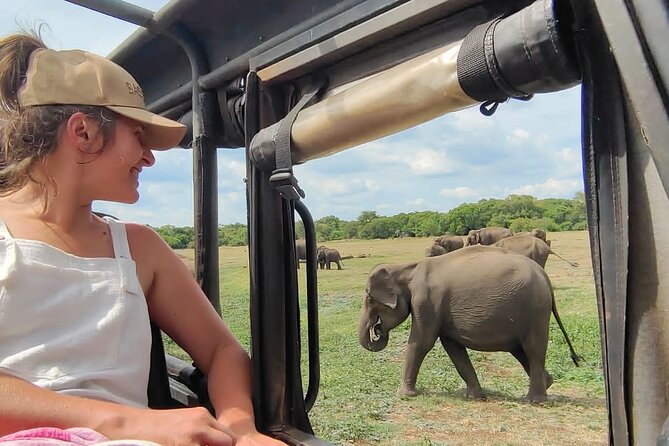
- Private Jeep for your group: no mixing with strangers, just your group with your driver.
- Weather-based park choice: your guide picks the best park option (not always the exact one you expect).
- Minneriya Wewa setting: elephants often concentrate around water and grazing areas.
- Wildlife beyond elephants: keep an eye out for sambar deer, buffalo, crocodiles, and rare predators.
- Birding is real here: the habitat supports lots of bird species, including water birds.
Why Minneriya’s elephant country is so famous
Minneriya National Park sits in Sri Lanka’s cultural North Central region near Anuradhapura, and it’s often described as the strongest concentration of wild Asian elephants in the world. The park covers about 31,000 hectares, with a huge wet-and-dry system that animals use like a living calendar.
A big part of the attraction is the landscape shaped by water. The area is dominated by Minneriya Wewa, an ancient reservoir. When the reserve and wetlands are working well, elephants tend to show up where there’s food, access, and water—so your chances improve compared with places where animals spread out.
And it’s not only elephants. This region also supports other wildlife such as toque macaques, sambar deer, buffalo, crocodiles, and—very rarely—leopards. The odds for leopards are always lower in practice, but the point is: you’re in an ecosystem, not a one-animal theme park.
You can also read our reviews of more tours and experiences in Anuradhapura.
The private Jeep format: what 3 to 5 hours gets you
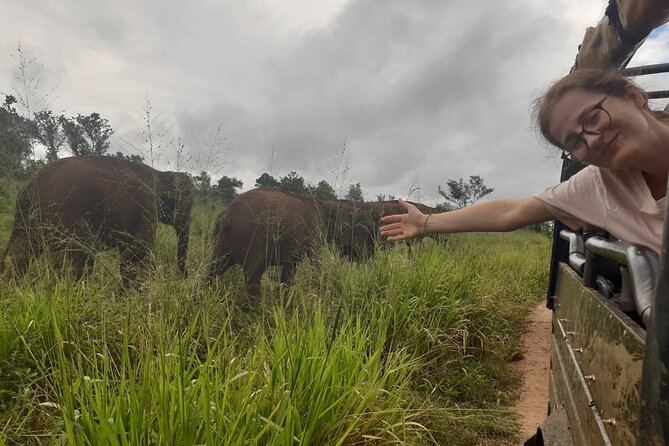
This safari is designed to be short and focused: about 3 to 5 hours. That matters because wildlife viewing is a patience game, but you still want a plan that doesn’t eat your whole day.
You’ll get pickup, travel by private transport, and bottled water is included. The tour is private, so it’s only your group. Practically, that usually means you can settle in faster, ask your driver questions without competing for attention, and adjust on the fly when elephants appear.
It also helps that the driver speaks English. You’ll still want to be flexible—wildlife timing doesn’t care about your schedule—but having clear communication can make a big difference when you’re trying to understand what you’re seeing and where to look next.
Entering Minneriya National Park: what you’re really looking for
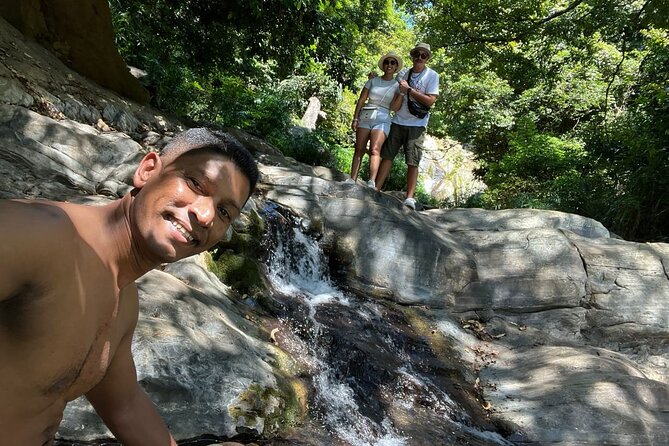
If your safari begins at Minneriya National Park, you’ll be driving through a patchwork of scrub, forest, and wetlands. The park area is about 88.9 sq km, and those habitat changes are the clue to where animals tend to show up.
Here’s what to watch for, conceptually:
- Elephants usually move and feed in patterns tied to water access and grazing.
- Wet areas bring more concentration, and that’s when you’re more likely to see multiple herds.
- Birdlife tends to spike around water and edges, so keep your eyes up as well as forward.
The wildlife list gives you a mental checklist. You might see toque macaques and sambar deer. Buffalo are also in the mix. Crocodiles can be present, especially near water edges—just remember you’re not always going to see them clearly from the Jeep, so don’t assume there’s nothing simply because the water looks calm.
For predators, the park can host rare species like the Sri Lankan leopard and the Sri Lankan sloth bear, but both are elusive. That means you should treat predator sightings as a bonus, not a requirement. Your best bet is to focus on elephants and the general activity level, then let the rarer animals be surprise wins.
If the park is Hurulu Eco Park or Kaudulla: how the route can change
The most important practical twist: the guide may choose between multiple parks based on weather conditions. The options mentioned include Hurulu Eco Park and Kaudulla National Park, along with Minneriya.
Why does this matter? Because weather influences visibility, water levels, and where animals feel safe enough to come out and feed. If water is lower in one area or conditions make driving harder in another, the guide aims to shift to the park where wildlife viewing is likely to be best at that time.
There’s also a cost implication. Entry fees aren’t included, so whichever park you end up in can affect what you pay at the gate. One person pointed out that the actual park wasn’t Minneriya but Hurulu Eco Park, and that entry was cheaper. I’d treat that as confirmation that park choice can change both your experience and your wallet.
So before you go, you’ll be happiest if you confirm this one point: ask your provider to clarify which park you’re visiting on your day and how weather affects the decision.
Your elephant game plan: spotting herds without getting stressed
Elephant viewing on a safari is half driving and half reading the situation. The tour is built for sightings around twilight, when activity often increases and animals are more on the move. Even if your exact timing varies, aim to stay alert during the full drive window, not just the first minutes.
Here are practical behaviors that usually pay off:
- Scan for movement near water edges and open feeding areas. Elephants don’t always step into your view like they’re on cue.
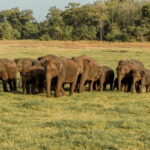
- Look for clusters of animals. Multiple herds are more common when conditions concentrate them, rather than when everything is spread out.
- Keep your expectations layered: first you want elephants, then you add the extras (birds, deer, buffalo, crocodiles).
Also, keep your photos grounded in reality. You might get long distances at times, especially when herds are cautious. If you’re trying to shoot video, give yourself time to stabilize and don’t jump the moment you think you see one ear move. Patience here is a feature, not a flaw.
Beyond elephants: birds and other animals you’ll notice once you slow down
Minneriya’s bird count is one of those details that changes how you experience the drive. The area supports up to 170 bird species, including water birds such as pelicans, storks, and herons. That doesn’t mean you’ll see all 170 on one ride, but it does mean bird activity is part of the ecosystem story.
This is a good thing if you’re traveling with someone who doesn’t want elephant-only viewing. Even if the elephants are taking their time, birds often give you constant visual action—especially near wetlands and water borders.
For other mammals, keep the checklist in your head: toque macaques, sambar deer, and buffalo can all show up. And remember the park can include crocodiles too. If you see a safe-looking water edge, slow down in your mind and observe; it’s often where the details are.
For the rare species—like Sri Lankan sloth bear or Sri Lankan leopard—don’t chase them mentally. Instead, enjoy the habitat and the general wildlife rhythm. If a rare animal appears, you’ll feel it as a true surprise.
What’s included for $46.86: value that makes sense
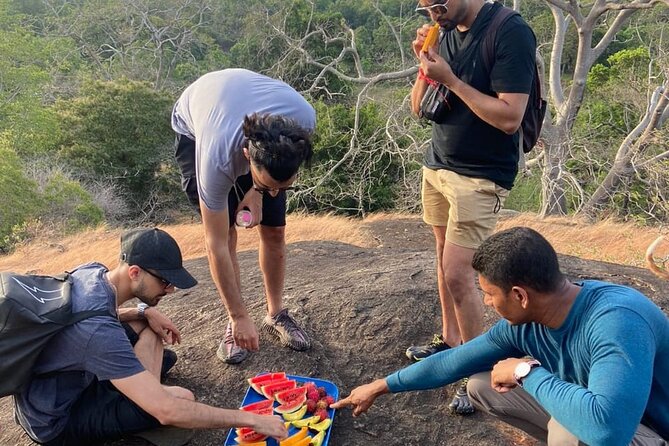
At $46.86 per person, this tour is priced like an efficient wildlife outing rather than a luxury day. The important value pieces included are:
- Bottled water
- Private transportation
- English-speaking driver
- Private tour format (only your group participates)
- Mobile ticket
What’s not included is the park entry/admission fees. This is normal for safari tours in Sri Lanka, but it changes the final total. Since the guide may route you to different parks, your entry fee could vary by which park gate you pay at.
So how do you judge value? I think this is good value if:
- You want privacy and easy communication.
- You’re optimizing a limited time window (3 to 5 hours).
- You’re okay paying park entry separately.
- You care about having a driver who helps you choose the best park option based on conditions.
If you already have your own vehicle and you’re comfortable self-driving, then you might beat the cost by doing it solo. But for most visitors, the private Jeep + driver time is exactly what turns this from a stressful plan into a straightforward one.
Timing and operating hours: plan around the midday window
The tour listing shows an operating window on Monday: 8:30 AM to 2:00 PM. It also shows valid dates from 01/08/2024 to 02/03/2027, which suggests seasonal scheduling or long-term availability.
Real talk: even with a time window, wildlife doesn’t work on a calendar. Still, these hours matter for your planning in Anuradhapura. If you want the best chance at activity, try not to schedule this as an afterthought late in the day when the light and animal movement may be different.
What to bring in a Minneriya Jeep safari
You’re going to be in a Jeep, looking out and waiting. Pack for heat and sun, plus basic comfort.
Bring:
- Sun protection (hat, sunscreen)
- Comfortable shoes you can wear inside the Jeep
- Light layers for morning or breezy moments
- A camera or binoculars if you use them
The tour includes bottled water, but I still suggest you keep your own snack plan if you get hungry fast. Not because the tour is badly organized—just because it’s wildlife time, and you might not want to scramble for food halfway through.
Who should book this private Minneriya area safari
This tour makes the most sense if you want:
- A private Jeep experience with pickup from Anuradhapura area
- A focused half-day outing rather than an all-day grind
- A chance at elephants plus other wildlife and birds
- Flexibility, since the guide may change the exact park based on weather
It’s also a smart choice if you’re traveling as a couple or small family and you’d rather avoid crowds. The private format keeps things calmer, and it can help you enjoy the driving and scanning without constantly negotiating space with other groups.
If you’re a super hard-core birder, you’ll appreciate the bird habitat angle—but keep in mind this is still primarily an elephant-focused safari with wildlife roaming as the main theme.
Booking checklist: questions worth asking before you pay
To keep your day smooth, I’d confirm these items up front:
- Which park you’re visiting on your day (Minneriya vs Hurulu Eco Park vs Kaudulla)
- How weather will influence the final choice
- Where pickup is arranged and what time you’ll be picked up
- Whether you should expect to pay entry fees at the gate (it’s not included)
- What the mobile ticket will look like for your group
Also, read the park name carefully in the final confirmation. One traveler ran into a mismatch between the described park and what they actually drove to. Avoid that by clarifying early.
Should you book this Minneriya Elephant Jeep Safari?
If your goal is wild Asian elephants in the Minneriya region with a private Jeep and a half-day schedule, I’d say yes—especially if you like the idea of a guide steering you toward the best park option for the day’s conditions.
Book it if you:
- Want a calm private format with pickup and bottled water
- Are okay with paying park entry fees separately
- Understand that rare predators are never guaranteed
- Appreciate birds and general wildlife, not only elephants
I’d think twice if you have a strict requirement that you must see only Minneriya National Park specifically, because the plan may shift to other nearby parks depending on weather.
If you’re flexible and you treat it like a wildlife outing with real odds, this is a solid, straightforward way to spend a few hours chasing herds.
FAQ
How long is the Minneriya National Park elephant Jeep safari?
The tour duration is listed as about 3 to 5 hours.
Is park entry included in the tour price?
No. Entry/admission to Minneriya National Park (and park entrance fees) are not included.
Is this tour private or shared with other people?
This is a private tour/activity, and only your group participates.
Do you get pickup from Anuradhapura?
Pickup is offered, and the tour includes private transportation.
What’s included in the tour?
Included items are bottled water, private transportation, and an English-speaking driver.
Can I cancel and get a full refund?
Yes. You can cancel up to 24 hours in advance for a full refund. If you cancel less than 24 hours before the start time, the amount you paid is not refunded.