REVIEW · HURGHADA
Morning Trip: Desert Safari Riding a Speed Quad Bike, Pickup
Book on GetYourGuide →Operated by Al Hajeej Travel Lux Egypt · Bookable on GetYourGuide
A quad ride in the Eastern Sahara feels oddly calm, then loud with fun. This 3-hour safari out of Hurghada mixes speed-quad riding with a real stop in a Bedouin village for tea and shisha, so you get both adrenaline and a cultural pause.
I especially like the structure: you get a short 10-minute driving briefing plus a test drive before you head out, then you’re dropped back at your hotel when it’s done. I also love the village break, because Bedouin tea isn’t just a photo moment, it’s part of how hospitality works here.
One thing to consider: pickup and vehicle comfort can be inconsistent. A driver not showing up on time and a later, more cramped Land Cruiser pickup have been reported, so I’d confirm details the day before and stay ready for small chaos.
In This Review
- Key highlights worth knowing
- From Hurghada pickup to the quad test drive
- The briefing and the quads: what you’re really signing up for
- The ride itself: about 25 km each way, with a 60-minute dune session
- Bedouin village tea and shisha: culture stop, tourist-style tradeoffs
- Speed rules, quad quality, and comfort: how to avoid a sour ride
- Price and value: why $27 makes sense for some, not for others
- Who this tour is best for (and who should skip it)
- Should you book this Eastern Sahara quad safari?
- FAQ
- How long is the quad safari?
- What’s included in the $27 price?
- Do I need to bring anything?
- Is it suitable for children?
- What languages are available?
- Do I get a briefing before driving the quad?
Key highlights worth knowing
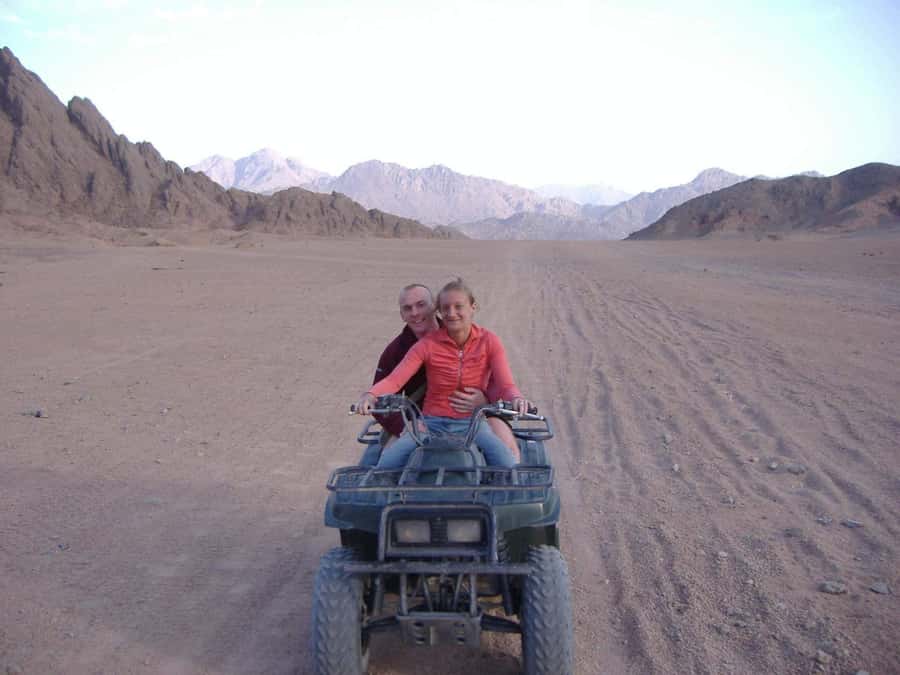
- Test drive before you go so you’re not thrown onto the dunes without learning the basics
- About 60 minutes of quad riding plus transfers across the desert, for a full safari feel
- Bedouin tea + Egyptian shisha as a built-in village cultural stop
- No shade at the quad center means you’ll want water and sun protection from the start
- Group-style riding and speed limits can reduce freedom if you want full-throttle independence
From Hurghada pickup to the quad test drive
Most days start with pickup from your hotel in Hurghada. After you book, there’s also a follow-up from the tour coordinator, so you can send your hotel details (and room number) and avoid last-minute scrambling. If you’re staying outside Hurghada—like Makadi Bay or Sahl Hashish—there can be an extra cost, and areas like El Gouna or Soma Bay cost more if that option is selected.
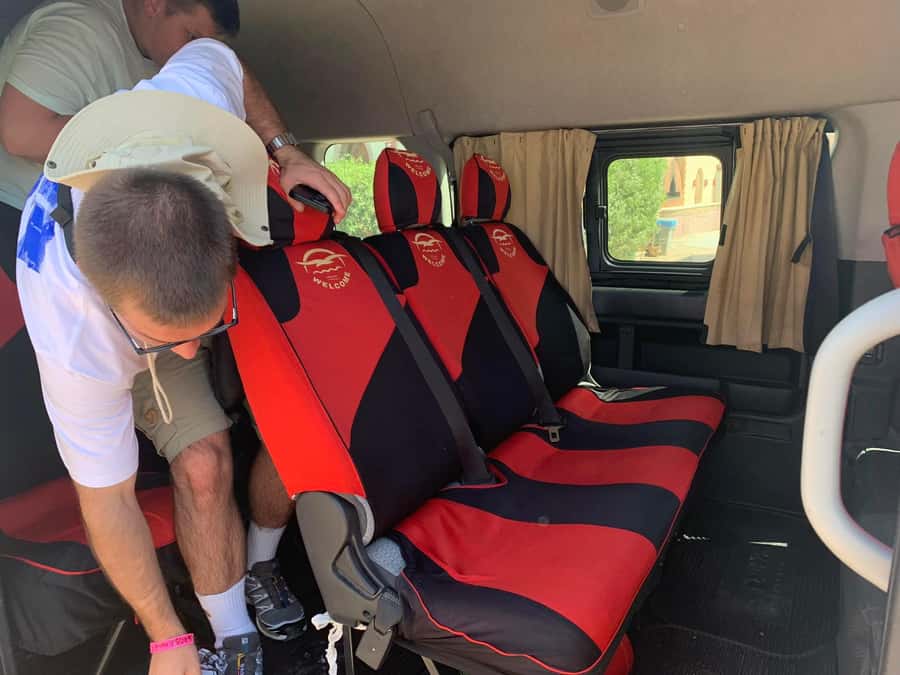
The ride to the quad station is part of the experience, even if it’s not the fun part. Based on reported experiences, you might travel in a larger Land Cruiser-style vehicle with bench seating in the back. That can be fine for short stretches, but if you’re sensitive to bumps, it’s worth knowing that desert roads and potholes can make things uncomfortable. Pack a small layer and keep your phone secure, because you’ll likely be shifting around during the transfer.
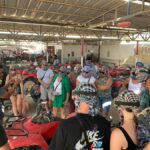
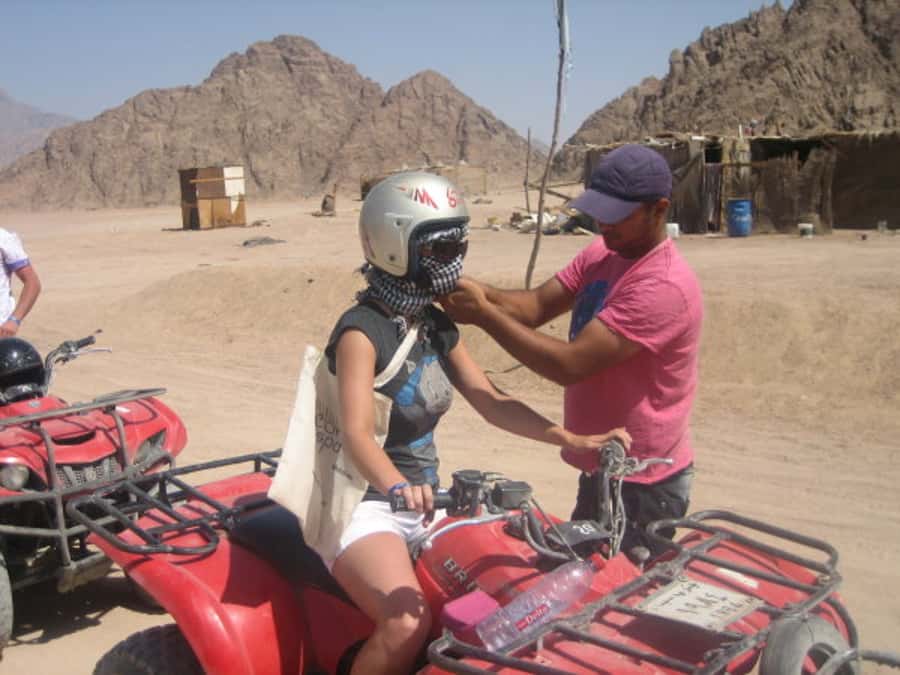
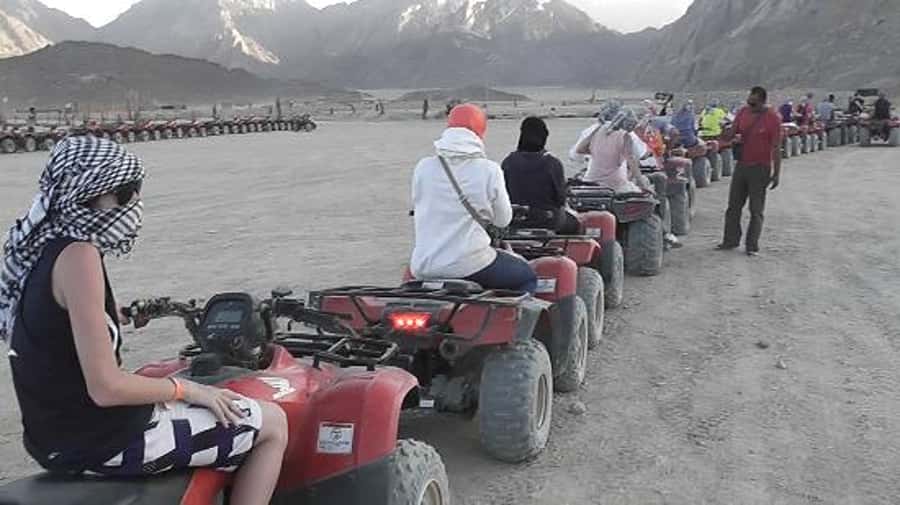
When you arrive at the quad center, you’ll get ready to drive. One practical warning: the station area has no roof in at least one setup, so it can turn into a sun-bake session while you wait for instructions. I’d bring water and keep your scarf handy right away. You don’t want to spend your best energy overheating before the engine even starts.
Then comes the real lead-in: you meet the guides and get a short briefing—about 10 minutes—plus time on the bikes before the main safari starts. That little buffer matters. It can turn the experience from stressful to confidently fun.
You can also read our reviews of more tours and experiences in Hurghada.

The briefing and the quads: what you’re really signing up for
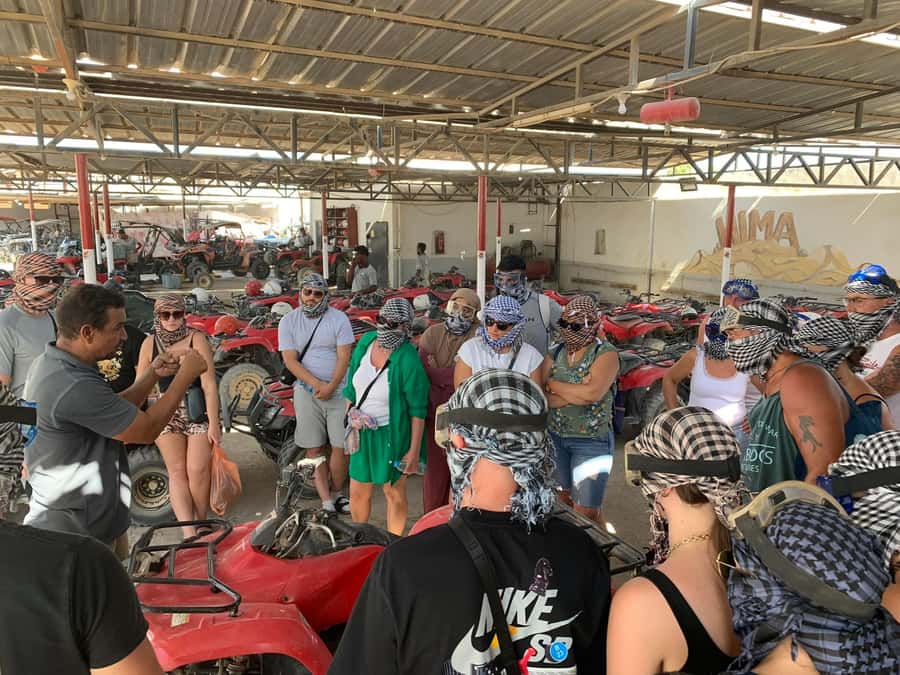
You don’t need prior quad experience, but you do need the ability to follow directions. Before heading into the desert, you’ll learn how to drive and control the bike. The pace is usually guided: you’re riding as part of a group with a crew and a plan, not doing laps like a theme park.
Here’s what you should pay attention to as you test-ride:
- How the accelerator and brakes feel on your specific quad.
- How the bike responds on sand, not pavement.
- Whether your quad needs extra attention, like frequent stops or rough running.
Some people have reported quads in weaker technical condition, including situations where the ride had to pause when a quad gave out. That doesn’t mean every bike will be like that, but it does mean you shouldn’t assume your quad will be brand-new or flawless. If you can, take 30 seconds during the test drive to check that everything feels predictable.
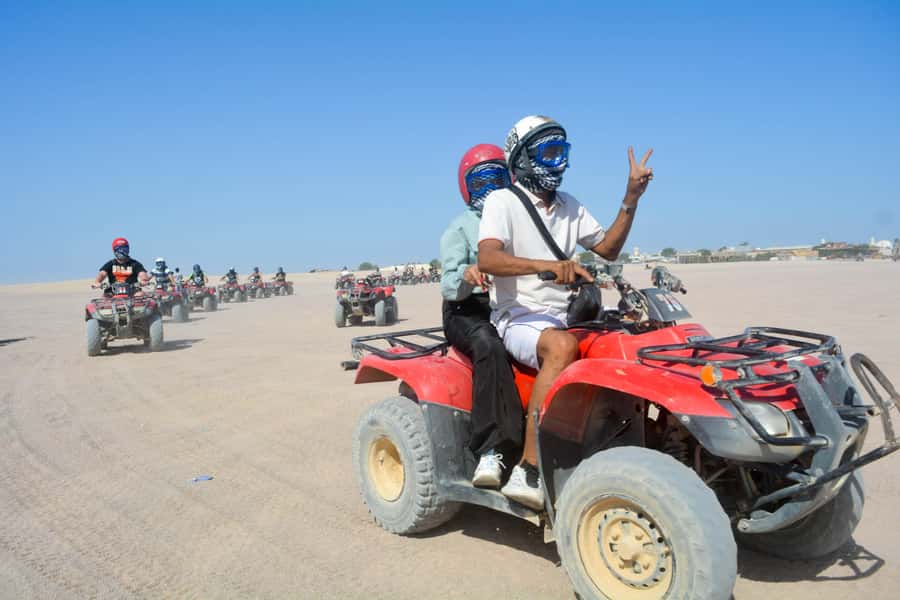
Also keep your expectations realistic about speed and formation. One key detail from the experience style: you may not get full freedom to roam alone. In at least one case, riding was restricted to about half speed and always in a row. If you’re the type who loves controlling your own rhythm, you might find the group rules a bit limiting.
Still, when everything clicks, the sensation is great. The Eastern Sahara has a way of making you feel both small and powerful: you’re in motion, yet the desert can be strangely quiet between dune lines.
The ride itself: about 25 km each way, with a 60-minute dune session
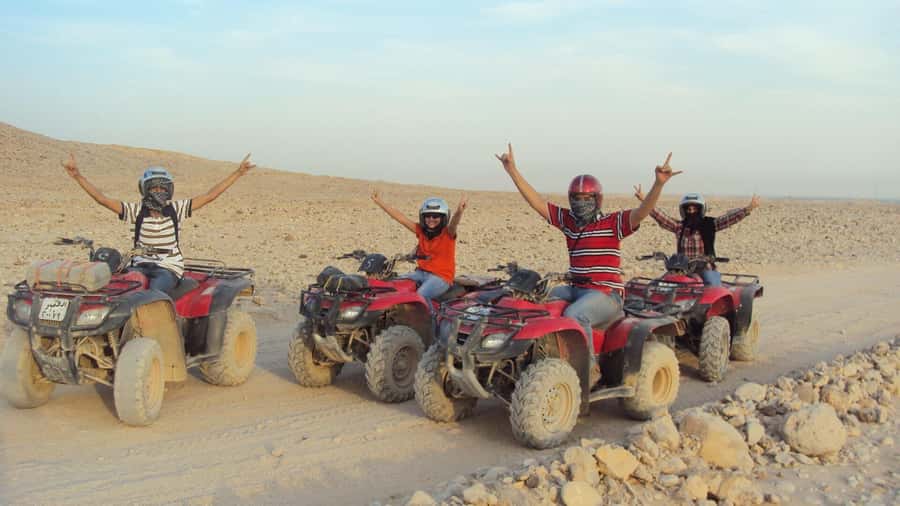
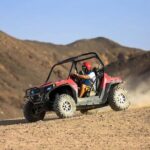
The safari has two parts: the travel out into the dunes and the time you spend actively riding. After the initial training, you’ll drive into the desert for a distance of about 25 km (roughly 15 miles), and that’s paced at about 45 minutes each way. Within that flow, you should expect around 60 minutes of quad time riding across sand dunes.
What does that mean for you in real life? You’ll want to think of the day as a whole-body session:
- Sand can be tiring on legs and core.
- Sun can drain energy fast even if the ride isn’t physically extreme.
- Staying alert matters, because dunes change shape under you.
Riding speed is part of the fun, but there’s a good balance to strike. One rider advice that’s worth repeating: sand can hit your body hard, so consider your driving choices. If you push too fast over uneven dunes, you’ll feel it in your posture and grip. If you go too slow, you may feel bored. The sweet spot is controlled acceleration and smooth turns that let the quad ride the surface, not fight it.
As the sun gets higher, the desert heat becomes real quickly. Even though the ride is scenic, you’ll still feel the sun on your back. That’s why the scarf isn’t just cultural—it’s practical. It can help with wind, dust, and sun on your neck and face.
The best part is the contrast: dramatic dune motion on the way out, then a hard reset for the senses during the village stop. If you want the moment to last, keep your camera ready but also take a few minutes to look up and not just through a lens.
Bedouin village tea and shisha: culture stop, tourist-style tradeoffs
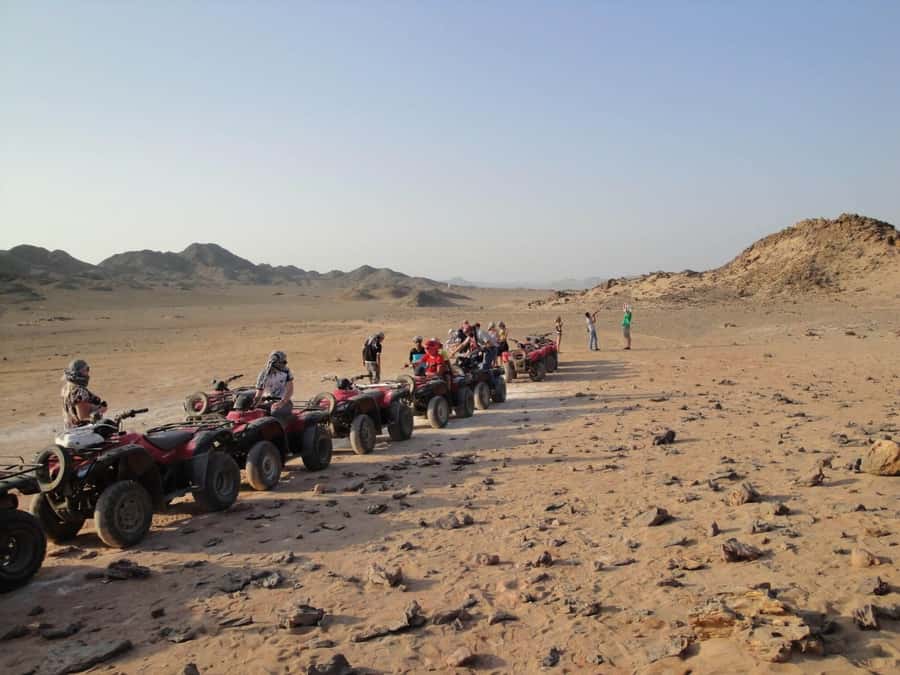
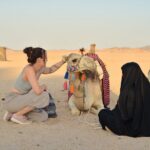
The safari’s cultural heart is the Bedouin village break. This is where you slow down. You’ll learn about local traditions and see how people live, plus you’ll get Bedouin tea and an option to smoke Egyptian shisha (water pipe).
Tea here matters more than the taste. It’s a hospitality ritual. You’ll usually be offered a drink and explained the idea behind it. If you like food and drink traditions, this is the part that will stick with you long after your quad ride fades.
The shisha piece is where you should manage expectations. It’s included as part of what you’re told you’ll enjoy, but at least one group said the advertised shisha offer never really happened during their stop. That doesn’t mean it won’t for you. It just means you should pay attention when you arrive at the village and ask early if shisha is being set up.
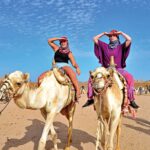
Camel rides are another common “optional” expectation at these stops. Some places offer camels as a chance to try it. But one report described camel rides being presented in a way that turned the village into more of a tourist gathering point. The camels were also described as toiling in the sun with a less-than-great look. If animal ethics matter to you, you may decide to skip riding and just watch from a respectful distance.
How long is the village time? Expect it to be short. One account described about 30 minutes moving between sheltered spots in the heat before heading back out. So think of the village as a snapshot, not a deep cultural immersion.
That said, it’s still valuable. You’re getting a guided introduction to Bedouin hospitality, and you’re seeing how the dunes connect to daily life in a place that’s adapted to sand and sun.
Speed rules, quad quality, and comfort: how to avoid a sour ride
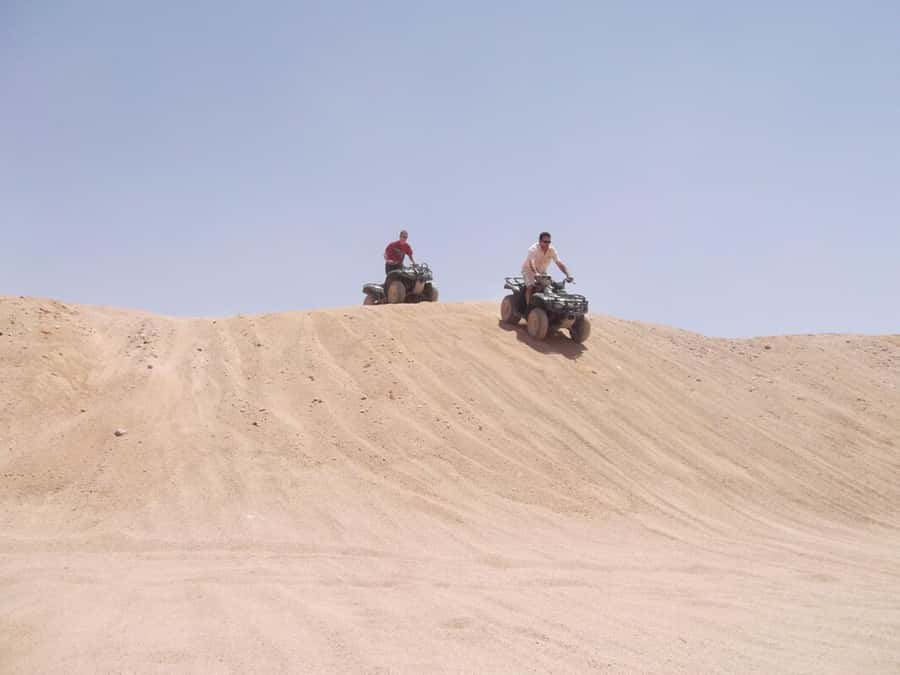
This is the part that can make or break your day. In desert quad tours, the difference between great and merely okay often comes down to two things: how well the vehicles run and how much freedom you’re given.
Here’s what you should know:
- Vehicle condition can vary. Some riders reported quads with issues like parts coming loose or controls that didn’t feel safe, like hard throttle and brake problems.
- Stops can happen. Some groups had to pause more often if a quad malfunctioned.
- Riding style may be controlled. You might be asked to drive slower and in a row.
You can’t control all of this, but you can control how you prepare:
- Pick your quad carefully. During the test drive, if anything feels dangerously off, talk to the guide and request a better bike.
- Drive within your comfort level. Fast doesn’t always mean better on sand dunes.
- Wear a scarf and protective clothing, especially if dust bothers you.
Comfort on the ride back matters too. One reported pickup vehicle back to the hotel was cramped with bench seating and no suspension or AC, making potholes miserable for the whole group. That’s not universal, but it’s enough to plan for. If you’re sensitive to bumps, bring something to cushion your seat.
The guides themselves sound generally helpful and supportive in at least some groups, including situations where guides sat with riders having difficulties. That teamwork can rescue your ride if someone in your group struggles. Still, I’d treat this as an active tour, not a sit-back-and-smile shuttle.
If you want maximum freedom and brand-new machines, you might feel disappointed. If you want a classic Eastern Sahara quad safari with a desert village stop, it can still be a lot of fun for the money.

Price and value: why $27 makes sense for some, not for others
At about $27 per person, this safari is priced for value. The big reason: it bundles the essentials—Hurghada pickup and drop-off, quad test drive, desert transfers, and the village stop with tea and shisha. You’re not just paying for the dunes; you’re paying for the whole day’s structure and guidance.
What you don’t get:
- Food and drinks beyond what’s provided at the village
- A scarf
- Optional add-ons or extra pickup zones (Makadi Bay/Sahl Hashish can cost extra, and El Gouna or Soma Bay costs more if selected)
So the real cost question is this: do you want a short, guided desert hit without staying overnight in the dunes? If yes, $27 often feels fair. If you’re expecting a long, flexible, private-style quad experience with top-tier vehicles and maximum time at the village, the price might feel too tight for your expectations.
Also, because the tour is for ages 16+ and not ideal for low fitness, the value depends on your body and your comfort with sand driving. If you want to move comfortably in heat and bumps for a few hours, you’re in the right target zone.
One more small value note: the languages listed include English, French, Czech, and German, which helps if you want clearer explanations during the tea and village stop.
Who this tour is best for (and who should skip it)
This safari fits best if you’re:
- A confident driver on sand who enjoys being in a group
- Curious about Bedouin tea culture and the hospitality stop
- Looking for a 3-hour desert plan rather than a multi-day trip
- Traveling from Hurghada and want pickup and transfers handled
It’s not a great fit if you:
- Want full quad independence at any speed (group pace can limit you)
- Are very sensitive to vehicle comfort and bumps
- Have low fitness needs, since the sand can be hard on your body
- Are traveling with kids under 16
If you’re the type who hates surprises, do a simple “pre-flight” checklist. Confirm your pickup time and hotel room details, bring water, and assume waiting in sun may happen at the quad center.
Should you book this Eastern Sahara quad safari?
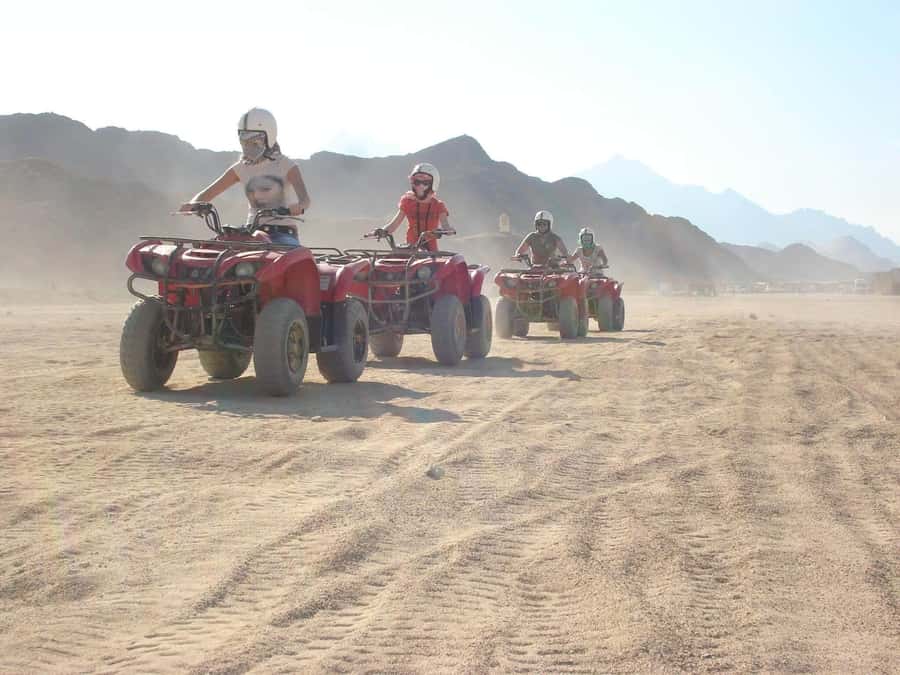
I’d book it if you want a classic Hurghada desert quad experience that includes more than just riding: the village tea stop and shisha give the day shape. At $27, it’s a solid deal for the package—especially if you like the idea of quick training, a guided dune ride, and a cultural pause.
I would pause before booking if you’re picky about vehicle condition, you want long village time, or you expect the quad experience to be fully free-form. This tour style seems built for a smooth flow, not maximum control or luxury comfort.
If you do book, protect yourself with practical moves: pack your scarf, drink water, and be mentally ready for a structured, group-based ride. Then you’ll get the best version of what this safari is designed to do.
FAQ
How long is the quad safari?
The experience is about 3 hours total, including pickup, briefing, the ride into the desert, the Bedouin village stop, and the transfer back to Hurghada.
What’s included in the $27 price?
It includes pickup and drop-off from your Hurghada hotel, transfers, quad test drive and guidance, time with the safari team, Bedouin tea, and Egyptian shisha, plus all taxes and service charges.
Do I need to bring anything?
Yes. You should bring a scarf.
Is it suitable for children?
No. It’s not suitable for children under 16.
What languages are available?
French, English, Czech, and German.
Do I get a briefing before driving the quad?
Yes. You’ll receive a short briefing (around 10 minutes) and then get a test drive before starting into the desert.