REVIEW · TANZANIA
Joining Safari from Mwanza
Book on Viator →Operated by SIRINGETI GUIDE AND PHOTOGRAPHIC TRIP · Bookable on Viator
Three days can still change your perspective. This private Serengeti safari from Mwanza is built for people who want the big moments without losing a full week, with game drives at different times so you see wildlife in more than one mood. I love the chance to do multiple game drives across the day, not just one long stretch and a hope-and-pray sunset.
The best part is how practical it feels: you get free pickup from Mwanza (within 3 miles) or from the airport, plus meals included so your day doesn’t turn into a search for food. One drawback to keep in mind: at three days, it’s a highlights-focused trip, so you won’t “see it all” across every corner of Serengeti.
In This Review
- Key things that make this Serengeti safari worth your time
- Serengeti From Mwanza: the fast route to real wildlife
- Pickup and small-group comfort: less hassle, more looking
- The wildlife viewing plan: more than just Big Five chasing
- Day 1 in western Serengeti: hippos, crocodiles, zebras, and giraffes
- Day 2 in central Serengeti near the Seronera River: predator focus
- Day 3 early drive, then back to Mwanza: morning rhythm and a smooth finish
- Meals included: less planning stress, more energy for spotting animals
- Price and value: what $920 buys (and what you should verify)
- Who this Serengeti safari is best for
- Guide quality matters: the Moses/Mosses tracking edge
- Practical packing tips for a 3-day Serengeti sprint
- Should you book this Serengeti safari from Mwanza?
- FAQ
- How long is the Serengeti safari from Mwanza?
- What is the price per person?
- What time does the safari start, and where do you meet?
- Is pickup included?
- How many travelers are in the group?
- Are park admission tickets included?
- What meals are included?
- Is tipping included?
- Are flights included?
- Can I upgrade to a lodge?
- What is the cancellation window?
Key things that make this Serengeti safari worth your time
- Multiple game-drive times help you spot different behaviors, not just the same animals in the same light
- Small group max of 7 makes it feel personal, with less waiting around
- Free park admission tickets are built into the experience
- Central Serengeti along the Seronera River is a strong area for cat sightings and predator energy
- Night-activity strategy on the last morning is aimed at catching animals before they settle in
Serengeti From Mwanza: the fast route to real wildlife
If you’re starting in Mwanza, this is one of the more efficient ways to reach the Serengeti highlights. Instead of stacking travel days and losing daylight, the plan focuses on driving time inside the park and putting you where wildlife activity is likely. You’ll be in motion—just not in a frantic, constant-scramble way.
What I like about this style is the balance between variety and feasibility. You get drives from different directions and different parts of the park, so the safari doesn’t feel like one long loop. And if your schedule is tight, three days is still long enough to feel like you did a proper safari, not a rushed “one drive and out.”
This is also a private safari, which matters. The wording here points to a can-be-tailored approach, meaning you’re not locked into some rigid script if your group has a clear focus.
You can also read our reviews of more tours and experiences in Tanzania.
Pickup and small-group comfort: less hassle, more looking
Your day starts with pickup—either from the airport or from within 3 miles of Mwanza. That detail seems minor until you’ve landed in a new country and the logistics are already draining you. Having a meet point and an on-time start (8:00 am from Mwanza Airport) keeps the trip from turning into a cloudy delay.
This safari also keeps the group size capped at 7 travelers. That’s a sweet spot. Big enough to feel social if you want that, small enough that your guide can stay flexible if an animal hotspot changes fast. It also tends to make the drive experience calmer: fewer vehicles circling, fewer pauses, more uninterrupted scanning.
You’ll also get a mobile ticket. That’s usually one less thing to manage when you’re bouncing between sign-ins and check points.
The wildlife viewing plan: more than just Big Five chasing
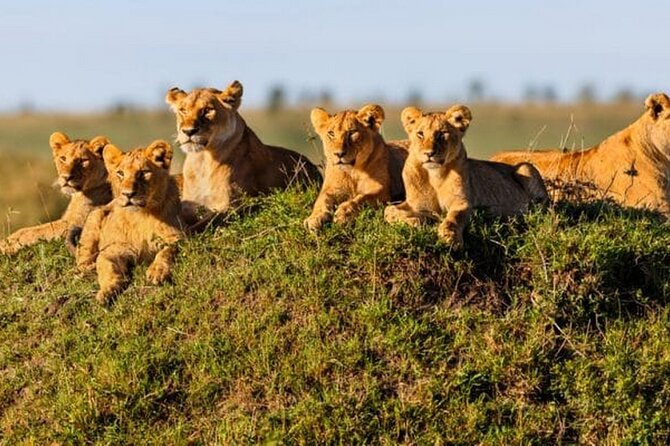
Let’s be honest: many safari ads act like there’s one highlight and it comes with a guaranteed checklist. Here, the tone is different. You’re set up for a mix of predator moments, herbivore grazing, and the kind of “small but unforgettable” sightings that people remember long after the headlines.
You’ll see a lot of what safari photographers call context: animals near water, animals moving through open plains, and predators that look like they’ve decided to work on your timeline. The experience description also calls out that it’s not only the Big Five. You may also spot Small Five species and other smaller animals.
You’re getting game drives at multiple times of day, which changes what you’ll notice. Morning can bring different energy than midday. Late-day light affects how far you can see and how animals choose to move. This matters because even when the animals are in the same places, they aren’t doing the same things.
Day 1 in western Serengeti: hippos, crocodiles, zebras, and giraffes
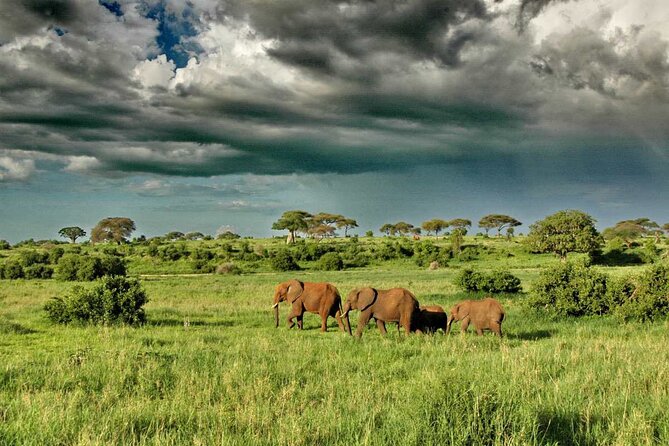
Day one starts from the western side of Serengeti. After sign-in, the game drive gets underway, and the first big takeaway is how quickly Serengeti can feel alive. The plan includes a good chance of spotting animals tied to the landscape features you pass—especially water-linked wildlife.
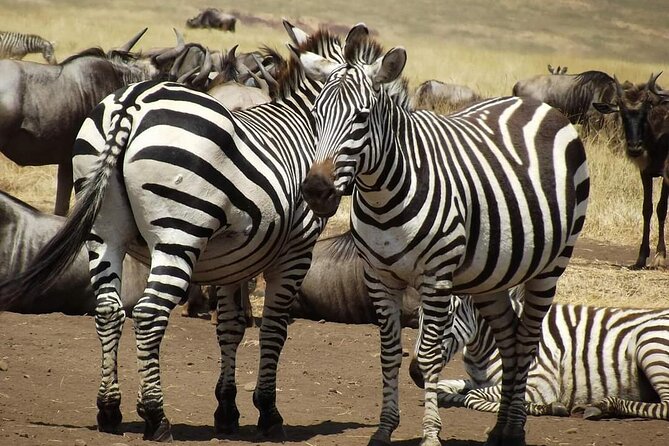
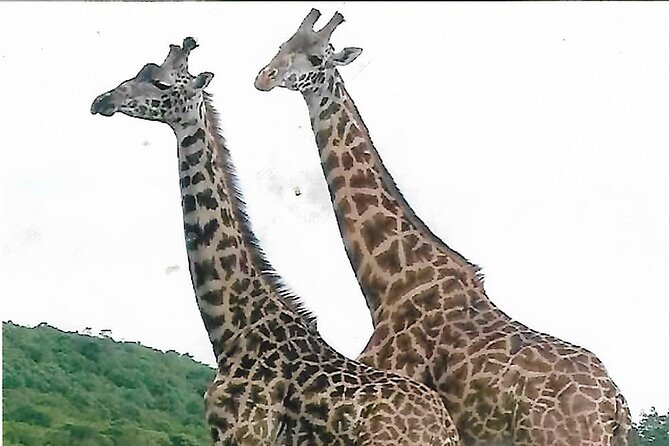
You’re specifically set up for sightings such as hippos and crocodiles, plus herbivores like zebra and giraffe, and animals like gazelles. There’s also a mention of cats (as part of the broader “cat family” theme), which is exciting because cats often look like they’re in charge of their own schedule.
Expect this day to feel like a “ramp-up.” Four hours inside the park early gives you momentum and orientation. You’ll start learning the rhythms of the drive: where to keep your eyes, what distances look like on safari roads, and how quickly good sightings can pop up without warning.
Also note: the day includes park admission ticket coverage, so you’re not juggling extra costs or admin tasks once you’re in the action.
Day 2 in central Serengeti near the Seronera River: predator focus
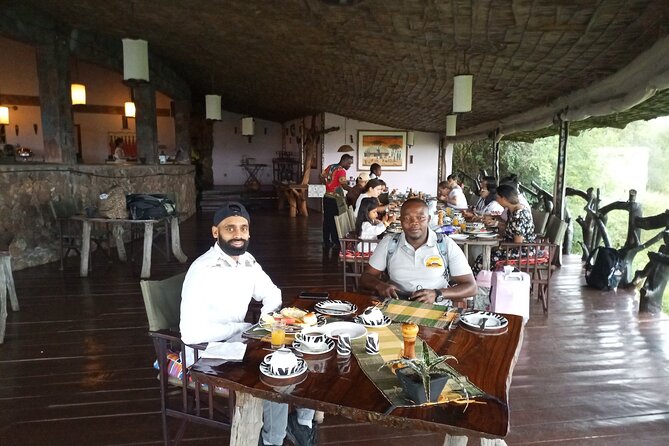
This is the day that leans hardest into predator energy. Your full day runs about 10 hours in central Serengeti, and it’s positioned around the Seronera River area—an important wildlife corridor where you have more chances of seeing animals moving, hunting, and resting close to cover.
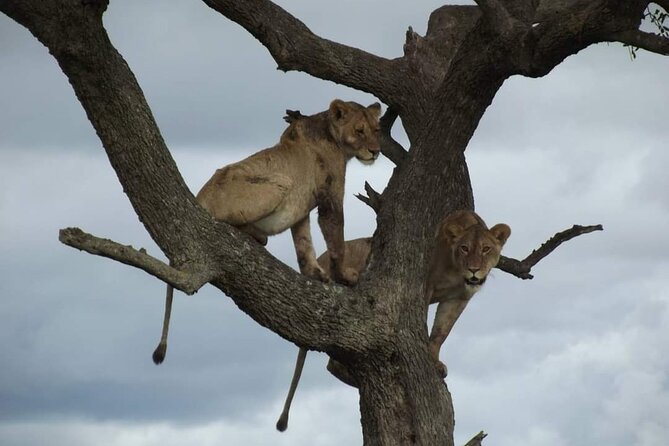
The standout theme here is cats. The plan calls out potential sightings including lion, cheetah, leopard, serval, and other small cats. That’s a strong lineup, but the real value is the way the day is framed: it’s about catching predator behavior as it happens, not just photographing a lion-shaped silhouette in the distance.
This is also where the Big Five and Small Five idea gets practical. Since the drive time is longer and the area is central, you have more opportunities to connect multiple sightings in one day—like a predator moment, then a herbivore response, then maybe a smaller cat crossing a line of sight.
One more detail worth noting: the safari mentions both migrant and resident animals in this area. That matters for you if you’re hoping for a “movement story” rather than a static wildlife scrapbook. The park changes through the day and across seasons, and central locations often help you catch that variety.
Day 3 early drive, then back to Mwanza: morning rhythm and a smooth finish
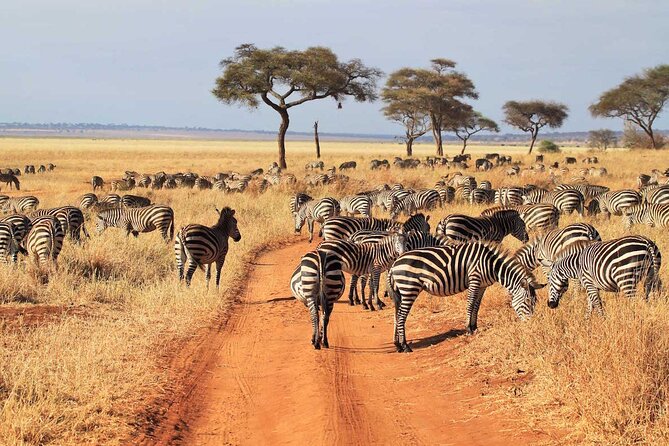
Your final morning starts with an early game drive aimed at animals that are active at night. The phrasing here is clear: you’re trying to catch wildlife before it hides. That’s a smart strategy, because many animals don’t stay visible once the light and temperature shift.
The day also includes a practical flow back toward Mwanza. After the drive, you head to the camp area for breakfast, pick up camping gear, then start the slower drive toward the gate to sign out before traveling back to Mwanza.
This day is shorter in driving time (about four hours), but it packs a lot into the morning. The big value is that it feels like a real ending. You’re not stuck in a late-day scramble, and the schedule supports one last wildlife sweep before you head out.
It’s also built for photography in a subtle way: there’s a mention of sun pictures. Even if you’re not a pro photographer, sunrise and early morning light can help you get those sharper images with more dramatic contrast.
Meals included: less planning stress, more energy for spotting animals
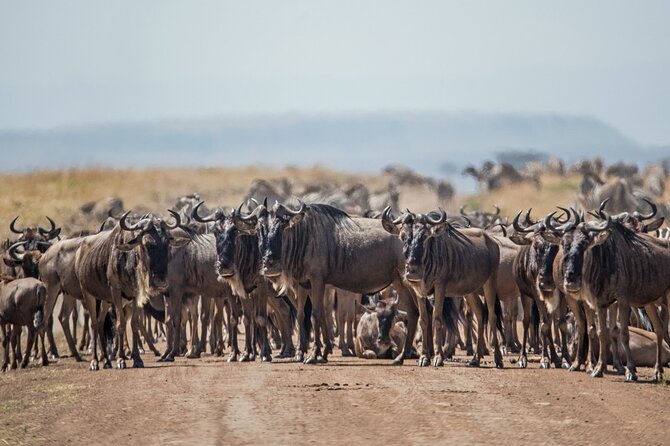
Food can quietly make or break a short safari. This one is set up to keep you fueled without you chasing meals all day.
You get meals included across the tour:
- Lunch (3)
- Dinner (2)
- Breakfast (2)
That tells you you’re working through multiple overnight moments during the experience (two breakfasts and two dinners usually means staying overnight while the tour runs). The practical win is simple: you’ll spend time looking, not figuring out where you’ll eat.
Tipping and alcohol aren’t included. That’s normal, but it’s good to budget mentally. Also, because you’re in a safari setting, it helps to have patience around meal timing. When sightings happen, your guide may shift the pace to keep you in the best spots.
There’s also an upgrade option. The tour summary mentions a move from scenic camping to a luxury lodge upgrade. If you’re deciding between those, think about your travel style. Camping can be part of the magic, but a lodge can help you recover faster after long drives—especially if you’re traveling with anyone who doesn’t want to be up and down gear-wise.
Price and value: what $920 buys (and what you should verify)
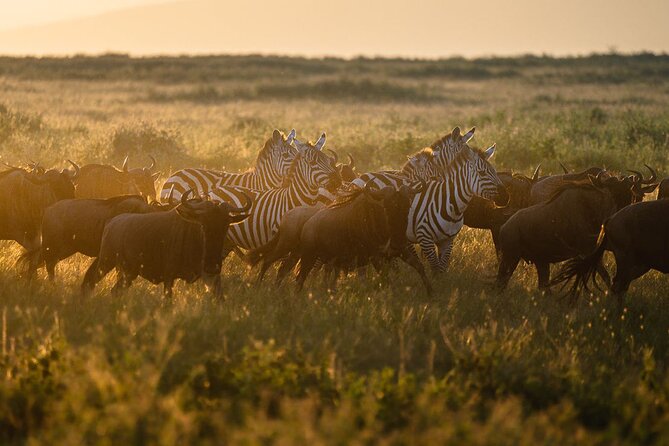
At $920 per person for an approx. three-day safari, the value comes from a few specific things that are included, not just the word safari.
What’s clearly part of the deal:
- Free park admission tickets during the activities
- Pickup from within Mwanza or from the airport
- Meals included (lunches, dinners, breakfasts)
- A private experience that can be tailored to your group
- Small-group size (max 7)
- A mobile ticket
So you’re not paying extra for park entry while you’re on the road, and you’re not relying on your own meal planning. For many travelers, those two points are where the “hidden costs” usually pile up.
What you should confirm before paying (because the details aren’t fully spelled out here):
- Which lodge or camping setup is included in your exact option
- Whether the vehicle type and guide services are covered exactly as you expect
- If the luxury lodge upgrade includes a meaningful comfort step for your money, or if it’s mostly a change in lodging style
Still, as a short Serengeti safari with meals and park admission built in, this pricing looks aimed at real-world value.
Who this Serengeti safari is best for
This trip fits best if you:
- Want Serengeti highlights without a week away
- Are starting from Mwanza and want to avoid messy add-ons
- Like the idea of multiple game drives and a predator-focused day
- Prefer a smaller private group rather than a big bus vibe
- Would appreciate meals handled for you while you focus on spotting animals
It might not be ideal if you want a long, slow “every region” tour experience or if you’re trying to pack multiple parks into the same days. This one stays focused on Serengeti and a practical return to Mwanza.
Also, if you’re strongly chasing a specific animal moment, keep expectations realistic. Safari sightings are never guaranteed, but the plan puts you in areas and timing that raise your chances.
Guide quality matters: the Moses/Mosses tracking edge
A big theme in the operator’s reputation is guide performance. You’ll see names like Moses and Mosses popping up in the context of planning, animal spotting, and staying flexible when conditions change. That’s important because the difference between a good safari and an unforgettable one is often the route choice and the ability to read animal movement.
The same reputation also points to serious effort beyond just driving around. People highlight that the guides explain things and help you make sense of what you’re seeing. You’ll feel that when you’re staring at the plain and suddenly realize what you’re looking at—signs, scat, tracks, and behavior that turn random animals into a story.
Even if you’re not a “facts” person, this kind of guiding improves your odds. Knowing where to look and what to expect makes the whole experience more satisfying.
Practical packing tips for a 3-day Serengeti sprint
For a short safari, you want packing that supports comfort and spotting, not a suitcase show.
Bring:
- Sun protection: hat, sunscreen, sunglasses
- Light layers for early starts
- Binoculars if you have them (they make distant sightings feel close)
- A camera strap you can trust with bumpy drives
- Motion-friendly comfort if you get car-sick
- A small cash reserve for things not included, like tips
Wear comfortable shoes for getting in and out during sign-ins and lodge/camp routines. And keep one thing in your day bag that makes you happy: a good snack for between meals, if you’re the kind of person who hates waiting. (Meals are included, but a backup can calm nerves.)
Should you book this Serengeti safari from Mwanza?
I’d book it if your goal is a real Serengeti experience in only three days, especially if you appreciate logistics handled for you—pickup, meals, park admission coverage, and a small private group. The multi-time game drive approach and the central day around Seronera River are strong reasons to choose this format.
Skip it or choose another option if you’re the type who needs a deep, slow exploration of every region, or if you’re expecting your trip to include more than Serengeti (this one stays focused).
If you’re ready for that “high-impact, no-drama” safari style, this is a solid pick. And if you have questions before booking—like which lodging option you’ll be in or what you’ll get with the luxury lodge upgrade—ask upfront. That’s how you turn a great safari into the one you’ll talk about for years.
FAQ
How long is the Serengeti safari from Mwanza?
It runs for approximately 3 days.
What is the price per person?
The price is $920.00 per person.
What time does the safari start, and where do you meet?
The start is at 8:00 am at Mwanza Airport in Mwanza, Tanzania.
Is pickup included?
Yes. Pickup is offered from within 3 miles (5 km) of Mwanza or from the airport.
How many travelers are in the group?
The maximum group size is 7 travelers.
Are park admission tickets included?
Yes. Admission tickets are listed as free.
What meals are included?
Lunch is included 3 times, dinner is included 2 times, and breakfast is included 2 times.
Is tipping included?
No. Tips are not included.
Are flights included?
No. Flight tickets are not included.
Can I upgrade to a lodge?
Yes. There’s an option to upgrade from scenic camping to a luxury lodge.
What is the cancellation window?
Free cancellation is available. You can cancel up to 24 hours in advance for a full refund.