REVIEW · NELSPRUIT
Overnight Kruger National Park Classic Camping Safari
Book on Viator →Operated by Mbombela Experience Tours and Safaris · Bookable on Viator
Big cats wait after sundown. This 2-day Kruger classic camping safari pairs open-vehicle game viewing with a field guide who explains what you’re seeing, so spotting animals feels like more than random luck. You’ll be in the park fast, then you’ll do it again the next day early, when wildlife is most active.
I also like the no-fuss logistics: pickup options around Nelspruit/White River/Hazyview (and Malelane) plus drop-off back at the meeting point. The trade-off is that wildlife sightings can still be unpredictable, and a classic tent means a more basic, sometimes colder night than a lodge.
In This Review
- Key Points You’ll Care About
- Kruger in Two Days: What This Classic Camping Safari Really Delivers
- Pretoriuskop Rest Camp Tents: Sleeping Inside the Park (Comfort vs. Reality)
- Day 1 Afternoon to Sunset Drive: Getting Your Eyes Trained Fast
- Day 2 Before Dawn Through Late Afternoon: The Long Big Five Hunt
- Open Vehicle Viewing: How to Spot More Without Getting Tired
- Food and Comfort: What’s Included, What Costs Extra
- Guides, Group Size, and the Feel of the Safari
- Price and Value: Is $216.44 a Good Deal
- Tips to Improve Your Chances (and Your Comfort)
- Who This Safari Fits Best (and Who Should Skip It)
- Should You Book This Overnight Kruger Classic Camping Safari?
- FAQ
- How long is the overnight safari?
- What time does the tour start?
- What’s included in the price?
- Where are you picked up and dropped off?
- What kind of accommodation do you get?
- Is there a vegetarian option?
Key Points You’ll Care About
- One night, two game drives: an afternoon/sunset drive plus an early morning start and a long full-day search
- Pretoriuskop rest camp camping: you sleep inside Kruger at a tented camp, not outside the park
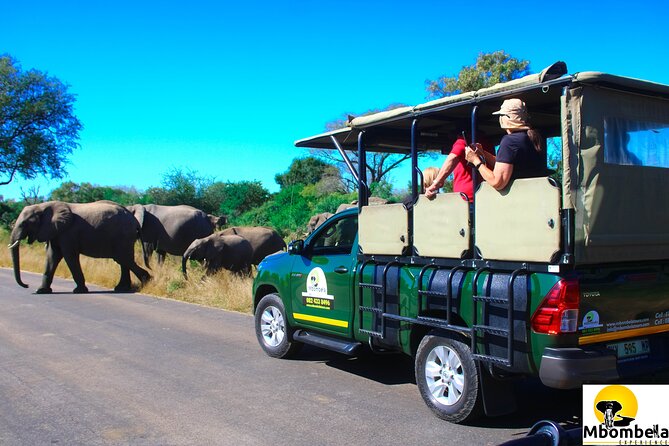
- Open vehicle viewing: higher vantage and strong guiding while you track Big Five odds
- Guides who teach on the move: names you might meet include Muzi, Roy, Mozi, Sifuso, and Manzimi
- Meals are covered, but lunch is not: dinner and breakfast are included; lunch costs extra
Kruger in Two Days: What This Classic Camping Safari Really Delivers
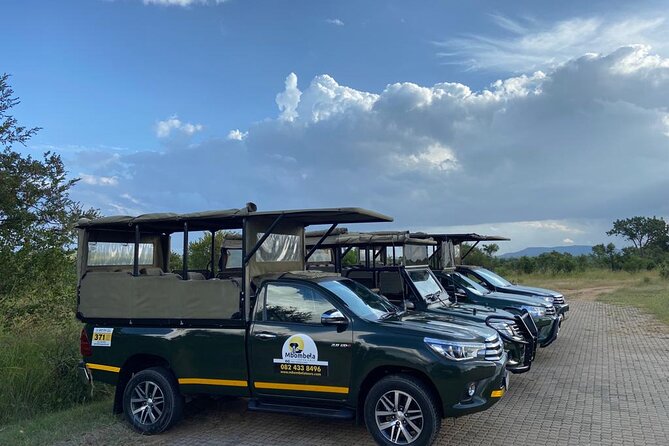
If you only have a short window in the area, this is one of those safaris that tries hard to squeeze out the best parts of Kruger’s rhythm. You don’t just do one quick drive and call it a day. You’re in the park across two key time blocks: late-day light and the pre-dawn hours into the morning.
The value here is the structure. You get a guided hunt in an open vehicle, and then you do it again when animals are more likely to be moving. That second day early start matters because Kruger gets louder with activity before the heat takes over.
And it’s not a “figure it out yourself” trip. Your guide is there to read the landscape with you, talk through animal behavior, and help you understand what you’re seeing—even when the Big Five spot is tricky.
You can also read our reviews of more tours and experiences in Nelspruit.
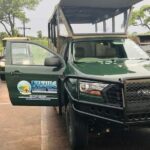
Pretoriuskop Rest Camp Tents: Sleeping Inside the Park (Comfort vs. Reality)
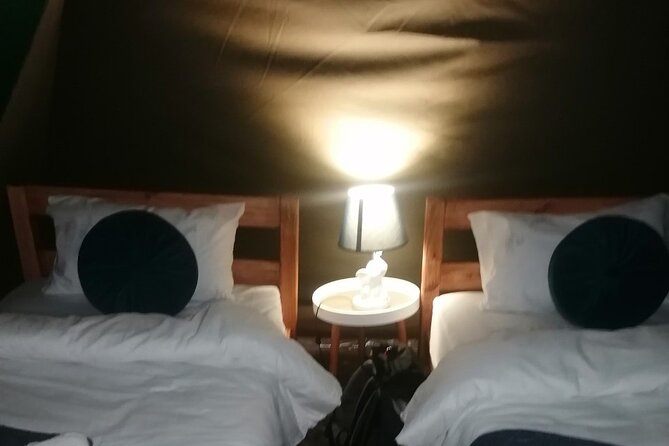
Your overnight base is a classic tented camp set at Pretoriuskop rest camp inside Kruger. You’ll have a tent with two single beds, and the stay is shared. For many people, that’s the whole point: you’re not driving out after dark to “rest and then maybe see wildlife later.” You’re already in the right place.
Dinner happens after your evening drive, either under the night skies or at the camp restaurant. That’s a nice touch because it keeps the mood tied to the safari, not to a separate dinner stop somewhere else.
Now the practical bit: “classic camping” has a different feel than lodge luxury. Some people love it. Others are surprised by how chilly nights can get on safari, especially if you’re not used to sleeping outdoors. If you’re the type who hates being cold, pack warmer layers than you think you’ll need.
Day 1 Afternoon to Sunset Drive: Getting Your Eyes Trained Fast
You’ll depart from the pickup areas in the early afternoon and head straight into Kruger. Once you arrive at the tented camp, you’ll settle in and then go out for an afternoon or sunset game drive. The timing is intentional. Late-day light can make animal sightings easier to spot, and predators often become more active as temperatures shift.
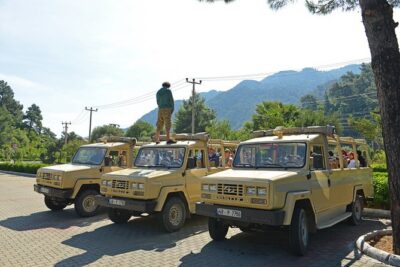
You’ll be traveling in an open game viewing vehicle. That matters because you get a better viewing angle than you would from a closed vehicle. Your guide’s job is to help you see more than just “trees with animals in them.” You’ll get explanations tied to behavior—like why certain animals move when they do and what clues to watch for when you’re scanning the bush.
If you’re hoping for Big Five drama right away, understand the reality: you might see some of them, you might see none of them on the first drive, and either way the guide keeps the focus on reading signs and staying patient. One reason this trip earns such strong ratings is that guides often bring energy to the search. People mention guides like Muzi, Mozi, and Roy for staying upbeat and informative while trying to spot the right animals.
Day 2 Before Dawn Through Late Afternoon: The Long Big Five Hunt
The second day starts with an early rise—before dawn—for an early morning drive. This is when wildlife is often most visible and active, so you’re not wasting the day with “we’ll go sometime.” Breakfast is included, and you’ll stop for it at some restaurant inside the park.
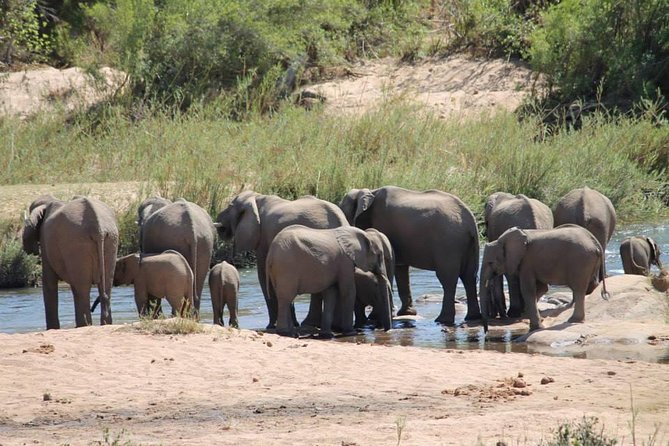
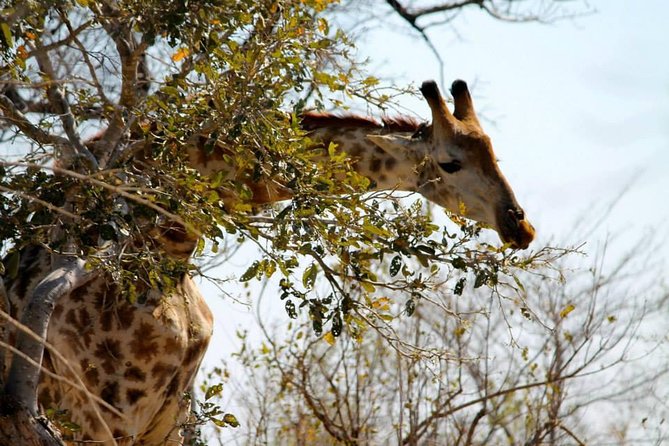
Then the main game drive begins in earnest. You’re back in the open vehicle, and your guide helps you track Kruger’s big variety of species. The goal is the Big Five—lion, leopard, rhino, buffalo, and elephant—but the real win is often the steady stream of other animals too: the everyday sightings that build the story of the ecosystem.
Expect a long day of viewing. You’ll do at least ten hours on safari, with breaks built in. Lunch is not included, but there is a lunch break at a Kruger picnic spot (own cost). It’s a good time to refuel, use the facilities, and reset your eyes for the late-day stretch.
By late afternoon, you leave Kruger and get transferred back to your lodge. That timing is good because it gives you a full safari day while still getting you back without a night drive that drags on too long.
Open Vehicle Viewing: How to Spot More Without Getting Tired
Open vehicle safaris are great because you see more clearly and your vantage point is higher. But you also feel the conditions more. If it’s cool at dawn, your body will notice. If it’s warm later, you’ll want to stay comfortable. Bring layers you can manage easily, especially if you tend to run cold.
The best way to get value out of an open-vehicle day is to listen to your guide’s cues. Your guide isn’t just pointing out animals; they’re teaching you what to look for before you see it—tracks, movement patterns, and habitat signs. People who rate this trip highly often highlight how much the guides explain once you’re out there, including names like Sifuso and Manzimi, who are mentioned for putting real effort into spotting animals and sharing info while you’re searching.
Also: don’t treat every sighting like it’s guaranteed to be a Big Five moment. Sometimes the animals you “just happened to notice” become the coolest part of the day once you understand their behavior.
Food and Comfort: What’s Included, What Costs Extra
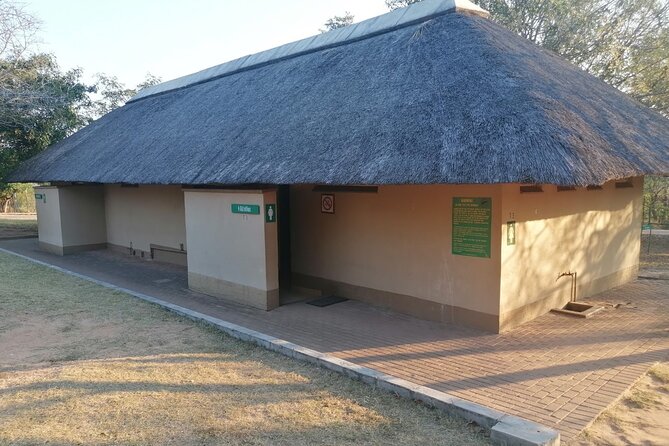
This safari covers breakfast and dinner, plus bottled water. You also get national park fees included, which is important because it prevents you from budgeting for park entry separately. In a package like this, that’s part of the value math.
What’s not included is lunch and alcoholic drinks. Lunch is available at a picnic spot during the long day and is for you to pay on your own. Souvenir photos are also available to purchase, but they’re not part of the core price.
Vegetarian options exist, but you need to advise at booking. If you have a dietary requirement beyond vegetarian, you should ask directly when you confirm—because the data here only explicitly mentions vegetarian accommodation.
On the comfort side, you’re sleeping in a tent with beds, not on the ground. That’s a big difference for sleep quality. Still, it’s camping. If you’re coming from lodge hotels, adjust expectations: the experience is about being inside Kruger and using the night and morning to maximize wildlife time.
Guides, Group Size, and the Feel of the Safari
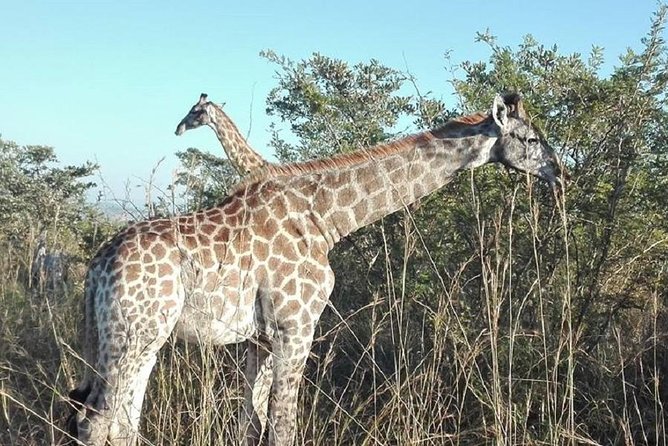
The group size cap is 40 travelers. That doesn’t guarantee your group will be tiny, but it does help keep things from feeling like a moving bus parade.
Several standout comments in the provided information focus on the guides’ personalities and effort. People mention guides like Muzi and Roy as especially enthusiastic and helpful, and they also praise the way guides stay with the group throughout the safari—handling meals, staying supportive, and sharing animal behavior in a way that makes sightings easier to understand.
That “staying with you” part matters. A safari guide who checks in, answers questions, and keeps the group focused can turn a slow day into a meaningful day. And slow days happen. Kruger is not a vending machine.
Price and Value: Is $216.44 a Good Deal
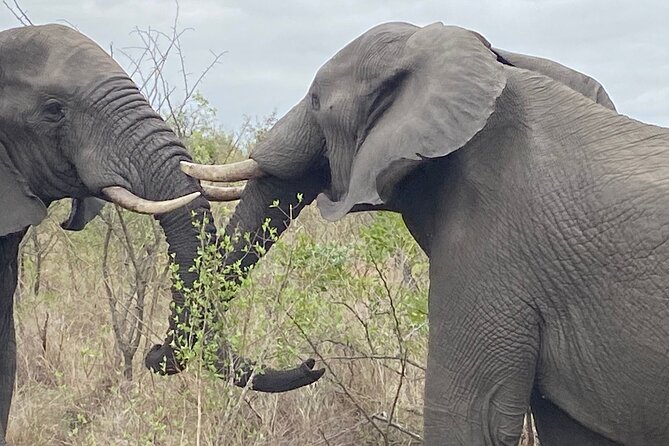
At $216.44 per person, the key question is what you’re buying beyond the vehicle and the animals. For this package, you’re also getting:
- Park fees included
- Dinner and breakfast included
- A one-night classic camping stay inside Kruger
- Hotel pickup and drop-off
- A professional guide
- Bottled water
- One night drive and one full-day drive
When a safari includes national park fees and at least one full day plus an overnight in-park, you’re not just paying for time on a road. You’re paying for access, guide time, and the rare convenience of sleeping where you want to be for early-morning viewing.
What you should watch for is the extras: lunch costs extra, alcohol costs extra, and photos cost extra. If you add a meal or two outside the plan, your total trip cost rises.
Still, for a two-day “best of Kruger” style experience, the structure is strong. You’re using both a sunset/evening push and a dawn-to-late-day push, which is where safari value usually lives.
Tips to Improve Your Chances (and Your Comfort)
Even with great guiding, wildlife spotting can be hard. So I treat this as a “maximize opportunities” trip, not a “guarantee Big Five” trip.
Here’s how to set yourself up:
- Dress for big temperature swings. Dawn can be cold, and the night is outdoors in a tent.
- Stay patient during scans. When guides find the “why” behind animal movement, the spotting often becomes easier.
- Plan for your own lunch spend. It’s part of the longer day rhythm.
- If you’re vegetarian, specify it at booking. The trip offers a vegetarian option, but you need to flag it ahead of time.
- Bring a flexible mindset. Some days are better than others for sightings, even when you do everything right.
Who This Safari Fits Best (and Who Should Skip It)
This trip is a strong fit if:
- You want a short, high-impact Kruger experience
- You’re happy with camping-style overnight comfort
- You enjoy learning from guides as you look for animals
- You want pickup and drop-off handled for you
You might want to consider another option if:
- You need consistent warmth and luxury at night
- You’re uncomfortable with shared accommodation
- You can’t handle the reality that animal sightings aren’t guaranteed
For couples, families over the minimum age, and first-timers in Kruger, it’s often a smart “start here” safari because it gives you both day and evening dynamics with guided support.
Should You Book This Overnight Kruger Classic Camping Safari?
I’d book it if you want to do Kruger efficiently: one evening drive, one full day of searching, and one night inside the park at Pretoriuskop rest camp. The inclusion of park fees, bottled water, dinner, breakfast, and an in-park overnight makes it feel like a complete package rather than a patchwork of add-ons.
I wouldn’t book it if your main goal is a guaranteed Big Five sighting or if camping comfort is a deal-breaker. Kruger can be quiet on some days, and night temperatures in a tent can catch people off guard.
If you’re on the fence, think about this: you’re paying for time in the park when animals are most active, and you’re doing it with guides who focus on animal behavior—not just driving around. That combination is exactly where the strong satisfaction ratings are coming from.
FAQ
How long is the overnight safari?
It runs for about 2 days.
What time does the tour start?
The start time is 1:30 pm.
What’s included in the price?
Included are breakfast, dinner, one night classic camping, national park fees, bottled water, a professional guide, and hotel pickup and drop-off. Lunch is not included.
Where are you picked up and dropped off?
Pickup is offered from Nelspruit/White River/Hazyview or Malelane. The activity ends back at the meeting point.
What kind of accommodation do you get?
You sleep in a classic tented camp at Pretoriuskop rest camp. The tent has two single beds, and accommodation is shared.
Is there a vegetarian option?
Yes. A vegetarian option is available if you advise at the time of booking.