REVIEW · RETHYMNO
Rethymno 4×4 Safari: Tastes & Farm Experience
Book on GetYourGuide →Operated by Uncharted Escapes · Bookable on GetYourGuide
Wine, cheese, and rough roads in Crete. This 7-hour Rethymno 4×4 safari strings together winery visits, a working shepherd’s hut called mitato, and big Psiloritis Mountain views in a small, semi-private group.
I love that the day is about real food work—wine at Klados Winery and oil at Melidoni Olive Oil Mill—not just sampling in a gift-shop way. I also like the semi-private feel, with vehicles taking small groups (up to 6 or 8), so you’re not stuck behind a wall of chatter.
One thing to think about: it’s off-road and can be bumpy. If you’re sensitive to motion, have back/heart issues, or want easy walking, this may not be your best match.
In This Review
- Key points before you go
- A Rethymno 4×4 safari that tastes like Crete
- Pickup timing, vehicle comfort, and what small-group really means
- Klados Winery near Panormos: how wine is taught, not just poured
- Melidoni Olive Oil Mill: liquid gold, peppery and real
- Halepa Monastery: the Psiloritis view you’ll remember
- Off-road viewpoint time: birds, bends, and quick animal luck
- The mitato shepherd hut: watching cheese happen
- Cheese factory plus tasting: a longer, hands-on food stop
- Axos village lunch: traditional platters in a real community spot
- Price and value: does $128 per person make sense?
- Who should book this safari, and who should skip it
- Smart packing tips for a bumpy, sunny mountain day
- Should you book the Rethymno 4×4 Safari?
- FAQ
- How long is the Rethymno 4×4 Safari?
- Where are the pickup locations?
- What time does pickup happen?
- What language is the guide?
- How many people are in each vehicle?
- What’s included for lunch?
- Is wine included, and can children drink it?
- What’s included besides food and tastings?
- Can I book without paying right away?
- What should I bring, and what’s not allowed?
Key points before you go
- Klados Winery in Panormos: owner-guided vines and cellar time, then a tasting of indigenous Cretan varieties
- Melidoni olive oil mill: stone-press tradition meets modern methods, plus peppery extra-virgin oil tasting
- Halepa Monastery: a photostop with serious panoramic payoff over mountains and valleys
- Mitato shepherd hut: live cheese-making, shepherd stories, and a chance to spot local wildlife like kri-kri and eagles
- Axos village lunch: a proper family-run tavern meal with traditional Cretan dishes
- Up to 6–8 people per vehicle: guided, but still small enough to ask questions and enjoy the ride
A Rethymno 4×4 safari that tastes like Crete
This is the kind of day that doesn’t try to do everything, but it does the best parts of Crete in a logical order: vineyards, olive oil, mountain viewpoints, and cheese made the old way. You get a mix of time sitting down (tastings and lunch) and time moving through rugged terrain where the views actually change.
What makes it feel special is the pairing. You’re not only tasting local products; you’re watching how they’re made and hearing the mountain logic behind them. That means the wine and cheese don’t just taste good—they make sense.
You can also read our reviews of more tours and experiences in Rethymno.
Pickup timing, vehicle comfort, and what small-group really means
You’ll start with free hotel pickup across several areas around Rethymno, including Georgioupoli, Rethymno itself, Stavromenos, Adelianos Kampos, Paralia Kourna, Panormos (in Rethymno), and Platanes. The pickup times are tight and region-specific, so plan to be outside your hotel reception about 10 minutes early. The driver waits no longer than 5 minutes after the scheduled pickup time.
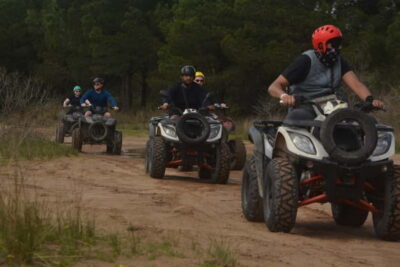
Your transport is either a 4×4 off-road vehicle or a 4×4 minivan (7 or 9 seats), driven by multilingual escort-drivers. If you like getting straight to the point, this setup is efficient: you’re not shuttling between multiple hotels for an hour.
Small-group matters here because it keeps the day from feeling like a constant queue. You get room to move for photos at scenic stops, and you can actually talk to your guide when something interesting pops up—like birds overhead or a better angle for the mountains.
Klados Winery near Panormos: how wine is taught, not just poured
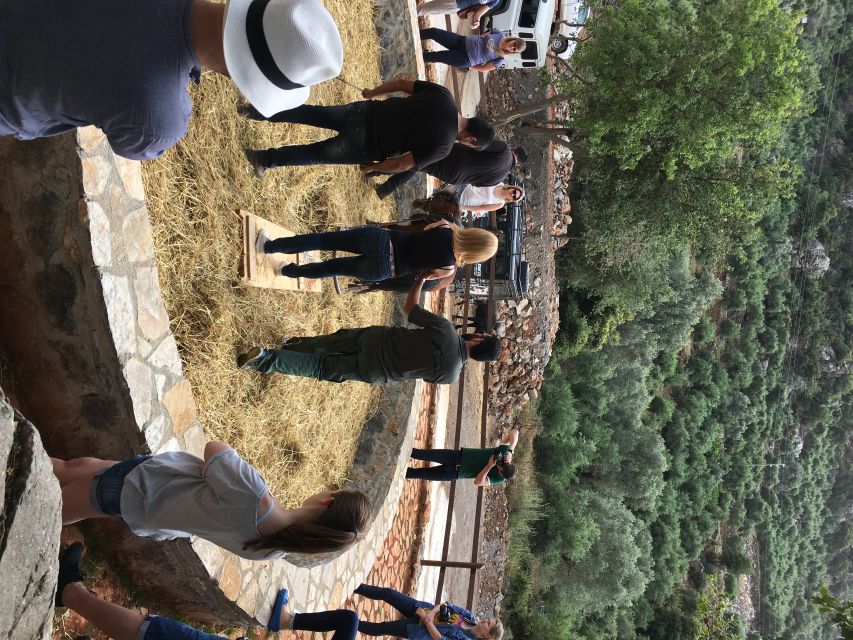
The day begins at Klados Winery in Panormos, where the experience is guided personally by the owner. That’s a big deal. You’re not just walking past barrels; you’re learning what the vines and cellar processes are trying to achieve, using Crete’s own approach.
You’ll get a guided visit and then a wine tasting of indigenous varieties. Indigenous here matters because it’s not about generic grapes that could grow anywhere—it’s about flavors tied to island conditions, local tradition, and the way Cretan growers work. Expect time to slow down: the winery portion is about 50 minutes.
A practical note: wine is part of the plan, and children under 18 are not allowed to consume it. If you’re traveling with teens, they’ll still enjoy the rest of the experience, but the wine part follows the rules.
If your guide is the German-speaking host who brings humor and quick answers (names you might hear include Sebastian), you’ll likely find the winery visit moves faster in the best way: lots of info, but not a lecture.
Melidoni Olive Oil Mill: liquid gold, peppery and real
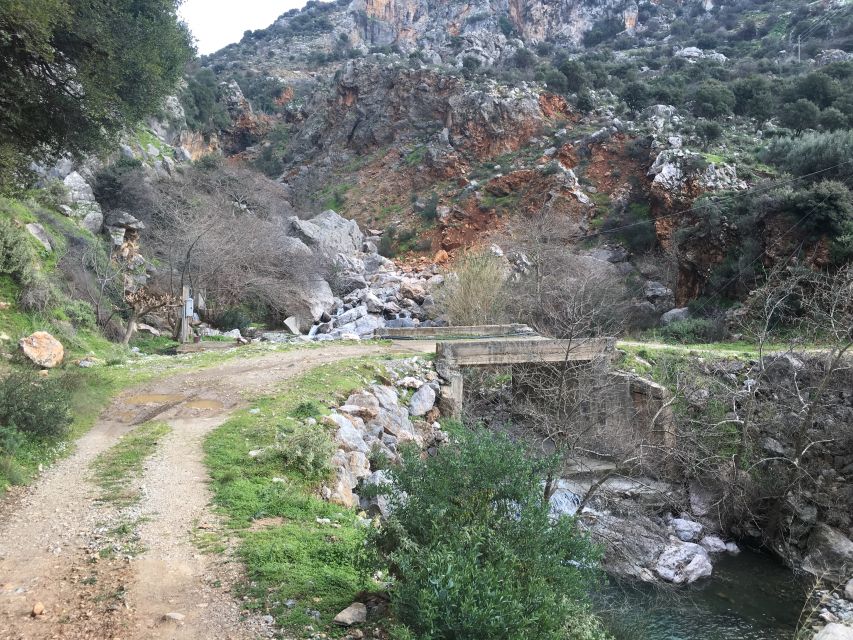
Next up is Melidoni Olive Oil Mill, where you’ll get a guided tour and a tasting. This stop is about understanding the full chain—tree to bottle—rather than treating olive oil like a mysterious condiment.
You’ll see how traditional stone presses work alongside modern methods. That combination is useful context. It explains why Crete’s olive oil has both character and consistency, and why “fresh” is a real word here, not marketing.
Then comes the tasting: expect peppery extra-virgin olive oil. Peppery isn’t just a vibe—it usually signals a lively, freshly made oil with strong flavors. If you’re the type who always buys olive oil at home, this is one of the few stops where you’ll leave with a clearer sense of what to look for.
You can also plan your shopping expectations. Purchases at the winery or olive mill aren’t included, so if you want bottles, you’ll want cash or a payment method your hosts accept.
Halepa Monastery: the Psiloritis view you’ll remember
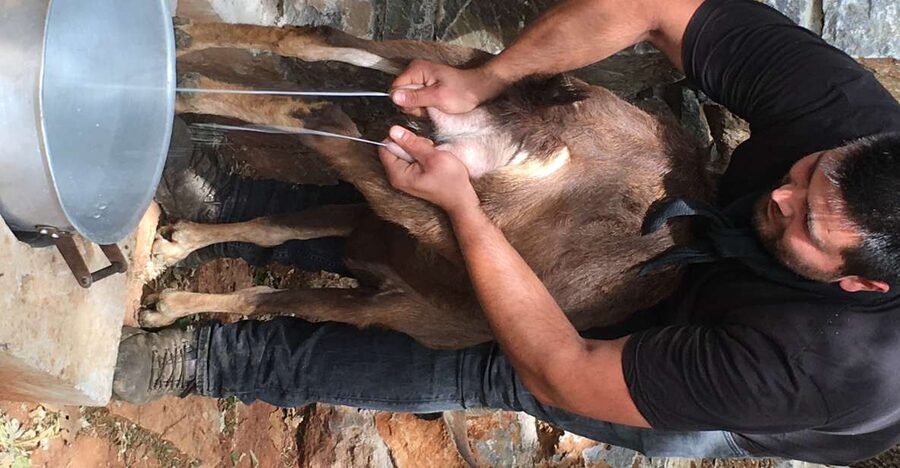
After the tastings, the day climbs higher to Halepa Monastery. You’ll get a photo stop and sightseeing time of about 20 minutes, which sounds short until you’re there. This is one of those places where the view does the talking—mountains and valleys stretching out beyond the road you just came from.
Halepa Monastery is also tied to a dramatic chapter of Crete’s past, including use as a hideout for Cretan rebels. That background adds weight to the view. It’s not just pretty; it’s part of why these mountain sites mattered.
If you’re traveling with a camera, this is where you’ll use it most. I’d treat this stop like your “set aside your phone” moment and just take in the horizon.
Off-road viewpoint time: birds, bends, and quick animal luck
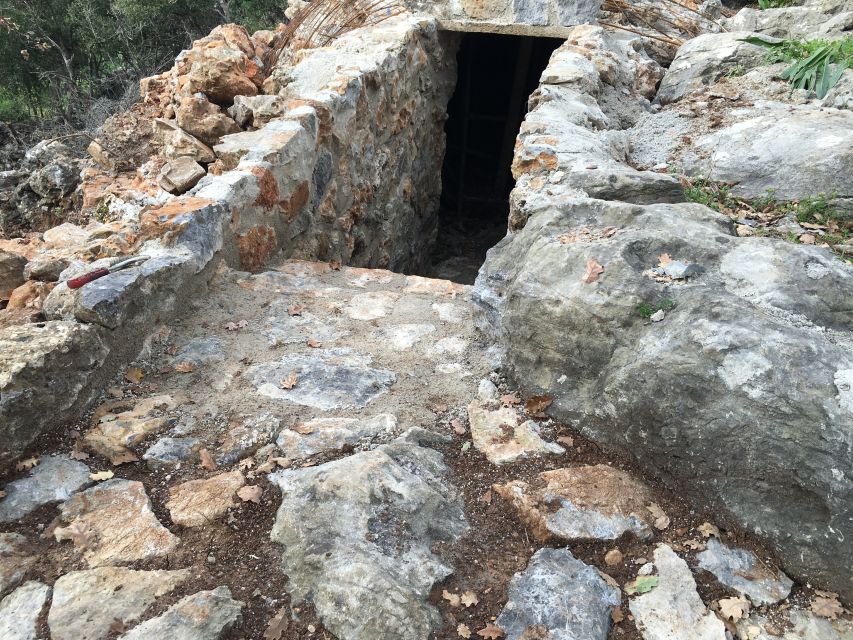
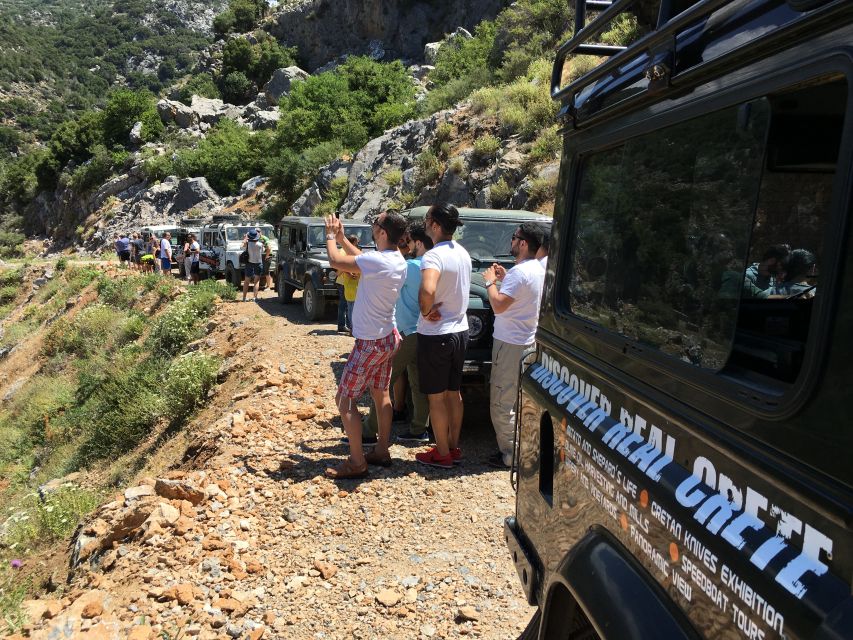
Between major stops, you’ll pass through small areas and scenic drives, including routes that go by places like Apladiana, Doxaro, Agridia, and Tsachiana. You’ll also have a dedicated viewpoint photo stop (about 10 minutes) where the schedule leaves room for wildlife viewing.
Crete is full of birds, and this part of the trip can line up with sightings—think soaring eagles, and in some seasons, dramatic vultures. If you spot anything, don’t worry about missing the perfect shot; your guide will keep you moving on time, and the experience is built around the scenery changing quickly as you go.
One more thing: the off-road sections are real. Wear comfortable clothes and keep your jacket ready if the air feels cooler up high.
The mitato shepherd hut: watching cheese happen
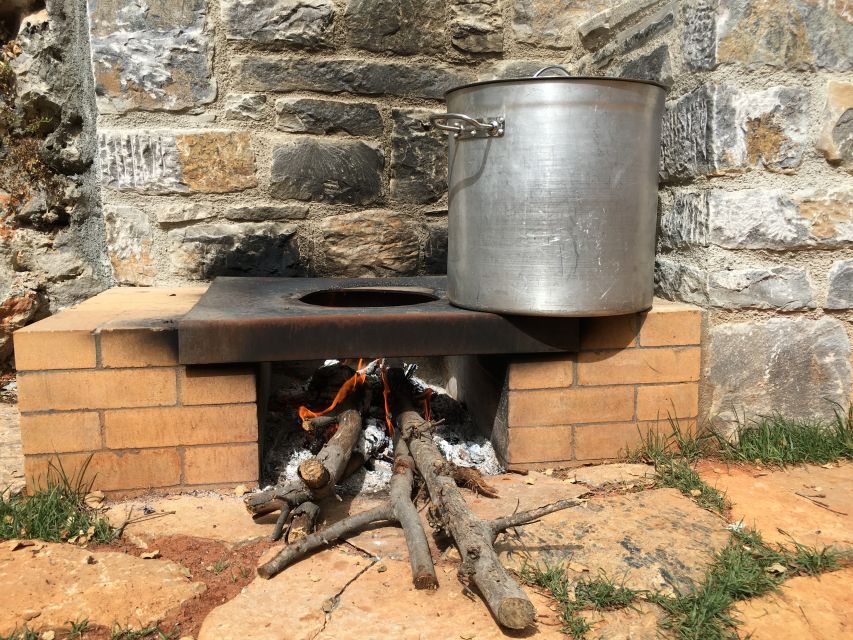
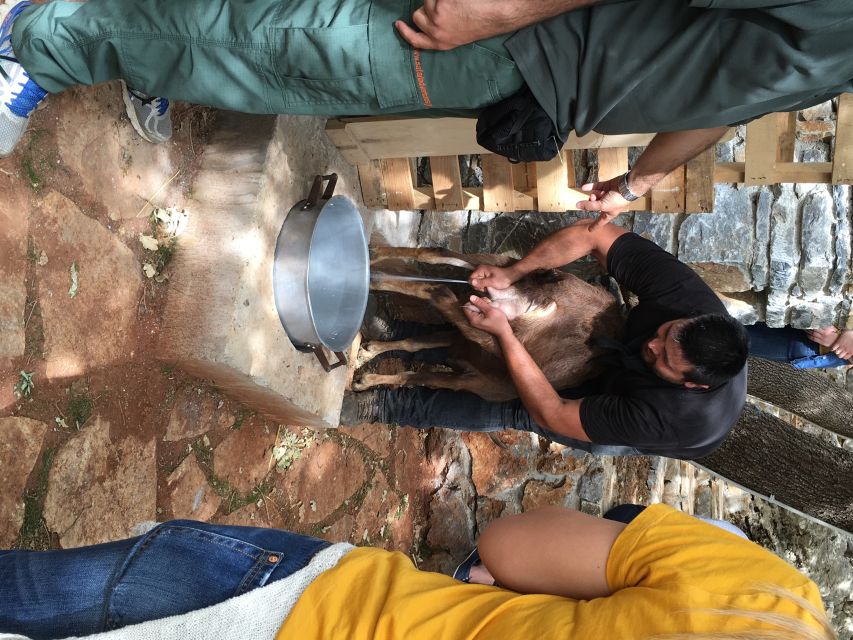
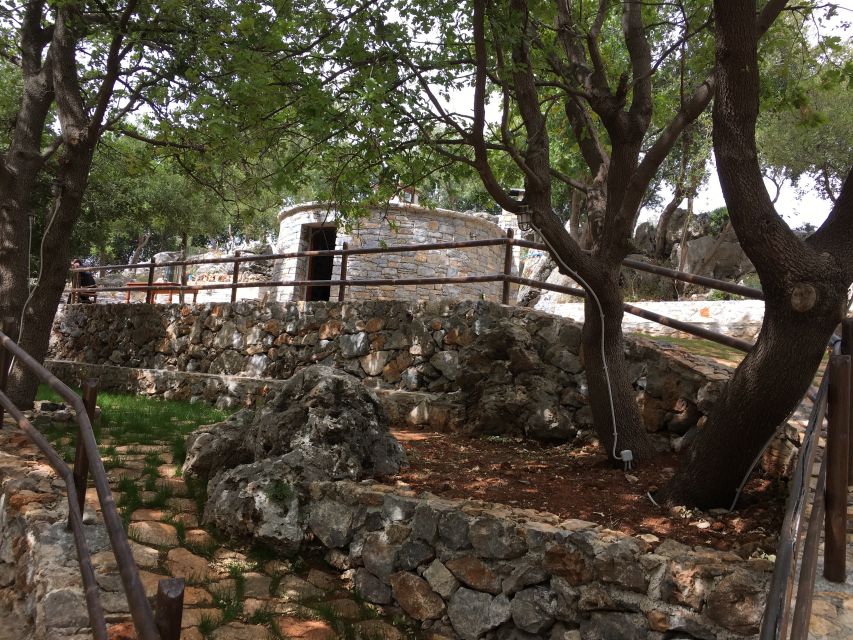
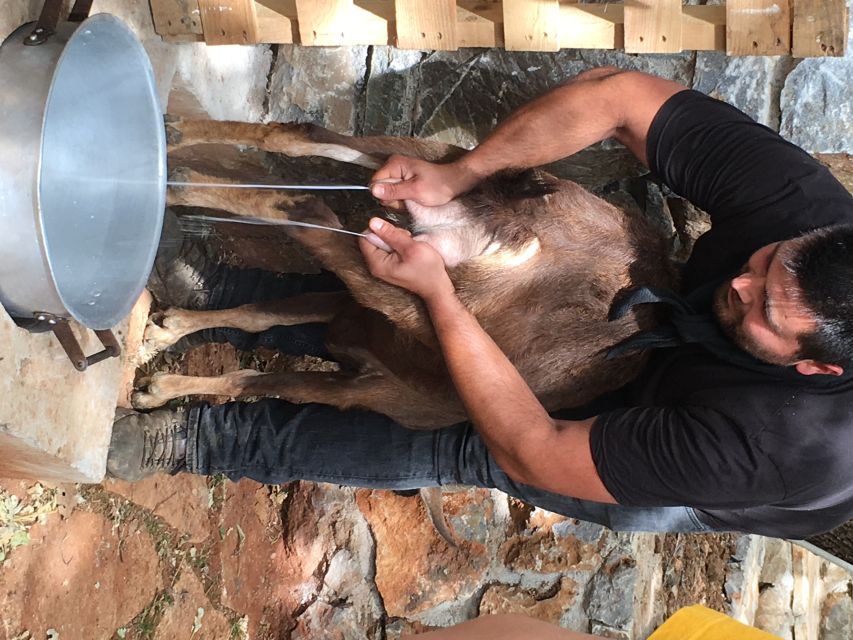
This is often the emotional center of the day. You’ll leave paved roads behind and head into the mountains to a traditional shepherd’s hut called a mitato, where local cheese is still made by hand.
You’ll watch shepherds craft the cheese in front of you, hear stories about mountain life, and get that rare feeling of seeing work that hasn’t been designed for tourists. It also connects to the wider theme of the day: Crete’s food culture isn’t separated from its landscape—it’s built from it.
The guide also suggests keeping an eye out for wildlife like wild Cretan Ibex (kri-kri) and soaring eagles. You may not see the ibex, but even if you don’t, this is still one of the most “Crete is different up here” moments on the itinerary.
If you like your guides lively and tuned in (people often mention a funny, fast-speaking approach), this is the segment where it helps most. When you can ask a question in plain language, you get more than visuals—you get meaning.
Cheese factory plus tasting: a longer, hands-on food stop
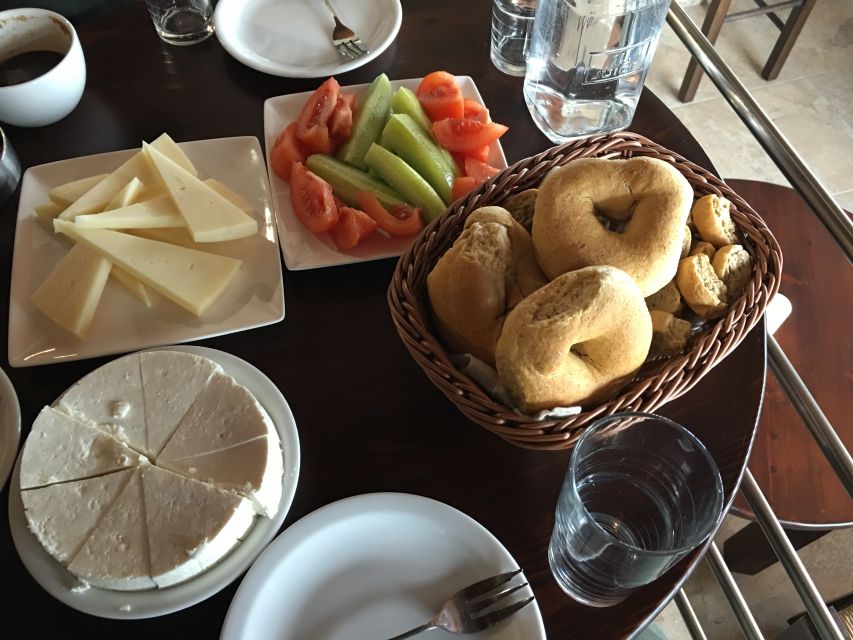
Later, you’ll spend about 75 minutes at a cheese factory stop with a guided tour, a walk, and time for cheese tasting and local snacks. There’s also a “class” element mentioned, along with off-road adventure and scenic viewing.
How to think about this: the mitato shows you the mountain craft in a more intimate, working setting. The cheese factory stop is more structured. Together, they give you both sides—the tradition and the process scaled to a visitor-friendly explanation.
This is also where you’ll likely sample more than one cheese style. Since lunch comes afterward, pace yourself. If you’re the type who tastes and then later gets hungry for actual food, save room for Axos.
Axos village lunch: traditional platters in a real community spot
The day ends with lunch in Axos village at a family-run tavern. Lunch runs about 1.5 hours, giving you enough time to sit, eat, and let the day settle.
Expect regional dishes made with fresh local ingredients and warm hospitality. This is where the day becomes more than tastings and photos. You’re eating a full meal—traditional Cretan platters-style—after a long mix of driving and walking.
Dietary restrictions and food allergies can be catered for with prior notice, which is worth planning for before you go. If you know you have limits, share them early so they can handle it without rushing.
Also, coffee or beers aren’t included at the tavern, so if you want a post-lunch drink, you’ll need to pay separately.
Price and value: does $128 per person make sense?
At $128 per person for 7 hours, this sits in a mid-range “worth it if it’s your style” zone.
Here’s why it can be good value:
- You’re paying for more than transportation. Winery and olive mill visits include guided tours and tastings, plus entrance fees at those stops.
- You also get included activities that many separate tours would charge for: the mitato visit and cheese-making process, and then the cheese factory tasting time.
- You’re not doing a long self-drive scavenger hunt. A guide handles the route, timing, and the flow between stops.
It’s not a budget “just hop in and pass time” deal. If you hate tastings, dislike off-road driving, or only want beaches and towns, you’ll feel the cost more than the payoff.
But if your idea of a great Crete day includes learning how food is made and spending time on roads with mountain views, the price starts to feel fair—especially with hotel pickup and drop-off included.
Who should book this safari, and who should skip it
This is a great match for you if:
- You like food experiences that come with real context (wine, olive oil, cheese)
- You enjoy getting out of the main tourist lanes into mountain villages and off-road scenery
- You’re comfortable with a day that includes multiple short stops and some uneven terrain
It’s not a great match if you:
- Need wheelchair access or have mobility impairments
- Have back problems, recent surgeries, high blood pressure, heart problems, or altitude sickness concerns
- Are pregnant, have motion sickness, or prefer zero-bump travel
- Have very specific height/weight limits listed for the tour’s constraints (over 6 ft 6 in / 200 cm or over 287 lbs / 130 kg)
If you’re traveling with kids, note that children under 7 aren’t allowed, and wine consumption rules apply for anyone under 18.
Smart packing tips for a bumpy, sunny mountain day
Bring:
- Sunglasses and a sun hat
- Comfortable clothes for off-road and mountain air
- A jacket (mountains can feel cooler even when the coast is warm)
- A camera (you’ll use it at Halepa and viewpoints)
- Cash for any purchases at the winery or olive mill
Leave behind:
- High-heeled shoes
- Pets
- Luggage or large bags
- Anything that conflicts with the rules: no smoking in the vehicle, and no alcohol/drugs/food or drinks on board
Should you book the Rethymno 4×4 Safari?
If you want a Crete day that goes beyond beaches—one with wine, olive oil, and cheese-making plus mountain viewpoints—this is a strong choice. The half-day rhythm works: tastings early, viewpoints mid-day, shepherd craft and cheese later, then a real lunch to close it out.
I’d especially consider it if you’re the kind of traveler who enjoys guides who can explain the “why” behind the taste. You may even get a guide known for humor and quick answers, like Sebastian, or a guide who brings strong local insight, like Panos.
Skip it if you want a fully relaxed, minimal-walking day or if off-road bumpy travel is a no-go for you. In that case, you’ll feel the friction instead of the adventure.
FAQ
How long is the Rethymno 4×4 Safari?
It lasts about 7 hours.
Where are the pickup locations?
Pickups are offered in Georgioupoli, Rethymno, Stavromenos, Adelianos Kampos, Paralia Kourna, Panormos in Rethymno, and Platanes.
What time does pickup happen?
Pickup times vary by area. Examples include 8:30 in Georgioupoli, 9:00 in Rethymnon, and 9:45 in Panormos.
What language is the guide?
The tour is guided live in German and English.
How many people are in each vehicle?
It’s a small, semi-private safari with up to 6 or 8 persons per vehicle.
What’s included for lunch?
Lunch is at a tavern in Axos and includes traditional Cretan dishes (regional food).
Is wine included, and can children drink it?
Wine tasting is part of the winery experience. Children under 18 are not allowed to consume wine.
What’s included besides food and tastings?
Hotel pickup/drop-off, guided tours at the winery and olive oil mill, the mitato visit and cheese-making process, a cheese factory visit with tasting and snacks, and entrance fees/tastings at the included stops.
Can I book without paying right away?
Yes. You can reserve now and pay later.
What should I bring, and what’s not allowed?
Bring sunglasses, a sun hat, a camera, a jacket, comfortable clothes, and cash. Pets, high-heeled shoes, large luggage, smoking in the vehicle, alcohol/drugs, and food/drinks in the vehicle are not allowed.
If you want, tell me where you’re staying (or your nearest pickup area), and I’ll help you pick the best practical pickup time for a smooth start.