REVIEW · ADDO ELEPHANT NATIONAL PARK
Port Elizabeth: 2-Day Addo Elephant Park Safari
Book on GetYourGuide →Operated by Afroventures Tours and Safaris · Bookable on GetYourGuide
Elephants first, then dunes. In Addo Elephant National Park, I love the Big Five game-drive focus and the chance to do giraffe tracking on foot in a small group. This is one of those rare South African safaris where the elephant density is the headline, and the scenery keeps your brain busy even when animals pause for shade.
The main drawback to plan for is heat. Daytime temperatures can keep big cats harder to spot, and that means you should enjoy the whole hunt, not just one species.
In This Review
- What makes this 2-day Addo safari special
- Addo Elephant National Park: where elephants drive the whole experience
- The Big Five game drive: exciting, but keep expectations flexible
- Giraffe tracking on foot: what close-up can feel like
- Sundays River cruise and Alexandria Dune Field: views with a different tempo
- Where you sleep: a 4-star base after a big wildlife day
- Small-group guiding with names like John, Riccardo, and Sidwell
- Big Seven conservation and the tiny local specialist you should notice
- Price and value: is $597 actually fair for what you get?
- Practical tips that make the day smoother
- Who should book this Addo 2-day safari (and who might not love it)
- Should you book the Port Elizabeth 2-day Addo Elephant Park Safari?
- FAQ
- How long is the safari?
- Where does the tour pick you up from?
- What wildlife can you look for?
- Is there a giraffe activity on foot?
- Does the price include accommodation and meals?
- Are park entry fees included?
- Are drinks included?
- Is this safari in a malaria-free environment?
- What should I bring?
- Is it wheelchair accessible?
What makes this 2-day Addo safari special
- Greater Addo’s elephant concentration makes sightings feel frequent
- Big Five driving in a malaria-free Eastern Cape setting
- Sundays River cruise plus a dune tour at Alexandria Dune Field
- Giraffe tracking on foot that gets you close, with short walking moments
- Small-group safari limited to 12 with an English-speaking local guide
- 4-star lodge stay for one night, included meals, and an organized pace
Addo Elephant National Park: where elephants drive the whole experience
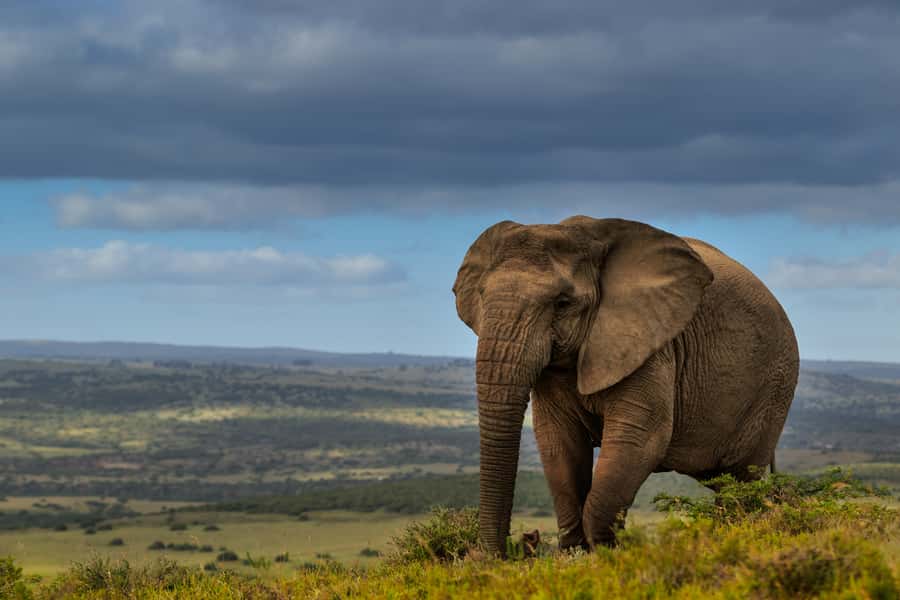
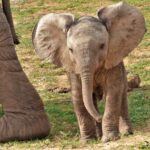
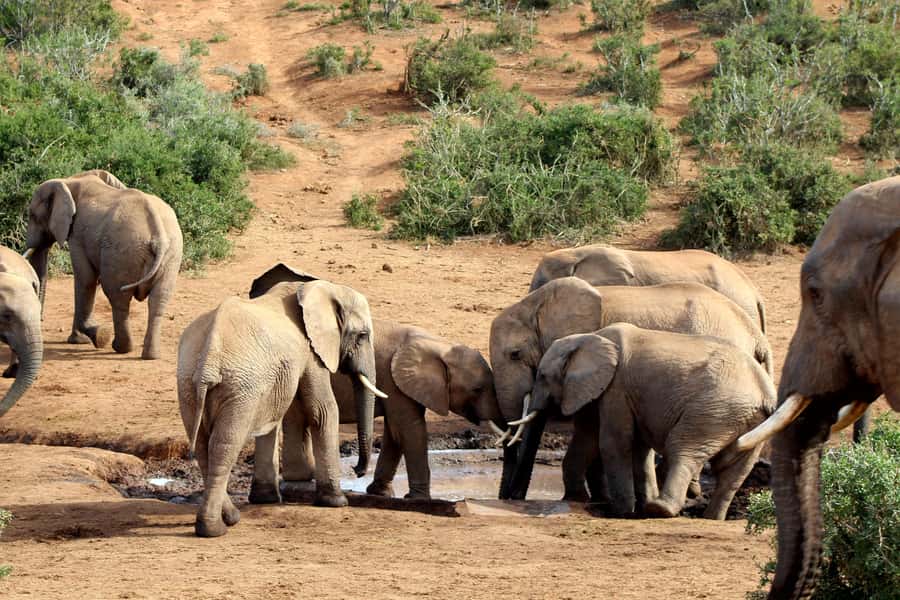
Addo Elephant National Park is built for people who don’t just want photos, but want time in a working ecosystem. The park started in 1931 when only 11 elephants remained. Today, it’s home to around 700 resident elephants, and that density changes everything: you’re not crossing your fingers for an elephant sighting. You’re learning how they move through habitat, how they use water and grazing patches, and how the whole food web reacts.
On your drives, you’ll spend a lot of time looking at details. That includes the obvious stuff—big herds, tuskers, calves keeping close—but also the “in-between” moments: elephants feeding near thickets, the way zebra and antelope share open spaces, and how predators time their movement. If you enjoy nature as a system, Addo is a strong match.
And yes, you can absolutely get the “classic safari” experience here too. The goal is Big Five spotting—plus other animals like buffalo and lions when the conditions line up.
You can also read our reviews of more tours and experiences in Addo Elephant National Park.
The Big Five game drive: exciting, but keep expectations flexible
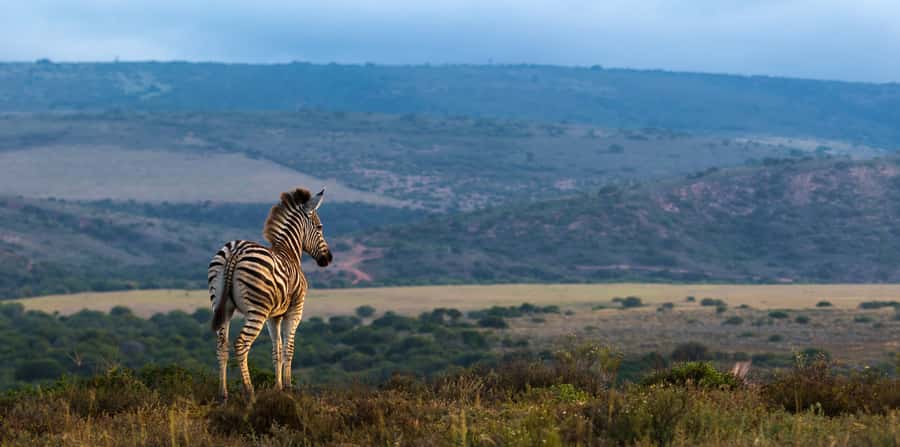
This safari is designed around a full day game drive in the greater Addo area. Practically, that means you’ll do long stretches in the vehicle, scanning. When visibility is good and animals are moving, it feels like the park rewards you quickly. When the sun gets high, wildlife often shifts into a slower rhythm, and you’ll need patience.
Here’s what I like about this setup: Addo’s elephant density keeps the day from feeling empty. Even when predators are quieter, elephants and other herbivores keep the focus on real sightings, not wish-list animals. You can also encounter spotted hyenas, along with different species of antelope and zebra, so your drive stays varied.
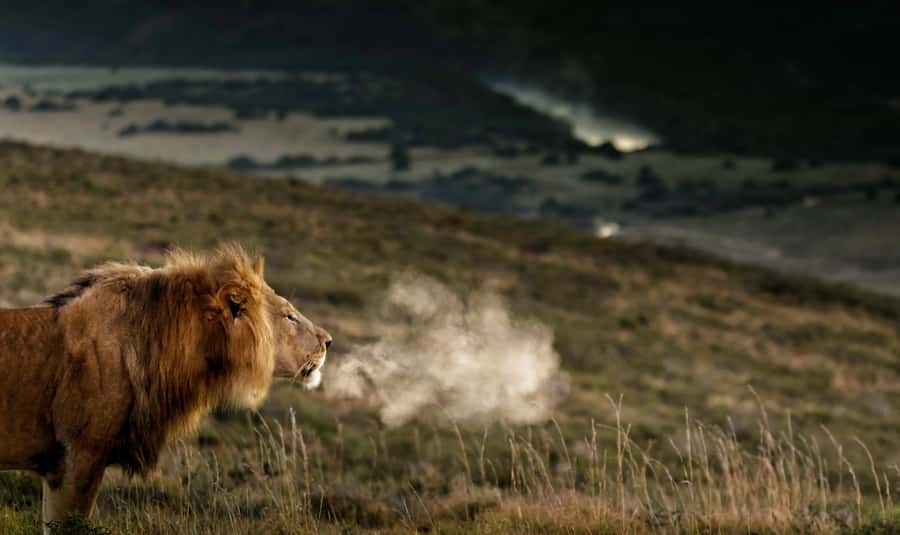
The “keep it real” part is the Big Cats. Lions are part of the plan, but animal behavior plus midday heat can reduce how active they are. That’s not a failure of the guide—it’s just how safari works when animals are conserving energy. If you’re the type who gets frustrated unless you see a specific predator, this is the moment to choose enjoyment over certainty.
Giraffe tracking on foot: what close-up can feel like
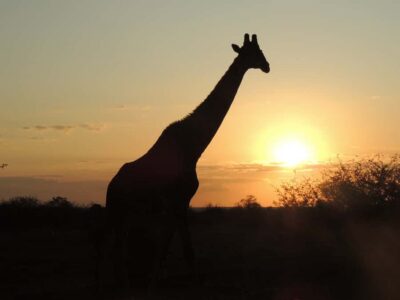
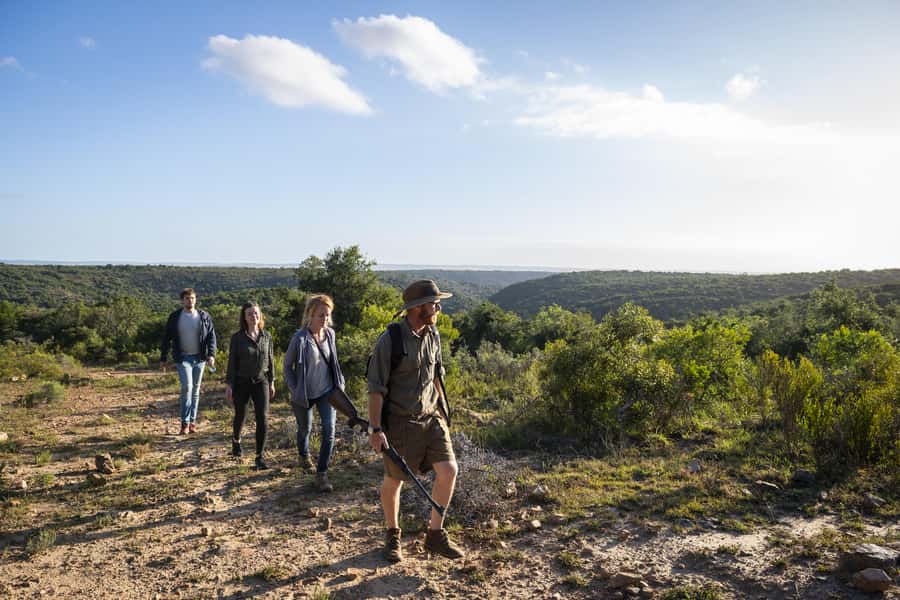
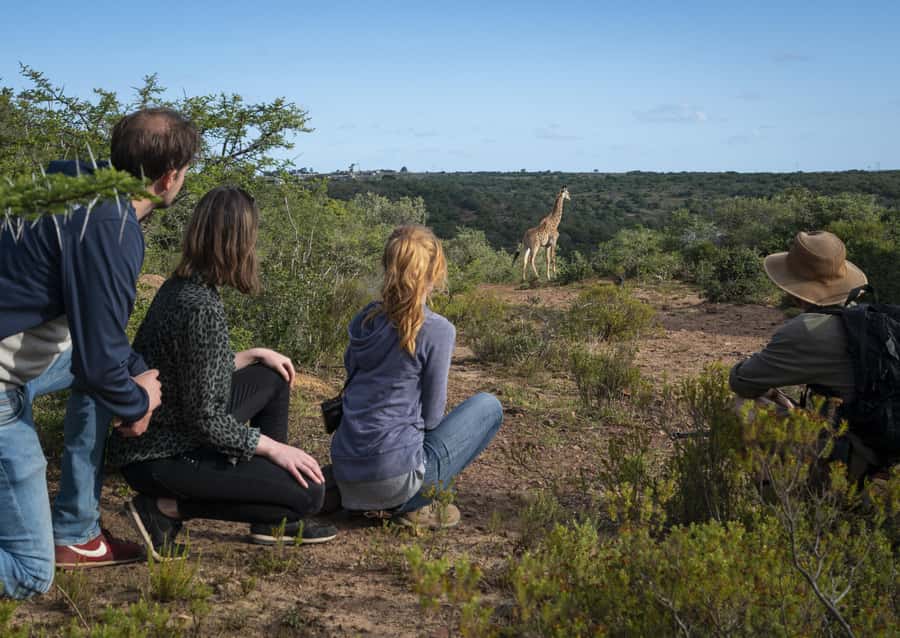
The giraffe portion is one of the main reasons this safari sits in a different category than a standard all-vehicle drive. You get a giraffe tracking safari on foot, led by your local guide, and that’s where things can feel special fast. Giraffes are big, calm, and oddly personal when they’re not just distant dots on the horizon.
Now, the practical reality: this style of tracking is usually about getting you safely into the right area at the right time. Depending on where the reserve conditions allow movement, you might spend time traveling by vehicle inside the managed area and then step out for short walking moments where you can get close. The goal is closeness and observation, not a long hike that burns the whole morning.
Comfort matters here. You’ll want comfortable shoes and a sun hat, and you’ll want to accept that the walk part is as much about careful tracking and listening as it is about nonstop walking. If you go in expecting a constant, uninterrupted trek through wild terrain, you might find the pace gentler than you imagined. If you go in expecting short, meaningful close-up opportunities, you’re more likely to love it.
One more tip: bring your attention. Giraffe spotting rewards people who watch body language—head position, ear angle, and whether they pause to feed.
Sundays River cruise and Alexandria Dune Field: views with a different tempo
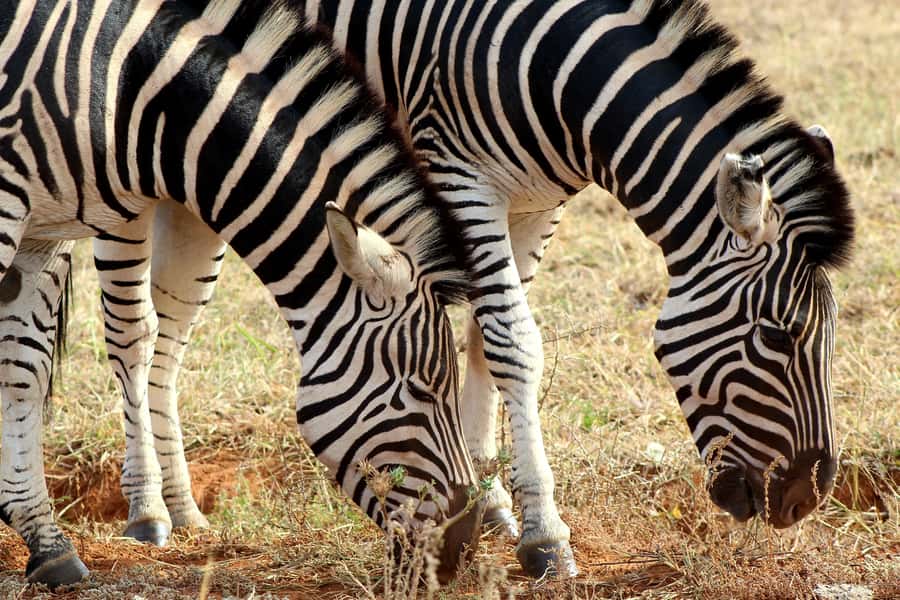
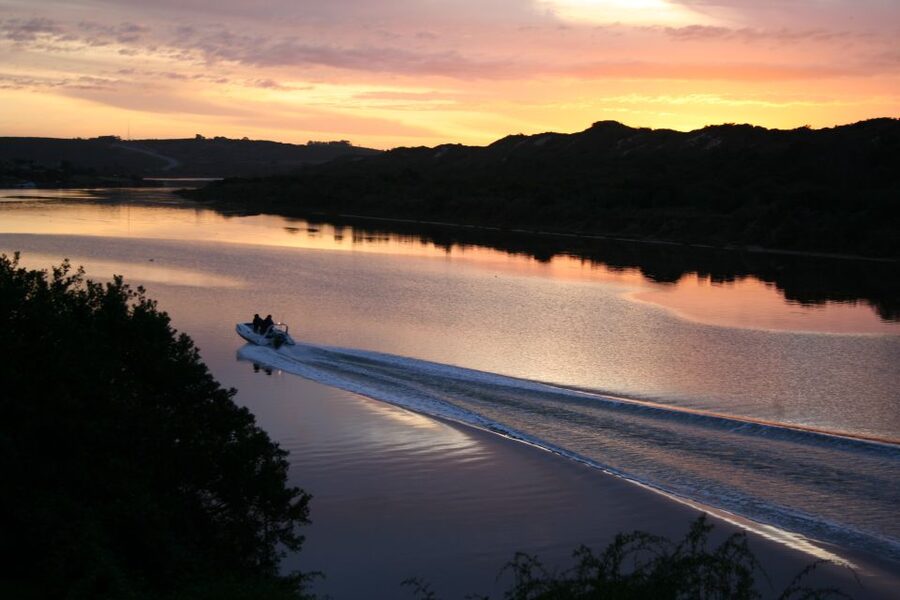
After the intensity of game drive time, the Sundays River cruise and dune tour reset your pace. This part isn’t about tracking spoor for the perfect moment. It’s about changing scenery and taking in how the area works beyond the savanna-style viewing.
The Sundays River cruise gives you a break from the vehicle-scanning rhythm. You’re moving through water and edges of habitat, and that can help you see how animals use different zones. It also tends to be a nice contrast if your day of driving has been very “spot and stop.”
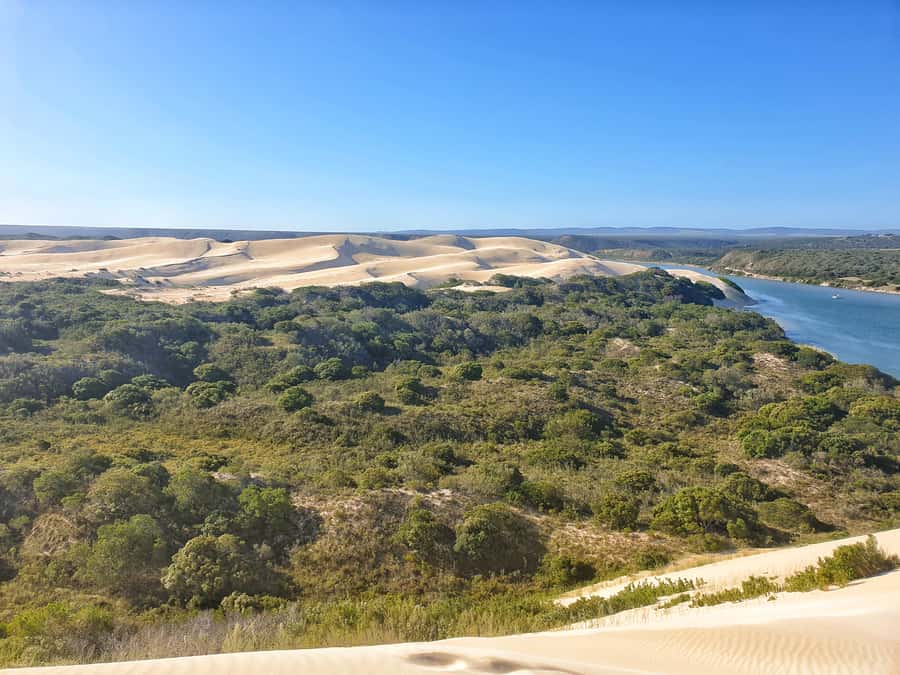
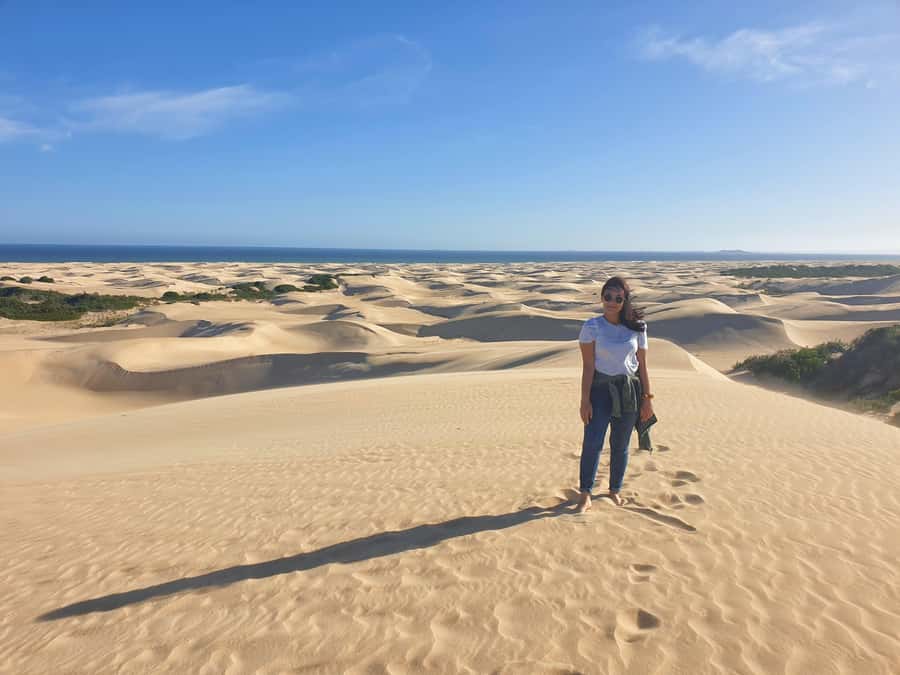
Then there’s the Alexandria Dune Field. Dunes change how wind and light behave, so your photos and your sense of scale improve immediately. One highlight you might enjoy during this dune stop is a sandboarding-style break, if the schedule and conditions allow it.
Even if you’re not into extreme activities, the dunes are worth it for the visuals. They also help you understand why Addo’s wildlife is so comfortable here—water, grazing, and shelter aren’t random. They’re mapped into a landscape of opportunity.
Where you sleep: a 4-star base after a big wildlife day
You’ll get one night of 4-star accommodation as part of the package, which matters more than people think. After long drives, you’ll feel the difference between a basic stop and a comfortable place where you can actually reset.
In the wider Sunday’s River / Addo-area accommodation options, lodges such as Elephant Footprint Lodge and Dungbeetle River Lodge come up often, and the common thread is good rooms, friendly service, and a real sense of place near the river. Some rooms are oriented toward the outdoors, so you can wake up and feel like you didn’t just “sleep near a highway.”
The included meals help too: breakfast, two lunches, and dinner are part of the package. That means you’re not spending time hunting for food while you should be relaxing.
Small-group guiding with names like John, Riccardo, and Sidwell
A lot of safari quality comes down to the guide and how they read the park. This experience runs as a small group capped at 12, which keeps things friendly and makes it easier for your guide to manage timing and animal visibility.
In English, you can expect practical explanations and real-world park knowledge. Some guides that have led safari days in this region include John, Riccardo, and Sidwell. While you can’t request a specific person based on the information here, the consistent advantage is that a local guide knows where to look and how to communicate what you’re seeing in plain language.
A strong guide also helps you avoid getting frustrated. When lion sightings don’t happen, the better guides shift your attention toward behavior: what elephants are doing, how hyenas might respond, and what signs indicate animal movement later.
Big Seven conservation and the tiny local specialist you should notice
Addo is famous for elephants, but the park’s conservation story goes beyond mammals. The program talks about the park being the only one in the world to conserve the Big 7—the Big Five plus the southern right whale and great white shark off the Algoa Bay coast.
You won’t necessarily be on a whale-watch boat during this specific 2-day package, but that fact is a useful mental context. It tells you this area isn’t being treated like one random animal exhibit. It’s part of a broader conservation effort, where marine and terrestrial systems are linked.
And don’t skip the weird-but-cool detail: the park is home to a flightless dung beetle found almost exclusively here. That’s the kind of species you’ll only notice if someone points it out or if you slow down enough to look beyond the big action. It’s a reminder that “great safari” isn’t only about the biggest animals—it’s about the full system.
Price and value: is $597 actually fair for what you get?
At $597 per person for two days, this isn’t a budget safari. But it also isn’t just a vehicle rental with a guide. Your package includes:
- pickup from Addo, Port Elizabeth, Bluewater Bay, and Colchester
- national park entry fees
- a local guide
- a full-day game drive
- Sundays River cruise and dune tour
- giraffe tracking on foot
- 1 night in 4-star accommodation
- 1 breakfast, 2 lunches, 1 dinner
Drinks aren’t included, so if you like wine, soft drinks, or bottled water beyond what’s provided in meals, you’ll budget for that separately.
Where the value clicks is in the combo. You’re not paying for separate transport + separate park fees + separate meal planning + separate activities. You’re bundling a serious day in Addo with river-and-dunes time and an on-foot giraffe component. If you’d otherwise piece together those elements yourself, the single price starts to look more reasonable.
The “value risk” is your expectations about predator sightings. If you book mainly for guaranteed lion views, you may feel the spend more sharply on a day when animals stay hidden. If you’re happy to focus on elephants, varied wildlife, and real-guided time in the park, the price becomes easier to justify.
Practical tips that make the day smoother
A few small things can make your safari feel effortless instead of stressful:
- You’ll want passport or ID, since it’s requested for the experience.
- Warm clothing is on the packing list, which is smart for early mornings and evening cooling.
- Bring a sun hat and sunscreen because this region can be intense once the day warms up.
- Wear comfortable shoes because you’ll be walking during the giraffe tracking part.
- Not allowed: drones.
- Not suitable for wheelchair users, so plan around mobility needs.
- Your guide and tour info are in English.
- Group size stays small, up to 12, so you’ll usually get more personal attention than you would on mega-bus tours.
Also note the pace: the safari ends around 18h30 on day two. That’s a full schedule, so don’t plan big last-minute evening commitments in Port Elizabeth unless you build in buffer time.
Who should book this Addo 2-day safari (and who might not love it)
This is a great fit if you:
- want elephant-heavy days with a chance at the Big Five
- like guided wildlife tracking on foot, not just standing at a viewing point
- prefer a small group with a local guide in English
- enjoy mixing animal viewing with Sundays River scenery and dune time
You might think twice if you:
- need guaranteed lion sightings or a strict “one target animal per hour” plan
- dislike long vehicle time and scanning
- need wheelchair accessibility (this one isn’t set up for it)
One more sanity check: treat this as a full nature day, not an animal vending machine. When you do, you’ll likely rate it higher than you expect.
Should you book the Port Elizabeth 2-day Addo Elephant Park Safari?
I’d book it if your priority is dense elephant sightings, Big Five driving, and an on-foot giraffe experience with a 4-star lodge night and meals handled. The structure is built to keep you in the best places, with a guide who can help you read what’s happening—even when the park gives you calmer moments instead of constant action.
I’d skip it if your main goal is one specific predator on demand, because heat and animal behavior can affect what shows up. In Addo, you win by enjoying the whole ecosystem, not by demanding one single outcome.
FAQ
How long is the safari?
It runs for 2 days, with pickup included and an end time of approximately 18h30 on the second day.
Where does the tour pick you up from?
Pickup is included from Addo, Port Elizabeth, Bluewater Bay, and Colchester.
What wildlife can you look for?
The safari focuses on Big Five sightings and also includes chances to see animals like lions, buffalo, black rhinos, spotted hyenas, zebra, and antelope.
Is there a giraffe activity on foot?
Yes. You’ll enjoy a giraffe tracking safari on foot as part of the package.
Does the price include accommodation and meals?
Yes. The tour includes 1 night of 4-star accommodation plus 1 breakfast, 2 lunches, and 1 dinner.
Are park entry fees included?
Yes. National park entry fees are included.
Are drinks included?
No. Drinks are not included.
Is this safari in a malaria-free environment?
It’s marketed as being in a malaria-free environment.
What should I bring?
Bring passport or ID, comfortable shoes, warm clothing, sun hat, and sunscreen.
Is it wheelchair accessible?
No. The experience is not suitable for wheelchair users.