REVIEW · ADDO ELEPHANT NATIONAL PARK
Addo National Park: Guided Half-Day Safari
Book on GetYourGuide →Operated by Crisscross Adventures · Bookable on GetYourGuide
Elephants show up fast. This half-day guided safari in Addo Elephant National Park focuses on the best northern sightings from Main Camp, with guides who pair sharp wildlife spotting with local stories. You also ride in custom closed Toyota Land Cruisers with big retractable windows, so you get close views without feeling locked in.
I especially love two things: the small group size (limited to 10), and the way the guide turns “drive time” into real learning. I’ve seen guide names like Steven/Stevie, Donald, and others pop up in accounts of great drives—always with the same theme: they work hard to find animals and explain what you’re seeing.
One consideration: the tour price doesn’t include entrance/conservation fees (R492 per person), so you’ll want cash ready. And since it’s only 4 hours, you’re trading “more sightings” for a tighter, easier plan that fits into a busy schedule.
In This Review
- Key highlights worth planning for
- Where this tour fits in Addo (and why 4 hours works)
- The ride: closed Toyota Land Cruiser, open viewing angles
- Your guide’s job: spotting, then telling you what it means
- What you’ll actually do during the 4-hour drive
- The Big 5 wording: what to expect realistically
- Snacks, drinks, and the small comfort wins
- Pickup and drop-off: the Addo village convenience
- Price and value: what you’re paying for (and what you’re not)
- Photography and viewing tips that actually help
- What to bring (and what to leave behind)
- Who this safari suits best
- Should you book the Addo guided half-day safari?
- FAQ
- How long is the guided Addo safari?
- What is the price per person?
- What’s included in the tour price?
- What fees are not included?
- Where do I meet the tour?
- Are there any rules about electronics or activities?
- What’s the group size and language?
Key highlights worth planning for
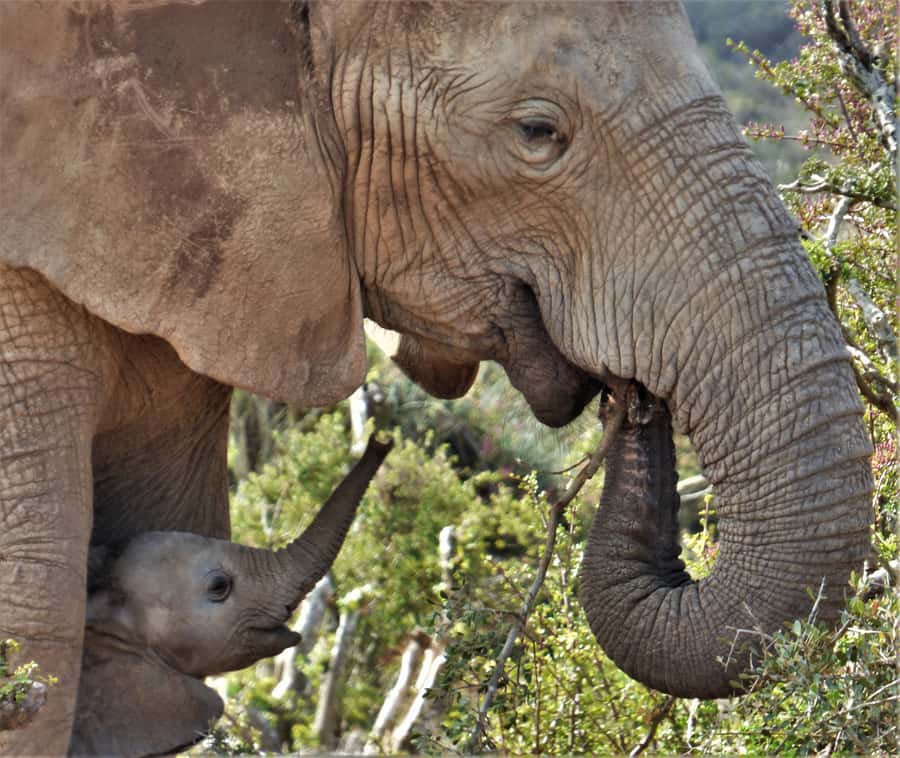
- Northern Main Camp Big 5 area: Your route targets the most productive part of Addo for game viewing in the time you have.
- Retractable-window Land Cruisers: You get comfort and visibility at the same time—great for photos and spotting.
- Guides with real local context: Expect vegetation, park history, and culture stories woven into the sightings.
- Snacks and drinks included: It’s not a long day, but you won’t be empty-handed or dehydrated.
- Guide effort can change the outcome: Even when conditions aren’t perfect, strong guides push for good sightings.
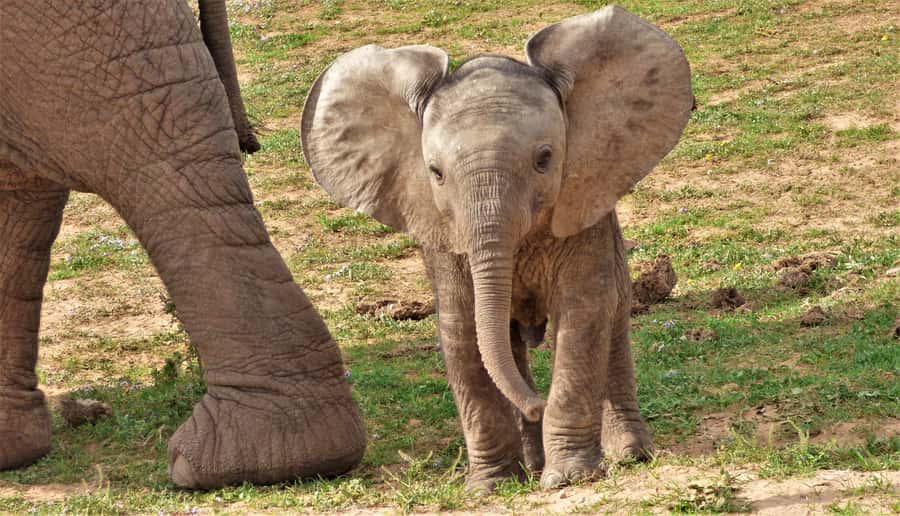
- Big-elephant odds, plus variety: People commonly report elephants in large numbers, plus other species like zebra and warthogs.
Where this tour fits in Addo (and why 4 hours works)
Addo Elephant National Park is big, and wildlife is never on a strict timetable. A half-day safari makes sense here because it gives you the thrill of a guided game drive without asking you to surrender your whole day. You’ll get a focused route through the northern sections of the park’s Main Camp game-viewing area—exactly the kind of plan that helps you “see more, stress less.”
The duration also matters for practical reasons. With only 4 hours, you’ll spend less time waiting for the right moment and more time in motion looking for animals where conditions are favorable. That’s why this format is popular for people who want the Addo experience but also need to fit in lodging schedules, meals, or other activities in the Eastern Cape.
You can also read our reviews of more tours and experiences in Addo Elephant National Park.
The ride: closed Toyota Land Cruiser, open viewing angles
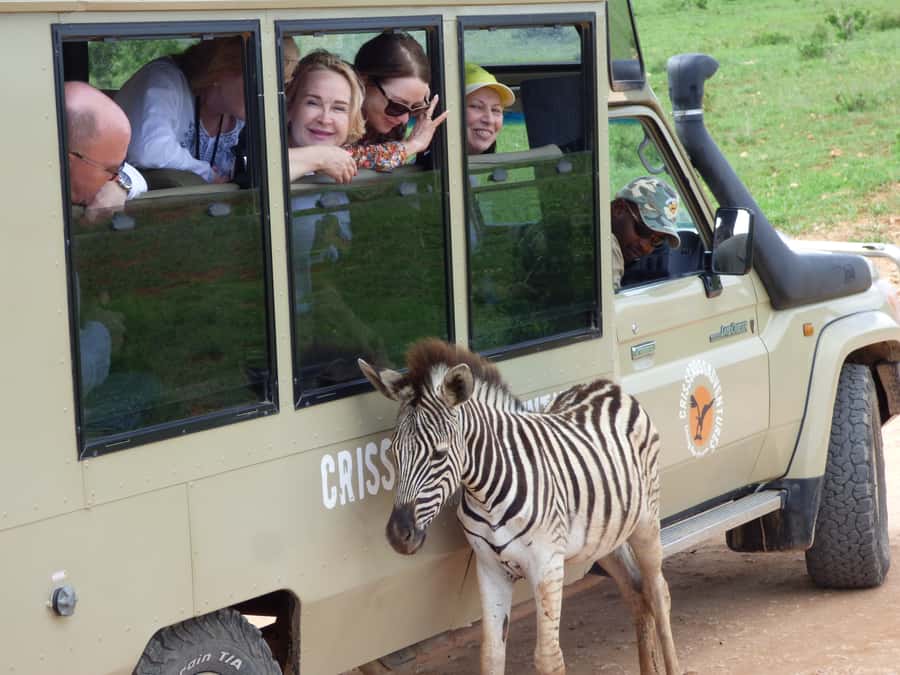
You’ll travel in custom-designed closed Toyota Land Cruiser Safari Vehicles built for game viewing. The big win is the combination of comfort and visibility: high ground clearance helps the vehicle handle terrain, while large retractable windows let you watch animals closely and frame photos without contorting your body.
This detail is worth taking seriously. I get why some people worry about a closed vehicle at first—Addo is an outdoor, dust-and-wind kind of place. The solution here is that the windows are designed for viewing, and the vehicle layout keeps everyone able to see well when animals appear.
You’ll likely feel more relaxed than in an open vehicle during cooler or changeable weather. And because it’s an all-weather tour, you’re not gambling your day on sunshine.
Your guide’s job: spotting, then telling you what it means
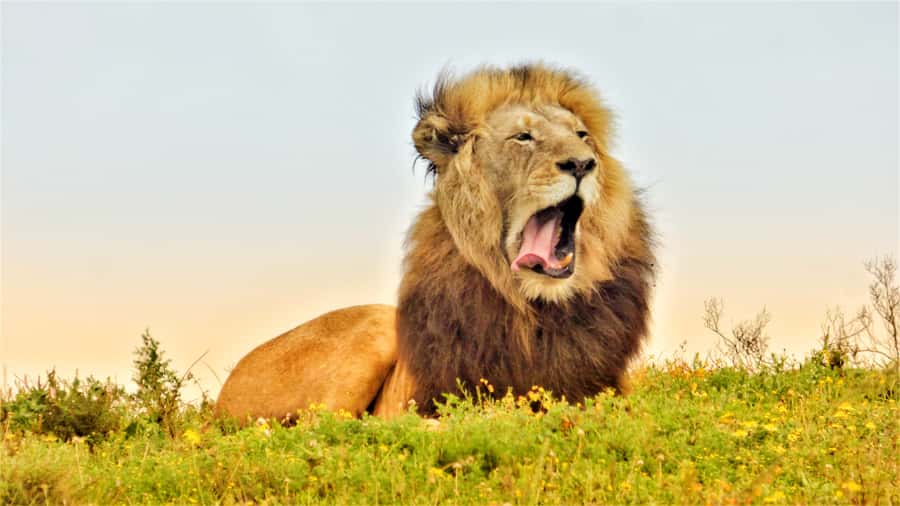
The best part of a guided safari isn’t just finding animals. It’s understanding what you’re looking at—why it’s there, how the habitat works, and what makes Addo special.
On this tour, your guide focuses on:
- Spotting wildlife with trained eyes in the northern Main Camp area
- Helping you choose angles and moments for photos
- Explaining vegetation and local history along the way
- Sharing cultural stories that make the park feel less like a checklist
The names that come up most often in strong experiences include Steven/Stevie and Donald. Even when people don’t get every “bucket-list” animal, the consistent praise is about effort and interpretation—guides who keep the drive active, not passive.
That matters because Addo’s sightings can be subtle. A leopard tortoise is easy to miss if you’re only scanning for the obvious. But a good guide spots the small stuff, too—and helps you appreciate it.
What you’ll actually do during the 4-hour drive
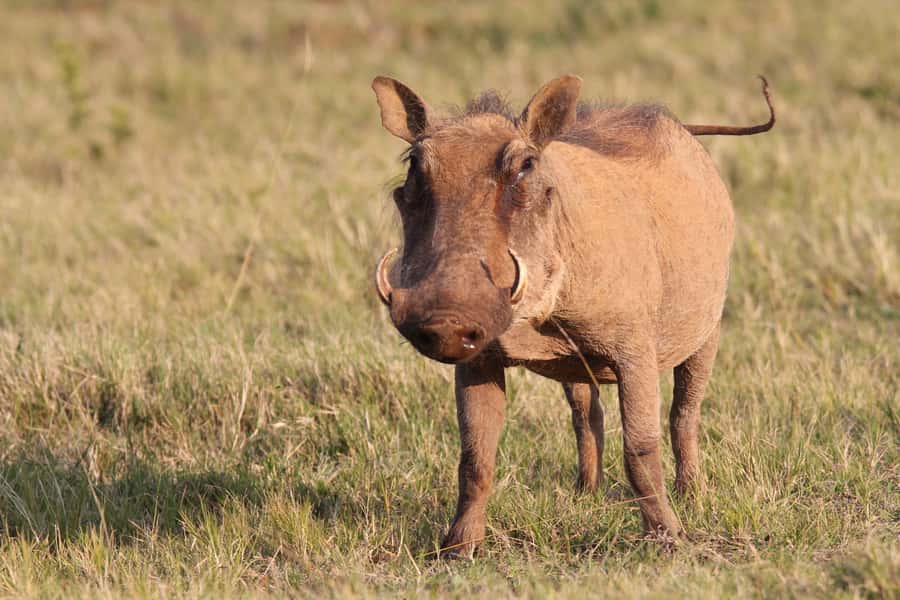
You’ll meet at the local partner’s headquarters, Crisscross Adventures, in Addo village. From there, the tour moves into the park for a half-day game drive focused on the northern section of Addo’s Main Camp viewing area.
Even though the exact route can shift based on wildlife movement, your time is structured around the same idea: maximize your chance of sightings in a short window. This is also where the guide’s “local story + live search” approach pays off, because you’re not only chasing animals—you’re learning while you wait and scan.
You’ll spend a lot of the experience looking out for a mix of:
- Elephants (often reported in strong numbers)
- Zebra and ostriches
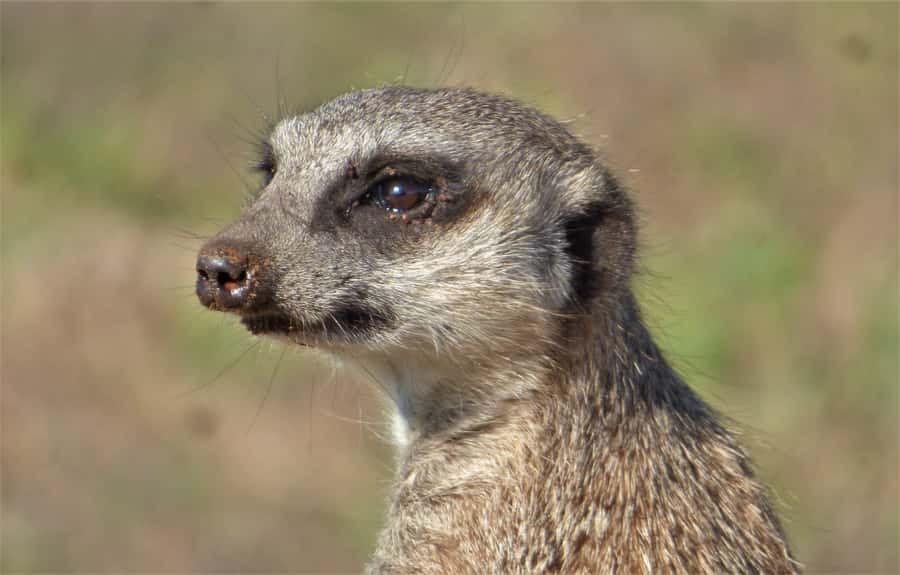
- Warthogs and mongoose
- Leopard tortoise sightings
And yes, sometimes even predators show up in the action, such as lions (though there’s no guarantee).
The Big 5 wording: what to expect realistically
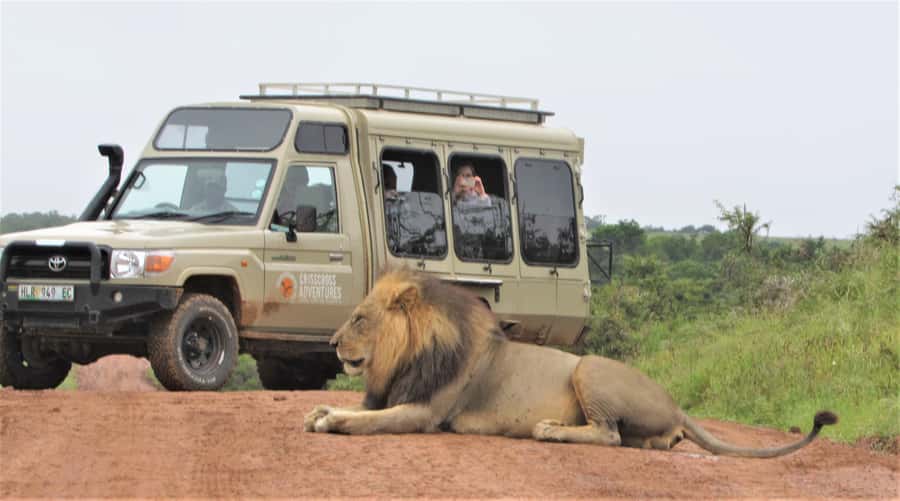
Addo Elephant National Park is often described in “Big Five” terms for its game-viewing identity, but it’s still wildlife. That means you should treat lion or leopard sightings as possible, not promised.
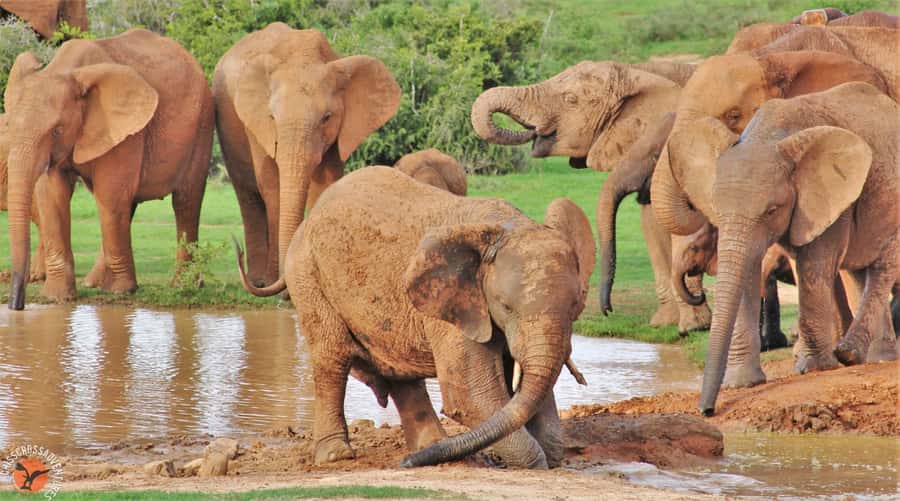
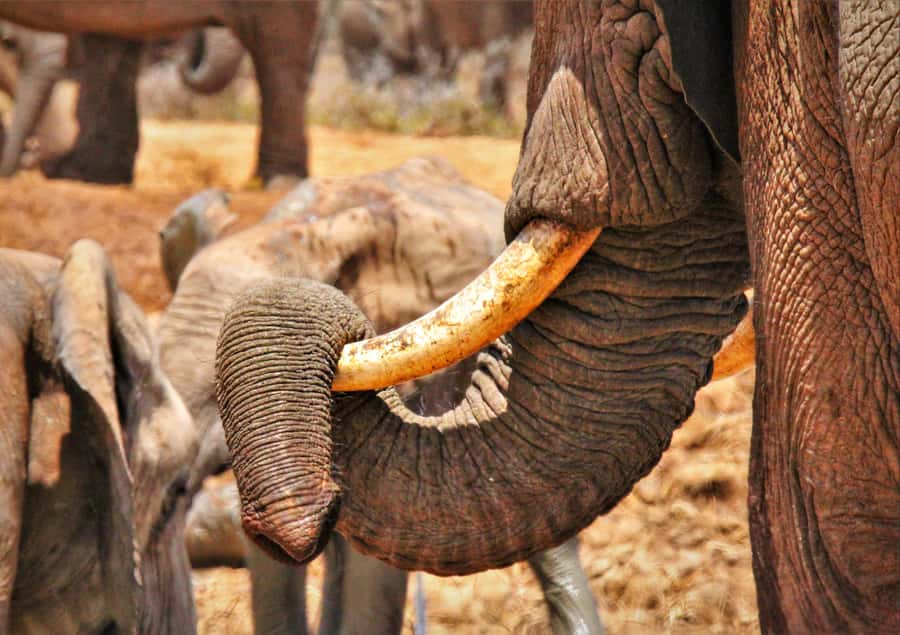
In practice, the most common “wow” is elephants—people consistently talk about how close these animals can feel when you’re in the right spot and the guide knows where to look. Other species can be excellent too. You might catch ostriches moving across open areas, zebra grazing near bush edges, or smaller animals that make the drive feel more alive and varied.
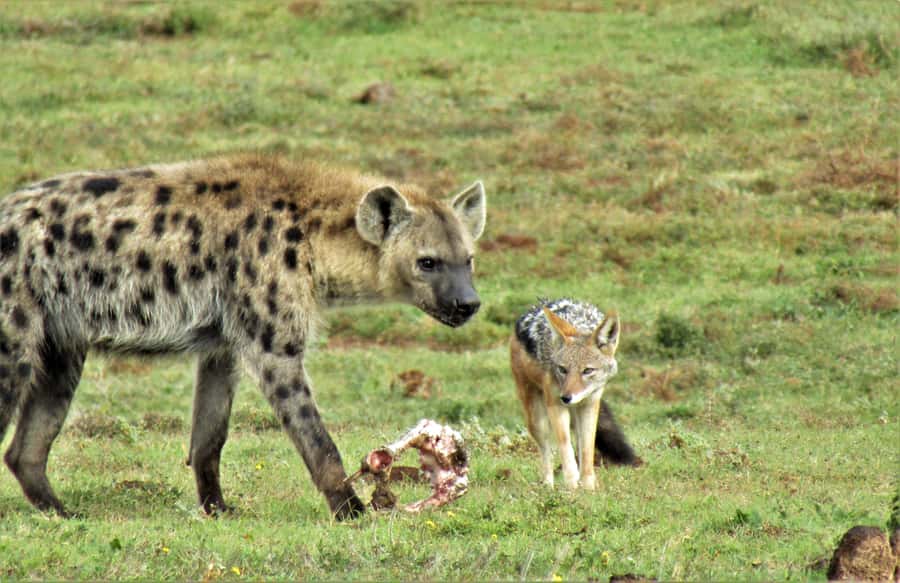
If your heart is set on a very specific predator moment (like lions hunting), go in with flexibility. The good news is that even without that one perfect scene, Addo often delivers a satisfying mix of different animals and behaviors. And with a skilled guide pushing for sightings, your odds improve.
Snacks, drinks, and the small comfort wins
This tour includes drinks and snacks. That sounds minor—until you’re out searching for animals and you realize how quickly a warm day (or a chilly morning) can drain your energy. The included food and drinks help keep you comfortable, and they make the drive feel smoother even if you’re traveling from your accommodation in Addo village.
There’s also a comfort bonus in the vehicle style. The Land Cruiser setup helps you stay focused on scanning and photography rather than battling wind or cold as much as you would in less sheltered transport.
Pickup and drop-off: the Addo village convenience
If you choose the pickup/drop-off option in Addo village, you’ll get return transfers from accommodations in the pickup zone. This matters if you don’t want to self-navigate meeting times, or if you’re traveling with luggage and want a simple start-and-finish plan.
If you skip pickup, you’ll still have a clear anchor point: meet at Crisscross Adventures in Addo village, then return after the half-day safari.
Price and value: what you’re paying for (and what you’re not)
The tour price is $81 per person, and the experience covers the guided 4-hour safari, a small-group setup, and drinks and snacks.
What’s not included is the key extra cost: entrance or conservation fees of R492 per person. That’s not a deal-breaker, but you should plan for it so your final total doesn’t surprise you at the last second. Bring cash or card for the fees.
So how do you judge value? For me, it comes down to three things:
- You’re paying for a guide who actively finds sightings (not just “drives around”)
- You’re getting a format that’s realistic for a half-day schedule
- You’re buying comfort and visibility in the vehicle design
If you were planning to drive yourself, you’d still need to cover the park fees—and you’d lose the guide’s help with spotting and the on-the-spot explanations that make the drive more meaningful.
Photography and viewing tips that actually help
Even with a good vehicle, wildlife photography is mostly about timing and patience. Here’s what I’d do to get the best results during a 4-hour window:
- Keep your camera ready before the guide says to expect movement.
- Use the retractable window openings for smoother framing rather than leaning out.
- Watch for behavior, not just location—animals that pause, feed, or move in patterns are easier to photograph.
Also, don’t get locked into only the big animals. People often remember elephants most, but the best drives include the smaller surprises too—things like leopard tortoises or quick mongoose sightings can happen when you’re scanning everything the guide points out.
What to bring (and what to leave behind)
To keep your day easy, bring:
- Passport or ID card
- Camera
- Cash (useful for the entrance/conservation fees)
You should also plan for guide gratuity if that fits your style. It’s advised to bring cash for this.
Not allowed:
- Drones
- Smoking in the vehicle
- Vaping
- Alcohol and drugs
Who this safari suits best
This is a smart choice if you want:
- A guided safari without committing to a full day
- A small-group experience (max 10)
- Comfortable transport with excellent viewing windows
- A guide who explains what you’re seeing, not only where you’re going
It’s not suitable for children under 6 years. If you’re traveling with kids, double-check ages before booking.
Wheelchair accessibility is listed, so if mobility is part of your planning, this tour may work better than some rougher options.
Should you book the Addo guided half-day safari?
Yes, I think you should book it if your goal is a guided, high-effort game drive in a short time—especially if elephants are a priority. The combination of small-group energy, the vehicle’s viewing setup, and the guide’s active search approach makes this a practical Addo starter (or a great add-on day).
Skip it (or rethink it) if you need a guaranteed lion or leopard sighting. Wildlife doesn’t offer guarantees, and a 4-hour schedule is still a short window.
If you book, do two things that will improve your experience fast: budget for the R492 entrance/conservation fee, and bring cash for it. Then show up ready to scan, listen, and wait for the moment when Addo decides to put on a show.
FAQ
How long is the guided Addo safari?
It lasts 4 hours.
What is the price per person?
The tour price is listed at $81 per person.
What’s included in the tour price?
You get drinks and snacks, plus return transfers from Addo village accommodation in the pickup zone if you select the pickup option.
What fees are not included?
Entrance or conservation fees are not included. The fee listed is R492 per person.
Where do I meet the tour?
You meet at the local partner’s headquarters (Crisscross Adventures) in Addo village.
Are there any rules about electronics or activities?
Drones are not allowed. Smoking in the vehicle and vaping are also not allowed, and alcohol and drugs are prohibited.
What’s the group size and language?
The tour is a small group limited to 10 participants, and the live guide language is English.