REVIEW · EVERGLADES NATIONAL PARK
Private Everglades 10,000 Islands Photo and Birding Boat Safari
Book on Viator →Operated by Everglades Boat Tours · Bookable on Viator
Everglades wildlife, framed like a photo assignment. This private 10,000 Islands boat safari is built for wildlife photography, and I especially like the way the electric trolling motor helps your guide place the boat for the shot. You also get the timing right—early for the best morning light, or late to catch that soft, low-angle glow for birds and other wildlife.
The one big catch is price: $549.95 per group (up to 2). If you’re traveling solo, it can feel steep, but if you’re splitting it with a partner or you truly care about photography placement, it starts to make sense.
In This Review
- Key Highlights to Know Before You Go
- Entering The Everglades From Chokoloskee, Not From Guesswork
- Private Boat Safari = Your Shot, Not the Group’s Shot
- Sunrise Or Sunset Timing: When the Everglades Feels Quiet and Photogenic
- Master Naturalist Birding: Habitat and Nesting, Not Just Names
- The Boat Platform: Tripods, Flat Deck Stability, and Shooting From the Water
- Price and Value: When $549.95 Works for Photo People
- Weather, Wildlife Chances, and Keeping Your Expectations Honest
- Should You Book This Everglades Photo Safari?
- FAQ
- How long is the Private Everglades 10,000 Islands Photo and Birding Boat Safari?
- Is this tour private?
- What is the price?
- What’s included in the tour?
- Is an Everglades National Park Visitors Pass included?
- Where do we meet?
- When does the safari run?
- Is the boat set up for tripods and photography?
- Can I cancel and get a full refund?
- What happens if weather is poor?
Key Highlights to Know Before You Go
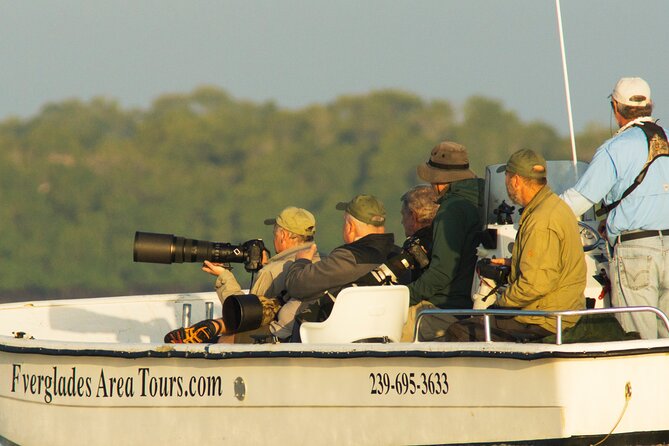
- Private focus for up to two people: your guide works around your photo and birding priorities, not a big group’s schedule.
- Electric trolling motor positioning: steadier angles for photography and less disruption on the water.
- Best-light timing: morning tours go out before sunrise; afternoon tours return after sunset.
- Tripod-friendly flat-deck boat: designed as a stable platform for cameras, including setups with tripods.
- Master Naturalist guidance + safety first: strong habitat know-how paired with a safety mindset on the craft.
Entering The Everglades From Chokoloskee, Not From Guesswork
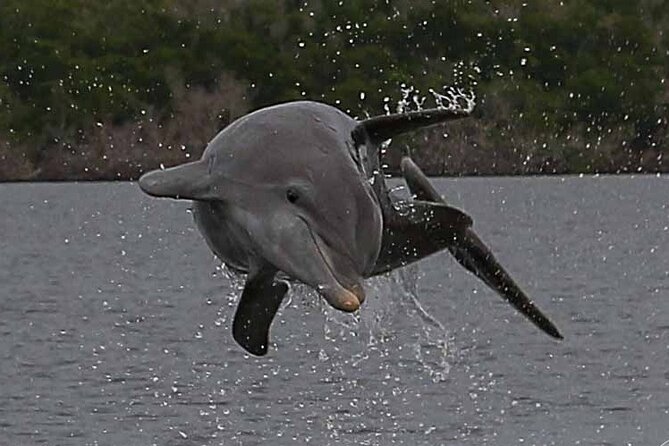
This experience starts in Chokoloskee, at Parkway Motel & Marina, 1180 Chokoloskee Dr, Chokoloskee, FL 34138. From there you’re heading into a part of Everglades National Park where a lot of the land is flooded and hard to reach for typical photography and birding trips. The point of this safari is that you’re not limited to what you can photograph from a dock or a shoreline. You’re able to access the water routes that open up wide views and wildlife activity.
I also like how the trip is built around the reality that light matters. The Everglades can look dramatic even in dull weather, but wildlife photography is about contrast, timing, and angle. This safari is scheduled for the early and late hours when birds tend to show more behavior and when shadows don’t flatten everything into one dark tone.
Practical tip: plan for the start and end being dark around the edges. Morning tours depart before sunrise, and afternoon tours come back after sunset. That means your day has to flex a bit around early mornings or late evenings, especially if you’re staying farther away.
Private Boat Safari = Your Shot, Not the Group’s Shot
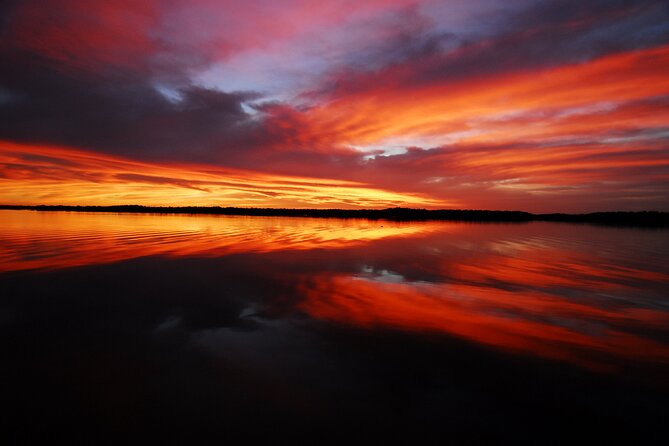
This is a private experience for up to two people, and it shows in how the boat is handled. Your guide isn’t managing a crowd. They’re positioning the boat for what you want to photograph—birds, water scenes, feeding behavior, or flight moments.
One of the most useful details for photographers is that the guide uses an electric trolling motor to place the boat for your compositions. That matters because wildlife photography often fails at the micro-level: the boat drifts at the wrong time, you can’t get the lens angle, or the background gets messy. Here, the guide’s job is basically to help you stay aligned with what you’re trying to capture.
The tour also isn’t one-size-fits-all. It’s customized based on your desires, plus the season, wildlife, and weather. That customization helps you avoid the most common disappointment in photo tours: spending time in spots that look good on a map but don’t match what’s active right now.
If you’re bringing two people with different interests—say, one person prioritizing bird behavior and the other focusing on scenic shots—this format usually works better than a shared group tour. You’re not constantly negotiating the route and stops.
Sunrise Or Sunset Timing: When the Everglades Feels Quiet and Photogenic
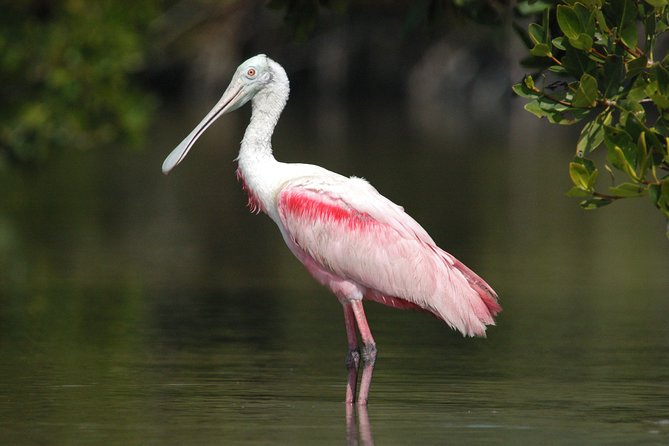
The Everglades does two things well: it hides wildlife in plain sight, and it rewards patience. This safari leans into that by scheduling your time around best light.
For morning tours, you depart before sunrise. That early start isn’t just for dramatic colors. Birds are often easier to photograph when they’re actively feeding, shifting, or calling while the light is low and directional. Low sun also helps with shape—feathers show texture instead of turning into a flat gray blur.
For afternoon tours, you’re back after sunset. Late-day light can make bird silhouettes and water reflections easier to control. It can also feel more serene, since the water and marsh soundscape tends to settle as the day cools down.
A nice bonus from the setup: an electric motor and careful handling can keep things calmer. In the field, I care about noise because it changes bird behavior. With this kind of approach, you might get those moments where the engine noise fades and you’re left with natural sounds and movement.
One real-world consideration: if you don’t already live nearby, you’ll likely need to plan ahead. The experience encourages you to stay overnight locally because you return back at dark (afternoon tours) and leave at dawn (morning tours). That reduces stress and gives you a better chance at feeling ready when the light turns on.
Master Naturalist Birding: Habitat and Nesting, Not Just Names
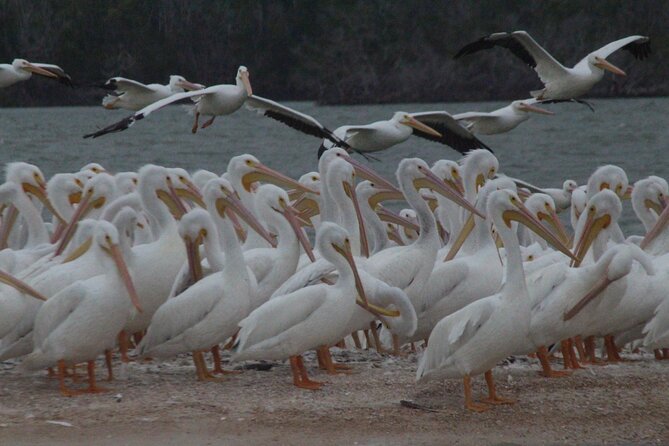
You’re guided by a Professional Master Naturalist Guide. That label matters because the useful part of birding isn’t only learning species names—it’s understanding habitat and behavior. When a guide can explain why birds are where they are, you spend more time photographing and less time hoping.
In the field, that can translate into knowing nesting habits, daily routines, and how birds interact with plants, water, and seasonal conditions. One guide highlighted in local experience is Charlie, and the focus was on habitat, bird nesting habits, and the overall ecology of the Everglades. That kind of thinking helps you predict where attention will pay off: not just today, but in the next turn of the waterway.
You’ll also likely hear interesting cross-links between nature and how conditions change. One traveler described the tour as touching on weather patterns and even connections to oceanography-style thinking about organisms and the environment. Even if you’re not a science person, the practical effect is the same: better explanations usually lead to better spotting and better framing.
For photographers, this kind of guidance matters because it reduces randomness. If you know what a bird is doing and what it tends to do next, you can plan your shutter timing, lens choice, and composition instead of reacting too late.
The Boat Platform: Tripods, Flat Deck Stability, and Shooting From the Water
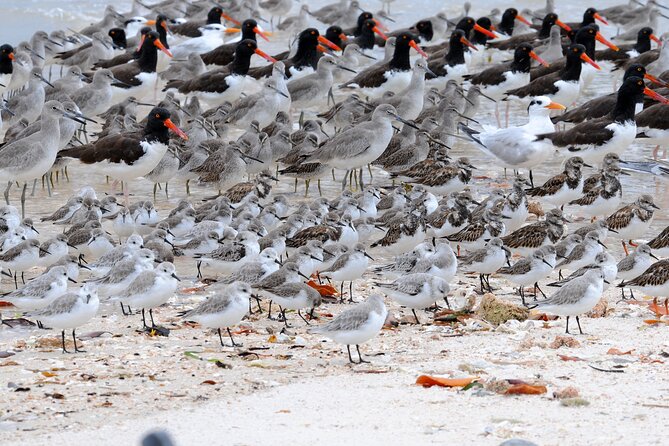
This tour uses a flat-decked boat with room for a tripod. If you’ve ever tried to shoot from an unstable surface—wet deck boards, rocking edges, or crowds bumping your legs—you know why this matters. A tripod-friendly platform is less about convenience and more about keeping your images sharp and repeatable.
You’re not limited to one shooting style either. The experience encourages guests to stay ready for different angles, including shooting while standing in the water or from a remote sand beach. That’s a big deal for wildlife photography because birds often look different depending on whether you’re shooting from above, at eye level, or lower with a background that blurs cleanly.
Safety comes first on the craft. That’s not just a checkbox; it affects how close you can safely position for shots. A calm, safety-minded guide helps you take smart risks—like adjusting your stance or lens height—without turning every photo moment into a balancing act.
Also, expect the water environment to be real. Even if the tour feels gentle, you’re out on open water and around marsh edges. Bring gear that can handle splashes and consider how you’ll protect your camera when you’re adjusting positions.
Price and Value: When $549.95 Works for Photo People
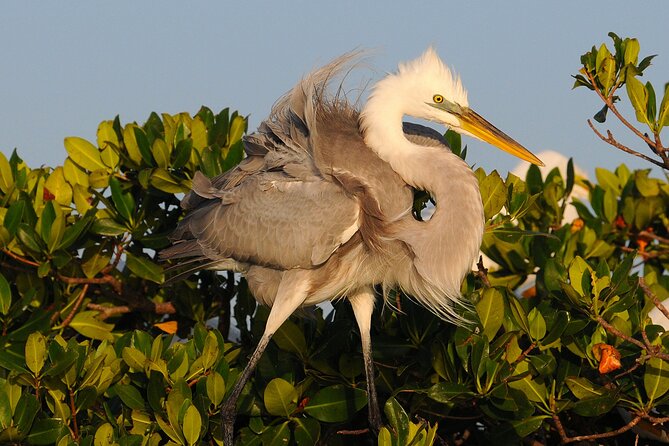
At $549.95 per group (up to two people), this is not a budget activity. But it’s also not trying to be. The value is in the combination of:
- Private guide attention for just you and one other person
- A boat setup built for tripods
- Electric motor positioning designed around photography placement
- Timing around sunrise or sunset when wildlife and light cooperate better
If you split the cost, you’re paying for focused time with a Master Naturalist guide and a craft arranged for photography. If you’re the kind of person who cares about getting the shot—sharp eyes, correct angle, background control—then the price stops looking like a random number and starts looking like a toolset plus expert help.
Two items add to your total cost:
- Everglades National Park Visitors Pass is not included
- Gratuity is not included
So think of the $549.95 as the boat + guide portion, then budget the pass and tip on top.
Who gets the best value? Couples and small groups with shared interests in photography or birding who want someone actively positioning the boat for them. If you’re okay with just seeing wildlife from a general viewpoint, you might find cheaper options. But if you want photo-level effort and positioning, this is built for that.
Weather, Wildlife Chances, and Keeping Your Expectations Honest
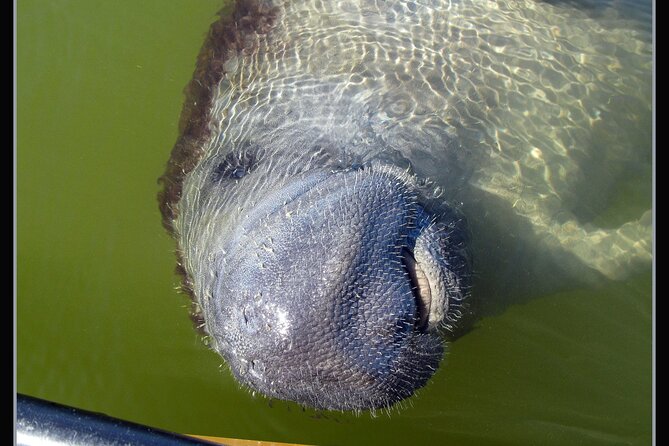
This experience requires good weather. That’s important because birds and water conditions change fast, and the safest, most photogenic route depends on conditions you can’t control.
The good news is that the tour is customized based on weather and wildlife. Your guide will adjust, and that adaptability can make the difference between a solid outing and a frustrating one where the animals don’t cooperate.
Still, remember this is wildlife photography and birding. You’re not guaranteed specific sightings, even if conditions look perfect. What you can count on is that the guide’s focus is to help you photograph what shows up—using placement, timing, and habitat understanding to maximize your chances.
Safety is also a constant theme. The craft experience is set up so that safety is the overriding concern, and that reduces the risk of the usual photo-tour problem: people rushing for shots and forgetting where they are.
Should You Book This Everglades Photo Safari?
Book it if you meet two conditions:
- You care about photography results, not just a boat ride.
- You’ll show up ready for early mornings or late-day returns, since timing drives the light and bird behavior.
Don’t book it if you want a low-effort outing, because the whole experience revolves around positioning and timing. And at $549.95 per group up to two, it’s really best when you can share the cost or you know you’ll use the service for its main purpose: getting you into the right light, the right angles, and the right water access.
If your dream is cleaner bird photos, calmer on-water sound moments, and a guide who thinks about habitat the way a photographer thinks about framing, then this is a strong match.
FAQ
How long is the Private Everglades 10,000 Islands Photo and Birding Boat Safari?
It runs about 2 hours 30 minutes.
Is this tour private?
Yes. It’s a private tour/activity, and only your group participates. The group size is up to 2.
What is the price?
The price is $549.95 per group (up to 2).
What’s included in the tour?
A Professional Master Naturalist Guide is included.
Is an Everglades National Park Visitors Pass included?
No. The Everglades National Park Visitors Pass is not included.
Where do we meet?
You meet at Parkway Motel & Marina, 1180 Chokoloskee Dr, Chokoloskee, FL 34138, USA.
When does the safari run?
Morning tours depart before sunrise and afternoon tours return after sunset.
Is the boat set up for tripods and photography?
Yes. The boat is flat-decked and has room for a tripod.
Can I cancel and get a full refund?
Yes. You can cancel for a full refund if you cancel up to 24 hours in advance. If you cancel less than 24 hours before the experience starts, it won’t be refunded.
What happens if weather is poor?
This experience requires good weather. If it’s canceled due to poor weather, you’ll be offered a different date or a full refund.