REVIEW · PORT ELIZABETH
Private Half Day Addo Elephant National Park Safari
Book on Viator →Operated by Just Safaris · Bookable on Viator
Elephants can block the road—literally. This half-day Addo Elephant National Park safari from Port Elizabeth is built around a guided drive through the southern reserve, so you spend your time watching wildlife instead of figuring out transport. I like the fully guided commentary (you may hear stories and plant-and-animal spotting tips from guides like Ed or Dino) and I like the small group limit of 8, which keeps things flexible.
Most departures run at 9:00 am for about 5 hours, with round-trip transport and bottled water, which matters once the heat ramps up. One possible drawback: private can still mean there’s some scheduling friction, so if you’re connecting from a cruise or ship day, confirm the pickup plan early to avoid waiting around.
In This Review
- Key Points You’ll Feel on This Addo Safari
- Addo Elephant National Park in 5 Hours: What You Can Realistically Expect
- The 9:00 am Pickup and the Air-Conditioned Ride That Makes It Worth It
- Safari Roads: How the Guide Finds Animals (and How You Can Help)
- Elephant Hotspots and Water Holes: When the Day Gets Good
- Rhino and Cape Buffalo: The Addo Targets Worth Waiting For
- The Flora and Fauna Lesson: Why the Guide Changes Everything
- Photo Tips That Match the Reality of Dirt Tracks and Heat
- Price and Value from Port Elizabeth: Is $178.93 Fair?
- Who This Half-Day Safari Fits Best
- A Quick “Before You Go” Checklist
- Should You Book This Private Half-Day Addo Elephant Safari?
- FAQ
- How long is the Addo Elephant National Park half-day safari?
- What time does the tour start?
- Do I get pickup and drop-off from my accommodation?
- What’s the group size?
- What’s included in the price?
- Is admission included?
- Are there any items not included?
- What happens if the weather is poor or I need to cancel?
Key Points You’ll Feel on This Addo Safari
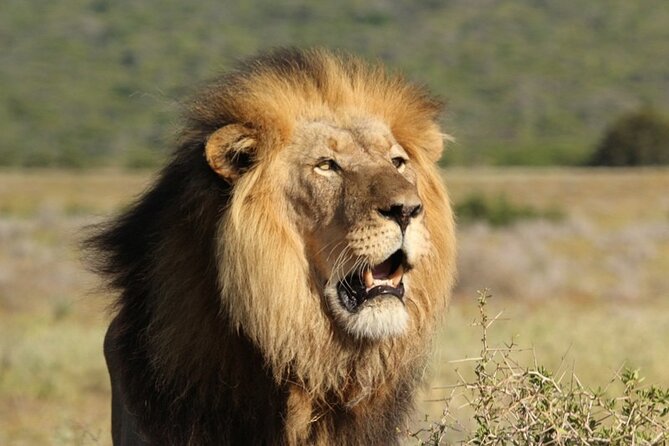
- Southern-section tracking on meandering dirt roads gives you time to search for elephants and other mammals at a steady pace
- Expert guide insights help you read the bush for birds, tracks, and feeding signs, not just luck
- Big Five-style targets like African elephants, black rhino, and cape buffalo are part of the hunt
- Waterhole odds: many sightings cluster around water, especially when it’s hot
- Comfort details that add up: air-conditioned vehicle, bottled water, and WiFi onboard
- Small group format (max 8) keeps the safari from feeling like a cattle line
Addo Elephant National Park in 5 Hours: What You Can Realistically Expect
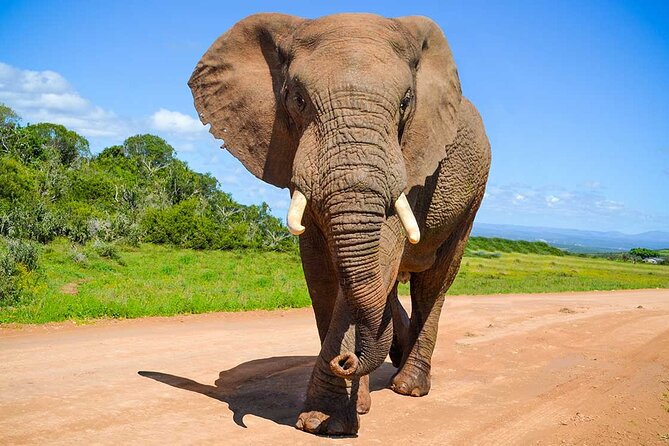
Addo Elephant National Park is huge, and half a day is exactly the right length to get a strong taste without spending your whole trip on the road. The key is how this tour is framed: you start in the southern section and drive the park’s winding dirt-track roads in search of the African elephant, while your guide keeps the focus tight and educational.
In practice, you should expect a mix of big mammals and lots of smaller sightings—birds included. When wildlife is active, it happens fast: zebras moving through open patches, red hartebeest showing up near browse areas, and larger animals appearing as the vehicle rounds a bend.
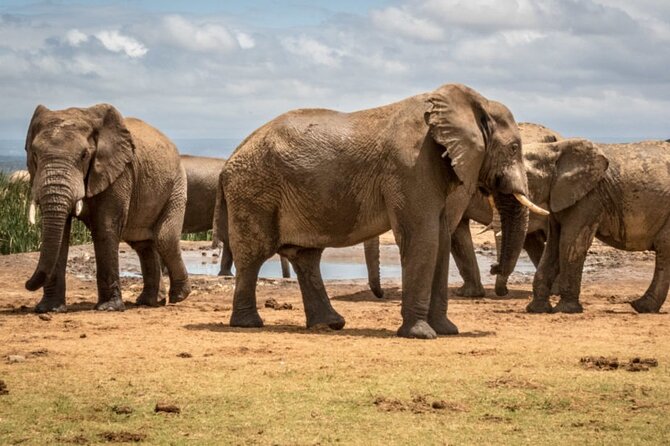
And yes, elephants can make the day feel extra real. It’s the kind of place where an elephant might decide to nap in a way that temporarily pauses traffic—long enough to notice, not long enough to ruin the safari.
You can also read our reviews of more tours and experiences in Port Elizabeth.
The 9:00 am Pickup and the Air-Conditioned Ride That Makes It Worth It
The tour starts at 9:00 am and runs for about 5 hours. You’ll meet at ParkView Safari Lodge (in Colchester) and the experience ends back at the meeting point, so you’re not left scrambling for the return.
One thing I really appreciate about this setup is that the transport is built into the experience. You get round-trip transfers to your accommodation and you’re in an air-conditioned vehicle with bottled water included. That sounds like a small comfort item, but in the Eastern Cape heat, it keeps your energy up for longer spotting stops.
There’s also WiFi onboard. It won’t replace offline wildlife tracking apps (mostly because there’s no guarantee the signal behaves), but it’s handy for keeping plans organized and sharing photos once you’re back.
Safari Roads: How the Guide Finds Animals (and How You Can Help)
This safari isn’t a “drive until something happens” plan. It’s a guided search using the park’s dirt tracks, and the guide’s job is to turn sightings into something you understand.
Your route focuses on finding the largest land mammal—the African elephant—then branching out to other species as the habitat gives you chances. As you move along, your guide will point out not just the animals, but the cues around them: what plants are doing well, what the birds are reacting to, and what signs animals leave behind.
Here’s how you can cooperate with that process:
- Keep your eyes on the guide’s directions, not just the horizon.
- Watch for movement at the edges of openings—where shade meets sun.
- When the guide stops, give it 2–3 minutes before assuming nothing will happen.
That patience is rewarded here. Many animals in Addo don’t appear because the vehicle is fast; they appear because the vehicle is attentive and patient.
Elephant Hotspots and Water Holes: When the Day Gets Good
On a half-day safari, you want the best odds early. Addo is famous for attracting wildlife to the places where water and food are reliable. That’s why you’ll often spend time in areas where animals naturally gather.
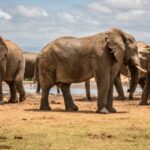
When it’s hot, elephants tend to rest in mud or near water sources and cool off in ways that can be both dramatic and surprisingly practical. You might see them spraying themselves, or you might just catch the “stillness” of an elephant deciding it’s done with the day’s movement.
It’s also normal to see other mammals showing up around the same areas. Plains zebra can be moving through open stretches, and red hartebeest may appear in ways that feel almost camouflaged until you realize they’re watching you too.
This is the safari rhythm you’re paying for: a focused window, guided stops, and animals that respond to where you are—not to the impatience of the group.
Rhino and Cape Buffalo: The Addo Targets Worth Waiting For
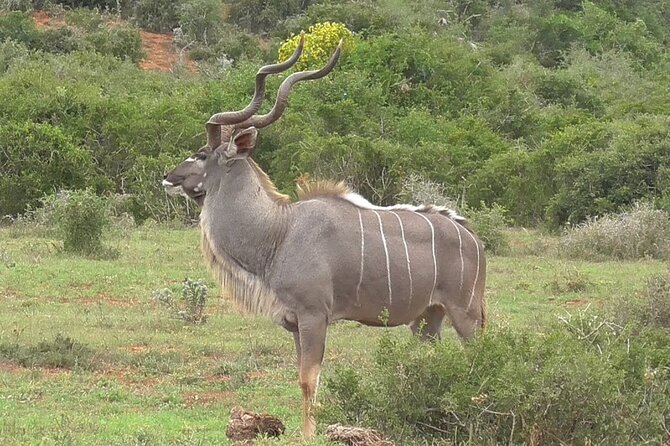
The tour’s highlight list calls out several of the park’s headline species, and it’s worth paying attention to what that means for your expectations.
You’re looking for:
- African elephants (the main pursuit)
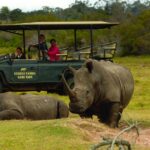
- Black rhino (described as a rare opportunity)
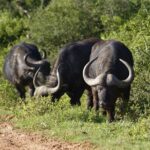
- Cape buffalo (noted for its formidable reputation)
The difference between elephant and rhino sightings is time. Elephants are big and bold, so when the guide finds the right area you can watch behavior without rushing. Black rhino sightings can be more fleeting, because spotting them often depends on where they choose to be at that moment.
Cape buffalo add another layer. They’re strong animals, and when they’re around, the guide’s attention to safe viewing distance matters. The point isn’t to feel nervous—it’s to experience them correctly. You get a real sense of being in their space, not hovering in it.
If you come to Addo hoping for one “wow” moment, this is the right balance: elephants that anchor your day, plus rhino and buffalo as the high-value possibilities.
The Flora and Fauna Lesson: Why the Guide Changes Everything
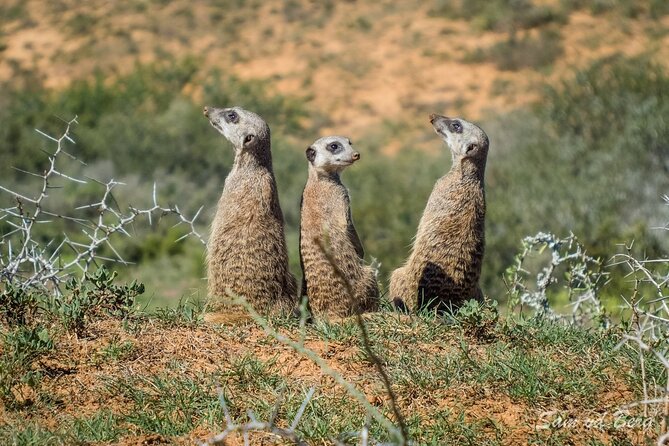
What makes this safari feel better than a basic wildlife drive is the guide’s educational commentary. The park is full of plants and small signs that most people won’t notice unless someone shows them what to look for.
Guides like Ed (named in multiple accounts) are praised for sharing personal stories and explaining what’s going on with plants and animals. Others, like Dino and Justin/Juston (also mentioned), are noted for finding animals and bringing strong on-the-ground knowledge.
Even if you’re not a “nature person,” that kind of guidance helps you feel smarter on the drive. You start recognizing patterns: where birds concentrate, how animal movement changes with weather, and why certain areas get attention from multiple species.
And that transforms your memories. Instead of “we saw elephants,” you get “we saw elephants, and here’s what made that sighting likely.”
Photo Tips That Match the Reality of Dirt Tracks and Heat
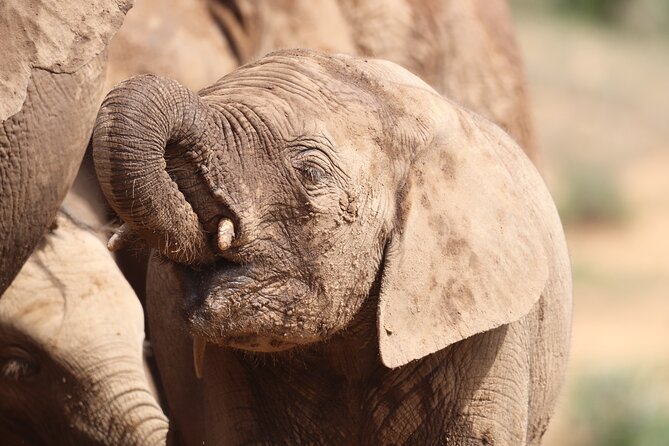
You’ll have chances for photos, but plan for the conditions of a real safari vehicle ride. Addo roads are dirt tracks, and that means bounce. It also means quick opportunities, not staged moments.
A few practical photo habits help:
- Charge your phone/camera before pickup and bring a power bank if you have one.
- Expect glare during sunny stretches; try shooting from the shaded side of the vehicle when possible.
- Don’t chase the animal with your lens as it moves into thicker brush—let the guide stop and reframe.
If it’s warm, you may notice elephants resting in mud and spraying themselves. That’s both a behavioral clue and a photographic opportunity. When you see that kind of cooling behavior, it’s often a sign the heat is driving the animals into predictable routines.
Price and Value from Port Elizabeth: Is $178.93 Fair?
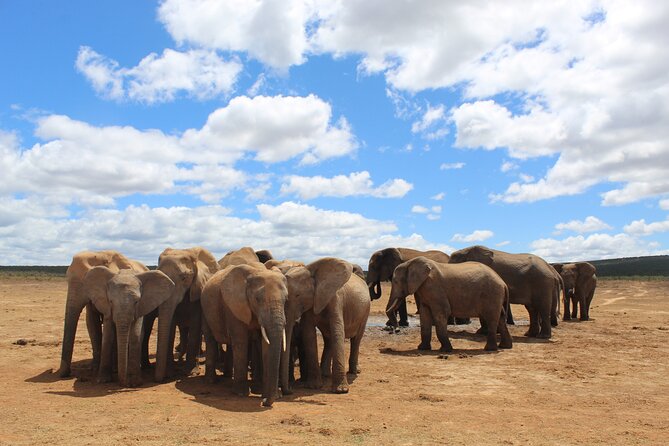
At $178.93 per person, this half-day safari sits in the “worth it if it saves you stress” category. The value comes from combining several things into one price: park access logistics handled for you, a fully guided format, and included transport with comfort upgrades like air-conditioning and bottled water.
There’s also an important detail: admission is described as free in the tour outline, and the package includes all fees and taxes. On safari tours, that matters because it’s easy for base prices to hide add-ons. Here, the structure is more straightforward.
Gratuities aren’t included, so you should budget a bit for your guide if you feel they did an excellent job. (And if they do, this tour tends to deliver the kind of guiding that earns it.)
If you’re traveling with a small group or you want a guided wildlife lens instead of DIY driving, the price starts to make sense fast. If you’re on a strict budget, you can find cheaper options in the area—but you’ll be trading away some of the focused guidance and door-to-door convenience.
Who This Half-Day Safari Fits Best
This tour is a strong match for:
- People who want a short, high-focus wildlife experience instead of a full-day commitment
- Anyone who values guide-led spotting and plant-and-animal explanations
- Travelers who prefer small-group dynamics (max 8) over crowded buses
- Families and couples who need a plan that returns within the same morning window
It’s also a good fit if you want a realistic chance at headline species without turning your entire trip into a long logistics project.
A Quick “Before You Go” Checklist
You don’t need a lot of gear for this type of Addo safari, but you do want to be ready for the basics that affect comfort and sighting success.
- Wear sun protection and light layers for a warm day.
- Bring something for hydration even though bottled water is included.
- Be ready to wait a few minutes when the guide stops—wildlife doesn’t run on your schedule.
Also, the tour notes that it requires good weather. If the forecast is shaky, expect that your departure might change.
Should You Book This Private Half-Day Addo Elephant Safari?
I’d book it if you want a smart use of time in Addo and you care about learning while you watch. The biggest strengths are the fully guided format, the focus on elephant-rich areas, and the comfort of included round-trip transport in an air-conditioned vehicle.
I’d be cautious if you’re very sensitive to schedule precision—especially if you’re arriving on a cruise day and juggling ship timing. In that case, confirm the pickup details in advance so the day runs smoothly from the start.
If you want elephants, rhino odds, and a guide who helps you see more than just passing silhouettes, this is a solid half-day choice.
FAQ
How long is the Addo Elephant National Park half-day safari?
It runs for about 5 hours.
What time does the tour start?
The start time is 9:00 am.
Do I get pickup and drop-off from my accommodation?
Yes. Transfers to and from your accommodation are included, and the activity ends back at the meeting point.
What’s the group size?
The maximum group size is 8 travelers.
What’s included in the price?
All fees and taxes are included, along with bottled water, an air-conditioned vehicle, WiFi on board, a fully guided experience, and transfers.
Is admission included?
Yes. Admission is listed as free in the tour details.
Are there any items not included?
Gratuities for your guide are not included.
What happens if the weather is poor or I need to cancel?
The tour requires good weather. If it’s canceled due to poor weather, you’ll be offered a different date or a full refund. You can cancel up to 24 hours in advance for a full refund.