REVIEW · PUNTA CANA
Punta Cana: Monkey Land Half-Day Safari and Plantation
Book on GetYourGuide →Operated by Runners Adventures · Bookable on GetYourGuide
Monkeys on your shoulder beats a beach day. This Punta Cana half-day tour combines squirrel monkey time at Monkeyland with a hands-on 45-minute animal session in a real 5-acre setting.
I especially like the way the experience is built for close contact—trained monkeys that can sit calmly for feeding, photos, and even selfies. The main drawback to plan around is a strict health and pregnancy rule: the tour is not available for people with certain medical conditions, including pregnancy and epilepsy.
In This Review
- Key highlights I’d plan around
- Why This Half-Day Safari Feels Like Two Trips in One
- Pickup and the Ride: How to Make the Road Part Work for You
- Monkeyland Squirrel Monkeys: What Close Interaction Really Means
- The Monkey Rules That Protect You and Them
- Skip sunscreen and insect repellent before monkey time
- Bring the right stuff, leave the extra stuff
- Health and behavior restrictions
- Casa del Coco and the Plantation Stop: Coconut, Coffee, and Cacao
- Views, Village Stops, and Why the Drive Counts
- Photo Packages and Souvenirs: Spend Smart Without Getting Pushed
- Who This Tour Fits Best (And Who It Doesn’t)
- Best for
- Not a match if
- Price and Value: Is $95 Worth It in Punta Cana?
- Should You Book Punta Cana Monkey Land Half-Day Safari and Plantation?
- FAQ
- How long is the Punta Cana Monkey Land Half-Day Safari and Plantation?
- What are the pickup times in Punta Cana?
- What’s included in the price?
- Can I wear sunscreen or insect repellent before interacting with the monkeys?
- Are lockers available?
- Who should not book this tour?
Key highlights I’d plan around
- Monkeyland feeding time: about 45 minutes of close interaction where they can descend and perch near you
- Trained-for-humans monkey care: guidance based on decades of animal work, including experience teaching monkey-human interaction
- Casa del Coco stop: learn coconut oil production and taste Caribbean fruit and other local goodies
- Coffee and cacao lesson: see how coffee and cocoa are processed, then sample at different stages
- Scenery breaks: panoramic views of the Eastern mountains and nearby villages during the drive
- Photos and souvenirs are optional: you can take your own photos, then choose whether to buy keeper photos or products
Why This Half-Day Safari Feels Like Two Trips in One
This is not just a quick zoo stop. You’re getting two very different parts in one tidy block of time: Monkeyland for animal interaction, then a plantation-style cultural food stop at a typical Dominican house (including Casa del Coco). The pairing is smart because it lets you switch gears—your adrenaline comes from the monkeys, while your curiosity gets fed by coconut, coffee, and cacao.
Also, the pacing works for people who don’t want an all-day commitment. The experience runs about 5 hours total, with hotel pickup scheduled either in the morning window (7:00–8:10 AM) or the afternoon window (1:00–2:10 PM). That means you’re still able to enjoy the rest of your Punta Cana day without feeling wiped out.
One more value point: you’re not paying just for entry. The tour includes guides, Monkeyland entrance, hotel pickup and drop-off, and water. For a $95 price, that adds up fast compared with piecing together transport and separate activities.
You can also read our reviews of more tours and experiences in Punta Cana.
Pickup and the Ride: How to Make the Road Part Work for You
Most pickups happen in Punta Cana, Bávaro, Macao, Uvero Alto, and Cabeza de Toro area. Your guide will grab you in the morning or afternoon time range, and you’ll head to La Altagracia for the Monkeyland + plantation mix.
Expect the drive to eat up real time. Depending on pickup location and traffic, the ride can feel like around 50 minutes to as long as 1.5 hours each way. The practical move is to treat the transport like a warm-up. Bring a camera out early, because you’ll get those panoramic views of mountains and villages during the drive, not just outside the enclosure.
A few past riders have mentioned using open-air transport (like an open truck). If you’re sensitive to wind or sun exposure, plan accordingly with a hat you don’t mind getting a little dusty and a cover for your face. Also, remember that once you’re heading to monkey interaction, you’ll need to follow the no-sunscreen/no-bug-spray rule—so save any beauty steps for after the monkey time.
Monkeyland Squirrel Monkeys: What Close Interaction Really Means
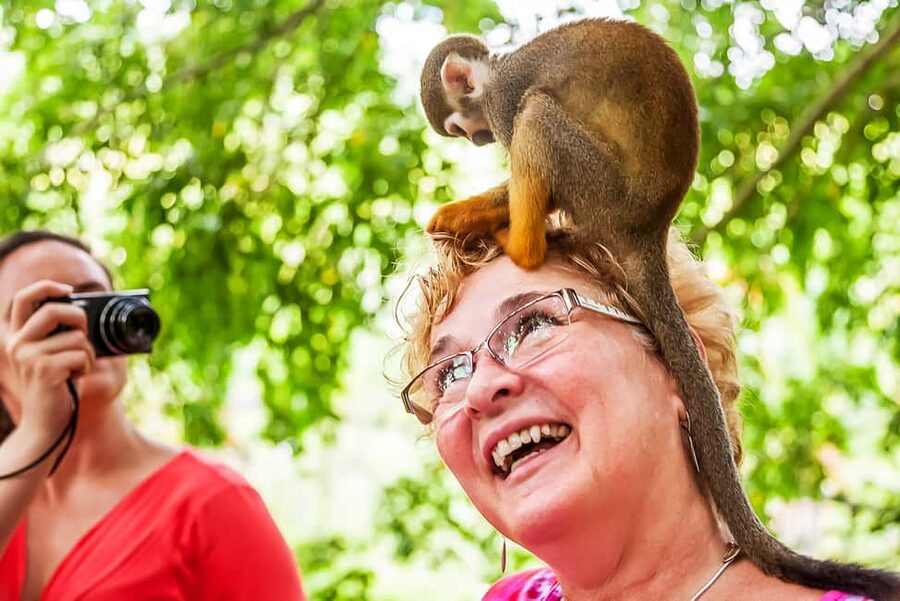
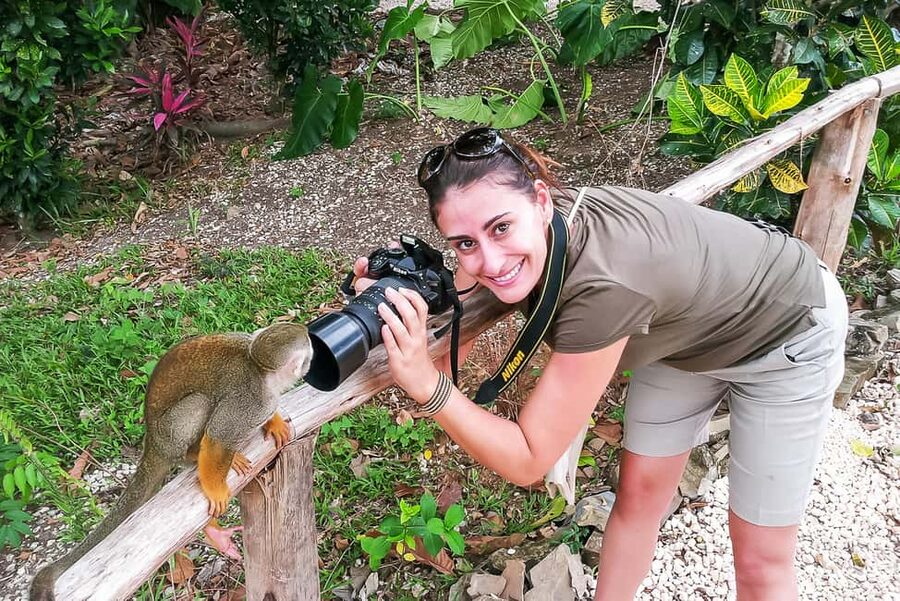
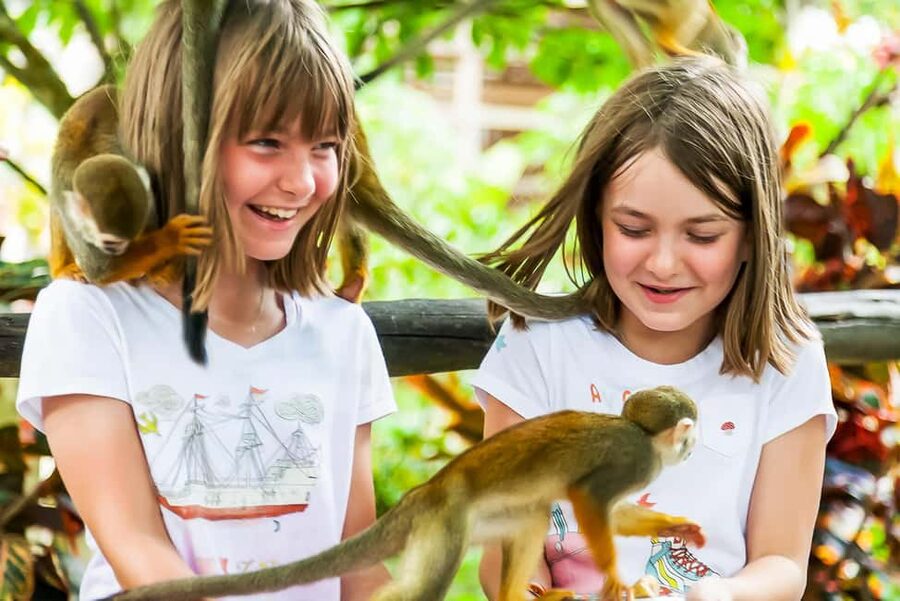
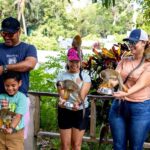
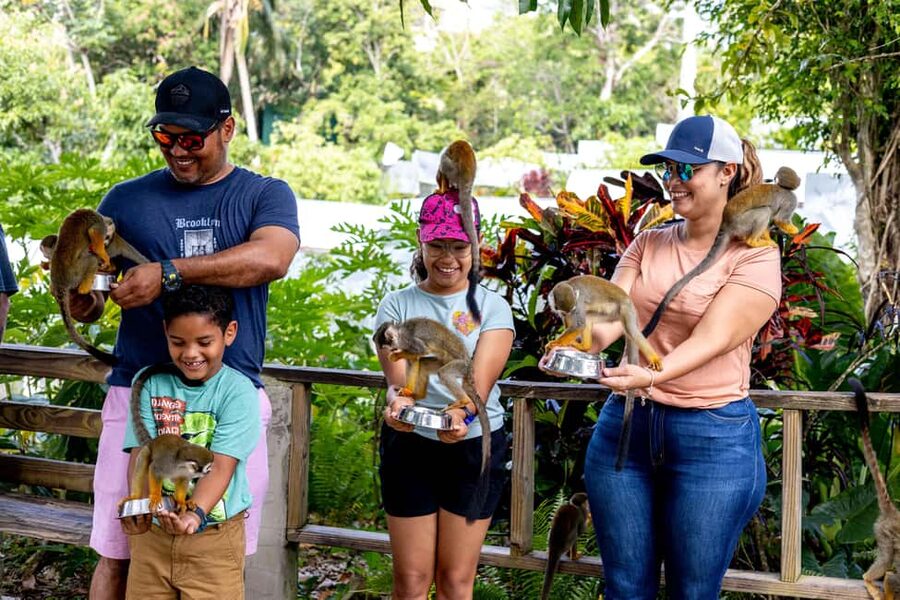
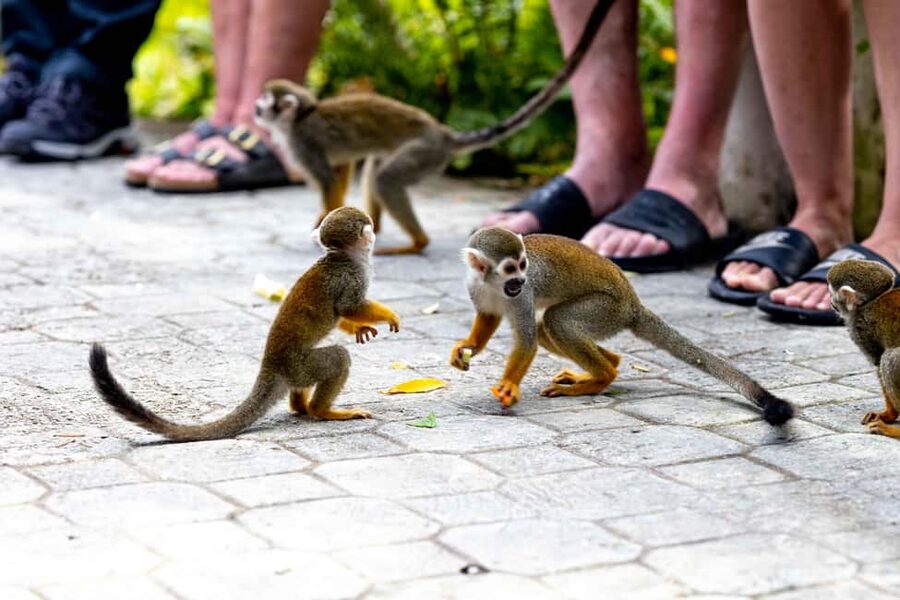
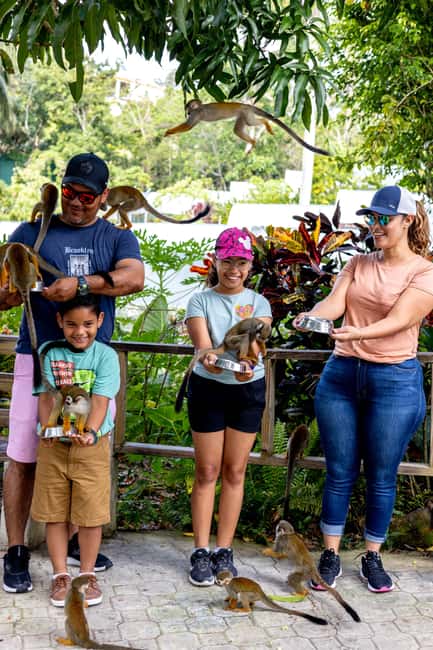
Here’s the part you came for: squirrel monkeys at Monkeyland, and yes, they can come very close. The interaction is designed for calm, supervised contact on about 5 acres of natural land where the monkeys live. During your animal session (about 45 minutes), they’re trained to descend from the trees and approach visitors.
You may see them:
- sit near you
- eat from your hands
- pose for cameras, including selfies
- perch on your shoulder (if they’re comfortable)
This is also where the training story matters. The monkeys have been worked with by a Canadian couple for decades (over 35 years of animal experience), with 12 years at the Toronto Zoo teaching monkey-human interaction. That explains why a lot of people walk away saying the monkeys feel friendly and gentle rather than chaotic.
One more practical detail: you’ll be in close quarters for photos, so wear clothes you’re okay with getting slightly messy or dusty. Past visitors have also noted that monkeys may behave like monkeys. Think: curious, playful, and quick to investigate anything on your head. If you’re wearing something you really care about, keep it simple.
The Monkey Rules That Protect You and Them
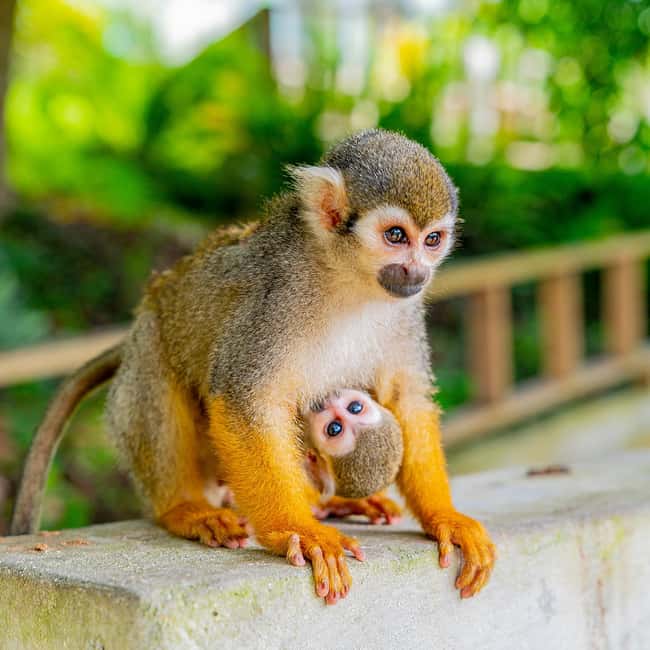
This tour has a few rules for a reason, and they’re easy to follow once you know the logic: monkeys and their skin care come first.
Skip sunscreen and insect repellent before monkey time
Before you enter the interaction area, don’t wear sunscreen or insect repellent. The tour is explicit about this because those chemicals can be harmful to the monkeys. If you burn easily, plan for shade during the monkey phase and do your sun protection after the enclosure time is done.
Bring the right stuff, leave the extra stuff
You’ll want your camera, but don’t show up planning to carry every bag into the enclosure. Lockers are available for rent, and people generally leave personal items securely while they interact.
Also, there can be extra costs if you want padlocks or professional photo packages. You can still take your own photos, and it’s not required that you buy anything afterward. The smart move is to carry some extra cash so you’re not stuck deciding later when you get to the shop.
Health and behavior restrictions
This tour is not suitable for certain medical conditions and situations, including:
- heart conditions
- epilepsy
- upper respiratory infections
- pregnancy
- wheelchair users and people with mobility impairments
That isn’t “fine print.” It affects how the tour is run and how interaction is managed. If you’re unsure where you fit, treat the rule list as a must-follow safety policy.
Casa del Coco and the Plantation Stop: Coconut, Coffee, and Cacao
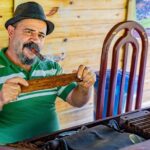
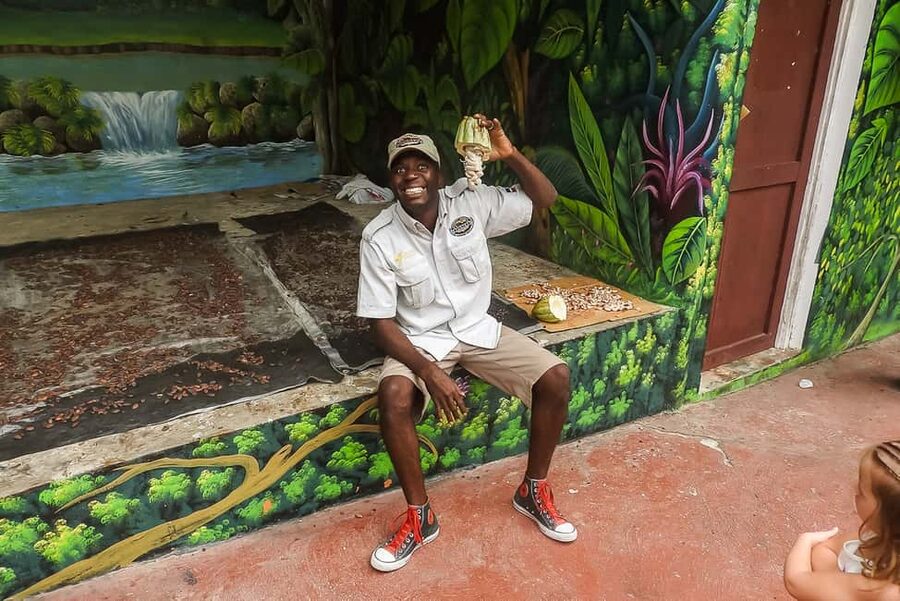
After Monkeyland, you’ll shift to a Dominican production lesson in a typical island home setting. This part is practical, not just a sales chat. You’ll visit Casa del Coco (the coconut house) to learn how coconut oil is produced, then move through tastes tied to local crops like coffee and cacao.
What you can expect to learn and sample includes:
- coconut oil production basics
- exotic Caribbean fruit tastings
- roasted coffee samples
- cacao in different stages (fresh/ground forms and similar tasting experiences)
A lot of value here comes from the “show-and-taste” format. You don’t just hear about farming—you see a simple process and then try the result. People tend to remember this part because it connects flavor to the actual plant and processing steps.
You might also encounter the chance to taste mamajuana and coffee-based drinks during the plantation segment. If you enjoy food tours where you actually eat, this is the kind of stop that feels more like a small class than a roadside booth.
Views, Village Stops, and Why the Drive Counts
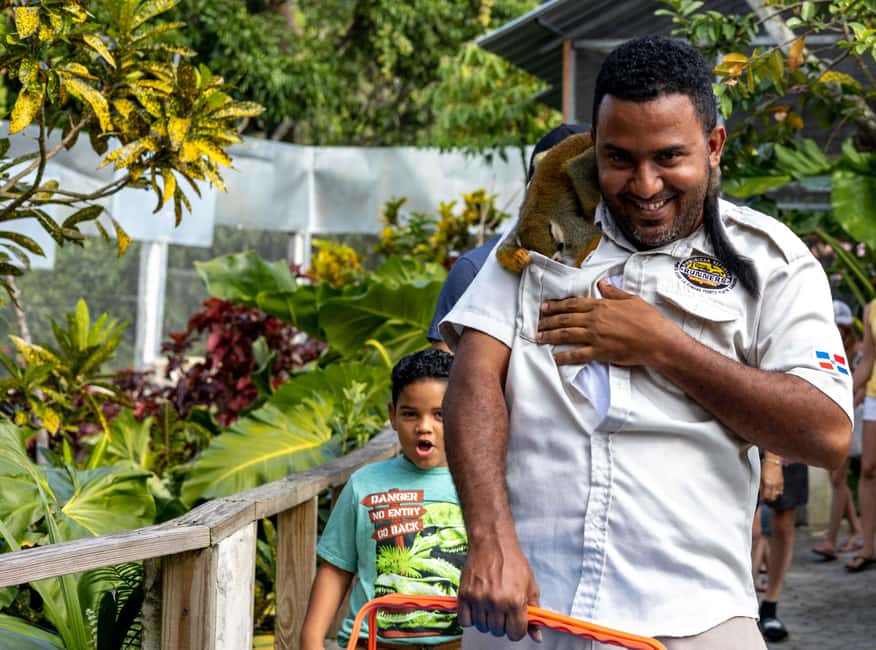
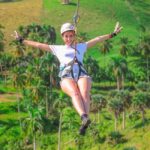
The tour isn’t only the two major stops. The ride itself can be part of the experience because you’ll get those Eastern mountain and village panoramas. Guides often use the drive to explain what you’re seeing—land use, rural life, and how people make a living in the region.
You’ll notice patterns in how different guides run the day. Some names that have come up include Emilio, Amado, Gregorio, Sammy, Perez, and Angel. Not all of those guides will be available on your day, but it’s a good sign that the service tends to focus on storytelling, not just directions.
Also, if you’re traveling with kids or a mixed group, these short scenery moments help keep attention from burning out while you wait for the monkey time to start.
Photo Packages and Souvenirs: Spend Smart Without Getting Pushed
You have three photo paths here:
- Take your own photos during the monkey interaction.
- Have keepers help with photos while you’re in the enclosure.
- Buy professional images afterward, if you want.
Many people like that the shop and photo package option feels separate—you choose it if it fits your budget. One common reference is a photo bundle around 40 euros for about 40 photos, though exact pricing can vary. If you’re budget-minded, I’d treat professional photos as optional add-ons, not a requirement.
For souvenirs, you may taste products first and then have the opportunity to buy coffee/cacao-related items, coconut products, or other locally made goods. Several past visitors have said the shop prices felt reasonable compared with what they saw around their resorts, and purchases didn’t feel aggressively forced.
That said, there is one practical caution: a small number of people have reported delays or missing photo deliveries after the tour. If you buy professional images, double-check how delivery is handled and keep an eye on email inboxes and spam folders.
Who This Tour Fits Best (And Who It Doesn’t)
This is a great fit if you want a short, structured day with a big sensory moment.
Best for
- Families who want a memorable animal encounter without a full-day trip
- Couples looking for something different from beach-only days
- Food-minded travelers who like learning how local crops become flavors in your cup
- People who like photography and don’t mind that the monkeys steal attention from everything else
It can also work with younger kids. There’s at least one account from a parent traveling with a toddler who found the day enjoyable overall, even with the occasional kid-versus-monkey moment. If your child is curious and not scared by animals, you’ll probably be fine.
Not a match if
If you fall under the health restrictions—heart issues, epilepsy, upper respiratory infections—or if you’re pregnant, skip this. The rules aren’t negotiable for safety.
If you have mobility limitations or use a wheelchair, the tour also isn’t set up for that.
Price and Value: Is $95 Worth It in Punta Cana?
At $95 per person for about 5 hours, the value comes from what’s included and how much time you get with the “main character.”
You’re paying for:
- Monkeyland entrance
- guides
- pickup and drop-off
- water
- and a structured mix of monkey interaction plus Casa del Coco / coffee-cacao tastings
The biggest value driver is the interaction time. A quick peek at animals doesn’t deliver the same feeling as 45 minutes of them approaching, sitting, and feeding right near you. If that’s the memory you want, this price stops looking like a generic excursion charge.
What can change your perceived value is what you choose to buy afterward:
- If you purchase many photos or souvenirs, your total cost rises.
- If you mostly take your own pictures and try the tastings without shopping, you’ll likely feel the tour was a strong deal.
If you’re price-sensitive and want to control spending, I’d go into the day with a clear plan: decide what you’ll buy only if the quality impresses you in person.
Should You Book Punta Cana Monkey Land Half-Day Safari and Plantation?
I’d book this if you meet three conditions: you’re comfortable with the monkey interaction environment, you want both animal time and a food/culture stop, and you can follow the safety rules (especially no sunscreen or insect repellent before the enclosure).
If you’re traveling with a group and someone wants animals while another person wants real Dominican production—coffee, cacao, coconut oil—this tour is one of the cleanest ways to satisfy both interests in one half-day.
If you want a super-relaxing tour, or if you’re in the safety-restricted categories (heart issues, epilepsy, respiratory infections, pregnancy, mobility limitations), then look for a different Punta Cana experience.
If you want your Punta Cana day to include hands-on monkeys, a tasting you can actually describe (not just remember), and plenty of photo moments, this one deserves a spot on your list.
FAQ
How long is the Punta Cana Monkey Land Half-Day Safari and Plantation?
The tour runs about 5 hours (listed as 330 minutes total).
What are the pickup times in Punta Cana?
Pickup is included in the Punta Cana/Bávaro/Macao/Uvero Alto/Cabeza de Toro areas, with a morning pickup window between 7:00 AM and 8:10 AM, or an afternoon pickup window between 1:00 PM and 2:10 PM.
What’s included in the price?
It includes guides, Monkeyland entrance, hotel pickup and drop-off, and water.
Can I wear sunscreen or insect repellent before interacting with the monkeys?
No. You’re instructed not to wear sunscreen or insect repellent before the monkey interaction.
Are lockers available?
Yes, lockers are available for rent.
Who should not book this tour?
The tour is not permitted for guests with heart conditions, disability or mobility problems, epilepsy, and upper respiratory infections. It is also not available to pregnant women, and it is not suitable for wheelchair users.