REVIEW · LIVINGSTONE
Rhino walking Safari
Book on Viator →Operated by Arnolubi Safaris & Tours · Bookable on Viator
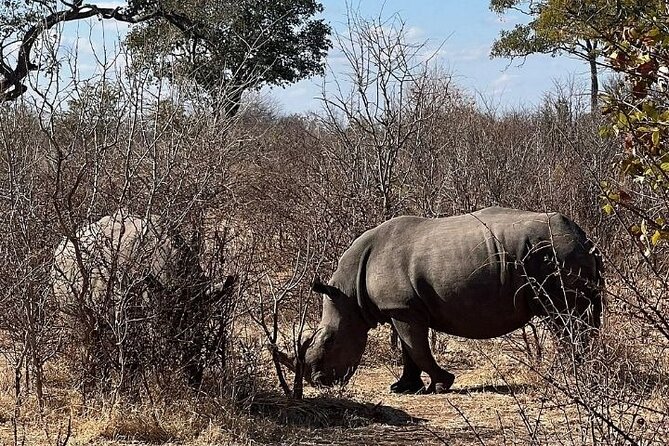
Walking to meet white rhinos feels unreal. This rhino walking safari in Livingstone takes you beyond a regular game drive into Mosi-oa-Tunya National Park, where you search for the most endangered white rhino on foot with a private guide and armed ranger escort.
I like two things most. First, the chance of close, on-the-ground wildlife encounters instead of watching from a vehicle. Second, the way the morning is taught, with a real focus on reading animal tracks, plus light breakfast with tea or coffee, homemade muffins, and refreshments during a bush picnic setup. One consideration: this is a 6:30am start and it depends on good weather, so you will want to plan for an early alarm and a possible reschedule.
In This Review
- Key things to know before you go
- Mosi-oa-Tunya: why this UNESCO park is perfect for a rhino walk
- Livingstone pickup and the early-morning reality
- Breakfast first: how the briefing makes the walk better
- The bush walk: what you’re really doing for about 2 hours
- The rhino encounter: why safety rules matter more than you think
- Picnic time in the bush: the comfort break that keeps the adventure fun
- Price check: is $150 good value for a rhino walking safari?
- How to pack and what to wear for a rhino walk
- Who this safari is best for (and who should reconsider)
- My booking advice: when to reserve and what to ask
- Should you book this Rhino Walking Safari in Livingstone?
- FAQ
- What time does the Rhino Walking Safari start in Livingstone?
- How long does the walking safari take?
- Where does the tour take place?
- Is pickup included?
- What’s included in the price?
- What is not included?
- How large is the group?
- Is the tour dependent on weather?
- What is the cancellation window?
Key things to know before you go
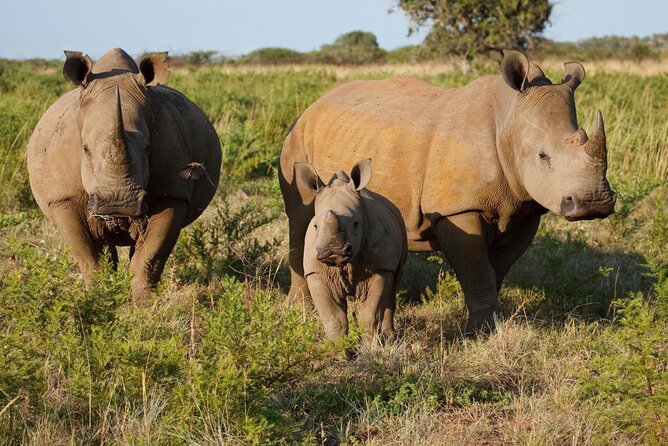
- White rhino search on foot: You’re walking inside Mosi-oa-Tunya as you look for rhinos and other wildlife.
- Armed ranger escort: Your route is guided and protected by armed rangers.
- Breakfast and bush refreshments: Light breakfast with tea/coffee and homemade muffins, plus picnic-style time with drinks.
- Learn tracks from your guide: You get hands-on help reading animal signs in the bush.
- Small group size: The experience has a maximum of 16 travelers.
Mosi-oa-Tunya: why this UNESCO park is perfect for a rhino walk
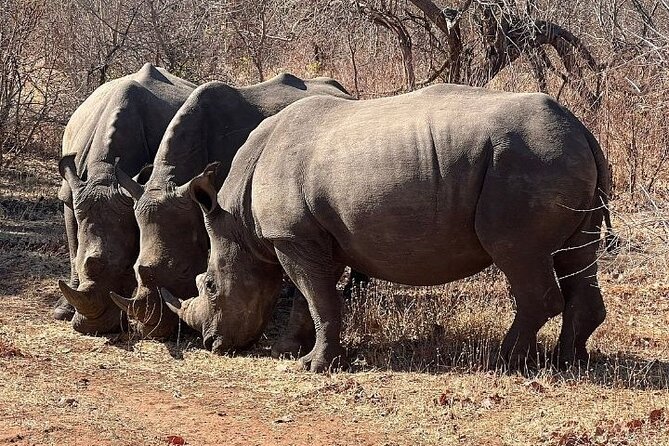
Mosi-oa-Tunya National Park sits in the Livingstone area of Zambia, and it’s tied to UNESCO World Heritage status. That matters because it’s not just a random patch of bushland where animals roam. It’s a protected ecosystem you’re stepping into as a visitor with clear conservation rules and safety procedures.
For this specific experience, that UNESCO setting is the point: it’s where you get to combine wildlife viewing with bush skills. You’re not only hoping for a sighting. You’re learning how to look, how to interpret signs, and how wildlife movement makes sense in real time. That gives the walk more meaning than a drive-and-spot routine.
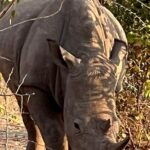
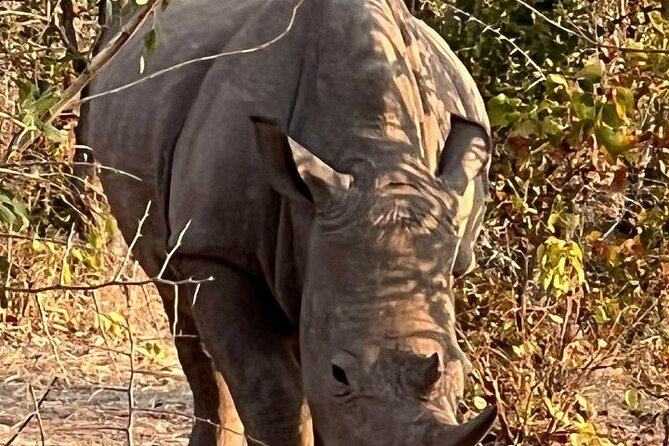
And yes, the main target is the white rhino. The experience is designed around trying to find them while walking, not just being near them in the distance. If you like wildlife encounters that feel close and active, this park format fits that mood.
You can also read our reviews of more tours and experiences in Livingstone.
Livingstone pickup and the early-morning reality
Most departures start at 6:30am, and that early start isn’t an arbitrary rule. It sets up a better chance of animal activity and cooler walking conditions. If you’re the type who hates mornings, this might feel tough for the first 20 minutes. After that, the payoff usually kicks in.
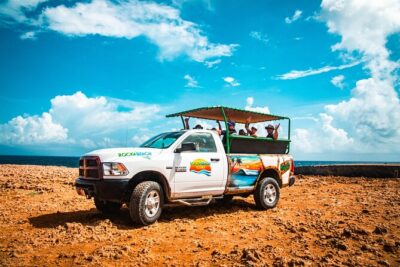
You’ll be picked up from your lodge or hotel in an open 4×4 game drive vehicle, then driven around 15–20 minutes to the park starting area. The open vehicle setup is a practical detail worth noting: you’ll feel the morning air, and you may get better views than a closed vehicle. On the flip side, it also means you’ll want to dress for walking, not just sitting.
One more logistics note: this experience uses a mobile ticket, and it’s near public transportation. That’s useful if you’re building a flexible schedule around Livingstone.
Breakfast first: how the briefing makes the walk better
Before you really hit the bush, you get a light breakfast plus a guide talk that sets expectations. The included details are simple and genuinely helpful: tea and coffee, homemade muffins, soft drinks, and mineral water. You also get that moment to wake up while your guide explains what you might see and how the walk will work.
This pre-walk briefing changes the whole experience. Without it, a track-based safari can feel like guesswork. With it, you start spotting the tiny stuff sooner: where animals have moved, what kinds of signs you might see, and what those signs can hint at.
Then your guide helps you read animal tracks as you go. From a practical standpoint, that’s one of the best values in this tour: it turns a walk into a learning session that doesn’t require a degree in wildlife biology. You just need attention, and your guide does the heavy lifting.
If you want to get the most out of the walk, show up ready to ask questions. In the reviews, the guide Arnold stands out for being friendly and taking time to point out local fauna details and tracks. That kind of teaching makes the whole morning feel less like a hunt and more like a guided nature lesson with rhinos as the prize.
The bush walk: what you’re really doing for about 2 hours
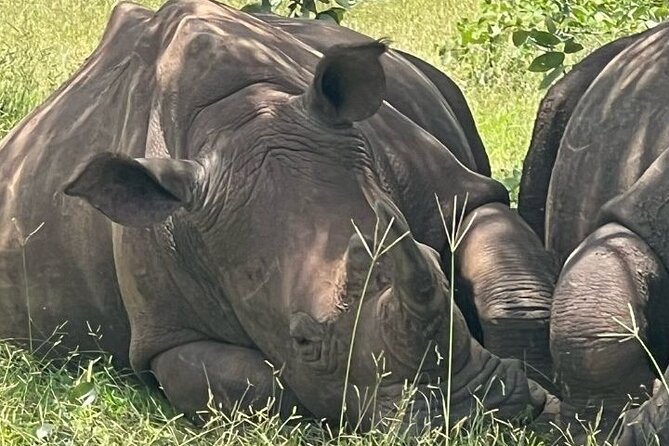
The core experience is the walking part through Mosi-oa-Tunya National Park in search of white rhinos and other animals. The tour runs about 2 to 3 hours total, and the walk itself is often around two hours once you start moving.
Here’s what that means for you on the ground:
- You’re moving through natural cover, not on a paved trail.
- You’ll be watching for signs as much as for animals.
- You’ll be following your guide’s pace and route decisions based on what they’re seeing.
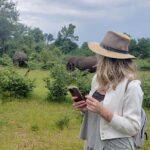
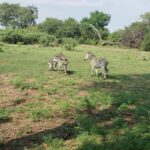
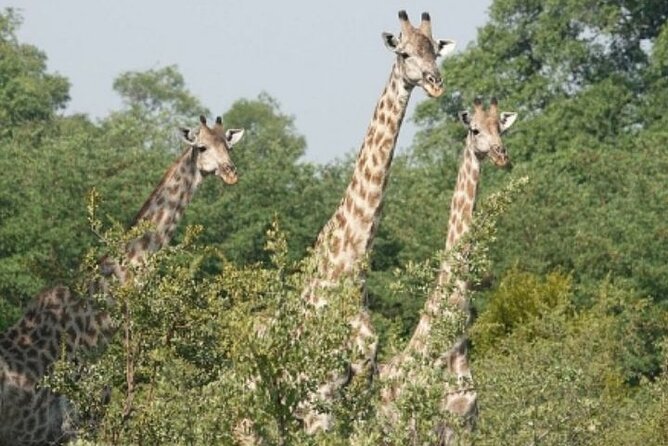
You might be focused on rhinos, but the walk is also built for surprise wildlife. The experience includes the possibility of seeing elephants, zebras, giraffes, and buffalo along the way, and that variety is a big reason people love doing this instead of only riding in a vehicle.
Because this is a walking safari, the mood is different. You don’t get the same wide “look left, look right” scan you’d do from a drive. Instead, the hunt feels slower and more attentive. You’re not just spotting. You’re listening, looking at ground signs, and watching how the bush changes when animals are nearby.
And when you do get a rhino sighting, it tends to feel more intense than a distant drive view. You’re closer to the moment, even though safety rules keep you at a respectful distance. That’s the tradeoff you’re choosing by booking a walking safari.
The rhino encounter: why safety rules matter more than you think
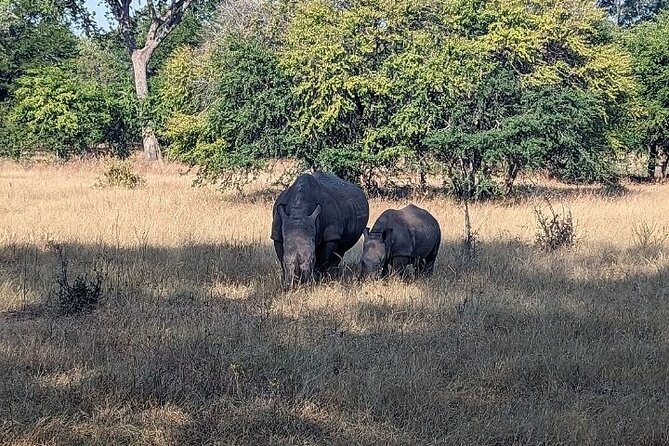
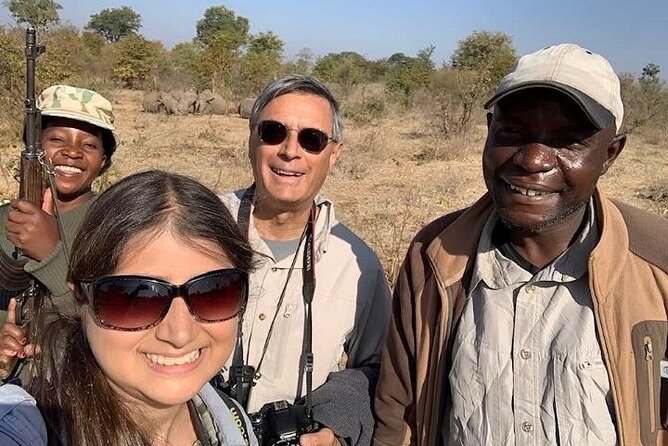
The tour is escorted through the park by armed rangers. That detail isn’t there to scare you. It’s there because walking in an area with large, powerful animals requires a serious safety structure.
In practice, this means:
- Your movements follow the ranger and guide plan.
- The route is managed based on conditions and animal presence.
- The group stays under close control so everyone stays together.
If you’re used to casual wildlife viewing, this kind of escort changes the feeling right away. You’ll likely notice a calmer focus—less random wandering, more listening. It’s the difference between a walk in the woods and a controlled wildlife encounter.
The “armed escort” piece is also what makes this experience appropriate for visitors who want the thrill but don’t want to freestyle it. You’re not on your own guessing your way through wildlife zones. You’re walking with professionals who understand what can change quickly.
Picnic time in the bush: the comfort break that keeps the adventure fun
The highlights mention a delicious picnic in the bush with refreshments. That’s the kind of detail that sounds small until you’re out there early, walking, and paying attention for hours.
This is where you get to reset. After the walk and track-focused time, you’ll have a chance to sit, drink, and enjoy the morning without rushing to the next step. The included items already lean practical—soft drinks and mineral water are part of the setup—and the picnic timing keeps the experience from feeling like nonstop standing and scanning.
If you’re traveling with energy levels that vary (or you’re just human and want a seat), the picnic aspect is a real plus. It helps you remember this as an experience, not just an extended animal search.
Price check: is $150 good value for a rhino walking safari?
At $150 per person, this tour isn’t the cheapest thing in Livingstone, but it also isn’t priced like a private luxury event. The value comes from the combination of:
- A guide plus a ranger escort (safety and expertise)
- Admission/entry fees included
- Breakfast and refreshments included
- The fact that you’re doing an on-foot experience with a conservation-focused goal
The most important value driver is the format. A walking safari with white rhino as the target is not the same as watching wildlife from a vehicle. Your cost is paying for time, management, and a controlled approach to being in the same habitat as endangered animals.
Also, private guiding is part of the appeal here. Even with a maximum group size (16 travelers), the experience is built around personalized guidance while you walk. That kind of attention is hard to get on bigger, vehicle-only tours.
One practical detail: camera and sunscreen aren’t included. That’s not a discount-breaker, but it is a cost you should account for if you’re traveling light.
How to pack and what to wear for a rhino walk
You can’t plan for every condition, but you can plan for comfort. Walking through the bush means you’ll want clothes that work for early morning and some movement.
Bring:
- Sunscreen (not included)
- A camera if you want one (not included)
- Comfortable footwear suitable for walking
- A light layer for early cool air
Also, since the tour depends on good weather, think about rain cover too if you’re visiting during wetter months. The tour description makes it clear that good weather is required, and if conditions cancel the experience, you’ll be offered a different date or a full refund.
Who this safari is best for (and who should reconsider)
This works especially well for you if:
- You want more than a standard game drive
- You like learning practical wildlife skills, like tracking signs
- You travel in a way that fits early mornings
- You want a small-group feel (max 16)
Most travelers can participate, which is great if you’re flexible and ready for active time outdoors. Reviews also suggest the experience can run smoothly even when someone is traveling solo, since solo-friendly logistics matter a lot for people who don’t want to wait for a minimum group.
You might reconsider if:
- You are not comfortable walking for about two hours
- You strongly dislike early starts
- You’re traveling with limited mobility or you don’t want to deal with uneven bush terrain
This is not a sitting-only tour. It’s a walk-first experience with wildlife viewing as the result of patience and good guidance.
My booking advice: when to reserve and what to ask
On average, this is booked about 30 days in advance, so if your dates are fixed, book sooner rather than later. Availability can depend on weather and on operational planning around park access and animal movement.
When you contact the provider or confirm your tour, ask yourself a simple question: do you want the rhino experience to be about being in the habitat or about watching from a distance? If your answer is habitat-first, this tour fits the bill.
Also, if you care about instruction, make sure you lean into the track-reading side. That’s where the guide’s teaching style really shows. In the reviews, Arnold is singled out for being friendly, answering lots of questions, and taking time to show track details—so be ready with curiosity.
Should you book this Rhino Walking Safari in Livingstone?
Yes, if you want a hands-on wildlife morning that goes beyond a vehicle scan. You’re paying for a rare on-foot attempt at seeing white rhinos, plus real instruction on reading animal signs, under the protection of armed rangers.
Book it if you can handle a 6:30am start and you’re comfortable walking through the bush. Pass if you want a leisurely ride experience or if you can’t adapt to weather-related rescheduling.
If you do book, go in curious and patient. The best moments are usually the ones you earn with your attention, not the ones you chase with impatience.
FAQ
What time does the Rhino Walking Safari start in Livingstone?
The start time is 6:30am.
How long does the walking safari take?
The duration is approximately 2 to 3 hours.
Where does the tour take place?
It takes place at Mosi-oa-Tunya National Park in the Livingstone area.
Is pickup included?
Yes. Pickup is offered from your lodge or hotel, and you ride in an open 4×4 game drive vehicle to the start of the walk.
What’s included in the price?
Included items are light breakfast (tea/coffee, homemade muffins, soft drinks, mineral water), entry/admission fees, an armed escort ranger, and a professional safari guide.
What is not included?
Camera and sunscreen are not included.
How large is the group?
The maximum group size is 16 travelers.
Is the tour dependent on weather?
Yes. The experience requires good weather. If it’s canceled due to poor weather, you’ll be offered a different date or a full refund.
What is the cancellation window?
Cancellation is free up to 24 hours in advance for a full refund. If you cancel less than 24 hours before the experience, the amount paid is not refunded.