REVIEW · SAN DIEGO
San Diego Zoo and Safari Park 2-Visit Pass Ticket
Book on Viator →Operated by San Diego Zoo Wildlife Alliance · Bookable on Viator
Two parks, one ticket, and lots of walking. With mobile entry and included trams/bus tours, you can get straight into the animals without a ticket hunt. The one catch: it’s about 35 miles between locations, so doing both in a single day is a squeeze.
At the Zoo, I love the Harry and Grace Steele Elephant Odyssey, with its fossil-dig setting and lessons tied to real extinction stories. Then the Safari Park turns the volume up with the Africa Tram plus long, scenic walking routes built for open-field animal viewing.
Plan for moderate physical effort, and you’ll get breathing room because the pass is valid for one year from purchase.
In This Review
- Key things to know before you go
- Mobile ticket entry: fast turnstiles and what can go wrong
- San Diego Zoo strategy: Elephant Odyssey sets the tone
- Zoo included rides: Skyfari Aerial Tram and the guided bus tour
- Safari Park plan: Africa Tram plus the Heart of Africa trail
- One day or two: making the 35-mile distance work
- Price and value: what you actually get for $130
- Crowds, food, parking, and comfort tips that save your day
- Who this pass is best for (and who might not love it)
- Should you book this Zoo and Safari combo pass?
- FAQ
- How do I redeem this San Diego Zoo and Safari Park combo ticket?
- Do I need to use the ticket on the exact date listed?
- Where is the San Diego Zoo located?
- Where is the San Diego Zoo Safari Park located?
- What’s included at the San Diego Zoo with this pass?
- What’s included at the Safari Park with this pass?
- Is parking free at both parks?
- How long should I plan for each park?
- What’s the cancellation policy?
- Is the pass suitable for people with mobility needs?
Key things to know before you go
- Direct-to-turnstiles entry: No Will Call line. Scan your mobile ticket at the gate.
- Unlimited included rides: Skyfari Aerial Tram at the Zoo, Guided Bus Tour at the Zoo, and Africa Tram at the Safari Park.
- Two very different layouts: A dense, garden-like Zoo vs. a big-trail Safari Park with overlooks.
- Separate days make it work: The parks are far enough apart that 1-day hopping can feel rushed.
- Parking and meals cost extra: Zoo parking can be free, but Safari parking is fee-based, and food isn’t included.
- Have a backup for your phone ticket: Some people reported scanning/display issues at entry, so screenshotting or saving confirmation helps.
Mobile ticket entry: fast turnstiles and what can go wrong
This pass is built for one thing: getting you into two major animal destinations without wasting time on exchanges. You show a mobile ticket at the turnstiles and go straight in—no Will Call detour, no swapping vouchers for paper tickets.
That’s the good part. The practical tip is to treat your phone like it’s a wallet. Bring a charged device, and if you can, save the ticket in the app and also keep a screenshot of the barcode/QR or confirmation details. I’m saying this because a small number of people reported that their ticket didn’t display properly on the phone screen or didn’t scan cleanly at the gate, which can force a stressful redo at the admission desk.
If you want the smoothest day, arrive early, keep your ticket ready before you reach the scanner, and don’t plan a tight schedule right at park opening.
You can also read our reviews of more tours and experiences in San Diego.


San Diego Zoo strategy: Elephant Odyssey sets the tone
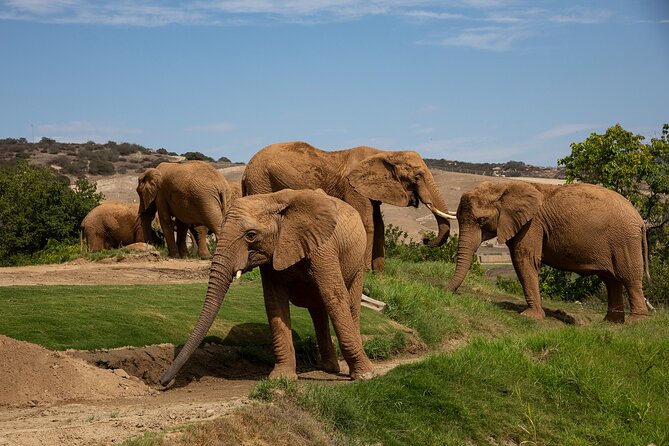
The San Diego Zoo is the more compact, stroll-friendly option—still a lot of walking, but easy to shape your day as you go. If you start with the newest anchor exhibit, you get the best payoff early.
The headline here is the Harry and Grace Steele Elephant Odyssey. It’s built like a story that goes from prehistoric to present-day conservation. You can step into a fossil-dig site and look at fossil evidence, then connect that past to current wildlife habitats. Expect to see elephants, and also keep an eye out for other big cats in that orbit—there’s a pair of lions and a jaguar highlighted as part of the exhibit experience. You’ll also learn about extinction causes tied to famous Ice Age animals like mammoths and saber-toothed tigers. The Pleistocene playground area is a clever way to keep kids moving while tying the learning back to conservation projects happening now.
Why this matters for your day: when you start here, you’re primed to notice how the Zoo uses habitats and interpretation, not just animal photos. It makes the rest of the walk feel more purposeful.
Possible drawback: you’ll want time here, and it can tempt you to spend more than you planned. The Zoo stop on this pass is sized for about four hours, but in real life, I’d budget closer to that full block if Elephant Odyssey is a priority.
Zoo included rides: Skyfari Aerial Tram and the guided bus tour
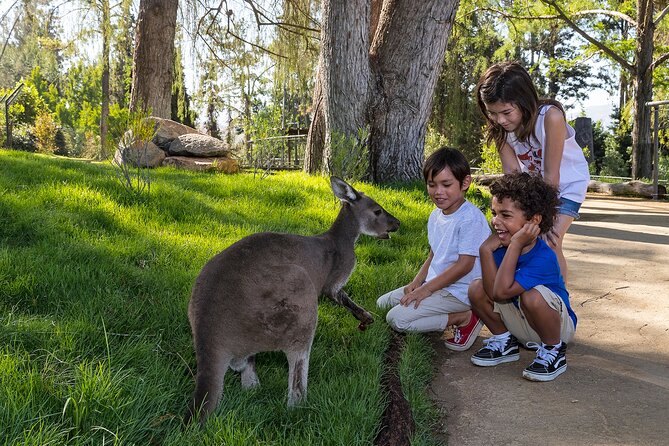
One of the strongest value points is that your Zoo visit includes unlimited use of two major “speed and sight” options.
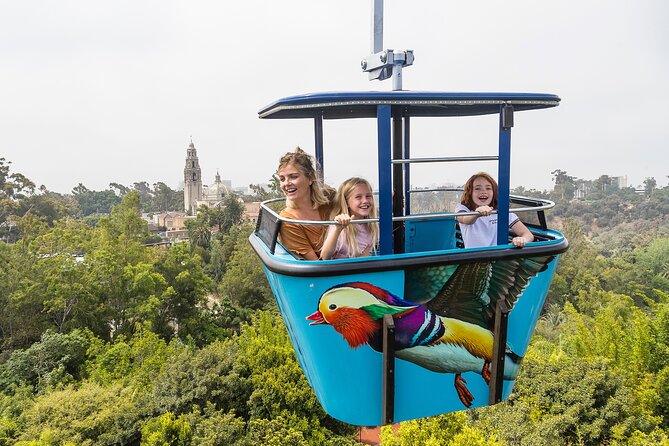
First up is Skyfari Aerial Tram, an airborne shortcut over the treetops. It’s not just a ride—it’s a way to see the Zoo from above and connect distant areas without burning all your energy on steep, continuous walking. There’s a key limitation: wheelchairs and strollers can’t be accommodated on the tram, so if you’re using one, plan to ride it when someone else can handle the mobility needs, or adjust your route.
Second is the Guided Bus Tour at the Zoo. This is a smart intro, especially if it’s your first time. You get a structured overview before you start hunting your favorite animals on foot. People also tend to learn how to route themselves so the second half of the day feels less like guesswork.
If you’re the kind of person who wants to see everything without turning your vacation into a marathon, those included rides are a big reason this pass can feel like good money rather than just a basic admission ticket.
Safari Park plan: Africa Tram plus the Heart of Africa trail

Now for the other world: the San Diego Zoo Safari Park feels more like a real safari outing. It’s located about 35 miles from the Zoo, and the driving time can run roughly 45 minutes to an hour depending on traffic.
The Safari Park experience is built around open-field habitats and longer sightlines. Some animals are out and active near watering holes and overlooks. In the typical highlights, you’ll have opportunities to spot giraffes mingling among other animals, rhinos gathering near a watering hole, and South African cheetahs relaxing on sunny hills. The California condor is another name that often anchors the excitement for first-timers.
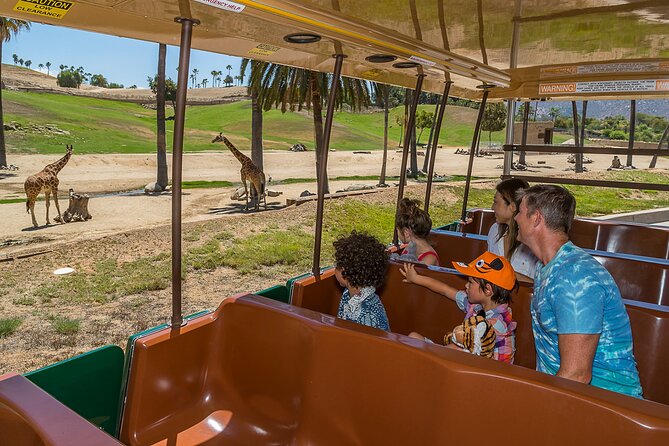
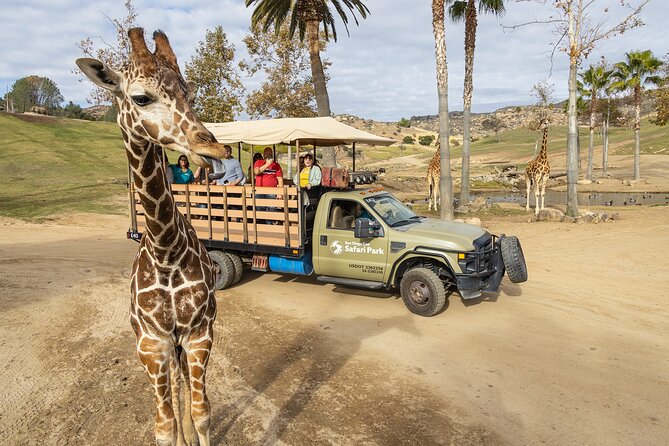
The best “included hit” is the Africa Tram. You can ride it as many times as you want, and the tour runs about 30 minutes. The tram route passes herds of elephants and zebras and also highlights several endangered species. If your goal is to maximize animal sightings without spending every minute walking, this is the core piece of your Safari day.
Then comes the walking: the Heart of Africa safari trail is about 32 acres. Expect miles of trails and viewpoints designed for overlooks—think lions, tigers, and special encounters with exotic creatures. There’s also a practical perk if you need food or downtime: Nairobi Village for shopping and dining.
Possible drawback: the Safari Park is huge. Some people find navigation tricky at ground level, especially if signage is hard to spot from your walking angle. If you’re visiting with younger kids or someone who hates long wandering, start with the tram to get your bearings fast, then use the walking paths with a clear target in mind.
One day or two: making the 35-mile distance work
You can try to do both parks in one day, but you’re fighting the clock and the drive. The parks are about 35 miles apart, and that’s enough separation to force real tradeoffs.
A more comfortable plan is to split them. Practical timing guidance is a minimum of 3–4 hours for the Zoo and 4–6 hours for the Safari Park. That lines up with how these parks actually feel. The Zoo can be completed more tightly if you skip some extras. The Safari Park is bigger and more spread out, so you’ll feel the walking time.
Also, plan around energy levels. This pass suggests a moderate physical fitness level, and the Zoo includes steep grades in parts of the grounds. If you know you’ll need more breaks, that’s not a problem. Build them in so you don’t end up rushing through your favorite areas.
One more simple tip: going early helps. In real-world reports, arriving before the heat and crowds builds a better animal-viewing rhythm. If you want a smoother day and fewer lineup headaches, sunrise-to-morning pacing is usually the winning move.
Price and value: what you actually get for $130
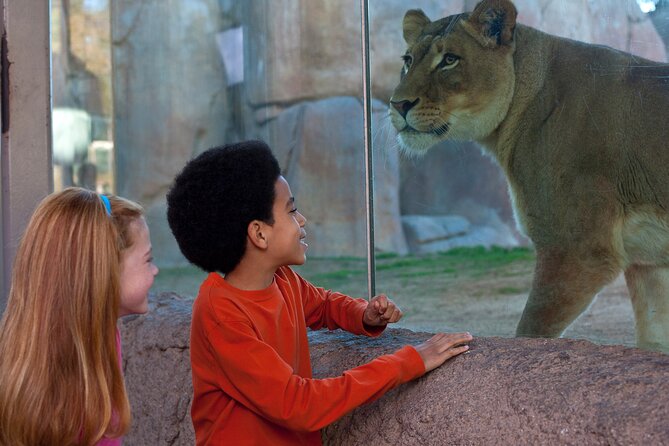
At $130 per person, this pass isn’t a bargain-chase coupon. It’s more like a choice to pay a little to get a lot of included animal time.
Here’s what the pricing covers:
- Admission to both parks based on your included option
- All animal exhibits and shows
- Unlimited rides of key transportation experiences:
- Zoo: Skyfari Aerial Tram
- Zoo: Guided Bus Tour
- Safari Park: Africa Tram
- The ticket is valid for one year from the purchase date
Here’s what you should expect to pay extra for:
- Food and drink
- Parking (Safari Park parking has an additional fee; Zoo parking is described as free, with a note that Balboa Park parking may start charging a flat rate beginning January 5, 2026)
- Special ticketed exhibits, experiences, and events are excluded
Is it a good deal? For families and first-timers, it often is—because you’re not just buying admission; you’re buying access to included transport that can shrink your walking time and improve your route efficiency. The Zoo in particular gets easier when you can use Skyfari and the guided bus instead of guessing your best path.
One caution: some safari activities beyond the included tram may cost extra. If your idea of a perfect day is stacking add-on rides and special encounters, treat this pass as your base. You’ll still choose extras on top.
Crowds, food, parking, and comfort tips that save your day
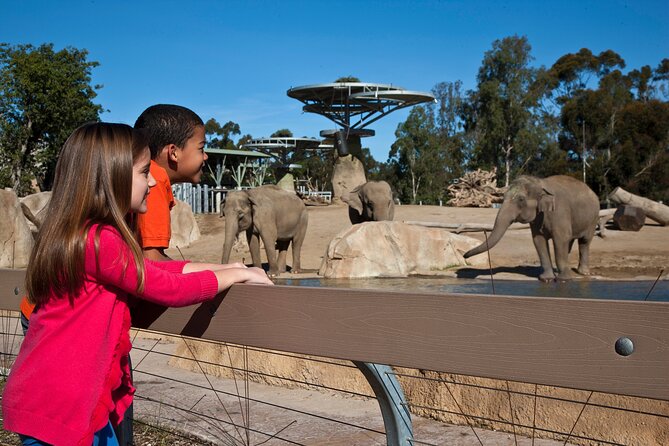
This is San Diego, which means weather can vary and crowds can spike—especially around school breaks. Some days can feel louder and busier, so plan to lean on structure: tram first for orientation, then walk with specific targets.
Food is the other variable. Your admission doesn’t include meals. Food options are available at both parks, and prices can land in the mid-to-higher range depending on what you order. If you’re traveling as a family, budget for snacks and drinks so you don’t get stuck paying for convenience alone.
If you prefer to bring your own food, you can—just keep it in small containers. No coolers, no glass containers, and no alcohol. Also note: there’s no facility for food storage.
Parking:
- Zoo: parking is described as free, but keep an eye on the Balboa Park parking fee update noted for 2026.
- Safari Park: parking is privately owned and has a fee.
Comfort and access:
- Service animals are allowed.
- Wheelchairs and electric scooters are available to rent for a nominal fee, and you’ll need a driver’s license or a San Diego Zoo Global membership card.
- Pets and comfort animals are not permitted at either park.
Little planning moves that matter:
- If you’re using a mobility device, understand the Skyfari tram limitation (no wheelchair/stroller on the tram).
- Bring a light layer. Even when it’s sunny, animal parks can feel cooler in shaded areas.
- If you have kids, start with the exhibit that keeps them engaged early—Elephant Odyssey tends to work well because it mixes science, stories, and movement.
Who this pass is best for (and who might not love it)
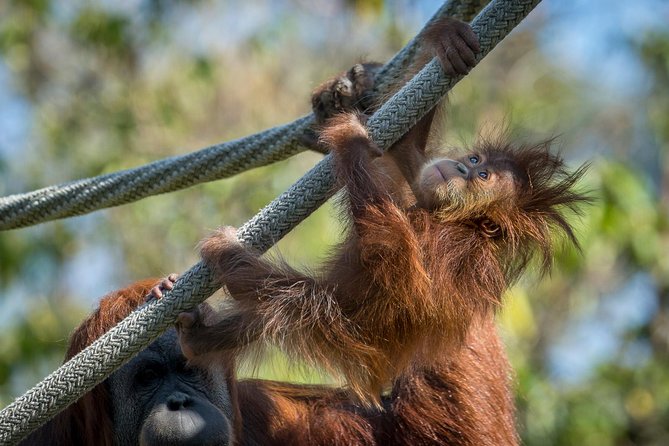
This combo pass shines for:
- Families with kids, because it includes big, high-energy experiences and the Zoo and Safari Park each have their own “feel”
- First-timers to San Diego’s animal parks, because you get both a Zoo-style habitat experience and an open-trail safari experience
- People who like transport as part of the experience, since unlimited tram and bus options are included
It might feel less ideal for:
- People who want to cram both parks into a single day. The distance and walking time are real.
- Anyone who hates navigation across large grounds. The Safari Park is huge, and some people find wayfinding harder than expected.
If you want the best odds of a smooth day, treat it like two outings. You’ll enjoy the animals more, and you’ll spend less time doing logistics math.
Should you book this Zoo and Safari combo pass?
I’d book it if you want two world-class animal settings and you like the idea of unlimited included trams/bus tours helping you see more without burning out. The one-year validity is also a smart safety net if your schedule is flexible but not perfect.
I’d think twice if you’re set on doing both parks in one day, or if your main goal is safari-style add-on rides beyond what’s included. This pass is strongest as a solid base that gets you deep into the animals and habitats—especially at the Zoo’s Elephant Odyssey and the Safari Park’s Africa Tram and Heart of Africa walk.
If you do buy, go in with a simple plan: one park per day, start early, and keep a backup of your ticket details in case your phone decides to act up.
FAQ
How do I redeem this San Diego Zoo and Safari Park combo ticket?
You scan the mobile ticket directly at the turnstiles for admission. There’s no need to exchange for tickets at Will Call.
Do I need to use the ticket on the exact date listed?
The date on the ticket is for reference only. Tickets are redeemable within one year from the original purchase date, and you don’t need an amendment/date change for travel within that year.
Where is the San Diego Zoo located?
2929 Zoo Drive, Balboa Park, San Diego, CA 92101.
Where is the San Diego Zoo Safari Park located?
15500 San Pasqual Valley Rd, Escondido, CA 92027.
What’s included at the San Diego Zoo with this pass?
Admission plus all animal exhibits and shows, and unlimited use of the Skyfari Aerial Tram and the Guided Bus Tour.
What’s included at the Safari Park with this pass?
Admission plus all animal exhibits and shows, and unlimited rides on the Africa Tram (subject to availability).
Is parking free at both parks?
Zoo parking is described as free. Safari Park parking has an additional fee and is subject to change.
How long should I plan for each park?
For limited time, it’s recommended to plan at least 3–4 hours for the Zoo and 4–6 hours for the Safari Park.
What’s the cancellation policy?
Free cancellation is available up to 24 hours in advance for a full refund. Cancel at least 24 hours before the experience start time to get your money back.
Is the pass suitable for people with mobility needs?
The pass is recommended for travelers with a moderate physical fitness level. Wheelchairs and electric scooters are available to rent for a nominal fee, and service animals are allowed.