REVIEW · ALICE SPRINGS
Uluru, Kata Tjuta and Kings Canyon Camping Safari from Alice Springs
Book on Viator →Operated by Adventure Tours Australia · Bookable on Viator
Sunrise at Uluru hits different. This 3-day Red Centre camping safari strings together Uluru, Kata Tjuta, and Kings Canyon with early starts, guided walks, and time for dark-sky stargazing. You get a full loop from Alice Springs with coach transport, meals, and a small-group cap of 23.
I like how the itinerary builds around the big moments: Uluru at sunrise and sunset (the rock turns orange, then glows). I also like the balance of natural sights and culture, especially the Maruku Arts guided cultural walk with an Aboriginal and Torres Strait Islander guide.
One thing to weigh is comfort and heat. This is not a hotel stay; glamping-style sleeping and facilities can feel basic, and the walking plus temperatures can be intense.
In This Review
- Key points before you go
- The Red Centre in 3 Days: What You Actually Get
- 5:40am Start and the Uluru Sunrise Strategy
- Kata Tjuta and the Uluru Base Walk: Walking That Sets the Pace
- Cultural Centre and Maruku Arts: What the “Culture Stops” Mean
- Watarrka National Park Camping: The Night Inside the Park
- Kings Canyon Day: The Rim Walk and Garden of Eden Payoff
- What Glamping-Style Means Here (Comfort vs. Authenticity)
- Value Check: Is $713.66 Worth It?
- Who This Tour Fits Best (and Who Might Struggle)
- Should You Book This 3-Day Uluru, Kata Tjuta and Kings Canyon Safari?
- FAQ
- What is the meeting point for this tour?
- What time does the tour start?
- How long is the tour?
- How many people are on the tour?
- What kind of fitness level is needed?
- Is pickup from Alice Springs included?
- What’s included with the ticket?
- Is this accommodation more like camping or a hotel?
- Can I cancel for a refund?
- How soon will I get confirmation after booking?
Key points before you go
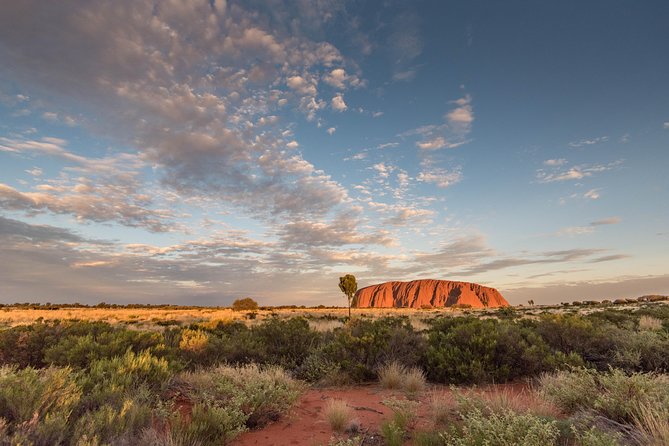
- Uluru sunrise + sunset time with a base walk at first light and snacks watching the color shift
- Kings Canyon Rim Walk focus (this is the hike most people remember most)
- Kata Tjuta domes hike early in the trip to get your bearings in the park
- Culture add-ons that aren’t just a quick stop including Uluru-Kata Tjuta Cultural Centre and Maruku Arts
- Small group size (max 23) helps the schedule move smoothly on long outback days
- Camping inside Watarrka National Park with an outback rhythm: hikes by day, camp life at night
The Red Centre in 3 Days: What You Actually Get
This is a classic “see the icons” route, but done with a camping rhythm instead of a drive-by day tour. You’re based out of Alice Springs and then living on a tight loop through three national parks: Uluru-Kata Tjuta National Park, Kata Tjuta, and Watarrka National Park (Kings Canyon).
The logistics are part of the deal. You’ll spend a lot of time on the coach, and that matters because it protects the rest of the day for hiking and viewing. With a maximum of 23 travelers, it’s easier to manage group pacing than on bigger buses, especially on morning walks.
Price-wise, $713.66 per person isn’t “cheap,” but it’s also not just paying for entry tickets. You’re paying for transport, guided hikes, meals, and the in-park camping night—things that can add up fast if you try to piece them together yourself.
You can also read our reviews of more tours and experiences in Alice Springs.
5:40am Start and the Uluru Sunrise Strategy
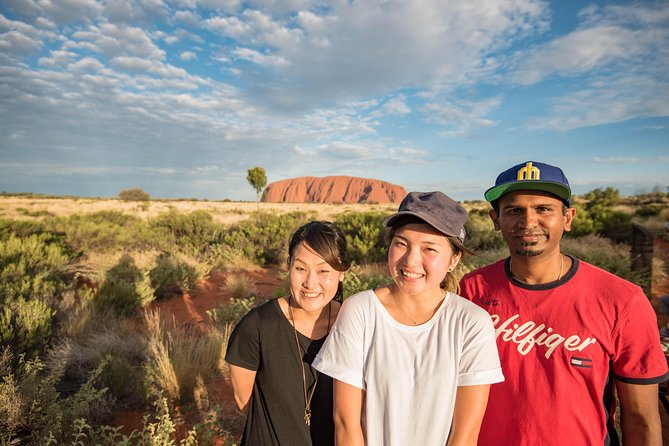
Your day starts early. The meeting point is Alice Springs Hotel (11 Leichhardt Terrace) and the start time is 5:40am, right when it’s still dark-ish and cool.
On Uluru sunrise day, you’ll do a walk around the base of the rock (about 4 hours total at the site). The timing is the whole reason to book this style of tour. Cooler air makes it easier to move, and sunrise gives you that shifting-red glow on a giant scale that doesn’t feel real until you’re there.
On the prior day, you also get Uluru at sunset. That evening block is shorter (around 1 hour), but it’s designed to give you the colors without swallowing your whole night. A number of guides are praised for keeping the mood calm—one example I’d take seriously from the feedback is how Lachie was noted for dropping the group off away from other tours so you could enjoy the view with less crowd noise.
Tip you’ll thank yourself for: wear real hiking shoes and plan to be outside longer than you think, even if the walk looks short on paper.
Kata Tjuta and the Uluru Base Walk: Walking That Sets the Pace
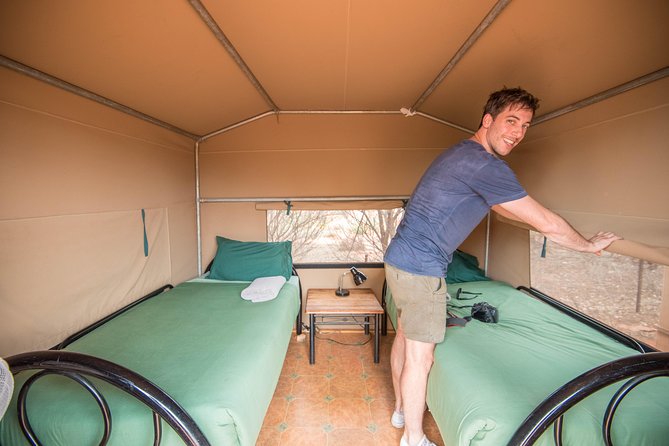
Day 1 uses the afternoon to get you onto Kata Tjuta—36 different domes, in one dramatic area. The stop runs about 2 hours, including guided time on the trail. This is a good “starter hike” day because it isn’t your first morning at altitude or under peak heat, and it helps you understand how the rock country works before you commit to the longer day at Uluru.
You’ll then get the more “core” hiking on Uluru sunrise day: the base walk. Again, think more like a guided trek than a casual stroll. Expect a moderate fitness level requirement, and be honest with yourself about legs, knees, and blister risk.
If you want a simple rule: if you’re the type who avoids stairs at home on the best days, you’ll likely feel it here. If you’re okay with early mornings and steady walking, this itinerary fits well.
Cultural Centre and Maruku Arts: What the “Culture Stops” Mean
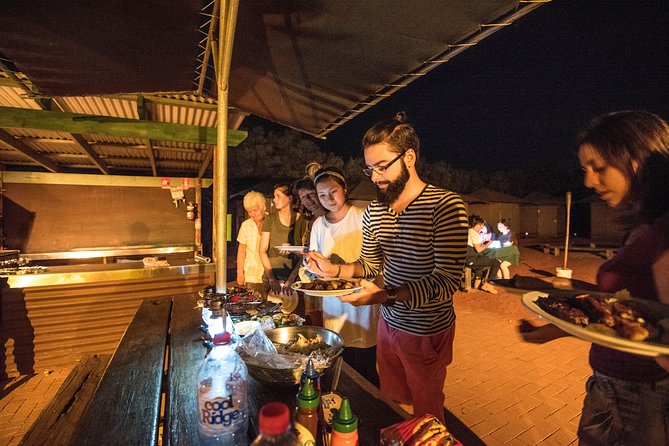
Two of the best parts of this trip for me aren’t the rocks—it’s the way the guide time turns those rocks into stories you can remember.
First is the Uluru-Kata Tjuta Cultural Centre stop (about 30 minutes). This is a chance to orient yourself, and it’s also where you can buy First Peoples art and craft if you want a legit reminder that supports Indigenous artists. The admission for that stop is listed as free.
Then comes Maruku Arts, a 30-minute interpretive cultural walk with an Aboriginal and Torres Strait Islander guide. The big value here is timing and context: you’re not just watching the landscape—you’re learning how people connected with the place, and what to notice while you’re out hiking.
One practical note: these culture blocks are short. If you love browsing and asking questions, keep it quick and then use downtime later at camp to follow up. The schedule is structured, and you’ll feel that structure across all three days.
Watarrka National Park Camping: The Night Inside the Park
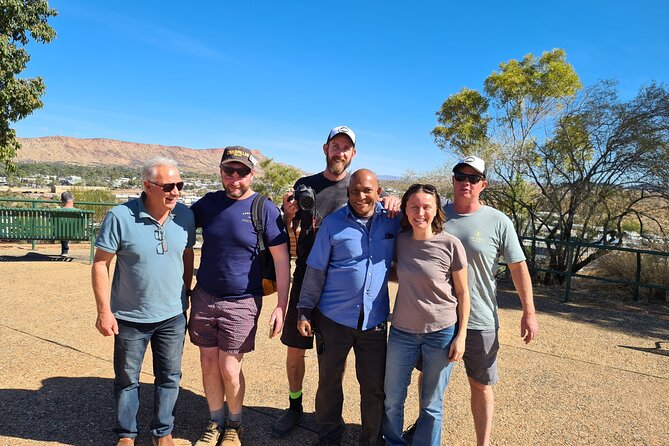
Day 2 ends with travel to the campsite inside Watarrka National Park for the night—about 12 hours at that stop (so yes, a full chunk of time). This is where the trip becomes real camping rather than “touring.”
Accommodation is described as glamping-style. In practice, that can mean solid tent setups with beds, and sometimes swags for sleeping under the stars. Reviews also mention features like campfire time and the group pitching in for meals—so expect a hands-on vibe, not a “we serve, you relax” setup.
Facilities are the big variable. Many campers are happy with the overall setup (campfire, cooking together, and general comfort). But others point out that the outback can be rougher than the brochure vibe, including fly-heavy open-air bathroom areas and limited power or hot water depending on which camp setup you get.
So bring the essentials:
- A hat and electrolytes
- A good headlamp (or at least a small light for night movement)
- Shoes with grip for rocky paths
- A small pack of snacks if you get snacky between meal times
Kings Canyon Day: The Rim Walk and Garden of Eden Payoff
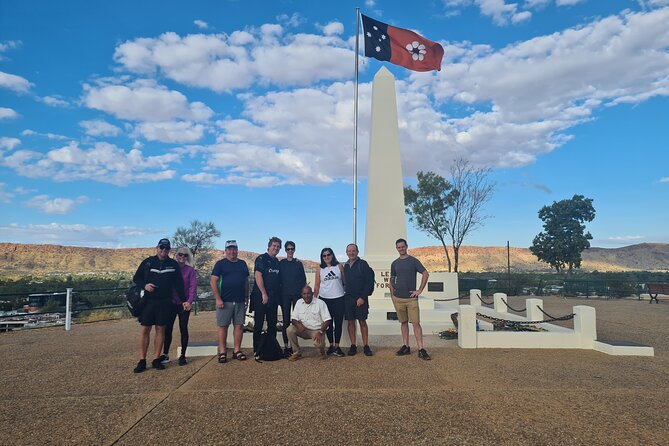
Day 3 is about Kings Canyon: about 4 hours at Watarrka National Park. This is where you’ll want to be ready, because the highlight is the rim walk.
The rim walk is frequently called the moment people talk about later. It’s also a real hike—one of the clearer notes from feedback is that it’s roughly a 10km day component for some travelers, not a short walk for people who want gentle sightseeing. The reward is the view into the gorge and the feeling that you’ve walked into a different world.
You’ll also get time for the Garden of Eden area, described as a welcome escape from the dry desert heat. Even if you’re tired by this point, that payoff helps the whole trip feel worth it.
Quick reality check: if you have knee issues or you’re wary of steep, uneven steps, prepare for it. This is still doable for many people with moderate fitness, but it’s not “easy walking in a museum of rocks.”
What Glamping-Style Means Here (Comfort vs. Authenticity)
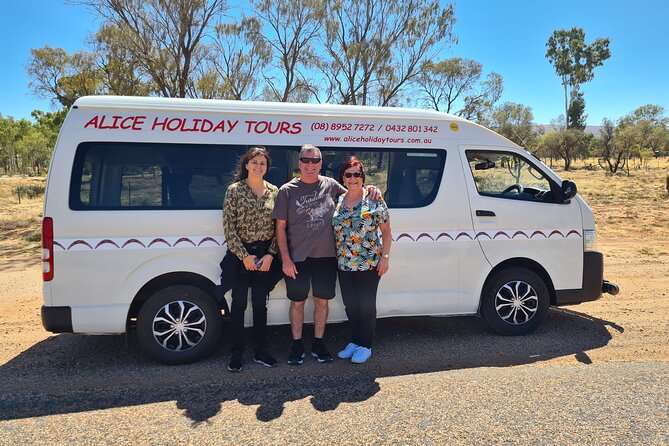
“Glamping” gets used a lot in travel marketing, so I’ll translate it into how it likely feels on the ground.
Expect a setup that’s nicer than sleeping on the ground with nothing but a mat, but not the same as a hotel room. Some nights can include fans and power; other feedback mentions fewer comforts on the second night depending on camp conditions. That’s outback life: the environment sets the rules.
The big theme from the trip experience is effort. You’ll be up early, you’ll hike, you’ll eat, and you might help with things like meal prep and cleanup. One of the best parts of the trip atmosphere is the camp camaraderie—people wind down around the fire and you start sharing laughs with your group.
The tradeoff is sleep. Even when the accommodation is comfortable enough, the early starts plus heat (some departures report 41–43°C conditions) can make rest harder than you’d expect.
Value Check: Is $713.66 Worth It?
To judge value, don’t just look at the headline price. Look at what’s included:
- Transport from Alice Springs by coach for the full loop
- Multiple guided hikes across Uluru, Kata Tjuta, and Kings Canyon
- Cultural time at the Cultural Centre and Maruku Arts
- Meals during the camp days
- Accommodation on a glamping-style camping setup inside the park area
If you tried to DIY this without a guide, you’d still be paying for transport, entry fees, and likely a campsite booking—plus you’d spend time figuring out timing for sunrise and sunset (the part that really matters here).
Where value can wobble is when comfort expectations don’t match reality. The best approach is to treat this as an outdoor adventure with camp comforts, not as a luxury stay. If you do that, the price starts to make more sense.
Also, plan for “big day hunger.” Most people report ample food, but a few mention portions felt tight at particular meals. That’s an easy fix—pack a couple of snack bars so you can top up without waiting for the next service.
Who This Tour Fits Best (and Who Might Struggle)
This tour is best for people who:
- Are okay with early mornings (5:40am meeting time)
- Enjoy hiking and can handle uneven ground
- Want both iconic sights and real culture stops
- Are comfortable with basic-to-moderate camping conditions
It may be a rough match if:
- You’re older and heat-sensitive (extreme temperatures can be a dealbreaker)
- You hate the idea of helping with camp setup and cleanup
- You need steady, hotel-level bathroom and shower conditions
One small-group note matters: with max 23, the trip can feel more personal and organized, and it’s easier for guides to manage pacing. Guides like Ty, Mishka, and Renée were highlighted for keeping people at ease and staying on schedule, even when the day runs long.
Should You Book This 3-Day Uluru, Kata Tjuta and Kings Canyon Safari?
I’d book it if you want the Red Centre’s “greatest hits” with the right timing—especially Uluru at sunrise, plus a serious hike at Kings Canyon. The combo of hikes and cultural context gives you more than a checklist.
I’d hesitate if your top priority is comfort and quiet nights. This is an outback camping safari, and the details of facilities and power can vary. Heat is also real, and the walking is part of the experience, not just optional sightseeing.
My best advice: if you’re going, go prepared. Bring a headlamp, solid shoes, a hat, electrolytes, and a small snack stash. Then treat the early mornings and camp work as part of the fun.
If that sounds like your style, you’ll leave with a head full of Red Centre moments—and the kind of sunrise memory you don’t forget.
FAQ
What is the meeting point for this tour?
The tour meets at Alice Springs Hotel, 11 Leichhardt Terrace, Alice Springs NT 0870.
What time does the tour start?
The start time is 5:40am.
How long is the tour?
It runs for about 3 days.
How many people are on the tour?
The maximum group size is 23 travelers.
What kind of fitness level is needed?
The tour requires a moderate physical fitness level.
Is pickup from Alice Springs included?
Pickup is offered, and the tour starts near public transportation.
What’s included with the ticket?
Some stops list admissions as included, including Uluru sunrise and sunset blocks, Maruku Arts, and the Kings Canyon/Wattarrka National Park portion. Other stops list admission as free, such as Kata Tjuta and the Uluru-Kata Tjuta Cultural Centre.
Is this accommodation more like camping or a hotel?
It’s described as glamping-style accommodation. Expect basic outdoor-camping elements rather than hotel comfort.
Can I cancel for a refund?
You can cancel up to 6 days in advance for a full refund. You can also receive a 50% refund if you cancel 2–6 days before the experience’s start time, and there’s no refund if you cancel less than 2 days before.
How soon will I get confirmation after booking?
Confirmation is received within 48 hours of booking, subject to availability.