REVIEW · ULURU
Uluru, Kata Tjuta and Kings Canyon Camping Safari from Ayers Rock
Book on Viator →Operated by Adventure Tours Australia · Bookable on Viator
Sunset and sunrise happen back-to-back. This 3-day Red Center camping safari is built around the big three—Uluru, Kata Tjuta, and Kings Canyon—so you don’t just visit, you actually learn the place as you walk. I like that the guide manages the details and keeps you moving to the right viewpoints, and I also like the way the itinerary folds in culture through real stops, plus dining under the stars.
The main thing to consider is that the schedule can feel early and the desert can get brutal. Expect heat during major walks, and do be aware that camping conditions can vary, including some reports about campsite hygiene.
In This Review
- Key Points Worth Knowing
- Why This Camping Safari Feels Different Than Day Tours
- Pickup, Group Size, and the Real Pace
- Day 1: Kata Tjuta Domes and an Uluru Sunset That Sets the Tone
- Day 2: Uluru Sunrise, Cultural Centre Stops, and Maruku Arts
- Watarrka National Park at Night: Camping Where the Views Carry On
- Day 3: Kings Canyon Rim Walk, Garden of Eden, and North and South Walls
- Food, Camping Comfort, and What Most Meals Actually Means
- Price and Value: Is $713.66 per Person Worth It?
- Who This Safari Suits Best (And Who Might Want Another Option)
- Quick Booking Tips Before You Commit
- Should You Book This Uluru, Kata Tjuta and Kings Canyon Camping Safari?
- FAQ
- What is the duration of this Uluru, Kata Tjuta and Kings Canyon camping safari?
- Does the tour include pickup and where does it drop you off?
- How many travelers are in the group?
- How physically demanding are the walks?
- What meals are included?
- Can I get a refund if I cancel?
Key Points Worth Knowing
- Small-group feel (max 20 travelers): easier conversations with your guide, and a smoother pace.
- Uluru at both ends of the day: sunset snacks on day 1 and a sunrise base walk on day 2.
- Kata Tjuta hike in the afternoon: you get a real feel for the 36 domes, not just a quick photo stop.
- Culture stops included: Uluru-Kata Tjuta Cultural Centre and a Maruku Arts interpretive walk.
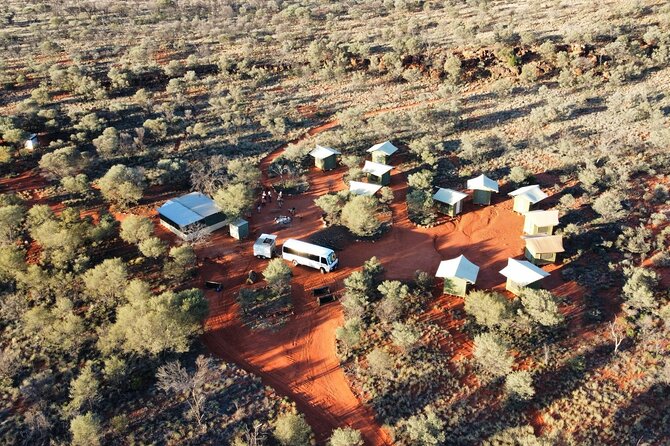
- Camping in Watarrka National Park: you sleep where the scenery is part of the experience.
- Value in guided logistics: pickups, ticketing for key entries, and meals handled for you most of the time.
Why This Camping Safari Feels Different Than Day Tours
Most Uluru tours feel like a highlight reel. This one is different because you’re moving through the Red Center on foot across multiple days, then sleeping out in the desert country afterward. That extra time changes your sense of place.
You’re also not just watching rocks. You get a guided approach to the culture and way of life of the Outback, with specific cultural stops during the trip. It’s a nice match for people who want meaning, not just mileage.
And yes, the star-dining part matters. Even with basic camping comfort, eating outside under the night sky turns into one of those moments you remember later.
Pickup, Group Size, and the Real Pace
You start from Ayers Rock Resort (170 Yulara Dr, Yulara), with a start time of 1:00 pm. The tour includes pickup, and you end with drop-off at select Alice Springs hotels between 5:30 and 6:30 pm on day 3.
The group is limited to a maximum of 20 travelers, which is a big deal in the Red Center. Smaller groups mean less waiting around and more time with your guide when questions come up.
Fitness-wise, the tour lists moderate physical fitness. The walks can be longer than they sound on paper, especially when heat hits. One detailed account mentioned a 10 km Uluru base walk and around a 9 km Kings Canyon rim walk, so plan for real walking days.
Day 1: Kata Tjuta Domes and an Uluru Sunset That Sets the Tone
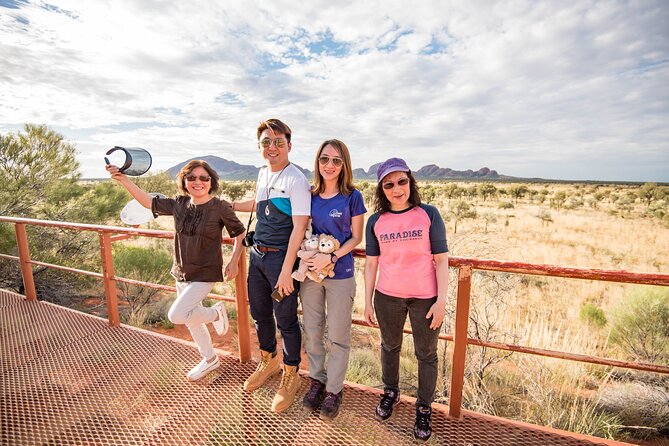
Day 1 starts in Uluru-Kata Tjuta National Park with Kata Tjuta. You’ll spend about 2 hours on an afternoon hike, and the point here isn’t speed. You’re learning how the 36 different domes shape the views, the air, and the feel of the terrain.
This is a smart sequencing choice. Kata Tjuta is less about one iconic photo and more about how the place changes as you move. The afternoon timing also helps you arrive when the light is still workable for walking.
Then you head to Uluru as evening begins. You get about an hour of downtime built around sunset colors over the rock, paired with snacks. It’s a gentle start after hiking, and it helps you understand why people keep coming back.
Day 2: Uluru Sunrise, Cultural Centre Stops, and Maruku Arts
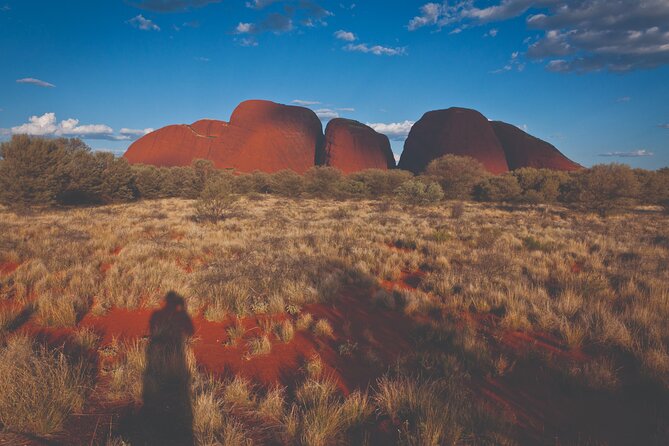
Day 2 is where the trip really locks into place: sunrise at Uluru. You’ll get about 4 hours here, and the routine is early because it’s worth it—cooler morning air, and the chance to walk the base with the rock in softer light.
After that, you move into daytime culture stops rather than jumping straight back to scenery. The Uluru-Kata Tjuta Cultural Centre gives you about 30 minutes to look at First Peoples of Australia art and crafts. If you’re the kind of traveler who likes context before you buy souvenirs, this stop is useful.
Next comes Maruku Arts. This is a 30-minute interpretive cultural walk with an Aboriginal and Torres Strait Islander guide, with included entry. It’s not just a lecture in a room. It’s framed as an on-the-ground way to interpret the area.
One practical tip from people who did the early pace: bring layers for morning cool-down, then expect to shed them fast. If the day jumps from crisp to hot quickly, you’ll be ready.
Watarrka National Park at Night: Camping Where the Views Carry On
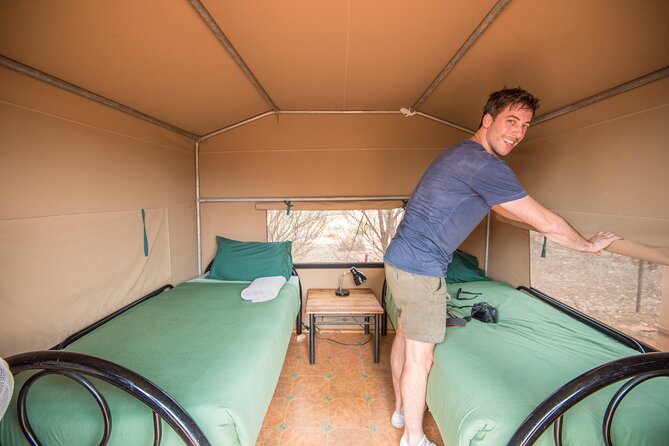
On day 2, you travel to Watarrka National Park and then to the campsite. The plan is to eat and sleep within the park area, with about 12 hours allocated to the overnight part of the schedule.
There’s a big difference between camping as a footnote and camping as part of the experience. Because you’re in the park after the walking, you get a sense of the Red Center continuing after the day tours stop.
Comfort reality check: this is camping. One strong positive note from a 5-star experience highlighted that sleeping in tents at camp sites added flavor to the whole safari. Another, much less positive note flagged problems with campsite cleanliness, including bathroom and shower conditions.
So here’s the balanced take: I’d expect basic facilities, and I would come prepared to handle them. Also, if hygiene matters most to you, it’s worth asking what you should expect at the campsites before you book.
Day 3: Kings Canyon Rim Walk, Garden of Eden, and North and South Walls
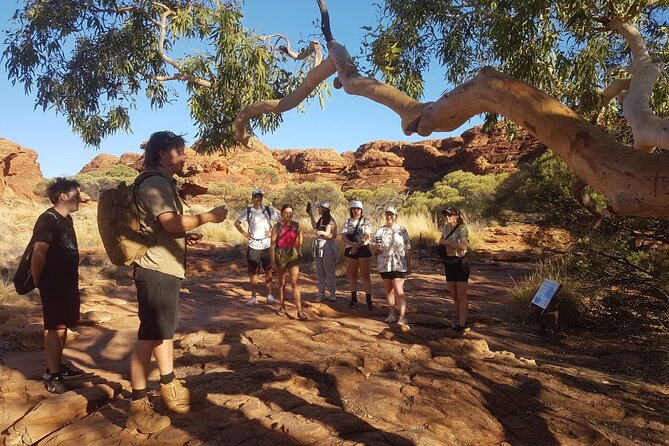
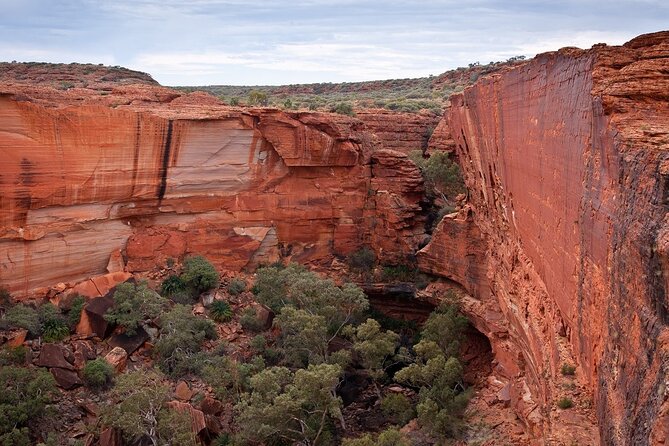
Day 3 focuses on Kings Canyon in Watarrka National Park, with about 4 hours on the main walk. The canyon is enclosed by sheer rock walls, and this is one of those places where your brain keeps trying to scale it and fails.
You’ll cover key named sections during the experience, including the amphitheatre, the Garden of Eden, and the North and South walls. There’s also mention of the Lost City, which fits the idea of this walk being more like a sequence of dramatic viewpoints than one straight hike.
This is your payoff day for the earlier mornings. By day 3, you’ve already learned the rhythm of the Red Center, so the canyon feels less like a random stop and more like the next chapter.
The downside? Kings Canyon walks can be heat-and-gravity heavy. Plan for sweat management and pacing. If you’re someone who hates early starts, this is the day that forces the issue.
Food, Camping Comfort, and What Most Meals Actually Means
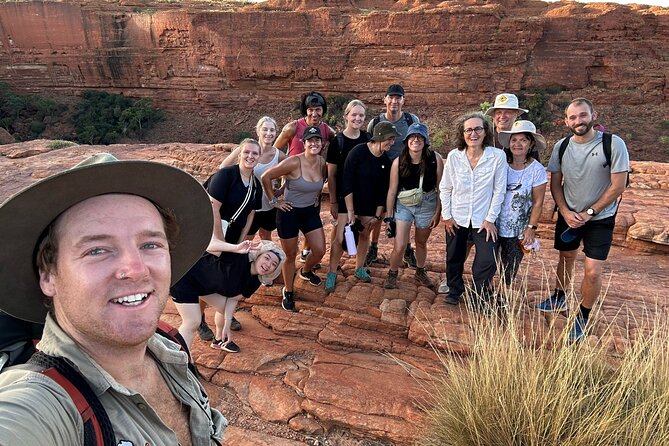
The tour includes most meals, plus snacks at the Uluru sunset. You’ll also dine under the stars, which is one of those things that sounds touristy until you’re sitting in the dark sky with the Red Center around you.
Because the meal plan isn’t fully broken out, treat it as a partial package rather than a strict “every breakfast is included” promise. Still, the fact that meals are built into the schedule is a real convenience on a road trip where everything is spread out.
Camping comfort can be the swing factor in desert tours. One comment praised the tent camping setup as part of the adventure. Another flagged unsanitary conditions at two camp sites, including bathrooms and showers.
My practical advice: if you book, assume camping is basic, and pack accordingly for your own comfort needs. And if you care about cleanliness, don’t hesitate to ask your operator what camp facilities are like day to day.
Price and Value: Is $713.66 per Person Worth It?
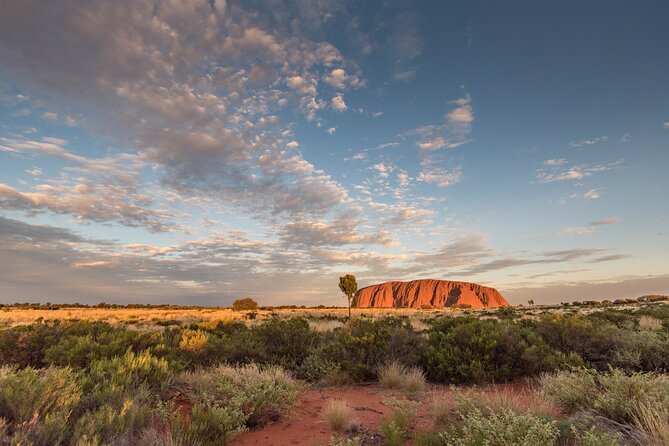
At $713.66 per person, this isn’t a “cheap and quick” option. But it’s also not just transport plus photos.
You’re paying for a guided three-day circuit that covers:
- Guided visits to Uluru and Kata Tjuta at key times (including sunrise and sunset)
- Cultural stops such as the Uluru-Kata Tjuta Cultural Centre and Maruku Arts
- Sleeping across two nights with camping built into the itinerary
- Most meals and starry outdoor dining
- A small group experience (max 20)
There’s also ticket value baked in. Some entries are included (like Uluru sunset and sunrise time blocks, and the Kings Canyon day), while others are listed as free for you (like the Kata Tjuta hike block and the Cultural Centre time window). Either way, the tour removes a lot of decision fatigue—your guide handles the “what now” moments.
The best value angle is time. Instead of spending your days coordinating separate tickets, you get an organized route across the three must-sees. If you want the calm confidence of someone else setting the schedule, the price starts to make sense.
Who This Safari Suits Best (And Who Might Want Another Option)
This is a great fit if you want:
- Guided walks across Uluru, Kata Tjuta, and Kings Canyon, not just viewpoints
- Culture context from the people and places involved in the story of the area
- A small-group trip with a guide who manages the flow
- Camping that feels like part of the adventure, not a forced inconvenience
It’s less ideal if you:
- Dislike early mornings and long walking days
- Need consistently high camping cleanliness standards
- Are uncomfortable with the practical realities of desert camping
One more note from a name that popped up in feedback: a guide named Wayne was specifically appreciated for timing walks well, including during extreme heat (one account mentioned around 41°C). That’s a good reminder: your success here is strongly tied to how well the guide manages pace and weather.
Quick Booking Tips Before You Commit
If you book, read the schedule with your body in mind. Sunrise at Uluru means you should plan for an early day even if the trip starts in the afternoon on day 1. Kings Canyon is typically the longer, more demanding walk.
Also, confirm what’s included for your meal expectations and what role (if any) is expected from the group at camp. The tour description says your guide manages everything, but at least one unhappy experience complained about having to help with food tasks and food transport. You don’t need to assume it’s required every day, but you do want clarity.
Finally, check what “moderate fitness” means for you personally. If you know you struggle with 8–10 km days, you might find Kings Canyon tough even with a guide pacing the group.
Should You Book This Uluru, Kata Tjuta and Kings Canyon Camping Safari?
I’d book it if you want the Red Center as an experience, not a checklist. The combination of sunrise/sunset timing, culture stops, and sleeping inside the national park area is exactly the kind of structure that helps you get more than photos.
I wouldn’t book it blindly if camping cleanliness is a deal-breaker. The trip can be amazing, but the camping setup can also be hit-or-miss depending on conditions. If you’re sensitive to that, ask pointed questions before you go.
Overall, if you’re comfortable with early mornings, warm weather, and real walking, this is a strong value for a guided 3-day Red Center circuit that covers the big attractions in one organized sweep.
FAQ
What is the duration of this Uluru, Kata Tjuta and Kings Canyon camping safari?
It runs for 3 days (about 2 nights), with guided activities across Uluru, Kata Tjuta, and Kings Canyon.
Does the tour include pickup and where does it drop you off?
Pickup is offered from Ayers Rock Resort. On day 3, drop-off is at select Alice Springs hotels between 5:30 and 6:30 pm.
How many travelers are in the group?
The tour has a maximum of 20 travelers.
How physically demanding are the walks?
The tour lists a moderate physical fitness level. The itinerary includes base walking at Uluru and Kings Canyon walks, with some participants reporting long-distance hiking days, especially when temperatures are very high.
What meals are included?
Most meals are included, and you’ll also have snacks at Uluru sunset plus a dining-under-the-stars experience.
Can I get a refund if I cancel?
Yes. You can cancel up to 6 days in advance for a full refund. If you cancel 2–6 days before, you get a 50% refund. Less than 2 days before start time is not refunded.