REVIEW · JACKSON
Grand Teton Wildlife Safari Tour
Book on Viator →Operated by Jackson Hole Wildlife Safaris · Bookable on Viator
Big wildlife energy, with smart timing. This full-day Grand Teton safari pairs an experienced naturalist guide with max 8 guests per vehicle and classic roadside viewpoints, so you’re not stuck in a long bus line just hoping for a sighting. Guides like Jeff are the kind who stay on top of what’s moving, then get you into the right spots with UHD binoculars and spotting scopes.
I also like how the day is built as a series of short, purposeful stops—think Mormon Row, Jenny Lake, Oxbow Bend—so you get both education and photo time without feeling rushed. One thing to plan for: wildlife is never on a schedule, and some stops can shift based on weather and road conditions, so your day might feel calm and patient even when you’re in the best country for spotting animals.
In This Review
- Quick hits for Grand Teton wildlife seekers
- A Grand Teton day built around sightings, not just sightseeing
- Price and value: what $305 really buys you in the Tetons
- Pickup timing in Jackson Hole: plan for an early start
- What’s included: breakfast, lunch, binoculars, and real guide time
- Mormon Row and the Craig Thomas Center: quick stops with useful context
- Jenny Lake: where a 30-minute stop can still pay off
- Signal Mountain Summit Road and Oxbow Bend: photo-friendly viewpoints with wildlife potential
- Moose Wilson Road and Antelope Flats Road: the safari feel kicks in
- Grand Teton National Park and Jackson Lake: flexible endgame time
- How sightings really happen: patience, guide coordination, and smart watching
- Weather, comfort, and making the most of an 8-hour day
- Who this tour is best for—and who should pick something else
- Should you book this Grand Teton Wildlife Safari Tour?
- FAQ
- How much does the Grand Teton Wildlife Safari Tour cost?
- How long is the tour?
- Does the tour include national park entrance fees?
- What’s included during the tour?
- Do you offer hotel pickup and drop-off in Jackson Hole?
- How many people are in each tour vehicle?
- What is the cancellation and weather policy?
Quick hits for Grand Teton wildlife seekers
- Small group touring (max 8 per vehicle) means more eyes on the landscape and easier conversations with your naturalist guide
- UHD binoculars and spotting scopes are included, so you’re not relying on guesswork or tiny phone zoom
- Breakfast, lunch, snacks, and bottled water keep you fueled during a full day out
- Guides coordinate sightings so the group can move toward active animal areas when conditions allow
- Multiple classic Grand Teton viewing stops plus flexible additions depending on weather and roads
- Hotel or lodging pickup and drop-off covers most Jackson and Teton Village locations, so you can focus on the morning drive
A Grand Teton day built around sightings, not just sightseeing
This is the kind of tour where the goal is simple: help you see wildlife in the Tetons’ natural environment, while still getting the scenery people come here for. The small group size (8 guests per vehicle) matters. It keeps the day from turning into a chaotic caravan and makes it easier to stop for a distant animal without losing half the group.
Your guide’s job isn’t only to point. It’s to read the day. They watch for animal movement, then choose where you’ll spend your next chunk of time. In the real world, that’s often the difference between catching sight of something for five seconds and getting a proper look through binoculars.
Also, you’re not doing this solo in a rental car trying to interpret pull-offs from a map app. You’re driven to the action points, then given context on what you’re looking at. If you love photos, this format helps you keep your camera ready instead of thinking about parking and logistics.
You can also read our reviews of more tours and experiences in Jackson.
- Grand Teton Wildlife Safari in a Enclosed or Open-Air Vehicle (season dependent)
★ 5.0 · 1,212 reviews
Price and value: what $305 really buys you in the Tetons
At $305 per person for about 8 hours, this is not a budget excursion. But the value math gets pretty clear when you look at what’s folded in.
You’re paying for:
- a professional naturalist guide
- hotel pickup and drop-off
- breakfast, lunch, snacks, and bottled water
- UHD binoculars and spotting scopes
- a controlled group size (max 8 guests per vehicle)
When you subtract food and a self-drive day’s worth of fuel and paid parking (plus the cost of trying to piece together viewpoints on your own), it starts to look more like a guided field day than a “just drive around” tour. And based on how people describe their experience with guides like Chaney, Abbie, Aidan, David, and Scott, the guide factor is a big part of what you’re actually buying.
One note: national park entrance fees are not included. So if you’re comparing options, make sure you’re not double-counting what you’ll pay separately.
Pickup timing in Jackson Hole: plan for an early start
If you’re choosing this tour, you should expect an early morning. The reason is straightforward: wildlife activity tends to be higher before the crowds and heat build up.
Pickup time depends on where you’re staying and the date. For Jackson Hole:
- May 1 to Sep 14: roughly 6:15 AM for Teton Village locations, 6:30 AM for Aspens/Amano-like areas (as listed), and 6:45 AM for the Town of Jackson
- Sep 15 to Oct 31: roughly 7:00 AM for Teton Village locations, 7:15 AM for Aspens-area hotels, and 7:30 AM for Town of Jackson
You also get practical follow-up: your exact pickup time is set based on your lodging, and you’ll be notified ahead of departure. You’ll want to provide your hotel or private residence location when you book, because the driver’s route depends on it.
If you hate mornings, I’ll be honest: this one will wake you up. But if you want wildlife, you’re already halfway there once you’re parked with your binoculars in your hands.
What’s included: breakfast, lunch, binoculars, and real guide time
This safari is unusually complete for an 8-hour day. You start with a light breakfast, then you’re covered with lunch, snacks, and bottled water. That matters in a place where you don’t want to burn time hunting for food or cutting your wildlife time short.
The gear is also a real upgrade. You get UHD binoculars and spotting scopes. If you’ve ever tried to spot an animal at distance with phone zoom only to discover you’re basically looking at a pixelated rumor, you’ll appreciate this immediately. The scopes especially help when the animal is far but still visible.
And then there’s the human part: the day is run by a professional naturalist guide. People often mention how guides stay on top of the day and answer questions, and you can feel that in the way stops are explained. Even short stops are guided, not just parking lots with a microphone.
Mormon Row and the Craig Thomas Center: quick stops with useful context
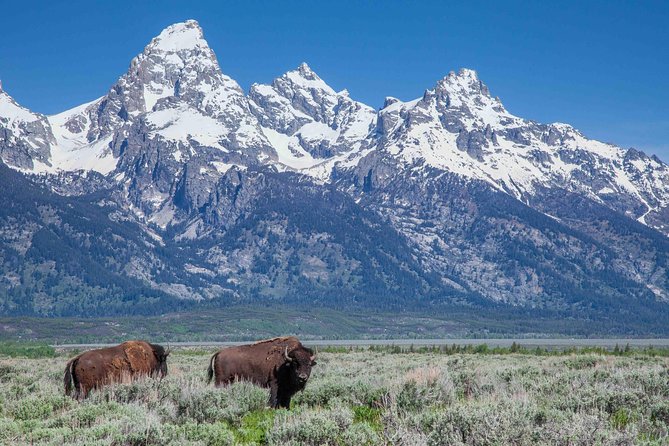
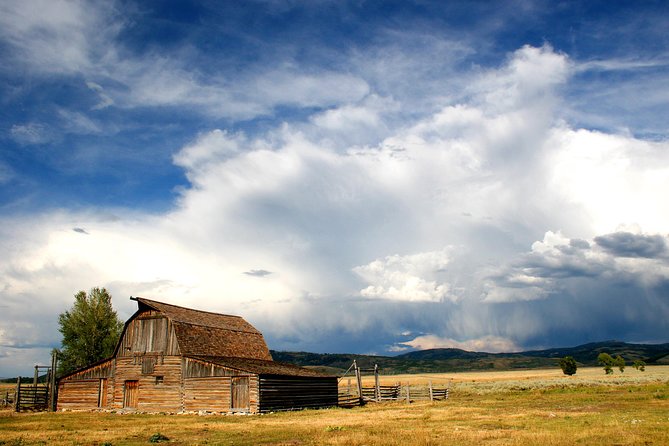
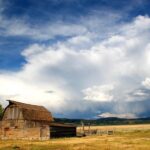
Your day starts with classic Tetons territory: Mormon Row Historic District. You spend about 30 minutes here, and the stop includes a guide explanation tied to historical or geological significance. Even if you’ve seen photos of the barns here, it’s worth slowing down for the “why this place looks the way it does.”
Then you move to Craig Thomas Discovery & Visitor Center in Moose for another 30 minutes. Again, your guide explains the significance of the location, and this stop is also marked as free of admission ticket requirements. This is the kind of stop that’s great for helping you get your bearings fast: you’ll leave understanding how the park and region connect beyond just “pretty mountains and wildlife.”
A key benefit of keeping these stops relatively short: your day stays flexible. If the guide gets word of activity somewhere else, you’re not tied up for an hour-long museum detour.
Jenny Lake: where a 30-minute stop can still pay off
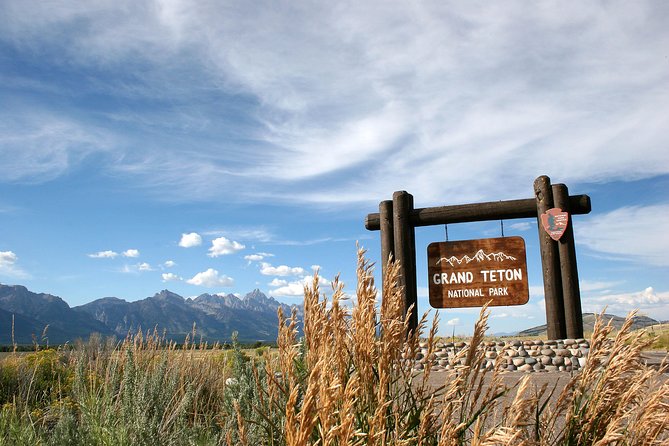
Next up is Jenny Lake, another 30-minute guided stop. Jenny Lake is one of those places where the scenery can be jaw-dropping, but the real value here is how your guide uses the time. You’re not just staring across water and guessing whether anything is moving. You’re given context that helps you read the area.
This stop is also a reminder that wildlife viewing often means watching the edges, not only the open center. Animals can appear where you least expect them: along the treeline, near water access, or in the distance where motion is easier to spot than body shape.
If you’re the type who loves photos, Jenny Lake is a good place to practice steady observation. Let the light do its job, then be ready when something moves.
Signal Mountain Summit Road and Oxbow Bend: photo-friendly viewpoints with wildlife potential
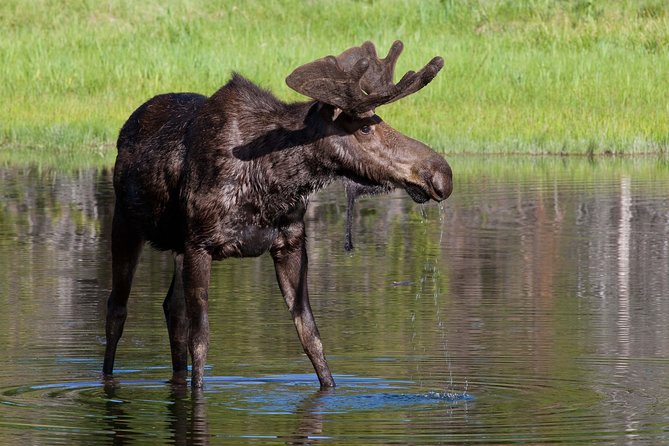
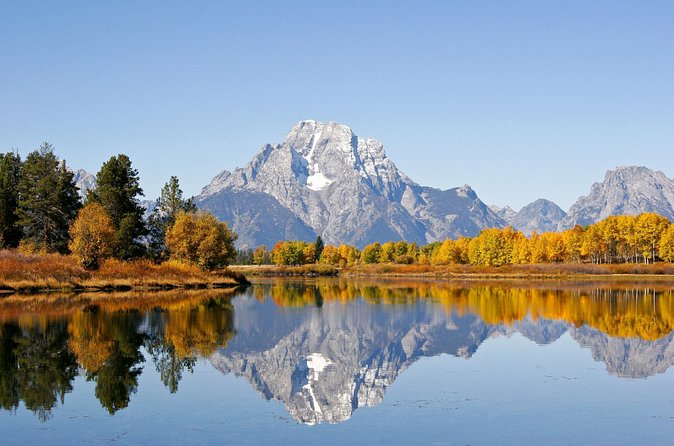
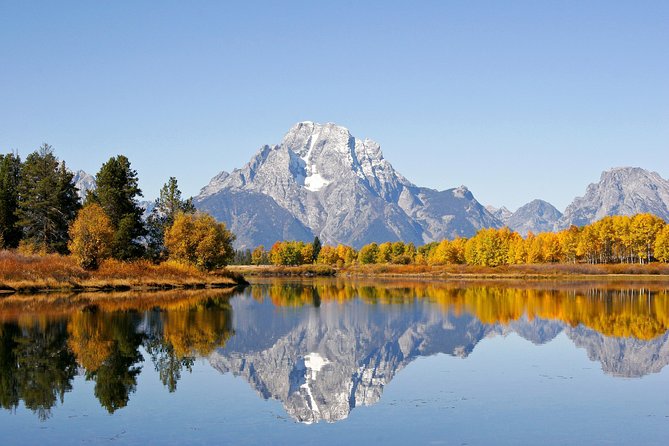
Two of the most talked-about roadside segments here are Signal Mountain Summit Road and Oxbow Bend. Each gets about 30 minutes, and both are guided stops with historical or geological explanations.
Why these stops work:
- They put you in positions where you can see broad areas, so wildlife doesn’t have to be right next to the road to matter.
- They create rhythm for your day. You get a set viewpoint, a guided explanation, and time to look—then you move.
For Oxbow Bend, you’ll likely feel the advantage of the binoculars right away. Even if animals aren’t immediately present, the scope helps you scan without constantly changing your position.
One practical tip: treat these stops like mini photo sessions. Keep your gear ready. If the guide says to watch a certain line of sight, do it immediately. Wildlife doesn’t pause so you can find your lens cap.
Moose Wilson Road and Antelope Flats Road: the safari feel kicks in
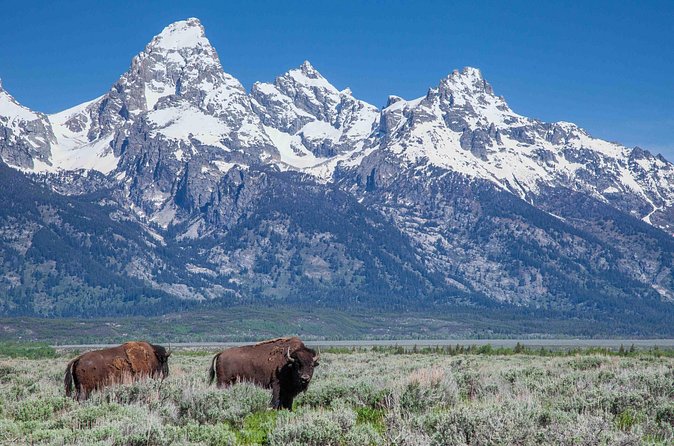
As you head toward Moose Wilson Road and potentially Antelope Flats Road, the tour starts to feel more like a true safari. These stops are dependent on road and weather conditions, and on what the guide thinks fits the group’s interests.
That flexibility is not a gimmick. In wildlife country, conditions change fast. Wind, cloud cover, road access, and animal movement all affect where you’ll get the best results that day. When a stop is optional, it’s usually because the guide wants to prioritize live activity over a guaranteed viewpoint.
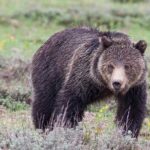
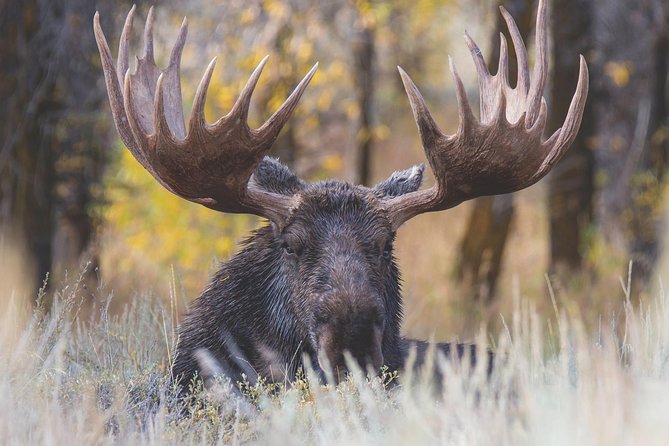
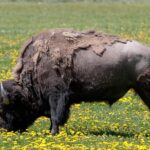
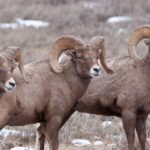
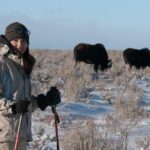
If your group is lucky, this is where you can get close encounters with the kind of animals that make the Tetons famous: moose, elk, bison, and other big forms that are easier to spot when you’re watching patiently. In past experiences, people describe early-morning sightings and a strong run of animal encounters, including a memorable bison/pronghorn moment and even grizzlies in the wild for at least one group.
Remember: you can’t control wildlife. You can control whether you’re ready.
Grand Teton National Park and Jackson Lake: flexible endgame time
Toward the later part of the day, the tour includes potential stops at Grand Teton National Park and Jackson Lake, again each about 30 minutes, and again marked as dependent on conditions and group needs.
This is the part I’d watch in your planning. Since these stops aren’t guaranteed every day, your schedule should feel less like a checklist and more like a living plan. The guide aims to keep you in the right places when conditions line up—especially when animal activity is being reported or when roads open up.
Jackson Lake also gives you a strong scenic payoff if you get the timing right. One detail that really stood out in past experiences: lunch has been set up with care, including reports of tablecloth and cloth napkins beside the lake. That’s not something you should count on every day, but it does show the tour takes comfort seriously, not just logistics.
How sightings really happen: patience, guide coordination, and smart watching
Here’s the truth most first-time wildlife visitors need to hear: animals are not on your itinerary. You’re in their habitat, and they set the pace.
What helps you get more from the day is how the guide works. Guides coordinate sightings with one another and share where animals are active. That means when you arrive somewhere, the guide isn’t guessing from a static map—they’re responding to what’s happening.
Your role is simpler than it sounds:
- Stay quiet and observant during stops
- Use binoculars quickly instead of staring with your eyes only
- Follow the guide’s cue on where to look
- Give the animal a few minutes, even if it seems far
If you do that, you’ll almost always feel like the day has momentum—even on slower stretches. And even when you don’t see everything, you’ll still likely come away with great photos and a real sense of place.
Weather, comfort, and making the most of an 8-hour day
This safari needs good weather. If conditions are poor and the tour is canceled for weather reasons, you’ll be offered a different date or a full refund.
Since you’re out for about 8 hours, dress like you’re planning for changes. Mountain weather can shift. Bring layers and something you can move in. Comfortable shoes help because you’ll spend your time watching rather than bouncing between car doors.
Also, because the day includes lunch and snacks, you can keep your energy steady without needing to buy anything midday. That reduces the chance you’ll rush or cut your viewing time short just because you’re hungry.
If you want the best wildlife odds, try to arrive ready for an active morning. Then enjoy the rest of the day as a guided mix of viewing, learning, and photos.
Who this tour is best for—and who should pick something else
This tour is ideal if you want:
- a guided wildlife day with real viewing gear
- an easier plan with pickup and drop-off
- short, meaningful stops that don’t swallow your whole day
It’s also a good match for couples or friends who like structured flexibility. The max group size keeps it intimate, and the guide can tailor the route when road and conditions allow.
There’s a minimum age of 8 for wildlife safaris. If you’re traveling with kids, this can work well because the stops are frequent and you’re not stuck in one long viewing spot.
If you’re the kind of person who needs guaranteed wildlife like a theme park, you may feel frustrated. The right expectation helps here: you’re booking a guided hunt for opportunities, not a promise of specific animals.
Should you book this Grand Teton Wildlife Safari Tour?
Book it if you want a high-comfort way to experience Grand Teton wildlife without doing the math and driving yourself all day. The combination of hotel pickup, full-day food, and UHD binoculars and spotting scopes makes it feel like a guided day outdoors, not a compromise.
You should also consider it if you care about learning. The guided stops at places like Mormon Row and the Craig Thomas Discovery & Visitor Center turn photo stops into understanding stops, even when the time on each location is short.
Don’t book it expecting a guaranteed animal checklist. If wildlife is your top priority, show up early, dress for the day, and let the guide’s judgment steer you. If you do that, this is the kind of safari that can feel like it’s paying you back in views, moments, and great photos.
FAQ
How much does the Grand Teton Wildlife Safari Tour cost?
It costs $305.00 per person.
How long is the tour?
The tour runs about 8 hours.
Does the tour include national park entrance fees?
No. National park entrance fees are not included.
What’s included during the tour?
The tour includes a light breakfast, lunch, snacks, bottled water, a professional naturalist guide, UHD binoculars and spotting scopes, and hotel or lodging pickup and drop-off.
Do you offer hotel pickup and drop-off in Jackson Hole?
Yes. The tour offers pickup and return to your lodging. Pickup is available at hotels, condos, and private residences in Jackson and Teton Village, and your exact pickup time is determined by your location.
How many people are in each tour vehicle?
The tour is a small group with a maximum of 8 guests per vehicle.
What is the cancellation and weather policy?
You can cancel for free up to 24 hours in advance for a full refund. The experience requires good weather; if it’s canceled due to poor weather, you’ll be offered a different date or a full refund.
You Might Also Enjoy
More Tour Reviews in Jackson
- Grand Teton Wildlife Safari in a Enclosed or Open-Air Vehicle (season dependent)
★ 5.0 · 1,212 reviews
Not for you? Here's more nearby things to do in Jackson we have reviewed
- Grand Teton Wildlife Safari in a Enclosed or Open-Air Vehicle (season dependent)
★ 5.0 · 1,212 reviews