REVIEW · WELLINGTON
Wellington: Half Day Seal Coast Safari
Book on GetYourGuide →Operated by Wanderlust Tourism · Bookable on GetYourGuide
There’s a small-team safari feel in Wellington. You get picked up in a 4WD Mercedes van, whisked from the city into native bush, over private farmland, and down to sea level to watch New Zealand fur seals on Tongue Point. It’s a half day that mixes real conservation stories with some big-scenery driving.
I really like two things here. First is Otari-Wilton’s Bush: a 100-hectare slice of forest plus a botanical garden for native plants, including a skybridge where your guide points out birds and plant survival stories you’d never notice on your own. Second is the seal time: you don’t just see wildlife from a distant viewpoint. You walk a rocky, sandy track to a beach colony and stay at a safe distance while your guide explains why these animals are thriving again. Guides I’ve heard shine (like Sarah, Grant, Chewy, Gina, Andy, and Hamish) all seem to turn the whole trip into something you can talk about afterward.
One consideration: you’re on an off-road route. The bumpy farm tracks and windy coastal roads can shake you a bit, even though walking is minimal. If you’re sensitive to motion or cold, bring warm layers and plan to stay flexible with weather-driven route tweaks.
In This Review
- Key Highlights Worth Your Time
- Otari-Wilton’s Bush: From City Pick-Up to the Native Forest Canopy
- Terawhiti Station: Private Farmland Access and the Cook Strait Views
- Project West Wind Ridgeline Roads: Why Wellington Is Called Windy Welly
- The Leaning Karori Rock Lighthouse and the Descent to Tongue Point
- Fur Seals at Tongue Point: What You’ll Actually See
- Timing, Weather, and the Off-Road Comfort Reality (210 Minutes Total)
- Value for $116: Why This Half Day Costs What It Costs
- Who Should Book This Safari (and Who Should Skip It)
- Should You Book the Wellington Half Day Seal Coast Safari?
- FAQ
- How long is the Wellington Half Day Seal Coast Safari?
- Is pickup available?
- How many people are in each group?
- Do I need to walk a lot?
- What kind of vehicle is used?
- Are seals guaranteed?
- What should I bring?
- Is it accessible for wheelchair users?
- What’s the cancellation and payment approach?
Key Highlights Worth Your Time
- Otari-Wilton’s Bush skybridge views plus native-plant context
- Private access through Terawhiti Station with farm-country scenery
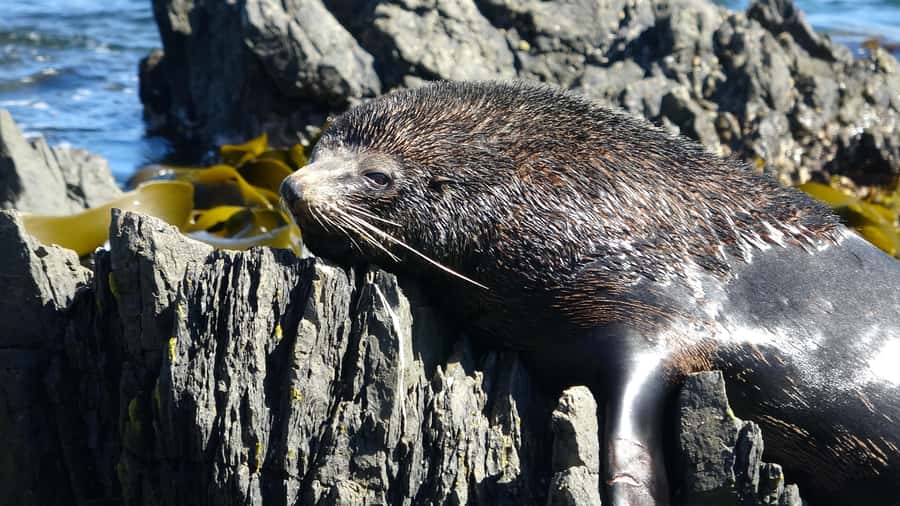
- Tongue Point fur seal viewing from the beach at a safe distance
- Wellington’s wind farm story via Project West Wind ridgeline roads
- Slim, small-group setup (max 10 people) so you don’t feel rushed
- On-the-ground conservation talk tied to kiwi and seal recovery efforts
Otari-Wilton’s Bush: From City Pick-Up to the Native Forest Canopy
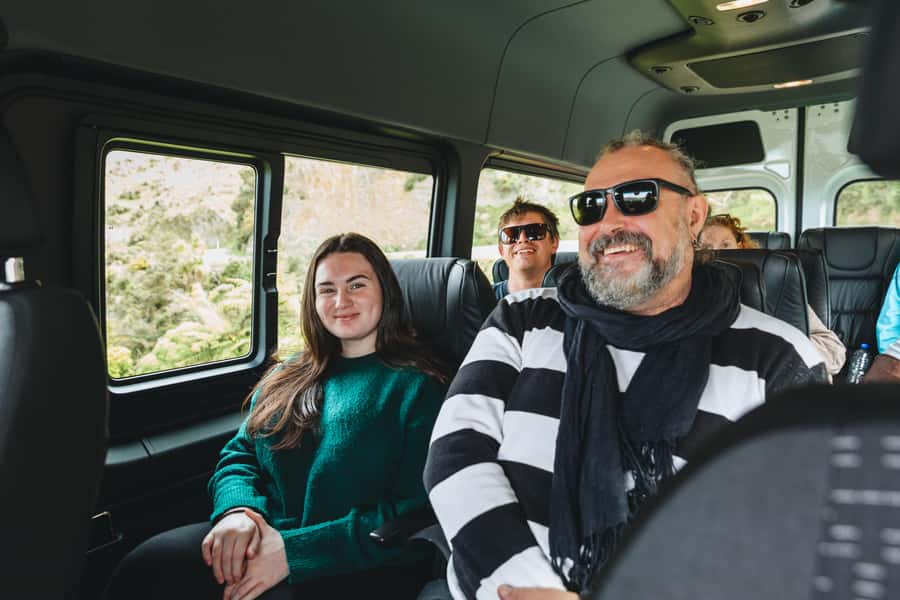
The tour starts in central Wellington, and the first win is convenience. You’re picked up around the city (and cruise-ship port if that’s your situation) and then placed in an exclusive 4WD Mercedes van. That matters because you’re not cobbling together bus stops and rental cars; you’re heading straight out into the kind of terrain Wellington visitors usually miss.
Otari-Wilton’s Bush is where the trip earns its “nature” badge. This area is 100 hectares of ancient and regenerating forest, and it also runs New Zealand’s only botanical garden dedicated solely to native plants. You start among real forest structure, not just landscaped paths, and then you move to the skybridge. That’s a big deal for a short half day: it gives you elevated canopy views while your guide connects what you’re seeing to how native species survived and adapted.
You’ll likely hear about native birds that used to be scarce in the Wellington region just a few decades ago. Tui, Kaka, Kakariki, Kereru are mentioned as regular sightings, with Karearea sometimes possible. This is one of those moments where the tour makes you pay attention: birds sound different up in the canopy, and your guide’s pointing-out makes the whole forest feel smaller, closer, and more alive.
Practical note: you don’t need heavy hiking gear here. Comfortable shoes are enough, and the walking stays modest. Still, you’re in outdoors territory, so wear layers. Wellington weather can change its mind quickly, even when the plan stays the same.
You can also read our reviews of more tours and experiences in Wellington.
Terawhiti Station: Private Farmland Access and the Cook Strait Views
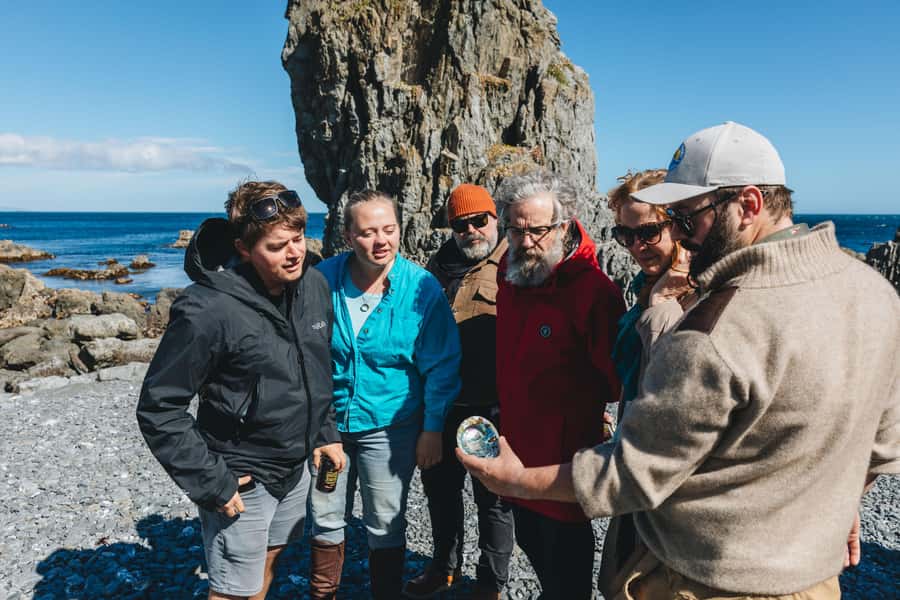
After Otari, the van turns south. This is where the tour stops being “nice sightseeing” and becomes a real experience—because you’re using private access through Terawhiti Station, one of the oldest and largest stations in New Zealand.
On the drive up and around the property, you may see sheep, cows, and goats. That’s not just window dressing. Seeing working farmland right up close helps you understand why this coastal country is managed the way it is—practical, resource-based, and shaped by wind, slope, and salt air. Plus, your guide can layer in Wellington’s human story alongside the ecology.
Then you get the big payoff: views across the Cook Strait, with the South Island and the Kaikoura Ranges on the horizon. Even if you’re not a landscape photography person, these viewpoints reset your brain. Wellington is compact, and the city can make the region feel small. Up here, it stops being a city trip and starts feeling like you’re part of a larger, wild geography.
There’s also a kiwi element tied to the Capital Kiwi project, which has reintroduced wild Kiwi about 100 years after they were last seen and heard in these hills. The tour doesn’t promise a kiwi sighting at every stop, but it does give you the context: why the reintroduction matters, and how conservation can reconnect animals to places they once abandoned.
Project West Wind Ridgeline Roads: Why Wellington Is Called Windy Welly
Next comes a section that surprises people who only think of Wellington as arts and harbors. You’ll follow a ridgeline road created for Project West Wind, a wind farm that generates enough electricity to power all the houses in the Wellington region.
This stop works because your guide links two worlds that usually stay separate in visitors’ heads: farming and energy. The tour frames it as a collaboration essential for keeping the station running in harsh conditions. You also learn how infrastructure decisions shape daily life in windy country.
What I like about this part is the tone. It’s not a lecture for its own sake. It feels like practical storytelling—why the road exists, why the turbines matter, and why the wind is more than just a nuisance. It also helps connect the trip’s theme: survival. Seals and kiwi need recovery plans; farms need reliable power; the region needs adaptation.
If you’re the type who enjoys getting the “how does this place work?” angle rather than just checking boxes, this section is a strong reason to pick this safari over a generic sightseeing loop.
The Leaning Karori Rock Lighthouse and the Descent to Tongue Point
As the tour heads toward sea level, you’ll see Karori rock lighthouse—more commonly known as the leaning lighthouse. It’s one of the easiest things to picture as an icon once you spot it, and it’s a fun moment because it breaks the usual Wellington skyline feel.
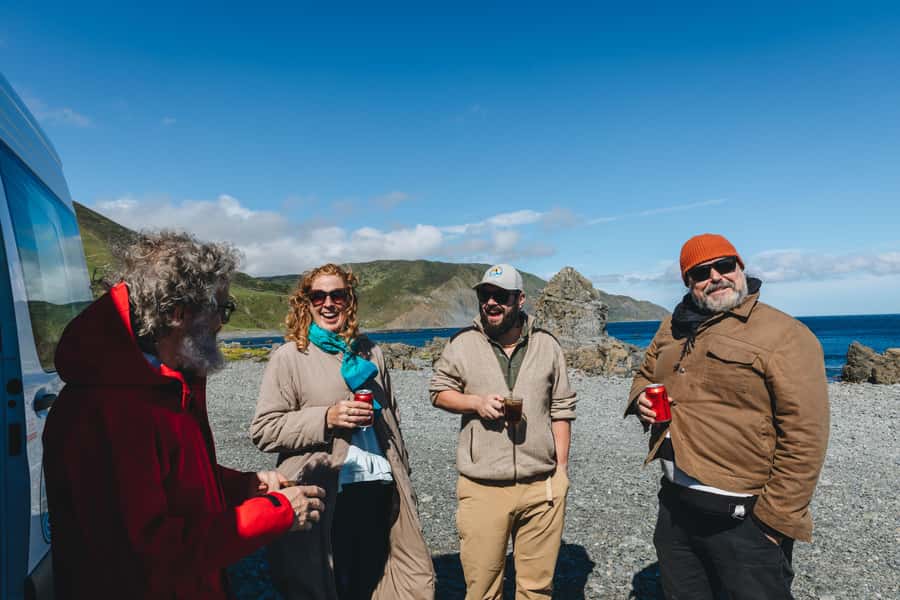
Then you descend to the coast and traverse a rocky, sandy track toward Tongue Point. This part is short, but it’s real walking. The tour keeps it manageable, and minimal walking is built into the format, yet you’ll still want shoes with grip.
You also get those coastal “in between” details that make this tour feel authentic: the scale change as the land drops toward the water, the salt-air feel, and the guide’s background talk as you approach the seal colony area. Even the ferry crossing view can be part of the atmosphere, with the water acting like a moving screen behind the wildlife.
Fur Seals at Tongue Point: What You’ll Actually See
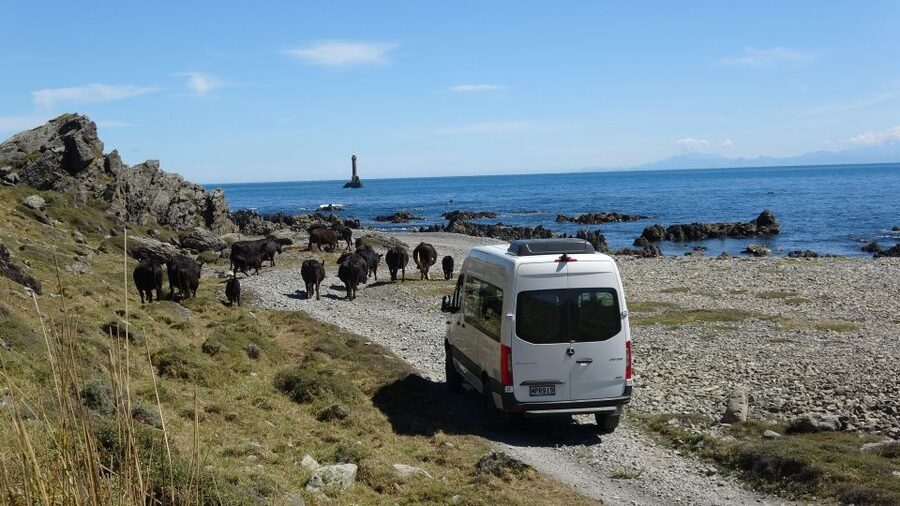
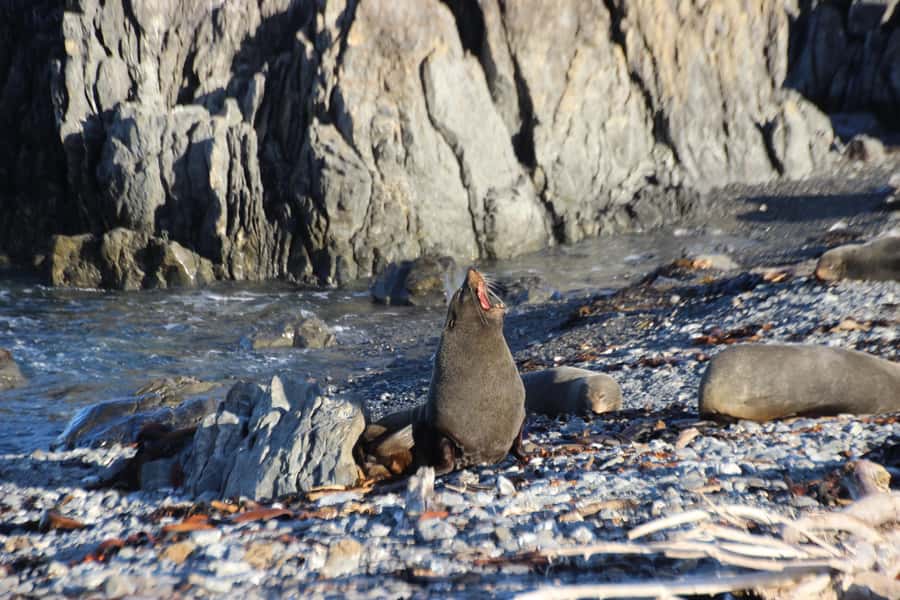
This is the main event: New Zealand fur seals in their natural habitat. You’ll wander the beach to observe them as they sunbathe, play, and swim. The key here is how close you get without crossing the line. The tour emphasizes staying at a safe distance for the seals’ safety and your own.
From what I’ve picked up from guide-led experiences, the viewing often feels intimate. One guest noted photographing seals from roughly 10 to 15 metres away. That’s a useful mental benchmark. It usually means you can capture expressions and movement without crowding animals or turning it into a stressful zoo scene.
Your guide talks about history, ecology, and conservation—how these animals declined and how their numbers have flourished again. That conservation framing matters because seals aren’t just cute. They’re part of a living coastal system, and the tour gives you the “why it matters” piece that lets you remember this as something more than a selfie stop.
Light refreshments are included during the beach time. In some weather or timing conditions, you might find the guide adds warm drinks while you wait for the best moments. Either way, it’s smart to bring a camera you actually like using. Seal activity can change quickly: one minute they’re loafing, the next they’re in motion.
Timing, Weather, and the Off-Road Comfort Reality (210 Minutes Total)
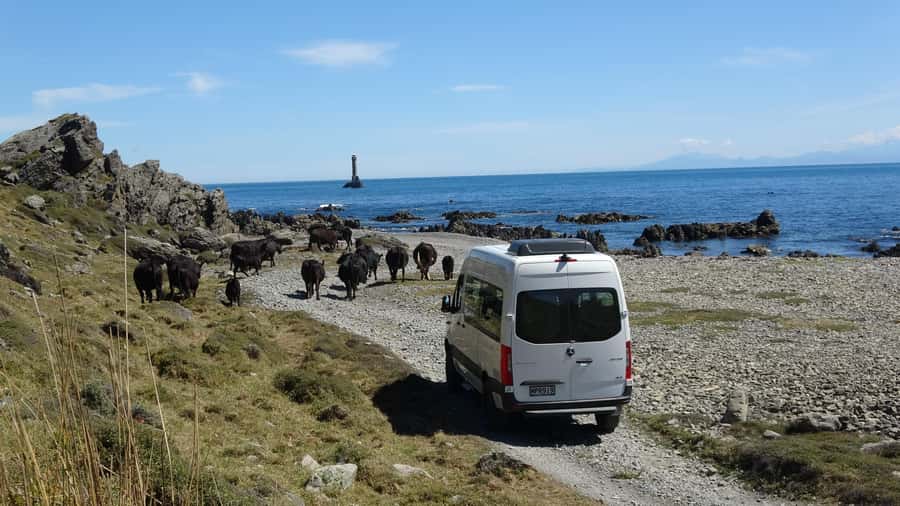
The whole experience clocks in at about 210 minutes—so, just over three hours. That’s long enough to feel like you left Wellington, but short enough that you won’t lose your whole day to transport.
Safari runs in all weather, and route changes can happen based on conditions. This is one of those tours where the guide’s judgment matters, especially on windy roads and rougher tracks. The good news: you’re in a vehicle designed for this kind of terrain, and many guests highlight that they felt safe with the driving.
The bumpy part is real, though. Reviews mention being shaken about a bit. Plan for that. If you get motion sick, consider sitting where you feel most stable in the van and bring any remedy you rely on.
What to bring is straightforward:
- Comfortable shoes for the rocky, sandy track
- Warm clothing for wind and sea-level chill
- Sunscreen and sunglasses (coastal glare is no joke)
- Camera and a lens that can handle wildlife at beach distance
Minimal walking is built in, but you’re still outside in Wellington. I’d dress as if the wind could interrupt your plans.
Value for $116: Why This Half Day Costs What It Costs
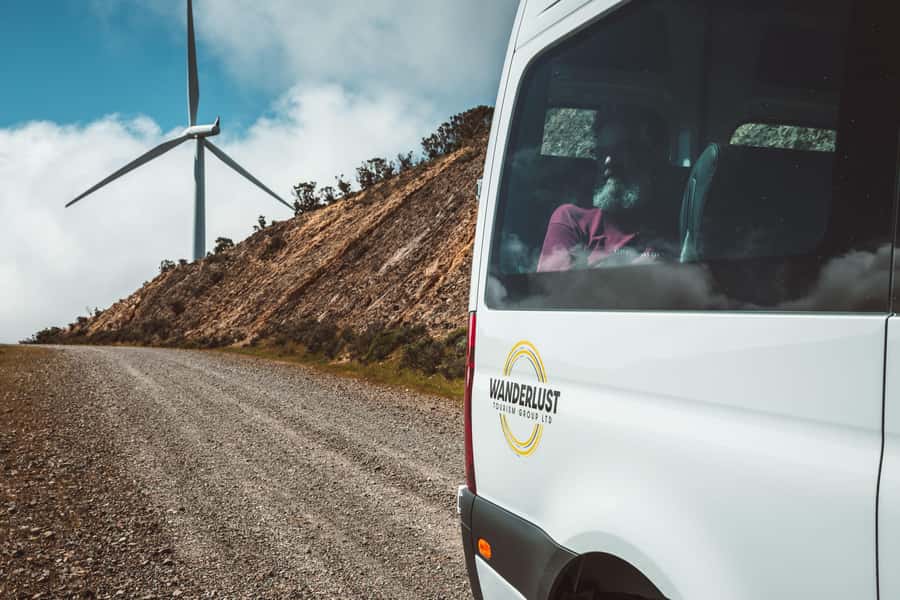
Let’s talk money, because $116 per person can feel steep until you add up what’s included and what’s hard to DIY.
You’re paying for:
- 4WD transport in a small group (limited to 10 people)
- Pickup and drop-off from central Wellington spots or directly from the cruise terminal
- Private access through farmland you can’t simply wander into
- Guided interpretation across three different ecosystems: native forest, working station/farmland, and coastal seal habitat
- Light refreshments during the beach section
A self-drive version might be possible, but it usually falls apart on two points: private property access and the interpretation. Most people also underestimate how much coordination it takes to go from city to skybridge to private station roads to the seal track in one smooth half day. Here, the tour handles the sequencing.
Some guests have said it’s pricey, yet many still concluded it was worth it for the personal, close-to-nature access. When you’re only in Wellington briefly, paying for a tight route with knowledgeable storytelling can be a smart shortcut.
Bottom line: if you want seals plus serious scenery with zero car stress, it’s good value. If you only want a quick photo from a public lookout, you could likely do it cheaper on your own.
Who Should Book This Safari (and Who Should Skip It)
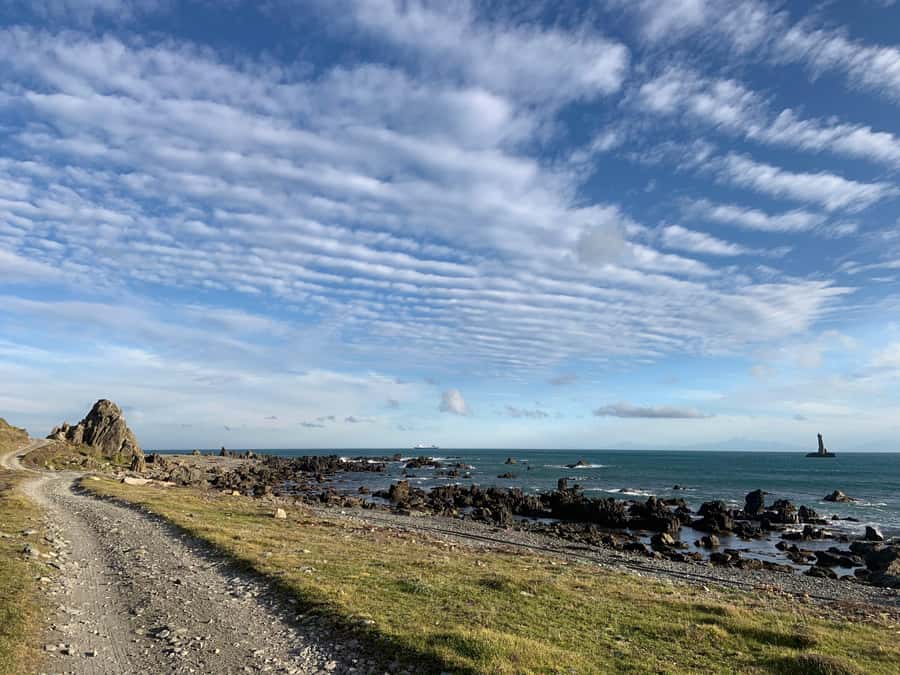
This tour fits best if you:
- Want to see fur seals without renting a car
- Like native plants and birdlife, not just animals-as-entertainment
- Prefer small groups (max 10) over big buses
- Enjoy guides who connect local history, Maori references, ecology, and how the region functions
- Are visiting Wellington for the first time and want access to places many people never reach
You might want to skip it if:
- You need wheelchair access. The tour specifies it’s not suitable for wheelchair users.
- You can’t handle uneven terrain or don’t do well with road vibration.
It’s also a great fit for cruise passengers. Pick-up options are built around the cruise ship port, and the half-day timing keeps it practical.
Should You Book the Wellington Half Day Seal Coast Safari?
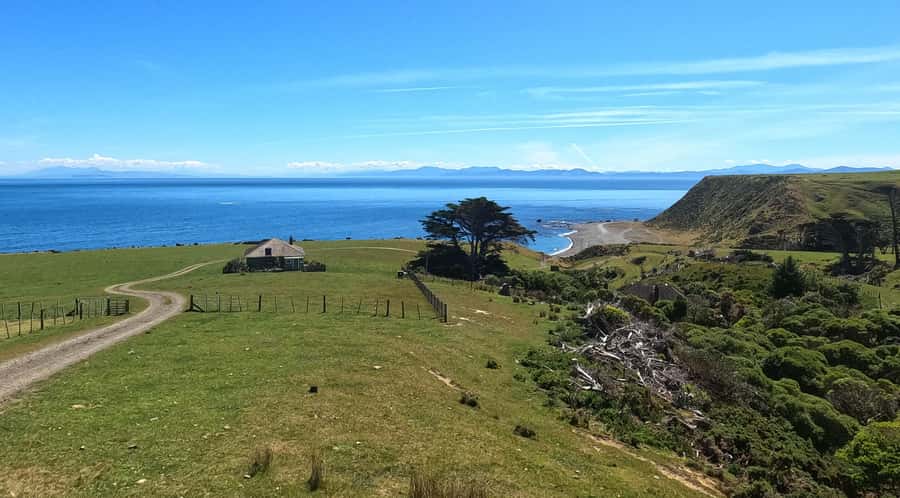
If you’re choosing between doing seals on your own and booking a guided safari, I’d lean toward booking this. The mix is unusual: Otari-Wilton’s Bush with its skybridge canopy views, private Terawhiti Station farmland access, a wind farm ridgeline stop, and then Tongue Point at sea level for fur seals.
My advice for getting the most out of it:
- Dress for wind and chill. Even in better weather, sea-level air feels sharper.
- Bring your camera and plan to slow down. The best seal moments often arrive after you’ve stopped rushing.
- Ask your guide questions. This is the kind of trip where the answers make the scenery stick.
If you want a short, high-impact half day that feels like Wellington’s real edge of land and sea, this one is an easy “yes.”
FAQ
How long is the Wellington Half Day Seal Coast Safari?
It runs for about 210 minutes, which is a bit over three hours.
Is pickup available?
Yes. Pickup is included from central city locations and also from the cruise ship port. You’ll need to choose the correct pickup option when booking.
How many people are in each group?
The group is small, limited to 10 participants.
Do I need to walk a lot?
No. The tour includes minimal walking, but you will traverse a rocky, sandy track when moving toward the seal area.
What kind of vehicle is used?
You travel in a 4WD Mercedes van with a live English-speaking guide.
Are seals guaranteed?
The tour takes you to the seal colony at Tongue Point and lets you observe the fur seals in their natural habitat, but wildlife sightings depend on conditions.
What should I bring?
Bring comfortable shoes, a camera, sunscreen, sunglasses, and warm clothing.
Is it accessible for wheelchair users?
No. The tour is not suitable for wheelchair users.
What’s the cancellation and payment approach?
Free cancellation is available up to 24 hours in advance for a full refund. You can also reserve now and pay later.