REVIEW · NORTH CENTRAL PROVINCE
Wilpattu National park – Morning or Afternoon Safari
Book on GetYourGuide →Operated by Tiger Safaris · Bookable on GetYourGuide
One wildlife morning can be a coin flip in the best way. A Wilpattu safari with Tiger Safaris is built around chasing leopards and other big animals across scrub, plains, and lake areas, with an experienced guide steering the day.
I especially like how the tour includes complimentary pickup and drop-off from several locations near Wilpattu, so you spend less time figuring out logistics. I also like the promise of guided driving in spacious 44 safari jeeps, with a small max passenger setup that keeps things calmer than the usual chaos.
The main drawback is simple: your sighting luck, and the quality of the driving setup on the day, can vary a lot. If you end up stuck in a noisy vehicle convoy or a long route with little wildlife, the day can feel more like transport than an actual safari.
In This Review
- Quick Hit Points: What You Should Know Before You Go
- Wilpattu Safari Reality Check: Price, Timing, and What You’re Actually Buying
- Getting In and Out: Pickup, Drop-Off, and the Pace of the Day
- Inside Wilpattu: The Habitat Mix Your Guide Will Work With
- Kudiramale Point, Pomparippu, and the Villu Areas: Why Those Names Matter
- Jeeps and Group Size: Comfort Helps, But It Won’t Guarantee the Sighting
- Morning vs Afternoon Safari: Picking the Timing That Fits Your Day
- Wildlife Expectations: Leopards, Elephants, Sloth Bears, and the In-Between Animals
- Photos and Viewing: How to Get Better Shots Without Rushing Your Guide
- What Can Go Wrong: Vehicle Convoys, Long Days, and Missed Highlights
- The Best Fit: Who This Safari Works For
- Should You Book This Wilpattu Safari with Tiger Safaris?
- FAQ
- How long is the Wilpattu National Park safari?
- Is pickup and drop-off included?
- What vehicle is used during the safari?
- Are national park entry tickets included in the price?
- Is a guide included, and what language do they speak?
- What should I bring, and what’s not allowed?
- Who is this safari not suitable for?
Quick Hit Points: What You Should Know Before You Go
- Pickup and drop-off are included in the Wilpattu area, with multiple drop locations after the safari.
- 44 safari jeeps are designed for comfort, aiming for a small group feel (up to 6 passengers in a jeep).
- The route targets key wildlife zones like Kudiramale Point, Pomparippu, and the Villu areas.
- Your guide matters: the experience depends on how they navigate rugged tracks and time the stops.
- Bring your own snacks or water mindset: food and drinks are not included.
- Park entry is extra (about $37), so the final cost is higher than the $30 safari price.
Wilpattu Safari Reality Check: Price, Timing, and What You’re Actually Buying
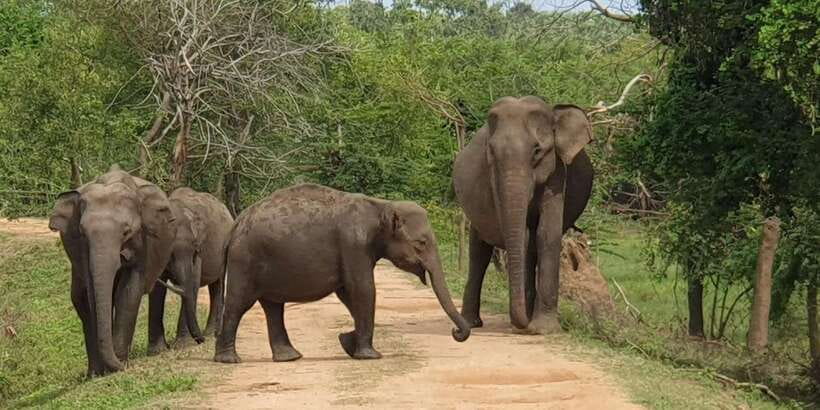
Tiger Safaris’ Wilpattu safari is priced at $30 per person and runs anywhere from 4 to 10 hours, depending on the selected option and starting time. That wide time range matters. It means you’re not just paying for a fixed ride—you’re paying for guided searching, and the day can stretch when the park roads and animal activity don’t cooperate.
Then there’s the part that catches people off guard: national park entry tickets are not included, and they’re listed at about $37. On top of that, food and drinks are not included, so your day can turn into a budget surprise if you show up hungry. If you’re comparing value, the real number is the safari price plus entry tickets plus whatever you bring or buy for snacks and water.
I like that the tour has practical flexibility: it’s offered as a morning or afternoon safari, and the plan includes things like sunrise/sunset timing and scenic stops. Just don’t assume it’s a quick outing. For longer-distance pick-ups, expect it to feel like a full outing more than a half-day.
Getting In and Out: Pickup, Drop-Off, and the Pace of the Day
The tour starts with complimentary pickup from the Wilpattu area, and you’re told to wait in the hotel lobby about 10 minutes before your scheduled time. That’s small, but it helps. You’re not wandering around trying to find a truck in the heat.
After the safari, the drop-off options listed include several locations, including Anuradhapura and Nochchiyagama, plus others like Negombo and Sinharagama and Wilpattu-related points. If you’re coming from farther away (for example, Negombo or Colombo), you should treat this as a day trip with real driving time. One common disappointment is when people expect a short, focused safari and instead get a long travel day with minimal wildlife.
My practical advice: if you’re booking for a tight schedule, give yourself breathing room afterward. If the safari runs long, you won’t want to be sprinting to meet another plan.
Inside Wilpattu: The Habitat Mix Your Guide Will Work With
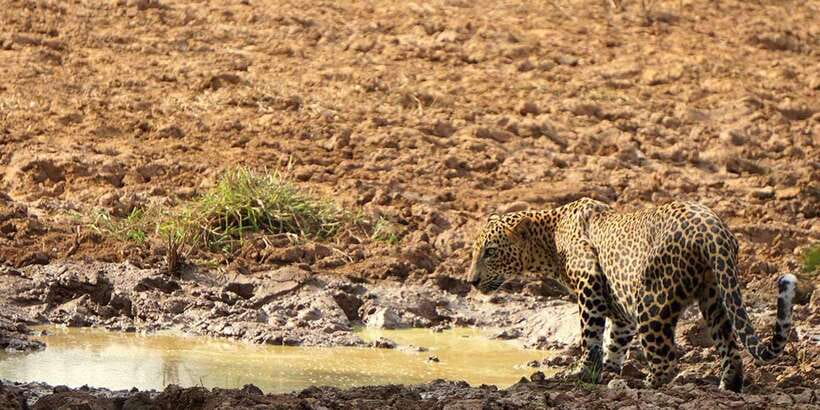
Wilpattu National Park is known in the tour description for dense scrublands, open grassy plains, and lakes. That variety matters because it changes where animals can be. A good guide doesn’t just drive randomly—they adjust the route to match what the habitat is offering that day.
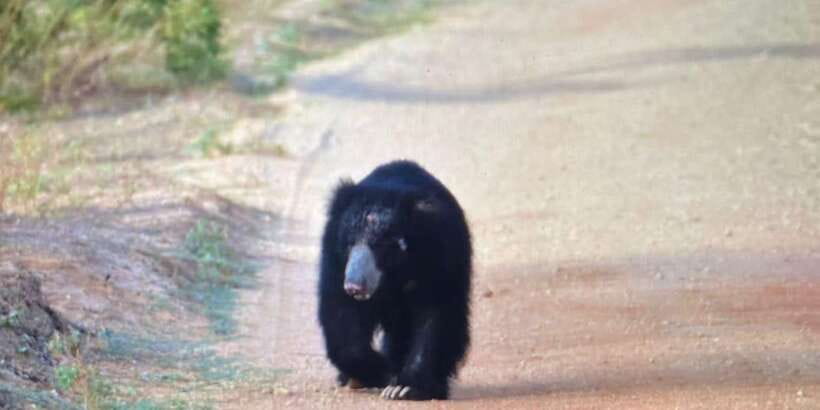
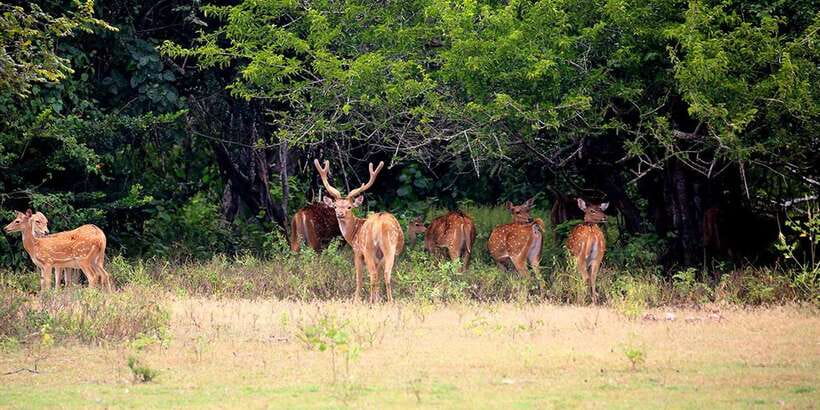
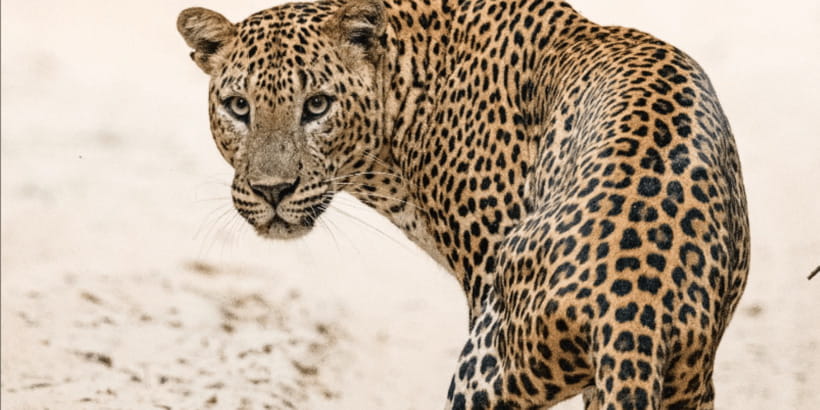
This tour is set up to aim for the park’s famous animals: leopards are a big focus. Along with that, you may encounter elephants, sloth bears, spotted deer, and a variety of birds. The tour also references rugged terrain and hidden trails, meaning you’re not meant to just sit and hope.
The itinerary portion inside the park includes a guided tour and sightseeing, plus a photo stop and scenic views on the way. There’s also mention of sunrise and sunset, which signals that your exact feel will depend on whether you choose the morning or afternoon timing. In other words: the same park, two different vibes.
Kudiramale Point, Pomparippu, and the Villu Areas: Why Those Names Matter
The tour description highlights specific places inside Wilpattu: Kudiramale Point, Pomparippu, and the Villu areas. You don’t need to memorize them like a quiz. But knowing they exist helps you set expectations.
These are the kinds of spots where guides often try to position the jeep for visibility and animal movement. If you care about wildlife photography (and most people do), these named areas are likely where you’ll spend your viewing time rather than just passing through.
The most honest way to think about it: you’re not paying for a guaranteed leopard. You’re paying for a guided route that tries to line up the best odds across these zones.
Jeeps and Group Size: Comfort Helps, But It Won’t Guarantee the Sighting
You’ll ride in a spacious 44 safari jeep, with a maximum of 6 passengers for a jeep setup and the promise of a more luxurious, comfortable feel. That’s a meaningful difference. Smaller capacity usually means less jostling, easier movement for taking photos, and fewer people blocking your view when an animal finally shows up.
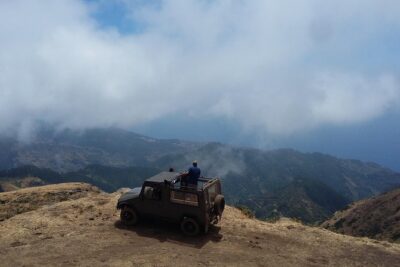
That said, the safari experience still depends on what’s happening in the park on your day. In dense wildlife viewing areas, even with a good jeep setup, you can run into vehicle congestion. When the experience becomes noisy or chaotic, it affects more than comfort—it affects your attention and your ability to spot movement.
If you’re sensitive to bumps, jerks, or rough roads, this tour says it’s not suitable for people with back problems. For everyone else, the best strategy is simple: wear comfortable clothes, expect uneven terrain, and keep your camera ready but steady.
Morning vs Afternoon Safari: Picking the Timing That Fits Your Day
This tour is sold as a morning or afternoon safari, and the plan text references both sunrise and sunset in the in-park portion. That’s your cue that timing isn’t cosmetic. It changes how your guide plans stops and how the day unfolds.
I suggest choosing based on two practical factors:
- Energy and patience for a full outing: a morning option can feel like you start earlier and finish later; an afternoon option can end with less day pressure depending on your pickup location.
- Photography and viewing mood: you’ll likely prefer one lighting style over the other, and the tour’s mention of sunrise/sunset aligns with that.
Just remember: wildlife doesn’t follow a schedule you control. The best choice is the one that matches your tolerance for time and the kind of day you want to spend driving and waiting.
Wildlife Expectations: Leopards, Elephants, Sloth Bears, and the In-Between Animals
Let’s talk about what you should realistically hope to see. This safari is designed around a strong wildlife theme:
- Leopards are a headline target.
- Elephants can appear.
- Sloth bears are mentioned as part of the aim.
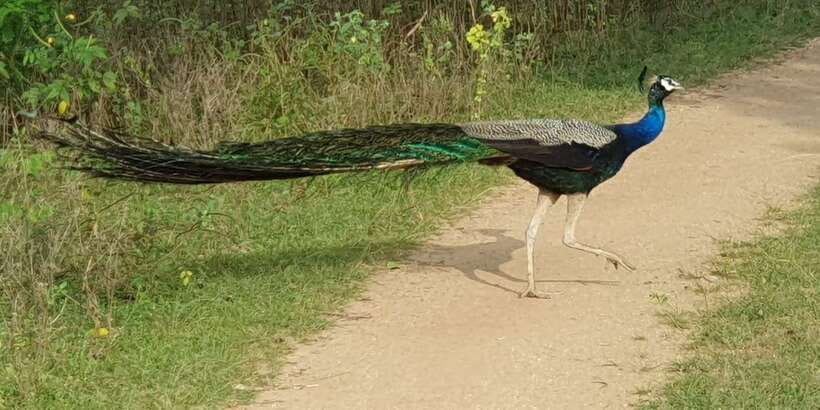
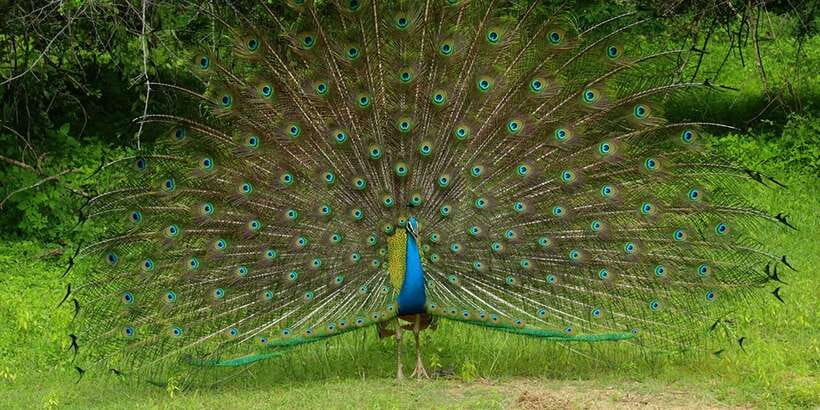
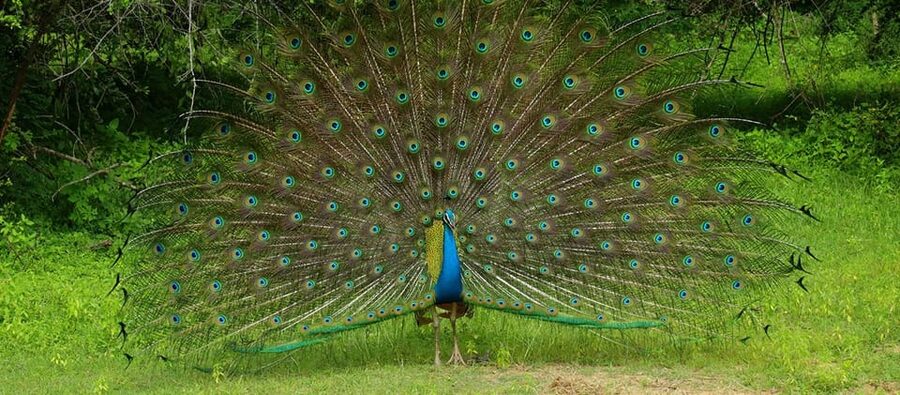
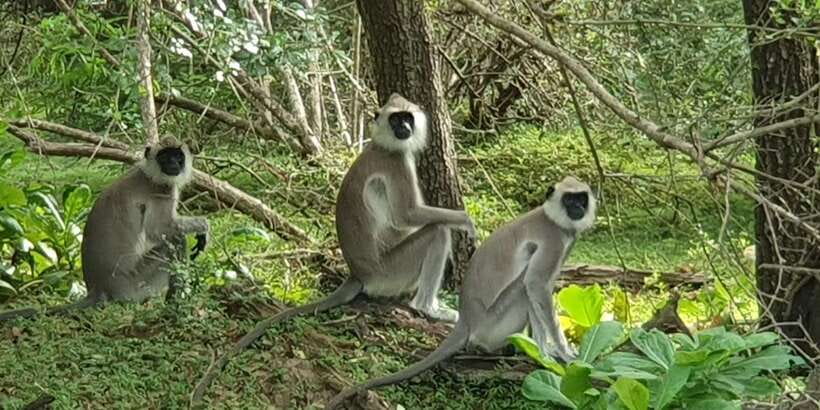
- You might also see deer and monitor lizards, plus lots of birds.
Here’s the thing I want you to take seriously: wildlife safari quality is not only about the animal species list. It’s about how much time you spend in productive viewing pockets and how well the guide can read movement and terrain.
On some days, your best sightings may be smaller animals and birds. On other days, you’ll get your moment with a larger mammal. The tour’s value comes from guided effort across different habitats, not from a promise that a specific animal will definitely appear.
Photos and Viewing: How to Get Better Shots Without Rushing Your Guide

The experience includes a photo stop and the idea that you can take pictures during the safari. That’s useful, but it helps to understand the reality of jeep viewing.
You’ll likely be doing most of your photos from moving or stopping positions, with the guide navigating rugged track and positioning for sightlines. To get better results:
- Keep your camera settings ready before the sighting happens.
- Use bursts calmly, not frantically.
- Watch the guide and the direction of travel—often the key is where they decide to stop.
And when sightings are brief, being in a smaller jeep setup (up to 6) helps. You’re less likely to have multiple people trying to stand up or stretch across the same space.
What Can Go Wrong: Vehicle Convoys, Long Days, and Missed Highlights
This is where you should be cautious and smart. The tour description and inclusions are solid on paper, but the experience quality depends on what’s happening inside the park. There are a few pain points you should plan for.
First: time creep. Even if the plan is built for a 4–10 hour window, longer travel from some areas can make the day feel like a longer grind. If you hate late arrivals, don’t book this like it’s a quick errand.
Second: noise and congestion. If the safari day turns into a convoy situation with lots of vehicles around one spot, it can reduce your chances of a clean, calm viewing experience. It also makes it harder to focus on subtle animal movement.
Third: missed big-mammal moments. Leopards, elephants, and sloth bears are the promise. But animals may not show themselves when you need them to. The best approach is to keep your expectations flexible and let the guide’s route do the work.
The last practical warning: since food and drinks aren’t included, a long day without water can hurt your ability to stay alert and enjoy the park. If you want a better day overall, pack simple basics like water and light snacks.
The Best Fit: Who This Safari Works For
This safari suits you best if you:
- Want guided searching rather than self-driving.
- Care about leopard-focused odds and flexible wildlife viewing across scrub, plains, and lake zones.
- Appreciate comfort and a smaller 6-passenger jeep setup.
- Are okay with the fact that wildlife sightings aren’t guaranteed.
You might want to skip it if you:
- Need a short, predictable duration.
- Have health constraints. The tour says it’s not suitable for pregnant women or people with back problems.
- Get stressed by traffic-style situations in parks. If you’re very sensitive to noise, plan mentally for the possibility of busy viewing areas.
Should You Book This Wilpattu Safari with Tiger Safaris?
Book it if you’re choosing the safari as an all-day wildlife outing and you value the combination of experienced guiding, a 44 jeep, and a route that targets Kudiramale Point, Pomparippu, and Villu areas. The $30 price is reasonable, but only after you factor in park entry tickets (about $37) and the fact that food and drinks are on you.
Don’t book it if you want a guaranteed leopard or elephant moment with minimal waiting time. The smartest move is to go with flexible expectations, bring your own water/snacks, and treat the guide’s positioning as your real product.
If you do that, you’ll maximize your odds of a memorable Wilpattu day—whether the star of the show is a leopard in the scrub, an elephant near a water area, or the kind of birds that keep you looking up long after you’ve stopped expecting anything big.
FAQ
How long is the Wilpattu National Park safari?
The duration is listed as 4 to 10 hours, depending on the selected option and starting time.
Is pickup and drop-off included?
Pickup is listed as complimentary in the Wilpattu area, and drop-off options include several locations such as Anuradhapura, Galkadawala, Negombo, and others.
What vehicle is used during the safari?
You travel in a 4*4 safari jeep with a maximum of 6 passengers in the jeep setup described, with an emphasis on comfort and space.
Are national park entry tickets included in the price?
No. National park entry tickets are not included and are listed at about $37.
Is a guide included, and what language do they speak?
Yes, the tour includes an experienced guide/driver and a live tour guide in English.
What should I bring, and what’s not allowed?
Bring your passport or ID card. Alcohol and drugs are listed as not allowed.
Who is this safari not suitable for?
The tour states it is not suitable for pregnant women and people with back problems.