REVIEW · NORTH CENTRAL PROVINCE
From Anuradhapura: All Inclusive Full Day Safari at Wilpattu
Book on GetYourGuide →Operated by Sign of Lanka (Pvt) Ltd · Bookable on GetYourGuide
Early starts, serious wildlife.
This full-day trip is interesting because Wilpattu’s leopards are a real reason to come, and the park’s Willus (natural lakes) make it feel wilder than the usual forest drive. The one drawback to plan for is that it’s a long day (about 10–12 hours on safari), so you’ll want to know when the food stops and when comfort breaks happen.
I like that you’re not doing this as a cramped bus tour. You’ll get hotel pickup/drop-off from several nearby towns and use a customized safari jeep for better viewing angles while you’re out on the ground. Add breakfast plus a packed lunch and water during the day, and it’s a rare safari setup where you don’t have to play snack roulette.
Your success here is part timing, part luck. You can’t force sightings, but you can absolutely maximize your odds with a good early start, patience, and the right gear (hello, binoculars).
In This Review
- Key Things That Make This Wilpattu Safari Worth Your Time
- Why Wilpattu’s Willus Lakes Make the Safari Feel Different
- The 5:00 a.m. Pickup: A Long Day With a Clear Target
- Entering Wilpattu at 6:00: Your Best Odds for Leopards
- Lunch, Water, and Breaks in the Middle of the Wild
- Wildlife You Can Plan For: Leopards, Sloth Bears, Crocs, and More
- Jeep Setup and the Small Things That Improve Sightings
- Price and Value: What $117 Covers (and What to Confirm)
- Who This Safari Suits Best (And Who Might Want to Think Twice)
- Should You Book This Wilpattu Full Day Safari?
- FAQ
- What time does the safari pick up from Anuradhapura?
- How long is the safari inside Wilpattu National Park?
- Is the Wilpattu entrance ticket included in the price?
- What wildlife can you expect to see?
- What’s included for meals and drinks?
- What documents do I need to bring?
Key Things That Make This Wilpattu Safari Worth Your Time
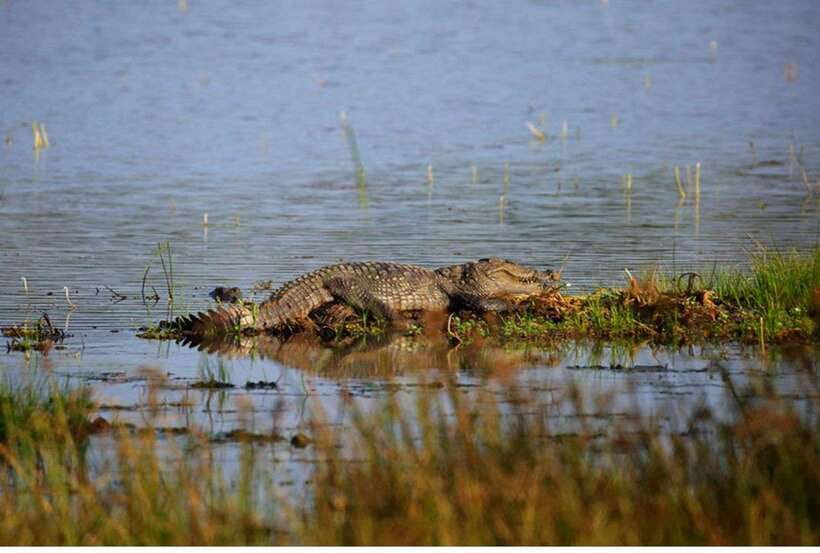
- Leopard-focused park: Wilpattu is known for a high leopard population, so your game drives have a specific target.
- Willus lakes scenery: Those natural lakes give the safari extra variety and often change how wildlife moves.
- A real full-day schedule: Roughly 10–12 hours inside the park means more chances to see animals at different times.
- Customized safari jeeps: Better positioning helps when you’re trying to spot movement at a distance.
- Food and water included: Breakfast, packed lunch, and refreshments keep you going through the long stretch.
- Private group feel: It’s listed as a private group, which usually makes the day feel less rushed.
Why Wilpattu’s Willus Lakes Make the Safari Feel Different
Wilpattu National Park is huge at about 130,000 hectares, so you’re not just doing a quick loop and hoping for the best. The size matters because animals don’t stay put, and larger parks give wildlife more space to behave naturally. That natural behavior is what you’re hunting on safari.
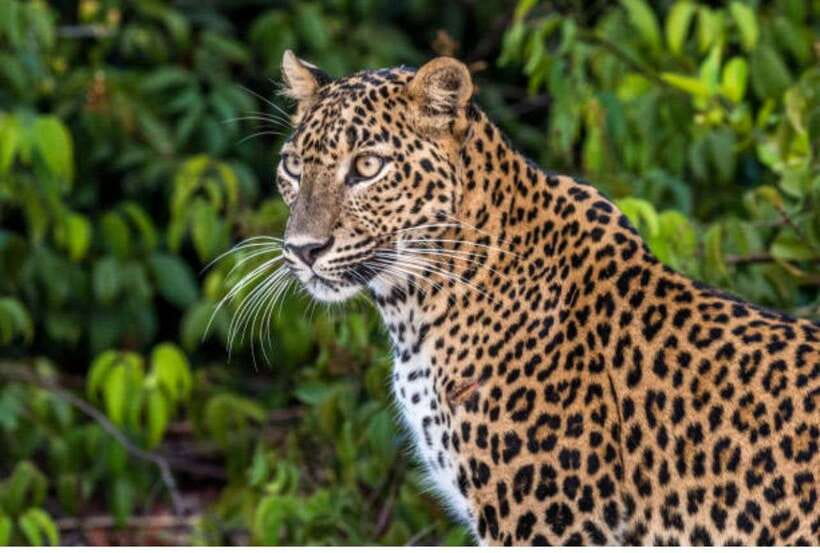
What really gives Wilpattu its personality is the network of Willus, natural lakes scattered through the park. These water points can shape the whole day: animals may drift toward them for cooling off, drinking, or cover, and the scenery stays interesting even when you’re not seeing a headline animal every few minutes. It also helps explain why this park can feel more like real wilderness and less like a chore.
There’s also a practical benefit. When the park has those water features, you’ll often get different kinds of wildlife encounters across the day—some animals hang back in thicker areas, while others move around open water and edges.
You can also read our reviews of more tours and experiences in North Central Province.
The 5:00 a.m. Pickup: A Long Day With a Clear Target
The day starts early: pickup is around 5:00 a.m. from Anuradhapura or nearby pickup points (Galkadawala, Mihintale, and Pahala Maragahawewa). That early start isn’t just for drama. In safari country, morning tends to be when animals are more active, and visibility is often better before the heat builds.
From there, the full safari experience runs for roughly 10–12 hours. You’re looking at a structured flow that roughly goes:
- early morning departure and arrival area for game drive
- safari time inside Wilpattu (with repeated stops for wildlife viewing)
- late afternoon wrap-up
- return to your hotel
The end point is around 5:00 p.m. back to Anuradhapura. You’ll be tired by the time you get home, but it’s the good kind of tired—the sort that comes from being awake enough to spot things and patient enough to wait for them to move.
One thing I’d do if you want the smoothest day: before you go, ask what the day’s main meal timing looks like and when breaks usually happen. One experience note shows that a bit more clarity on timing would have helped people manage comfort breaks and meals without guessing.
Entering Wilpattu at 6:00: Your Best Odds for Leopards
Once the safari day is underway (around 6:00 a.m.), you’ll spend your time on game drives and wildlife viewing across the park. This is the part where you’ll hear everyone talk about leopard chances, but the more useful way to look at it is this: in Wilpattu, you’re not only scanning the forest. You’re scanning a landscape where water (Willus), grass edges, and thicker cover all influence where a big cat might appear.
If you love spotting animals, this is a satisfying setup. Even when a sighting is brief, you get repeated opportunities because the safari isn’t just a single drive. It’s a full run that keeps you in the park long enough for conditions to change.
Also, don’t let your brain lock onto one species. One clear lesson from real safari days: when you finally get a great animal, it’s usually after you’ve already trained yourself to watch carefully for movement, silhouettes, and calls. A leopard might be there, but so might be smaller signs first—birds reacting, animals shifting, or a sudden pause in the pack of monkeys.
Lunch, Water, and Breaks in the Middle of the Wild
A full-day safari can become miserable fast if you’re hungry or dehydrated. Here, breakfast and a packed lunch are part of the plan, and water plus refreshments are provided during the tour. That matters because you’ll actually last long enough to see the later activity windows, not just the first exciting hour.
One review-style hint that’s worth taking seriously: clarity on when breakfast and lunch happen, and when you can take comfort breaks, can make the day feel smoother. The itinerary is planned, but safari timing can flex based on wildlife movement. If you’re the kind of person who gets cranky when you don’t know the schedule, ask upfront.
Practical tip for the day: dress for heat and sit time. Even though you’re moving in a jeep, you’ll still be sitting for long stretches. Bring something light you can layer, and consider a small sun hat or cap. You’ll be glad later.
Food is described as good, and there’s also evidence that dietary needs can be taken into account when arranged in advance. So if you have restrictions, tell the provider clearly ahead of time, not last minute.
Wildlife You Can Plan For: Leopards, Sloth Bears, Crocs, and More
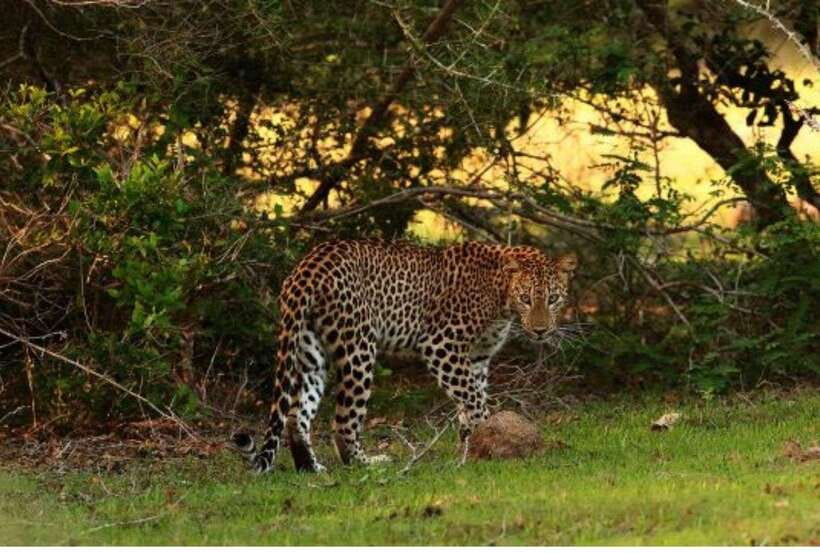
Wilpattu is famous for leopard density, but the value of a full-day safari is that you’re not only chasing the big story animal. You’re also setting yourself up for a mix of sightings across the day.
The core list to keep in your head:
- Leopards (the main target in Wilpattu)
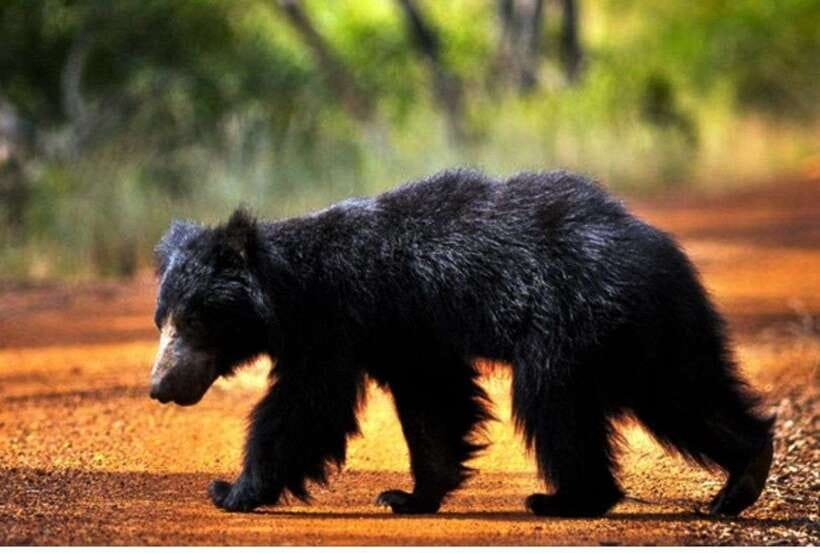
- Sloth bears
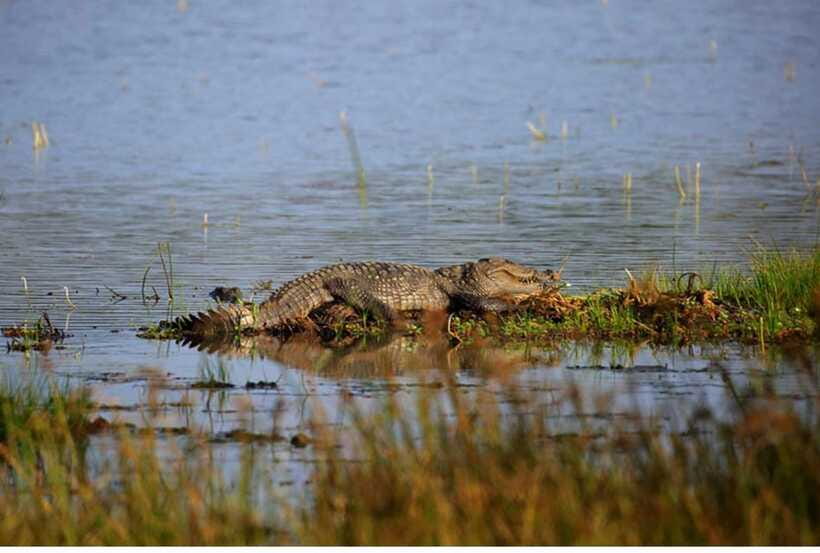
- Crocodiles
- Spotted deer
- Wild pigs
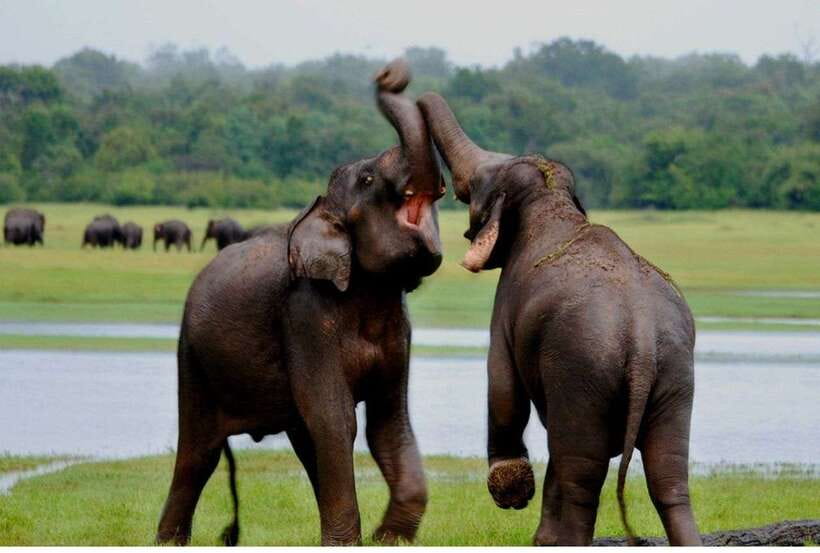
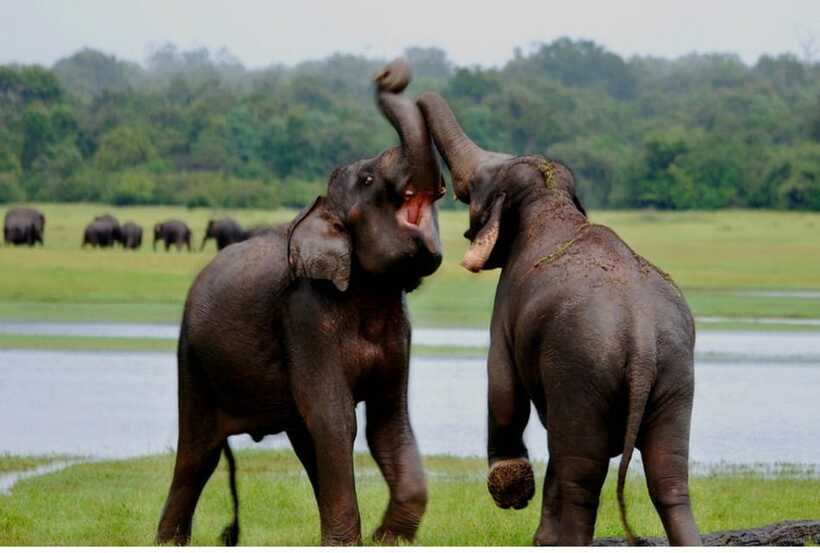
And then there’s the real-life safari bonus: elephants and additional predators can show up. In one recent experience, sightings included multiple leopards and elephants, plus a crocodile and a bear sighted from a distance. That’s exactly how safari days often work: you might not see everything, but you’re rarely stuck with only one type of animal.
A smart mindset helps here. Wildlife sightings are never guaranteed, but you can raise your odds by staying attentive and not zoning out during the long quiet stretches. Watch for patterns:
- animals feeding or moving toward water
- bird behavior changing suddenly
- people in your jeep shifting positions at the same time
If you’re serious about spotting wildlife, bring binoculars. One key piece of advice from a safari day: even when you’re in the right place, binoculars help you pick up distant animals and scan faster. It also helps with birds and monkeys, which can be constant background activity in a way that’s easy to miss without magnification.
Jeep Setup and the Small Things That Improve Sightings
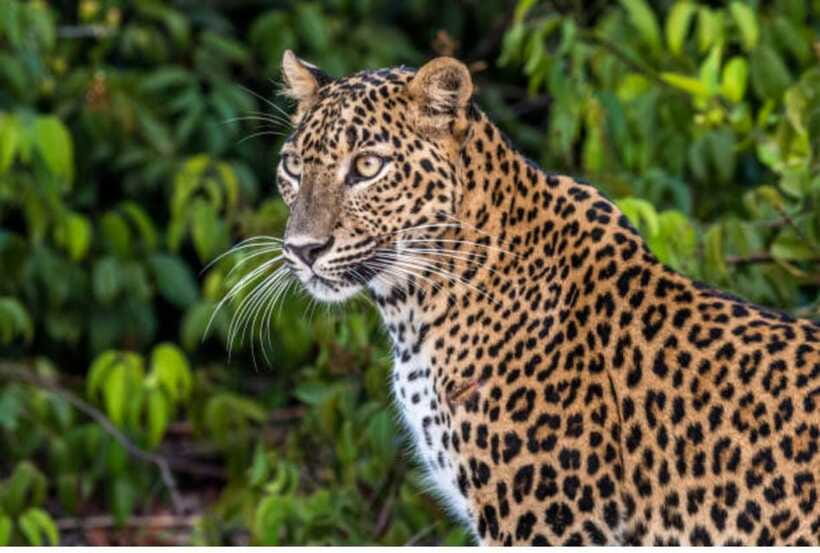
This safari uses customized safari jeeps. You’ll want to treat that as more than a nice-to-have. On safari, your viewing position matters. Whether you’re sitting on the side for better sightlines, facing forward when an animal moves into open ground, or timing your look for movement, the jeep setup can make the difference between a “maybe I saw something” and a clear ID.
The best way to use your jeep time is simple:
- keep your eyes scanning (not just your phone)
- shift with the group when the guide calls attention
- be ready to look where the guide points, not where you think the animal should be
Also, language can affect your experience. English is listed for the guide, but one safari day note said the guide had limited English, which made questions harder. That doesn’t mean the day will be bad—it just means your best results might come from very simple questions and careful watching. If you want to learn lots of wildlife behavior, consider bringing a short list of basic questions in advance and being patient with the answers you get.
Price and Value: What $117 Covers (and What to Confirm)
The price shown is $117 per person for a full-day safari with hotel pickup/drop-off, breakfast plus packed lunch, refreshments and water, customized jeeps, parking fees, fuel surcharge/driver charges, and all government taxes included.
The one big line item to double-check is the park entrance fee. The info says:
- entrance ticket is not included, and it’s about US$38 per person, paid by cash or card
- yet it also notes entrance fees may be included in an all-inclusive package
That inconsistency means you should confirm your booking confirmation details before you show up. Don’t assume. This is the part where one missing ticket fee can turn a smooth day into a scramble.
Is it good value? Usually yes—because you’re paying for a long day, a private setup (not a generic cattle-call format), food, and transport. Safari pricing in Sri Lanka often looks expensive until you remember what’s included and what would cost extra otherwise: jeep time, driver time, park access, and meals on a long schedule.
If you’re also comparing to doing a self-driven day, this package can save you stress. You don’t have to coordinate transport timing, plan routes, or manage what happens if you miss the best viewing windows.
Who This Safari Suits Best (And Who Might Want to Think Twice)
This tour fits you if:
- you want a full-day safari time in Wilpattu rather than a short half-day run
- you’re leopard-focused but still open to a mix of species
- you like having transport handled and food taken care of
- you enjoy the slow sport of scanning, waiting, and spotting
It might not fit you as well if:
- you hate long days starting early
- you need lots of detailed wildlife explanations in fluent English
- you’re easily annoyed by schedule flexibility that happens in wildlife viewing
In a practical sense, this is best for people who treat the safari like a day outside, not like a timed show. If you show up with patience and the right gear, the day often feels like it pays you back.
Should You Book This Wilpattu Full Day Safari?
Yes, I’d book it if you’re choosing between Wilpattu and another safari day and you care about leopard odds plus a landscape with Willus lakes. The combination of a long time in the park, included food/water, and customized jeep viewing makes it a solid value play—especially since you’re also covered for pickup/drop-off and most day-of logistics.
But do two things before you commit:
- Confirm whether the Wilpattu entrance fee is truly included in your exact package price, or if you should budget about US$38 per person.
- Ask about the day’s break and meal timing so you’re not guessing during the long safari hours.
If you can handle an early start and you bring binoculars, you’ll give yourself the best shot at seeing that leopard moment you came for—plus the variety that makes the day feel real.
FAQ
What time does the safari pick up from Anuradhapura?
Pickup is scheduled for around 5:00 a.m. from hotels in Anuradhapura, with additional pickup options from nearby towns.
How long is the safari inside Wilpattu National Park?
The safari lasts about 10 to 12 hours inside Wilpattu, and the full tour day is around 12 hours total.
Is the Wilpattu entrance ticket included in the price?
The tour information says the entrance ticket is not included and is approximately US$38 per person, with cash or card accepted. However, another note says entrance fees may be included in the all-inclusive package, so it’s smart to confirm your booking details.
What wildlife can you expect to see?
You can look out for leopards, sloth bears, crocodiles, spotted deer, and wild pigs, with additional sightings like elephants sometimes possible.
What’s included for meals and drinks?
You get breakfast and a packed lunch, plus water and refreshments during the tour.
What documents do I need to bring?
Bring your passport or ID card.