REVIEW · PAHALA MARAGAHAWEWA
Wilpattu National Park: Private Safari
Book on GetYourGuide →Operated by Trav Ceylon Leisure · Bookable on GetYourGuide
Wilpattu can feel like Sri Lanka’s wildlife study hall. This large, older park is famous for its leopard population and its unusual network of willus—natural, sand-rimmed basins that collect rainwater. In about five hours, you’ll ride deep enough into the park to notice how predators and elephants use the same water-and-cover system.
I love how the willus shape what you see. When those depressions hold rainwater, you get a strong reason for wildlife to linger in specific areas, which makes the searching less random and more logical. I also like the relaxed pace of a private safari jeep with an English-speaking driver, so you can ask questions and get useful context without squeezing in with strangers.
The main drawback is simple: leopard sightings aren’t guaranteed in any safari. Even when guides make a serious effort, Wilpattu is big, and animal movement changes by season and day. One more thing to watch: the tour includes a water bottle, but it’s worth keeping an eye on it when you start, since not every experience runs exactly to the checklist.
In This Review
- Key Things I Think You’ll Enjoy Most
- Wilpattu’s Willus: the water system that drives the safari
- Leopards and elephants: what your 5 hours are really buying
- Leopards: the big hope
- Elephants: the other show in town
- Entering Wilpattu: what the first stretch should feel like
- The private safari jeep experience: comfort, control, and spotting
- How the drive turns into wildlife viewing (and why timing matters)
- Price and value: is $35 per person a smart buy?
- What to bring and how to set yourself up for better sightings
- Who should book this Wilpattu Private Safari, and who might be disappointed
- Should You Book It?
- FAQ
- What is the duration of the Wilpattu private safari?
- Where is Wilpattu National Park located?
- What’s included in the price?
- Are entrance tickets included?
- Is food included?
- Is the tour a private group?
- Is the driver English speaking?
- Where does pickup happen?
- What’s the cancellation policy?
Key Things I Think You’ll Enjoy Most
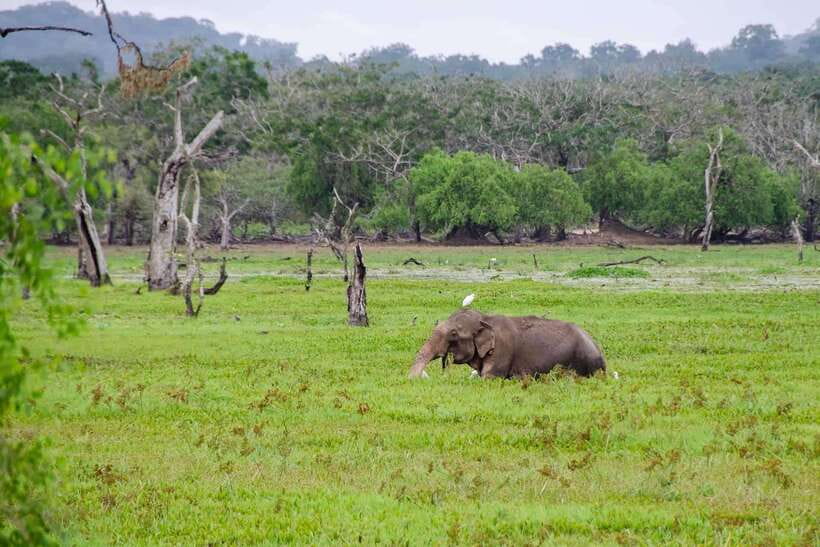
- Willus water holes: Sand-rimmed natural basins that fill with rainwater and pull animals toward them.
- Leopard focus: Wilpattu is known for Panthera pardus kotiya, and many people come for this chance.
- Elephants with real behavior: Expect more than a sighting—grazing, trumpeting, and social interactions.
- A private jeep advantage: No separation, so explanations and spotting feel smoother.
- English-driver value: You’ll get park context while you’re actually driving and scanning.
- A park survey connection: Camera-survey work helped document the leopard population in past years.
Wilpattu’s Willus: the water system that drives the safari
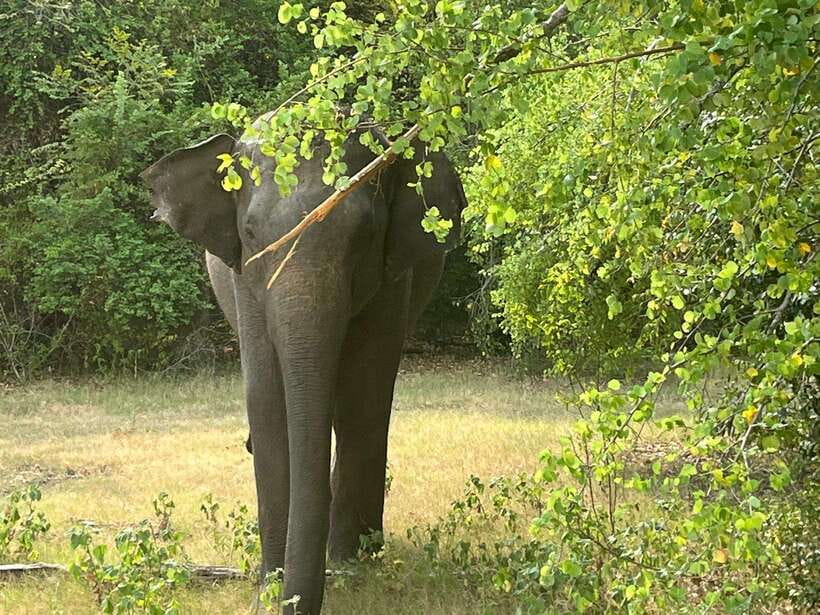
Wilpattu National Park sits in Sri Lanka’s northwest lowland dry zone, roughly 30 km west of Anuradhapura and about 26 km north of Puttalam. It’s huge—1,317 square kilometers—and at mostly low elevation (about 0 to 152 meters), which matters because the animals and habitats are closely linked to water.
The signature feature here is the willus: natural depressions that can hold rainwater. Because they’re sand-rimmed, they often create a clear, “marked” spot inside a dry landscape where animals can drink and move through. Wilpattu has nearly 106 lakes (willus) and tanks spread across the park, so it’s not just one pond you’re hoping for. It’s a whole network.
That system is also why Wilpattu can feel different from parks that rely on one main lake. Instead of searching around a single water body, you’re looking for wildlife activity around smaller basins and depressions. Even when the day is slow, noticing tracks, bird feeding activity, or elephant movement toward water can help you understand how the park is working.
Also worth knowing: Wilpattu was researched with camera surveys from July to October 2015 by the Wilderness & Wildlife Conservation Trust. That kind of monitoring is part of why Wilpattu keeps its reputation—especially for leopard.
Leopards and elephants: what your 5 hours are really buying
This is a 5-hour private safari. In other words, you’re not doing a full-day marathon where you can wait out every weather shift. You’re buying focused time: enough to drive, scan, and have a realistic chance at seeing the animals that make Wilpattu famous.
Leopards: the big hope
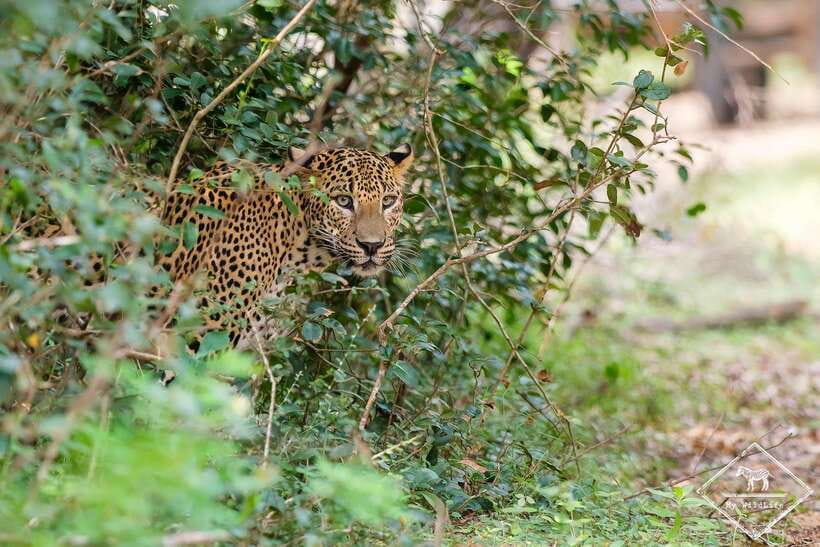
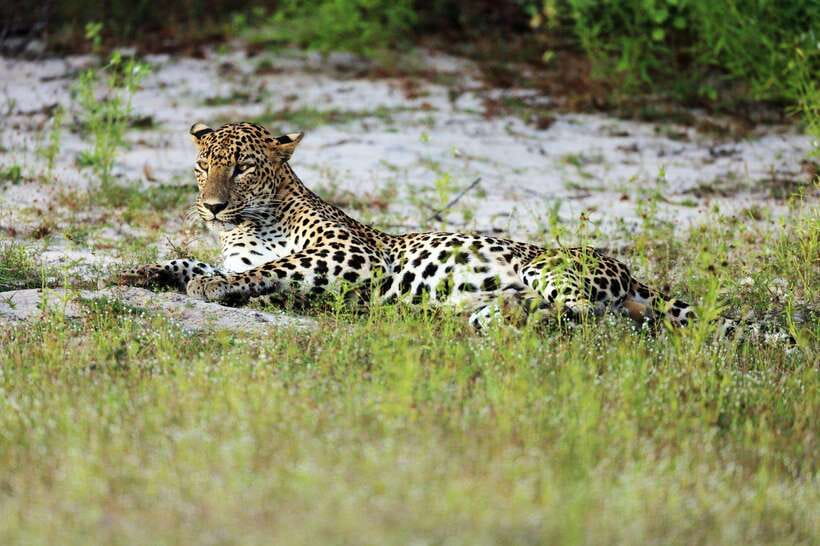
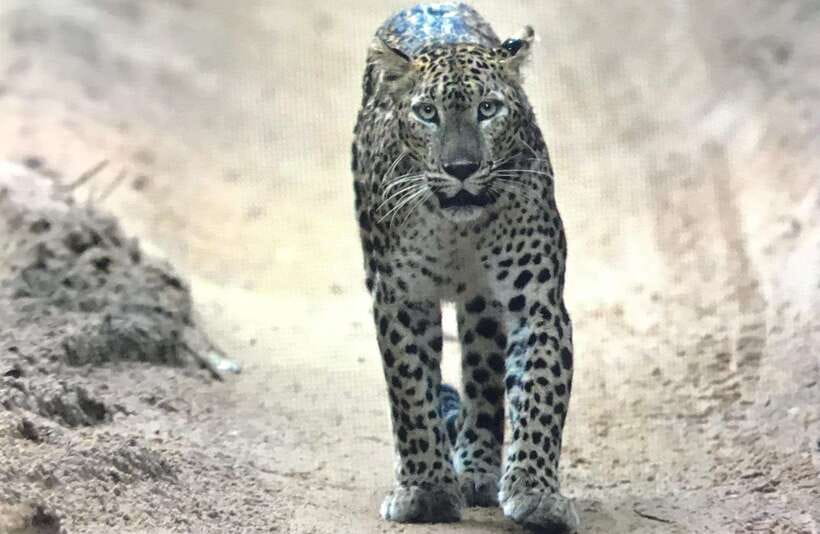
Wilpattu is among Sri Lanka’s top parks for leopard sightings, especially the local leopard subspecies Panthera pardus kotiya. The upside for you is that the park has a reputation backed by surveys, and many areas of the park likely offer suitable cover and hunting routes.
The realistic note is that leopards can be quiet and easy to miss. They may be nearby but not visible until the light hits, or until the jeep pauses in the right place at the right moment. That’s why a private safari with time to search matters. If you get a driver who slows down at the right times, your chances improve—not because leopards suddenly become guaranteed, but because you’re watching without pushing past the moment.
Elephants: the other show in town
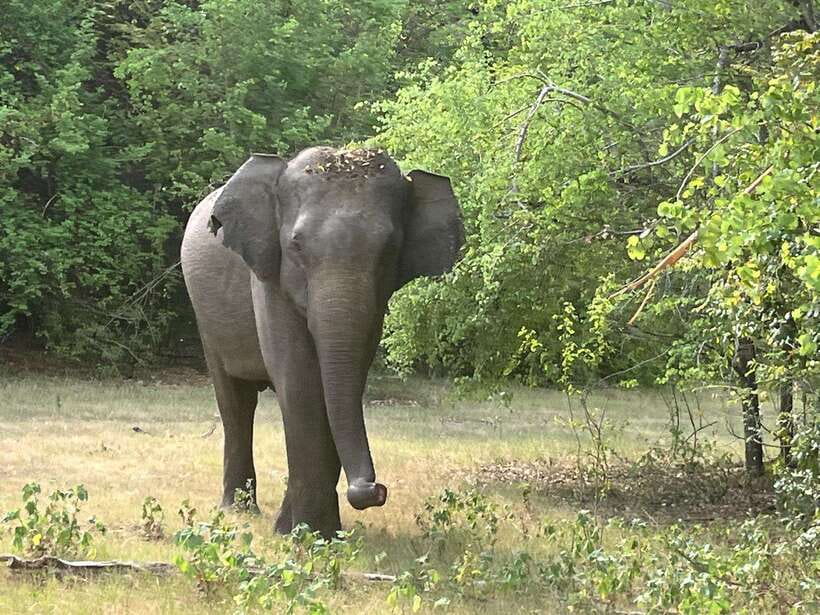
Even when the leopard gods are in a mood, you’re still in elephant country. Wilpattu is known for elephants using the habitats around willus and moving through the park with visible routines. The highlights mention their grace and “wisdom,” and the practical translation is this: elephants often show patterns—feeding areas, water timing, and social movement. You might hear the classic trumpeting sound, see grazing, and catch small behavioral moments that make it feel less like a checklist and more like observing wildlife in motion.
If you’re the kind of traveler who likes learning how animals live—not just spotting them—elephants are the easiest way to get that in a short window.
Entering Wilpattu: what the first stretch should feel like
Once you’re near the park gate, your time really starts. Your tour includes transport by a private safari jeep, and the pickup/drop-off is included within a 5 km radius from the park gate. So the early part of your day is about getting you positioned so the drive time inside the park counts.
What you can do (and should do) right away is set your expectations for the first hour:
- Start slow in your mind: scanning is part of the job. Don’t only watch the road ahead; train your eyes for movement in scrub and along water margins.
- Ask for a plan: a good driver will explain what they’re looking for and why. Even basic guidance like which willu areas they want to check first can make the searching feel smarter.
- Watch behavior, not just animals: birds reacting, changes in elephant direction, or disturbed grass can clue you into where the animals are without you needing a perfect view.
Because the park is large, the early decisions—how you choose routes and where you pause—shape the feel of the entire safari. This is where a private format can pay off: you’re not trapped waiting your turn with other jeeps.
The private safari jeep experience: comfort, control, and spotting
You’re in a private group, traveling in a private jeep with no separation from the driver. That sounds like a small detail, but it changes how the safari feels. You can ask questions while moving, and you’re not stuck behind a wall of strangers who want different things.
Also, the tour is designed around an English-speaking driver, plus a water bottle per person. On paper, that’s a strong combination: clear communication and a basic comfort check so you don’t burn through the day thirsty or guessing what’s happening.
Now the balanced reality: safari quality can vary with the driver’s style. Some days you get a driver who works hard to find animals and manage the jeep responsibly, slowing down when it counts. On other days, the experience can feel rushed if the jeep moves too fast or if communication isn’t smooth.
My practical advice: treat the driver’s approach as part of your evaluation. If you notice the jeep is constantly speeding and not stopping to scan properly, ask for a slower pace. A leopard or elephant can show up during a pause—if you’re constantly moving, you miss the best chance to see it.
How the drive turns into wildlife viewing (and why timing matters)
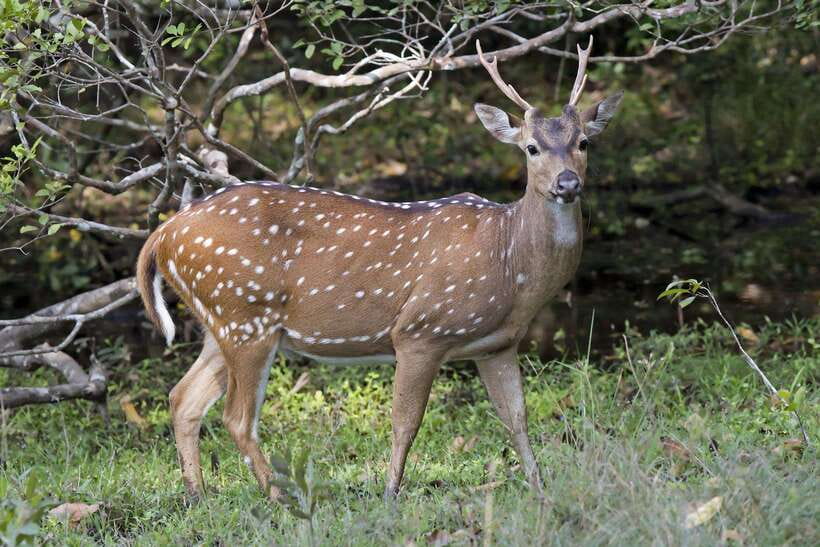
Because there’s no fixed “one viewpoint” described here, the real itinerary is more about how you spend your time inside the park. Expect driving through different areas and pausing where the odds look good.
Here’s what you’re likely to focus on during the ride:
- Willus zones: where animals might drink and where you might see elephant movement.
- Cover and edges: places where leopards can hide but still cross open lines of sight.
- Elephant behavior: feeding patterns, social contact, and trumpeting that signals alertness or communication.
- Small clues: birds calling or sudden changes in activity that suggest larger animals nearby.
In a short safari, the most valuable moments are the pauses you didn’t predict. That’s why you’ll feel a big difference between a driver who stops and scans steadily versus one who treats every stretch as a race.
One more timing note: your total experience is 5 hours, not a full day. That’s long enough for multiple opportunities, but short enough that you can’t wait for everything to happen. If you’re a “sit and wait” type, you might want to mentally accept that you’ll be riding as part of the search—this is not a long, stationary watch session.
Price and value: is $35 per person a smart buy?
At $35 per person for a private 5-hour safari, this tour can be good value—especially because key basics are included:
- transport by private safari jeep
- free pickup/drop-off within 5 km of the park gate
- an English-speaking driver
- water bottle per person
What’s not included is just as important. You pay Wilpattu National Park entrance tickets in cash on arrival, and food and beverages aren’t included.
When you do the math, $35 isn’t paying for entrance fees, meals, or drinks. But it is covering the private transport piece and the guide experience. For many visitors, that’s the core cost they’d otherwise need to arrange separately.
To keep the value high, plan your day so you’re not scrambling for essentials once you’re at the gate. Since food isn’t included, eat before you go (or bring something simple if you prefer). And if the tour includes a water bottle, start by confirming you actually get one at pickup—small details can make a difference in comfort during bumpy road time.
Also, double-check the entrance-note language you receive. The info you’re given mentions Minneriya entrance fees not being included, even though this is a Wilpattu safari. It’s probably a template mistake, but don’t risk it—confirm which park entrance fees you’ll pay in cash when you arrive.
What to bring and how to set yourself up for better sightings
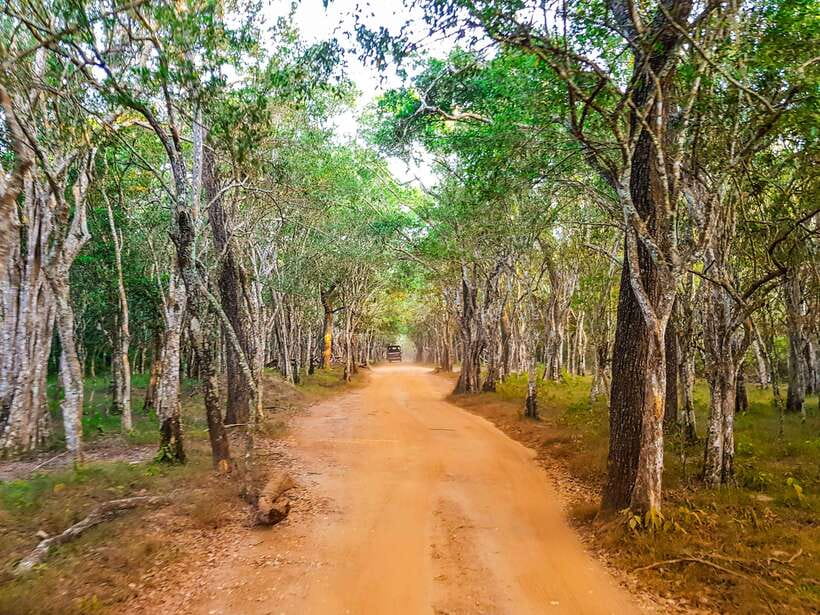
You won’t regret packing for a safari vibe, not a city tour. Since this is an open-air safari style experience with scanning, you’ll want to be comfortable for sitting and looking in changing light.
A few practical tips:
- Sun protection: the dry zone sun can be intense, and you’ll be outside while searching.
- Simple layers: mornings and late afternoons can feel cooler than you expect.
- Camera readiness: your best wildlife moments can happen during quick pauses.
- Water planning: the tour includes a water bottle, but carry a small backup if you’re worried.
Most important: mentally commit to scanning. Leopards can blend in, and elephants aren’t always standing where you’d expect. Your best results will come from watching the park the way the animals use it—water zones, edges, and moments when behavior changes.
Who should book this Wilpattu Private Safari, and who might be disappointed
This tour makes the most sense if you want:
- a private safari jeep (less waiting, more flexible questions)
- an emphasis on Wilpattu’s signature wildlife—especially leopards and elephants
- a shorter, focused day instead of a full travel-day commitment
It might disappoint you if:
- you expect a guaranteed leopard sighting (no safari can promise that)
- you prefer a very relaxed, slow-moving drive with long stationary waits (a 5-hour format needs movement)
- you rely heavily on flawless English communication and are sensitive to misunderstandings
If leopard spotting is your top goal, consider this: Wilpattu’s reputation is real, but the park’s size means the day’s routing decisions matter. A driver who slows down at the right times and actively searches can turn a “maybe” day into a memorable one.
Should You Book It?
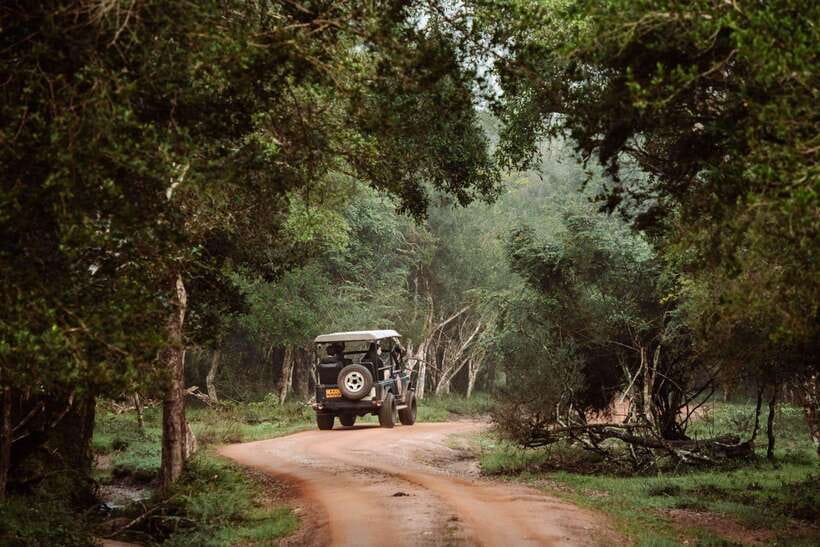
I think you should book this Wilpattu National Park: Private Safari if you want a strong chance at seeing what Wilpattu is known for—especially leopards—and you value a private jeep with English explanations. The included transport and driver time for $35 can be a solid value, as long as you’re realistic about entrance tickets in cash and the fact that animal sightings are never guaranteed.
If you hate uncertainty, or you’re comparing parks purely for leopard odds, you might want to weigh alternatives carefully. But if you enjoy seeing wildlife in motion—elephants at willus edges, birds reacting to activity, and the feeling of scanning a real wilderness—this is exactly the kind of safari day that turns into a story you’ll still be telling months later.
FAQ
What is the duration of the Wilpattu private safari?
The safari lasts 5 hours.
Where is Wilpattu National Park located?
It’s in Sri Lanka’s North Central Province, in the northwest lowland dry zone, around 30 km west of Anuradhapura and about 26 km north of Puttalam.
What’s included in the price?
Included are transport by a private safari jeep, free pickup/drop-off within 5 km from the park gate, an English-speaking experience driver, and a water bottle per person.
Are entrance tickets included?
No. Wilpattu National Park entrance tickets are not included and must be paid in cash on arrival.
Is food included?
No. Food and beverages are not included.
Is the tour a private group?
Yes. It’s a private group.
Is the driver English speaking?
The activity includes an English-speaking experience driver.
Where does pickup happen?
Pickup and drop-off are included within a 5 km radius from the park gate, and the meeting point may vary depending on the option booked.
What’s the cancellation policy?
You can cancel up to 24 hours in advance for a full refund.