REVIEW · NEGOMBO
Wilpattu National Park: Morning or Afternoon Safari
Book on GetYourGuide →Operated by Tiger Safaris · Bookable on GetYourGuide
Leopards are the headline in Wilpattu. I love the 4×4 jeep comfort and I like the binocular handout, both of which help you scan the scrub, plains, and water edges for the animals that make Wilpattu a must-do. With a 5–10 hour day and about 4 hours inside the park, it’s built for real wildlife time, not just quick passing views.
The tradeoff? Wildlife luck and guide communication can swing. If rain limits visibility, you may end up seeing fewer animals, and if the on-board English isn’t strong, species-spotting guidance can feel thin—so keep expectations flexible and ask questions early if you’re unsure.
In This Review
- Key points to know before you go
- Wilpattu’s game plan: why this safari works
- Pickup + timing: the real meaning of 5–10 hours
- Inside Wilpattu: Kudiramale Point, Pomparippu, and villu areas
- A note on “rugged terrain” and comfort
- Leopards, elephants, and the honest odds
- Guides matter: what to expect from the on-board experience
- What’s included vs what you pay separately
- A simple budgeting move
- Morning vs afternoon: how to choose the departure time
- Photo + spotting tips that actually help
- Rules and who should skip this tour
- Should you book Tiger Safaris for Wilpattu?
- FAQ
- How long is the Wilpattu safari?
- Are national park entry tickets included?
- What’s included in the price?
- Where do you pick up and drop off?
- What areas of Wilpattu will the safari visit?
- Is the safari guide available in English?
Key points to know before you go
- Pickup options across Sri Lanka’s west and North Central include Colombo, Negombo, Anuradhapura, and nearby towns like Sinharagama and Nochchiyagama.
- About 4 hours inside Wilpattu during a total 5–10 hour outing, depending on your pickup/drop-off distance.
- Leopard-focused planning uses multiple park areas—Kudiramale Point, Pomparippu, and villu zones—so you’re not stuck in one habitat.
- Photo-friendly jeep viewing lets you keep your camera ready as the guide slows down to check promising spots.
- English support with tools: a live English guide and binoculars are included; an optional audio guide is available in English.
Wilpattu’s game plan: why this safari works
Wilpattu isn’t the kind of park where you roll in, see everything fast, and leave. It’s a big, old national park with a mix of dense scrublands, open grassy areas, and shimmering water spots. That matters because wildlife doesn’t stay in one style of habitat all day. Predators and prey use the edges: cover to hide, open ground to move, and water sources to drink.
This safari is designed around that reality. The drive time isn’t just transportation—it’s the search. Your guide handles the routing through rugged terrain and the “hidden” paths that give you better odds of good sightings. If you’re hoping to see leopards, this is a smart park to target since Wilpattu is known for leopard presence.
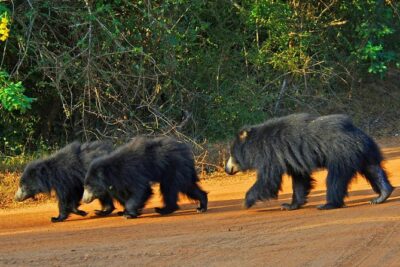
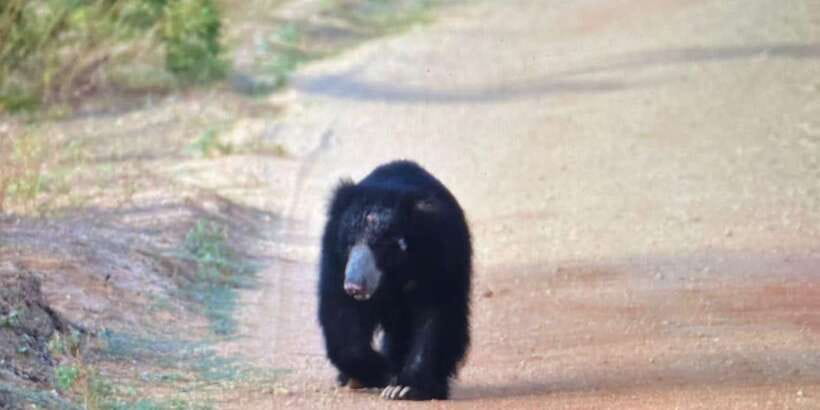
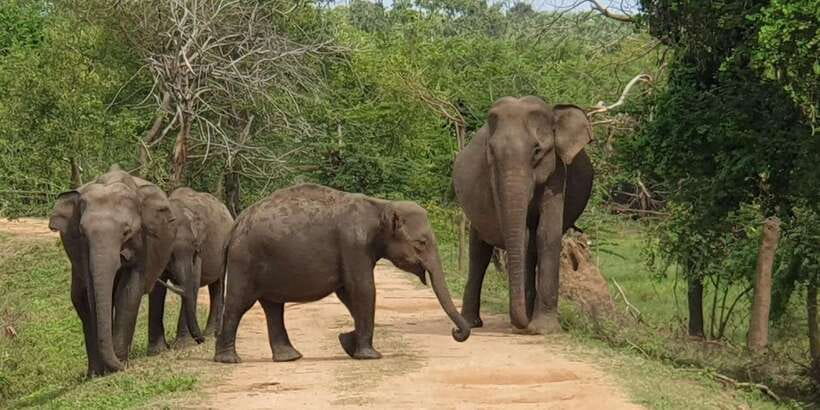
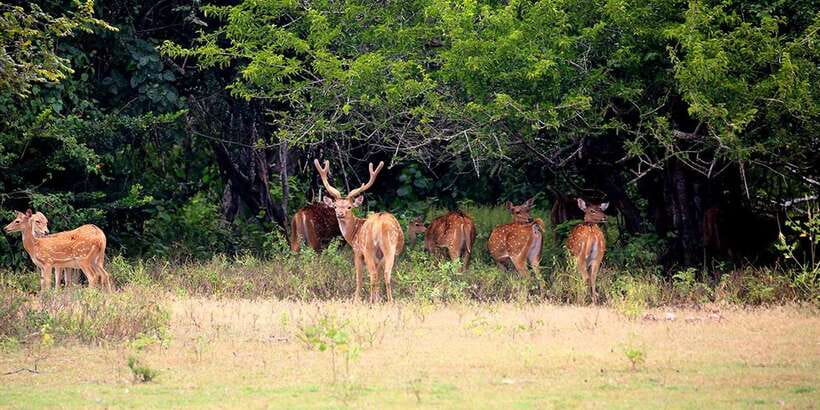
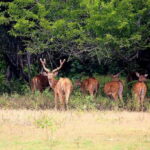
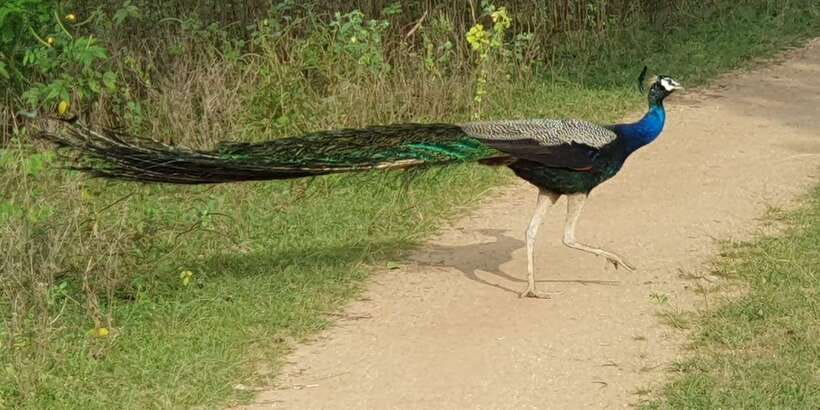
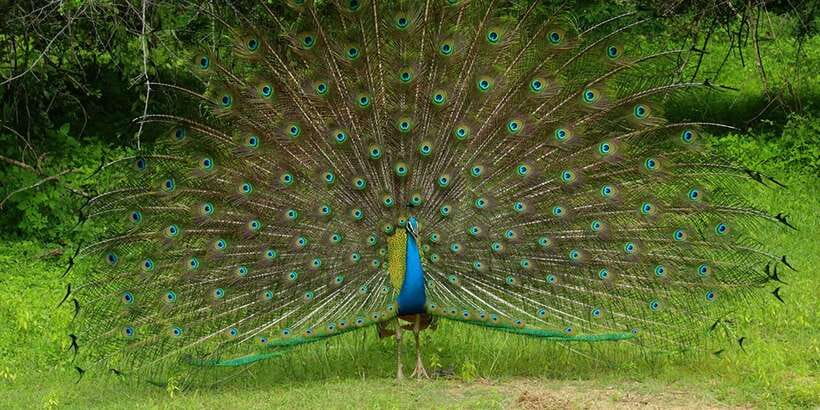
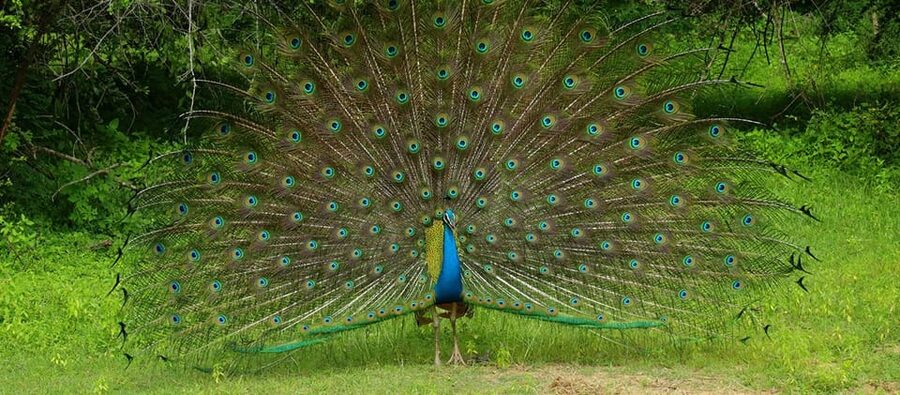
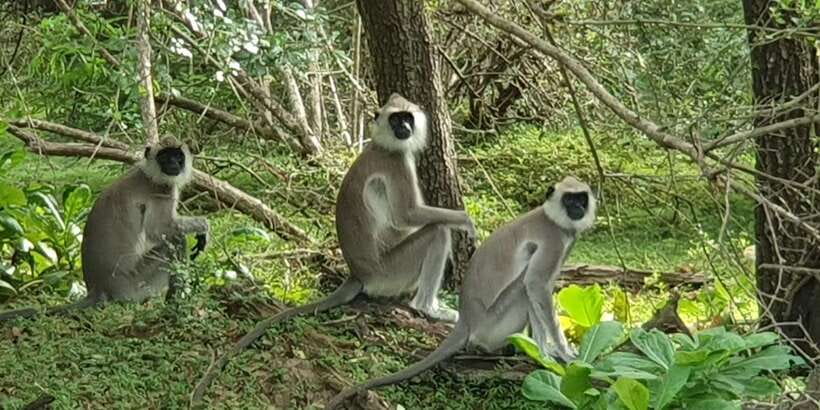
And it’s not only big-cat dreaming. The route also puts you in position to encounter elephants, spotted deer, sloth bears, and a wide range of birds. Even when the big mammals keep their distance, the birdlife and smaller wildlife can keep the safari feeling active rather than empty.
You can also read our reviews of more tours and experiences in Negombo.
Pickup + timing: the real meaning of 5–10 hours
On paper, the tour duration is listed as 5–10 hours. In practice, your total time mostly depends on how far your pickup point is from the park area and how smooth traffic and checkpoints are.
You get complimentary pickup and drop-off from a set of locations, including Wilpattu, Nochchiyagama, Sinharagama, and Negombo. The operator also lists pickup and drop-off options across a wider range, such as Galkadawala, Anuradhapura, and Colombo. So if you’re starting from Colombo or Negombo, plan for more road time before and after the safari.
Here’s the practical part: your wildlife time is about 4 hours inside the park. That’s the window you should protect. If you’re trying to fit this between other Sri Lanka stops, pick a departure time (morning or afternoon) that gives you energy for that 4-hour drive-and-scan session. The park portion is the payoff.
One small detail worth respecting: you’re asked to wait 10 minutes before pickup in the hotel lobby. That’s not a suggestion—it’s how you avoid losing time and stress.
Inside Wilpattu: Kudiramale Point, Pomparippu, and villu areas
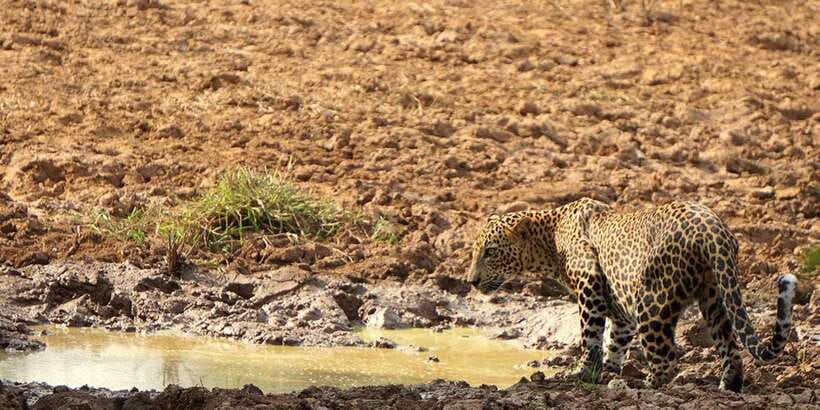
Your guide takes you into Wilpattu and focuses the day on key areas, including Kudiramale Point, Pomparippu, and the villu regions. Those area names are more than trivia—they’re part of how the safari avoids dead ends.
What I like about this approach is that it gives you variety. Wilpattu’s viewing opportunities come from mixing habitat types. Dense scrub holds cover. Open plains can reveal movement and silhouettes. Water-connected zones can concentrate animals or at least create predictable travel routes. By visiting multiple areas, the safari doesn’t rely on one kind of terrain producing miracles all day.
What you’ll actually do during the park time is simple:
- the jeep drives slowly enough for spotting
- you scan for movement and stillness (stillness can be the clue)
- your guide makes calls based on what they see
Also, you can take pictures during the safari. Just keep your shooting realistic: a camera that’s ready beats one that’s always being adjusted.
A note on “rugged terrain” and comfort
The safari uses 4×4 jeeps designed for this kind of driving. The tour also describes travel in luxury and comfort with spacious jeeps. Still, it’s a safari. Expect bumps, dust, and heat. Bring sunglasses and something for sun protection if you’re going in bright conditions.
Leopards, elephants, and the honest odds
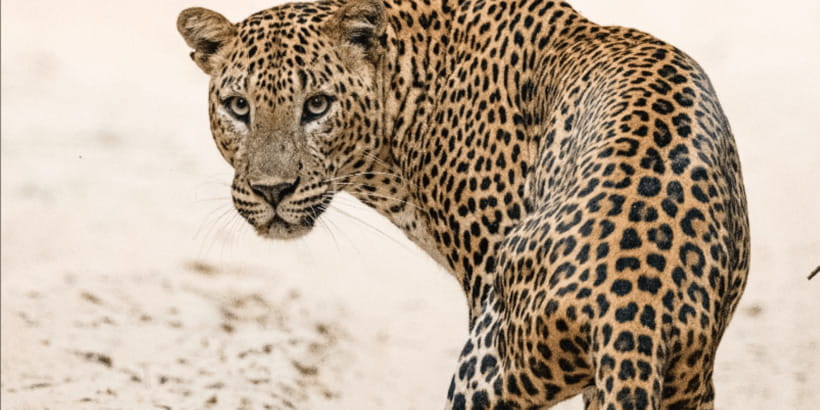
Let’s talk straight about the main reason people book Wilpattu: leopard sightings.
This safari is explicitly aimed at showcasing leopards, and Wilpattu is well known for them. But no national park gives a guaranteed leopard on a specific minute. Animals move. Weather changes visibility. Predator behavior is unpredictable, even when the odds are good.
In the real world, your results can vary:
- On good days, you might catch a leopard moment—clear enough to identify and photograph.
- On slower or rainy days, you may end up with fewer sightings and more time watching for signs.
The good news is that the safari isn’t a one-animal show. If a leopard doesn’t show, the same 4-hour park session can still produce elephants, deer, bears, and plenty of birds. Think of it as wildlife “probability management,” not a wildlife vending machine.
If you’re the type who needs certainty, you’ll struggle. If you can enjoy the chase—signs, tracks, bird calls, and sudden movement—this kind of safari is exactly your speed.
Guides matter: what to expect from the on-board experience
The tour includes an experienced guide and a driver/guide setup, with English listed for the live guide. Binoculars are provided, which is a big help if you don’t want to spend your whole safari squinting.
From what you can reasonably expect, a strong guide does three things well:
- helps you see what you’d otherwise miss
- explains what you’re looking at without making it a lecture
- keeps the jeep moving intelligently, not randomly
However, there’s also a caution to keep in mind. Some safari experiences can come down to the communication level on the day. I’ve seen cases where English wasn’t handled well and where the on-board ranger seemed less involved, which reduced active spotting time. That’s not something you can fully control, but you can reduce disappointment by setting your role for the day: keep questions simple, and don’t wait until the end to ask what you’re looking at.
A practical tip: if you see a promising animal shape, ask your guide early what it is and whether it’s likely to move. You’ll learn faster, and you’ll photograph better because you understand behavior—not just appearance.
What’s included vs what you pay separately
Here’s the value picture in plain numbers.
The safari price is listed as $35 per person, but national park entry tickets are not included and are estimated at about $37. That means your all-in wildlife-day cost is closer to the low-$70s per person once you factor in park access.
What you get for that:
- comfortable jeep transport with 4×4 safari driving
- experienced guides and a driver/guide
- binoculars
- complimentary pickup and drop-off from listed locations
- a safari time block that includes 4 hours of sightseeing in the park
What’s not included:
- food and drinks
- park entry tickets
So when is this good value? When you want the convenience of pickup/drop-off plus real time inside Wilpattu with guiding and basic gear (binoculars). If you’re traveling without a car and you’d have to negotiate a vehicle and guide yourself, this packaged approach often makes the day easier.
A simple budgeting move
Because food and drinks aren’t included, plan for water and basic snacks before you go. It’s not about comfort-only—it’s about keeping your mood steady when you’re sitting in the jeep scanning for hours.
Morning vs afternoon: how to choose the departure time
The title includes morning or afternoon safari options, and the operator lists starting times based on availability. But the key idea is this: the “best” choice is the one that fits your energy and your schedule for the rest of the day.
Afternoon can work well if you want a slower morning for exploring towns or beaches and then devote the afternoon to wildlife. Morning can be better if you prefer getting started early and using daylight for spotting.
Either way, you still get the same core structure: about 4 hours in the park, guided scanning, and jeep time. So choose the time that prevents you from rushing, getting stuck hungry, or losing patience before the safari begins.
Photo + spotting tips that actually help

You can take pictures, but successful wildlife photos often come from behavior—not luck. With a jeep safari, you have two advantages:
1) you’re close enough for shots if the animal accepts the distance
2) your guide can help you aim by telling you what to look for
Here’s what to do:
- keep your camera accessible so you can react fast
- don’t fire off 500 shots while the animal is hidden—focus on scanning first
- when you see motion, ask what it is right away
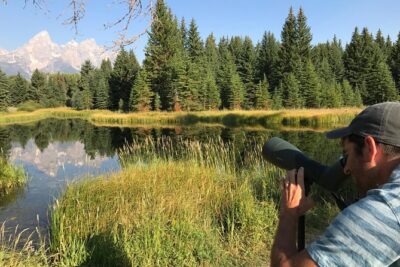
- use binoculars for confirmation, then switch to photography
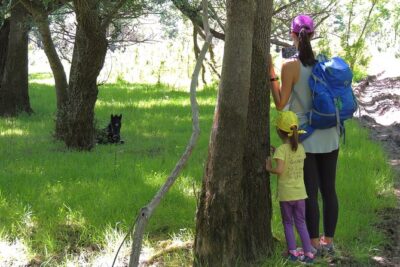
Also, remember that wildlife often appears as a silhouette, movement behind scrub, or a still form near water. When it’s not obvious, you need patience and a good scanning rhythm.
Rules and who should skip this tour
This safari comes with a few straightforward constraints:
- Alcohol and drugs are not allowed.
- Not suitable for pregnant women.
Beyond that, the main “fit” issue is your tolerance for sitting in a safari jeep for hours while watching and scanning. If you’re comfortable with heat, bumpy roads, and waiting through quiet stretches, you’ll get more out of the experience.
If you want constant action every minute, no safari is built that way.
Should you book Tiger Safaris for Wilpattu?
If you’re aiming for leopards in a park known for them, and you want a guided, convenience-packed day with pickup, drop-off, a 4×4 jeep, and binoculars, this safari can be a strong choice. It’s also good value when you compare the cost of arranging transport and guide time on your own.
I’d book it if:
- you can handle the reality of wildlife uncertainty
- you’re excited by the chase and the search
- you want a structured plan through Kudiramale Point, Pomparippu, and villu areas
I’d think twice if:
- you need a guaranteed sighting and specific species on command
- you’re very sensitive to guide communication issues and want very detailed English species ID
One more practical note: the operator offers free cancellation up to 24 hours in advance and a reserve now & pay later option, which can help if you’re juggling a multi-stop road trip.
FAQ
How long is the Wilpattu safari?
The safari duration is listed as 5 to 10 hours, with 4 hours of sightseeing time in Wilpattu.
Are national park entry tickets included?
No. National Park entry tickets are not included, and they are estimated at about $37.
What’s included in the price?
Included items are comfortable jeep transport (4×4 safari jeep), an experienced guide/driver, hotel pickup and drop-off for listed areas, binoculars, and an English live tour guide (with optional English audio guide).
Where do you pick up and drop off?
Pickup options include Nochchiyagama, Sinharagama, Galkadawala, Anuradhapura, Negombo, and Colombo. Drop-off options are listed as Sinharagama, Galkadawala, Nochchiyagama, Anuradhapura, Negombo, and Colombo.
What areas of Wilpattu will the safari visit?
The safari is described as visiting Kudiramale Point, Pomparippu, and the villu areas.
Is the safari guide available in English?
Yes. The live tour guide is English-speaking, and an optional audio guide is also available in English.