REVIEW · WEST YELLOWSTONE
Yellowstone Upper Loop Wildlife Safari | Lamar Valley | PRIVATE
Book on Viator →Operated by Sky's the Limit Tours · Bookable on Viator
Spotting wildlife is easier with a pro. This private Yellowstone Upper Loop safari is built around Lamar Valley first, then stacks in waterfalls and hot-spot geothermal areas so your day feels full but not rushed. I like that you get to drive past the park at the right times, while your guide helps you use binoculars and a spotting scope to actually see what you came for.
Two things I especially like: the day is designed to chase wildlife, and the guides really tune the route to what you want to prioritize. One thing to consider: if you’re hoping for extra time to wander famous viewpoints on your own, the focus stays mostly on wildlife-finding, with the scenic stops slotted between those drives.
In This Review
- Key Highlights You’ll Care About
- Why 6 AM Lamar Valley Sets the Pace
- Private Safari Value: Pickup, Comfort, and Tools
- Lamar Valley First: Wildlife Safari in Wolf and Bear Country
- Grand Canyon of the Yellowstone: Big Waterfalls, Short and Powerful
- Slough Creek: Another Wildlife-Track Zone
- Tower Fall: A 132-Foot Drop and Columnar Basalt Clues
- Mammoth Hot Springs: Travertine Terraces and Color from Algae
- Gibbon Falls and Norris: Waterfalls on the Caldera Edge
- Mount Washburn: Wildlife Pull-Offs from Higher Ground
- Undine Falls: A Short Three-Step Waterfall Stop
- What You’re Likely to See (And Why the Guide Matters)
- Who This Tour Fits Best
- Practical Booking Notes That Save Stress
- Should You Book the Upper Loop Wildlife Safari?
- FAQ
- What time does the tour start?
- How long is the Yellowstone Upper Loop wildlife safari?
- Is this tour private?
- Do I need to buy park entrance fees separately?
- What’s included in the price besides the guide?
- Is hotel pickup included?
- Will I get a mobile ticket?
- What language is the tour offered in?
- How does the guide confirm my pickup or meeting details?
- What should I bring or wear?
Key Highlights You’ll Care About
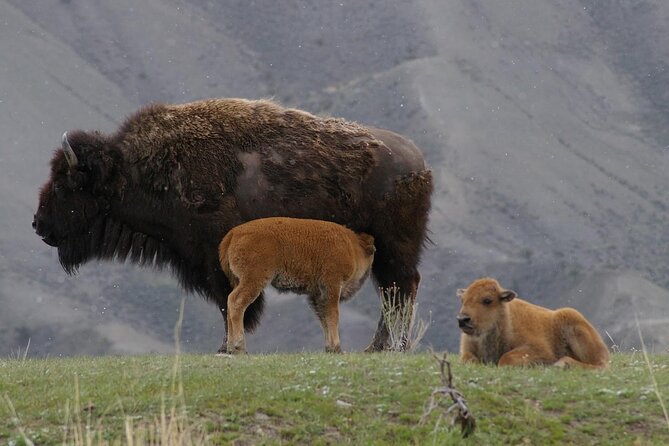
- Lamar Valley at first light for the best odds at wolves, bears, and bison
- Spotting scope plus binoculars so distant animals become real
- Private, customizable route based on your viewing goals
- A guide with deep Yellowstone field instincts (people mention names like Tin Bindi, Clara, Mike, Kat, Lisa, Zach, and Jake)
- Included lunch, snacks, and water so you’re not scrambling in the middle of the day
Why 6 AM Lamar Valley Sets the Pace
Yellowstone wildlife shows up early, and this tour respects that reality. You start at 6:00 AM, and the long day is structured so you’re in the right valleys and corridors before animals settle into their later-day routines. The Upper Loop roads can swallow time fast, so being on the move at dawn matters.
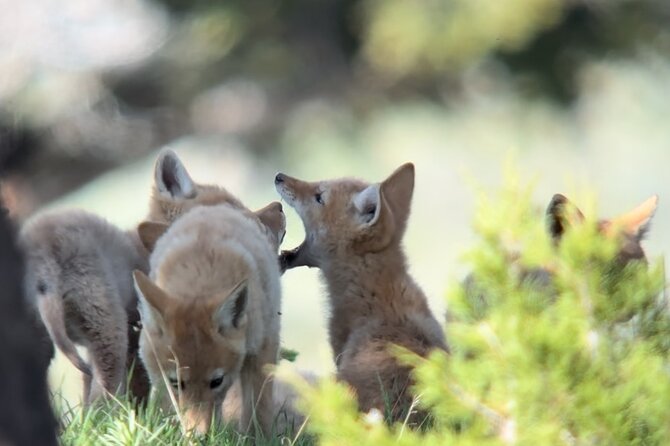
The big payoff is simple: you’re not just “going to Yellowstone.” You’re hunting locations where animals like to feed, travel, or hang out. In the past, guides on this exact kind of day have helped people spot everything from wolves and grizzlies to black bears, bison, pronghorn, and eagles—and that usually comes down to timing plus knowing where to stop and look.
Private Safari Value: Pickup, Comfort, and Tools
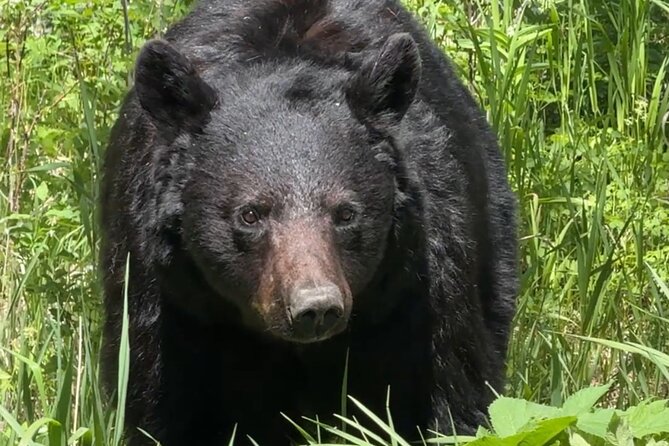
This is a private experience, meaning only your group is in the vehicle with the guide. That makes a real difference when you’re trying to track animals without everyone else turning your stop into a noisy crowd event.
You also get practical comfort and support:
- Air-conditioned vehicle for the full driving portion
- Lunch, snacks, and bottled water (not just a granola bar and good vibes)
- Spotting scope and binoculars so you’re not relying on the tiny screens of car windows
- Snacks first, then lunch—useful when you’re up early and dinner plans are still far away
The price is $424.99 per person, and it’s worth thinking about how private guides work in Yellowstone. Park self-driving is possible, but you’ll spend your time guessing. Here, you pay for someone to get you to the right pull-offs and to explain what you’re seeing so it’s not just random animals at the edge of a road.
One more key note: park entrance fees are not included. So you’ll want to plan for that extra cost separately.
Lamar Valley First: Wildlife Safari in Wolf and Bear Country
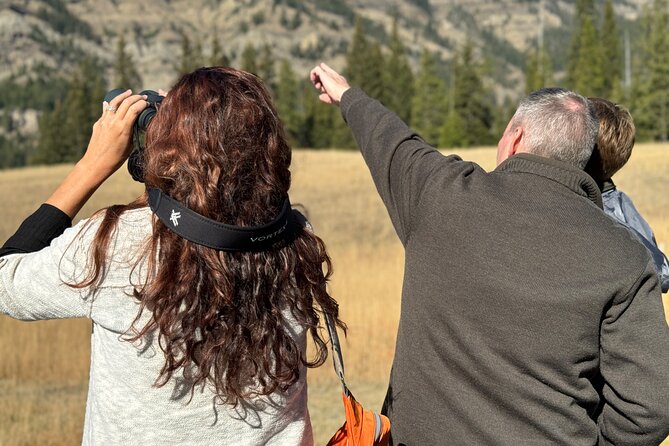
Stop 1 is Lamar Valley, the famed northeastern stretch people compare to the Serengeti of North America. You spend about 1 hour here, and the guide makes multiple stops, scanning for movement and teaching you what you’re looking at in terms of the area’s history or geology.
Why Lamar Valley works: it’s open enough for animals to be seen at a distance, and it’s often one of the better places to catch predators moving through big game routes. This is where many high-star experiences start paying off—people specifically mention seeing wolves, bears (grizzlies and black bears), and lots of bison in one day.
Practical tip for this stop: when your guide calls something out, give them a few seconds before you lift binoculars. Watch the animal first with your eyes, then bring the optics in. That little habit helps you avoid losing the animal the moment it turns its head.
Grand Canyon of the Yellowstone: Big Waterfalls, Short and Powerful
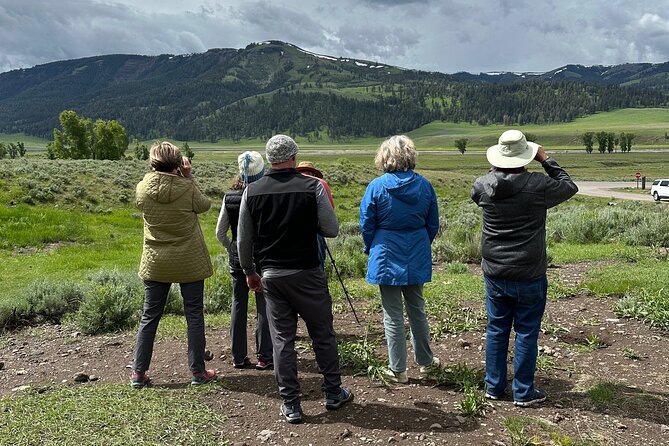
Next comes the Grand Canyon of the Yellowstone area for about 30 minutes. This stop is built around the dramatic scale: the canyon is roughly 800 to 1,200 feet deep and 1,500 to 4,000 feet wide, with the Yellowstone River dropping as a 308-foot waterfall.
If you’re the type who likes geological drama, this is a strong counterbalance to wildlife searching. It also gives your legs a break from scanning for movement. The drawback is also predictable: with a short time window, you’ll see the highlights rather than doing a long scenic hike.
Slough Creek: Another Wildlife-Track Zone
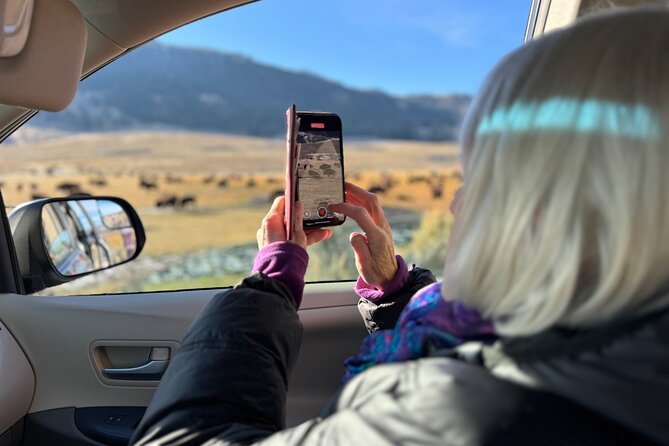
Stop 3 is Slough Creek, a tributary of the Lamar River that originates in the Absaroka Range. You get around 30 minutes, with multiple stops in the area to track and spot wildlife. Expect the guide to connect what you’re seeing—water flow, habitat, and terrain—with how animals use the space.
This is the kind of stop that works best when you stay patient. It’s not always a guaranteed-animal-lightning-bolt moment, but it’s often where you notice smaller details: movement near the edges, animals pausing to feed, and the general rhythm of the area.
If wildlife is your main priority, this is also where you’ll appreciate having the spotting scope. At Slough Creek, you can sometimes spot the animals before you can fully identify them, and the scope helps you confirm what’s out there.
Tower Fall: A 132-Foot Drop and Columnar Basalt Clues
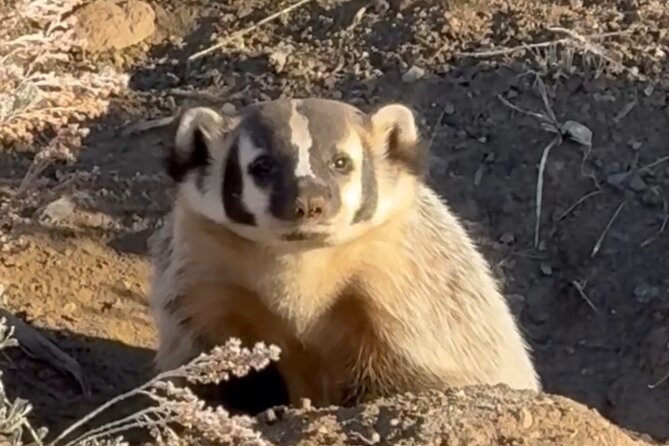
Then it’s Tower Fall for about 15 minutes. The main event is a 132-foot drop, and the extra bonus is geological—there are columnar basalt formations north of the fall, created by lava cracking as it cooled.
This stop is quick, but it’s not random. It’s one of those Yellowstone moments where you can look at something awe-worthy, then get back to searching. If you love photos, you’ll get enough time to find a good viewing angle without eating half your day.
The consideration here: if you’re trying to squeeze in long photo walks at every viewpoint, this tour keeps the schedule tight. Think of Tower Fall as a “pause, look, reset” stop.
Mammoth Hot Springs: Travertine Terraces and Color from Algae
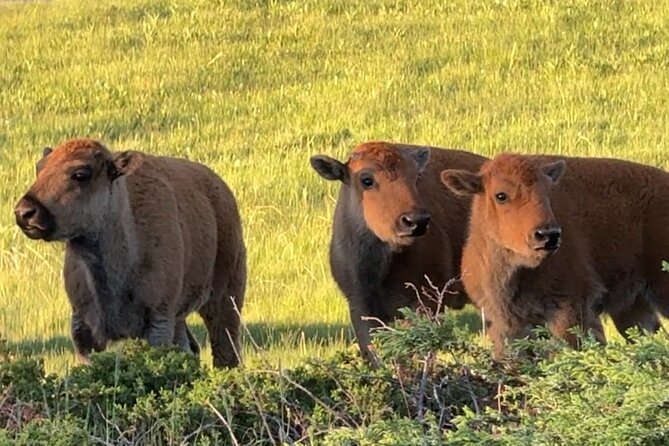
Stop 5 is Mammoth Hot Springs for about 30 minutes. This is one of the park’s most distinctive thermal areas, made of travertine terraces formed from mineral deposits. The colors—brownish and reddish tones—are tied to algae living in the pools.
This stop does two things well:
- It breaks up the wildlife driving with a visual thermal scene.
- It adds a learning layer—your guide can point out what you’re seeing and why it looks the way it does.
If you’ve only seen geysers before, Mammoth Hot Springs is a different kind of thermal experience. It’s less about blasting steam and more about mineral building and living color. The main trade-off is time: you’ll enjoy the key areas, but you won’t wander the entire complex at a leisurely pace.
Gibbon Falls and Norris: Waterfalls on the Caldera Edge
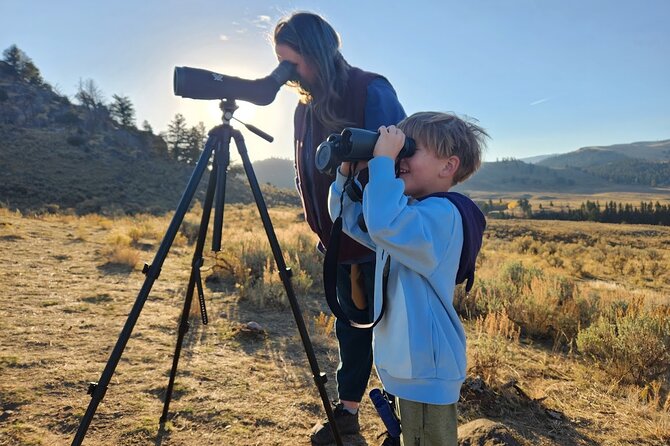
Stop 6 is Gibbon Falls, a roughly 84-foot drop of the Gibbon River along the rim of the Yellowstone caldera. You get about 20 minutes, so again this is a quick look at a big, dramatic feature.
Then comes Stop 7: Norris Geyser Basin for about 30 minutes. This is described as the most geothermically active section in Yellowstone, and you may see Steamboat Geyser and Porcelain Basin Hot Springs. There are trails ranging from about 0.2 miles up to 3 miles, and you’ll choose what fits your energy level.
This is also where I’d encourage you to slow down mentally. Even if you don’t catch a spectacular geyser blast, you can still “read” the basin: steam plumes, mineral colors, and the overall heat-driven activity. A guide helps you focus on what to watch, so you don’t just walk through steam and hope for the best.
Mount Washburn: Wildlife Pull-Offs from Higher Ground
Stop 8 is Mount Washburn for about 30 minutes. The key idea here is that there are several favorite pull-offs that act like wildlife viewing hotspots. With the guide and the binoculars/spotting scope, you’re not just stuck looking at whatever is closest to the road.
From higher ground, you often see animals moving across valleys. That can make the whole day feel more productive, because you’re covering sightlines you might miss when you’re down at road level.
A practical note: bring layers. Even when the rest of the day warms up, ridge areas can feel colder or windier.
Undine Falls: A Short Three-Step Waterfall Stop
Finally, Stop 9 is Undine Falls, about 15 minutes. It’s an easy-to-view, three-step waterfall, and it has a fun name history. It was once called the Cascade Falls of the East Gardiner, and geologist Arnold Hague renamed it Undine after the wise female water goddess from German mythology.
Yes, that’s a Little Mermaid comparison—because the theme is still water spirits and storytelling around waterfalls. This is a nice closer stop because it’s calm, short, and scenic, without forcing you into a big hike right at the end of a long day.
What You’re Likely to See (And Why the Guide Matters)
The whole point of a wildlife safari is that you can’t guarantee every animal. Still, the pattern across strong experiences with this tour style is consistent: guides push hard for sightings, then explain what you’re seeing so you don’t just log a photo.
In particular, multiple guides connected to this experience style have helped people see an impressive mix, including:
- predators like wolves
- big bears like grizzlies
- other wildlife such as bison, elk, pronghorn, and sometimes birds of prey like eagles
- “surprise” moments like young wildlife behaviors
One review also mentioned an opportunity to meet Rick McIntyre, which suggests that on some days, Yellowstone can throw in human Yellowstone connections too. Don’t bank on it, but it’s proof that the day can feel special beyond the checklist.
Who This Tour Fits Best
This is a great fit if:
- you want a private, guided Yellowstone day with less guesswork
- you’re serious about wildlife viewing and want binoculars plus a spotting scope
- you’re comfortable doing a full day that mixes driving with short stops
- you’re a first-timer who would rather learn what you’re seeing than wander randomly
It’s less ideal if your main goal is long unhurried time at each landmark with zero wildlife focus. One feedback theme was that the day leans toward wildlife, so scenic stops like Mammoth or the canyon are still worth it, but they’re not treated like all-day museums.
Practical Booking Notes That Save Stress
A few small details can make or break a smooth morning:
- Dress in layers, and bring a hat and sunglasses.
- Eat breakfast before you go (or bring it). The tour provides snacks, but it doesn’t provide breakfast.
- If you’re outside the pickup zone, you may need to meet in West Yellowstone. Pickup details depend on where you’re staying.
You should also watch for guide contact the evening before. Your guide contacts you by 7:00 PM to confirm pickup or meeting details. If you don’t hear back, you’re expected to call or text to confirm.
Should You Book the Upper Loop Wildlife Safari?
If your Yellowstone priority is wildlife and you want it done efficiently, I’d book it. The mix of Lamar Valley, then waterfalls and thermal highlights is a smart way to spend a day without feeling like you’re rushing past everything.
I especially recommend this if you value:
- private pacing (not a big-group scramble)
- real wildlife viewing tools (scope + binoculars)
- a guide who can turn sightings into understanding, not just snapshots
If you’re coming mostly for scenic walking time and long stop-and-stroll breaks, you may find the tight stop durations a bit limiting. But if you’re excited by the idea of turning the Upper Loop into a wildlife hunt with built-in stops for variety, this is a strong choice.
FAQ
What time does the tour start?
It starts at 6:00 AM.
How long is the Yellowstone Upper Loop wildlife safari?
The duration is about 8 hours, including travel time.
Is this tour private?
Yes. It’s a private tour, and only your group participates.
Do I need to buy park entrance fees separately?
Yes. Park entrance fees are not included.
What’s included in the price besides the guide?
Snacks, lunch, bottled water, spotting scope and binoculars, and an air-conditioned vehicle.
Is hotel pickup included?
Pickup is included for guests staying within 2 miles of the West Yellowstone Visitor Information Center. If you’re outside that zone, you’ll need to meet your guide in West Yellowstone (unless you arrange a central meeting location inside the park by calling to inquire).
Will I get a mobile ticket?
Yes. A mobile ticket is provided.
What language is the tour offered in?
The tour is offered in English.
How does the guide confirm my pickup or meeting details?
Your guide contacts you by 7:00 PM the evening before the tour to confirm pickup or meeting details. If you don’t hear back by then, you should call or text to confirm.
What should I bring or wear?
Dress in layers. A hat and sunglasses are recommended, and you should eat breakfast before or bring it with you (snacks are provided during the tour).