REVIEW · ZANZIBAR CITY
Zanzibar: Safari Blue Snorkeling and Sandbank Tour
Book on GetYourGuide →Operated by Yonazi safari ltd · Bookable on GetYourGuide
If you like sea days with variety, this one delivers. A full-day Menai Bay outing mixes dhow cruising, snorkeling, and island time in one smooth loop. You’ll also get a proper local-style lunch on Kwale Island, plus a mangrove stop and a look at a centuries-old baobab.
What I especially like is the balance: you’re not stuck doing one thing all day. The snorkel component is guided and practical, and the day ends with a BBQ that actually feels like part of the experience, not a rushed add-on. My second favorite detail is the sandbank break, where the pace slows and you can actually relax.
The main drawback to consider is pacing and value. At $70 per person, you want the day to feel worth it, and experiences can vary depending on how long you spend at each stop and how much guidance you get between them.
In This Review
- Key things to know before you go
- First stop: Fumba Village and an easy start with Captain Eddy
- Dhow sailing through Menai Bay: the calm part of the day
- Snorkeling with local guidance: what you’re really paying for
- The sandbank break: why people love this stop
- Kwale Island seafood BBQ under tamarind trees
- Mangrove lagoon and the 500-year-old baobab: the slower ending
- Price and value: is $70 per person fair?
- What to pack (and what to avoid) for a smooth sea day
- Who this tour is best for (and who should skip it)
- Languages, group feel, and the small planning details that matter
- Should you book this Zanzibar Safari Blue tour?
- FAQ
- How long is the Zanzibar Safari Blue Snorkeling and Sandbank Tour?
- What’s included in the tour price?
- Where do you meet at the start of the tour?
- What should I bring to be comfortable?
- Is this tour suitable for wheelchair users or people with mobility impairments?
- Can wild dolphins be seen on the trip?
Key things to know before you go
- Meet Captain Eddy at the start point for easy recognition and less stress
- Menai Bay Conservation Area gives you real marine-protected water time, not just a quick cruise
- Guided snorkeling means you get help finding the best spots and staying safe
- Sandbank time can feel like the highlight if you get plenty of shore hours
- Kwale Island BBQ is a real meal moment, with lunch under tamarind trees
- Mangrove lagoon + 500-year baobab adds a slower, scenic side to a sea day
First stop: Fumba Village and an easy start with Captain Eddy
Most Zanzibar water tours rise and shine from Fumba Village, and this one follows that pattern. You’ll get pickup from your hotel first, then head to the departure area where the crew organizes the group and the boats.
A small thing that helps a lot: you meet the sailing boat captain, Eddy, for easy recognition. That matters on busy shorepoints. It saves you that awkward moment of wondering which boat is yours.
From there, the day shifts gears. You’re not just “going out on the water.” You’re heading into Menai Bay Conservation Area, Zanzibar’s largest marine protected zone. That context changes the whole feel of the trip because the focus stays on the coast and marine environment, not on turning it into a fast ride-for-photos.
Timing-wise, it’s a full-day excursion. One review experience clocked it around 8–9 hours away from wherever you start, which fits the itinerary: sailing, snorkeling, sandbank downtime, lunch, then mangroves and baobab before you return.
You can also read our reviews of more tours and experiences in Zanzibar City.


Dhow sailing through Menai Bay: the calm part of the day
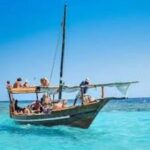
The dhow part is the heart of the morning. You’ll board a traditional wooden dhow and sail across turquoise water in and around Menai Bay. On a trip like this, the boat ride is not just transport. It’s time to settle in, watch the coastline, and mentally switch from hotel pace to sea pace.
The crew on day tours like this usually works efficiently: you’ll be guided into snorkeling moments when conditions are right, then moved along to the next stop without dragging the day out. Still, you should expect a “moving schedule.” You’ll jump between settings—open water sailing, a sandbank, then islands.
One note for your planning mindset: this kind of day can include short windows for each highlight. That’s great if you enjoy variety. It can feel a bit less satisfying if you’re hoping for long, detailed coastal exploration at every stop. If you’re the type who likes slow and explained, ask for specifics early so you know what you’re getting out of each segment.
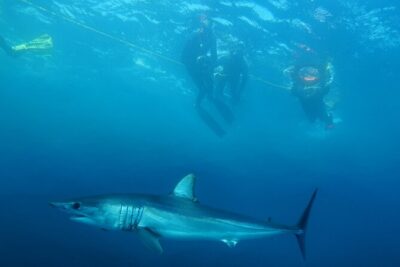
Also, keep an eye on wildlife. The tour information says you may see wild dolphins, but sightings aren’t guaranteed. That’s typical for offshore animals—so treat it like a bonus, not a promise.
Snorkeling with local guidance: what you’re really paying for
Snorkeling is the main activity, and you’ll get snorkeling equipment plus guided snorkeling sessions. That combination is the real value. If you’ve snorkeled before without a guide, you know how easy it is to miss the good spots or spend more time adjusting gear than seeing fish.
Here, the local crew guides you as you explore coral reef areas with tropical fish. The water visibility in this region can be excellent, and the coral grows in a way that draws in reef life. Your best “return on effort” comes from going with the flow: listen to the instructions, keep your buoyancy steady, and focus on watching rather than touching.
The rules also matter. You’re told not to touch marine life and not to touch plants, plus no littering. You’ll get the clearest snorkeling experience when everyone respects that. It protects the reefs, and it also keeps you safer in shallow areas where people can accidentally step or grab.
If you want crisp underwater photos, bring a waterproof camera. The tour encourages it because underwater angles can be a challenge with a regular phone setup. Even a basic waterproof case can be worth it here.
Practical tip: sunscreen before you go is a must. Reef-friendly options aren’t mentioned here, so stick to what you already trust, but apply it early to avoid slathering while you’re already in water.
The sandbank break: why people love this stop
Then comes the sandbank. This is the part many people remember: a secluded white sand area where you can sunbathe, relax, and spend time off the boat. The day stops long enough for a real break, not just a quick photo moment.
You’ll also get tropical fruits during the sandbank time. That’s a simple touch, but it helps make the break feel like a refresh instead of waiting for the next transfer. If you’re used to tour days that skip hydration or snacks, this can feel noticeably better.
One of the strongest positives in the experience is that sandbank time can be special. With some tour set-ups (especially smaller groups), you may end up with more space and less crowding, which turns this stop from “scenery” into actual downtime.
Here’s the consideration: a sandbank stop can feel pointless to some people if it’s too short or if you expected more long coastal cruising. The geography is beautiful, but it’s still a sand-and-water interlude. If you’re the type who wants constant movement and commentary, balance your expectations. Bring a book, a dry towel, and a calm mindset.
Also, shoes matter here. Even though it’s called a sandbank, you’ll likely handle transfers and walk on boats and shore areas. Comfortable beach shoes help you avoid sand burn and blisters.
Kwale Island seafood BBQ under tamarind trees
After the sandbank, you head to Kwale Island for lunch. This is where the day turns from active to satisfying.
The meal is a seafood BBQ lunch with vegetarian options, served under shade from tamarind trees. That shade detail sounds small, but it matters in Zanzibar sun. It keeps lunch comfortable and makes it easier to actually enjoy the food instead of rushing through.
What makes this stop valuable is the “break” structure. You snorkel, you relax on sand, then you sit down for a proper cooked meal rather than a packaged snack. In a full-day outing, that kind of pause keeps energy up for the afternoon mangrove and baobab segment.
If you’re picky about timing, note that the schedule is structured. Lunch is a stop, not an open-ended hangout. Still, the BBQ style tends to feel special because you’re eating as a group, on an island setting, with drinks and fruit.
One practical suggestion: if you’re sensitive to sun, plan to reapply sunscreen after lunch. You’ll be back outdoors soon.
Mangrove lagoon and the 500-year-old baobab: the slower ending
The afternoon brings a different scene. You’ll explore a hidden mangrove lagoon and visit a 500-year-old baobab tree. This part gives your day another rhythm—quiet water, twisted mangrove roots, and a landmark tree that makes the passage of time feel real.
Compared to snorkeling, mangroves are calmer and more about scenery than motion. It’s a great contrast if you want your sea day to include something that isn’t just reef and fish.
Also, remember the rules about touching plants. Mangrove areas are fragile. Watch, don’t handle.
If you’re curious, use the time here to ask questions. The guide and crew can usually explain what you’re seeing in simple terms—how the mangroves protect shorelines and how the tree fits the region’s long timeline. Even when the tour doesn’t go deep, this segment still tends to leave people with a strong “memory image.”
Price and value: is $70 per person fair?
At $70 per person, this is positioned as a mid-range full-day Zanzibar tour. For the price, you get a lot of moving parts: dhow sailing, snorkeling equipment, guided snorkeling, sandbank time with fruits, lunch (including vegetarian options), plus the mangrove lagoon and baobab visit.
So the value is real if the day runs smoothly and you get reasonable time at each highlight.
Still, one caution: some people feel the service doesn’t match the price, especially if you expected more time discovering the coast or more explanation between stops. That can show up as “short transfers, limited commentary, quick fruit break,” depending on conditions and group setup.
My practical take: if you’re paying $70, go in with the mindset of a structured day with set stops—not a long exploration cruise. And if you want more clarity, ask questions early when you meet Captain Eddy and the crew. You’ll often get better from the experience when you’re actively engaging rather than waiting for everything to be explained.
What to pack (and what to avoid) for a smooth sea day
Bring items that make the day comfortable and protect your health.
What to bring:
- Comfortable shoes (for boats and shore walking)
- Hat and sunscreen (sun is intense)
- Swimwear and a towel
- Camera, plus a waterproof option if you want underwater shots
- Snacks and water if you know you run low on energy
- Soft gear basics: if you like dry bags, grab one
You’re also told not to litter, and not to touch marine life or plants. That’s not just a rule sheet. It’s part of how reefs and mangroves survive in a tour-heavy area.
Not allowed actions keep you safer too. If you’re tempted to grab a coral piece or reach into reef life for a photo, don’t. You’ll get better images by hovering and watching, and you’ll avoid accidental damage.
Who this tour is best for (and who should skip it)
This is best for you if you want a full-day Zanzibar experience that mixes water time, reef snorkeling, and island meals in one package. It’s especially good if:
- You like variety more than long stretches of one activity
- You want a guide helping with snorkeling instead of going solo
- You enjoy simple island food and scenic stops
It may not be ideal if:
- You need lots of mobility or a step-free experience
- You expect constant commentary and long coastal exploration between every moment
- You dislike sandbank downtime and prefer more active sightseeing
Accessibility note is clear: it’s not suitable for people with mobility impairments and not suitable for wheelchair users. Boats and shore transfers usually create barriers, and this tour doesn’t list accommodations for that.
Languages, group feel, and the small planning details that matter
The tour lists languages including English, French, German, and Italian. That’s useful if you want instructions and safety notes in a language you’re comfortable with.
The experience provider is Yonazi safari ltd, and the crew includes experienced locals. That tends to make a difference in practical matters: when to snorkel, how to handle boat movement, and how to keep people together without turning the day chaotic.
It’s also offered with a reserve & pay later option, which can be handy if you’re still adjusting your Zanzibar schedule.
One last thing: if you bring snacks, keep them simple and pack them well. There are rules about littering, and you’ll want a clean finish when you’re back at the meeting point.
Should you book this Zanzibar Safari Blue tour?
I think you should book if you want a classic Zanzibar sea day with real variety: dhow sailing in Menai Bay, guided snorkeling, sandbank relaxation, a seafood BBQ on Kwale Island, then mangroves and a 500-year-old baobab. The snorkeling + lunch + scenic afternoon combination is the core strength, and it’s the kind of day that fits a first-time visit.
Skip or reconsider if you’re extremely price-sensitive or you hate structured stop-based itineraries. If you need lots of explanation and long, slow coastal cruising, this may feel too “tight schedule” for your taste.
If you do book, here’s my no-nonsense advice: show up with sunscreen on board, bring a waterproof camera, and ask Eddy and the crew what to expect at each stop. You’ll get more out of the day, even if your group pacing isn’t perfect.
FAQ
How long is the Zanzibar Safari Blue Snorkeling and Sandbank Tour?
It’s a full-day tour. One experience measured it at about 8–9 hours away from your starting point.
What’s included in the tour price?
Hotel pickup and drop-off, a traditional dhow cruise, snorkeling equipment, guided snorkeling sessions, seafood BBQ lunch with vegetarian options, tropical fruits and soft drinks, and visits to Kwale Island plus the mangrove lagoon. You’ll also have an experienced local crew.
Where do you meet at the start of the tour?
You meet the sailing boat captain, Eddy, for easy recognition at the departure point. The tour ends back at the meeting point.
What should I bring to be comfortable?
Bring comfortable shoes, a hat, swimwear, a towel, a camera (ideally waterproof for underwater photos), sunscreen, and water. Snacks are also listed as helpful.
Is this tour suitable for wheelchair users or people with mobility impairments?
No. The tour is not suitable for people with mobility impairments and not suitable for wheelchair users.
Can wild dolphins be seen on the trip?
You might see wild dolphins, but sightings are not guaranteed.