REVIEW · YOGYAKARTA
Yogyakarta: Explore Merapi using Safari Jeep with Pickup
Book on GetYourGuide →Operated by Holy Royal Trans Yogyakarta · Bookable on GetYourGuide
Merapi feels close when you ride a jeep. This Yogyakarta tour pairs a Safari Jeep ride with guided stops around Mount Merapi, so you get motion, views, and clear explanations in a short 4–5 hour window. I like how the trip stays practical: hotel pickup, helmet included, and a plan that keeps you moving rather than stuck waiting around.
I also love the Mini Museum stop, where the 2010 eruption is explained with everyday items affected by the heat, and you hear it through a local guide’s eyes. The main drawback is simple: the mountain may hide behind clouds, since visibility depends on unpredictable weather—so you’ll want a flexible attitude, especially if you’re chasing that perfect crater shot.
In This Review
- Key things that make this Merapi jeep tour worth it
- From your hotel to Merapi: the smooth start that matters
- Why the Safari Jeep is the heart of the day
- The Mini Museum: what the 2010 eruption looked like in real life
- Viewpoints and photo stops: when the clouds cooperate, it’s magic
- Merapi bunkers: why this part hits harder than photos
- How long the 4–5 hours feels in the real world
- English guiding and private group comfort: what you’ll actually notice
- Price and value: is $29 fair for this mix?
- Who should book—and who should skip this Merapi jeep tour
- Should you book the Merapi jeep tour with pickup?
- FAQ
- How long is the Mount Merapi jeep tour with pickup?
- Does the tour include pickup and drop-off from Yogyakarta hotels?
- What’s included besides the jeep ride?
- Is the guide available in English?
- Will the tour run in rain?
- Can I expect clear views of Mount Merapi?
- What should I bring with me?
- Is this tour suitable for everyone?
Key things that make this Merapi jeep tour worth it
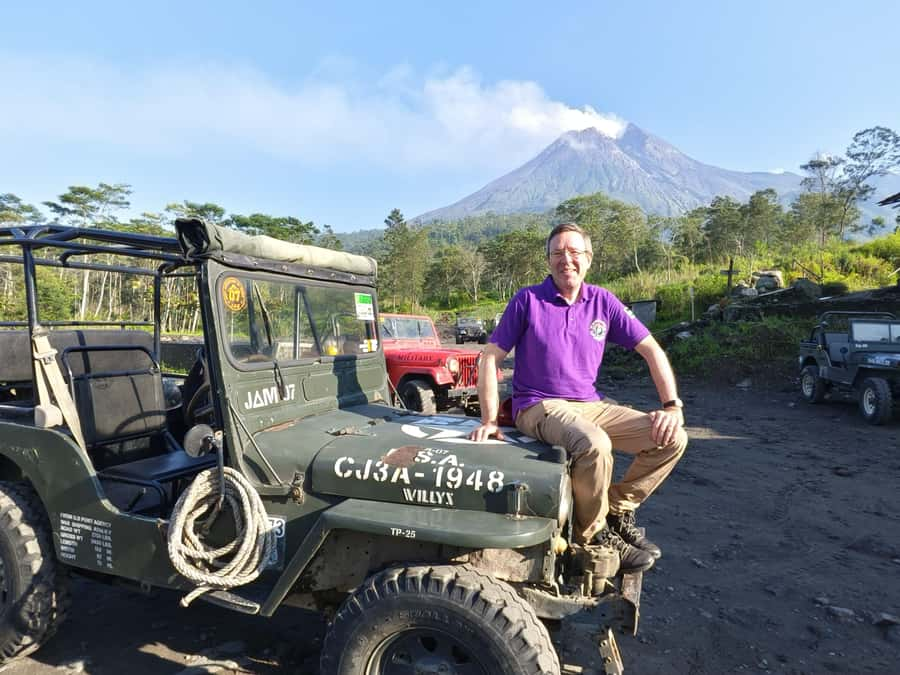
- Safari Jeep access that feels more like exploration than a bus ride
- Mini Museum storytelling tied to the 2010 eruption’s real-world impacts
- Photo stops with multiple viewpoints, so you’re not stuck with one chance
- Local guides with lived context, including firsthand survivor and village stories
- Comfort-focused logistics: hotel pickup/drop-off plus a helmet for safety
From your hotel to Merapi: the smooth start that matters
This is a morning-style tour that begins with pickup from your Yogyakarta accommodation in an air-conditioned vehicle. That first transfer is underrated. You avoid the stress of finding transport on your own, and you arrive at the Merapi area ready to focus on the volcano stops instead of logistics.
It’s also the kind of ride where a good driver can change the mood. Several drivers have been praised for friendly conversation and English, and that matters on a roughly hour-long drive to the base area. You get your bearings fast, and the day starts feeling like a guided experience rather than a checklist.
You can also read our reviews of more tours and experiences in Yogyakarta.
Why the Safari Jeep is the heart of the day
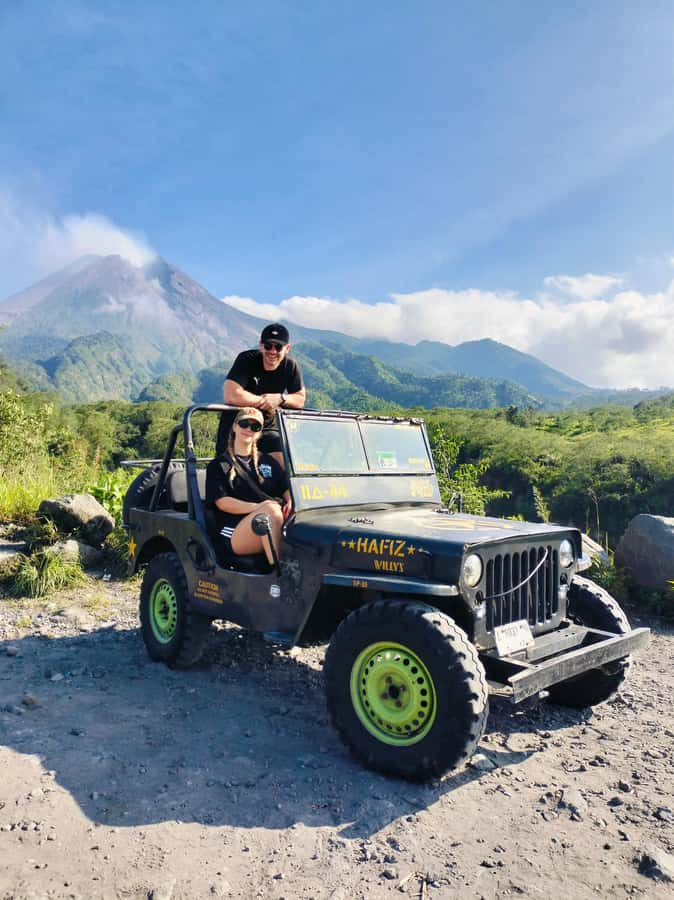
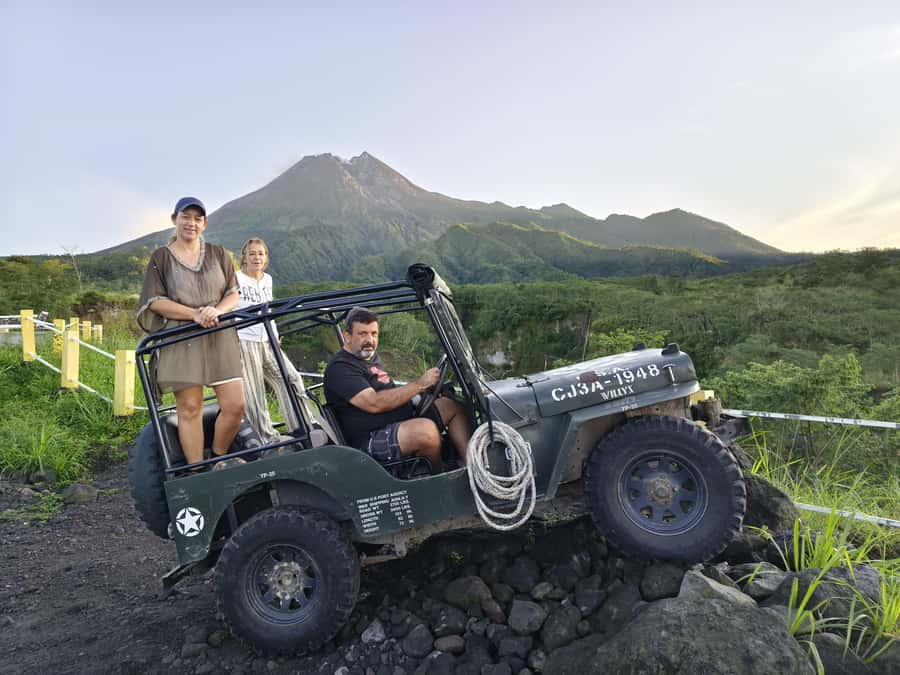
The “Safari Jeep” portion is what gives this tour its character. Once you transfer to the jeep, you spend the main chunk of the outing exploring areas around Mount Merapi with your guide. The jeep format makes it feel like you’re learning the terrain as you go—bumpy, close, and built for spotting details you’d miss from farther back.
Safety is part of it too. You’ll be given a helmet, which is a good sign that the operator takes the road conditions seriously. And since the tour is a private group, the pace feels easier to manage. If you want photos at a specific stop, your guide can work with the timing instead of forcing everyone to rush together.
The Mini Museum: what the 2010 eruption looked like in real life
The Mini Museum stop is the emotional anchor. This is where you shift from scenery to meaning. You’ll listen to your guide recount the 2010 eruption, and the museum shows the disaster through objects affected by the event—items that make the story feel shockingly everyday.
One of the most striking parts is the presence of melted-looking household and common items, like clocks, pots and pans, and even bicycles. It’s not “textbook tragedy.” It hits because it’s practical. You can almost imagine the routines that existed before the eruption—then the museum shows what that routine can become in seconds.
Even when skies are cloudy, this stop still lands. It’s the part of the day that doesn’t depend on the volcano being visible. If you’re the type of person who remembers history best through human stories and physical evidence, this museum will stick with you.
Viewpoints and photo stops: when the clouds cooperate, it’s magic
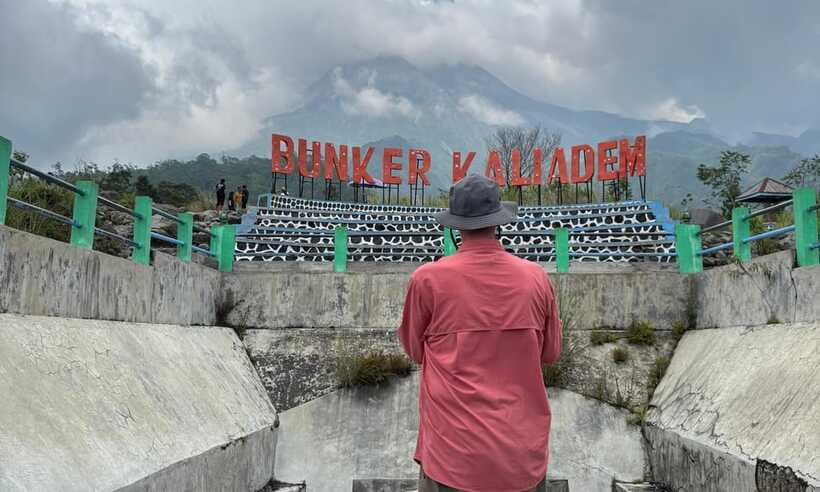
After the jeep and museum time, you’ll reach viewpoint stops designed for photos and sightlines around Mount Merapi. This is where the tour becomes visually thrilling—wide angles, dramatic angles, and enough different stops that you’re not betting the whole day on one look.
That said, there’s no guarantee. The tour runs rain or shine, but your ability to see Mount Merapi clearly depends on unpredictable weather conditions. Clouds can roll in fast, and a day that starts gray can still deliver a moment of clarity—or it can keep the summit hidden.
Practical tip: if your schedule allows choice, aim for the earlier departure option. On clear mornings, visibility has been excellent, and later in the tour clouds can gather. You don’t control the sky, but you can increase your odds.
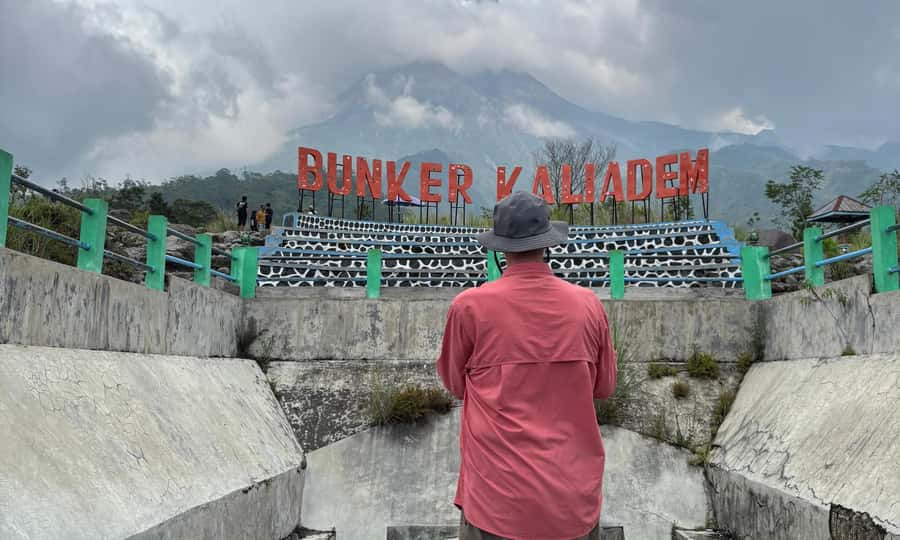
Merapi bunkers: why this part hits harder than photos
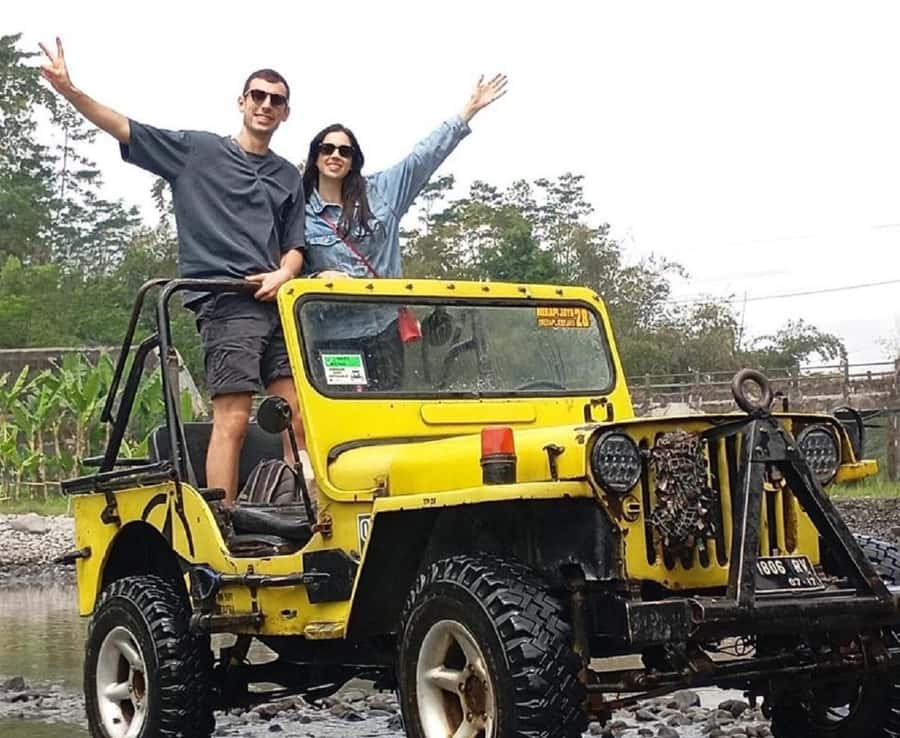
You also have the option to visit Merapi bunkers, which come with stories. This is the section that turns “volcano viewing” into “understanding what survival required.”
Guides connected to the area’s disaster have shared personal context—some with firsthand experience of the 2010 eruption, others from villages affected by it. That’s powerful because you’re not just learning facts. You’re hearing how people interpreted danger, adapted their lives, and made choices under pressure.
There’s a reason people remember this kind of stop longer than a lookout. A viewpoint gives you an image. The bunkers give you a framework for what the image meant for real people.
How long the 4–5 hours feels in the real world
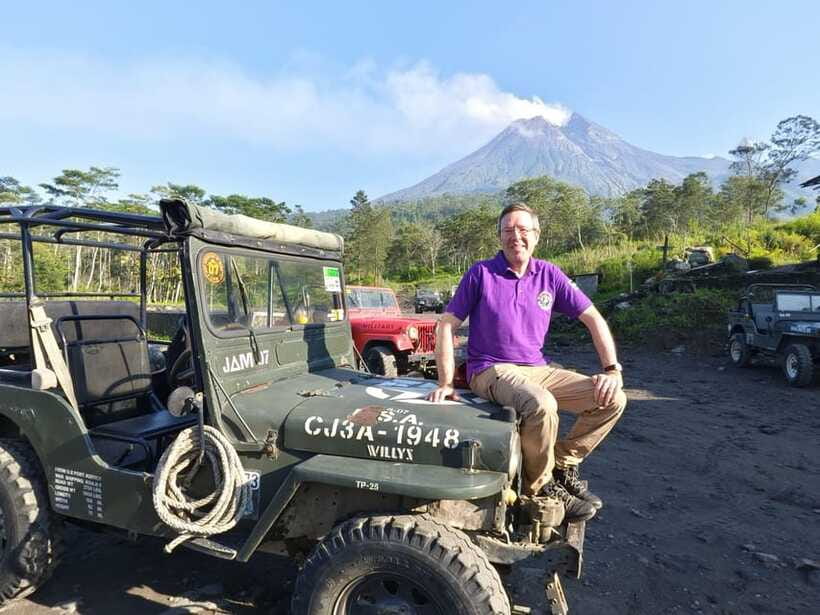
The total duration is 4–5 hours, which is a sweet spot for a volcano day. You’ll have time for the museum, jeep exploration, at least one viewpoint stop, and the return—without it turning into an all-day grind.
Still, plan for variability. Traffic and the timing of when clouds clear can affect your experience. One of the nice things here is that the day is structured, so even if weather changes, you’re not stuck waiting without purpose—you’re moving through stops that each contribute something.
Also note: views are dependent on weather, but the museum and guided stories aren’t. That balance is what keeps the tour satisfying even on cloudy days.
English guiding and private group comfort: what you’ll actually notice
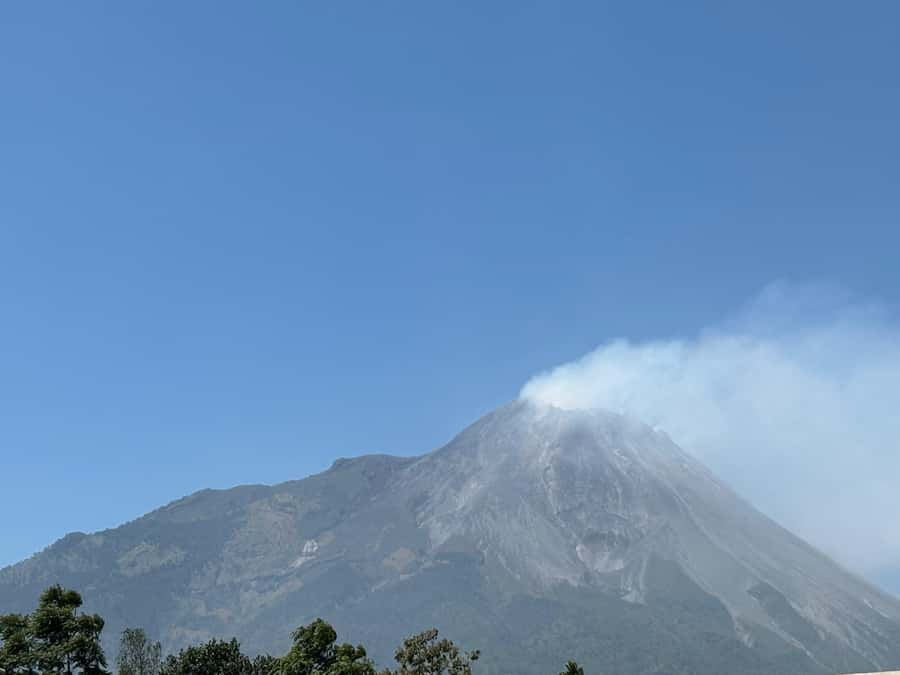
This is a private group experience with a live English-speaking guide. In practice, that means you’re more likely to get clear explanations as you go, not vague pointers. You’ll also be helped with photos at key moments—some guides are especially attentive to taking picture-friendly angles and compositions.
The private setup can matter in two ways:
- You don’t have to sync your pace with a large group.
- If you’re curious—about the eruption, the objects in the museum, the bunkers—your guide can spend a little more time with you.
You’ll also get hotel pickup and drop-off in an air-conditioned vehicle, and you’ll wear a helmet during the jeep portion. Those little comfort touches add up when you’re out for several hours.
Price and value: is $29 fair for this mix?
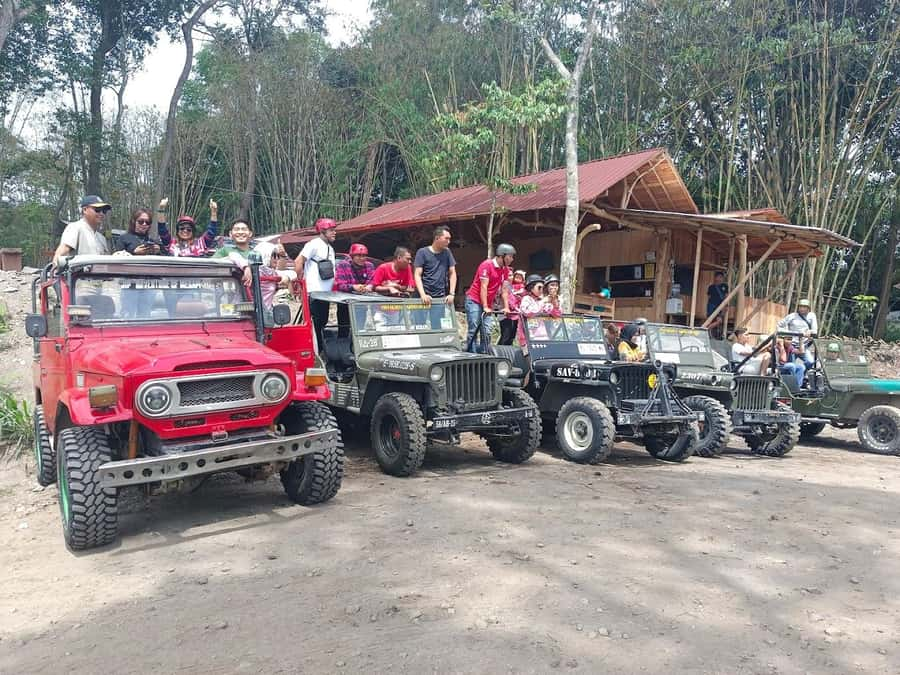
At $29 per person, the value comes from what’s included, not just the sticker price. Your cost covers:
- hotel pickup and drop-off
- a tour guide (English)
- the jeep tour
- a helmet
- entrance fee to Mount Merapi
That’s a meaningful bundle for a volcano outing. If you tried to piece this together yourself, you’d likely pay separately for transport, a local guide, and access/entry. Here, it’s packaged into one time window so you can spend your energy on the places that matter: museum evidence, jeep exploration, viewpoints, and the bunker stories.
If your priority is a guided experience that hits both meaning and scenery, this price range is easy to justify.
Who should book—and who should skip this Merapi jeep tour
This tour fits best if you want:
- a short, guided volcano day rather than a long hike
- museum-level context tied to the 2010 eruption
- a jeep-based way to explore and take photos
- a private group where the guide can help with pictures and questions
It’s not a fit if you’re pregnant. The tour is also rain or shine, so you’ll want to be comfortable in changing conditions.
If your main goal is a guaranteed clear view of the summit, keep expectations flexible. Weather controls visibility more than planning does.
Should you book the Merapi jeep tour with pickup?
Yes—if you’re excited by both story and scenery. The strongest reason to book is the balance: the jeep gives you movement and angles, and the Mini Museum plus bunker stops give you context that actually explains what happened in 2010. Even on cloudy days, the tour can still feel worthwhile because the guided history isn’t dependent on perfect weather.
Book with the right mindset if you care about crater photos. Earlier departures can improve odds, but clouds can win. If you want a smooth, guided, short outing with good value and local expertise, this is a solid choice.
FAQ
How long is the Mount Merapi jeep tour with pickup?
The tour runs about 4 to 5 hours total.
Does the tour include pickup and drop-off from Yogyakarta hotels?
Yes. Pickup and drop-off at your accommodation in Yogyakarta are included.
What’s included besides the jeep ride?
You’ll get a tour guide, the jeep tour, a helmet, and the entrance fee to Mount Merapi.
Is the guide available in English?
Yes, the live tour guide speaks English.
Will the tour run in rain?
Yes. The tour will proceed rain or shine.
Can I expect clear views of Mount Merapi?
Views depend on unpredictable weather conditions, so visibility isn’t guaranteed.
What should I bring with me?
Bring comfortable shoes, sunscreen, and comfortable clothes.
Is this tour suitable for everyone?
It’s not suitable for pregnant women, and alcohol and drugs are not allowed.