REVIEW · YOGYAKARTA
Yogyakarta: Mount Merapi Guided Jeep Safari with Pickup
Book on GetYourGuide →Operated by Jogja Borobudur Tour & Travel · Bookable on GetYourGuide
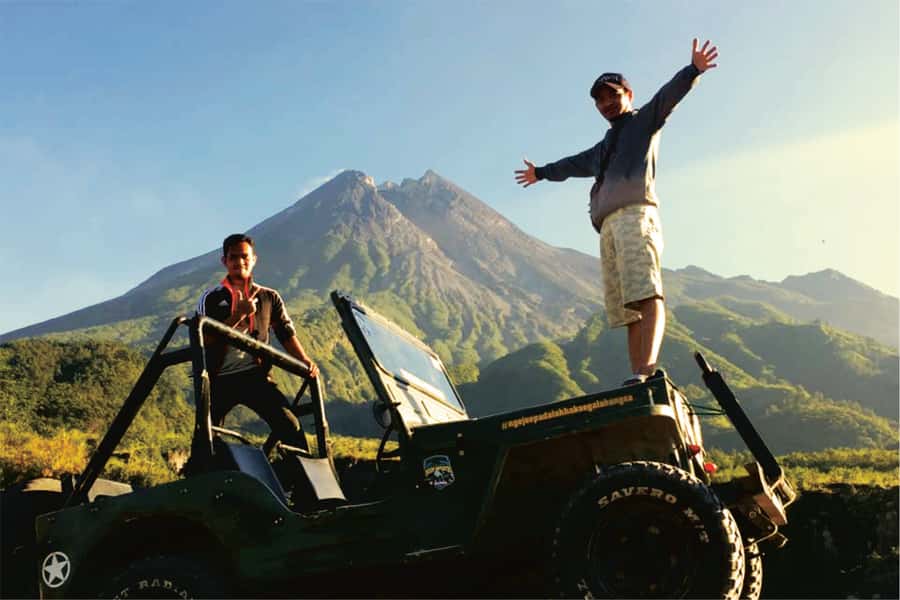
Mt Merapi feels close in a jeep ride. This 3-hour 4WD Jeep Safari from Yogyakarta mixes scary-beautiful volcano views with a Mini Museum stop that explains the 2010 eruption and what it did to the local landscape.
Two things I really like: you get English-speaking guides who connect the dots between what you see and what happened, and the tour runs with pickup and drop-off in Yogyakarta so you’re not stuck organizing transport on your own. On one trip, the guide lineup included people like Brian for the handoff and Fajar or Iwan for the Jeep explanation, with plenty of help for photos along the way.
The one catch is weather. Views from the viewpoints, including spots like the Bunker, depend on cloud cover, and rain or haze can change how much of the volcano you actually see.
In This Review
- Key takeaways before you go
- Why this Merapi Jeep Safari is more than a sightseeing stop
- Pickup in Yogyakarta: easier than DIY, and faster than you think
- The Jeep handoff: where the adrenaline starts
- Viewpoints and the Bunker: getting real angles on an active volcano
- A tip that keeps showing up
- Mini Museum: where the 2010 eruption story becomes personal
- Driving through eruption scars: why the rough terrain is part of the meaning
- English guidance and photo help: why it feels worth it
- Weather and timing: how early starts can help (and hurt)
- Price and value: is $35 fair for a Jeep safari with a museum?
- Who should book this tour
- If you’re choosing between start times, pick by your priorities
- Should you book this Mount Merapi Jeep Safari?
- FAQ
- How long is the Mount Merapi guided jeep safari?
- Is it a private tour?
- Do I get hotel pickup and drop-off in Yogyakarta?
- Is pickup available from outside Yogyakarta?
- What language is the tour guide?
- Will the tour run if it rains?
- Is the view guaranteed from the viewpoints?
- What’s included in the tour price?
- What is the Mini Museum about?
- Is there a cancellation option?
- Can I reserve now and pay later?
Key takeaways before you go
- Small group (up to 4): less waiting around, more time for photos and questions.
- English live guide: you’re not just looking, you’re understanding what you’re looking at.
- 4WD Jeep ride on rough terrain: this is the adrenaline part, not a calm sightseeing loop.
- Multiple Merapi viewpoints (including the Bunker): the tour uses several angles, not one lookout.
- Mini Museum entry included: you’ll see the story of the 2010 eruption through exhibits and photos.
- Helmet included: a small detail, but it’s one less thing to remember.
Why this Merapi Jeep Safari is more than a sightseeing stop
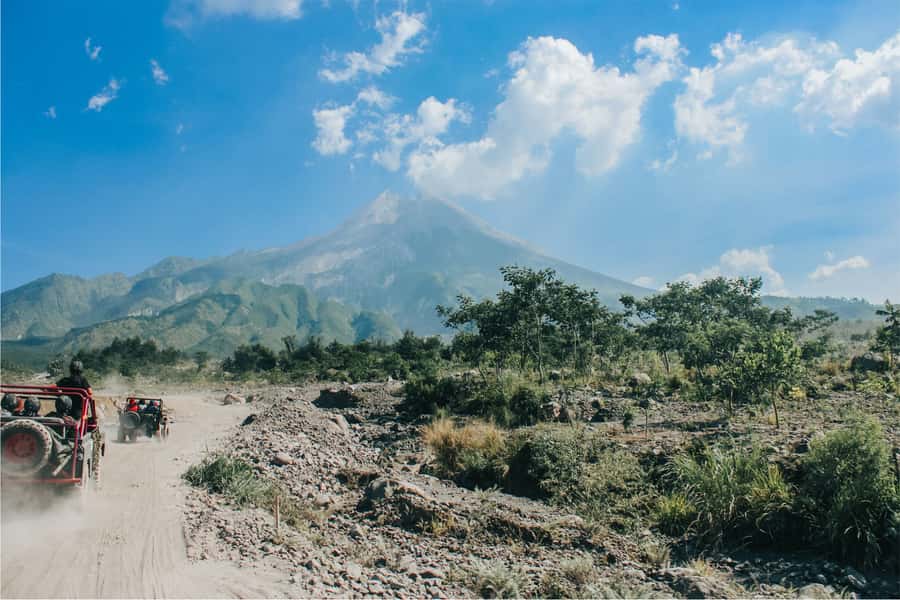
A Mount Merapi tour works best when it does two jobs at once: it shows you the scale of an active volcano, and it explains why people still live in the shadow of it. This one nails both.
The Jeep portion is the “hands-on” part. You’re bouncing along rough ground, moving through areas shaped by past eruptions, and getting close enough to feel how serious the mountain is. The Mini Museum is the “context” part. Instead of treating Merapi like a postcard, you learn what the 2010 eruption meant for real families and daily life.
What you get for the price is also important. At around $35 per person for about 3 hours, you’re paying for transportation, a guide, and entry fees tied directly to the experience (Jeep tour, Mini Museum, and Merapi entry). In practical terms, it’s a way to combine driving + education + access without spending extra time hunting tickets or a separate museum visit.
Pickup in Yogyakarta: easier than DIY, and faster than you think
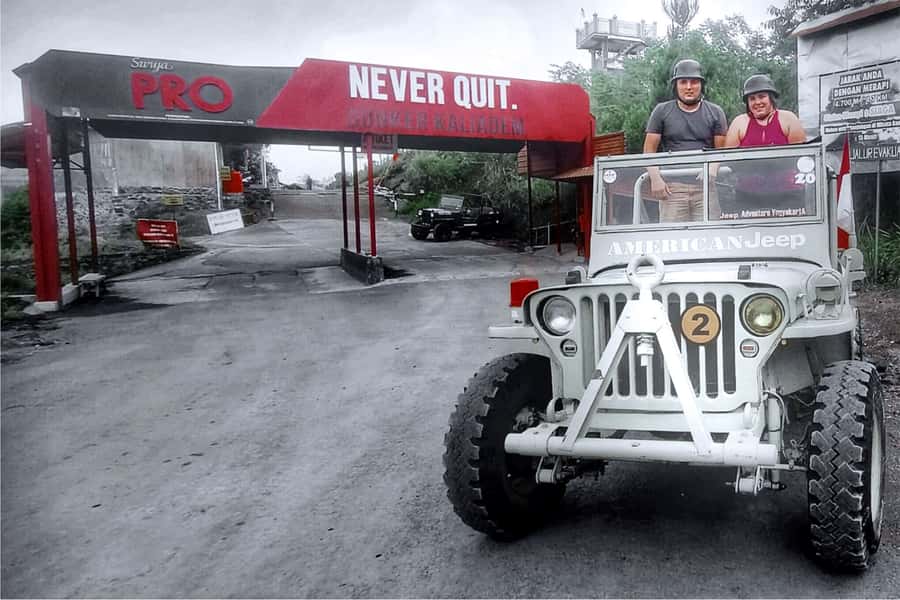
This tour includes hotel pickup and drop-off in Yogyakarta, which matters more than it sounds. If you’ve spent any time around central Java, you know transport can turn into a time tax. Here, you start with a scheduled pick-up so you can use that 3-hour window efficiently.
You’ll also often be driven from Yogyakarta city to the Jeep area before swapping to the Jeep itself. One rider described a 40–45 minute ride from their hotel to the transfer point. That means the Jeep time is protected for the real thrill, not consumed by extra logistics.
Pickup note: the tour says pickup is included from accommodation in Yogyakarta. If you’re staying outside that area (like Borobudur, Magelang, or the airport), pickup is possible with an extra IDR300,000 cost. So if you’re basing yourself in Yogyakarta, you’re likely set.
The Jeep handoff: where the adrenaline starts
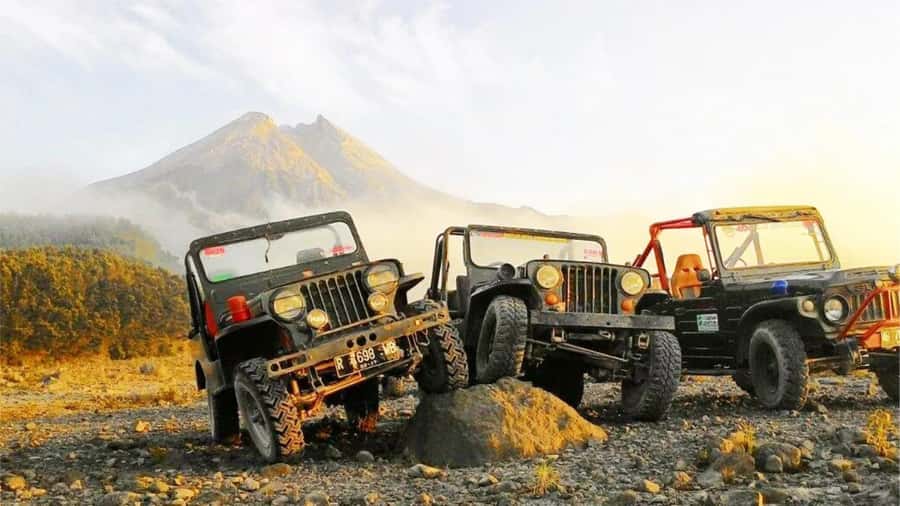
Your day splits into two phases: the road transfer and the Jeep safari. The road transfer is usually more relaxed, with your guide filling you in on regional history and what makes Merapi such a special volcano. Then you switch to the old-school, no-nonsense 4WD Jeep.
The Jeep ride is where most people feel it immediately: uneven tracks, bumpy angles, and the sense that the mountain isn’t just “nearby”—it’s right there. You’ll get a helmet, which is included, and you’ll be guided by a Jeep driver and/or guide during the safari.
I like that guides often bring a hands-on style. In the tour experiences I saw, people like Fajar, Iwan, Haidar, Eko, Aulian, Kin, and others weren’t just reciting facts. They helped with pictures and answered questions in English, including details about eruptions in 2006 and 2010. That local connection can change the whole feel of the tour.
Viewpoints and the Bunker: getting real angles on an active volcano
The safari isn’t a single stop. It’s built around multiple viewpoints, and one of the named highlights is the Bunker. That’s not just a random photo spot. On Merapi routes, viewpoints are selected so you can see different features—damage zones, slopes, and the way the volcanic terrain shapes what’s visible.
The practical advice here is simple: treat viewpoint stops like short photo missions. You’ll get chances, but you’re not guaranteed perfect clarity. Weather is unpredictable, and the tour explicitly runs rain or shine. If you’re going in cloudy season, plan for the possibility that you’ll hear the guide explain the volcano while the view stays partially obscured.
Still, don’t assume that means it’s a waste. Even when the mountain is hazy, the surrounding terrain and eruption scars can look dramatic. Plus, the guide’s explanation helps you “read” what you’re looking at rather than just hoping for a clear shot.
A tip that keeps showing up
Some guides include a river or water crossing segment as part of the Jeep adventure. One rider strongly recommended making sure the water course is included, calling it a fun add-on. The tour description doesn’t spell out the water crossing, so think of it as something your Jeep guide may be able to add depending on the route and conditions.
Mini Museum: where the 2010 eruption story becomes personal
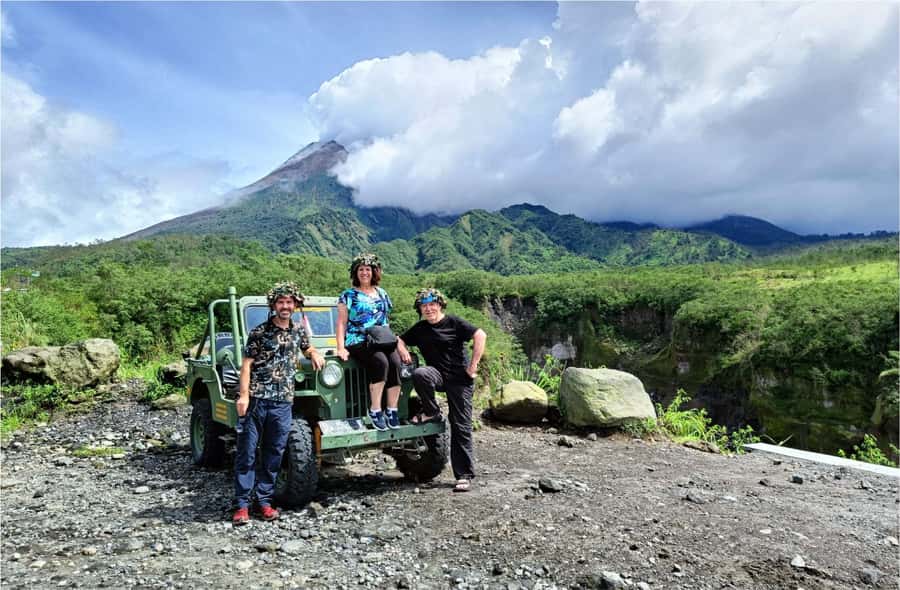
The Mini Museum stop is the emotional anchor of this tour. The guide brings the 2010 eruption into focus using exhibits and pictures of Merapi, including why the eruption was the largest since the 1870s.
The numbers matter here because they explain why this isn’t just “dramatic scenery.” The tour says the 2010 eruption took 353 lives and affected about 350,000 people, many of whom had to be evacuated. That scale shows up in the museum exhibits, including what were described as props from affected houses in the area.
In a volcano tour, this is what keeps you from turning Merapi into a theme park. You’re watching the aftereffects while learning what the human impact looked like, and that changes how you interpret the damage you’re seeing outside.
Driving through eruption scars: why the rough terrain is part of the meaning
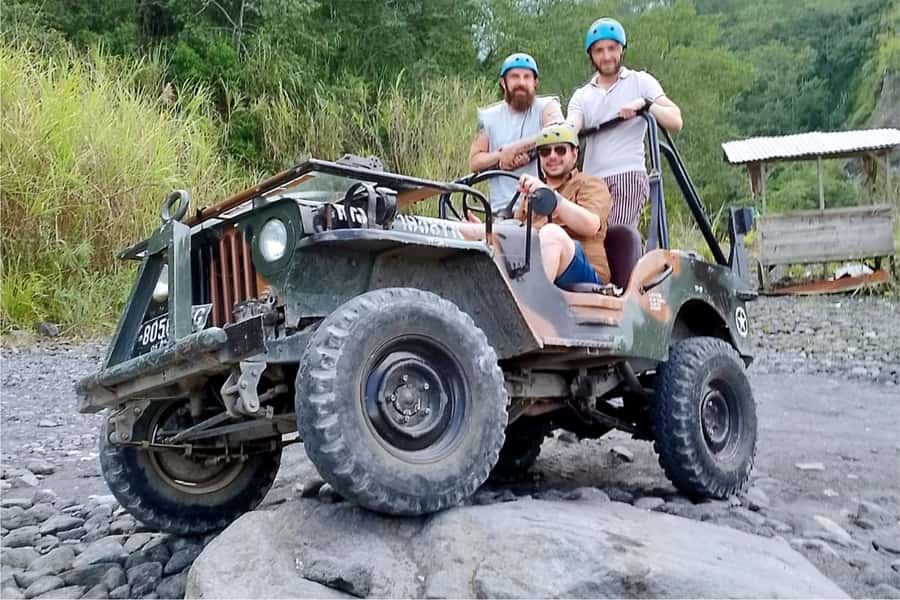
A smooth road makes things feel safe. A rough road does the opposite. The Jeep’s job is to move you across ground that standard vehicles might not handle, and that directly connects to what you came to see: the terrain shaped by eruptions.
This is one of those experiences where adrenaline isn’t just for fun. It’s also your body understanding the environment. Your vehicle tilts on uneven paths. You feel the track conditions. You notice how the landscape changes from one bend to the next. Those physical cues make the museum information sink in faster.
Just keep expectations grounded: this isn’t an extreme sport course. It’s a guided safari. You’ll still be in control through the driver’s route choices, and the tour includes basic safety support like helmets.
English guidance and photo help: why it feels worth it
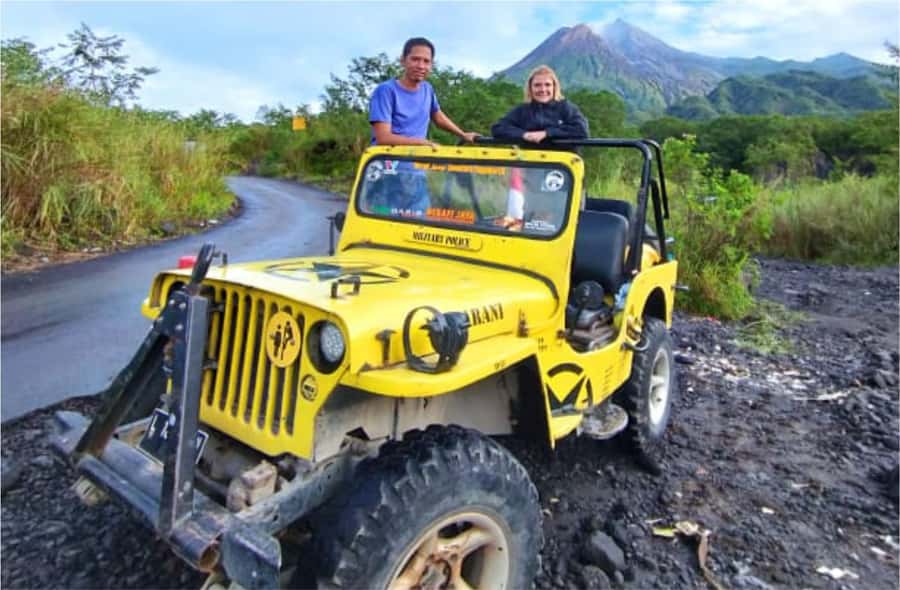
If you care about photos, you’ll probably appreciate how the guides operate. Multiple reviews described guides and drivers helping with pictures and taking extra time to get good angles.
One rider specifically praised a guide named Hajar/Haidar for professionalism and for checking in to make sure everyone was comfortable, while another described Fajar doing a great job taking photos on a sunrise-style departure. Others mentioned that the Jeep driver was from the local village and could explain damage from the 2006 and 2010 eruptions with real, personal familiarity.
Even if your guide’s English is still growing, you’ll still get value because the core story is visual: eruption impacts, the mountain’s role in local life, and the museum exhibits.
Weather and timing: how early starts can help (and hurt)
The tour runs rain or shine, and viewpoints can be limited by cloud cover. If you’re trying for the clearest views, your best bet is choosing an early departure time, since sunrise-style starts are mentioned in the experiences shared.
The trade-off is visibility. On an early morning, clouds can sit low and swallow the volcano right when you want the shot. One rider described waiting for first light while the mountain stayed hidden in thick clouds. Still, they ended up enjoying the Jeep ride and the museum portion.
So here’s your planning mindset:
- If you see Merapi clearly: great. Savor it.
- If you don’t: focus on the Jeep terrain, eruption damage, and museum context. The tour still makes sense.
Price and value: is $35 fair for a Jeep safari with a museum?
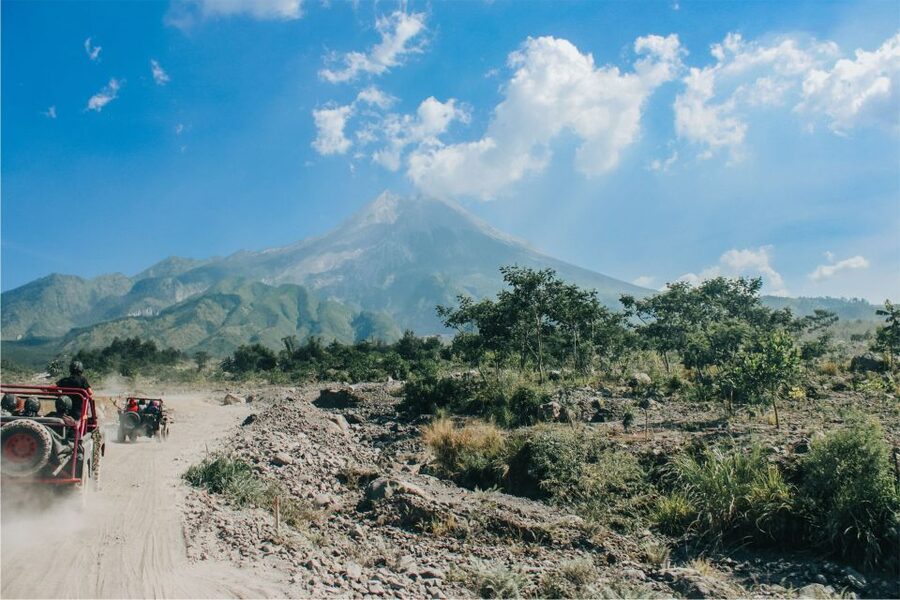
At roughly $35 per person for about 3 hours, value depends on what you’d otherwise pay to assemble the same pieces.
Here you’re paying for:
- Hotel pickup and drop-off in Yogyakarta
- A tour guide (English live guide)
- Jeep tour
- Mini Museum entry
- Mount Merapi entry
- Helmet
That bundle matters. A solo taxi to multiple sites + separate tickets + finding a qualified Jeep guide would usually cost more and also steal time from your trip. If you want the thrill of 4WD + the explanation of what those eruption scars mean, this price tends to feel fair.
Also, the group size helps value. With a small group capped at 4 participants, you’re less likely to feel like a number.
Who should book this tour
This Merapi Jeep Safari is a strong match if you:
- Want a real 4WD adventure, not a slow bus-style drive.
- Like volcano history that includes the human impact, not just facts and photos.
- Appreciate English guidance and photo assistance.
- Are staying in Yogyakarta and want pickup without extra planning.
It might be less ideal if you:
- Get easily stressed by variable weather and partially obscured viewpoints.
- Want a guaranteed view every time. The tour openly warns that viewpoints depend on unpredictable conditions.
If you’re choosing between start times, pick by your priorities
Because duration is set at 3 hours and starting times vary by availability, your main decision is timing.
- Choose an earlier departure if clear skies are high priority for you.
- Choose any departure if learning and the Jeep experience are your main goals.
Either way, plan to be flexible. Merapi doesn’t cooperate on a schedule, and your guides will likely guide you through the best available angles given the conditions.
Should you book this Mount Merapi Jeep Safari?
I think you should book it if you want a memorable mix: Jeep adrenaline, multiple viewpoints like the Bunker, and a Mini Museum stop that explains the 2010 eruption impact in concrete terms. The included pickup makes it easy, and the small group size helps the tour feel personal rather than rushed.
Skip or reconsider if you’re the type who gets frustrated when clouds roll in and you can’t see everything clearly. In that case, you might still enjoy the ride and museum, but your “main photo goal” could take a hit.
If you’re ready for a hands-on volcano experience with solid English guiding and a strong educational stop, this is one of the best ways to spend a morning or early afternoon from Yogyakarta.
FAQ
How long is the Mount Merapi guided jeep safari?
The tour duration is 3 hours.
Is it a private tour?
The tour is described as a private Jeep ride, and the group size is limited to 4 participants.
Do I get hotel pickup and drop-off in Yogyakarta?
Yes. Hotel pickup and drop-off are included for accommodations in Yogyakarta.
Is pickup available from outside Yogyakarta?
Pickup from areas like Borobudur, Magelang, or the airport is possible with an extra cost of IDR300,000.
What language is the tour guide?
The live tour guide provides English.
Will the tour run if it rains?
Yes, it takes place rain or shine.
Is the view guaranteed from the viewpoints?
No. Viewpoints depend on unpredictable weather conditions.
What’s included in the tour price?
Included are hotel pickup/drop-off, a tour guide, the Jeep tour, Mini Museum entry, Mount Merapi entry, and a helmet.
What is the Mini Museum about?
The Mini Museum covers the 2010 eruption, including that it was the largest since the 1870s, and it explains the effects of the eruption, including evacuations.
Is there a cancellation option?
Yes. Free cancellation is available up to 24 hours in advance for a full refund.
Can I reserve now and pay later?
Yes. The tour offers a reserve now & pay later option.