REVIEW · KIGALI
2 Day Gorilla Trekking Safari in Uganda via Kigali
Book on Viator →Operated by Bamboo Ecotours · Bookable on Viator
Gorillas in Bwindi in just two days. This Kigali-to-Uganda safari is built around one big goal: tracking mountain gorillas in the Bwindi Impenetrable Forest with a national-park briefing and a small trek group capped at 10. You’ll spend real time on the road getting there, but the payoff is a guided, permit-based gorilla experience that’s far more organized than “winging it.”
What I like most is the hands-on support—your trip starts with pickup in Kigali and local guidance through the drive and border crossing. I also like that the key pieces are bundled: gorilla permits, transfers, and meals (breakfast, lunch, dinner) so you’re not juggling logistics while you’re excited and distracted.
One consideration: you’ll commit to about 5 hours each way between Kigali and Bwindi, and the trek itself can run long once you’re in the forest. If you get motion-sick or hate uncertainty about walking time, plan for that reality.
In This Review
- Key things that make this gorilla trek tick
- Kigali to Bwindi in two days: the trade-off you’re choosing
- Road time and the Rwanda–Uganda crossing: what to expect on day one
- The Bwindi briefing: where the trek starts to feel real
- Trek day: pace, patience, and why the guide matters
- Sleeping in Bwindi: tented nights and what the extra cost means
- Transfers and meals: the underrated part of gorilla trips
- Price and value: is $1,780 per person a fair deal?
- The small-group angle: fewer people, easier tracking, calmer vibes
- Practical packing and fitness: how to set yourself up for success
- Who this trip suits best (and who might want a different plan)
- Should you book this 2-day Kigali-to-Bwindi gorilla trek?
- FAQ
- Where does this tour start and where do I redeem my ticket?
- How long is the drive from Kigali to Bwindi National Park?
- How long is the drive back from Bwindi to Kigali?
- What’s included in the price?
- What is not included?
- How many people will be in the gorilla trekking group?
- Is the trek physically demanding?
- How quickly will I get confirmation after booking?
- Can I get a refund if I cancel?
Key things that make this gorilla trek tick
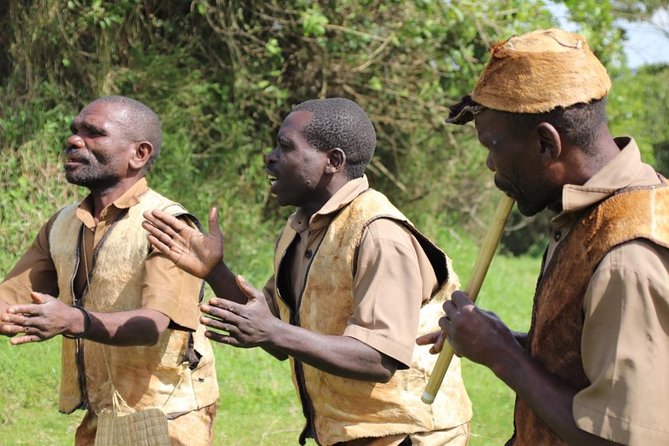
- Small trek group (10 max) once you’re in the forest, with park guidance on what to expect
- Permits and transfers included, so you’re paying for the core experience, not just a “driver and hope” plan
- Guided gorilla-family briefing at the park gate before you start tracking
- Real Bwindi time with the option to sleep within park limits in tented accommodation (at extra cost)
- Proven operator communication, with Edison noted as quick and responsive during trip planning
- Friendly, safety-focused drivers mentioned by name in multiple accounts (Jackson, Herbert, Fred, Godfrey)
Kigali to Bwindi in two days: the trade-off you’re choosing
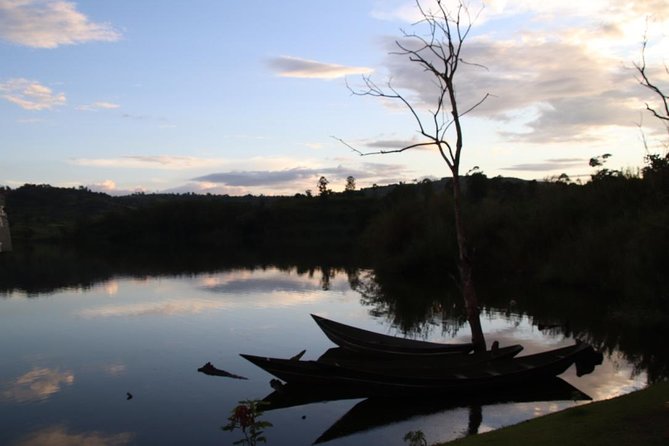
This is a “fast safari” by gorilla standards. You’re not flying, and you’re not dawdling. Instead, you’re doing the hard part up front: a long overland ride from Kigali into Uganda to reach Bwindi with enough time to settle in and start tracking the next morning.
That makes it feel efficient, but it also shapes your expectations. The experience isn’t “two days of lounging.” It’s two days of travel, briefing, walking, and then the main event. If you came to Rwanda for culture and viewpoints and now want the gorillas without stretching your schedule into a long trip, this format usually fits.
The real value is that this plan is built around the gorilla mechanics: getting you to Bwindi, getting you through the park process, and putting you with a guide who understands the rules of tracking. Gorilla permits aren’t a casual purchase—they’re timed and regulated—so bundling them with transfers and support helps you avoid stress on the ground.
You can also read our reviews of more tours and experiences in Kigali.
Road time and the Rwanda–Uganda crossing: what to expect on day one
On your first day, you’ll be picked up in Kigali and driven toward Bwindi National Park. The driving route passes through Rwanda’s northern town of Musanze (Ruhengeri), then you cross into Uganda via the Cyanika border post. From there, the drive continues through the Kisoro area and on toward Bwindi.
The time estimate given is about 5 hours for this Kigali-to-Bwindi leg. In real life, that can stretch or tighten depending on border conditions and road conditions. Either way, build your mindset around a long ride and keep your energy for the forest walk, not for sightseeing during the drive.
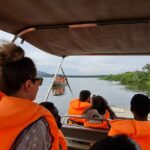
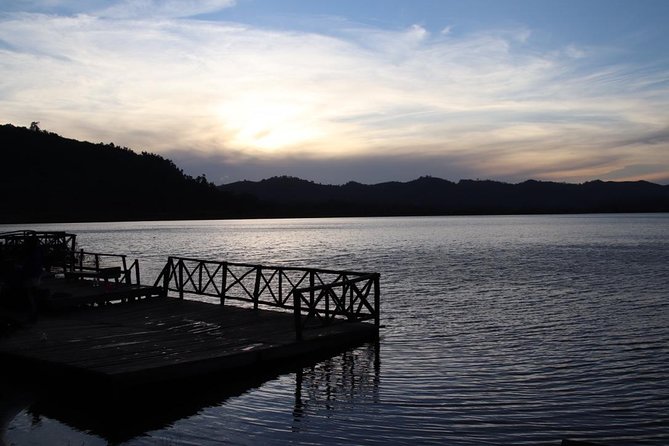
Once you arrive at Bwindi in the early afternoon, you get a small buffer. You may be able to fit in optional add-ons around Lake Mutanda—a coffee-making tour and canoeing are mentioned as possibilities if you have time and energy. This is a nice bonus because it adds variety beyond “drive, sleep, gorillas,” without turning the day into a second job.
Practical thought: if you’re prone to motion sickness, consider taking precautions before the drive. It’s not a short hop, and you don’t want your first day to be spent managing nausea instead of excitement.
The Bwindi briefing: where the trek starts to feel real
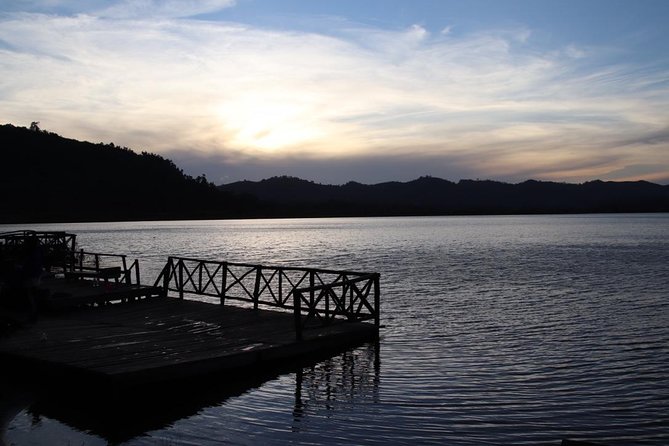
The second day begins with the park routine. After breakfast, you head straight to the Bwindi National Park gate for a briefing. This briefing is led by the national park guide and covers what you should expect during the trek—how tracking works, what you’ll do once you’re with the group, and how to follow guidance for safety and animal-watching etiquette.
This is more than a formality. A good briefing helps your brain switch modes: from anticipation into attention. Gorillas aren’t a theme-park show. The trail can be quiet, steep, muddy, and unpredictable once you start moving through dense forest. Knowing the basics beforehand helps you spend less time wondering what you’re supposed to do and more time noticing the details.
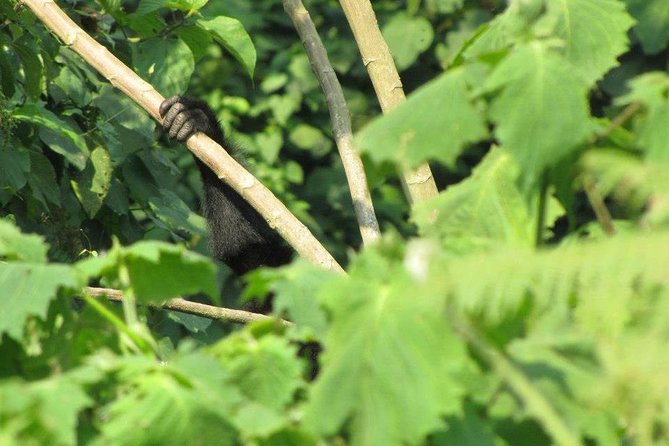
At the briefing, you’ll be told which gorilla family you’ll be trekking. That matters because the distance and timing can vary depending on where the family is located in the forest that day. The trek can be short or long, depending on how far the gorillas have moved.
Also, you’ll likely be joined by other visitors at that point. Your trek group is capped at 10 people, which helps keep the experience more personal and controlled than larger groups can be. You’re not just “part of a crowd”—you’re part of a manageable unit moving through the forest with a park guide.
Trek day: pace, patience, and why the guide matters
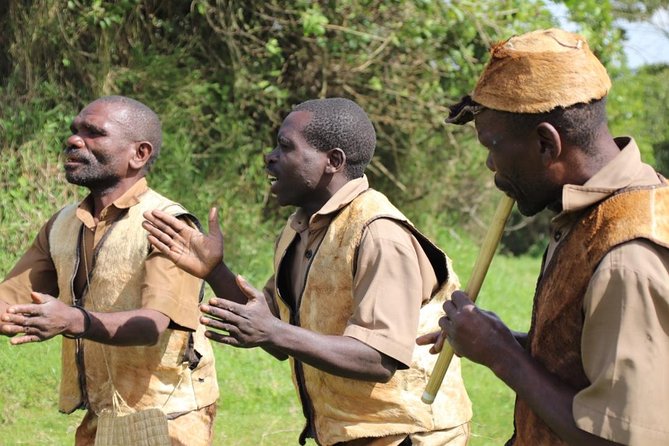
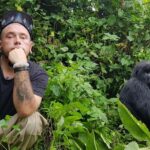
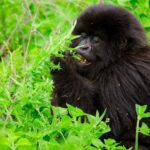
When you enter the forest, the trek becomes a mix of walking and waiting. You might hike for stretches and then slow down as the guide tracks signs of the gorillas. Expect uneven ground. Bwindi is forested and active, which is exactly why the guides emphasize staying on track and following instructions.
This is where the operator’s role shows up. You’re with a national park guide for the gorilla tracking itself, but your day starts with the timing and coordination done for you. That includes getting you to the gate promptly, staying organized around the briefing process, and having transfers ready afterward for the ride back.
One theme that comes through from traveler comments is that drivers and guides were described as safe, friendly, and informative—names like Jackson, Herbert, Fred, and Godfrey show up in multiple accounts. Even if you don’t know your specific driver in advance, it’s a good sign that the people handling the road and the handoffs between phases have a steady, professional approach.
My advice for the trek day: treat it like a hike that happens to end with an encounter. Don’t rush yourself. Don’t assume you’ll control the final timing. The goal is the gorillas, and the gorillas decide the pace once you’re in the forest.
Sleeping in Bwindi: tented nights and what the extra cost means
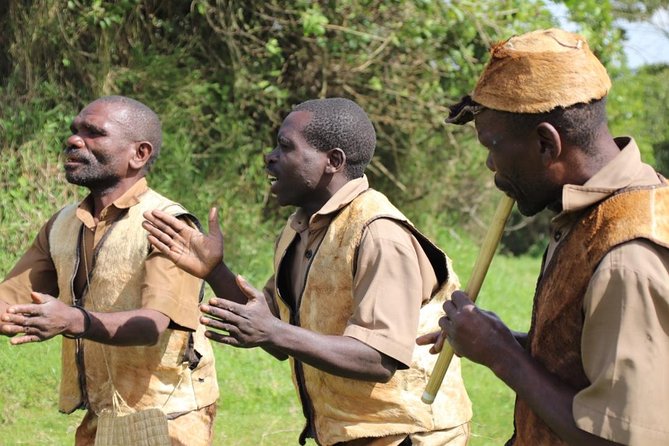
This safari is set up with the possibility of sleeping within Bwindi’s park limits in tented accommodation. The highlight calls this out, but it also says campsite stays within the park come at an additional cost. So you should think of this option as flexible: the base plan gets you to the trek, and the tented night is a choice that can add extra immersion.
Tented stays can be a great match for people who want the experience to feel tied to the park rather than “arrive, leave.” Hearing the forest at night and starting your day close to the action can add a sense of rhythm that you don’t get when you sleep far away.
But because it may cost extra, you’ll want to decide based on your priorities. If you’re the type who wants maximum efficiency and comfort, you might prefer a simpler setup. If you want to feel like the gorilla trip is truly happening in the forest, the tented option is the move.
Either way, remember this is Uganda and Rwanda-region travel: nights outdoors mean you should pack like it’s going to be chilly and damp. The tour includes meals, but your comfort comes down to what you bring.
Transfers and meals: the underrated part of gorilla trips
Gorilla trekking is expensive. Not just in dollars—also in effort. So I like that this package includes the practical fuel for the whole run.
Included are breakfast, dinner, and lunches (two lunches are listed, plus lunch during the travel day). That matters because on these schedules, grabbing food on your own can turn into a scramble. When meals are handled, you can focus on packing, walking, and staying hydrated.
Also included are gorilla trekking permits and transfers. Permits are the heart of the trip. Without them, you don’t have a gorilla experience—you have a hike with hopes. Including permits removes a major uncertainty and helps you plan around your trek date and timing.
What’s not included is equally important: visas, travel insurance, and items of personal nature are not part of the price. Flights aren’t included either. In other words, this is a ground-based safari package. It’s designed to work if you’re already in the region and able to handle your own travel to Rwanda/Uganda entry requirements.
Price and value: is $1,780 per person a fair deal?
At $1,780 per person, this isn’t a budget gorilla trip, and it’s also not trying to be. The key question is what you’re buying for that money.
Here’s what the package includes: gorilla trekking permits, ground transfers, and most of your core meals. Those are big ticket items and big logistical stress reducers. If you’ve ever tried to assemble gorilla trekking on your own, you know how quickly “simple” turns into a pile of calls and uncertainties.
Then there’s the time cost. You’re paying with money to save yourself from coordinating the drive, border timing, the park briefing day, and the return to Kigali. Yes, the drive is long—about 5 hours each way—but the trip is organized so you aren’t improvising.
Where you might question value is when you start adding extras. The tented night option inside the park is not automatically included, and optional activities around Lake Mutanda depend on time and energy. But if you want the core gorilla trek to be smooth and guided, the bundled approach tends to feel like good value.
A fair way to decide: if you want to spend your mental energy on the gorillas (and not on permits, transport timing, and figuring out who does what), this price can make sense.
The small-group angle: fewer people, easier tracking, calmer vibes
This experience is described as small-group, with your overall group capped at 5 travelers. Meanwhile, the gorilla tracking group is capped at 10 people. That’s a sweet spot for a trek where patience and quiet matter.
Smaller groups also make it easier for guides and drivers to manage timing—especially on a route that includes border crossing. You’re more likely to avoid long waits and confusion when the group is small and communication is direct.
In the feedback you provided, drivers are frequently singled out for being safe and friendly, with several specific names appearing. That’s a useful signal because road handling on these routes is not trivial. A smooth day on the road usually means you start trek day fresher and calmer.
Practical packing and fitness: how to set yourself up for success
The tour calls for moderate physical fitness. That doesn’t mean you need to be a marathon runner, but you should be comfortable walking on uneven terrain for stretches and being flexible about how long the trek takes.
Pack for a forest trek, not a city walk:
- sturdy footwear with good grip
- a light rain layer (forest weather can be wet and humid)
- a small daypack for water and essentials
- plan for chilly night air if you choose the tented option
On the day of the trek, also plan your mindset. You may not be able to control the pace. You can control your attitude—move at a steady effort and let the guide handle the tracking rhythm.
One last tip: keep your valuables secure and minimal. In places like Bwindi, you want fewer loose items, fewer worries, and more focus on what you came for.
Who this trip suits best (and who might want a different plan)
This trip is a strong fit if you:
- are based in Rwanda and want a gorilla experience without flying
- like small groups and want guidance handled for you
- can handle a long overland drive and a trek that may take variable time
It may be less ideal if you:
- hate long road days or feel motion-sick easily
- need highly predictable walking time
- want a fully included accommodation package with no optional add-ons
If you’re traveling with the goal of seeing gorillas and you don’t want weeks of planning to get there, this format hits a clear target.
Should you book this 2-day Kigali-to-Bwindi gorilla trek?
I’d recommend booking this if your top priority is a guided, permit-based gorilla trek with transfers and meals handled, and you’re comfortable with the big trade: about 5 hours of driving each direction. The small-group structure (5 overall, 10 on trek) is also a meaningful quality signal.
Book it especially if you want a plan that reduces stress around permits and park procedures. The experience is designed around the gorilla tracking day, not around packing in a million distractions.
If you want, you can also decide based on how you feel about the extra cost for sleeping within the park. That tented-night option can make the trip feel more tied to Bwindi, but you don’t need it to have a fantastic gorilla day.
FAQ
Where does this tour start and where do I redeem my ticket?
You redeem your ticket at Bamboo Ecotours on the Kabale – Kisoro Rd in Kisoro, Uganda.
How long is the drive from Kigali to Bwindi National Park?
The drive to Bwindi is estimated to take about 5 hours.
How long is the drive back from Bwindi to Kigali?
The drive back to Kigali is estimated to take about 5 hours.
What’s included in the price?
Included are breakfast, dinner, meals (listed lunch items), gorilla trekking permits, and transfers.
What is not included?
Visas, travel insurance, and items of personal nature are not included, and flights (domestic or international) are not included.
How many people will be in the gorilla trekking group?
The trek is guided with a group limited to 10 people.
Is the trek physically demanding?
The tour recommends travelers have moderate physical fitness.
How quickly will I get confirmation after booking?
Confirmation is received within 48 hours of booking, subject to availability.
Can I get a refund if I cancel?
No. This experience is non-refundable and cannot be changed for any reason.