REVIEW · BOZEMAN
Private Yellowstone Winter Wolf Watching and Wildlife Safari
Book on Viator →Operated by Yellowstone Adventure Tours · Bookable on Viator
Wolf season in Yellowstone feels like magic. This private winter safari pairs Lamar Valley wolf watching with a geology-focused stop at Mammoth Hot Springs, plus extra wildlife time across Yellowstone on a long, early start day.
I especially like that you get a guide who works like a wildlife biologist and plans the day around what your group needs, not a rigid script. I also like the practical stuff that makes the trip easier: binoculars and spotting scopes are provided, and lunch plus snacks are handled so you’re not hunting for food while you’re supposed to be watching wildlife.
One possible drawback: it’s a winter day with a 7:00am start, and you’ll need the roads and weather to cooperate. Also, national park entry fees are not included, so you’ll want to budget for that upfront.
In This Review
- Key things I’d circle before you book
- A private winter Yellowstone day built around wolves
- Price, group size, and why $1,650 can make sense
- Pickup zones and the importance of a 7:00am start
- Lamar Valley: your best odds for wolves, bison, and elk
- Mammoth Hot Springs boardwalks and Yellowstone’s travertine look
- The middle of the park: chasing moose, fox, coyote, and small predators
- What’s included: optics, lunch, snacks, and drinks that keep you out there
- Winter reality check: weather, roads, and what “success” looks like
- Who this private wolf safari is best for
- Should you book this tour?
- FAQ
- Where does the tour start and how long does it last?
- How many people are in the private group?
- What’s included in the price?
- Are Yellowstone entry fees included?
- Where can pickup happen?
- What happens if weather is bad?
Key things I’d circle before you book
- Private by design: just your group (up to 7), so your guide can adjust stops and pacing.
- Optics included: binoculars and spotting scopes are provided, which means less packing and more watching.
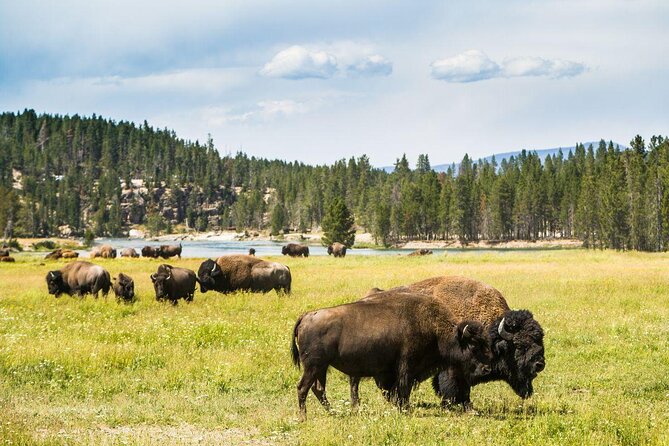
- Lamar Valley is the wolf target: this is the famous winter meeting ground for wolves, bison, and elk.
- Mammoth Hot Springs is more than a quick photo stop: you’ll walk boardwalks over travertine terraces and turquoise thermal pools.
- A real food plan: lunch from a local bakery plus snacks and drinks keeps you out in the cold longer.
- Pickup timing matters: you can be picked up in Bozeman, Livingston, Gardiner, or Mammoth Hot Springs, but a late start can shrink your wolf-watching window.
A private winter Yellowstone day built around wolves
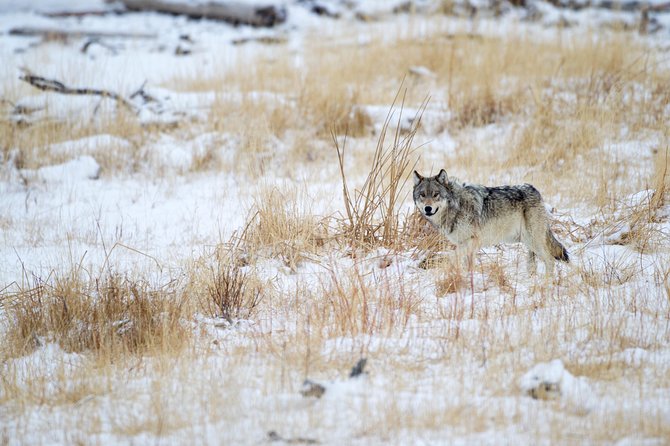
Yellowstone in winter is not just about scenic views. It’s about living wildlife, big animals moving with purpose, and the quiet tension of waiting for movement in the snow. This tour leans hard into that—structured enough to hit the right areas, flexible enough that your guide can aim for the best odds for your group.
The setup is also built for comfort. You’re not driving yourself in winter, and you’re not doing the “where do we stand, for how long, and what do we even look for?” guessing game. Instead, you ride in private transportation with a wildlife-biologist guide who can read the day and help you focus your time.
And yes, there’s geology in the mix. Mammoth Hot Springs gives you a break from pure wildlife watching and adds that Yellowstone thermal science feeling—steam, color, and terraces you can actually walk near on boardwalks.
You can also read our reviews of more tours and experiences in Bozeman.
Price, group size, and why $1,650 can make sense
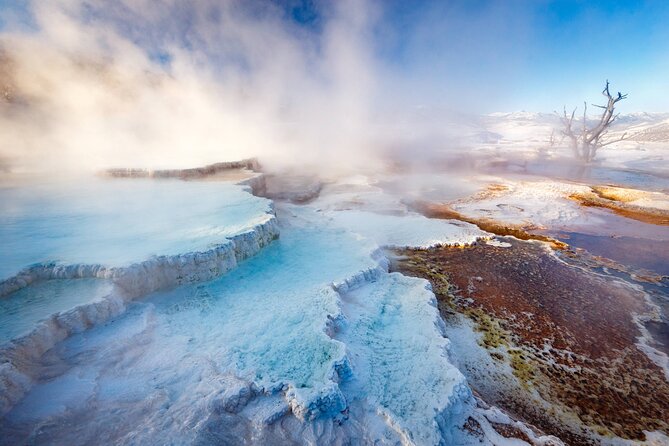
The price is $1,650 per group (up to 7), for about 7 to 8 hours. That sounds steep until you think about what you’re paying for: a private wildlife guide, private transport, and a day of food and drinks handled for everyone in your group.
Here’s how the value usually shakes out:
- If you’re traveling as a small group, the per-person math often lands in a reasonable range compared with piecing together a standalone guide + transportation.
- You also avoid extra “winter friction,” like trying to rent optics or scrambling for lunch while the day’s moving.
- The tour is built around a high-value wildlife window in winter, which is when local expertise matters most.
One caution: the tour description says your private group is up to six people, but the pricing info says up to seven. When you book, confirm your exact maximum headcount so you’re not surprised.
Pickup zones and the importance of a 7:00am start
The start time is 7:00am, and the day runs long enough that timing affects outcomes. This tour is designed around seeing wolves when conditions are right, which often means getting moving early and positioning yourself before the best viewing opportunities pass.
Pickup is offered from select places:
- You can be picked up from any hotel or address in Bozeman, Livingston, Gardiner, or Mammoth Hot Springs.
- Pickup is not available from West Yellowstone, Big Sky, 320 ranch, or Jackson Hole, Wyoming.
- If you’re outside the zone, you might be able to meet at a convenient location, but the guidance is clear: don’t plan to meet in Bozeman if you’re staying in Big Sky or near there. A late start can mean you miss wolves.
So if you want your best odds, plan your lodging around Bozeman, Gardiner, or Mammoth Hot Springs. It’ll feel less rushed, and your guide can actually use the full day.
Lamar Valley: your best odds for wolves, bison, and elk
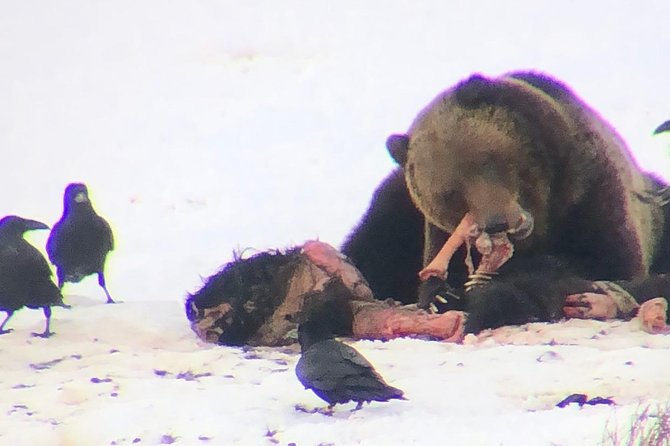
Your first wildlife stop is Lamar Valley, one of the most reliable wolf areas in the U.S. in winter. It’s often compared to the Serengeti of Yellowstone, not for its looks, but for how animals use the valley in predictable ways. In other words: you’re not just driving around hoping. You’re going where animals funnel.
This is also tied to Yellowstone’s wolf return history. The area is described as the exact place where National Park Service biologists released the first wolf pack to walk in Yellowstone since the early 1900s. Even if you’re new to Yellowstone, that history gives your viewing time extra meaning because you’re watching a restoration story unfold in real time.
What you should expect during the roughly 2 hours here:
- Wolves are the star, especially in winter.
- Bison and elk herds often graze nearby, which matters because ungulates draw predators.
- Your guide can help you scan efficiently using the provided optics, which is a big deal in a snowy field where everything looks far away.
Practical tip: Lamar Valley works best when you stay patient. Wildlife may show up as small movement at a distance before you realize what you’re seeing. That’s where a spotting scope saves time and keeps the magic from turning into squinting.
Mammoth Hot Springs boardwalks and Yellowstone’s travertine look
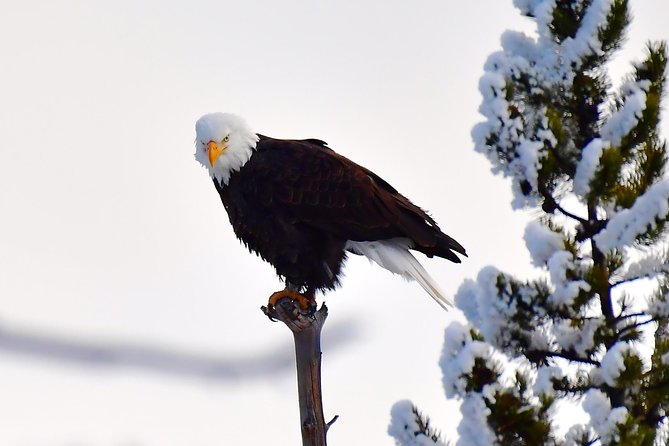
After wolves, you switch gears to Mammoth Hot Springs. This stop is built around boardwalk walking near massive thermal features. You’re not scrambling off-trail; you’re on structured paths where you can slow down and look closely.
The geology here is the point. Mammoth Hot Springs sits over a limestone deposit. Superheated water from underneath Yellowstone dissolves limestone and then redeposits it at the surface as travertine. The result is those unusual terraces and colored pools that can look almost unreal in winter light—turquoise tones and layered shapes caused by mineral deposits.
You’ll have about 45 minutes for the boardwalk area. That timing is good because it’s long enough to take photos, read the terrain, and spot patterns in the terraces, but short enough that you don’t fall behind the rest of the wildlife day.
Two notes to keep in mind:
- Park admission fees are not included, so you’ll want to budget for those entry costs.
- It’s winter. Boardwalk conditions vary, so wear footwear that feels stable and warm.
The middle of the park: chasing moose, fox, coyote, and small predators
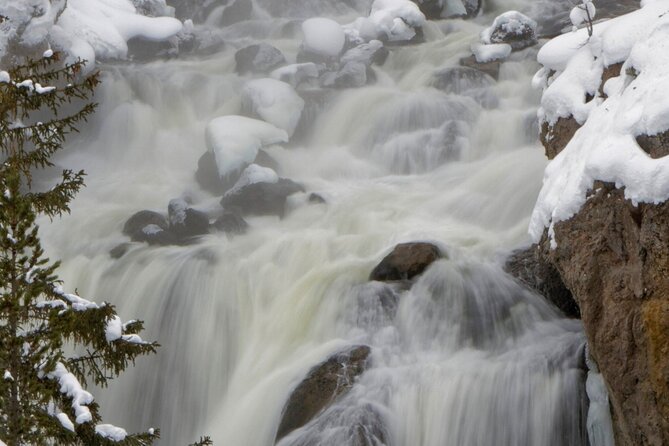
Between Mammoth Hot Springs and Lamar Valley, you’ll spend time exploring parts of Yellowstone that can produce more sightings. This isn’t one fixed landmark stop. It’s a wildlife-focused stretch where your guide can use roads, sightlines, and animal movement patterns to put you where the action is most likely.
You may see a mix of:
- Elk and moose
- Fox and coyote
- Wolves again, depending on where you end up
- Pine marten and long-tailed weasels (smaller animals can still show up if conditions and timing line up)
The big value here is that the guide can tailor your route to your group’s priorities. In past days, guides have helped groups collect a long list of winter wildlife sightings, and that’s usually the result of smart scanning plus knowing where animals tend to be moving.
Also, don’t expect every stop to be equally productive. Winter wildlife days have a rhythm. Some segments feel slow until suddenly you’re watching something. Staying flexible with your guide’s choices tends to pay off.
What’s included: optics, lunch, snacks, and drinks that keep you out there
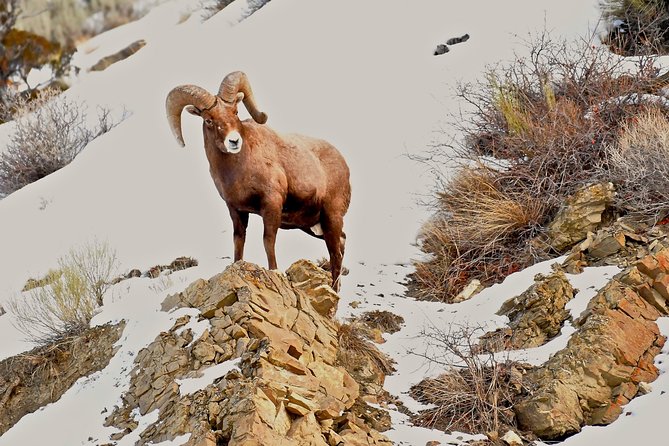
This is the kind of tour that feels easier than it should, because food and gear are covered.
Included items:
- Binoculars and spotting scopes, so you can actually see what your guide is seeing without renting or guessing.
- A wildlife biologist guide and private transportation.
- Lunch: artisan sandwiches from a local bakery (turkey, ham, roast beef, or vegetarian), plus fruit, a fresh baked cookie, and a bag of chips.
- Drinks: soda/pop and bottled water, with sparkling and still options.
- Snacks throughout the day, including fresh baked croissants and beef jerky, plus other items like fig bars, chips, and chocolate.
Why this matters in winter: cold can make you rush, and hunger can make you lose focus. When the snacks keep coming, you’re more likely to stay patient at viewing spots and spend the time you paid for actually watching animals instead of managing a food schedule.
If your group is the type that likes to travel light, this is also a win. You don’t need to show up with your own optics, and you’re not building a complicated winter snack strategy.
Winter reality check: weather, roads, and what “success” looks like
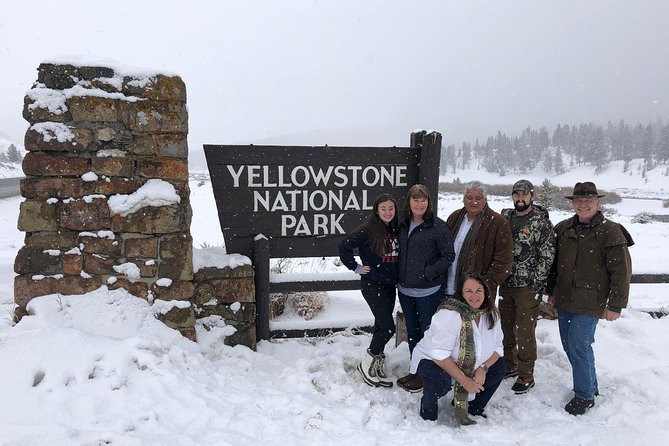
This experience requires good weather. If it’s canceled due to poor weather, you’ll be offered a different date or a full refund. That’s not a small detail. In winter Yellowstone, road conditions can change fast, and a guided winter day has to be realistic about what can be done safely.
In the best-case scenario, early positioning and winter viewing can line up for big wildlife moments. In the more complicated scenario—ice, icy roads, or delayed access—the guide still has to find opportunities and make the day work.
What you can do on your side:
- Dress for cold and wind, not just cold.
- Bring layers you can adjust as you move between car and viewing spots.
- Keep your expectations flexible. Wolves and other animals follow their own schedules.
Who this private wolf safari is best for
This tour fits best if you want:
- A wolf-centered winter Yellowstone day without the stress of self-driving and route planning.
- A private experience where your guide can tailor pacing and scanning to your group.
- A mix of wildlife and geology, so the day doesn’t feel like only waiting and only pictures.
It’s also a great fit for families and first-time Yellowstone visitors, especially those who want a structured plan but don’t want to feel boxed in. The included snacks and lunch reduce the “hangry factor,” which in winter can be a real thing.
If you’re an experienced Yellowstone traveler who already knows where to look, the private guide still has value: you’re paying for time saved, optics support, and a professional who can shift decisions when conditions change.
Should you book this tour?
Book it if you’re going to Yellowstone in winter and your priority is seeing wolves with real odds, not just passing through wolf country. The combination of Lamar Valley focus, a guide who uses winter wildlife logic, and provided optics is exactly what makes this day feel like money spent on results.
Skip it or plan differently if:
- Your lodging is far outside the pickup zone and you’d need a late start.
- You’re not comfortable with a long winter day (about 7 to 8 hours, beginning at 7:00am).
- You dislike weather-dependent plans. This tour needs decent conditions to run.
If you want a day that balances big wildlife moments with Mammoth’s thermal geology—and you’d rather let a pro handle the winter logistics—this is a strong choice.
FAQ
Where does the tour start and how long does it last?
The activity starts at 7:00am and runs about 7 to 8 hours. It ends back at the meeting point.
How many people are in the private group?
It’s a private tour for your group only, with a capacity of up to 7 based on the pricing info. The tour highlights also describe a private group for up to six people, so confirm the exact group maximum when booking.
What’s included in the price?
Your tour includes a professional guide service (from a wildlife biologist), private transportation, lunch (artisan sandwiches with fruit, cookie, and chips), snacks, soda/pop, bottled water (still and sparkling), binoculars and spotting scopes, and pickup from select locations.
Are Yellowstone entry fees included?
No. National Park entry fees are not included.
Where can pickup happen?
Pickup is available from any hotel or address in Bozeman, Livingston, Gardiner, or Mammoth Hot Springs. Pickup is not available from West Yellowstone, Big Sky, 320 ranch, or Jackson Hole, Wyoming. If you’re outside the zone, meeting at a convenient location may be possible.
What happens if weather is bad?
This experience requires good weather. If it’s canceled due to poor weather, you’ll be offered a different date or a full refund.