REVIEW · TANZANIA
2 Day Serengeti Safari Experience from Mwanza
Book on Viator →Operated by Nature's Land Safaris & Rentals Ltd · Bookable on Viator
A Serengeti safari from Mwanza is a smart hit of wildlife. You’ll leave early, drive into the park via Ndabaka Gate, then spend the night in the Serengeti before heading back with more game-viewing stops along the way. What makes this itinerary feel practical is the blend of long drives done once, plus real time in the park in a vehicle built for spotting wildlife.
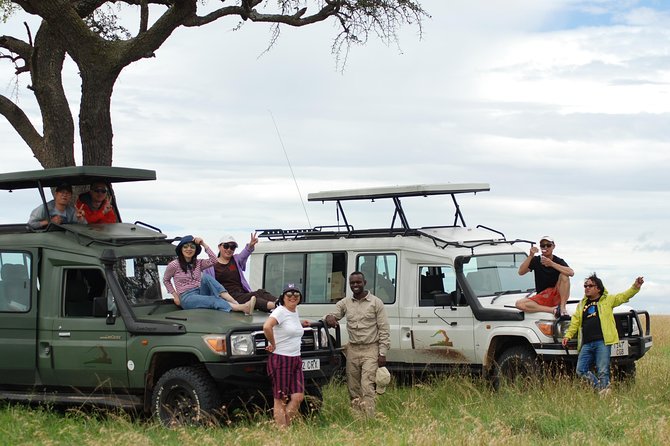
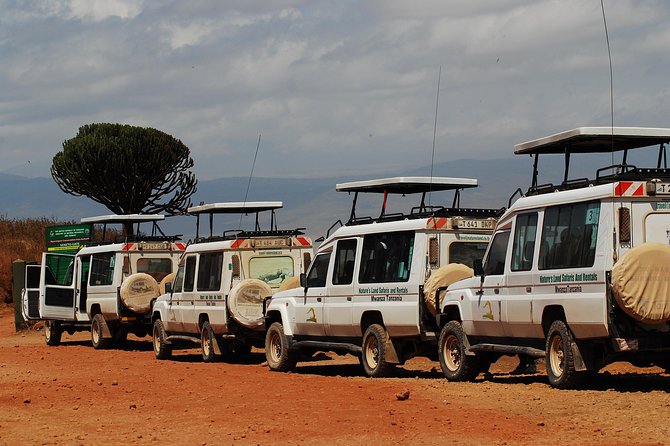
I especially love the vehicle setup: wide windows, a pop-up roof for better viewing, and practical tech like USB/power for charging plus onboard WiFi. You also get an electric cooler-style box for your own drinks and boxed lunch, which saves you from scrambling for snacks while you’re out searching for animals.
One consideration: this is a tight, early start, and Serengeti time is weather-dependent. If conditions are rough, sightings can change, and you’ll want to be flexible about what you see.
In This Review
- Key highlights you’ll feel on the road
- Why starting in Mwanza gives you a fast Serengeti rhythm
- The safari vehicle: why it matters more than you think
- Day 1: driving in, passing Ndabaka Gate, and scanning for hippos
- Day 2: a second shot at the plains before you return to Mwanza
- The overnight choice: camping or lodge inside the Serengeti
- Wildlife viewing and the Big Five question (realistic expectations)
- Your guide matters: what the guide experience looks like here
- Included essentials that save you from day-of surprises
- Price and logistics: what you should budget beyond the sticker
- Who should book this two-day Serengeti from Mwanza
- A quick decision checklist: should you book?
- FAQ
- What time does the safari start in Mwanza?
- How long is the experience?
- Is pickup included?
- What park areas or key stops are included?
- What does the price include?
- Are tips included?
- Is this tour private?
Key highlights you’ll feel on the road
- Ndabaka Gate entry for that true first moment when the plains open up
- Serengeti Hippo Pool pass-by on the game drive route, so you’re not just driving through
- Air-conditioned safari vehicle plus comfy reclining seats for long stints in a bumpy environment
- Radio calls and tracking system for added safety while you’re out on the move
- Electric fridge/cooler on board and bottled water to cut down on hassle
- One night in the Serengeti (camping or lodge), which keeps you inside the action for a full day and a follow-up morning
Why starting in Mwanza gives you a fast Serengeti rhythm
Mwanza to the Serengeti is a classic Tanzania route, and this tour handles it with a straight, simple plan. You start at 7:00 am from Pamba Road in Mwanza, then the gate is about a 2-hour drive. That early start matters because the best wildlife movement often comes with cooler morning hours.
This also works well if you want a safari that doesn’t turn your whole trip into travel days. You get a full day of game viewing, an overnight inside the Serengeti (camping or lodge), then a second day of driving with more chances to spot animals. The itinerary is designed so you’re not constantly checking in and out of different places.
You can also read our reviews of more tours and experiences in Tanzania.
The safari vehicle: why it matters more than you think
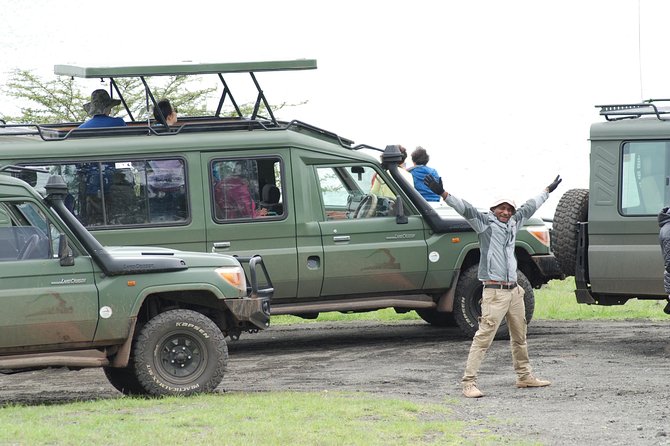
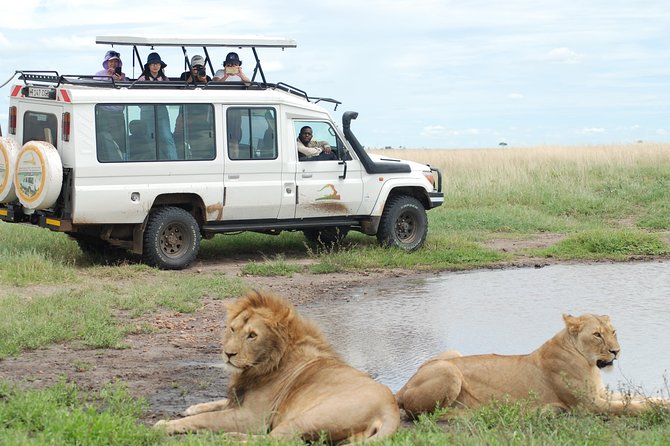
A good Serengeti day can feel like a long wait between moments—then suddenly, the action starts. That’s why I like the vehicle approach here: extra-wide windows, plus a pop-up roof so you can raise your sightline without fighting for angles. When animals are close, you’ll feel the difference right away.
Comfort is practical on this route, too. You get air-conditioned transport and reclining seats, plus power sockets + USB ports for charging. There’s also WiFi onboard (helpful for messaging friends or uploading a couple photos when you have a signal window).
And then there’s the stuff that makes you less cranky mid-drive: bottled water (two bottles per person) and an onboard electric cooler/fridge option for your own drinks and food. It sounds small, but when you’re spending most of the day in the park, you’ll appreciate not having to hunt for refreshments at the wrong time.
Day 1: driving in, passing Ndabaka Gate, and scanning for hippos
Your first day is built around getting into the park and staying there. After the Mwanza pickup at Pamba Road, you’ll head toward the Serengeti entrance area, reaching the gate after that roughly two-hour drive.
The tour includes a stop at Ndabaka Gate, which is where the real safari begins. This is the moment you’ll feel the shift from road travel to full-on plains driving. You’re not rushing through it; the itinerary gives time so your first game drive doesn’t feel like a “warm-up.”
Next, you’ll spend your main time in the Serengeti National Park for game viewing. Along the route, you pass the Serengeti Hippo Pool for a short stop. It’s not a long museum-style stop, but it’s timed as part of the drive route—so if hippos are active, you’re in the right place at the right time.
The big reason this structure works is simple: it keeps your day focused. You start early, you enter properly, you get meaningful time inside the park, and then you transition into the overnight plan without losing the day to logistics.
Day 2: a second shot at the plains before you return to Mwanza
Your second day continues with game-viewing across the Serengeti, then heads back toward Mwanza. The itinerary notes returning after spending two days in the national park while game-viewing en-route, which is how most successful short safaris make the most out of limited time.
You’ll still have the same core advantages on day two: the vehicle layout, the charging options, and the guide-led search. This is also where being flexible pays off. Animal activity changes with light and weather, so the best sightings are often the ones you catch on the second day.
The overnight choice: camping or lodge inside the Serengeti
The tour includes one night in the Serengeti—either camping or a lodge. That matters more than it sounds, because it changes the experience from “drive in, drive out” to “live the park for a night.”
If you choose camping, you’ll usually get a closer connection to the environment, but you should also expect that this is still a wilderness setting (even with a proper setup). If you choose a lodge, you’ll likely get more comfort and easier downtime between drives. Either way, being inside the park area for the night helps you keep wildlife timing in your favor.
And one detail worth noting: the itinerary is built so you’re not just sleeping and hoping. You’re doing real game viewing on both sides of the overnight, which gives you a fuller “Serengeti story” in just two days.
Wildlife viewing and the Big Five question (realistic expectations)
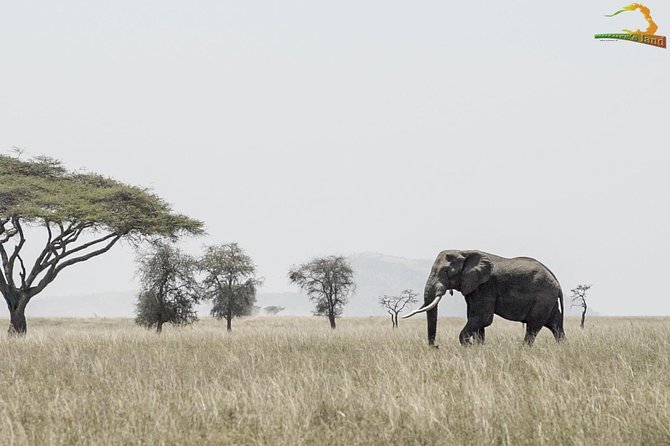
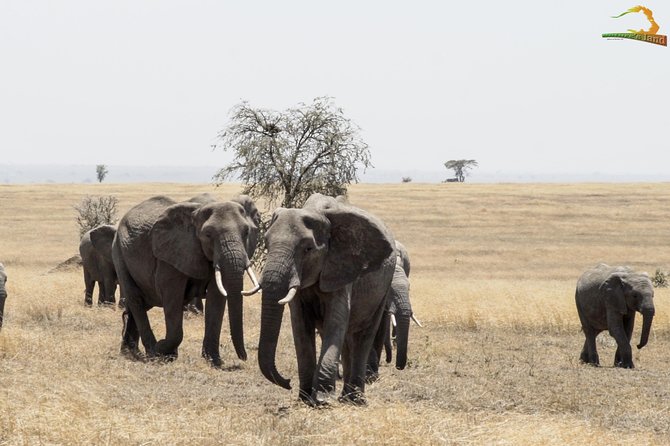
You’re set up for classic Serengeti encounters—elephants, buffalo, lions, rhinos, hippos, and more—based on the way the vehicle and route are described. But Serengeti wildlife isn’t a checklist machine. Sightings depend on where the animals are, what the weather is doing, and where your guide can position you safely.
One practical clue from prior safari experiences is that rhinos can be harder depending on the region where the group stays. That doesn’t mean you won’t see any, but it does mean you should avoid treating Big Five as guaranteed in a short two-day format. If you’re going, go with a “best chance possible” mindset.
What you can control is how you respond in the moment. This tour gives you radios and a tracking system for safety, and that improves how effectively the guide can make decisions when animals move. In other words: you might not control the wildlife, but you can improve your odds with the right team and tools.
Your guide matters: what the guide experience looks like here
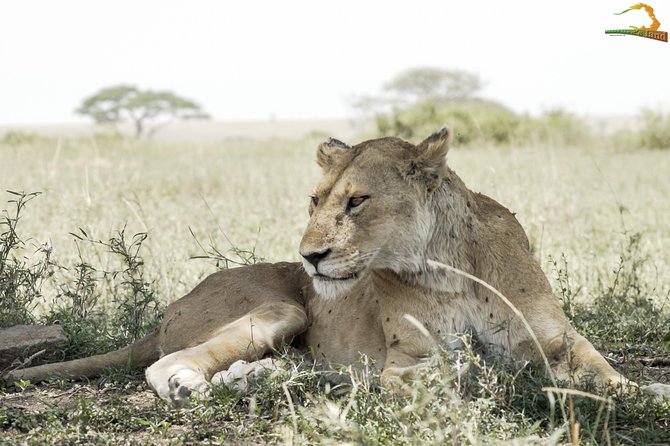
A Serengeti guide isn’t just driving. They’re reading tracks, adjusting to animal movement, and explaining what you’re seeing—often with calm confidence that makes you feel like you’re in good hands.
This operator has repeatedly been associated with guides such as Marco, Msafiri, and Mussa, plus team members like Kamber. Names like Raymond, Maiko, and Julius also come up in the same orbit of experiences. What stands out across those mentions is that guides were praised for being attentive, helpful with first-timers, and focused on getting people into the right viewing situations.
If you’re traveling with kids, look for that same kind of guide energy. Some safari memories tied to this company include guides who kept children engaged with explanations, not just driving from one animal to the next. That can turn a “wildlife trip” into a “family story.”
Included essentials that save you from day-of surprises
This tour is priced at $1,364.11 per person, and the value comes from how much is built into the total rather than billed later. Park fees and a concession fee are included, and that’s big in Tanzania.
Here’s what’s handled for you:
- Bottled water (two bottles per person)
- A boxed lunch (so you can keep moving)
- Electric cooler/fridge on board for your own drinks and food
- Power sockets + USB ports, plus WiFi onboard
- An air-conditioned vehicle with comfy seating
- Park fees and the concession fee (listed as $71 per day per person and $59 per night per person)
It also helps that the vehicle is described as having portable charging and an electric fridge, which aligns with what you’ll need if you’re snapping photos, recording videos, and keeping phones alive in the field.
Price and logistics: what you should budget beyond the sticker
Even with fees included, there’s one clear extra to plan for: tips. Tips and gratuities for guides are not included, and the suggested tip is $25 per day. For a two-day run, treat that as part of your realistic trip budget.
One more practical note: this is private for your group, so you’re not sharing the guide time with strangers. The listing also mentions group discounts and that it’s often booked about 5 days in advance, which suggests there can be different booking scenarios. Either way, the private setup is a plus if you care about pace, comfort, and getting questions answered without feeling rushed.
Also, this includes a mobile ticket, which keeps things simple on travel days. And the tour is described as having pickup offered from a near public transportation area, which is helpful if you’re coordinating from within Mwanza rather than just arriving straight at a lodge.
Who should book this two-day Serengeti from Mwanza
This safari fits best if you want:
- A short Serengeti experience with an overnight inside the park area
- A comfortable vehicle for scanning for animals all day without feeling worn out
- A guide-led trip that prioritizes getting you into the right viewing moments
- A practical plan if you’re already in Mwanza or building a Tanzania route from there
It can also work nicely for first-time safari goers, because the itinerary is clear: get in, drive, stop at key points like Ndabaka Gate and the Hippo Pool area, then continue for a second day. If you’re a photo person, the vehicle setup (wide windows + pop-up roof) is the kind of detail that helps your shots without you having to compromise on comfort.
A quick decision checklist: should you book?
Book it if you want a high-return two-day Serengeti plan: early start from Mwanza, true gate-to-plains driving, an overnight in the Serengeti, and included park fees that reduce budget surprises.
Skip or reconsider if you’re hunting for a very specific animal outcome with zero flexibility—rhino and other sightings can be variable in shorter formats. Also, if you dislike long drives or early morning starts, you’ll want to factor that into your schedule.
If you like guided game drives with real creature-spotting time and you’re okay letting the plains decide the day’s story, this is a strong way to do Serengeti without burning your whole trip on transit.
FAQ
What time does the safari start in Mwanza?
It starts at 7:00 am from the meeting point on Pamba Road in Mwanza.
How long is the experience?
It’s listed as about 1 day 12 hours (approx.), and it includes an overnight in the Serengeti.
Is pickup included?
Pickup is offered.
What park areas or key stops are included?
You enter Serengeti National Park via Ndabaka Gate and you pass by the Serengeti Hippo Pool during the game drive.
What does the price include?
The tour includes the electric cooler/fridge for your own drinks, bottled water, boxed lunch, radio calls and tracking for safety, power sockets and USB ports, WiFi onboard, air-conditioned transportation, park fees, and the concession fee.
Are tips included?
No. Tips for guides are not included. A suggested tip is $25 per day.
Is this tour private?
Yes, it’s a private activity, meaning only your group participates.