REVIEW · PLETTENBERG BAY
Plettenberg Bay Game Reserve: 2-Hour Game Drive
Book on GetYourGuide →Operated by Plettenberg Bay Game Reserve · Bookable on GetYourGuide
A safari hunt for rhinos starts fast. The 2-hour game drive at Plettenberg Bay Game Reserve is a compact, high-energy way to see serious wildlife in the Tsitsikamma Mountains foothills. I love that the drive focuses you on spotting animals instead of long waiting, and I also like the ranger-led running commentary that helps you see more than you’d catch on your own. One thing to keep in mind: it’s only 2 hours, so you’ll want to arrive ready to move and look nonstop.
My other big win is the wildlife variety for a short tour—antelope, giraffe, zebra, hippos, and crocodiles show up often enough to keep things interesting. Based on what you’re told to aim for, you’ll try for 2 of Africa’s Big 5, including rhinos and leopards, but you should still expect wildlife viewing to be a bit of a game. The main drawback for some people is simple logistics: there’s no hotel pickup, so you’ll need to get yourself to the Safari Center on time.
In This Review
- Key highlights you’ll feel right away
- Entering the Plettenberg Bay Game Reserve Safari Center
- The drive itself: why 2 hours is the sweet spot
- What you can realistically spot in the reserve
- The Big 5 challenge: rhinos, leopards, and the rest
- The ranger makes the difference: how commentary helps you see
- Timing, weather, and that “bring a jacket” truth
- Photo and comfort tips that actually help
- Price and value: is $55 per person a fair deal?
- Who should book this game drive (and who might not)
- Should you book the Plettenberg Bay 2-hour game drive?
- FAQ
- How long is the Plettenberg Bay Game Reserve 2-hour game drive?
- Where does the tour start?
- Is hotel pickup included?
- What is included in the price?
- Is the tour guide available in English?
- Can I cancel for free?
Key highlights you’ll feel right away
- Rhino and leopard focus: your Big 5 target includes both rhinos and leopards
- Short, satisfying format: a full wildlife search in just 2 hours
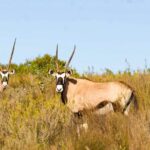
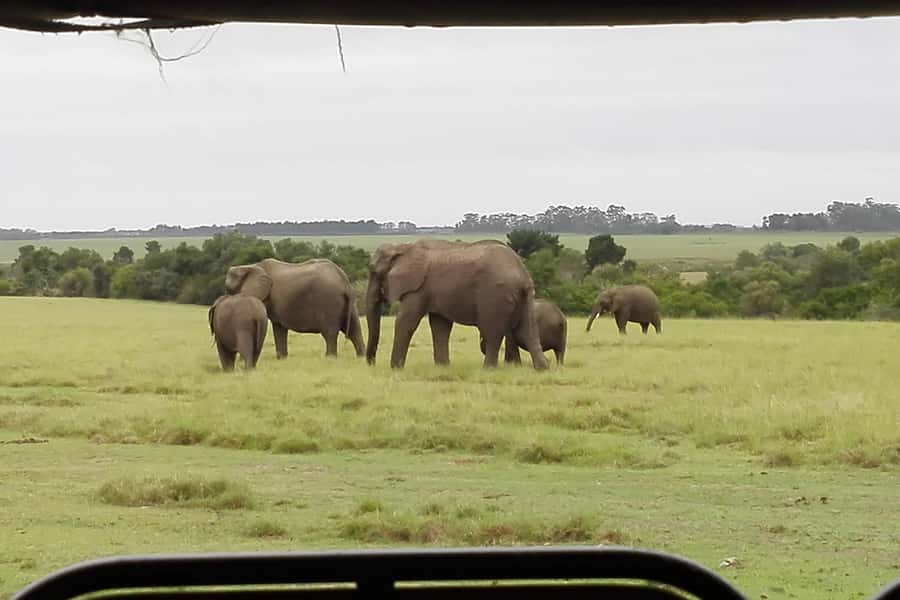
- Lots to scan for: antelope species, giraffe, zebra, birds, hippos, and crocodiles
- Ranger commentary: English live guide with facts that help you spot more
- Bring a warm layer: the weather can shift, even when plans stay the same
Entering the Plettenberg Bay Game Reserve Safari Center
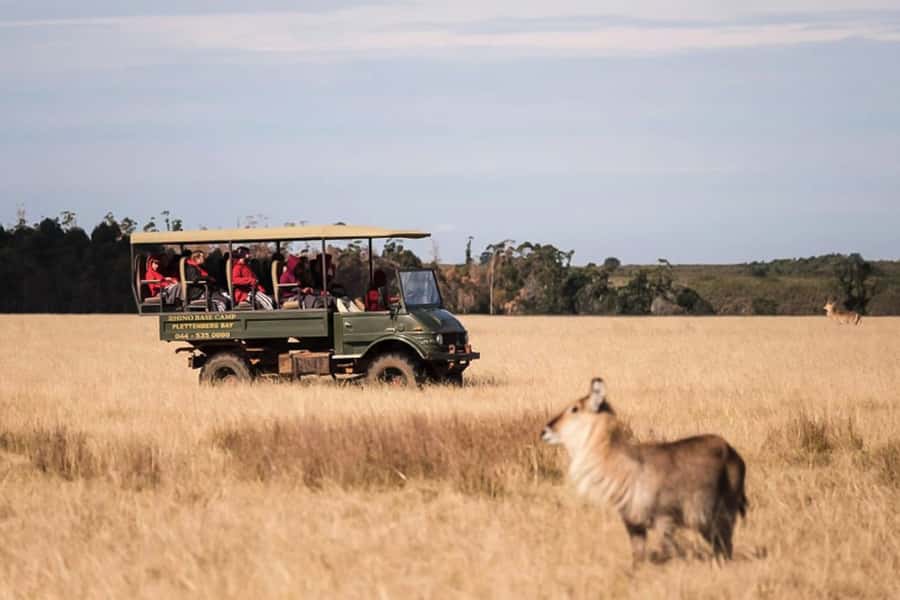
The tour starts at the Safari Center at Uplands Road in Wittedrift. You’ll want to arrive 30 minutes early so you can check in without stress and get your bearings before the vehicle rolls.
This part matters more than it sounds. When you’re early, you can look around calmly, get a quick sense of where animals tend to be, and settle your camera settings (strap, charge, lens wipe). It also reduces the odds you’ll show up rushed, miss the ranger’s opening notes, and then spend your first minutes trying to remember where to look.
Good news: the safari runs with an English live tour guide, so you’re not stuck guessing what you’re seeing. And since the tour has no weather restrictions, you’re unlikely to lose your day to weather rules—just be ready for actual weather.
You can also read our reviews of more tours and experiences in Plettenberg Bay.
The drive itself: why 2 hours is the sweet spot
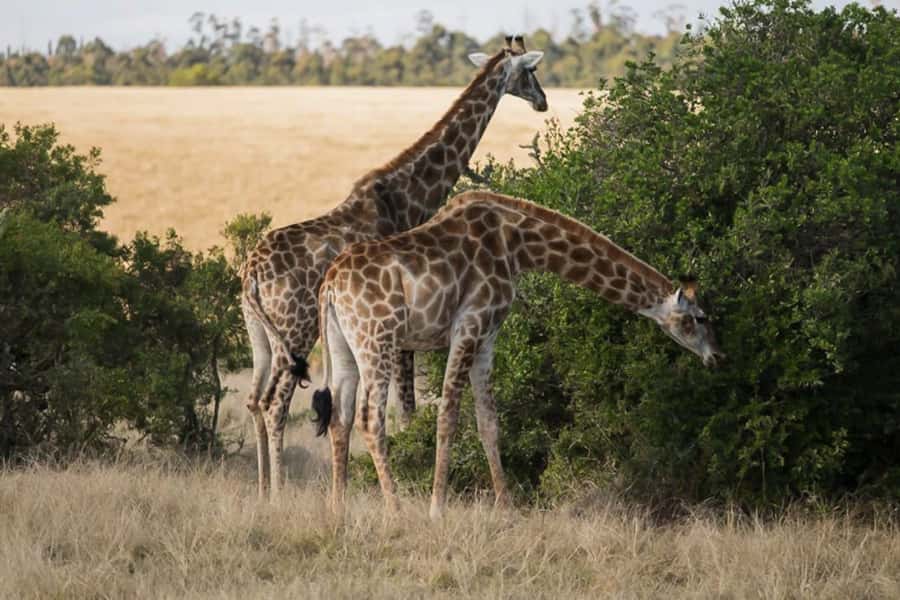
Once you’re on the vehicle, you’re in safari mode for about 2 hours, covering the 2,200-hectare reserve. This is not a half-day slog. It’s designed to give you real sightings without draining your energy, which is handy if you’re doing the Garden Route and trying to balance it with beaches, hikes, and dinner plans.
What makes the reserve special is the setting. You’re hunting wildlife in the foothills of the Tsitsikamma Mountains, and that changes the feel of the drive. Instead of a flat view where everything looks the same, you get more variation in where to focus—edges, open patches, and places where animals would naturally move.
The vehicle and route also mean you’ll spend most of your time doing the fun part: scanning. If you like action, this format is a win. If you’re hoping for a long, slow, stand-still safari where you may never leave one spot, you might feel the time pressure. That’s not a failure—it’s just the nature of a short 2-hour tour.
What you can realistically spot in the reserve
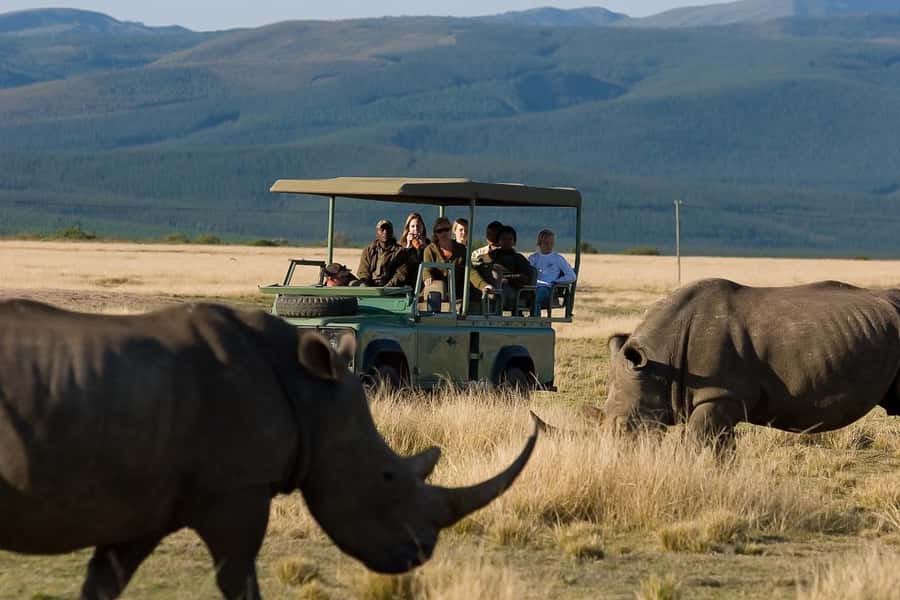
The reserve wildlife list you’re given is solid, and the experience tends to deliver variety. You’ll be looking for species like:
- Antelope (multiple kinds)
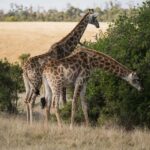
- Giraffe and zebra
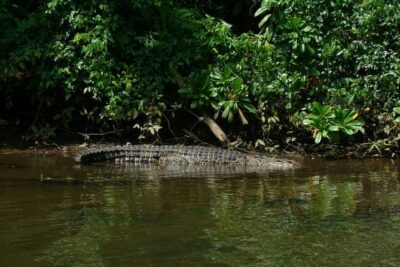
- Hippo and crocodiles
- Birds
- Ostriches
- And in the Big 5 challenge: rhinos and leopards (plus the broader Big 5 targets)
In the real world, sightings are never guaranteed. But the pattern here is encouraging: multiple kinds of animals are expected, and people often come away with a mix, not just one highlight.
The best way to enjoy this is to shift your goal from counting animals to reading the landscape. Animals tend to show up where conditions are right, and a good ranger helps you understand what you’re looking at—tracks, feeding areas, or where certain species might pause. When you know what to search for, the drive goes from random spotting to something that feels almost methodical.
The Big 5 challenge: rhinos, leopards, and the rest
Your game drive is built around the idea of trying to spot 2 of Africa’s Big 5, with rhinos and leopards called out as part of the focus. That’s a great hook, but here’s the honest framing: you’re trying, not demanding.
Why does that matter? Because it keeps your expectations aligned. You can still have an amazing safari even if the exact Big 5 combination changes. Many animals that share the same habitat as the Big 5 targets are well worth your attention—especially if your ranger is actively searching and positioning you for sightings.
Also, if you get rhino or leopard luck, you’ll likely remember the moment for years. Even when you’re not fortunate with one of the Big 5 targets, seeing a cluster of other standout species—like giraffes, hippos, crocodiles, and big birds—can still feel like a full win for a 2-hour experience.
The ranger makes the difference: how commentary helps you see
A major part of why this drive scores well is the quality of the ranger-led experience. You’re traveling with a knowledgeable guide who shares facts about wildlife and the reserve, and that turns the vehicle from a transport into a classroom-with-a-camera.
In practical terms, commentary helps you in three ways:
- You learn what to look for (movement patterns, likely feeding zones, key visual clues).
- You understand behavior, not just names—why animals are where they are.
- You scan faster, because you’re not trying to identify every distant shape from scratch.
There’s also a simple human factor. A good guide can keep things upbeat and focused even when animal sightings are slow. And when the group is small—or you get a calmer vehicle situation—you’ll usually get more attention and flexibility.
One consideration: if the vehicle has a lot of young children, the guide’s commentary can be harder to hear over talking. If you’re sensitive to noise, it’s smart to keep your expectations flexible and plan to watch first, listen second. The wildlife is the main event.
Timing, weather, and that “bring a jacket” truth
You don’t need to overthink this, but you should respect it. The weather here can be unpredictable, so grab a jacket or warm layer. Even if the air looks fine when you leave, the temperature can shift once you’re out scanning wildlife.
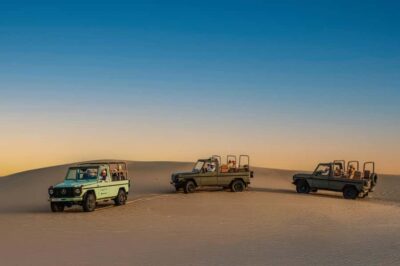
The good part is that the safari doesn’t operate under strict weather restrictions, so you’re not dealing with constant cancellations. The tradeoff is you might feel the cold or damp if conditions turn. Dress for sitting still for a couple hours in an open safari setting (or near-open conditions), and you’ll enjoy the whole ride more.
Photo and comfort tips that actually help
If you care about photos, this drive rewards preparation. You’re photographing from a moving vehicle, often with animals in unpredictable positions. Fast adjustments matter.
Here are smart moves you can make before you arrive:
- Charge batteries fully and bring one backup if you shoot a lot.
- Wipe your lens once you’re set, not midway through chaos.
- Use burst mode when animals move suddenly.
- Take a few wide shots first, then zoom in once the ranger indicates a likely sighting.
You can take tons of pictures in 2 hours. But don’t just hammer the shutter. Watch for a moment, then shoot. A couple seconds of real looking often beats a minute of rapid clicking.
For comfort, wear shoes you don’t mind getting slightly dusty and bring layers. You’ll do a lot of scanning, and feeling comfortable helps you stay focused.
Price and value: is $55 per person a fair deal?
At $55 per person for a 2-hour game drive, this can be a strong value—especially if you’re doing the Garden Route and want a wildlife experience without committing to a full-day schedule. You’re paying for:
- entrance fees
- the game drive
- and a live English guide
What you’re not paying for includes hotel pickup and drop-off, plus meals and drinks. So the real cost comparison is simple: can you get to the Safari Center easily and plan for snacks or water on your own?
If you’re coming from nearby, the lack of pickup can be a non-issue. If you’re farther out, factor in transport time and cost. Either way, a 2-hour drive that delivers a mix of animals—plus Big 5 efforts—often feels like money well spent.
One more value angle: many people come away saying they saw a lot of animals for the time. When a short safari actually gives variety, the price feels fair fast.
Who should book this game drive (and who might not)
This tour fits best if you want:
- a short, focused safari
- chances at rhinos and leopards
- ranger commentary in English
- a wildlife stop that works as part of a Garden Route day plan
It also makes sense for families, since children are allowed. It’s a good option for a first safari hit—especially if you’re not trying to spend your entire trip inside a reserve.
What about people who might want something else? If you want a long, slow safari where you can settle into one area for extended animal viewing, the 2-hour limit could feel tight. Also, if you expect guaranteed Big 5 sightings, you’ll be disappointed. The tour is built for trying and searching, not for promising.
Should you book the Plettenberg Bay 2-hour game drive?
I’d book it if you want an efficient way to see big wildlife near the Tsitsikamma Mountains without sacrificing your schedule. The combination of a 2-hour format, a variety of animals you’re likely to encounter (including hippos and crocodiles), and a guide who helps you spot what matters makes it a smart add-on to the Garden Route.
I’d think twice if you’re specifically chasing only Big 5 sightings and you’d feel bitter if the exact targets don’t line up. In that case, you might prefer a longer safari where animals have more time to appear.
FAQ
How long is the Plettenberg Bay Game Reserve 2-hour game drive?
The safari game drive lasts 2 hours.
Where does the tour start?
It starts at the Safari Center at the Plettenberg Bay Game Reserve, Uplands Road, Wittedrift, Plettenberg Bay, 6600, South Africa.
Is hotel pickup included?
No. Hotel pickup and drop-off are not included.
What is included in the price?
Entrance fees and the 2-hour game drive are included.
Is the tour guide available in English?
Yes. The live tour guide speaks English.
Can I cancel for free?
Yes. You can cancel up to 24 hours in advance for a full refund.