REVIEW · SERENGETI NATIONAL PARK
4 Days Tarangire, Serengeti, Ngorongoro Group Camping Safari
Book on GetYourGuide →Operated by Suricata Safaris Ltd · Bookable on GetYourGuide
If you want wild Africa fast, this circuit delivers. In just four days, you’ll move from Tarangire’s elephant herds to the Serengeti plains and then down into Ngorongoro Crater for serious wildlife time, all while sleeping in camp under African night skies. Guides like Steve and Anthony are the reason this kind of trip feels smooth instead of chaotic, with calm driving and real on-the-ground animal spotting.
What I really like is the way your day is built around animals, not just driving. In Tarangire, you’re there for elephants and baobab trees, not a quick drive-by. In the Serengeti, the early timing matters: a sunrise game drive helps you catch predators before the heat and movement patterns change.
One thing to consider: safari vehicle quality can be a mixed bag. One review mentioned terrible cars, so I’d treat it as a check-before-you-go item, especially if you’re sensitive to bumps or rough roads.
In This Review
- Key safari moments worth the trip
- How this 4-day route makes wildlife spotting easier
- Day 1: Arusha to Tarangire National Park for elephants and baobabs
- Day 2: Tarangire to Serengeti for lions, cheetahs, and big-sky plains
- Day 3: Sunrise Serengeti hunting to Ngorongoro’s crater rim
- Day 4: Ngorongoro Crater for Big Five potential and heavy wildlife density
- Camping life: where the comfort level really comes from
- Price and value: is $1,150 a fair deal for this 4-day circuit?
- Practical packing and safari rules that keep the experience smooth
- Who this safari fits best (and who might want a different option)
- Final verdict: should you book this Tarangire–Serengeti–Ngorongoro camping safari?
- FAQ
- Where do the safari days start and end?
- Which parks are included in the 4 days?
- Is park entry included in the price?
- What kind of guide do I get?
- Are meals and accommodation included?
- Do I need a visa and travel insurance?
- How much luggage can I bring?
- Are there any safari rules I should follow?
Key safari moments worth the trip
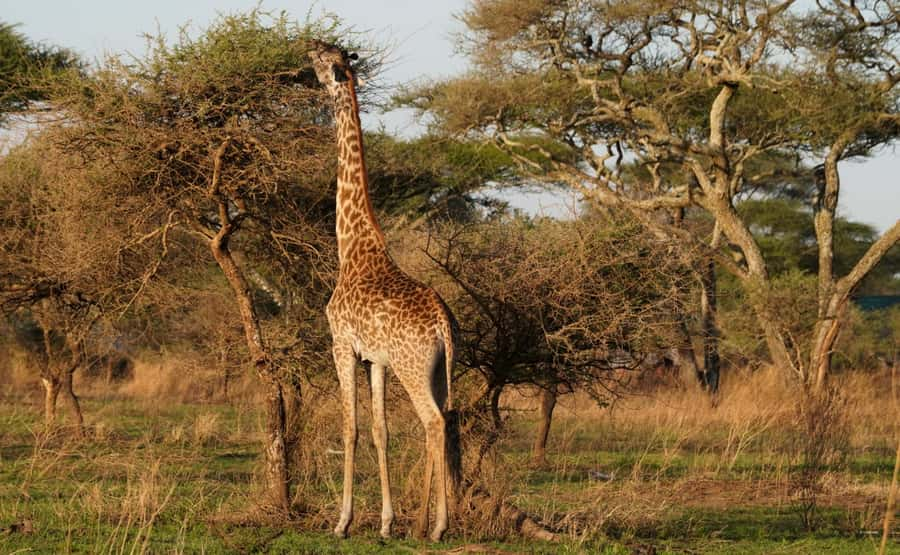
- Tarangire elephants and baobabs: a strong first day with huge herds and iconic tree scenery
- Small group, up to 6 people: more personal guiding and easier spotting in the vehicle
- Sunrise Serengeti drive: best chance to see predators active and the plains waking up
- Night camping in remote areas: the sounds of wildlife and sky-time you don’t get on lodges
- Ngorongoro crater game drive: a UNESCO volcanic caldera with high wildlife density and Big Five potential
- Guide-led extras like shared binoculars: practical help for getting sharper views on the move
How this 4-day route makes wildlife spotting easier
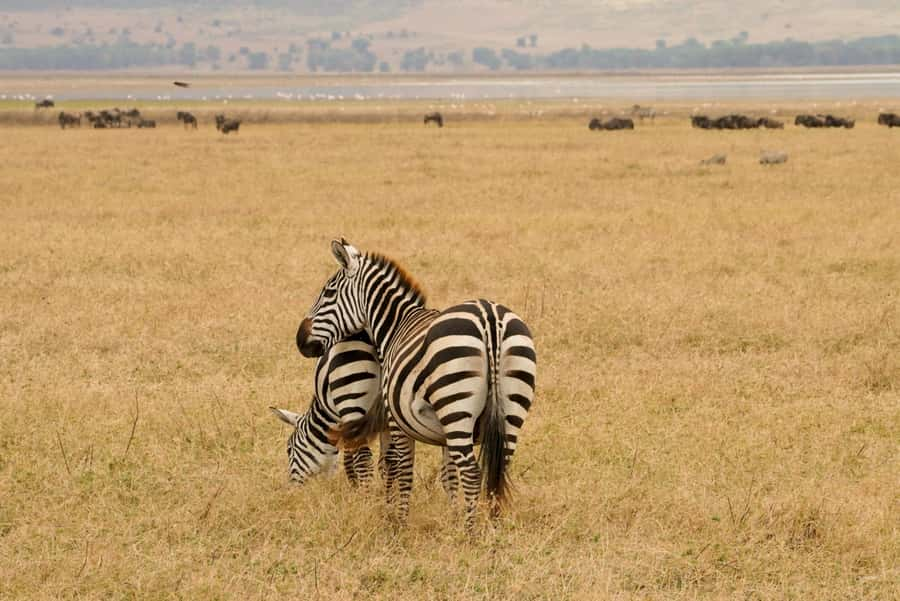
This safari works because it strings together three areas that feel different from each other. Tarangire has its own identity with elephants and baobabs. The Serengeti is the broad stage where predators hunt and herds flow. Then Ngorongoro turns everything into a natural amphitheater, where wildlife gathers and the ecosystem stays tight in one place.
You also get a clear rhythm: game drive in the morning or afternoon, then camp life at night. That structure helps you avoid the common safari problem of being “on the go” all day with no real payoff. Here, you’re usually chasing moments when animals are most likely to show up.
And it’s a camping trip, not a hotel tour. If you like the idea of sleeping close to nature and hearing the bush at night, this is the real deal. One of the strongest themes from the experiences is how well guides manage the pace and how much the whole group benefits from a driver who knows where to position for sightings.
Day 1: Arusha to Tarangire National Park for elephants and baobabs
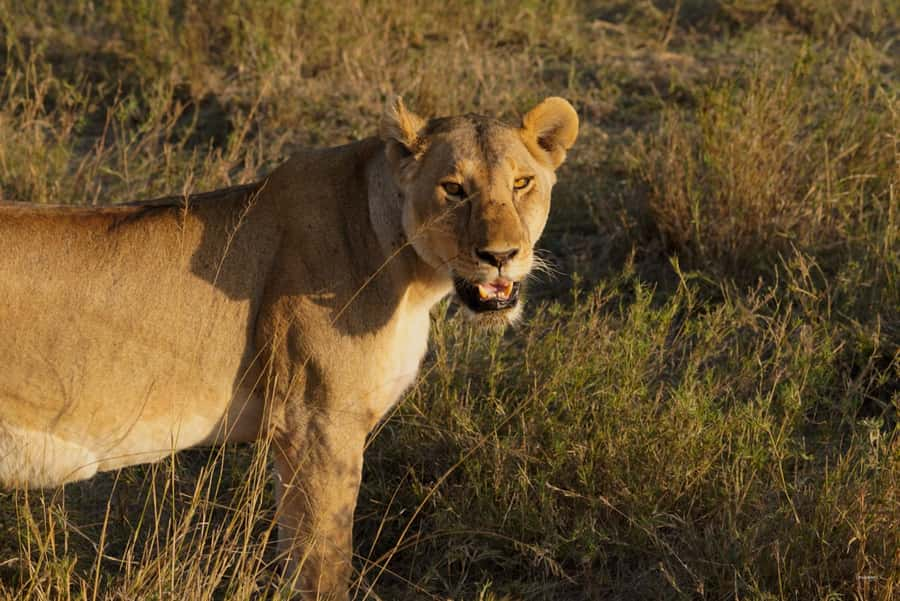
Your trip starts in Arusha, with pickup arranged through a representative at your reception desk. There’s a meet-and-greet moment with someone holding a sign with your name, then you’re set up for departure.
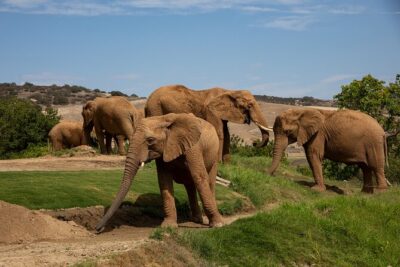
From there, you head to Tarangire and waste little time. The first game drive is the important part: Tarangire is famous for large elephant herds and those dramatic baobab trees that look like they’ve been standing forever. This is a great way to set expectations for the whole safari. Elephants are not a rare cameo here; they’re a main event.
You’ll get lunch in the park after the morning drive. That timing is smart. You’re already in the environment, not rushing back and forth just to eat. After lunch, you continue with an afternoon drive. That gives you a second chance to spot wildlife patterns as the day cools down.
At night, you sleep in camp in the Tarangire area. Camping can sound rough until you remember you’re paying for proximity to nature. The real value on night one is psychological. You’re already in safari mode, and the sounds of the bush start to feel normal instead of scary.
Day 2: Tarangire to Serengeti for lions, cheetahs, and big-sky plains
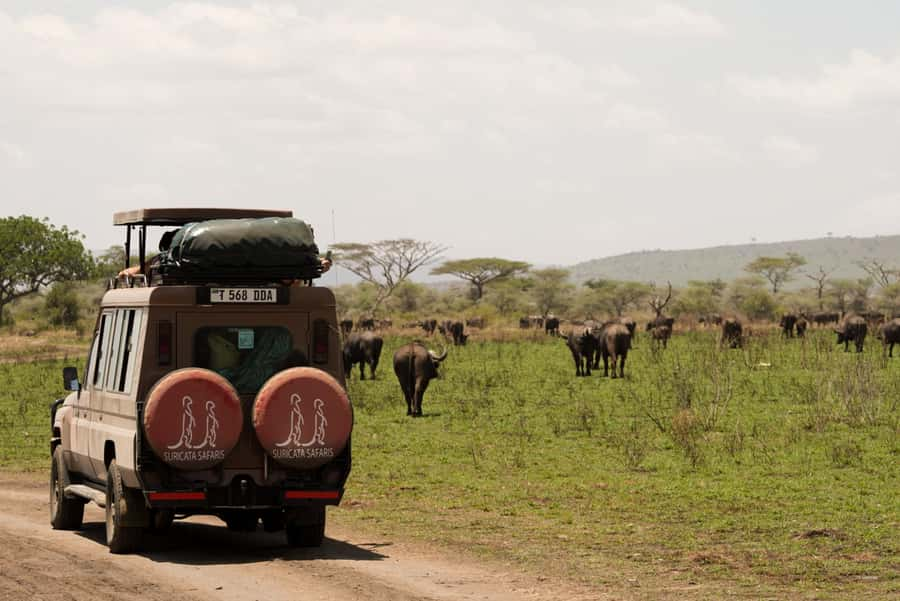
Day two shifts you toward the Serengeti, and the change is obvious even before you start spotting. The drive gives you time to see how Tanzania’s terrain opens up. Then you arrive for an afternoon game drive across the plains.
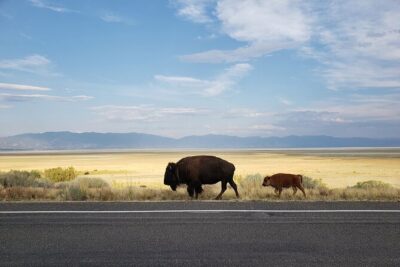
This is where the safari feels iconic. The Serengeti is all about the long sightlines and animal movement across grasslands. Lions, cheetahs, zebras, and more are on the “possible today” list, and the guide’s skill matters because animals are often a distance thing. That’s also why shared binoculars in the vehicle can be genuinely useful, especially if you’re farther back or the lighting is tricky.
After the afternoon drive, you set up camp in the Serengeti. This is one of the moments you’ll probably remember more than you expect. Camping in the Serengeti means you’re not just viewing wildlife during the day. You’re living with the sense that something is out there, even when you can’t see it.
A practical note: you’ll feel the rhythm of walking and standing less, because you’ll spend your time in vehicles and camps. That’s normal for safaris, but it’s why comfort and fitness still matter. If you’re dealing with back issues, this kind of day schedule and vehicle time can be rough.
Day 3: Sunrise Serengeti hunting to Ngorongoro’s crater rim
This day starts early, and I’m glad it does. A sunrise game drive is one of the best investments you can make on a safari, because predator activity often looks different in the early hours. The plains feel alive in a way that changes after the sun climbs. You’re also more likely to get sightings before fatigue and heat shift everything.
After your morning drive, you return to camp for lunch. Then it’s time to head toward Ngorongoro Crater. The drive itself passes through dramatic terrain, and it sets you up for what comes next: a crater experience that feels like a different planet.
You reach your camp near the crater and spend the evening relaxing. That downtime is not fluff. It helps you be ready for the main event on day four, because you’ll go down into the caldera in the morning. If you try to rush the final day without resting, you’ll feel it.
Day 4: Ngorongoro Crater for Big Five potential and heavy wildlife density
Ngorongoro Crater is the reason many people plan this exact circuit. It’s a UNESCO World Heritage site and a natural volcanic bowl, which can concentrate wildlife into a tighter, more watchable area.
You descend into the crater for a game drive. The wildlife density here is the big story, and the crater is known for including Big Five potential. Even when you don’t score every species, you’re still likely to have plenty of sightings because the ecosystem is compact.
After the morning drive, you head back up to the rim. Then you drive back to Arusha for an afternoon arrival. It’s a long day, but it ends with the clear payoff of a bucket-list-style wildlife morning.
If you’re the type who loves comparing environments, Ngorongoro is the ultimate “same country, totally different system.” It’s still Tanzania, but the feel is completely different from open plains.
Camping life: where the comfort level really comes from
This is a camping safari, and that word can mean different things to different people. Here, the important part is that the trip includes accommodation and meals during the safari. Mineral water is also provided during the drives.
From the experiences people shared, food quality is a standout. One person specifically noted a personal chef cooking meals three times a day, and another mentioned fantastic food alongside an amazing camping setup. That’s not minor. In a safari schedule, meals can turn into either a pleasant break or a frustrating detour. Here, it sounds like the meals are treated as part of the trip, not an afterthought.
Guides also seem to play a big role in comfort and safety. Names that come up include Steve and Anthony, both described as cheerful and attentive, with safe driving even when paths get rough. That matters because camping safaris are only fun if you trust the person driving and explaining what you’re seeing.
Price and value: is $1,150 a fair deal for this 4-day circuit?
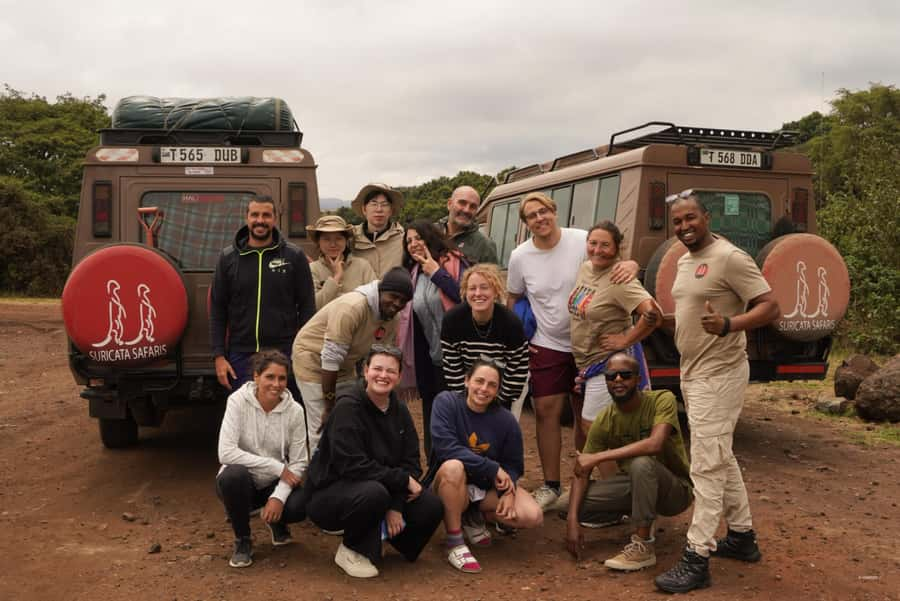
At $1,150 per person for four days, the value depends on what you want most: animals, guidance, and an all-in safari package feel.
For your money, you get:
- 4×4 transportation and park driving
- a professional English-speaking guide
- park entrance fees
- meals and accommodation during the safari
- mineral water during the safari
That’s meaningful because Tanzanian park fees and a good guide are major parts of safari cost. Also, small group size (up to 6 participants) usually means you’re not competing with a full crowd for vehicle positions. When spotting matters, having less chaos in the group can translate into more useful time in the best viewing spots.
That said, one negative experience mentioned vehicle issues. So I’d interpret the price as potentially strong value if the logistics are well maintained, but not blind confidence. A quick, practical check about vehicle condition and comfort is worth it before you commit.
Practical packing and safari rules that keep the experience smooth
You’ll enjoy this more if you pack for the reality of safari temperatures and camp nights. Neutral colors are recommended, including white, beige, and green. Avoid bright colors, since animals can react unpredictably and operators want to keep things consistent.
Bring warm layers. Night temperatures can drop to around 5°C, so pack a warm sweater, socks, and a jacket. Even if daytime feels warm, camp nights can feel chilly fast.
You’re also working with a luggage limit: 10kg per person. If you have extra luggage, it can be stored at the hotel storage room. Duffel bags are recommended because they tend to fit more easily into vehicle storage.
Other practical tips from the setup:
- bring mosquito repellent with high mint concentration
- binoculars can enhance viewing, and guides will share one available in the vehicle
- pack to move. You’ll likely be standing and repositioning in short bursts, but most of your time is driving and scanning
And follow the safari rules: no feeding animals, no touching animals, and no bright clothing. These rules protect both wildlife and you.
Who this safari fits best (and who might want a different option)
This trip fits wildlife lovers who want a mix of legendary places and real camp life, with a small group and an English-speaking guide. If you like the idea of an early sunrise drive and then a crater morning with high wildlife concentration, you’re in the right place.
It’s also a good match if you enjoy structure: scheduled drives, scheduled meals, and a guide who helps you understand what you’re seeing rather than just driving past it.
But it may not fit everyone. It is not suitable for people with back problems, wheelchair users, babies under 1 year, or people over 95. Even if you’re otherwise healthy, the combination of vehicle time and game-drive movement can be challenging.
Final verdict: should you book this Tarangire–Serengeti–Ngorongoro camping safari?
If your priority is world-class wildlife in three distinct ecosystems, this is a smart, efficient route for a short safari window. The small group size, park fees included, and the camping-and-food setup make it feel like a complete experience rather than a basic transfer-and-view package.
I’d book it if you’re comfortable with rougher vehicle conditions as a possibility and you’re ready for chilly nights and long game-drive hours. Before you go, do one practical thing: ask about vehicle condition and comfort level so you don’t end up on the wrong side of that one negative vehicle note.
If that sounds manageable, this is the kind of trip that gives you both the sightings and the night-sky memory.
FAQ
Where do the safari days start and end?
The safari starts in Arusha and ends in Arusha. Pickup is arranged through a representative at your reception desk with a name sign.
Which parks are included in the 4 days?
You’ll visit Tarangire National Park, Serengeti National Park, and Ngorongoro Crater. You also spend nights in camping areas across the route.
Is park entry included in the price?
Yes. Park entrance fees are included, along with 4×4 safari vehicle transportation.
What kind of guide do I get?
You’ll have a professional English-speaking guide. The safari runs as a live guided experience.
Are meals and accommodation included?
Yes. Accommodation and meals are included during the safari, and mineral water is provided during the trip.
Do I need a visa and travel insurance?
Visa, international flights/domestic flights, and travel insurance are not included, so you’ll need to arrange those separately.
How much luggage can I bring?
There is a 10kg luggage limit per person. Extra luggage can be stored at the hotel storage room, and duffel bags are recommended.
Are there any safari rules I should follow?
Feeding animals, bright colors, and touching animals are not allowed. You’ll also want to pack neutral colors and follow your guide’s instructions in the parks.