REVIEW · TENERIFE
4 Hours Eco Safari Tour with Electric Car in Tenerife
Book on Viator →Operated by Twizy Safari Eco Bubble Buggy Tour · Bookable on Viator
Electric Twizy, real Tenerife stories. This 4-hour eco safari mixes mountain backroads with culture stops, all in an electric Twizy you drive yourself. I especially love the small-group size (max 10), which makes the pace feel personal and questions actually get answered. I also like how guide Dani turns everyday details, like banana farming and the Canarian coffee culture, into clear, memorable stories.
The one thing to consider is the meeting point. Even though it’s near public transport, the exact spot at Parking Hotel Rural El Navío can be a little awkward without a taxi or a car, so give yourself a few extra minutes.
In This Review
- Key highlights you’ll feel right away
- Electric Twizy Safari: your 9:30am start and the drive itself
- The route philosophy: more inland life, less tourist loop
- Tamaimo: the coffee stop where history starts
- Santiago del Teide: a historic village walk with real local rhythm
- Chio: food production and Canarian flavors you can taste
- Puerto de Santiago: banana plantation walk and how export farming works
- Dani’s storytelling: history that fits the road you’re on
- Electric car reality: range, chargers, and downhill regen
- Comfort, timing, and what to expect at each stop
- Price check: is $96.79 good value for four hours?
- Weather matters: plan for a good morning
- Should you book the Electric Twizy Eco Safari?
- FAQ
- How long is the 4 Hours Eco Safari Tour with Electric Car?
- What is the starting time and meeting point?
- What stops are included in the tour?
- How many people are on the tour?
- Is the tour offered in English?
- What’s the weather policy if conditions are poor?
Key highlights you’ll feel right away
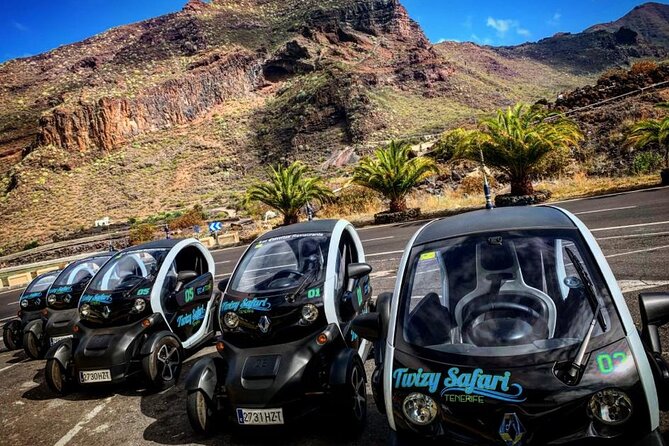
- Electric Twizy driving on winding mountain roads, with a quick controls walkthrough before you set off
- Dani’s narration style: history and culture tied to what you can see right now
- Tamaimo coffee stop with local drinks while you get the island context
- Chio food and craft production featuring Canarian flavors like jams, chutneys, and mojo sauces
- Puerto de Santiago banana plantation with a walk through an active export-growing area
- Small group cap (10 max) so you’re not herded from stop to stop
Electric Twizy Safari: your 9:30am start and the drive itself
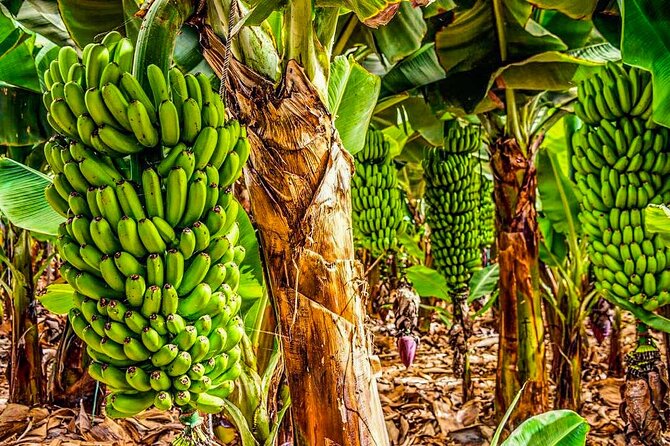
The tour runs about 4 hours and starts at 9:30am. You meet at Parking Hotel Rural El Navío, Av. los Pescadores, 38687 Santa Cruz de Tenerife, and the route ends back at the same place. If you want a Tenerife morning that isn’t just beach time, this is a strong fit.
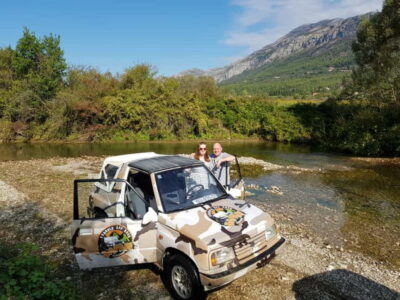
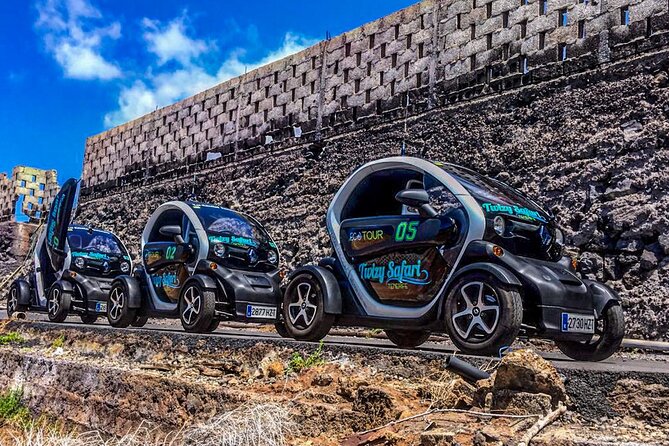
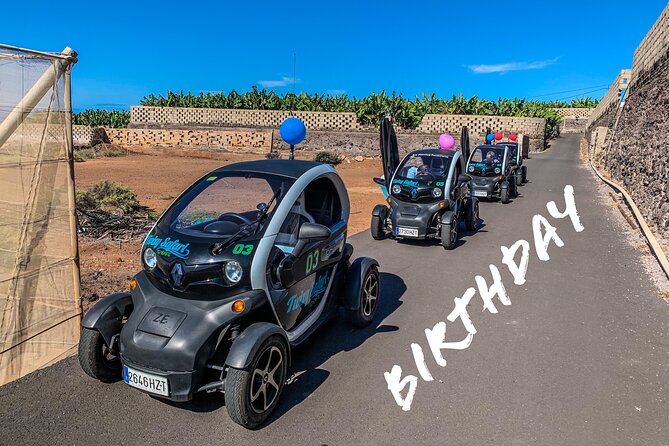
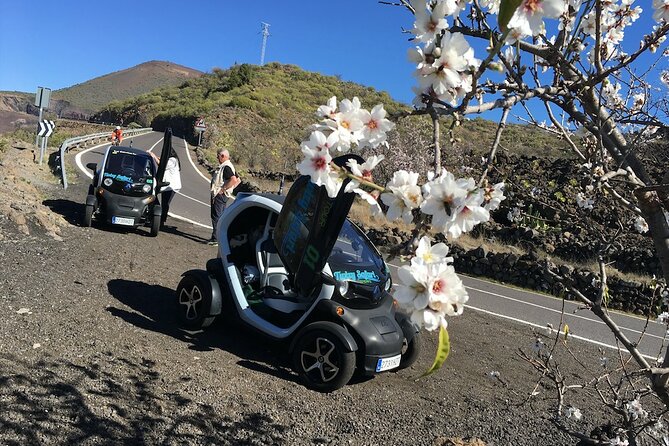
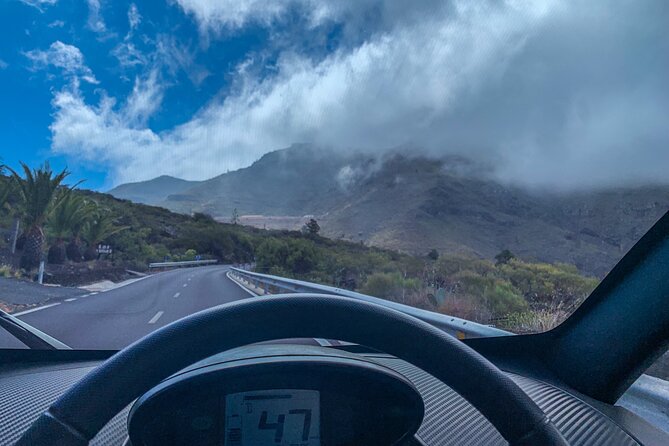
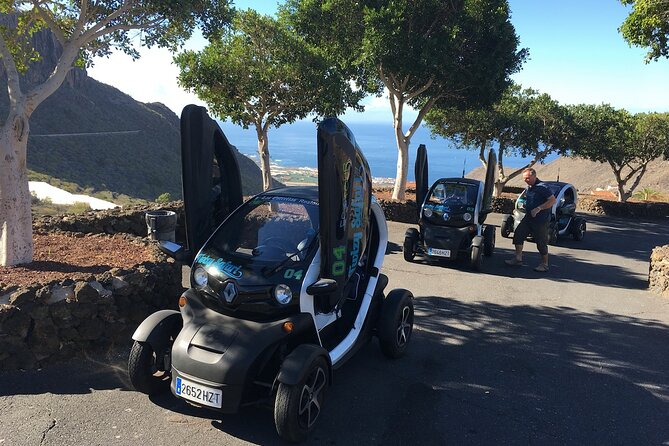
You’ll travel in an electric Twizy safari vehicle that’s easy to operate. Expect a quick walk-through of the controls before you go, which helps you feel confident fast. The ride is part of the fun: you’ll be bouncing along rural roads with real views opening up around bends.
One practical note: the Twizy is a compact two-seater. If you’re in the back, it can feel a bit snug, but it’s still a workable way to see the island without getting stuck on a bus. Also, the tour is capped at 10 people, so there’s room for the group to stay together without everyone feeling packed.
You can also read our reviews of more tours and experiences in Tenerife.



The route philosophy: more inland life, less tourist loop
This tour is designed to show you life away from the coast. Instead of doing only viewpoints, you get small, specific stops where the guide explains how people live, work, and eat in Tenerife’s interior. It’s the kind of route that helps the island make sense, because each stop connects to the bigger story.
You’ll move through changing micro-areas as you head inland. That matters because Tenerife isn’t one flat experience; vegetation and farming change with altitude and weather patterns. The guide also ties those differences to Canarian history and culture, so you’re not just watching scenery. You’re learning what created it.
Tamaimo: the coffee stop where history starts
Stop one is Tamaimo, where you pause at a traditional Canarian cafe. You’re invited for a local coffee specialty plus cold soft drinks, and while you’re there, Dani gives you a clear run-through of island history and culture. This is a smart way to start, because it sets context before you head deeper into the rural route.
In practice, the stop is relaxed. You’re not rushed through a quick snack; you get time to sit, drink, and listen. And if you’re the type who usually skips coffee, you might still want to try the island specialty here. Several people highlight the barraquito as a standout at this stop.
A small downside: because you’re sitting in a cafe early in the morning, you’ll want to keep your schedule shoes on. This isn’t a long break, so it’s best to treat it like part refresh, part lesson, not an all-out meal.
Santiago del Teide: a historic village walk with real local rhythm
Next comes Santiago del Teide, where you spend about 20 minutes walking around the historic village center. This stop is built for seeing daily inland life rather than just taking photos from outside.
During the walk, you get a better sense of what the town feels like once tourism fades. You’ll focus on the village core and learn how people organize life in a place that doesn’t depend on the sea for everything. It’s short, but the value is in how the guide helps you read the town, not just pass through it.
If you enjoy “slow walking” tours, this is the one on the schedule that most closely resembles that style. If you’re expecting a long wander, though, keep in mind it’s only around 20 minutes.
Chio: food production and Canarian flavors you can taste
Stop three is Chio, at a gourmet cottage industry that produces items like jams, chutneys, and Canarian mojo sauces. You’ll get an explanation of the production process while you walk through the kitchen area, and then you’ll have a tasting. Importantly, the tasting isn’t presented as a pressure sales event. You can taste and only buy if something truly fits your tastes.
This stop is great if you like food travel, but even if you don’t, it’s still useful. Learning how ingredients become sauces and spreads helps you understand Canarian cooking beyond the tourist version. The guide’s commentary makes it feel practical, like you’re watching local food skills in action.
If you’re sensitive to strong flavors, consider taking it slow at the tasting stage. Mojo sauces can be intense, and it’s better to sample thoughtfully than to rush and miss what makes each one distinct.




Puerto de Santiago: banana plantation walk and how export farming works
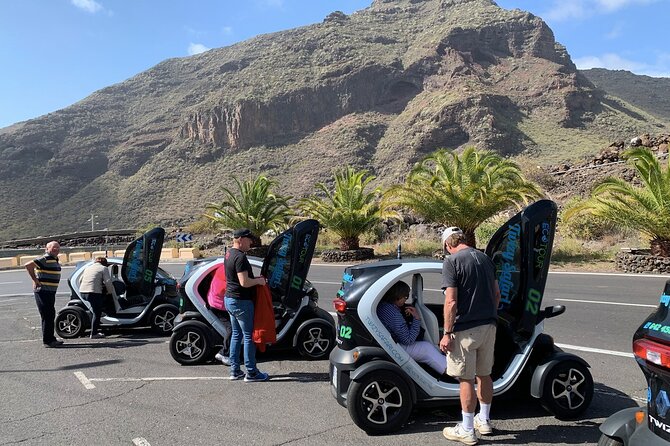
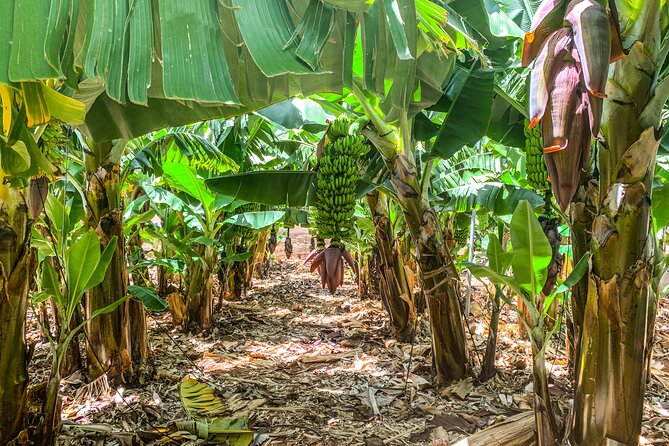
Stop four is Puerto de Santiago, where you visit a real export banana plantation. You’ll taste local bananas and walk between the plants while Dani explains how bananas are cultivated on the island.
This part of the tour hits a sweet spot: it’s hands-on enough to feel real, but still short enough to keep the overall morning moving. The guide’s explanations connect the visible plants to the larger system behind them. You’ll learn not just what bananas look like, but how the island supports banana growing through its methods and conditions.
People also love this stop because it breaks the banana stereotype. You stop thinking of bananas as something that just appears in supermarkets. Instead, you see the crop as the result of work, timing, and island-specific farming.
A practical tip: banana plantations are still outdoor environments. If the weather is bright, bring sunglasses and keep an eye on the sun while walking between plants.
Dani’s storytelling: history that fits the road you’re on
The driving and stops are good, but the guide is what turns it into a tour you remember. Dani’s style is to connect what you’re seeing to why it matters. His talks cover Canarian history and culture, including life before Spanish influence, and he answers questions as you go.
One detail people consistently appreciate is how Dani stays in control of the flow. Communication during the drive uses a radio system (CB radio), which helps the group stay coordinated without loud group fussing. You’re also getting frequent context while driving, not just a big lecture at the start.
That pacing is the main reason this tour works for a wide range of travelers. If you love history, you’ll like the deeper explanations. If you’re more of a “show me” person, the stories stay tied to actual places and daily practices you can point at.
Electric car reality: range, chargers, and downhill regen
Because you’re in an electric vehicle, you’ll also think about energy. People mention that there can be moments of range anxiety, especially if the route feels steeper than expected. The good news is that the operation is handled thoughtfully.
There are chargers available, and the car recharges on the way down by using regenerative behavior (you feel it as the vehicle slows more smoothly on descents). Add to that the fact that you’re not trying to drive your own route while doing a lesson tour. You follow the planned route, and Dani keeps everything on track.
This is one of those tours where the “electric” part doesn’t feel like a gimmick. It affects the experience in a real way, and you get to see how small technical choices matter when you’re moving through mountain terrain.
Comfort, timing, and what to expect at each stop
Let’s talk about the rhythm. You’re looking at a series of short-to-medium stops: Tamaimo (around 30 minutes), Santiago del Teide (around 20 minutes), Chio (around 30 minutes), and Puerto de Santiago (around 25 minutes). That totals about the core time, with driving between each.
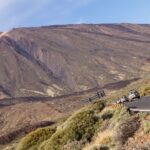
The driving takes you through ups and downs, with winding roads that feel more adventurous than a flat city tour. It’s part of why the Twizy is popular: you get a road-trip feel without having to focus on navigating.
If you’re going with family, note that the tour is described as suitable for most travelers. Still, the Twizy format is compact, so think about comfort for kids and anyone who prefers more legroom. Also consider that you’ll be spending time outdoors during the walks.
Price check: is $96.79 good value for four hours?
At $96.79 per person, you’re paying for more than a vehicle ride. You’re paying for the full package: a half-day electric safari, a small group, and multiple culture and food stops where you’re guided through what you’re seeing.
Here’s what you get that supports the price:
- Electric Twizy included, with driving and a pre-departure controls walkthrough
- Stop-time experiences (coffee stop, historic village walk, craft/food production tasting, banana plantation visit)
- Time with Dani, who ties it all together with history and practical context
- Tastings at multiple points, including coffee and bananas, plus food sampling at Chio
Because each stop is built around an experience (not just a photo stop), you’re not spending most of your time sitting around. And since the tour limits group size to 10, you’re more likely to have an enjoyable pace rather than feeling rushed.
If you’re choosing between a generic bus tour and something with hands-on driving and real local food moments, this is the kind that tends to feel worth it.
Weather matters: plan for a good morning
This experience requires good weather. If it’s canceled due to poor weather, you’ll be offered a different date or a full refund. That’s important in Tenerife because weather can change quickly, especially in mountainous areas.
My advice: if you’re flexible with dates, book it earlier in your trip so you have backup options if conditions shift.
Should you book the Electric Twizy Eco Safari?
I’d book this tour if you want active sightseeing with real context. It’s a great choice when you like the idea of driving through Tenerife rural roads, stopping for food tastings, and learning how the island works beyond the coastline.
You might skip it if you want a very long walking tour or you dislike compact seating formats. Also, if getting to the meeting point is tricky for you, plan your transport ahead so the morning doesn’t start stressful.
If you’re aiming for value, this one has it: a short, well-structured route, a small-group feel, and a guide who keeps history and daily life tied to the road.
FAQ
How long is the 4 Hours Eco Safari Tour with Electric Car?
It runs for about 4 hours.
What is the starting time and meeting point?
The tour starts at 9:30am. You meet at Parking Hotel Rural El Navío, Av. los Pescadores, 38687, Santa Cruz de Tenerife, Spain.
What stops are included in the tour?
You’ll visit Tamaimo (coffee stop), Santiago del Teide (village walk), Chio (gourmet cottage industry tasting), and Puerto de Santiago (banana plantation visit).
How many people are on the tour?
The tour has a maximum of 10 travelers.
Is the tour offered in English?
Yes, it’s offered in English.
What’s the weather policy if conditions are poor?
The tour requires good weather. If it’s canceled due to poor weather, you’ll be offered a different date or a full refund.