REVIEW · TENERIFE
Full-Day Gomera Jeep Safari from Puerto de La Cruz
Book on GetYourGuide →Operated by TAMARAN · Bookable on GetYourGuide
A whistle, a Jeep, and Gomera in one day. This full-day safari combines a ferry transfer from Tenerife with time on La Gomera to see Garajonay National Park and the island’s culture up close. I especially like the Silbo Gomero moment and the fact that you also get an included meal with local flavors, not just sightseeing. One thing to plan around: it’s a long day with early timing, and it’s not a good match if you have back problems.
I also like the way the day is paced. You get guided context at stops, then real breathing room to walk around for photos and videos before the group moves on. Some guides go above and beyond with clear explanations in multiple languages, and names I saw in feedback include María, Gabriela, and Kai-Uwe—so you can expect lively storytelling.
In This Review
- Key things to know before you go
- Ferry-to-Jeep Day: How the timing actually feels
- Meeting at 07:00 in Puerto de la Cruz: don’t cut it close
- San Sebastián de la Gomera: starting with the right context
- Garajonay National Park: why this is the heart of the island
- Villages on Gomera: short stops that add real flavor
- Silbo Gomero before the meal: a living cultural moment
- Local food included: good value, but go in ready for a group meal
- Jeep driving on Gomera: what you’ll feel (and what you won’t)
- Tour value at $187: where the money goes
- Language options and guide style: why it matters on Gomera
- Who should book this (and who should skip it)
- Should you book the Gomera Jeep Safari from Puerto de la Cruz?
- FAQ
- How long is the full-day Gomera Jeep safari?
- Where do I meet for the tour?
- What’s included in the price?
- What languages are available for the live guide?
- Do I need my passport or ID to board the ferry?
- Is there free cancellation?
- Is motion sickness a concern on this tour?
- Is this tour suitable for back problems?
Key things to know before you go
- Ferry to San Sebastián, then Jeep time: the day starts with a sea crossing and quickly turns into island driving
- Garajonay National Park focus: you’re not just passing by; you get time to look and learn
- Silbo Gomero performance included: you’ll see the whistling language before your meal
- Local food is part of the plan: an included restaurant meal with two dishes is a big part of the value
- Not true rough off-road: expect exciting narrow-road driving more than a rugged trail adventure
Ferry-to-Jeep Day: How the timing actually feels
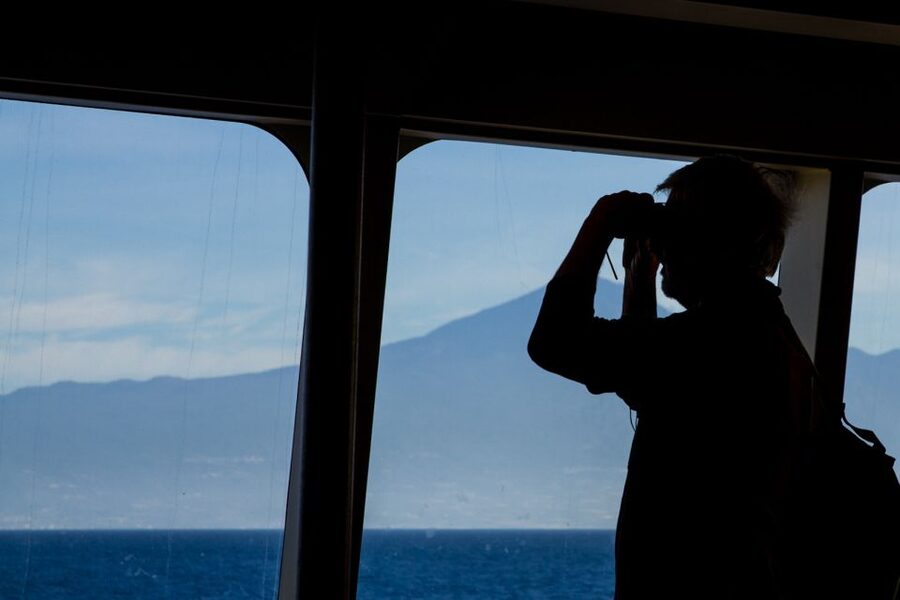
This tour is built around one idea: you cover a lot of La Gomera in a single day without having to organize transport yourself. It runs about 13 hours, and that means the schedule is tight enough to feel productive, but not so rushed that you never get a break.
You start in Puerto de la Cruz early and head by ship to San Sebastián de la Gomera. Once you’re on the island, you switch to Jeep-style transport for the sightseeing. The advantage is simple: you’re not bouncing between rental cars, parking, and backtracking. The cost is that you’re committing to a full day, so bring patience and expect a lot of sitting.
You can also read our reviews of more tours and experiences in Tenerife.



Meeting at 07:00 in Puerto de la Cruz: don’t cut it close

Your meeting point is 07:00 AM at the Tamaran/Volcanic office, Calle Aceviño, 12 in Puerto de la Cruz. Showing up a few minutes early matters here. You’re boarding a ferry, and the tour requires an original ID card or passport for getting on the ferry.
Pack like you’re commuting. Comfortable clothes are a must, and you’ll want to be ready for changing light and temps from sea to inland views. Also note what’s not allowed: oversize luggage. If you’ve got bulky bags, this is the kind of tour where it becomes an unnecessary stress.
If you’re sensitive to motion—on ferry or winding roads—bring what helps you. One review specifically recommended motion-sickness tablets just in case, which is smart if you know your body reacts.
San Sebastián de la Gomera: starting with the right context
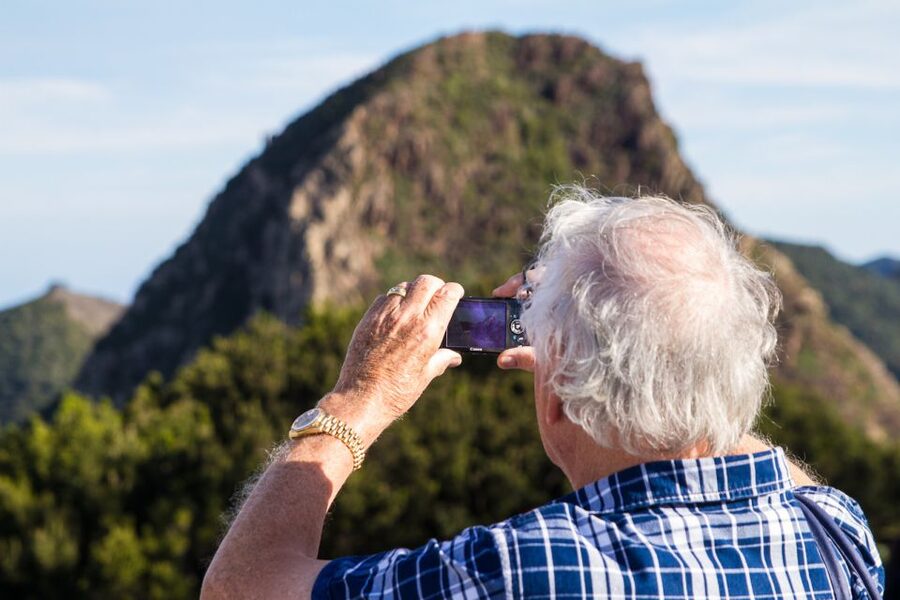
The ferry lands you at San Sebastián de la Gomera, which is where the day becomes real. This stop matters because it gives you a foothold before the driving and viewpoints start. You’re not dropped into random places with no story.
From there, your driver-guides keep the day moving while still explaining what you’re seeing. At each stop, you’ll get spoken context about the areas you visit. That’s a big deal on islands, where every curve in the road comes with history, geography, and local habits—especially on Gomera, where cultural details like the whistling language aren’t just trivia.
Garajonay National Park: why this is the heart of the island
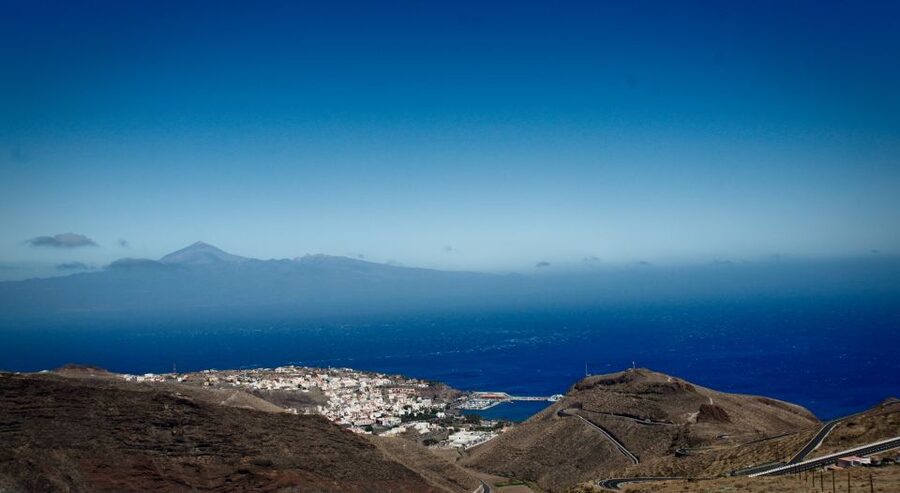
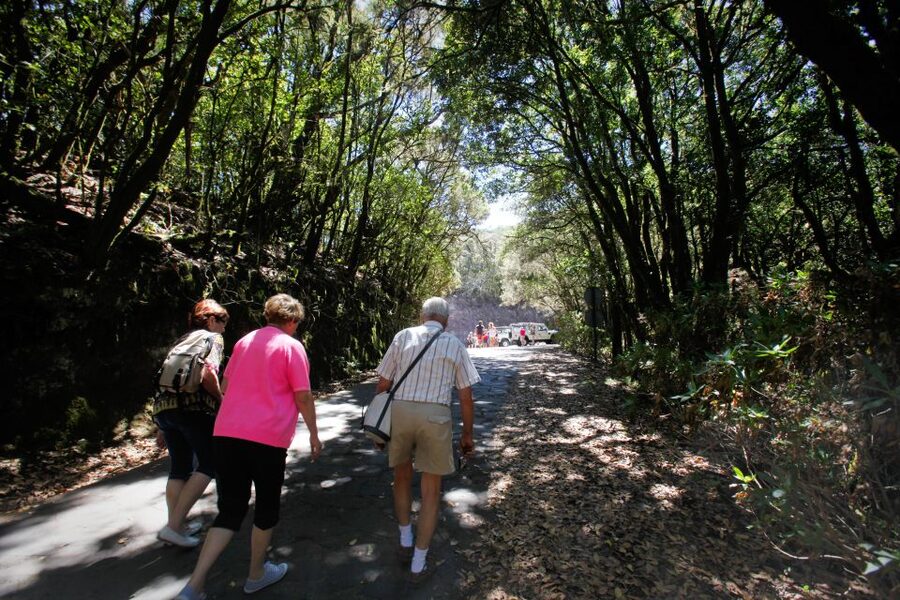
Garajonay National Park is the tour’s nature anchor. This is where your experience shifts from “pretty views” to “this place has structure.” You’re in an area known for its distinctive environment, and the stops give you time to take it in without rushing through it like a checklist.
What I like about including Garajonay is that it gives you an answer to a common question: what makes Gomera feel different from nearby islands? The park area connects the island’s scenery to its lived-in culture. You also get viewpoints where the geography makes sense—why villages sit where they do, why certain routes follow the contours, and how the island’s natural shape influences daily life.
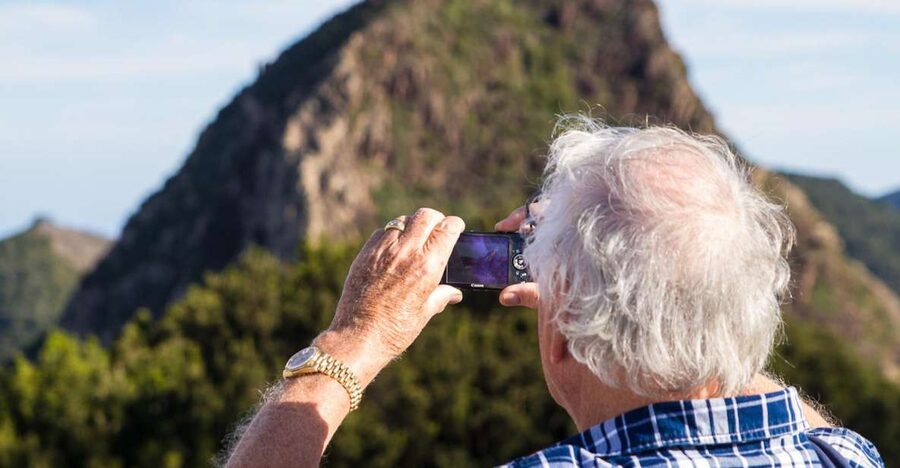
In practical terms, the benefit is photo time. The pacing leaves space to wander a bit and shoot videos at your own speed before rejoining the group.
Villages on Gomera: short stops that add real flavor
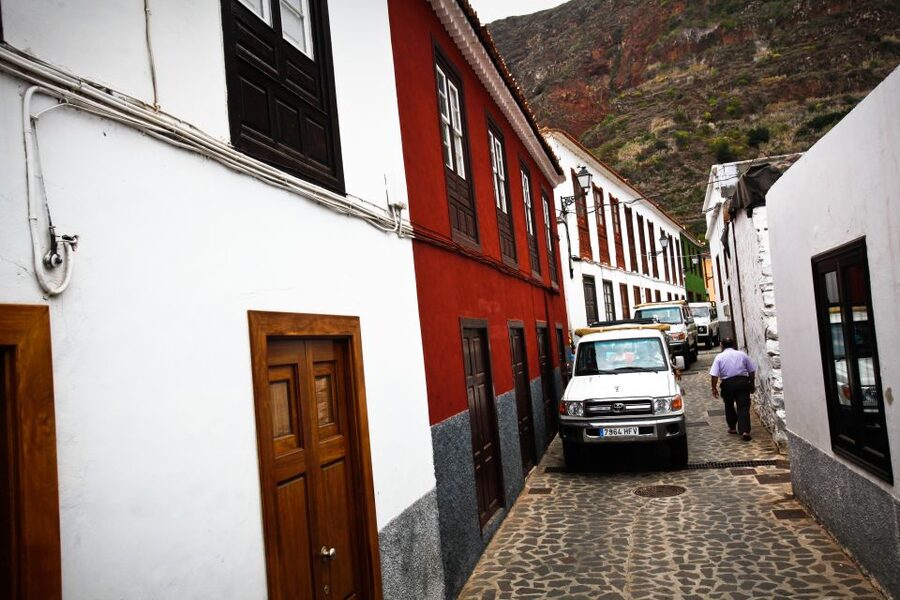
A Jeep safari stands or falls on how it handles villages. Here, you’re not just driving past residential pockets and waving out the window. The tour includes visits to picturesque villages, and you’ll have time at stops for independent browsing—pictures, a quick look around, and getting a feel for how the island looks at street level.
This is also where the tour’s cultural side becomes tangible. Even if you don’t speak local language, you can notice everyday rhythm: where people gather, how buildings sit against steep terrain, and how the island’s geography shows up in daily life.
Just remember: village time is time-limited. So don’t plan on doing a full walkabout. Think of it as “enough to learn what it feels like,” not “enough to fully explore on foot.”



Silbo Gomero before the meal: a living cultural moment
One of the most memorable parts of this day is the Silbo Gomero demonstration. The whistling language is often described as unique, but what makes it valuable in a tour format is timing: you see it right before you eat.
That pairing works because you get a cultural experience, then you shift into food—another practical way locals keep traditions alive. In feedback, the demonstration is described as an interesting and beautiful thing to watch, and it’s clearly treated as a highlight rather than a quick detour.
If you care about culture beyond landmarks, this is one of those moments that turns a “tour day” into a “story day.”
Local food included: good value, but go in ready for a group meal
Food is included, and the experience includes a restaurant stop where you’ll be served a meal with two dishes included. In reviews, the meal is described as home-style and filling, and people mention that they actually leave satisfied—not just “snacked.”
Still, there’s a trade-off. This is a scheduled group activity, so you should expect a bit of a production around serving. One review notes it can feel like a mass-dinner operation, even if the food is tasty.
My advice: don’t treat lunch/dinner like a solo fine-dining plan. Treat it like part of the itinerary: enjoy it, eat at a relaxed pace, and use the time to refuel for the next driving block.
Jeep driving on Gomera: what you’ll feel (and what you won’t)
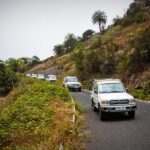
This tour is called a Jeep safari, but “safari” can mean different things. The driving is often described as practical and sometimes exciting, especially on narrow roads and through small towns. That’s real fun if you like the feeling of being in an open-road vehicle on an island.
What you should manage expectations on: one complaint says there wasn’t a true off-road experience with rough terrain. In other words, you’re likely getting the thrill of island roads and Jeep-style seating more than hardcore dirt-track driving.
Also pay attention to vehicle expectations. One booking reported receiving a Volkswagen minibus instead of a Jeep as promised. That’s not the norm in the positive feedback, but it’s enough that I’d recommend double-checking what vehicle type you booked if that detail matters to you.
Safety is another variable. Most feedback praises drivers as kind and helpful, but there was at least one negative note about driving safety. Your best protection is reading the tour’s vehicle and pickup details carefully before you go, and trusting the driver’s instructions during the ride.
Tour value at $187: where the money goes
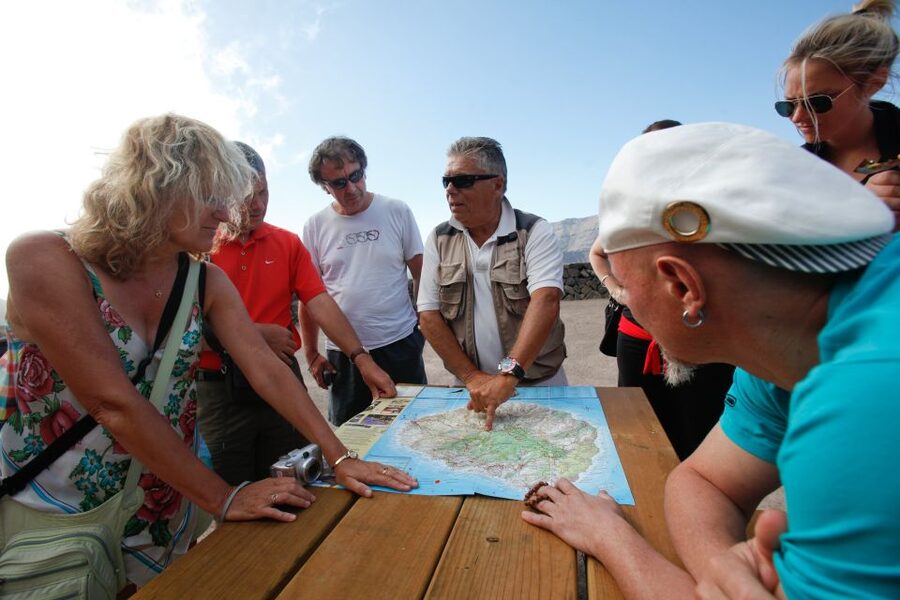
At around $187 per person, you’re paying for a full-day system: ship transfer, driver, Jeep-style transportation, and food. That’s the key value story. You’re not just paying for seats—you’re paying for someone to handle the logistics of a sea crossing and island driving day.
What makes it feel worth it for many people is the mix of components:
- transportation that you’d otherwise have to organize
- structured island stops (including Garajonay)
- a cultural highlight (Silbo Gomero)
- an included meal with two dishes
Where the value can feel weaker is when expectations don’t match reality—especially around vehicle type or the amount of true off-road driving. If you’re dreaming of rugged trail paths, you might feel disappointed. If you want a packed, guided island day with culture plus food, this price starts to make sense quickly.
Language options and guide style: why it matters on Gomera
The tour offers live guide service in English, French, Spanish, Dutch, Polish, and German. That’s helpful because a lot of what makes Gomera interesting is in the explanations: the island’s culture, the significance of heritage elements, and the way the landscape and villages connect.
In reviews, guides are praised for clarity and entertainment, with examples like María (mentioned as funny and knowledgeable about the Canaries and Gomera), Gabriela (passionate and engaging), and Kai-Uwe (full of humor and charm). Even if your tour guide isn’t one of those names, the consistent message is that the guiding is a core part of the experience, not just background chatter.
Who should book this (and who should skip it)
This tour fits you well if you want:
- a one-day overview of La Gomera from Puerto de la Cruz
- Garajonay National Park time plus villages
- culture with a real performance moment via Silbo Gomero
- an included meal with local food (not just a snack)
It’s not suitable for people with back problems. That’s important because you’ll be seated for long stretches and riding on island roads. If your back needs a gentler schedule, you’ll be happier with a less time-on-the-road option.
If you’re picky about vehicle type or truly rough off-road, read the booking details carefully and confirm what you’re getting.
Should you book the Gomera Jeep Safari from Puerto de la Cruz?
I’d book it if you want a guided, efficient day that combines ferry travel, park scenery, village stops, a cultural performance, and an included meal. The best part isn’t any single checkbox—it’s how the pieces connect: you get context on the island, then you eat local food, then you leave with stories you can actually repeat.
Skip—or at least reconsider—if your dream is hardcore off-road terrain, or if a long day on roads will aggravate your body. And if motion sickness hits you on boats or winding drives, plan to protect yourself early.
If you match those criteria, this is one of the more practical ways to experience Gomera without turning your vacation into a logistics project.
FAQ
How long is the full-day Gomera Jeep safari?
The duration is 13 hours.
Where do I meet for the tour?
Meet at 07:00 AM at the Tamaran/Volcanic office, Calle Aceviño, 12, in Puerto de la Cruz.
What’s included in the price?
The tour includes the driver, ship transfer, and food.
What languages are available for the live guide?
The live guide is available in English, French, Spanish, Dutch, Polish, and German.
Do I need my passport or ID to board the ferry?
Yes. You must bring an original ID card or passport to board the ferry.
Is there free cancellation?
Yes. You can cancel up to 24 hours in advance for a full refund.
Is motion sickness a concern on this tour?
The tour involves a ferry transfer and island driving. If you’re prone to motion sickness, it’s wise to bring what you use to prevent it, since some people recommend tablets for safety.
Is this tour suitable for back problems?
No. It’s not suitable for people with back problems.