REVIEW · NAIROBI
6-Day Maasai Mara, Lake Nakuru and Amboseli Safari
Book on Viator →Operated by Africa Flash McTours and Travel · Bookable on Viator
You are paying for time on safari, not just travel days. This loop through Maasai Mara, Lake Nakuru, and Amboseli is built for close wildlife encounters, with long game drives and smart park-to-park planning.
What I like most is that your big wildlife time is protected: full-day Mara exploring, plus multiple game drives in Nakuru and Amboseli. The second win is the comfort/clarity of the setup—pickup and drop-off in Nairobi, and a guide who can explain what you’re actually seeing instead of handing you a checklist.
The one drawback to weigh is simple: this is still a road-focused safari. Between parks you’ll spend hours in the vehicle, and while the itinerary targets Lions, elephants, rhinos, and flamingos, sightings aren’t guaranteed.
In This Review
- Key things I’d plan around
- Why this 6-day Kenya safari route works
- Getting around: pickup, open-roof safari time, and guide power
- Day 1 Maasai Mara: Rift Valley photo stops and an afternoon game drive
- Day 2 Maasai Mara full day: Big Five focus with Mara River picnic lunch
- Day 3 Lake Nakuru: flamingos, birding focus, and Merica Hotel evenings
- Days 4–5 Amboseli: Kilimanjaro views, wildlife drives, and a Maasai village option
- Day 6 Nairobi return: one last morning drive, then airport or hotel drop
- Price and value: what $3,040.55 covers (and where it might feel tight)
- Should you book this safari?
- FAQ
- How long is the safari?
- Where does the safari start, and what time does it begin?
- Which parks are included?
- Is hotel pickup and drop-off included?
- What kind of vehicle is used for game drives?
- Are meals included?
- Are park entrance fees included?
- Is a Maasai village visit included?
- Is medical emergency cover included?
- Is tipping included in the price?
Key things I’d plan around
- Open-roof Land Cruiser game drives for easier spotting and better photo angles
- Two full days in Maasai Mara style wildlife time, including a Mara River picnic lunch
- Lake Nakuru for the Pink Lake effect, plus bird viewing as the main event
- Amboseli’s Mount Kilimanjaro views paired with wildlife game drives
- Optional Maasai village visit if you want a culture stop beyond the parks
Why this 6-day Kenya safari route works
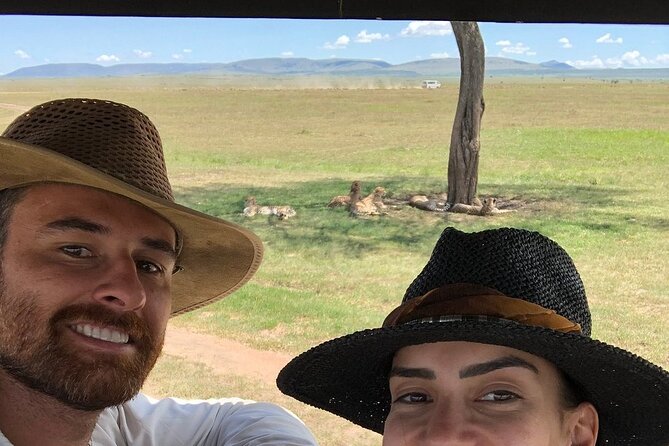
This route is built like a wildlife circuit. You start with Maasai Mara’s big-game energy, shift to Lake Nakuru when birds and flamingos become the headline, then end in Amboseli where the scenery turns dramatic thanks to Mount Kilimanjaro looming in the background.
The best part for your expectations: the parks are different on purpose. Maasai Mara is about predator action and the chance at the Big Five (Lion, Leopard, Buffalo, Elephant, Rhino). Lake Nakuru is the place to look for the flamingos and the broader bird scene—there are 400+ bird species mentioned for the park, with thousands of flamingos creating that deep pink shoreline look. Amboseli is where you chase elephants and long-range views, plus the Mount Kilimanjaro backdrop when skies cooperate.
One practical detail I’d keep in mind: start-to-finish, you’re not “switching gears” every hour. You’ll get real chunks of time in each park. That matters because wildlife viewing is about patience and timing, not just speed.
You can also read our reviews of more tours and experiences in Nairobi.
Getting around: pickup, open-roof safari time, and guide power
Your day begins early: the tour start time is 7:30 am, with Nairobi pickup offered. You also get Nairobi drop-off at the end—either back to your hotel or to the airport for an onward flight. For many people, that removes the biggest stress of an African safari: figuring out where to be, when to be there, and how to get to the right place on time.
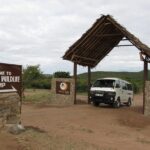
On the road, you’ll travel in a private 4×4 Safari Land Cruiser with an open roof. That’s not a “nice-to-have.” With an open-roof setup, you’re less boxed in when an animal appears near the roadside, and your sightlines for spotting and photos tend to be easier than in a fully closed vehicle.
And the guide/driver matters. In the reviews, names like Edward, Simon, Anthony, and Patrick come up, and the common thread is competence and calm. You’ll want that, because a good driver doesn’t just “find animals,” they also help you understand what you’re seeing—who’s moving, what behavior might mean, and where to position your vehicle for a better view.
Day 1 Maasai Mara: Rift Valley photo stops and an afternoon game drive
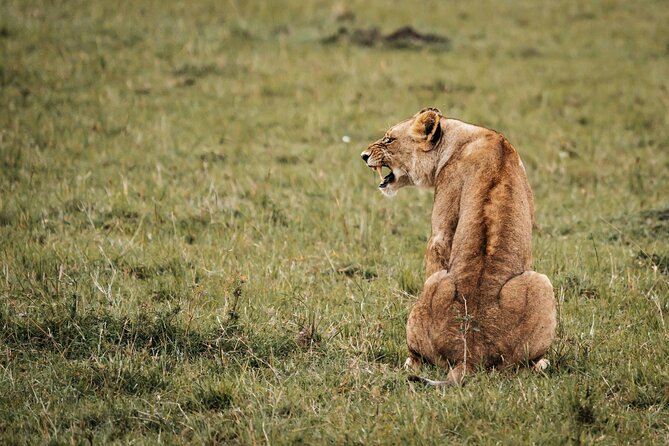
Day 1 is all about getting you from Nairobi to the reserve without making the whole trip feel like a blur. The drive to Maasai Mara takes around 5–6 hours, with planned photo stops.
First stop: the Great Rift Valley viewpoint area. You’ll have time to photograph the sheer drop of the Rift Valley plus nearby features like the Suswa Ranges and Mount Longonot. Even if you’re here for lions, these stops are worth it because they give you context for why Kenya’s wildlife spreads across these sweeping regions.
Then you stop at Narok Town for a simple buffet lunch with traditional Kenyan foods. After that, you reach the Mara, settle in, and shift into the fun part: an afternoon game drive in Maasai Mara National Reserve.
This first drive isn’t framed as a full-day marathon, but it’s a strong opener because it helps you “learn the park rhythm” early. You’ll still get wildlife chances, and you’ll also get a feel for how sightings work—how animals move, when they’re more active, and how quickly things can change.
Day 2 Maasai Mara full day: Big Five focus with Mara River picnic lunch
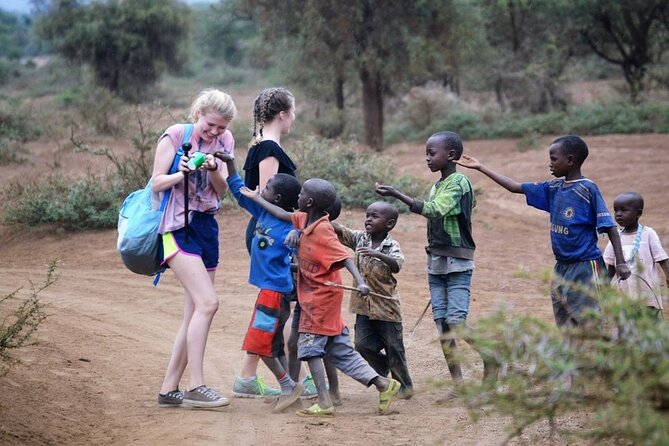
This is the day you plan your energy for. Breakfast leads into a full day game drive—listed as about 10 hours—inside Maasai Mara National Park.
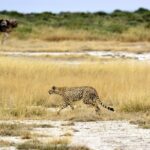
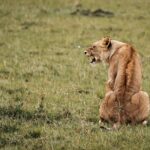
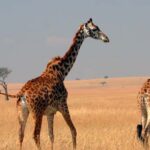
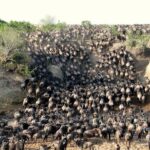
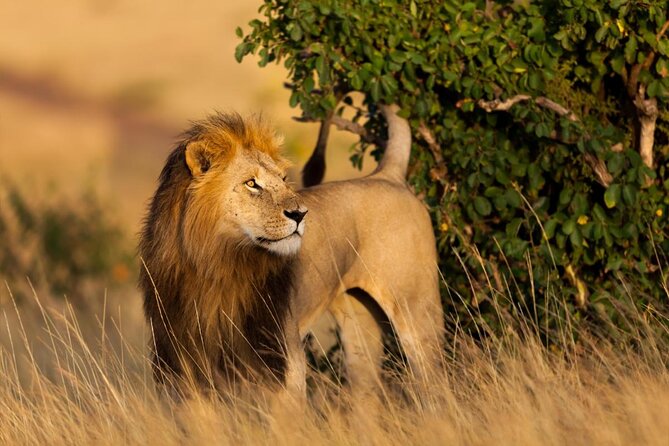
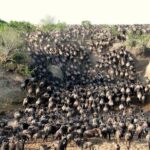
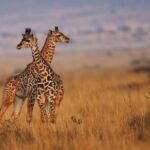
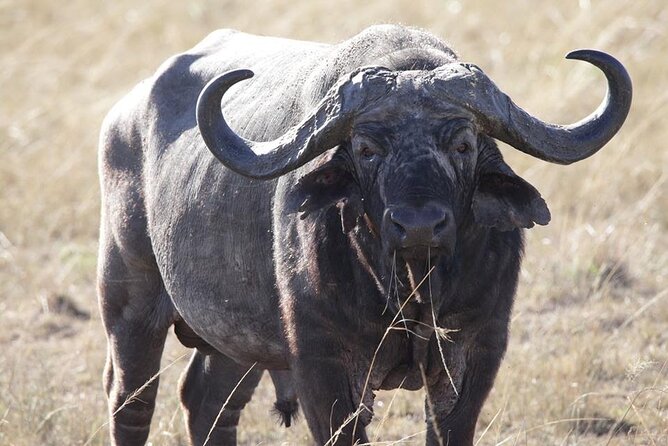
Maasai Mara is described as home to over 3 million large mammals, and your guide’s goal is to search for the Big Five: Lion, Leopard, Buffalo, Elephant, Rhino, plus other animals like hyena and cheetah (and plenty of plains game and birds). The itinerary also calls out species you might see, including zebra, giraffe, wildebeest, warthog, and more.
A key detail here is the picnic lunch at Mara River. That matters because it builds in a break that isn’t just sitting still in a lodge. If you time it right, river areas can be especially active—so this isn’t just convenience, it’s smart location.
The only thing to temper is your expectations around rhinos and leopards. The tour focuses on searching, not guaranteeing. Still, a full day in Mara dramatically improves your odds compared with short half-drives.
For your photos: bring patience more than extra lenses. When you’re seeing predators and the bigger mammals in action, the “best shot” often comes when you’ve stopped trying to rush the moment.
Day 3 Lake Nakuru: flamingos, birding focus, and Merica Hotel evenings
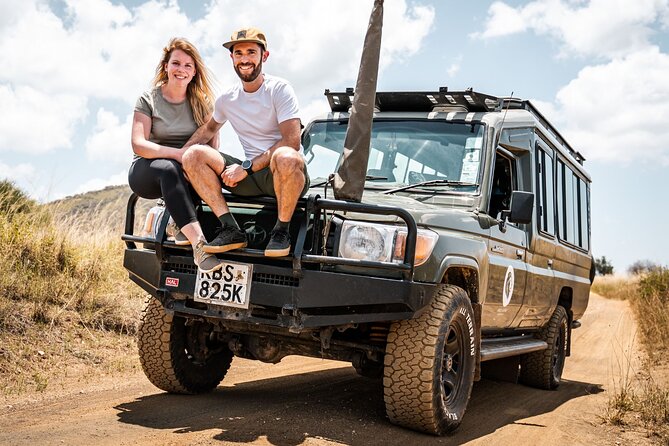
After breakfast, you travel to Lake Nakuru National Park with a game drive along the way. You’ll also have a picnic lunch en route, then arrive early enough in the evening to reach your accommodation and dinner.
Accommodation is listed as Merica Hotel for this portion of the trip. This is the first point where you’ll feel the pace shift: Mara is about large-game action; Nakuru is about birds and water-edge scenery.
Lake Nakuru is described as a paradise for bird watchers, especially for flamingos. The park’s flamingo population is famous enough to earn the nickname Pink Lake, with those deep pink tones along the shoreline. And it’s not only flamingos—over 400 bird species are noted in the park.
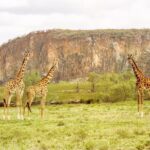
Wildlife chances also exist beyond birds, including Rothschild’s giraffe, black-and-white rhino, waterbuck, reedbuck, lion, buffalo, leopard, baboon, and others. That gives you a more rounded day than a pure birding outing.
The drawback to keep in mind here is weather and light. Flamingo viewing is often best when the light works for the shoreline colors, and birds can move with conditions. Still, even in average light, the sheer concentration of birds can be the highlight.
Days 4–5 Amboseli: Kilimanjaro views, wildlife drives, and a Maasai village option
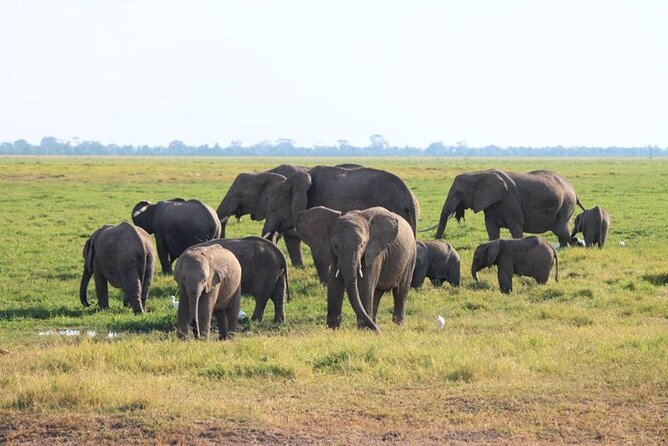
Amboseli is where the scenery turns “postcard real.” After an early game drive around Lake Nakuru—yes, the flamingo area gets another shot—you return for breakfast and then head to Amboseli.
Amboseli is described as an international biosphere reserve with an ecosystem that extends across the Kenya–Tanzania border. What I like about how the itinerary frames it: it connects wildlife to geography. The park’s water supply is described as coming through volcanic rock filtered from Mount Kilimanjaro, which helps explain why animals keep showing up even when conditions feel dry.
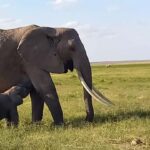
Day 4 in Amboseli focuses on an extensive game drive plus the chance to see wildlife ranging from wildebeest and giraffes to baboons and more. Elephants are a big draw for Amboseli, and the itinerary’s overall approach is tuned toward broad wildlife sightings, not just one target species.
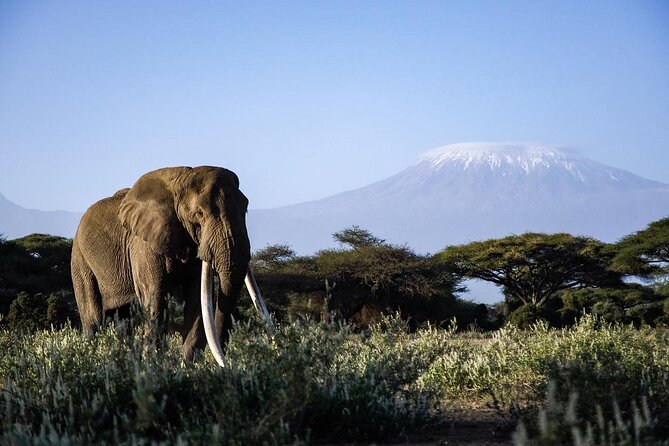
Day 5 is built around another theme: Mount Kilimanjaro views paired with game drives. The itinerary explicitly calls out basking under the sun while taking in that view. In practical terms, your best chance for clear views is usually mid-day brightness, though the itinerary doesn’t promise weather, so plan for the possibility of variable visibility.
You also get one optional cultural add-on: a Maasai village visit. It’s marked as optional, and the itinerary describes a welcome with a song-and-dance presentation tied to daily life. If you want a break from the constant scanning for animals, this is a good way to add context to what you’re seeing around the region.
A balanced note: optional doesn’t mean quick. If culture is a priority, decide in advance so you don’t feel rushed when the offer comes up.
Day 6 Nairobi return: one last morning drive, then airport or hotel drop
Your last day starts with an early morning game drive. Then you return to the camp for breakfast and head back to Nairobi, with drop-off either at your hotel or the airport.
This structure is smart. A final morning drive gives you one last chance to catch anything you might have missed—often the “small” moments come on the last day: a different animal behavior, a clearer view, or a repeat sighting that feels fresh because you understand the park’s rhythm now.
Then the long drive back ends the safari without stretching the trip even further. If you have an onward flight, you’ll want to keep your schedule flexible enough for road time, but the tour at least builds in the idea of a direct handoff back to Nairobi.
Price and value: what $3,040.55 covers (and where it might feel tight)
This safari is priced at $3,040.55 per person for approximately 6 days. That sounds like a lot until you map what’s included.
Here’s where the value comes from:
- All transfers between Nairobi and the parks, plus park-to-park logistics
- All accommodation during the tour
- All meals and drinking water during the tour (with the note that breakfast on the first day is not included)
- Park entrance fees included as per itinerary
- Flying Doctors medical, emergency, and rescue cover
- Game drives as noted
- A private 4×4 open-roof vehicle with an English-speaking guide/driver
- Government taxes/levies included
That bundle matters because the real hidden cost in safaris is often time and admin. When the itinerary handles entrance fees, vehicle, and meals, you’re less likely to get stuck paying surprise charges on the ground.
Still, there are two things to watch. First, this is a fixed-route safari, so you’re committing to three parks in six days. If you only want one park deeply, a shorter loop might feel more relaxed. Second, accommodations quality can vary in real life, even when a tour markets categories. If you’re celebrating a big milestone and “deluxe” is non-negotiable, ask the provider to clarify what type of room and property you’ll get before you pay.
Should you book this safari?
I think this is a strong choice if you want classic Kenya wildlife highlights without spending your trip micromanaging logistics. The open-roof drives, the full-day Mara focus, the bird-and-flamingo shift at Nakuru, and then Amboseli with Kilimanjaro views make it feel like a complete sampler course—without cutting safari time too short.
If you want a flexible, high-energy wildlife trip with a clear structure, this is worth serious consideration.
FAQ
How long is the safari?
The tour is listed as 6 days (approx.).
Where does the safari start, and what time does it begin?
It starts in Nairobi with pickup offered, and the start time is 7:30 am.
Which parks are included?
You visit Maasai Mara National Reserve, Lake Nakuru National Park, and Amboseli National Park.
Is hotel pickup and drop-off included?
Yes. The tour includes transfers and you can be dropped back to your hotel or to the airport at the end.
What kind of vehicle is used for game drives?
Game drives are done in a private 4×4 Safari Land Cruiser with an open roof.
Are meals included?
Yes. The tour includes all meals and drinking water during the tour, but breakfast on the first day is not included.
Are park entrance fees included?
Yes. Applicable government taxes, levies, and park entrance fees are included as per the itinerary.
Is a Maasai village visit included?
It’s optional. The itinerary notes that a visit can be arranged, with a song and dance presentation.
Is medical emergency cover included?
Yes. Flying Doctors medical, emergency, and rescue cover is included.
Is tipping included in the price?
No. Tips and gratuities to drivers and guides are not included.