REVIEW · NAIROBI
From Nairobi: 3 – Days Maasai Mara Group Safari by 4WD
Book on GetYourGuide →Operated by EXCELLENT GAMESPOTTING ADVENTURES · Bookable on GetYourGuide
Three days, and the savanna does the talking. This budget 4WD safari gets you from Nairobi to Maasai Mara with a Great Rift Valley viewpoint stop, then focuses your time on wildlife with a classic sunset drive plus a full day in the reserve.
What I like most is how practical it feels for the price. You get a pop-up roof Landcruiser for easier spotting and photos, and your meals plus park meals timing are handled (2 breakfasts, 2 lunches, 2 dinners, plus bottled water in the vehicle).
The main thing to consider is cost creep from the gate fees. Maasai Mara park fees are not included, and the stated totals can be high for 2 days (about $200 per person in Jan–Jun and about $400 per person in Jul–Dec), so your final spend may be closer to a mid-range trip once you add those.
In This Review
- Key things to know before you go
- The Rift Valley road trip: how the journey sets your safari mood
- Sunset vs full day drives: the two chances you’re paying for
- Rhino Tourist Camp style nights: what “basic” really means here
- Day one in Mara: arriving for lunch and heading out at dusk
- Day two inside the reserve: big cats, hippos, and crocodile time
- Great Migration odds: how your dates can change everything
- Price and value: $240 is the base, fees do the rest
- Maasai village stop: choose culture, but skip the hard sell
- Who should book this safari, and who should pass
- Should you book this Maasai Mara group 4WD safari?
- FAQ
- Are Maasai Mara park fees included in the price?
- How many game drives are included?
- What kind of accommodation is included for the 2 nights?
- What meals are included during the safari?
- Is the Maasai village visit included?
- Can I add a balloon safari to this trip?
Key things to know before you go
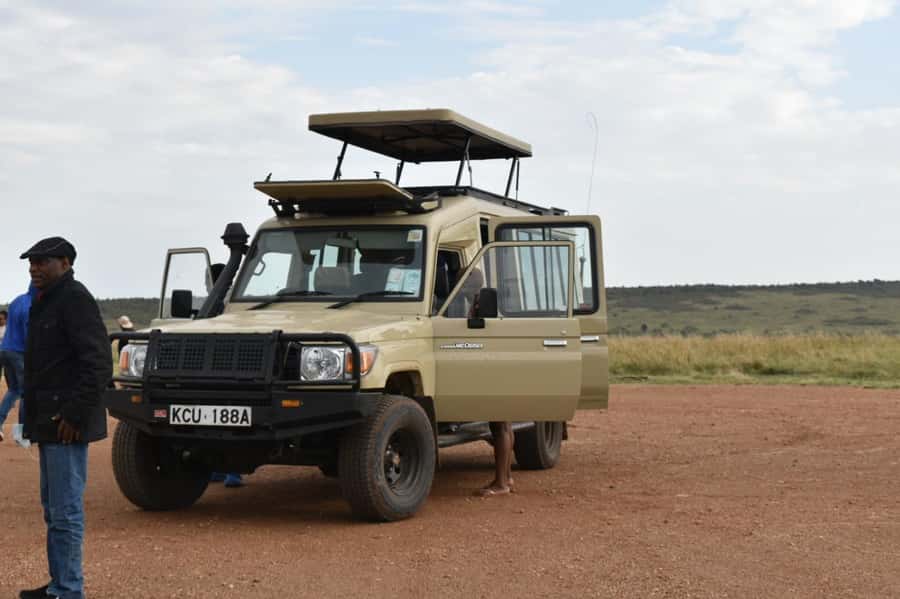
- Sunset game drive on day one: designed to improve your odds with predators that move later
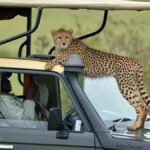
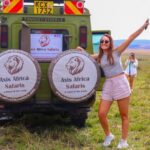
- Pop-up roof 4WD photography setup: easier viewing from inside the jeep when animals are far out
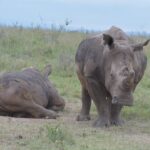
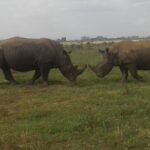
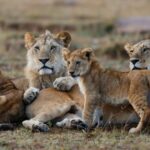
- Big Five style search, not a quick drive-by: a full day inside the reserve looking for lions, elephants, buffalo, rhinos, plus more
- Camping with included meals: basic doesn’t mean chaotic, and you’ll still eat well enough to enjoy the next drive
- Great Migration timing (June to November): if your dates match, the wildebeest and zebra flow changes the whole feel of the reserve
- Maasai village is optional: some find it meaningful, others find it too sales-focused, so decide based on your priorities
The Rift Valley road trip: how the journey sets your safari mood
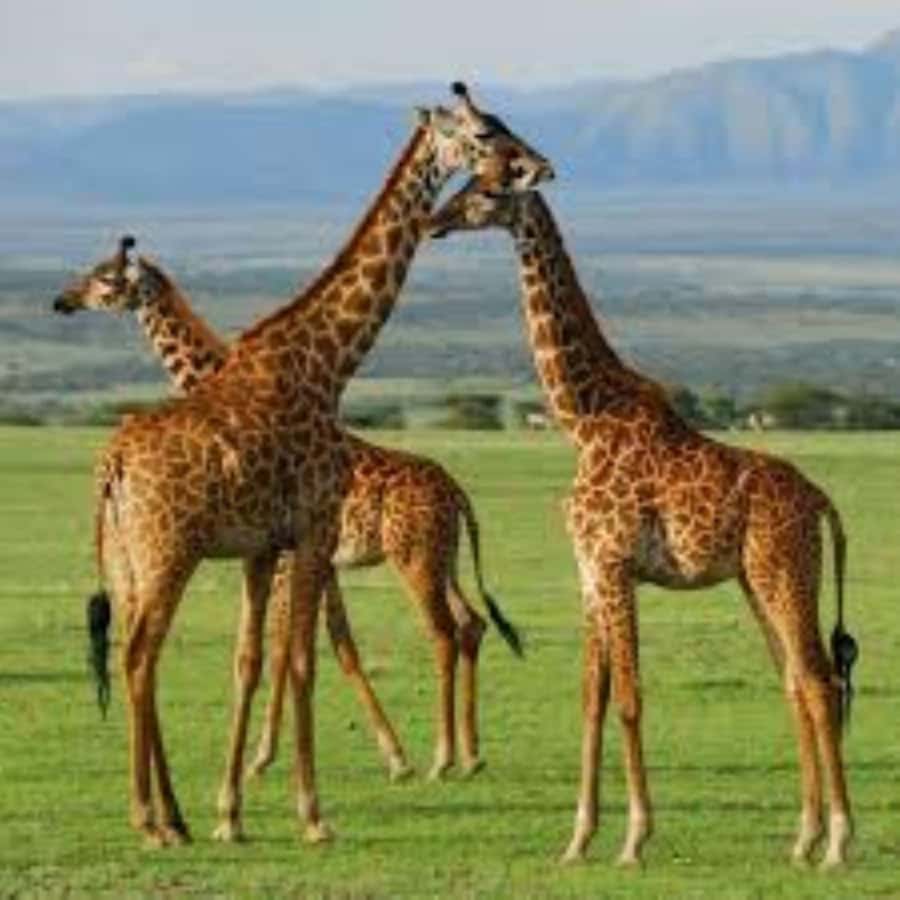
This starts with pickup from Nairobi’s city center/Westlands area, then you head toward Maasai Mara through the Great Rift Valley corridor. There’s even a viewpoint stop where you can look out over the Rift Valley floor, which is a nice reset before the long stretch of savanna game viewing.
It’s also worth knowing that the drive is a real part of the experience. One traveler mentioned the full drive back feeling close to seven hours, and while your schedule includes breaks, the day can feel long if you’re sensitive to travel time. Pack patience, not just snacks.
By design, day one doesn’t leave you wandering once you arrive. You roll in in time for lunch at camp, so you’re not arriving exhausted and hungry with nothing to do. That small detail matters because it keeps your first evening drive from feeling rushed.
You can also read our reviews of more tours and experiences in Nairobi.
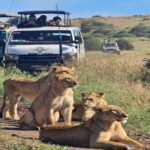
Sunset vs full day drives: the two chances you’re paying for
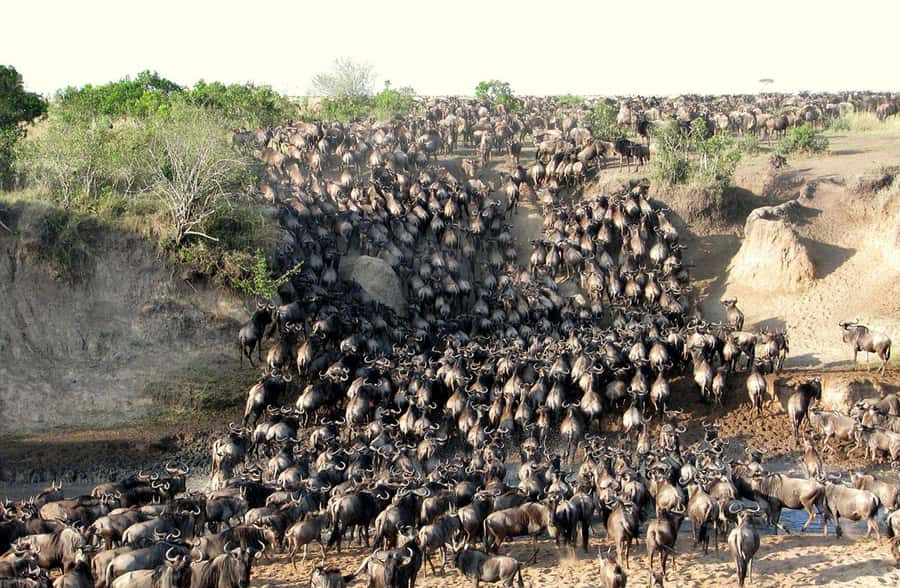
This safari is built around two game drives in Maasai Mara National Reserve: an evening drive on day one and a full day drive on day two.
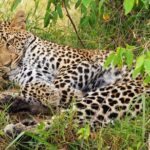
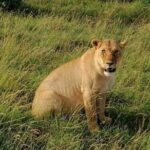
The evening drive is the one that’s clearly about predator odds. The logic is simple: lions, leopards, and other active hunters often show up when the light shifts and temperatures cool. So you’re not just doing a drive for the sake of it; you’re doing a drive at the time most suited to big cat searching.
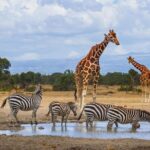
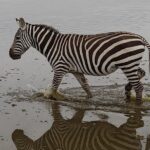
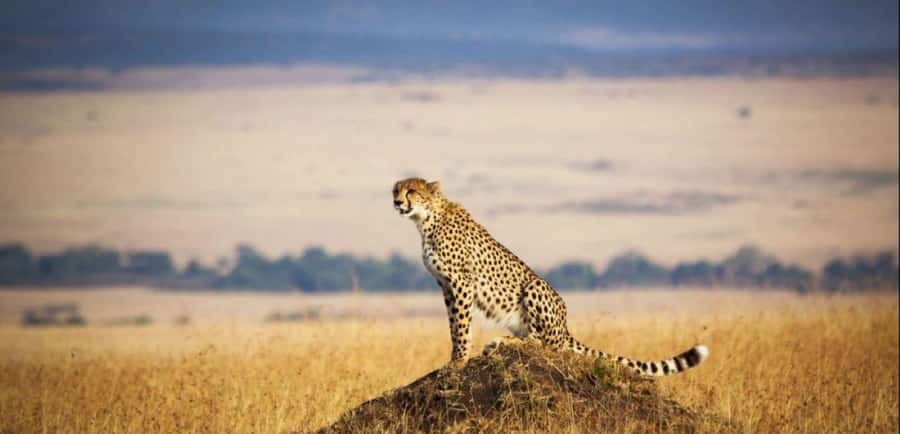
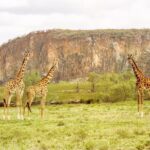
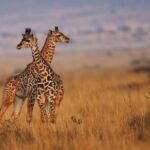
Then day two is the long one. You spend the day exploring the reserve with your guide, looking for the full set of famous wildlife. That means you’re not only chasing the “Big Five” headline; the schedule also keeps hippos and Nile crocodiles on the radar, plus the usual cast like zebra and giraffe.
One more practical note: your guide matters. Multiple names came up in feedback, like Kush using radio communication to understand where animals were, and Paul being praised as a top driver and spotter. Even if the animal sightings are never guaranteed, strong finding skills reduce the time you spend scanning blank grass.
Rhino Tourist Camp style nights: what “basic” really means here
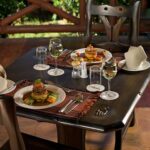
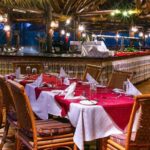
You’re sleeping two nights in a budget-tented camp (Rhino Tourist Camp or similar). The tone across the experience is consistent: not luxury, but clean and functional, with meals handled and a setup that helps you recover for another long day.
Here’s the range you should expect. Some people describe tent camping as basic, but a few mentioned better comforts than they expected. For example, one solo traveler said Rhino Tourist Camp had mini apartment-like units with running water, an indoor dining hall, and an outdoor fire pit area. Translation: depending on what you’re assigned, it may feel more comfortable than you imagine from the word camping.
What stays the same is the overall rhythm:
- You arrive, eat lunch.
- You head out again (sunset drive).
- You come back for dinner and sleep.
- Next day is another full drive, with breakfast first and a picnic lunch inside the park.
If you’re someone who needs fluffy towels and hot showers to feel human, you can request an accommodation upgrade to mid-comfort (subject to availability). If you’re okay with simple lodging as the trade-off for getting into the reserve, you’ll likely enjoy the earthy, do-the-work lifestyle of this trip.
Day one in Mara: arriving for lunch and heading out at dusk
Day one is really about flow. You travel from Nairobi to Maasai Mara via the Rift Valley viewpoint, arrive in time for lunch, and then you head out for the sunset game viewing drive.
That order is smart. Lunch first means you start your first drive fed, hydrated, and ready to focus. You also don’t lose your best viewing window sitting around camp waiting for the day to happen.
The evening drive itself is the key event. It’s timed for wildlife activity when visibility is good and the savanna starts to look dramatic. If your priority is lions and leopards, this is the part of the trip that’s specifically aimed at that goal.
One caution: the evening drive may be tied to park fee structure. One traveler felt the evening drive was not worth the park fee they had to pay, while others still gave the overall experience high marks. So if you’re very budget-minded about fees, go in knowing the dusk drive is a “quality over quantity” move, not just a free extra.
Day two inside the reserve: big cats, hippos, and crocodile time
Day two is where the safari earns its name. You leave after breakfast for a full-day game viewing session inside Maasai Mara National Reserve, guided all day.
This is the day built for mixing styles of wildlife watching:
- Wide-open sightings (lions, elephants, buffalo, zebra, giraffe)
- More focused “waterhole and river-edge” looking (hippos and Nile crocodiles)
You’ll also be eating inside the park. Lunch is a picnic style meal under Croton tree shade, with views over the landscape. That’s a small moment, but it’s one of the best parts of Mara days because it changes you from passenger to participant in the setting.
Also, expect the guide to keep moving you through likely zones. Several guides were praised for spotting quickly and repositioning for the best angles. That matters because Maasai Mara rewards attention and timing. The best sighting often comes down to being in the right place at the right moment, not just driving in the general direction of animals.
Great Migration odds: how your dates can change everything
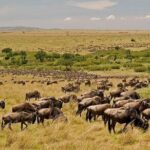
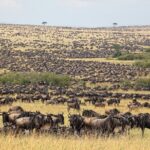
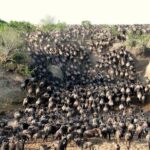
If you’re traveling between June and November, there’s a chance your safari overlaps with the Great Migration, the big seasonal movement of wildebeest and zebra following fresh grazing. The predators follow too, including lions, cheetahs, jackals, hyenas, and vultures.
Here’s the practical way to think about it: if your dates align, your day can feel louder and more urgent. If they don’t, the reserve still delivers plenty of wildlife, but the focus may shift more toward resident animals and routine hunting patterns.
So when you’re booking, check your travel window. This trip gives you only a short time in the reserve, so matching your dates to migration season can seriously boost your “wow” factor.
Price and value: $240 is the base, fees do the rest
At $240 per person for 3 days, the value is mainly in what’s included: transport in a safari 4×4 with a pop-up roof, two game drives, two nights camping in a budget-tented camp, and meals (2 breakfasts, 2 lunches, 2 dinners). Bottled water in the vehicle is included too.
But the real cost picture starts at the reserve gate. Park fees are not included, and the totals listed can be steep for 2 days: about $200 per person for January–June and about $400 per person for July–December. That means a rough all-in estimate becomes closer to $440–$640 per person once you add park fees, before any optional extras.
Optional costs to factor in:
- Single room supplement: $30 for the 2 nights
- Maasai village entry: around $20 onsite
- Optional balloon safari: $600
- Airport drop-off outside the included areas: extra cost
- Accommodation upgrade: mid-comfort available on request (subject to availability)
One small money saver tip that comes up in feedback: don’t rely on camps to supply toiletries beyond the bare minimum. A traveler noted they provided only a tiny bar of soap. Bring your own basics—small bottle of shampoo/soap, face wipes, and anything you need for comfort.
If you’re comparing this to pricier private safaris, you’re trading space and flexibility for a working-group style itinerary. For many people, that’s the whole point: see Maasai Mara without paying luxury rates.
Maasai village stop: choose culture, but skip the hard sell
The Maasai village visit is optional and offered as a stop on the way back (and can be arranged on the way as well). Entry is paid onsite, around $20.
Some people really enjoyed the village portion because it adds context to the people who live alongside the landscape. Harshad praised the village tour as very special, with warm and welcoming hosts.
At the same time, one review was blunt about the experience feeling like a tourist trap and leaning toward extra charging. That doesn’t mean all village stops are like that, but it does mean you should go in with eyes open.
My advice: if culture is a top priority, do it. If your priority is pure wildlife time, you might feel happier skipping it and spending that time focused on Mara wildlife windows.
Who should book this safari, and who should pass
This is a strong fit if:
- You want value and you’re okay with budget camping
- You have only a few days and want a focused Mara plan
- You like guided searching rather than trying to drive and guess on your own
- You’re okay with group travel pace and shared jeep time
It may not be a good fit if:
- You expect lodge luxury every night (upgrade to mid-comfort if that’s non-negotiable)
- You’re not comfortable with long driving days
- You’re pregnant (this trip is listed as not suitable)
Also, no pets are allowed, so plan accordingly if you’re traveling with animals (you’ll need alternate arrangements).
Should you book this Maasai Mara group 4WD safari?
Book it if you want a short, structured safari that puts most of the money into getting into Maasai Mara, feeding you along the way, and getting you out for two meaningful game-drive windows. The pop-up roof setup helps with viewing and photos, and guides like Paul, James, Chege, Richard, and others were repeatedly praised for driving skill and wildlife spotting.
Don’t book it if your budget can’t stretch to park fees and you’re hoping the $240 price is the full cost. Also, if you’re extremely picky about lodging comfort, this is the “go for the wildlife” option, not the “sleep in style” option.
If you want my simplest decision rule: treat this like a practical gateway to Maasai Mara. You’re paying to be in the reserve, not to live in a resort. If that matches your travel style, you’ll likely come away with the kind of animal memories that are hard to shake.
FAQ
Are Maasai Mara park fees included in the price?
No. Maasai Mara park fees are listed as not included. The stated totals are about $200 per person for 2 days in January–June and about $400 per person for 2 days in July–December.
How many game drives are included?
Two game drives are included: one sunset drive and one full-day drive in Maasai Mara.
What kind of accommodation is included for the 2 nights?
You get 2 nights in a budget-tented camp (Rhino Tourist Camp or similar). A single room supplement is available for an extra $30 for the 2 nights.
What meals are included during the safari?
Breakfast, lunch, and dinner are included across the 3 days: 2 breakfasts, 2 lunches, and 2 dinners.
Is the Maasai village visit included?
The Maasai village visit is optional. Entry is paid onsite and is listed as approximately $20.
Can I add a balloon safari to this trip?
Yes. An optional balloon safari can be arranged during the tour for $600.