REVIEW · ARUSHA
5-Day Mid-Range Safari in Tanzania
Book on Viator →Operated by The Wanderer Tanzania · Bookable on Viator
Five days can feel like a wildlife highlight reel.
This mid-range safari links Arusha and the big set-piece moments at Ngorongoro Crater, with expert guides helping you choose when and how you drive.
I like how the trip is built around choice: you work with your guide to set game-drive timing and pace.
I also like the way communication and support show up during the trip, with examples from guides and organizers such as Juma, Victor, Norbert, and Koen.
One consideration: this is non-refundable, so make sure your dates and flights are stable before you book.
In This Review
- Key Things That Make This Safari Worth It
- Arusha to Tarangire: Starting Close to Kilimanjaro
- Tarangire National Park: Baobabs, Elephants, and Birdwatcher Days
- Ngorongoro Conservation Area: Crater Views, Big Five Chances, and Olduvai
- Lake Manyara National Park: Lions, Hippos, Flamingos, and Rift Valley Air
- Day Five: Airport Drop and Turning Safari Into Island Time
- Guides, Support, and the Flexibility That Actually Matters
- What Mid-Range Means Here: Meals, Timing, and Comfort Value
- Price and Value: Is $2,271.80 a Good Deal?
- Who Should Book This 5-Day Safari (and Who Might Not)
- Should You Book This 5-Day Mid-Range Safari?
- FAQ
- Is pickup included?
- Where does the safari start and end?
- Which parks and areas are visited?
- How long is the safari?
- What meals are included?
- Are park fees included?
- What is not included in the price?
- Is this tour private?
- Are there any dates or hours of operation?
- Can I bring a service animal?
- Is cancellation refundable?
Key Things That Make This Safari Worth It
- Flexible game-drive timing so you are not stuck on someone else’s schedule
- Private feel with your own group, plus a dedicated ranger/driver experience
- Tarangire’s river-and-baobab focus for elephants and lots of bird life, especially June to October
- Ngorongoro Crater plus Olduvai and Maasai visits for wildlife and culture in one day
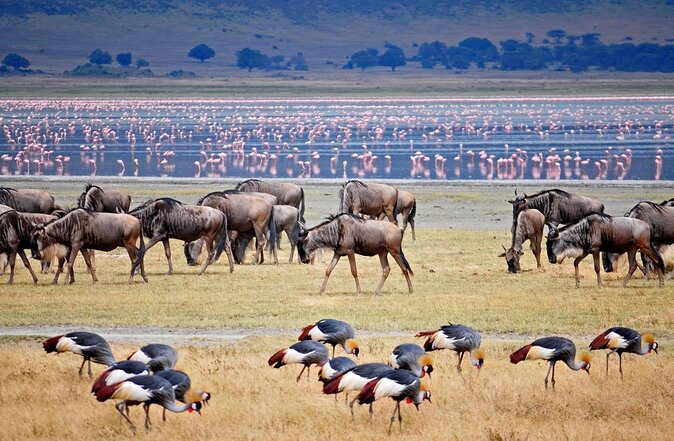
- Lake Manyara’s ground-water forest and rift views with lions, hippos, and flamingo timing in wet months
- Airport transfer on day five and a clean add-on path to Zanzibar, Pemba, or Mafia
Arusha to Tarangire: Starting Close to Kilimanjaro
Your safari begins in Arusha, right after you land, and that first day is set up to get your legs under you fast. You’ll be met by your guide and taken to your lodge, with time to settle in before the real game drives start. Arusha also gives you an instant sense of place: roadside life, roosters at dawn, and that crisp highland air that makes you feel awake even before coffee.
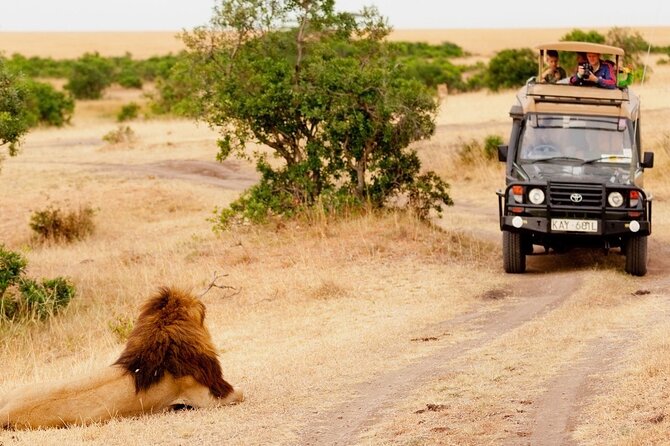
Then there is the practical part I appreciate: you are not locked into one rigid rhythm. The tour is described as adjustable to your interests, and the guide will work with you on when to start, when to finish, and how long you want to be out in the parks. That matters because wildlife viewing is not a schedule job. Some days the animals cooperate early. Some days they do not.
Overnight, you’ll get a poolside reset. If you are the type who hates rushing from one new thing to the next, this is a gentle start that still keeps the momentum.
Value tip: If you want the best shots and less heat, ask your guide how they plan the timing each day. Even in mid-range safaris, timing is where the trip can feel calm instead of frantic.
You can also read our reviews of more tours and experiences in Arusha.
Tarangire National Park: Baobabs, Elephants, and Birdwatcher Days
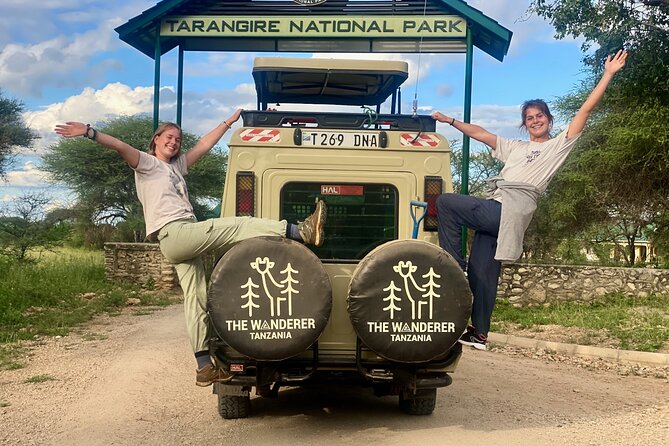
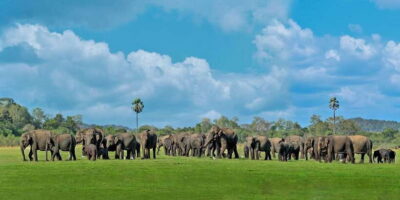
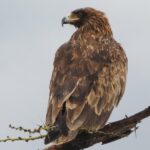
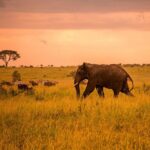
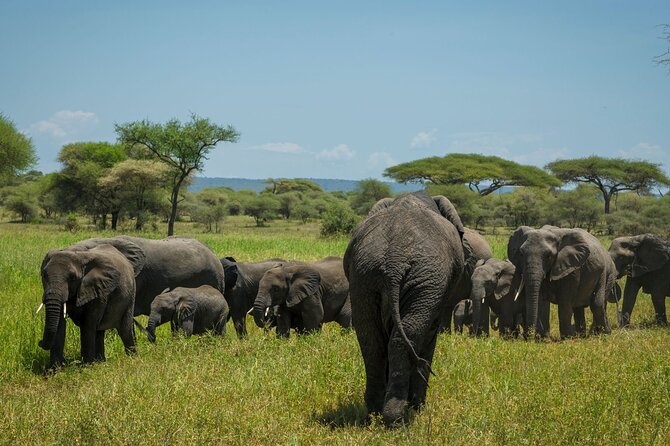
On day two you head to Tarangire National Park, which is one of the most rewarding parks for elephants and classic safari scenery. Tarangire covers about 2,600 square kilometers, and it is known for ancient baobabs plus large herds, not just occasional sightings. You are also in a bird-heavy zone with 500+ bird species, so this day works even if you are not chasing every single “Big Five” moment.
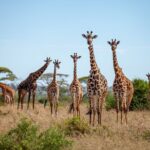
The key ecological hook here is the Tarangire River. During the dry season (June to October), the river becomes a magnet for wildlife, which is why guides often steer clients toward this park in those months. You may see giraffes and zebras too, but the whole feeling is that Tarangire gives you a long list of animals without needing everything to line up perfectly.
The drive length is about 6 hours, which tells you this is a full-on day, not just a quick loop. That is good news if you like time in the vehicle. The drawback is also obvious: you will want to pace yourself mentally. Bring water, stay cool as best you can, and accept that wildlife viewing is sometimes slow before it turns sudden.
Value tip: If you care about animals plus birds, this is the day to be attentive early. Birds can be active at different times than big mammals, so your guide’s routine matters.
Ngorongoro Conservation Area: Crater Views, Big Five Chances, and Olduvai
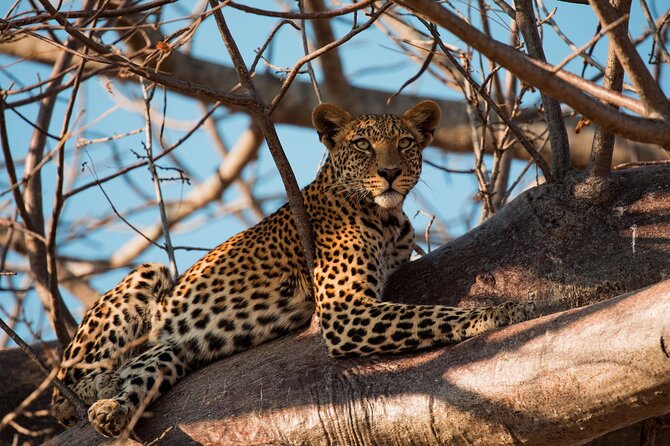
Day three is your heavyweight day in Ngorongoro Conservation Area. The headline is the Ngorongoro Crater, a small footprint (about 20 by 20 kilometers) packed with an enormous number of animals. The description puts it at around 25,000 large creatures daily, and the park is also known for the Big Five plus the elusive black rhino.
What makes this day more than a one-note safari is that it’s not only crater time. You also get Olduvai Gorge, described as a human history site, and you have the chance to engage with Maasai villages. That mix is exactly what many people want when they say they want more than animals: you want context for what you’re seeing and the people who live alongside it.
The day runs about 7 hours, which is long enough to justify expecting a strong viewing push. On Ngorongoro, you are often riding the line between “this could be incredible” and “it might take time.” Your guide’s job is reading the terrain and animals and making smart calls.
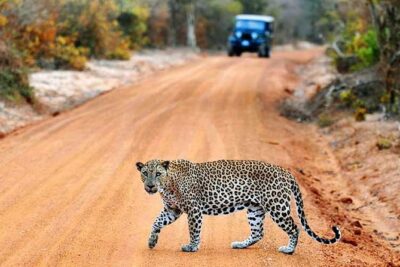
Real talk: Big Five chances do not mean guaranteed sightings. Even when the odds are good, black rhinos can be hard to pin down. If you go in with flexible expectations, you’re more likely to enjoy the day rather than fixate on checklists.
Value tip: If black rhino is a big goal, ask your guide how they judge where to spend time on crater days. Your success rate often depends on those small decisions.
Lake Manyara National Park: Lions, Hippos, Flamingos, and Rift Valley Air
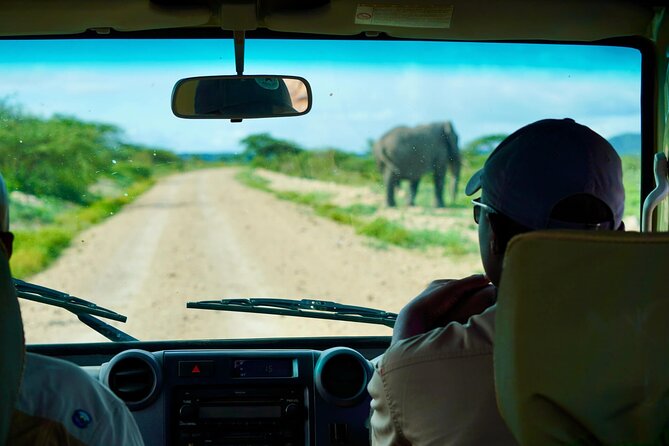
Day four shifts to Lake Manyara National Park, where the setting is part of the attraction. It’s described as having a groundwater forest and a shimmering lake, so you get varied terrain instead of only one kind of scenery. The park is a Rift Valley stop, with views tied to the larger East African Rift system.
Wildlife here can include lions, elephants, and hippos. And if you enjoy birds, Manyara is a place to watch carefully because it’s connected to the lake and its seasonal changes. The information specifically notes that the Manyara area is an alkaline lake and that flamingos show up in wet months. So your month matters. If you are traveling in the dry season, you might not get the flamingo drama you see in wetter periods, but you can still get great animal sightings.
The time out on the plains and forest edges runs about 6 hours. That is another full day, so you’ll likely feel it by late afternoon. Still, Manyara tends to feel lively because the park’s mix of habitats gives your guide multiple angles for scanning animals.
Value tip: On a Manyara day, keep your eyes open for the smaller action—signals of movement around the forest edge can lead to the big sightings.
Day Five: Airport Drop and Turning Safari Into Island Time
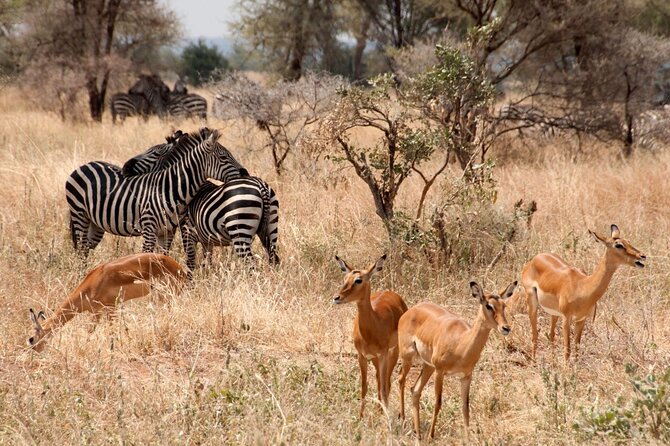
On day five, the tour wraps with a transfer toward Kilimanjaro International Airport. The plan is built around an evening departure, and the day is described as about an hour, which suggests you should be ready for a quick logistics day rather than a long final viewing session.
What I like about this setup is the optional extension. If you want sun after safari dust, the tour points you to islands like Zanzibar, Pemba, or Mafia. That makes sense because many people want the contrast: one side of the trip is animal-heavy and structured; the other is relaxed, beach-forward, and slower.
If you take the island add-on, you’ll get an easy “trip arc” that feels natural. Even if you only add a few days, it helps you land back at home without the hard crash of ending in airport-mode immediately.
Value tip: If you are unsure about adding beach time, ask whether it will affect your flight connections cleanly. A short island break can be the difference between tired and fully satisfied.
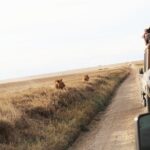
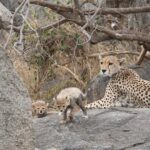
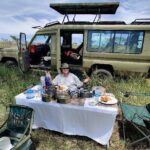
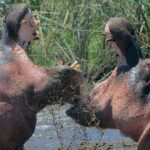
Guides, Support, and the Flexibility That Actually Matters
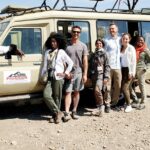
Here’s what stands out across the feedback: the human side is strong. People talk about attentive, friendly, communicative service. Names you might encounter in planning and guiding include Koen (planning and coordination), Juma (guide), Victor (guide/driver), Malley (guide), and Norbert (airport pick-up). That is not just random trivia. It hints that the agency puts effort into matching people and smoothing details.
You also get a sense of real-time support during the trip. Some reviews specifically mention WhatsApp group communication and 24/7 support. That matters when your safari days run into weather, animal movement, or timing changes. It’s also useful when you have questions that crop up suddenly, like what to pack for each park day.
The flexibility piece is another practical plus. Because the tour is designed to align with your interests, you can shape the game-drive rhythm—when to start, when to end, and how long to stay out. That can help if you are traveling with kids, if you want more time for photos, or if you prefer fewer long stares and more active searching.
Potential drawback: Flexibility is great, but it depends on your guide and your group’s energy level. If you want a strict, clockwork program, you might find the adjustment style different from what you expect.
What Mid-Range Means Here: Meals, Timing, and Comfort Value
This safari is labeled mid-range, and the tour includes a steady meal plan. You get 4 breakfasts, 4 lunches, and 3 dinners, plus all fees and taxes. That is a big part of the value equation because meals and park fees can quietly add up on safari trips where those items are not bundled.
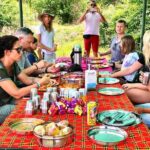
What you should expect day-to-day is a rhythm: morning or daytime driving, a full chunk of park time, then a lodge meal and recovery. The listed lunch count suggests you’ll have food arranged for most drive-heavy days, and dinner is included for three nights, likely giving you comfortable evenings without having to constantly plan restaurant stops.
What’s not included is also clearly listed: tips, international flights and visas, and travel or cancellation insurance. So you’ll need to budget for those separately.
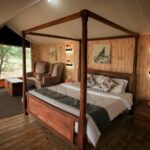
On the comfort side, reviews mention great lodge and camp choices, and people describe feeling pampered. Since this is mid-range, you should think “well-run and comfortable,” not “ultra-luxury.” If that matches your style, it’s a strong sweet spot.
Value tip: Bring a little cash for tips and anything not covered. And plan to do laundry the moment you land if your clothing needs it—safari wear gets dusty.
Price and Value: Is $2,271.80 a Good Deal?
At $2,271.80 per person for a 5-day safari, you are paying for the full safari structure: park access handled through the package, meals built in, and guided driving over multiple days. This is not the kind of trip where you can cheaply “opt out” of key costs. That’s why the included items matter so much.
The value angle here:
- All fees and taxes reduce surprise expenses
- A full meal plan cuts day-to-day planning stress
- You get private-group style participation, not just a seat on a random shared shuttle
- You get the chance to shape timing via your guide
Where you should be cautious:
- Tips and insurance are not included
- International flights and visas are not included
- It is non-refundable and cannot be changed, so double-check dates and departure plans
If you want a safari that feels organized without being overly fancy, this price can make sense. If you want a fully flexible, refundable booking, this specific policy style may not fit your risk tolerance.
Who Should Book This 5-Day Safari (and Who Might Not)
This tour makes the most sense if you:
- Want a short safari that still hits key parks: Tarangire, Ngorongoro, and Lake Manyara
- Prefer private-group touring rather than a mixed crowd experience
- Like the idea of guide flexibility during game drives
- Want a plan that ends cleanly at the airport with an easy pathway to islands like Zanzibar, Pemba, or Mafia
You might choose another option if you:
- Need fully refundable terms
- Want more than 5 days to slow down and reduce driving intensity
- Are counting on specific sightings like black rhino as guaranteed
Should You Book This 5-Day Mid-Range Safari?
If you want a practical, well-supported Tanzania safari that mixes wildlife and culture, I think this one is easy to recommend. The strongest reasons are the included structure (meals plus fees), the flexible game-drive timing, and the fact that real people with real roles keep showing up in the story—Koen coordinating, and guides such as Juma, Victor, and Malley doing the animal work.
My main “pause and plan” advice is simple: treat the non-refundable policy like a serious commitment. Make sure your dates and flights are locked. If they are, you’re getting a tight, high-impact circuit with strong guiding and support, plus an easy on-ramp to island downtime afterward.
FAQ
Is pickup included?
The tour includes pickup offered, and it lists Arusha as the starting area.
Where does the safari start and end?
It starts with Arusha on day one and ends with a transfer toward Kilimanjaro International Airport on day five.
Which parks and areas are visited?
The itinerary includes Tarangire National Park, Ngorongoro Conservation Area (with Ngorongoro Crater), and Lake Manyara National Park, plus time connected with Olduvai Gorge and Maasai villages.
How long is the safari?
The duration is listed as 5 days (approx.).
What meals are included?
Meals included are 4 breakfasts, 4 lunches, and 3 dinners. Lunch and other meal counts are listed under Included.
Are park fees included?
Yes. The tour includes all fees and taxes, and each day’s activity line lists admission ticket free.
What is not included in the price?
Tips, international flights and visas, and travel and cancellation insurance are not included.
Is this tour private?
Yes. It is a private tour/activity, so only your group participates.
Are there any dates or hours of operation?
The listed opening hours run from 08/14/2025 to 12/20/2025, Monday through Sunday, 12:00 AM to 11:30 PM.
Can I bring a service animal?
Yes. Service animals are allowed.
Is cancellation refundable?
No. It is non-refundable and cannot be changed for any reason, and no refunds are provided if you cancel or request an amendment.