REVIEW · CRETE
Crete: Lasithi Plateau Zeus Cave Guided Jeep Safari Tour
Book on GetYourGuide →Operated by GOCRETESAFARI · Bookable on GetYourGuide
Central Crete feels bigger by the hour. This guided jeep safari mixes myth at Zeus Cave with real Cretan food stops, from an olive oil mill to a shepherd’s farm. I especially like how the route climbs to 1,150 meters, so you get wide views and real off-road time, not just a bus ride from stop to stop.
Two other things I love: the chance to see the sunken village of Sfentili at Aposelemis Dam, and the hands-on way the day explains daily life through olive oil and cheese. One drawback to plan for: Zeus Cave has a separate ticket and a scheduled closure (from 30/9/2024 to 10/11/2025), and the day includes a hiking component at Diktaion Andron.
In This Review
- Key Highlights You’ll Notice Fast
- A Jeep Day Across Central Crete’s Myth and Working Farms
- Pickup to Aposelemis Dam: Where the Day Starts With a Big View
- Avdou, Krasi, and the Olive-Oil Learning Loop
- Lasithi Plateau at 1,150 Meters: Trails, Wildlife, and Cheese Tastings
- Diktaion Andron: Wine, Brunch, and a Real Hike to the Cave Area
- Zeus Cave: Myth at the Source Plus the Ticket You Must Plan For
- The Genuine Cretan Meal and the Best Dirt-Road Photo Turn
- Kastamonitsa and the Roman Aqueduct: How Water Shaped the Villages
- Price and Value: Why This $100 Day Can Feel Worth It
- Who This Jeep Safari Fits Best (And Who Should Skip It)
- Should You Book This Crete Zeus Cave Jeep Safari?
- FAQ
- How long is the Crete Lasithi Plateau and Zeus Cave jeep safari?
- Where does pickup and drop-off happen?
- Is Zeus Cave open year-round?
- How much are Zeus Cave tickets?
- What languages is the live tour guide offered in?
- What’s included in the price?
- Are private or small groups available?
- Is alcohol allowed on the tour?
Key Highlights You’ll Notice Fast
- Myth meets logistics: Zeus Cave is included, but you’ll pay an on-site ticket (prices depend on age and EU/non-EU status).
- Real Cretan food culture: olive oil production at a traditional olive mill and cheese-making at a shepherd’s farm.
- Big altitude day: the route climbs to around 1,150 meters, with dirt-road segments for better photos and sharper scenery.
- Dam views with a story: Aposelemis Dam is paired with a photo stop for the sunken village of Sfentili.
- Guides that keep the car lively: guides such as George, Andreas, Alex, and Ioannis are known for making the day feel personal and easy to follow.
- Off-road time that people remember: even when the weather turns, the guide typically adjusts timing and viewpoints.
A Jeep Day Across Central Crete’s Myth and Working Farms
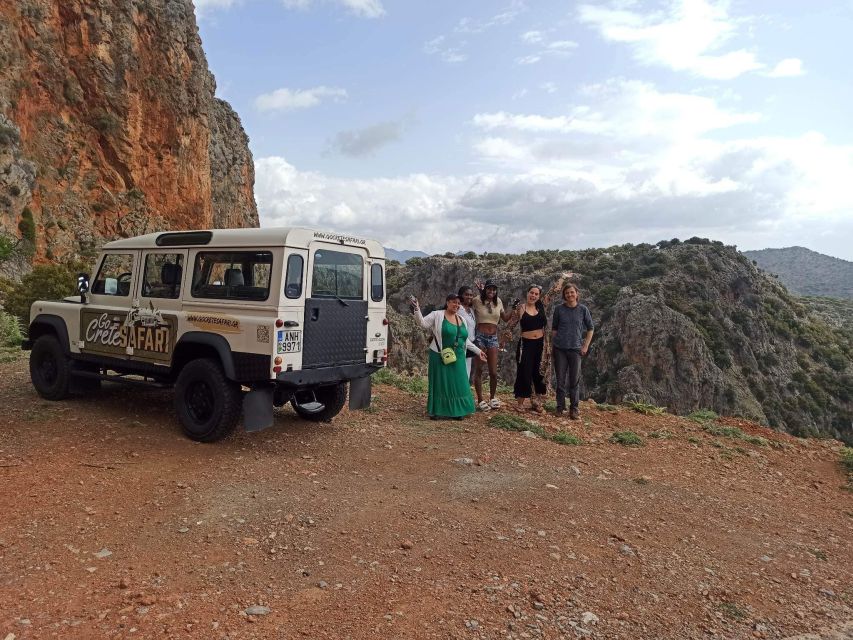
This is the kind of tour that makes you understand Crete isn’t only beaches. You’ll spend the day in the middle of the island—driving olive-tree-lined roads, then climbing toward cooler, higher ground where the air feels different.
The format is simple: pickup, guided stops, a genuine Cretan meal, and enough time outdoors to make the altitude worth it. You’re paying for both motion and meaning—transport plus storytelling plus food—which is where the value usually shows.
If you’re the type who likes your history grounded in everyday life (oil, cheese, water systems, villages), you’ll click with this day. If you want a low-key sit-and-watch day with no bumps, you might feel every hairpin in the road.
You can also read our reviews of more tours and experiences in Crete.
Pickup to Aposelemis Dam: Where the Day Starts With a Big View
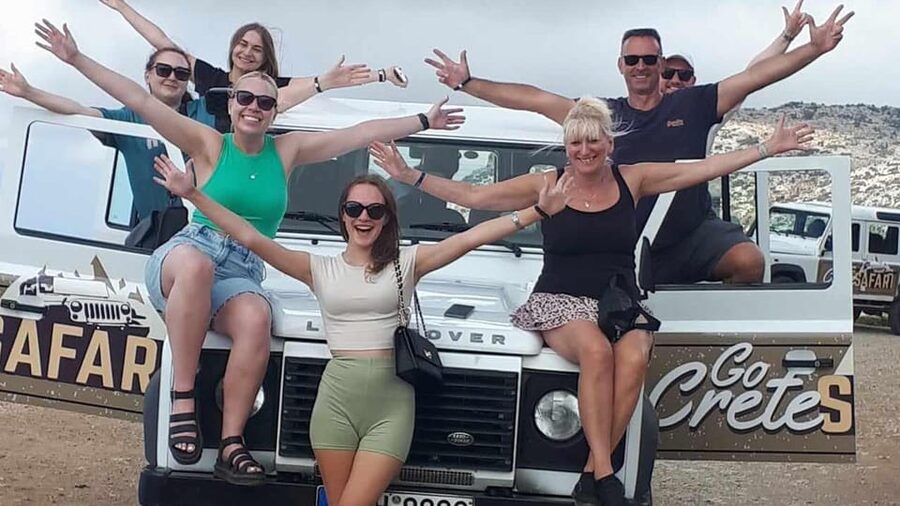
Your day begins with a free pickup from a wide set of areas around north Crete—Malia, Hersonissos, Heraklion, Elounda, Agia Pelagia, Sisi, and more. Pickup time is set within a window before departure, and the driver won’t wait more than 10 minutes past the scheduled pickup.
Once everyone’s aboard, you’ll head toward Aposelemis Dam. This stop isn’t just a quick photo: there’s a guided tour for about 20 minutes plus a break and camera time. The main moment is the view of the sunken village of Sfentili, the kind of detail that makes you look at a dam and think, People lived here.
Practical note: bring a light layer. Higher areas can feel cooler than the coast, even when the morning starts warm.
Avdou, Krasi, and the Olive-Oil Learning Loop
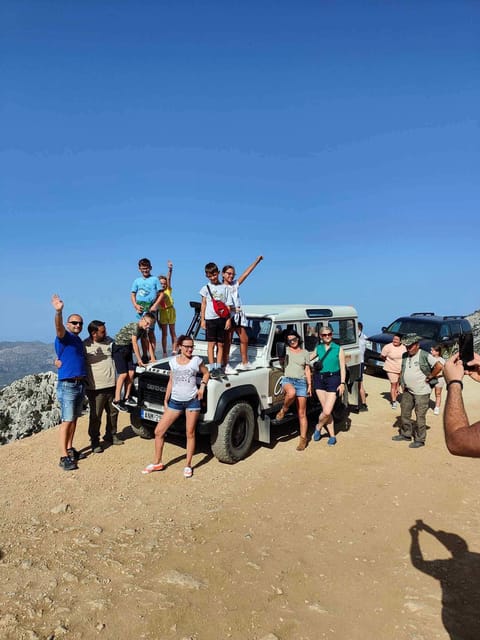
After the dam, you’ll move through villages where Crete’s rural rhythm takes over. Avdou is a stop designed for orientation plus tasting and shopping: you’ll get a guided visit, time for local snacks, and a food market visit (about an hour).
From there the tour goes toward Krasi, with a mix of photo stops and free time. The guide also builds context with a guided segment (about 45 minutes total for this section), so you’re not just window-shopping—you’re connecting what you see to how people make a living.
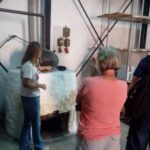
Then comes one of the most “useful souvenirs” parts of the day: a traditional olive mill. You’ll learn how Cretan olive oil is produced and have the chance to buy bottles there. I like stops like this because they give you something to bring home that isn’t mass-produced beach packaging.
What to watch for: if you’re sensitive to strong smells, know that oil tastings and mill areas can have a distinctive odor. Also, you’ll likely want cash or card ready for purchases—nothing is more annoying than paying later because you forgot your wallet.
Lasithi Plateau at 1,150 Meters: Trails, Wildlife, and Cheese Tastings
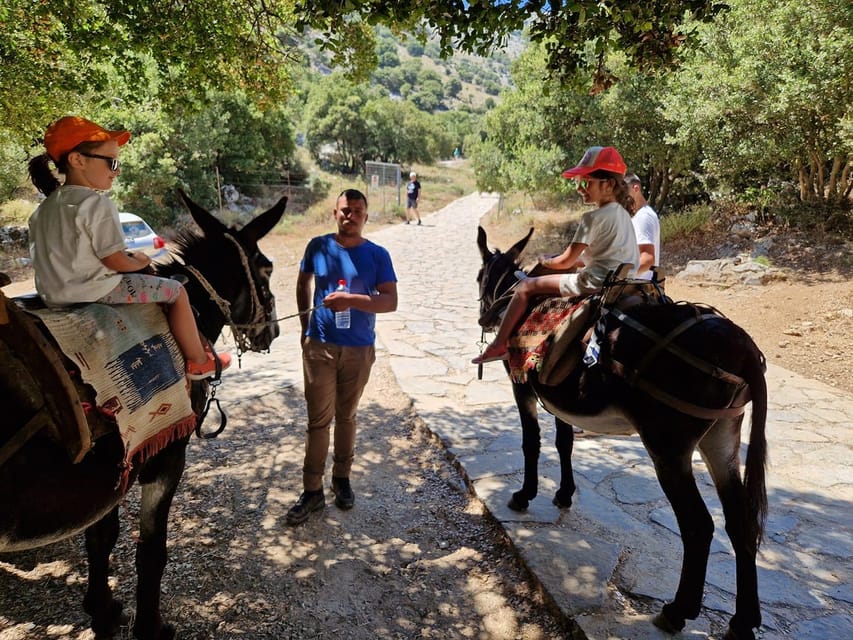
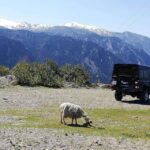
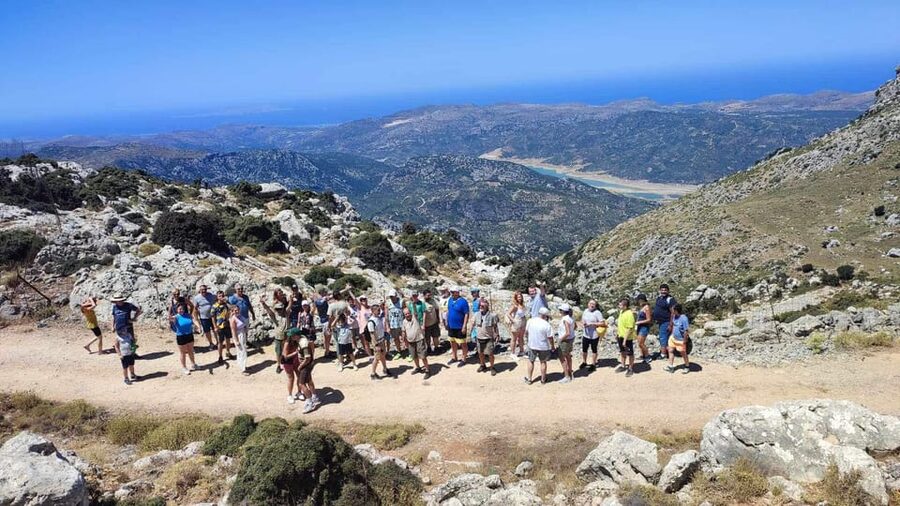
This is the section that turns the day from sightseeing into adventure. The jeep route starts pushing higher, and you get stops specifically meant for views and photo moments. The Lasithi Plateau area includes a photo stop and time on and around the plateau, with free time plus cheese tasting.
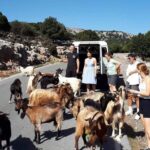
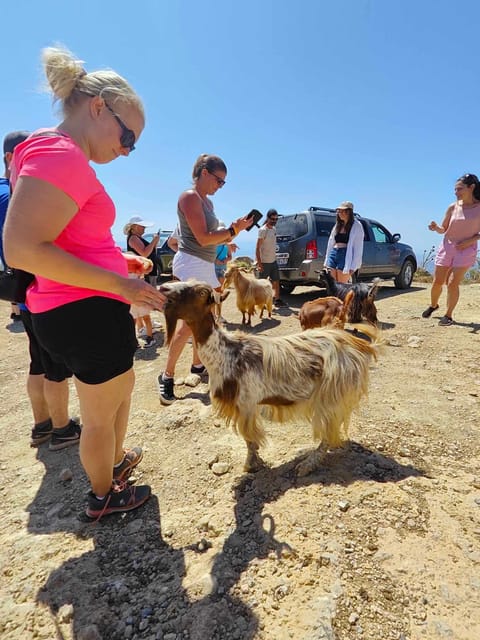
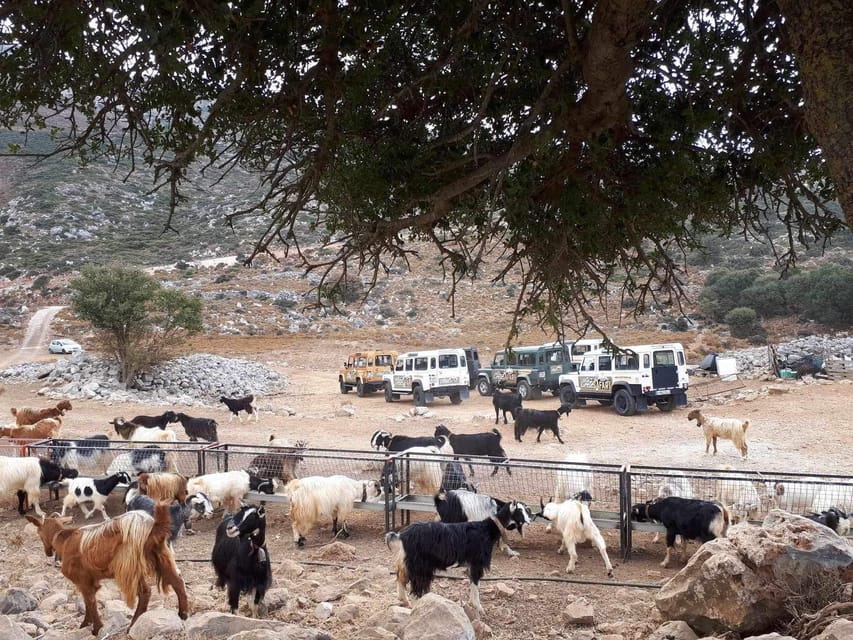
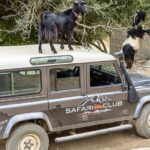
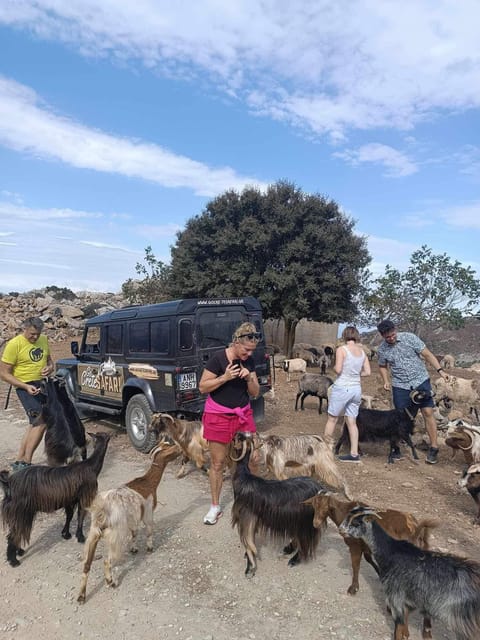
The itinerary also includes spirits and food tasting here, plus wildlife viewing. One of the most memorable moments from past departures is the idea that the guide may cue animals to gather—goats have been known to run up when the guide makes the right call. Even if you don’t see that exact moment, the plateau is the kind of place where you’ll look up and realize Crete is alive in the hills.
This is also where you’ll likely feel how fast conditions can change. One group had thick fog and heavy rain on the plateau, and the guide adjusted timing and viewpoints. That flexibility matters—because bad weather can ruin a fixed-plan schedule fast.
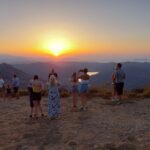
If you like photos, prioritize this section. The light and altitude can make the area feel wide open, and the dirt-road segments give you camera angles you just don’t get on paved roads.
Diktaion Andron: Wine, Brunch, and a Real Hike to the Cave Area
Your next big myth-and-movement stop is Diktaion Andron (the cave area associated with Zeus). The stop includes break time, a photo stop, and a hiking component (about 2 hours total for this segment), plus local snacks and regional food.
Here’s what makes this stop valuable: it’s not just name-dropping mythology. You’ll get a physical experience—walking in a cave-associated area—while the guide adds context. Some days include wine and brunch, so you’ll be combining motion with comfort instead of spending the whole day marching on empty stomach.
Practical advice: wear shoes you trust on uneven ground. The itinerary doesn’t spell out exact difficulty, but it does say hiking, so assume uneven paths. Bring sun protection if the weather is clear, and consider a small scarf or layer even when you’re not cold—wind at higher elevations can surprise you.
If you’re someone who prefers to skip the hike, you might find it better to plan your time at the stop rather than rushing. The important part is staying with the group and letting your guide point you toward the easiest route.
Zeus Cave: Myth at the Source Plus the Ticket You Must Plan For
The Zeus Cave stop is the headline myth moment. The tour states that Zeus mythology places his birth here, and you’ll have a chance to visit the cave once you reach it. There is a 6€ ticket for EU citizens general admission, with different pricing for students and visitors over 65; non-EU pricing also uses 6€ general with lower rates for students and over 65.
Big heads-up: Zeus Cave is closed from 30/9/2024 to 10/11/2025. If your dates fall in that window, you’ll need to plan around a closure since the cave visit won’t be possible.
This is also the moment where a good guide makes a difference. In past days, guides such as George and Andreas have been praised for keeping the stories clear and the timing comfortable—especially when weather or access changes.
What to do before you go inside: take a minute to look for shade, drink some water if you can, and don’t assume the cave visit will take the same time every day. Caves can affect how you pace yourself.
The Genuine Cretan Meal and the Best Dirt-Road Photo Turn
Lunch is included and comes in the form of a genuine Cretan meal at a local tavern. The itinerary frames it as traditional cuisine, and it’s timed so you’re not eating right at the hardest part of the climb. Past departures have included wine and raki as part of the food experience at the meal and nearby stops, depending on the day.
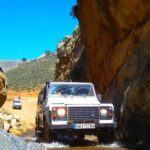
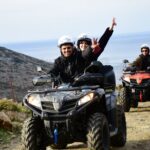
Then the tour follows a beautiful dirt route at around the 1,150-meter altitude. This is one of those moments you’ll feel in your bones: your car crests a ridge, and suddenly the views open up. If you care about photos, this dirt-road portion is where you’ll want your phone ready—but don’t stress. You’ll have chances to pull off safely for snapshots.
A small reality check: dirt roads are part of the appeal, but they also mean the ride isn’t for people who hate bumps. If you’re motion-sensitive, bring whatever helps you manage nausea in a vehicle.
Kastamonitsa and the Roman Aqueduct: How Water Shaped the Villages
After the high-altitude section, the tour descends back down and reaches the traditional village of Kastamonitsa. Here the focus is history you can actually connect to the land: you’ll visit the remains of a Roman aqueduct and learn how it was useful for surrounding areas.
This part works because it answers a question you’ll naturally be thinking all day: where does water come from, and how did people survive here before modern plumbing? An aqueduct stop is the kind of detail that makes Crete feel engineered, not just romantic.
You’ll also get more photo opportunities and a scenic drive to return to your hotel. The driving time matters here because it gives your legs a break and lets you mentally file what you saw: caves, oil, cheese, dams, and water systems all tied together.
Price and Value: Why This $100 Day Can Feel Worth It
At $100 per person for an 8-hour day, the best way to judge value is to count what’s included beyond transportation. You’re getting free pickup and drop-off, fuel, an experienced driver, a guided tour throughout multiple stops, and lunch.
You’re also paying for access to places most people can’t reach comfortably without a car. The mix of paved roads, plateau climbing, and off-road time means the jeep route is doing real work, not just getting you from one parking lot to another.
The one cost you can’t ignore: Zeus Cave tickets. That extra expense isn’t optional, but it’s predictable. If you go on dates when the cave is closed, you should ask the operator how they handle that reality, since the itinerary’s headline stops may shift.
Overall, this is a good value pick if you want a single day that covers myth, food production, and actual inland Crete—without the stress of renting a car, plotting routes, and switching between multiple tour providers.
Who This Jeep Safari Fits Best (And Who Should Skip It)
This tour fits best if you want:
- Myth + real-life Crete in one day (not just stories on a beach)
- food experiences tied to production: olive oil and cheese
- higher-elevation views and dirt-road moments
- a small-group vibe (private or small groups are available)
You might want a different option if:
- you hate rougher roads or motion
- your schedule can’t handle the cave closure dates (30/9/2024 to 10/11/2025)
- you want a totally low-walking day, since there is hiking at Diktaion Andron
If you’re traveling with family, the structure still works, especially because the guide can adjust timing when weather changes. But you’ll want to pack for flexibility: weather can shift on the plateau.
Should You Book This Crete Zeus Cave Jeep Safari?
Yes, if your ideal day includes inland Crete, real food stops, and a mix of myth and practical village life. It’s especially worth it if you like guided explanations and you’re comfortable paying a small extra amount for Zeus Cave tickets.
Book it with clear eyes: it’s an 8-hour day with climbing, a hike component, and off-road driving. Also, double-check your travel dates against the Zeus Cave closure window, since that single detail can change the whole day.
If you’re craving a memorable inland route—sunken villages, olive oil production, shepherd’s farms, and a Roman aqueduct—this is one of the more complete ways to get it without doing the logistics yourself.
FAQ
How long is the Crete Lasithi Plateau and Zeus Cave jeep safari?
The tour lasts 8 hours.
Where does pickup and drop-off happen?
Pickup is included and you’ll be dropped off at the same location you were picked up from. You’ll wait in your hotel lobby 15 minutes before the scheduled pickup time, and the driver won’t wait more than 10 minutes after that time.
Is Zeus Cave open year-round?
No. Zeus Cave will be closed from 30/9/2024 to 10/11/2025.
How much are Zeus Cave tickets?
EU citizens: 6€ general, free for students, and 3€ for visitors over 65. Non-EU citizens: 6€ general, 3€ for students, and 3€ for visitors over 65.
What languages is the live tour guide offered in?
Live guides are available in Dutch, English, French, German, Italian, and Russian.
What’s included in the price?
The tour includes free pickup and drop-off, free lunch, fuel, and experienced drivers.
Are private or small groups available?
Yes. The tour offers private or small groups.
Is alcohol allowed on the tour?
Alcohol isn’t allowed, and the activity also states that alcohol and drugs are not permitted.