REVIEW · UDAWALAWA
Udawalawe: National Park Safari & Elephant Transit Home Tour
Book on GetYourGuide →Operated by Ceylon Nature Tours · Bookable on GetYourGuide
Wild animals in Sri Lanka, in just 4 hours. What makes this safari special is the mix of jeep-time wildlife spotting in Udawalawe National Park and a focused stop at the Elephant Transit Home during feeding hours. I love that your 4×4 Jeep ride is built for close sightings, not just long scenic cruising, and I also love the way guides like Pathum and Koshala tend to keep things respectful and calm around animals. One drawback to keep in mind: the ticket price covers the safari transport and guide, but you’ll still pay separate park and transit home entrance fees once you arrive.
If you’re short on time, this tour is a practical way to hit the best wildlife targets without turning your day into a log-jam of transfers. I like that pick-up and drop-off are handled from the Udawalawa area, and the jeeps keep group size small, with a maximum of 7 passengers. The main consideration: you’ll be coordinating your schedule around feeding-hour timing, so you’ll want to start early and stay flexible if the park routes shift to match where animals are.
In This Review
- Key takeaways before you go
- Udawalawe in 4 Hours: what this tour actually feels like
- The jeep safari: where sightings come from (and why it’s worth doing in the morning)
- Elephant Transit Home during feeding hours: what you should expect
- Who the guide is matters more than you’d think
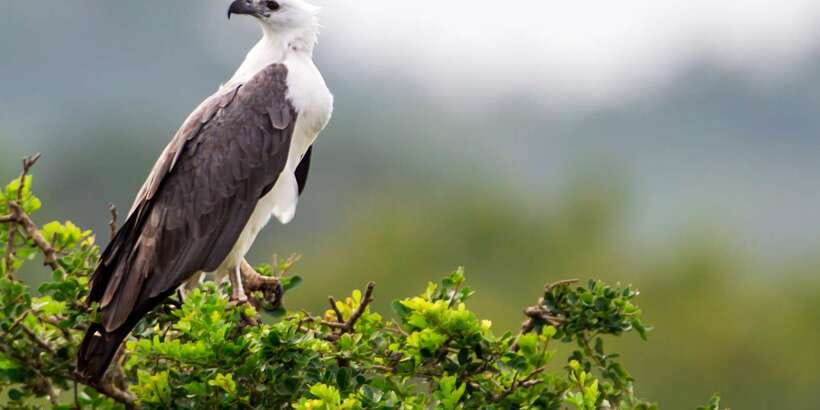
- Wildlife beyond elephants: the best “bonus” sightings
- Route planning inside the park: why you should trust the guide’s stops
- Price and value: what $21 covers, and what you may add
- Comfort, group size, and what to pack for the ride
- Ethical viewing: what the best guides do differently
- Should you book this Udawalawe safari with Elephant Transit Home?
- FAQ
- Is the Udawalawe National Park entrance fee included?
- Is the Elephant Transit Home entrance fee included?
- How long is the tour?
- Do I get hotel pick-up and drop-off?
- How many people are in each safari jeep?
- Is there an English guide?
- What animals can I expect to see?
- Is food or drinks included?
Key takeaways before you go
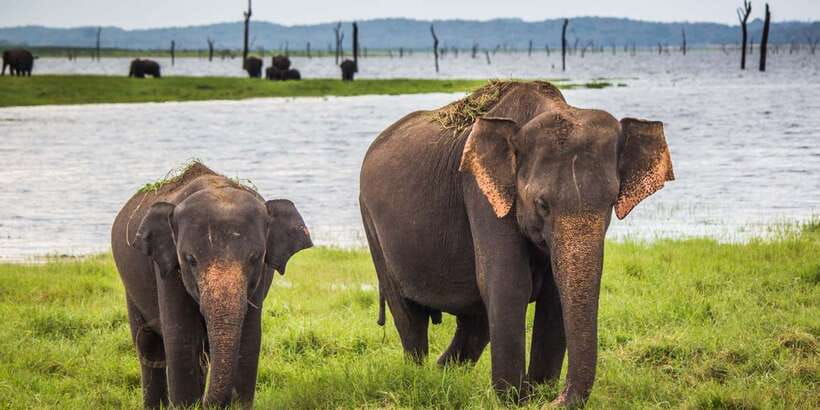
- Elephants are the headline, with feeding-time encounters at the Elephant Transit Home and frequent wild sightings in the reserve
- 4×4 jeep safari with small groups (up to 7 people), which helps you spot animals faster
- Guides who try to avoid the crowd effect, with multiple routes and stops chosen for viewing
- A real mix beyond elephants, including crocodiles, deer, buffalo, jackal, mongoose, and lots of birds
- Entrance fees are separate, so the final cost is usually higher than the headline price
- English-speaking live guide on the safari with practical animal-spotting help
Udawalawe in 4 Hours: what this tour actually feels like
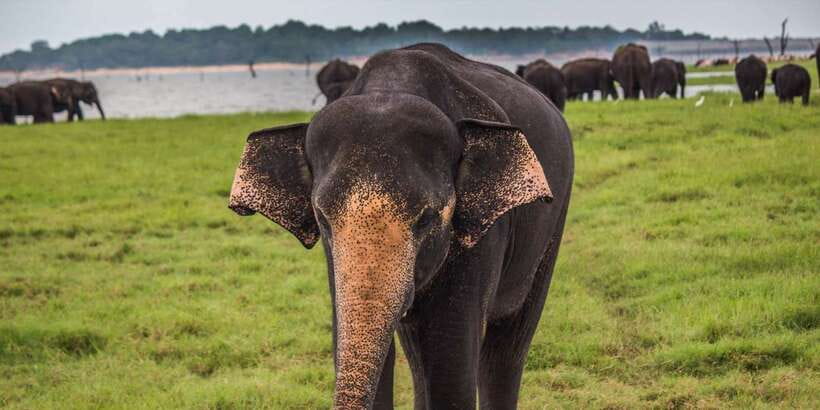
This is a half-day plan, and it plays to the strengths of Udawalawe: lots of animals around water, and a park layout where you can make sightings happen quickly. You’ll get a 4×4 jeep ride into the reserve with an experienced driver/guide, then you’ll shift gears to the Elephant Transit Home during feeding hours.
The feel is part nature class, part timed safari. Your guide’s job is to read the park—where animals are likely to be that day, which waterholes or bends are worth stopping at, and how to position the jeep for good viewing. Many people come for elephants, and yes, that usually happens. But the best days are the ones where the guide also stacks in the “bonus” sightings: crocodiles near the edges, deer in open areas, birds that pop up every time you stop, and the occasional flash of something harder to spot.
You can also read our reviews of more tours and experiences in Udawalawa.
The jeep safari: where sightings come from (and why it’s worth doing in the morning)
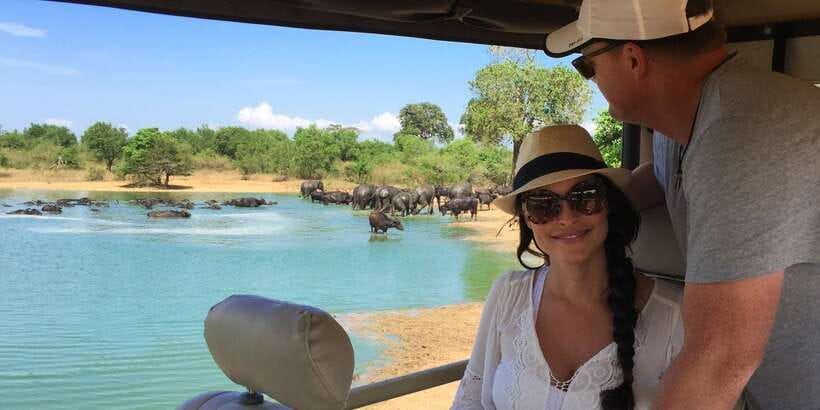
Your tour starts with pick-up from the Udawalawa area (or a meeting point at the park entrance, depending on where you’re staying). Then you roll in by Jeep and begin scanning for wildlife.
Udawalawe works because so much life gathers around water sources. That’s why guides often spend time near areas that are easy for animals to reach, and why you’ll frequently see more than just elephants. In the experience you’re buying, you’re not paying for a long drive to distant scenery. You’re paying for the ability to stop often, wait patiently, and move when the action shifts.
From the range of trips reported, the pattern is common:
- You’ll have early sightings, often elephants relatively close to the start of the reserve.
- As the morning or late-day light changes, other animals show up—water buffalo, deer, and birds.
- If you’re lucky, you’ll see baby elephants or smaller groups rather than only big “herd moments.”
A few people even reported rare sightings like a leopard. You can’t count on that, but it’s a reminder that Udawalawe can surprise you when the timing and placement line up.
Elephant Transit Home during feeding hours: what you should expect
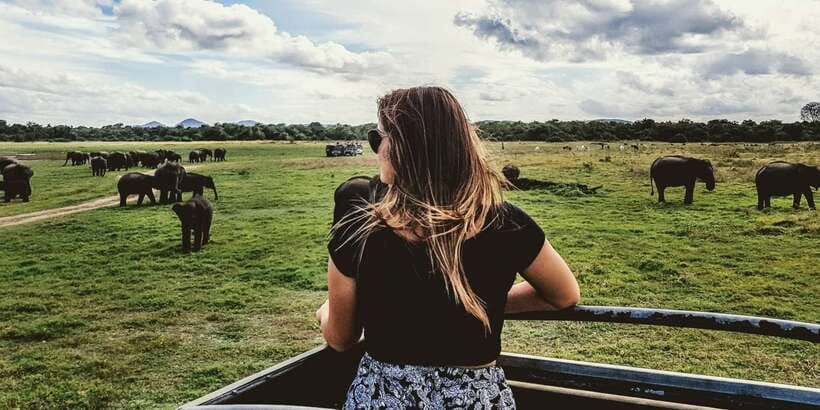
The Elephant Transit Home stop is the emotional and educational centerpiece. Feeding time is when you get the best chance to see baby elephants more clearly and up close, while the park’s larger elephant population feeds and moves in the background.
What makes this stop feel different from the wild safari: you’re no longer hunting movement across grass and shrub. You’re watching routines—baby elephants grouping up for food, handlers working around the feeding flow, and a place designed for conservation care. Several guides named in this tour experience (including Pathum, Koshala, and Mahesh) are praised for showing respect and keeping distance, which matters here. It’s the difference between watching animals and interfering with them.
Timing is the only real wrinkle. One reported schedule mentioned arriving in time for feeding around 2:30 PM, while other days included a morning feed window. Your guide will manage the timing, but your takeaway is simple: don’t treat the Transit Home like a casual late stop. It’s worth arriving with an open schedule so you can catch feeding properly.
Who the guide is matters more than you’d think
This tour’s success isn’t just the park. It’s the spotter behind the wheel.
In the accounts from this experience, guides like Pathum and Koshala come up again and again. People describe them as calm, attentive, and focused on where animals are, not on check-list stops. A repeated theme is that guides often try to avoid the biggest crowds by taking different routes and positioning the jeep so you can watch without constantly battling other vehicles.
That can sound like marketing—until you realize what it changes. When there are fewer jeeps in the immediate area, elephants don’t feel as pressured. You get longer, quieter observation time. And your photos tend to look less like chaotic tourist scrums and more like honest wildlife moments.
You can also see the guide’s style in the details:
- Some guides are praised for giving extra time for watching and photographing.
- Others are noted for explaining animal behavior—things like reading elephant body language—so you know what you’re seeing, not just that you saw it.
- Several guides are praised for keeping distances and handling situations smoothly even when there’s trouble on the road.
Wildlife beyond elephants: the best “bonus” sightings
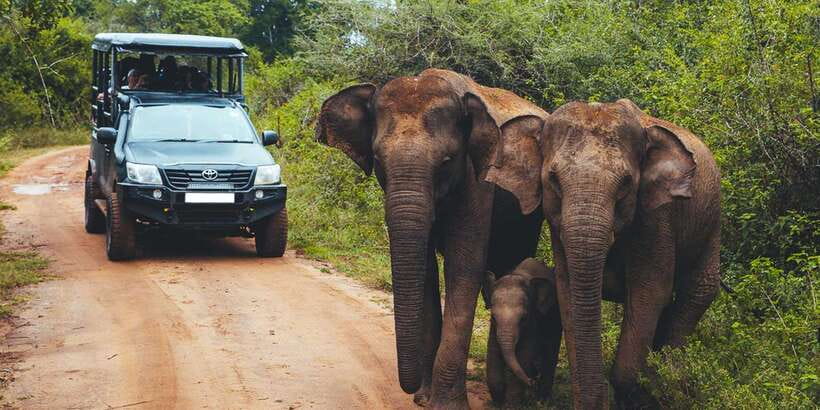
If elephants are your only goal, you’re likely to be happy anyway. But Udawalawe can be fun in a broader way, and this tour is set up to notice that.
Here’s what you have a realistic chance at seeing during the safari portion:
- Crocodiles near water edges
- Jackals and mongooses moving through cover
- Multiple types of deer, including spotted deer and barking deer
- Wild boars and hares
- Water buffalo and sambar
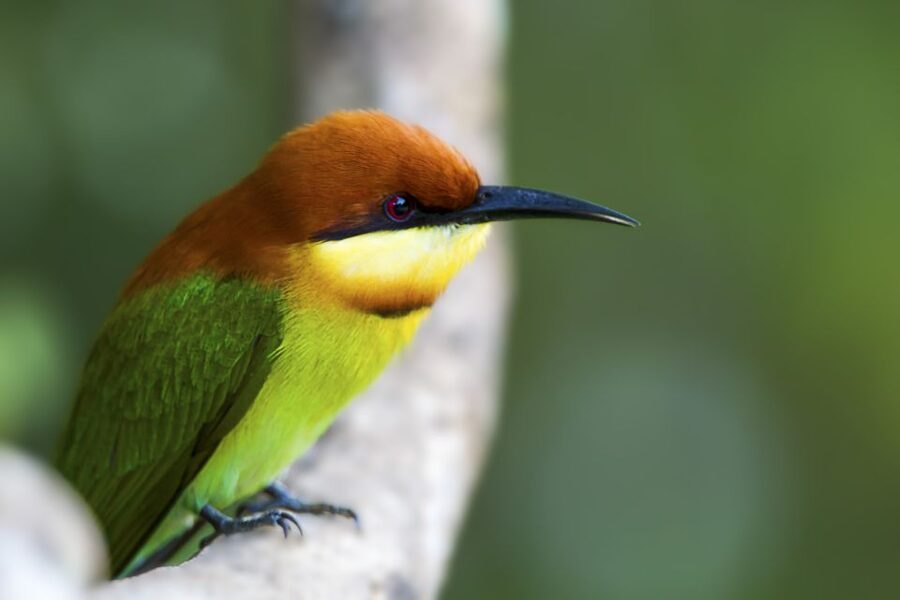
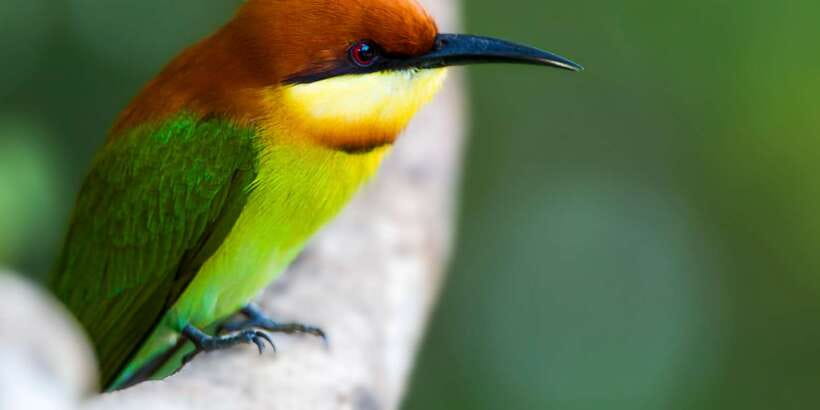
- Snakes and lots of birdlife, since the reserve supports many species
Some reports also mention peacocks/peahens, monitor lizards, monkeys, and even iguanas. Another useful detail: the park is known for butterflies and a large number of bird species, so even “slower” moments can still be interesting if your guide keeps stopping.
For your planning, this is good news. It means you don’t need a perfect elephant herd day to have a strong experience. A good guide can keep you rewarded even if elephants show up in smaller groups or in quieter moments.
Route planning inside the park: why you should trust the guide’s stops
Udawalawe isn’t a theme park with a fixed script. Animals show up where conditions allow, and that’s why your guide’s driving choices matter.
A key benefit described in this experience is that guides aim for less busy routes. That often means:
- fewer jeeps blocking your view of the animal’s path,
- more time to watch without constant movement,
- and more chances at getting your own “clean” sighting.
Your comfort also improves when the guide isn’t trying to rush. Several accounts mention guides stopping patiently, letting people look and photograph, and keeping the whole jeep session relaxed.
One more point: your tour includes an elephant-focused transit home stop, so the reserve driving has to fit around that timing. Good guides manage the tradeoff—chasing sightings without missing feeding-hour access.
Price and value: what $21 covers, and what you may add
The headline price is low, and that’s the main reason to consider this tour. For about $21 per person, you’re paying for the safari jeep experience, an English-speaking live guide/driver, and the transport between your pick-up area and the park.
But two entrance items are explicitly not included:
- Udawalawe National Park entrance fee
- Elephant Transit Home entrance fee
So the real value depends on your group size and what you end up paying at the gates. In one set of reports, park entry was mentioned as Rs.10,000 for entry for a small group on a jeep. Transit home access was mentioned as 3600 LKR for two people. Those numbers can vary, so treat them as a heads-up for “expect more than the base price,” not a guaranteed quote.
Tips also come up in some experiences. One report mentions tipping a volunteer guide. The takeaway: plan a bit of cash for on-the-ground people supporting the conservation/operations side.
Still, even with extra fees, the tour can make sense because you’re getting:
- a full 4×4 safari session (not just a short drive),
- small-jeep group size,
- and elephant feeding-time access.
Comfort, group size, and what to pack for the ride
This tour rides in a safari jeep with up to 7 passengers. That smaller size matters because it can improve viewing angles and reduce the sense of being shoved into a line.
You should also pack with a safari mindset:
- sun protection (it’s Sri Lanka; you’ll feel it),
- water (food and drinks aren’t included),
- and a camera strap you trust, since you’ll be hopping in and out of moments quickly.
You’re out for about 4 hours, so you don’t have to turn this into an all-day hydration plan. But you do want to be comfortable enough to stay focused during longer wildlife stops.
Ethical viewing: what the best guides do differently
Elephants and baby elephants are the headline, so how you watch them matters. In the reports tied to this experience, guides are repeatedly praised for keeping distance and showing respect for animals. That includes both the wild safari portion and the transit home stop.
The practical result for you is a calmer experience:
- elephants aren’t constantly startled by close movement,
- you get better, longer observation windows,
- and you spend less time stuck in awkward crowds.
If ethical viewing is important to you, this is a real selling point. It’s not about lecturing. It’s about the simple stuff: don’t rush the animals, don’t crowd them, and let the guide position you.
Should you book this Udawalawe safari with Elephant Transit Home?
I’d book it if:
- you want elephants plus other wildlife in a tight half-day window,
- you care about getting a guide who’s focused on where animals are, not just where the buses stop,
- you’re okay paying entrance fees on top of the safari price.
I’d think twice if:
- you hate surprise costs at the gate and you’re on a strict budget,
- you’re traveling with a group that can’t handle a schedule built around feeding-hour timing,
- or you’re looking for a long, slow nature walk. This is jeep safari time, not a hiking tour.
If you book, do one thing that really helps: ask your guide what time you’ll reach the Elephant Transit Home for feeding and plan to arrive with zero rush. When timing lines up, that stop turns into the part you remember.
FAQ
Is the Udawalawe National Park entrance fee included?
No. The national park entrance fee is not included in the package.
Is the Elephant Transit Home entrance fee included?
No. The Elephant Transit Home entrance fee is not included.
How long is the tour?
The duration is about 4 hours.
Do I get hotel pick-up and drop-off?
Yes, pick-up and drop-off are included from the Udawalawa area. Pick-up at the Udawalawe National Park entrance is also available. Hotels outside those areas may cost extra.
How many people are in each safari jeep?
The safari jeep carries a maximum of 7 passengers.
Is there an English guide?
Yes. There is a live tour guide in English.
What animals can I expect to see?
You may see wild elephants and other wildlife such as crocodiles, jackal, deer (including spotted and barking deer), water buffalo, wild boars, sambars, mongooses, plus many birds and snakes.
Is food or drinks included?
No. Food or drinks are not included.