REVIEW · JAIPUR
From Jaipur: One Day Trip to Ranthambore Tiger Safari
Book on GetYourGuide →Operated by Rajasthan Tour Driver · Bookable on GetYourGuide
A single tiger sighting can steal an entire day. This one-day Jaipur-to-Ranthambore trip is built around a serious wildlife window inside Ranthambore National Park, with a comfortable drive and a real chance to spot Bengal tigers and other big animals.
I especially like two things: the private AC vehicle gets you there without stress, and the safari itself is a focused 3-hour open-vehicle game drive with a forest-assigned guide/naturalist to help you read what’s happening in the landscape.
One key consideration: a tiger sighting is never guaranteed, because sightings depend on wildlife behavior, not schedules or promises.
In This Review
- Quick takes before you go
- The long, comfortable Jaipur-to-Sawai Madhopur ride
- Entering Ranthambore at safari time: what the park does (and doesn’t) control
- The moment of truth: jeep vs canter and how it affects spotting
- What you’re really hunting for: tigers, plus the whole food chain
- Government guides and the language reality on your vehicle
- The park setting: the royal hunting ground vibe
- Timing, gates, and the small choices that can help
- What you’ll do before and during the safari day
- Price and value: what $100 covers (and what it doesn’t)
- What to bring so the day doesn’t get annoying
- Who this trip is best for (and who should skip it)
- Should you book this Ranthambore day trip?
- FAQ
- How long is the Jaipur to Ranthambore day trip?
- What is included in the price?
- Do I get to see tigers for sure?
- When does the safari run during the year?
- What type of vehicle will I ride in?
- Do guides speak English?
- Are passport details required?
- What can’t I bring into the safari?
- Is the tour wheelchair accessible or suitable for pregnant travelers?
Quick takes before you go
- Private AC transport, long but comfortable: You’re looking at about 14 hours total, with a 3–4 hour drive each way.
- Safari timing follows the season: Afternoon departure shifts through the year, so your pickup time adjusts too.
- Jeep vs canter changes your experience: Jeeps hold up to 6; canters hold 16–20 and can mean more sharing.
- Your safari is run by the forest department: Vehicle allotment, guides, and sightings are government-managed.
- Passport details are required for booking: You must share passport info in advance, and show a valid passport on the day.
- Guides may not speak English: The forest assigns local guides from nearby villages, and English isn’t always assured.
The long, comfortable Jaipur-to-Sawai Madhopur ride
Ranthambore is one of those places where the journey matters almost as much as the park. This trip is designed for convenience: you get picked up from your Jaipur hotel or the airport (or another pickup spot in Jaipur), and you ride in an air-conditioned vehicle the whole way.
In practical terms, you’re dealing with a 3–4 hour scenic drive from Jaipur to Sawai Madhopur, usually arriving around 1:00 PM. That timing matters because it gives you a buffer before the safari session starts in the afternoon. It also means you don’t lose your energy trying to coordinate local transport after a long day.
If you’re the type who hates last-minute logistics, this is a solid setup. You’re not wrestling with routes, tickets, or vehicle options on your own—you show up, get loaded into the vehicle, and move on.
You can also read our reviews of more tours and experiences in Jaipur.

Entering Ranthambore at safari time: what the park does (and doesn’t) control
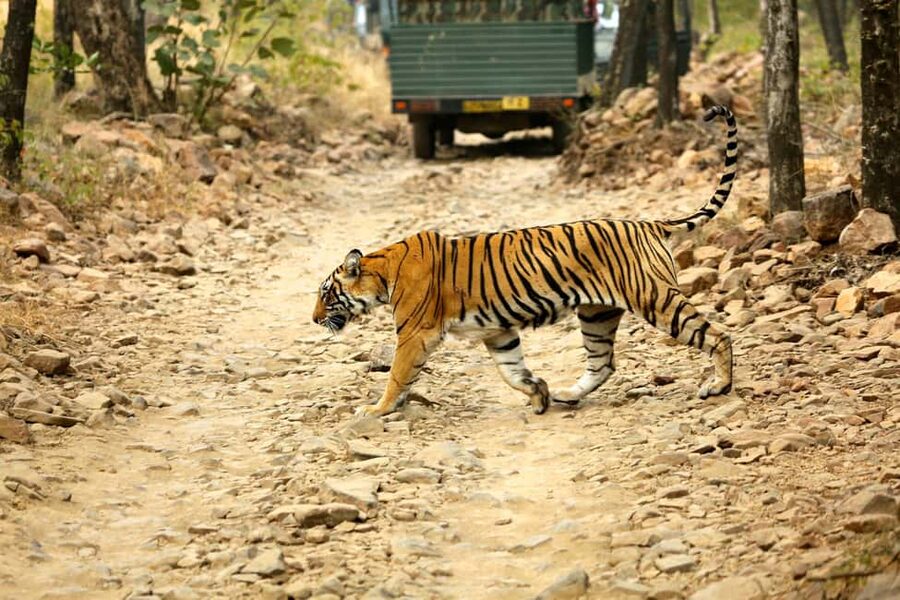
Your safari begins in the afternoon. Depending on the season, safari operations generally run from 3:00 PM–6:30 PM (1 April to 16 May) and 3:30 PM–7:00 PM (17 May to 30 June). In the day-trip flow, the drive lines up so you can start your game drive around 2:30 PM and complete it in the 3–4 hour range.
Here’s the real Ranthambore lesson: you’re not buying a show. You’re taking part in a wildlife system.
The forest department manages everything that affects your actual sightings:
- safari scheduling in the reserve,
- vehicle allotment (jeep/canter),
- the naturalist/guide on your vehicle,
- and, ultimately, what animals choose to appear.
That’s why tiger sightings are never guaranteed. You’re increasing your chances by going at the right time and following the local process, but luck still plays a huge role.
The moment of truth: jeep vs canter and how it affects spotting
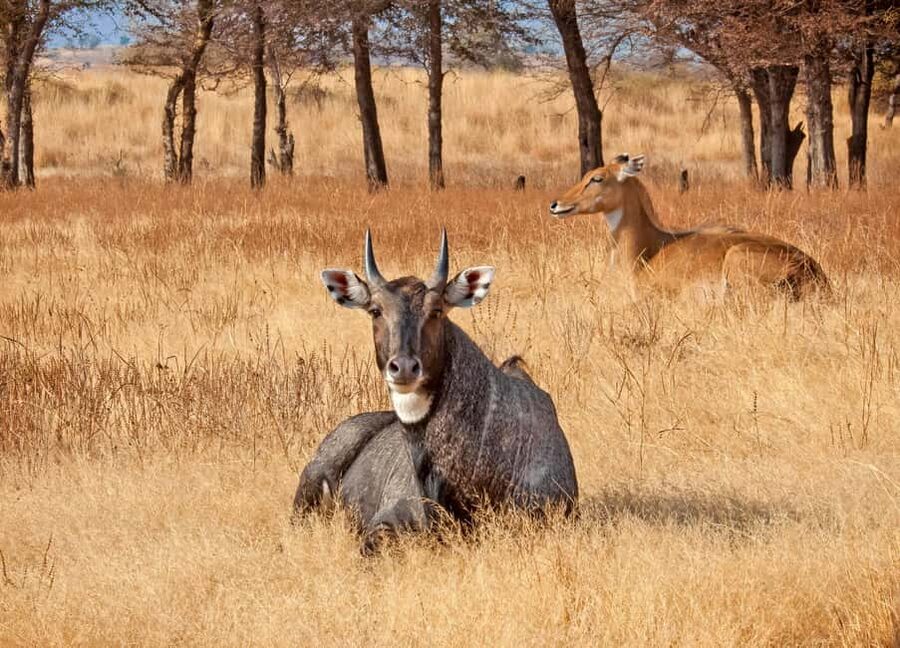
Inside the park, you’ll ride in either an open jeep or a canter.
This isn’t just a comfort detail—it can shape your viewing:
- Jeep: up to 6 passengers. Less crowded and often easier to position yourself for sightlines.
- Canter: 16–20 passenger capacity. More people, more noise, and it can be harder to get the best angles at a moment’s notice.
Also, if a jeep isn’t available, you may go by canter instead. One reason this is worth knowing in advance is that you can mentally prepare for the trade-off: canters can still deliver great sightings, but the experience can feel busier.
A tip that stays sensible in any case: keep your camera/phone ready before you need it. Safari moments can happen fast, and you don’t want to spend the best minute fiddling with gear.
What you’re really hunting for: tigers, plus the whole food chain
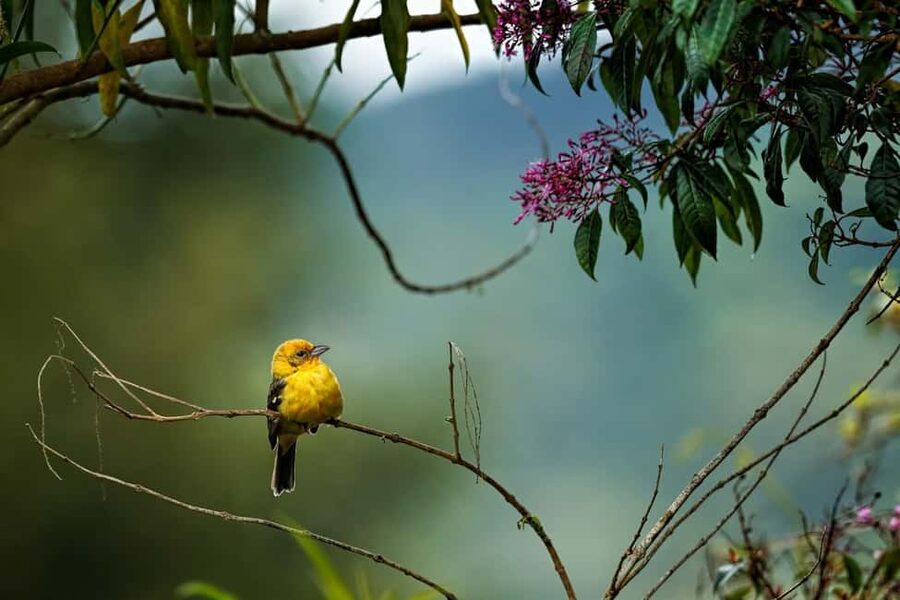
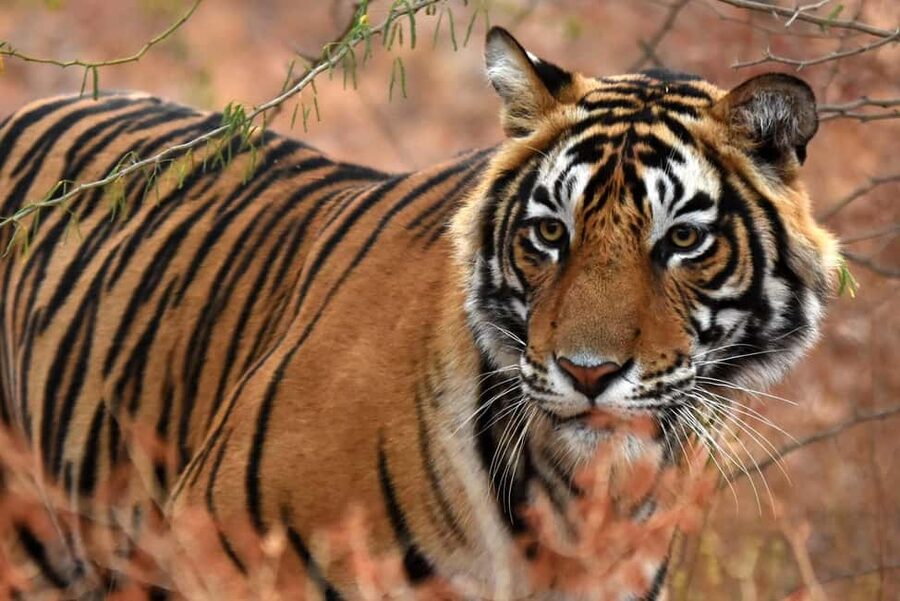
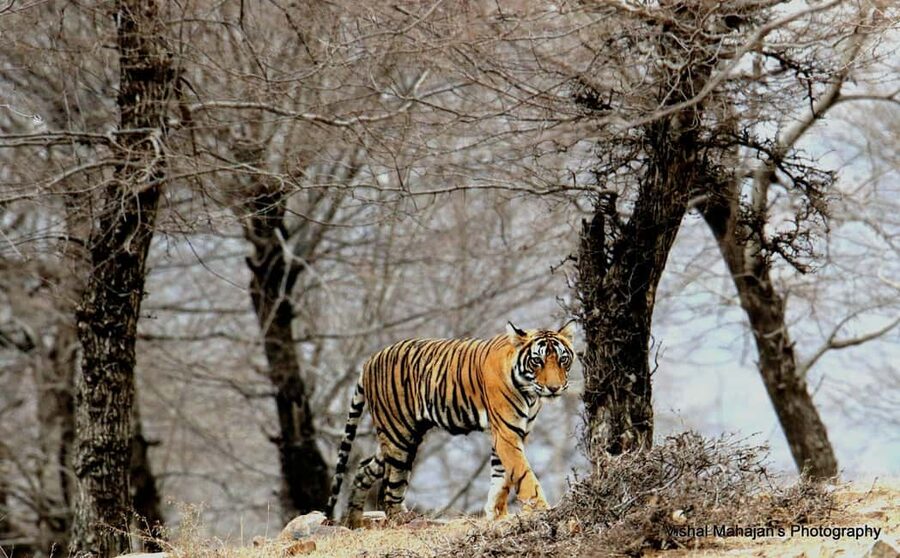
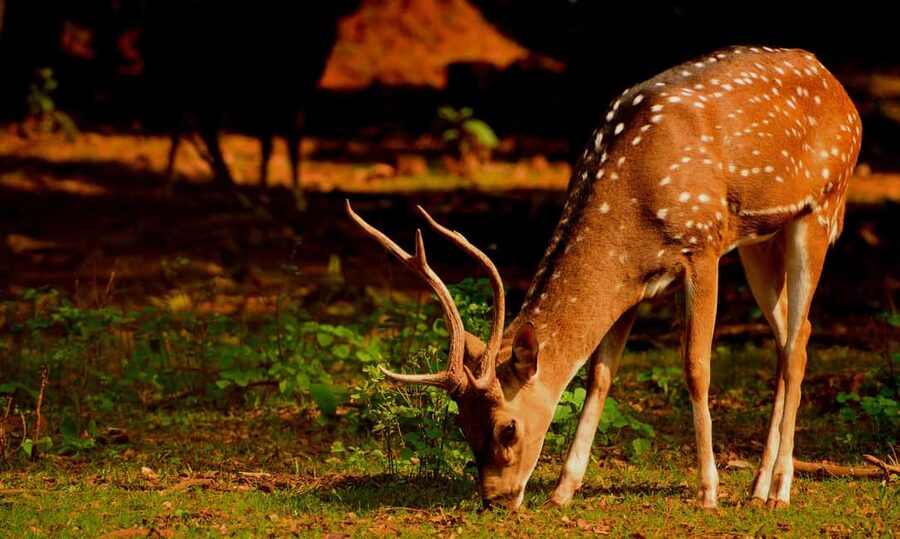
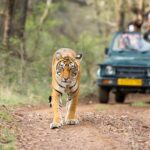
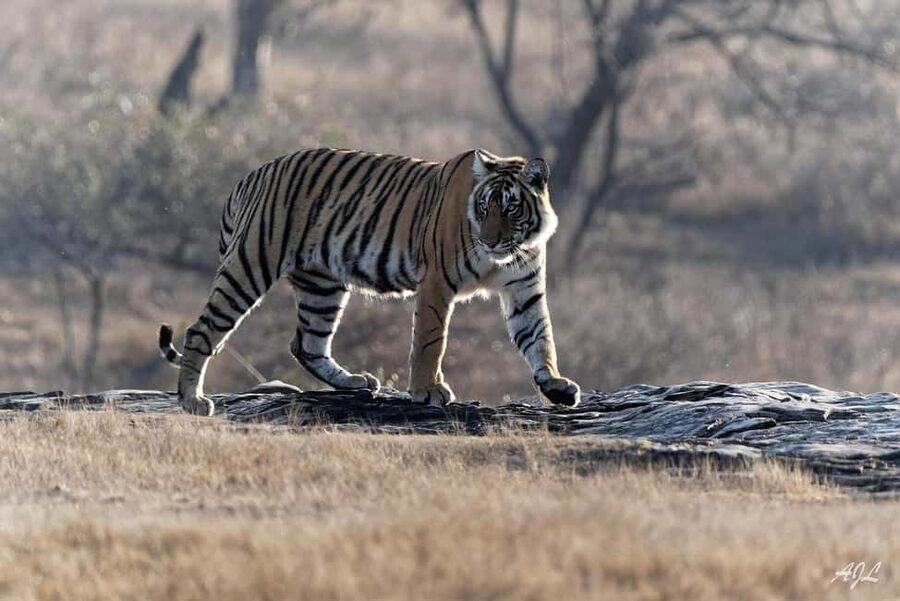
Yes, the headline is Bengal tiger. But your best day in Ranthambore is often about what comes with the tiger ecosystem: prey animals, predators, and the birds that reveal activity before you even spot a mammal.
From the park’s documented wildlife expectations, you might see:
- Bengal tigers,
- Indian leopards,
- sloth bears,
- deer,
- mugger crocodiles (around water areas),
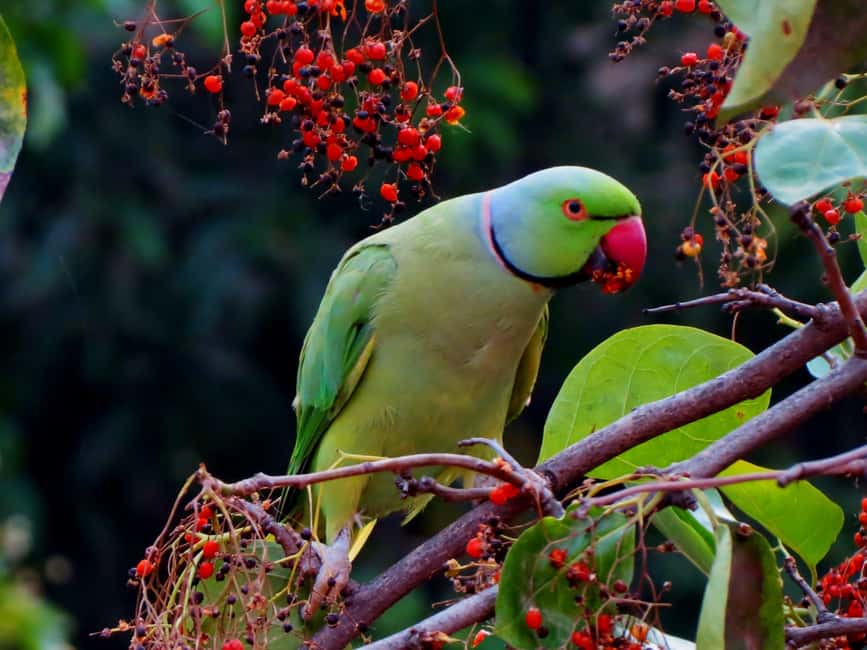
- and a wide variety of bird species.
In other words, even if the tiger is elusive, you’re not stuck watching empty scrub. You’re scanning for movement, track signs, and patterns—then watching how the system responds.
One practical takeaway: don’t treat the day as all-or-nothing. When a tiger does show up, it’s usually because the conditions align. But when it doesn’t, you can still have a meaningful safari focused on the broader wildlife picture.
Government guides and the language reality on your vehicle
Your safari is guided by an expert government-approved naturalist. The guide is typically assigned by the forest department and comes from nearby villages.
Here’s what that means for you: the naturalist/guide may not speak English fluently. This is managed by the government process, not by the transport operator, so it’s good to calibrate expectations. The driver’s language can be English or Hindi, but once you’re in the forest, the guide language can vary.
My advice: go in with a flexible mindset. If you don’t get every explanation in your language, pay attention to what the guide is pointing out—behavior, tracks, and the direction of movement. That visual learning works even when translation is limited.
The park setting: the royal hunting ground vibe
Ranthambore isn’t just a habitat. It has a historic feel. This region is tied to the days of royal hunting, and the park includes an ancient fort and temples.
You might not experience these like a dedicated sightseeing tour, because your time is largely reserved for the wildlife drive. But the fort-temple presence is part of why Ranthambore feels different from other reserves. You get that sense of old human stories layered over a living ecosystem.
For planning, this matters because it changes your expectations: you’re not only going to chase animals in open grass. You’re also moving through a space with landmarks that add visual interest when the sightings slow down.
Timing, gates, and the small choices that can help
Safari rules and operations depend on the reserve setup, and your entry is tied to gates. In practice, you’ll have an official entry process at the gate, and sometimes you can be offered choices around entry gate timing/selection depending on availability.
If you’re trying to increase odds, a sensible approach is to keep an open mind about gate assignment when you arrive. Some people plan around gate preferences, and it’s a fair idea as long as you’re working within what the official system allows.
Also keep in mind: pickup timing changes by season to match safari windows. So when you check your schedule, don’t fixate on a single clock reading. Think “afternoon safari” and then treat everything else as supporting timing.
What you’ll do before and during the safari day
Your day has a clean flow:
- pickup from Jaipur (hotel or airport),
- drive toward Sawai Madhopur,
- arrival around early afternoon,
- safari in the reserve (about 3 hours, sometimes stretching into a 3–4 hour window),
- then return transfer back to Jaipur.
One comfort detail worth planning for: you’ll want bathroom breaks, and there’s typically at least one stop around an hour before arriving at the park, plus another at the park area. That’s a big help on a long day, especially if you’re sipping water but don’t want to guess.
Bring patience too. Even when everything runs smoothly, wildlife timing doesn’t care about your itinerary.
Price and value: what $100 covers (and what it doesn’t)
At about $100 per person, this day trip can feel like a bargain—or like a stretch—depending on what you’d otherwise pay to assemble the pieces yourself.
Here’s what’s included:
- pickup and drop-off from hotel or airport,
- air-conditioned round-trip transportation,
- park entry plus safari costs (jeep/canter),
- fuel, parking, tolls, and taxes,
- bottled water.
What’s not included:
- meals and drinks,
- personal expenses.
So the value is mostly in convenience and logistics: you’re buying the transport and getting the safari package arranged with the park process. If you’re the kind of traveler who hates hunting down entry rules and vehicle availability, that alone can justify the cost.
The biggest value lever is the safari itself. Since the park and forest department manage the on-the-ground system, you’re really paying for a well-run, private transfer plus a valid safari slot.
What to bring so the day doesn’t get annoying
This trip is all about being comfortable outdoors for hours. You’ll want:
- comfortable shoes,
- sunscreen,
- a hat,
- comfortable clothes,
- and passport/ID as requested (passport details are required in advance for booking).
A couple of rules make sense for safety and logistics:
- no pets,
- no large bags/luggage,
- no outside food.
If you travel with a small daypack, keep it compact. Large bags can create hassle at entry points.
Who this trip is best for (and who should skip it)
This tour fits best if you:
- want a single, efficient wildlife outing from Jaipur without handling transport yourself,
- enjoy open-air scanning for animals and birds,
- are comfortable with a flexible, luck-based outcome.
It may not suit you if:
- you’re pregnant (listed as not suitable),
- you use a wheelchair (not wheelchair accessible).
If you’re traveling with kids, be sure you’re ready for long stretches of waiting between sightings. The day can move fast when animals appear, but it can also feel slow when they don’t.
Should you book this Ranthambore day trip?
I’d book it if your main goal is a well-organized, private Jaipur-to-Ranthambore safari day where transport and safari costs are handled for you. The included AC ride and the all-in transfer package are the practical wins, and the safari experience is the reason to go.
I’d think twice if:
- you expect a guaranteed tiger sighting (you won’t get one),
- language barriers in the forest guide role would frustrate you,
- or you’re sensitive to crowds if you end up in a canter.
Bottom line: if you’re going for the real Ranthambore experience—wildlife, patience, and the thrill of possible sightings—this is a straightforward way to do it from Jaipur.
FAQ
How long is the Jaipur to Ranthambore day trip?
The total duration is listed as 14 hours.
What is included in the price?
The package includes hotel/airport pickup and drop-off, air-conditioned round-trip transportation, park entry and safari costs (jeep/canter), fuel, parking, tolls, taxes, and bottled water.
Do I get to see tigers for sure?
No. Tiger sightings are not guaranteed and depend on nature and luck.
When does the safari run during the year?
Generally, safaris run from 1 April to 16 May from 3:00 PM–6:30 PM, and from 17 May to 30 June from 3:30 PM–7:00 PM. Safari timings may vary.
What type of vehicle will I ride in?
You may ride in a 6-seater open jeep or a canter that can hold 16–20 passengers. Availability can affect which one you get.
Do guides speak English?
The forest department assigns local guides from nearby villages. They may not speak English, and this is part of the government-managed process.
Are passport details required?
Yes. You must send passport details in advance for safari booking, and you must present a valid passport on the day. Failure to provide a valid passport can result in tour cancellation without a refund.
What can’t I bring into the safari?
Pets, luggage/large bags, and food are not allowed.
Is the tour wheelchair accessible or suitable for pregnant travelers?
The tour is not wheelchair accessible and is listed as not suitable for pregnant women.