REVIEW · JAIPUR
Jhalana Panther Safari Park Tour in Jaipur
Book on Viator →Operated by World Of Wilders · Bookable on Viator
Panthers feel close to home in Jaipur, and this safari is built for spotting them in the wild. You’ll ride in an open 4×4 with a naturalist who helps you notice animals and birds you’d miss on your own. It’s a short, focused wildlife outing that fits easily into a packed city day.
I really like that the price covers all safari permits plus the interpretation centre and even the still camera fee. The possible drawback: sightings are never guaranteed, and in some seasons leopards can be tougher to find than you hope.
In This Review
- Key Things I’d Watch For
- Open-Jeep Panther Country: What You’re Really Doing
- Value Check: The $45 Package and What Comes With It
- Pickup Rules in Jaipur: Free Within 5 Miles vs $35 Beyond 8 km
- 2.5 Hours of Safari Flow at Jhalana Leopard Safari Park
- Naturalist Commentary: How to Actually Spot More Wildlife
- Wildlife Odds by Season: Winter Cold, Summer Heat, Monsoon Changes
- The Vehicle, Comfort, and Why Weather Matters
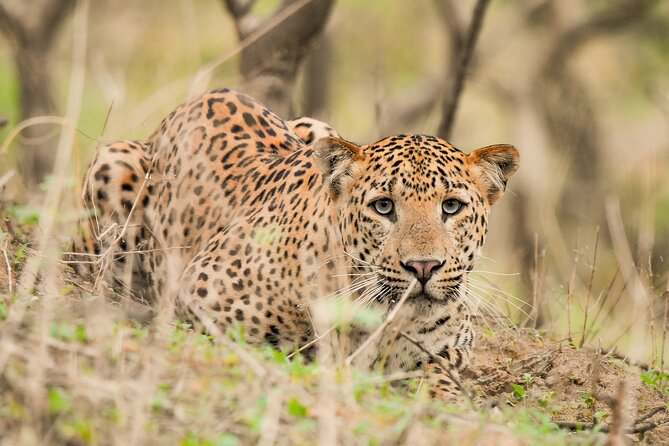
- What You’ll See: More Than One Big Cat
- Interpretation Centre: The Pre-Safari Context That Helps
- Photo and Mobile Ticket Notes That Keep It Easy
- Who This Safari Suits Best (and Who Should Think Twice)
- Should You Book the Jhalana Panther Safari?
- FAQ
- How long is the Jhalana Panther Safari Park tour?
- Can I choose a morning or afternoon departure?
- Is pickup included from Jaipur hotels?
- Are safari permits and camera fees included?
- What’s the maximum group size?
- What should I wear depending on the season?
Key Things I’d Watch For
- Open 4×4 safari ride with a naturalist in the vehicle for on-the-spot animal spotting
- Permits, admission, and still camera fee included so you’re not chasing extra tickets
- Morning or afternoon departures so you can match the safari to your Jaipur plan
- Interpretation centre visit to learn how to read the reserve before you drive in
- Maximum 6 travelers for a smaller-group feel (even if vehicles still get tight)
- Seasonal effects are real: winter is cold, summer is hot, and monsoon can change sightings
Open-Jeep Panther Country: What You’re Really Doing
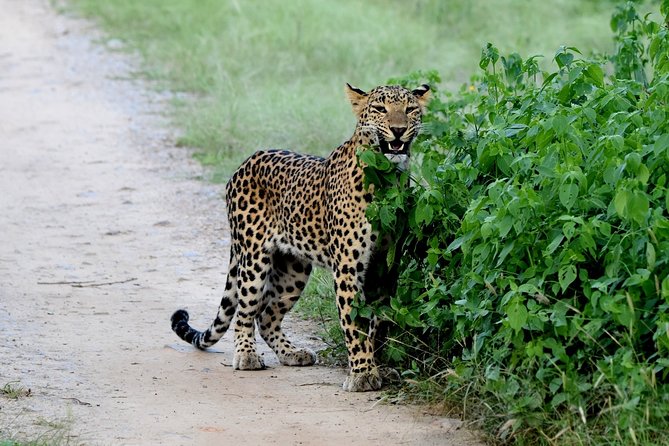
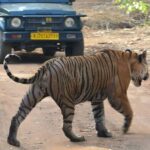
This is a wildlife safari inside the Jhalana area, close enough to Jaipur that it feels almost like a nature detour from the city. You’ll go out in an open 4×4 vehicle on dirt roads, scanning for big cats and other reserve animals as your naturalist shares commentary.
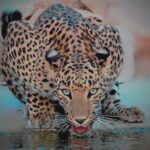
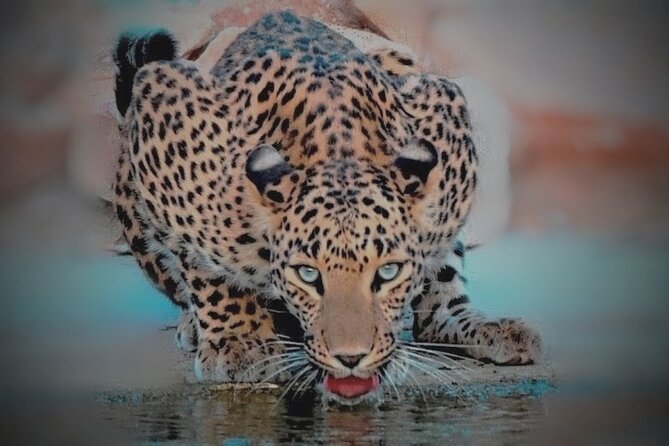
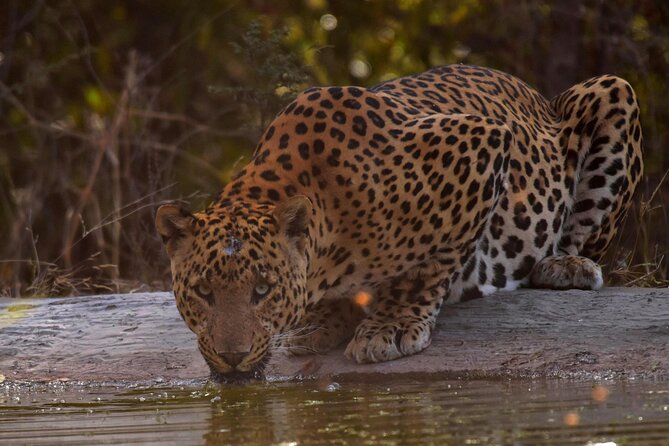
You’re not just looking for one thing. The reserve is associated with panthers and leopards, but you also have a chance at other wildlife like hyenas and desert foxes. That variety matters because even if a leopard doesn’t show clearly, the safari doesn’t become a dead end—you can still enjoy birds and smaller animal sightings while you’re in the park.
The vibe is practical and outdoorsy. Expect dust, sun, and the kind of “wait and watch” that wildlife trips require. The open vehicle is part of the charm, and also part of the tradeoff if weather turns.
You can also read our reviews of more tours and experiences in Jaipur.
Value Check: The $45 Package and What Comes With It
At $45 per person for about 2 hours 30 minutes, the best value isn’t just the safari time—it’s what’s bundled. You get all safari permits and permit management handled, plus the admission ticket. There’s also a visit to an interpretation centre, which helps you understand what you’re seeing when you finally spot movement.
One detail I appreciate: the safari includes the still camera fee. That’s the kind of small add-on that can throw off your budget when it shows up at the gate. Here, it’s already covered, so you can plan your photos without that last-minute stress.
You also get a mobile ticket, which is useful in India where paper can feel like extra baggage. And with a maximum of 6 travelers, your group stays fairly small compared with bigger bus-style outings.
Pickup Rules in Jaipur: Free Within 5 Miles vs $35 Beyond 8 km
Pickup is offered, but only within a certain radius. The tour includes free pickup from within 5 miles (8 km) of the park entrance area. If your hotel is farther, pickup and drop after 8 km from the entry gate is listed as an additional $35.
That doesn’t mean you’re stuck, it just means you should plan around distance. If you’re staying in central Jaipur, you have a good chance the free pickup applies. If you’re staying on the edges, confirm the exact pickup distance so you don’t arrive expecting something that doesn’t match your route.
Even if you’re not in the free zone, the tour still ends back at the meeting point. So you’ll have a defined start and finish even when pickup is limited.
2.5 Hours of Safari Flow at Jhalana Leopard Safari Park
Your day runs on a simple rhythm: travel from the city to the entry gate, then drive the reserve for wildlife viewing, then back again. After you reach the entry gate, the driver provides the handoff, and the naturalist joins you as you head into the safari area.
The main experience happens at Jhalana Leopard Safari Park. You should expect a drive through the reserve in the open 4×4 while you scan for cats and other wildlife. Part of the experience also includes a bird-eye view of the jungle, which is a great chance to get your bearings fast and see how the reserve is laid out.
Time-wise, the tour is listed at around 2 hours 30 minutes total. That’s a solid window. Long enough to have real chances for sightings, not so long that it wrecks your Jaipur plans.
At the end, you’re dropped back to where you started from (the meeting point or, when pickup is included, back toward your hotel route).
Naturalist Commentary: How to Actually Spot More Wildlife
The naturalist is the difference between driving through trees and learning what to look for. When commentary is working well, it helps you focus your eyes: where animals might cross, what bird activity can hint at, and what kinds of pauses in the road mean the driver should slow down.
I found this especially valuable because wildlife viewing is partly skill and partly luck. A naturalist helps with the skill.
One practical note: English-speaking ability isn’t something the tour data guarantees in every situation. Some experiences align with a strong guide, while others have mentioned language gaps. If you rely on English commentary to get value from the trip, I’d treat this as a question worth asking when you book.
Also, don’t assume the cat will be right in front of the vehicle. You might spot leopards or panthers at a distance, sometimes even when they’re resting. That doesn’t make it less real. It just changes what “seeing” looks like.
Wildlife Odds by Season: Winter Cold, Summer Heat, Monsoon Changes
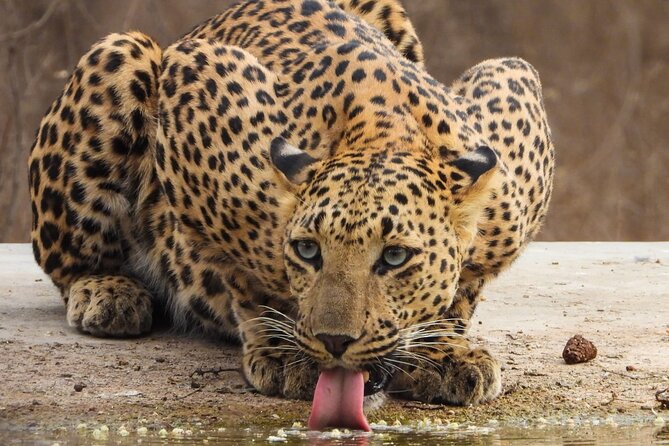
Wildlife safaris don’t run on a fixed script. Season changes everything—animal behavior and even what you can spot.
Here’s the seasonal guidance you should plan around:
- Winter (November to February): can be cold, with temperatures reaching up to 2 degrees Celsius. Bring warm clothing.
- Summer (April to June): it’s hot. Wear a hat and consider goggles to protect your eyes.
- Rainy season (July to August): rains are described as scanty, but mosquitoes can still be an issue. Wear full-length clothes.
Now for the sighting side. In the monsoon months (July to September), leopard sightings can be less predictable because the grass grows higher. That can hide animals and reduce how easily you can spot them, even when you’re in the right habitat. The tradeoff is that this time of year can feel lush and alive in a different way.
Bottom line: if your dates are in July to September, I’d adjust expectations. You can still have a great safari experience, but don’t plan your trip around a guaranteed leopard moment.
The Vehicle, Comfort, and Why Weather Matters
This is an open-air safari in an open 4×4 vehicle. That’s great for views and photos. It’s also great at turning rain into a surprise.
If you’re going during a wetter week, pack for it even if rain is described as light. On open vehicles, drizzle can mean wet seats, wet clothes, and a camera that needs quick handling.
Group size is small—maximum 6 travelers per tour—but vehicle seating can still feel tight depending on how many people are placed together. For some departures, getting everyone seated smoothly can take a few extra minutes, especially when the vehicle needs to be filled. That’s not unusual for shared vehicle safari logistics, so plan to stay flexible.
What to bring that actually helps:
- Sunscreen and water (hot season is no joke)
- A hat for glare and warmth control
- A light rain layer or poncho for wet days
- Warm layers for winter mornings/afternoons
What You’ll See: More Than One Big Cat
Yes, you’re coming for panthers and leopards. But the safari experience becomes more enjoyable when you treat it like a full wildlife drive.
The tour description points to animals like hyenas and desert foxes, plus other wildlife in the reserve. You may also see birds, and the naturalist commentary can turn casual bird sightings into something you actually learn from.
One detail that’s worth knowing: when cats do show up, they may not be performing. You could see leopards resting, possibly far away. Sometimes sightings can even come from quick repositioning—other safari vehicles spot something, then your driver makes a move to help you catch it too.
That’s why timing and patience matter. The best viewing happens when you stay alert for movement and don’t get discouraged if the first scenic stretch is quiet.
Interpretation Centre: The Pre-Safari Context That Helps
A stop at the interpretation centre is included, and I’d treat it like part of the safari, not a break from it. This is where you can learn how the reserve works—what areas animals use and what you might notice once you’re driving.
It also gives you a mental checklist before you enter the vehicle. When you’ve got that context, a glimpse of movement feels more meaningful than a random spot of darkness between branches.
Even in a short 2.5-hour window, this kind of context stop boosts your odds of appreciating what you find.
Photo and Mobile Ticket Notes That Keep It Easy
The still camera fee is included, so you shouldn’t need to pay extra for photography in the safari area. That’s a big deal for anyone who brought a camera just for wildlife.
The tour also uses a mobile ticket, which simplifies entry compared with printing paperwork. You’ll still want to keep your phone charged and your ticket handy so you’re not scrambling at the gate.
For photos from an open 4×4, basic practical advice applies: brace your camera, expect dust, and don’t be afraid to shoot through gaps when the driver stops near a spotting. If you’re taking lots of photos, remember the human part too—watch for a second before you click. Sometimes the best moments are the ones you first notice with your eyes.
Who This Safari Suits Best (and Who Should Think Twice)
This tour is ideal if:
- You want wildlife near Jaipur without a full-day commitment
- You like nature walks and bird/animal spotting
- You’re comfortable with outdoor conditions—sun, dust, and possibly rain
- You value learning from a naturalist during a short drive
It might not suit you if:
- You need a guaranteed leopard or panther sighting. The reserve is wild, and sightings aren’t controlled.
- You’re expecting a private, totally exclusive experience. Safari routes can involve other vehicles sharing the same roads and waterholes.
- You depend on English-only commentary. Language can vary, so ask in advance if that’s a dealbreaker.
Should You Book the Jhalana Panther Safari?
If your goal is a short, guided wildlife outing in an open 4×4 with permits handled and camera fees included, I think this is a good value way to see what’s possible around Jaipur. The interpretation centre plus naturalist commentary makes the time feel purposeful, not rushed.
I’d book it if you’re flexible on the animal outcome. Even when a big cat sighting is sleeping, distant, or brief, the safari experience still has real payoff because you’re learning the reserve while you drive.
One serious planning note: this experience is non-refundable and can’t be changed once booked. So only book when your dates are firm, then dress for the season and go with a calm wildlife mindset.
FAQ
How long is the Jhalana Panther Safari Park tour?
It runs for about 2 hours 30 minutes (approx.).
Can I choose a morning or afternoon departure?
Yes. The tour offers morning or afternoon departures so you can fit it into your Jaipur schedule.
Is pickup included from Jaipur hotels?
Pickup is offered from within 5 miles (8 kilometers) of the park entrance. Round-trip transfer upgrades from Jaipur hotels are available, and pickup/drop after 8 km from the entry gate is listed as $35.
Are safari permits and camera fees included?
Yes. The tour includes all safari permits, permit management, a still camera fee, and admission to the relevant safari entry.
What’s the maximum group size?
The tour has a maximum of 6 travelers.
What should I wear depending on the season?
For winter (Nov to Feb), bring warm clothing since temperatures can reach about 2°C. For summer (Apr to Jun), wear a hat and consider goggles due to heat. For rainy season (Jul to Aug), wear full-length clothes to help with mosquitoes.