REVIEW · JOHANNESBURG
From Johannesburg: Pilanesberg Nature Reserve Game Safari
Book on GetYourGuide →Operated by MoAfrika Tours (Pty)Ltd · Bookable on GetYourGuide
Pilanesberg is a quick escape from big-city life. This day trip turns a long Johannesburg drive into two chances on open safari vehicles to spot wildlife, including the big cats and (if luck is on your side) the Big 5. With guides like Martin and Petros calling the shots, you get animal sightings plus solid explanations of how the park works.
What I like most is the mix of conditions: you can feel the shift from the dry Kalahari to the greener Lowveld growth on an open jeep. I also love the lunch setup at a rest camp overlooking water—when animals come to drink, lunch stops being just fuel. The main drawback to plan for is the long day and the open-vehicle weather: morning can feel cold and windy, even when the afternoon gets hot.
In This Review
- Key Safari Highlights You’ll Feel In Real Time
- Johannesburg to Pilanesberg: the drive that sets the tone
- Two open-vehicle game drives: how you maximize sightings
- The morning drive: where the day starts
- The midday lunch break: rest, recharge, and try again
- The afternoon drive: patience pays
- Big 5 odds in Pilanesberg: what you’re really buying
- Birdwatching at the dam: the small win that feels big
- Lunch at a rest camp overlooking waterhole: why it’s more than a meal
- What to pack for open-jeep wind and temperature swings
- Price and the conservation fee: how to judge real value
- Who should book this day trip, and who should skip it
- Final say: should you book the Johannesburg to Pilanesberg safari day trip?
- FAQ
- What does the tour include?
- Do I need to pay anything at the gate?
- What animals and birds can I expect to see?
- How long is the day, and how much time is spent on safari drives?
- What should I bring for the open safari vehicles?
- Is the tour suitable for children?
Key Safari Highlights You’ll Feel In Real Time
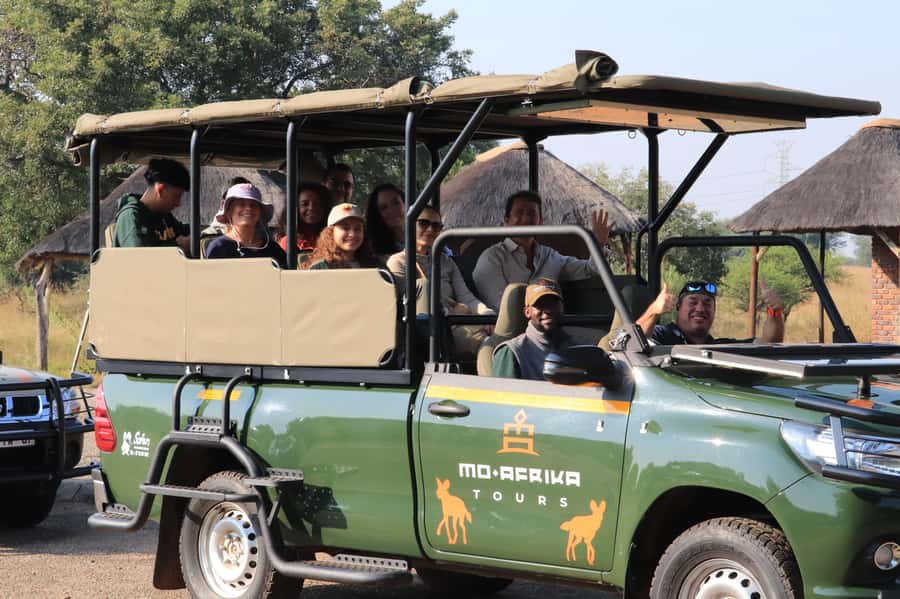
- Two open safari drives with a guide in the best viewing setup for spotting animals safely
- Big 5 chances in a natural, ecologically varied setting where wildlife actually moves through the reserve
- Dam-area bird action with fish eagles, kingfishers, and cormorants circling above water
- Lunch at a waterhole view that can turn a scheduled break into another wildlife moment
- Comfort stops built in for the long transfer, but don’t expect frequent bathroom breaks
Johannesburg to Pilanesberg: the drive that sets the tone
This is a door-to-door full day, around 12 hours in total. You’re picked up from your Johannesburg hotel early morning, then you settle in for the long transfer north-west to Pilanesberg Nature Reserve. It’s part commute, part warm-up: you’ll start seeing hints of wildlife and changing terrain before you even reach the gates.
On the way, the experience is about staying comfortable and mentally ready. In one common pattern, you’ll get bus time with AC, plus brief coffee/snack and comfort breaks on the route. If you’re the type who likes to nap, pack a neck pillow and consider a power bank for phone time, since some transfers include WiFi but it’s not something you should count on to fully power your day.
You can also read our reviews of more tours and experiences in Johannesburg.
Two open-vehicle game drives: how you maximize sightings
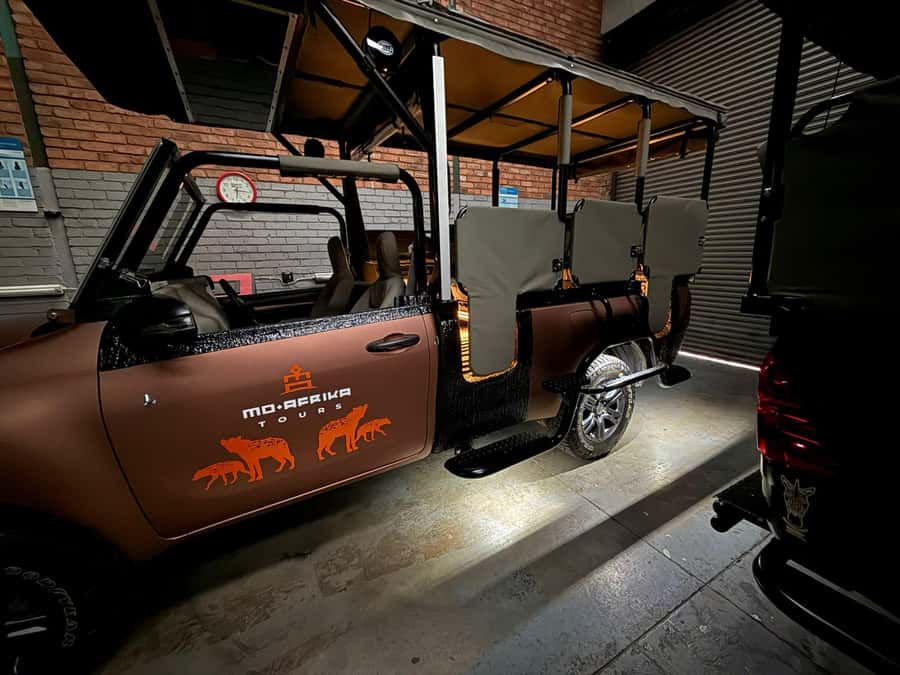
The safari itself is split into two main drives, with a lunch break in the middle. That structure matters because wildlife behavior changes through the day. Early in the morning and later in the afternoon, animals tend to be more active and easier to find, and guides can adjust based on where tracks, water, and sightings point them.
The morning drive: where the day starts
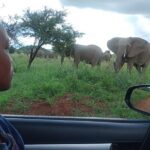
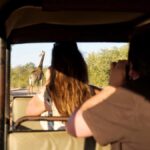
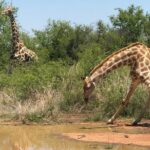
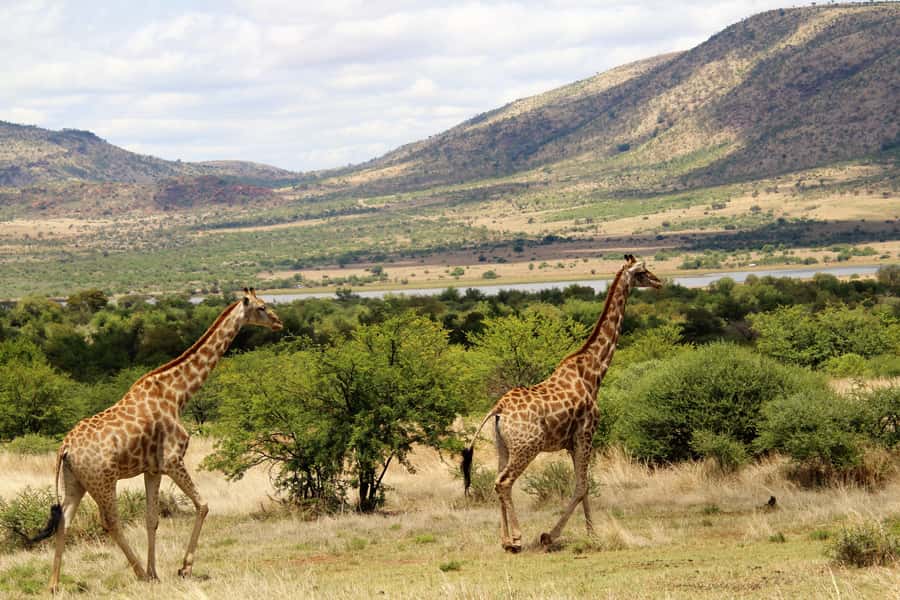
Once you enter Pilanesberg, you jump into the first open safari drive. This is where you often get your first wave of species: zebras and giraffes are frequently seen, along with antelopes and birds. You’ll also see predators only when they’re moving or positioned where the guide can safely get you close enough to observe.
Your guide’s job is not just spotting—it’s reading the habitat. You’ll hear commentary about the reserve’s natural rhythms, and you’ll learn why certain areas draw animals (water sources and grazing zones are big drivers). On the guide side, names like Martin and Petrus show up in past departures for good reason: people consistently highlight their humor and the way they keep searching rather than treating the day like a fixed route.
The midday lunch break: rest, recharge, and try again
Lunch is typically about an hour at a rest camp inside the reserve area. The practical win is timing: you’re off your feet during the hottest stretch, and you also get food without losing the day’s wildlife momentum. The scenic win is bigger: lunch is set up at spots that overlook a waterhole, so animals may drift in while you’re eating.
A fair heads-up: some people find lunch basic or the portion size smaller than expected. If you have a big appetite, I’d bring a small extra snack to tide you over between comfort stops, especially since lunch is the one long sit-down you’re guaranteed.
The afternoon drive: patience pays
After lunch, you head out again for the second open safari drive. This is where you might get closer looks at hippos and crocodiles near water, plus more birdlife around dam areas. The best part is that guides can pivot: if the morning was heavy on grazers, the afternoon might focus on water and movement corridors.
Also, expect the weather to change fast. One trip-style detail you can feel in your bones is this: open vehicles mean wind. Even if the day is warm, the back of the jeep can get chilly, so layers aren’t optional. People have recommended a windproof layer and hat, and that advice checks out.
Big 5 odds in Pilanesberg: what you’re really buying
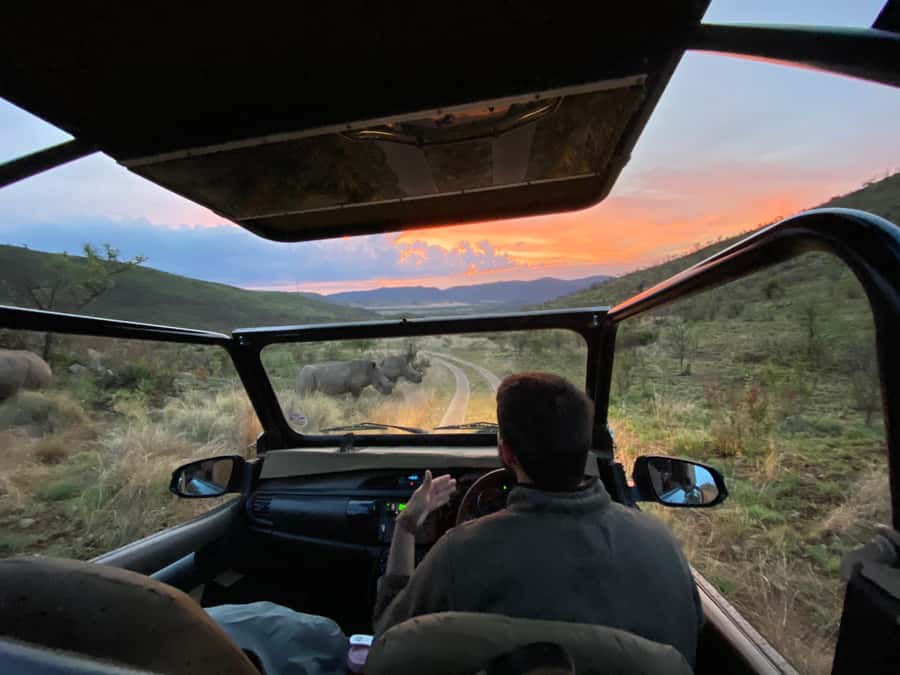
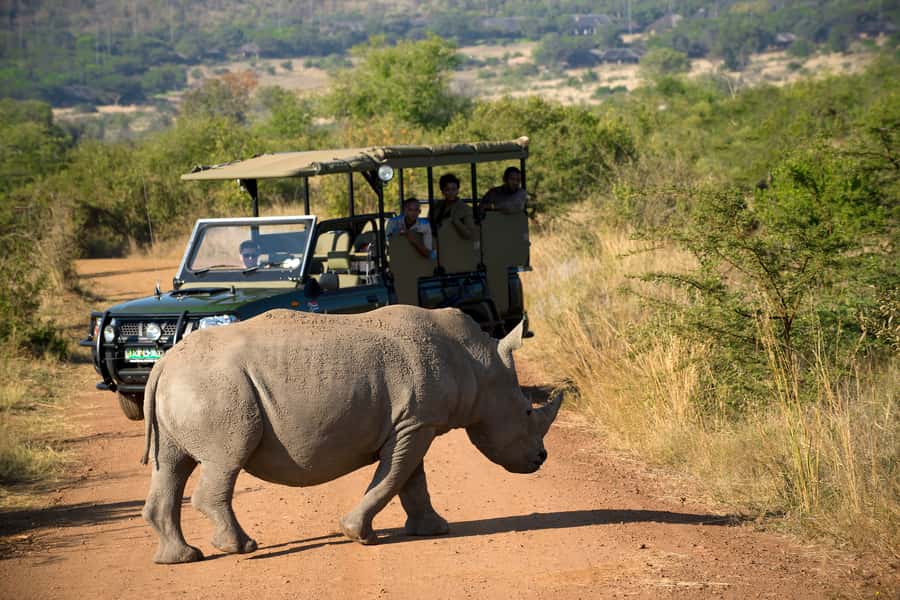
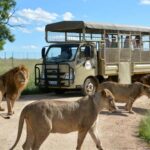
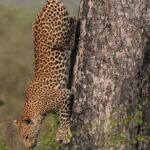
Pilanesberg is known for Big 5 game viewing: elephants, rhinos, buffalo, leopards, and lions. The reality of safari is also simple: you can’t demand any species on any given day. What you can do is choose a reserve and a format that gives you multiple chances with a ranger who hunts actively for sightings.
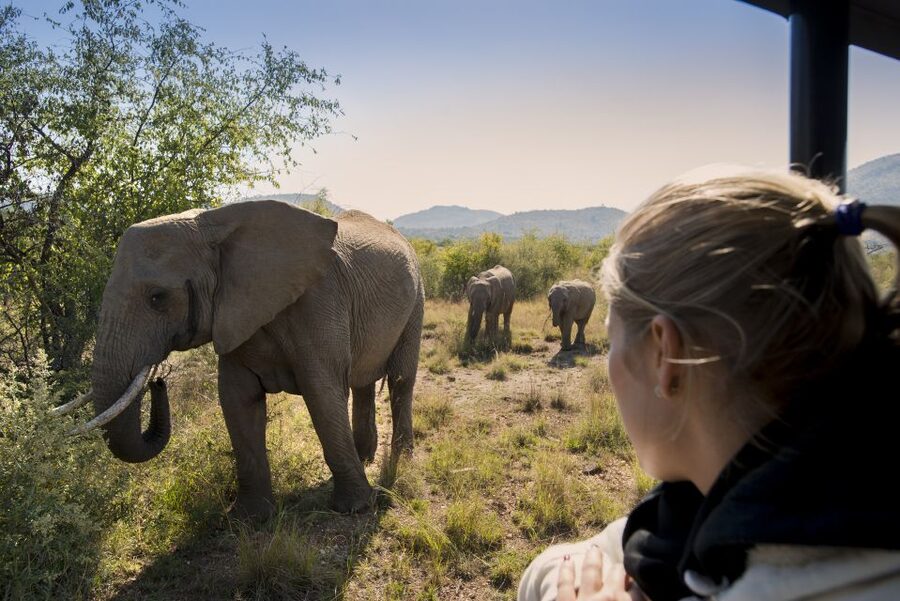
That’s what this day trip is built for. Two drives plus the guide’s ongoing search increases your odds compared with a single short outing. In past experiences, many people report strong sightings of elephants and rhinos, and getting at least a few of the Big 5. Some days miss lions or other predators, and when that happens, you still tend to get the thrill of seeing large mammals in their real habitat—close enough to appreciate behavior, not just distance.
One more nuance: Pilanesberg’s “dry vs greener” feel is part of why the reserve can support such a variety of wildlife. The Kalahari dryness and the greener Lowveld vegetation show up in how the area looks and how animals choose routes for food and water. That means you’re not just ticking off animals—you’re seeing the ecosystem at work.
Birdwatching at the dam: the small win that feels big
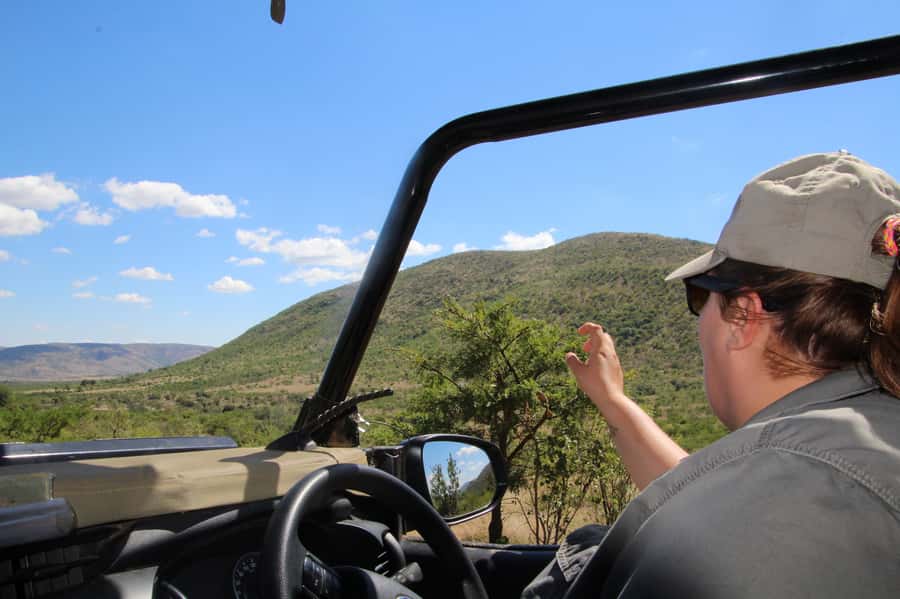
Not every “wildlife highlight” is a roar-and-rush moment. Pilanesberg also delivers birds, including fish eagles, kingfishers, and cormorants circling around dam areas. If you like looking up, scanning tree lines, or watching wings bank against the sky, this part adds real value.
Birds are also useful to guides. When you see water-adjacent birds moving confidently, it often signals a zone that animals use too. So even if your main goal is Big 5 sightings, the bird action is part of how the day becomes a connected experience instead of isolated sightings.
Lunch at a rest camp overlooking waterhole: why it’s more than a meal
This safari gives you a proper break rather than rushing you through the reserve with no time to reset. Lunch is included, and it’s served in a rest camp within the game reserve area.
Here’s what makes it work for you:
- You’re off the vehicle for long enough to breathe, stretch, and cool down.
- You’re placed where you can keep watching the reserve while you eat.
- It breaks up the day so the afternoon drive feels like a new chapter, not just a replay.
If you’re the type who’s used to safari restaurants that feel like a theme park, you may notice this is more functional than fancy. Still, a waterhole view can do more than any menu choice when animals decide to show up.
What to pack for open-jeep wind and temperature swings
Your packing list is small, but it has a job. Here’s what will actually make the day easier:
- Sun hat and sunscreen for the hot daytime hours
- Camera (and binocs if you have them), because sightings can be brief and you’ll want clear follow-up looks
- Passport or ID card for entry needs
- A jumper or light warm layer for the open drive—especially mornings, when wind can feel sharp
- Light clothing for midday heat, plus something to cover shoulders if you burn easily
If you’re worried about comfort, add one practical item: a neck pillow helps on the long transfer in both directions. People also suggest windproof layers and gloves for winter-style chilly mornings, which makes sense when you’re sitting in open air for hours.
Price and the conservation fee: how to judge real value
The tour price is listed as $186 per person, and it includes hotel pickup and drop-off, two open safari drives, and lunch. That’s a straightforward bundle: transport + guide + your two main wildlife sessions.
But the key cost detail is the conservation fee. This is payable at the gate and isn’t included in the base price:
- R 500 per person for international visitors
- R 275 per person for SADC nationals
- R 168 per person for South African residents
So the “real” cost depends on your category, and on that basis the value question becomes: are you getting enough safari time to justify the total? In this format, you’re spending about 4.5 to 5 hours on game drives, which is a solid chunk for a day trip from Johannesburg. If you only had one drive, the odds would drop. Here, the schedule gives you two tries, and the guide’s active searching pushes the experience beyond a passive ride.
Who should book this day trip, and who should skip it
This is a great fit if you want:
- A full-day safari with two drives, not just a quick taste
- English live guiding
- A guided, structured day that works well for first-timers starting in Johannesburg
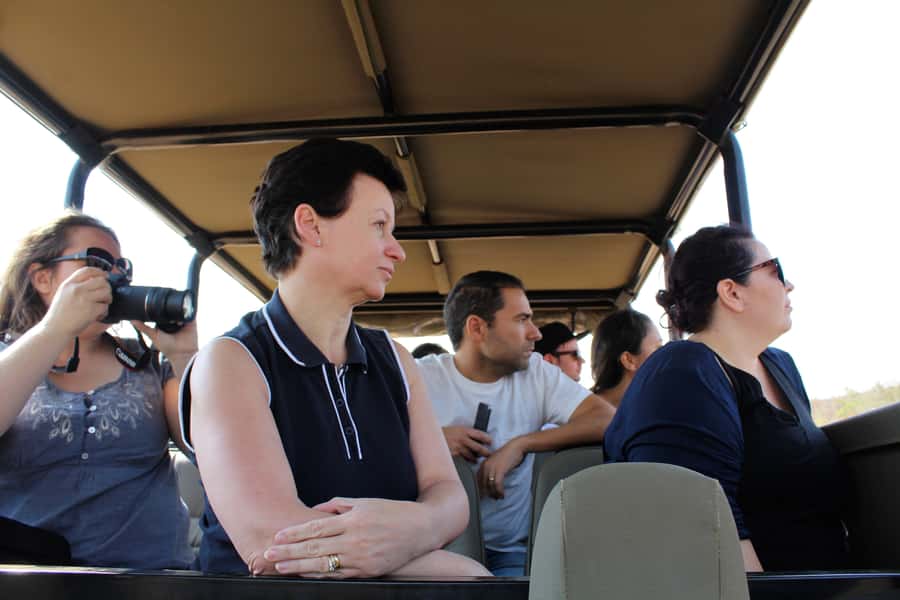
It can also be a strong option for solo travelers since the day is organized with pickup and return and you’re in a group setting with guides operating the vehicle. People also describe feeling looked after and safe, which is exactly what you want when you’re spending hours in open-air vehicles.
On the other hand, it may not be ideal if:
- You travel with very young kids (it’s not suitable for children under 4)
- You’re traveling with a child aged 0 to 5, since you’ll need a private tour option
- You hate long days and early starts (it’s a 12-hour experience door to door)
Wheelchair accessibility is listed as available, which is a positive point. Still, open-vehicle safaris involve transfers and vehicle access, so it’s worth confirming day-of specifics with the provider when you book.
Final say: should you book the Johannesburg to Pilanesberg safari day trip?
If you have one day and you want the best shot at seeing wildlife without complicated logistics, I’d book this. Two drives are the big reason. They give you time for morning activity, a real break at lunch, and then another chance when conditions shift in the afternoon.
Do it if your priorities are:
- Big 5 possibilities plus plenty of other animals
- Expert guide-style commentary and active searching
- A waterhole lunch that keeps the day feeling alive
Skip it if you’re extremely weather-sensitive, dislike long transfers, or you’re traveling with kids who fall below the age suitability limits. In those cases, you may want a different safari format that reduces time on the road and improves comfort.
FAQ
What does the tour include?
The tour includes hotel pickup and drop-off in Johannesburg, two open safari drives (with a combined game-drive time of about 4.5 to 5 hours), and lunch (about 1 hour). You’ll also have a live English guide/ranger during the safari.
Do I need to pay anything at the gate?
Yes. A Pilanesberg National Park conservation fee is payable at the gate: R 500 per person for international visitors, R 275 per person for SADC nationals, and R 168 per person for South African residents.
What animals and birds can I expect to see?
You may see Big 5 species (elephants, rhinos, buffalo, leopards, and lions) along with many other animals such as zebras, giraffes, cheetahs, hyenas, hippos, crocodiles, jackals, and antelopes. Birdlife can include fish eagles, kingfishers, and cormorants around dam areas.
How long is the day, and how much time is spent on safari drives?
The full tour duration is about 12 hours. You’ll spend between 4.5 and 5 hours total on game drives, split into two open-vehicle safari sessions with lunch in between.
What should I bring for the open safari vehicles?
Bring your passport or ID card, a sun hat, and a camera. Pack a jumper or warm layer for the open drive because it can feel chilly, especially in the morning, and dress light for the hotter daytime hours.
Is the tour suitable for children?
It’s not suitable for children under 4. If you’re traveling with a child aged 0 to 5, you’ll need to book a private tour.