REVIEW · JOHANNESBURG
Johannesburg: Affordable 3 Day Kruger Park Safari
Book on GetYourGuide →Operated by Viva Safaris · Bookable on GetYourGuide
Kruger in just three days can feel fast. This one is built around maximum time on safari plus a couple of very “Africa” style moments, like a sunset drive and a night drive with spotlights, not screens. I especially like the open-sided game viewer setup and the early on-foot time along the Klaserie River. One thing to consider: with a Johannesburg departure, you trade some time for road travel, and wildlife sightings can’t be guaranteed.
The small-group limit (9 people) keeps things calm, and the schedule is designed so you’re not staring at a clock all day long. Day 2 focuses on the Orpen/Satara/Nwanedzi region for big-herd country and predator action, then you finish with the Blyde River Canyon viewpoints and the Three Rondawels. The main drawback I’d plan around is that lodge standards can be basic depending on room and condition, and some past guests noted issues like dirty or scuffed luggage on arrival.
In This Review
- Key things that make this safari worth your attention
- Three days of Kruger from Johannesburg: how the time is spent
- Open vehicle game viewing: why it feels different in Kruger
- Day 1: Tremisana Lodge, sunset drive on Balule, and a real bush BBQ night
- Day 2: Orpen Gate to Masango via big-herd plains in Kruger
- Day 3: bushwalk on the Klaserie River plus Blyde Canyon’s Three Rondawels
- Price and what $846 really buys you (and what it doesn’t)
- Lodges and comfort: what you should expect at Tremisana and Masango
- Who this 3-day Kruger safari suits best
- Final verdict: should you book?
- FAQ
- How long is this Johannesburg to Kruger safari?
- Where does the safari operate?
- What’s the group size?
- Do you get open-vehicle game viewing in Kruger?
- Is there a bushwalk on the itinerary?
- What meals are included, and what’s not?
- Is drinks included?
- What time do you return to Johannesburg on the last day?
Key things that make this safari worth your attention
- Open-sided Kruger drives mean fewer glass barriers and a better sense of the bush (sound and smell included).
- Sunset drive on Balule gives you golden-hour eyes for animals moving toward water and cover.
- Morning bushwalk on the Klaserie River puts you in the habitat, not just above it.
- Night drive with spotlights adds the nocturnal side many short safaris skip.
- Orpen/Satara/Nwanedzi region targets areas known for strong predator presence due to prey concentrations.
- Blyde River Canyon and Three Rondawels turn your trip into more than just wildlife days.
Three days of Kruger from Johannesburg: how the time is spent
This is a classic “wildlife first” plan. The goal is simple: get you out of Johannesburg, put you on safari quickly, then keep you moving in ways that actually increase your odds of seeing animals.
Because the group starts from O.R. Tambo Airport or central Johannesburg hotels, you’ll want to be realistic about the amount of driving involved. This isn’t a slow, leisurely retreat. It’s a packed three-day sprint that uses every daylight window for game viewing and then uses the last day to add the big scenic hits near Blyde River Canyon.
If your priority is lots of time inside Kruger itself, you might feel the pinch. If your priority is a memorable first Kruger safari without spending a week on the road, this format can make a lot of sense.
You can also read our reviews of more tours and experiences in Johannesburg.
Open vehicle game viewing: why it feels different in Kruger
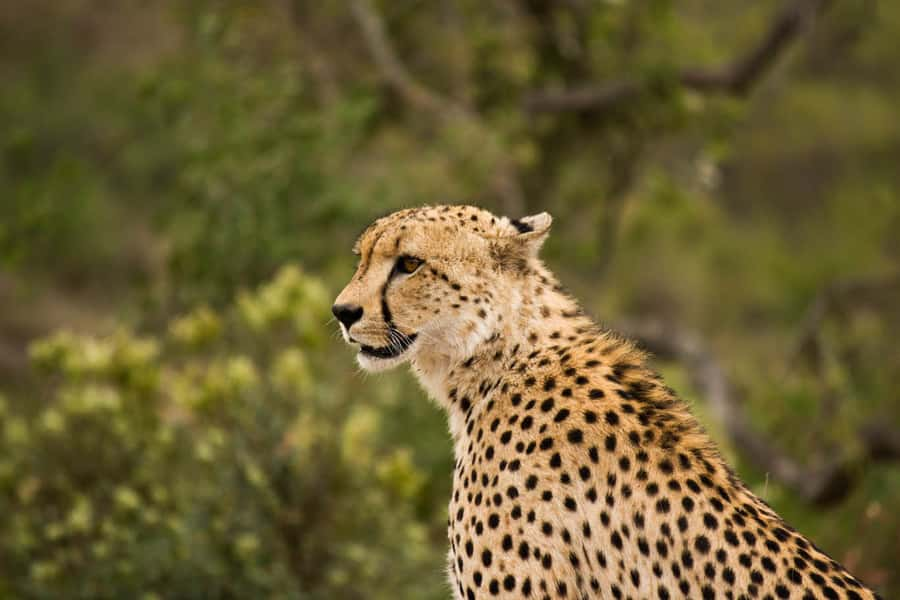
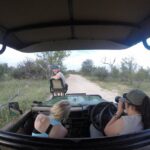
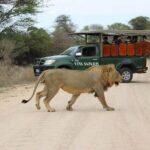
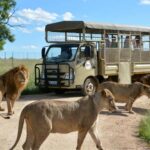
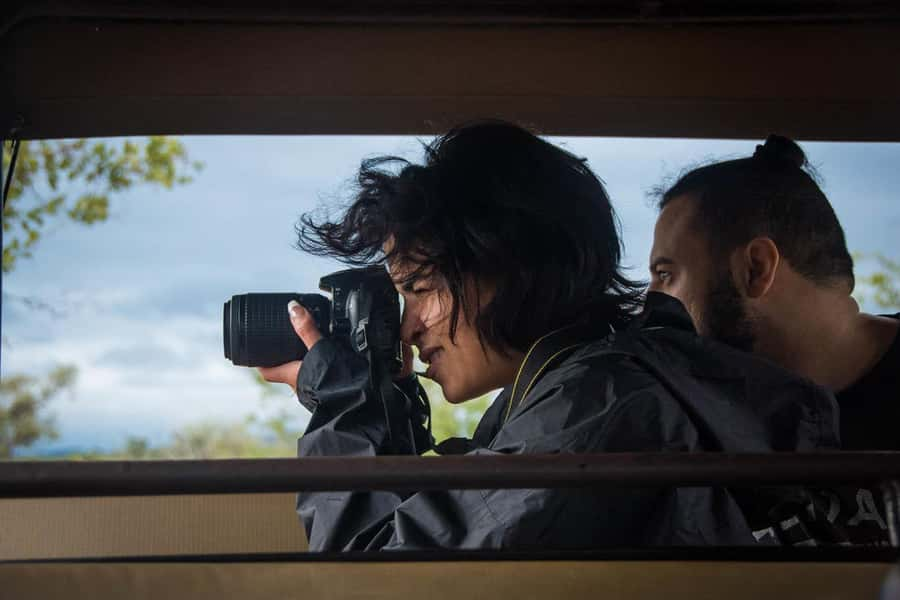
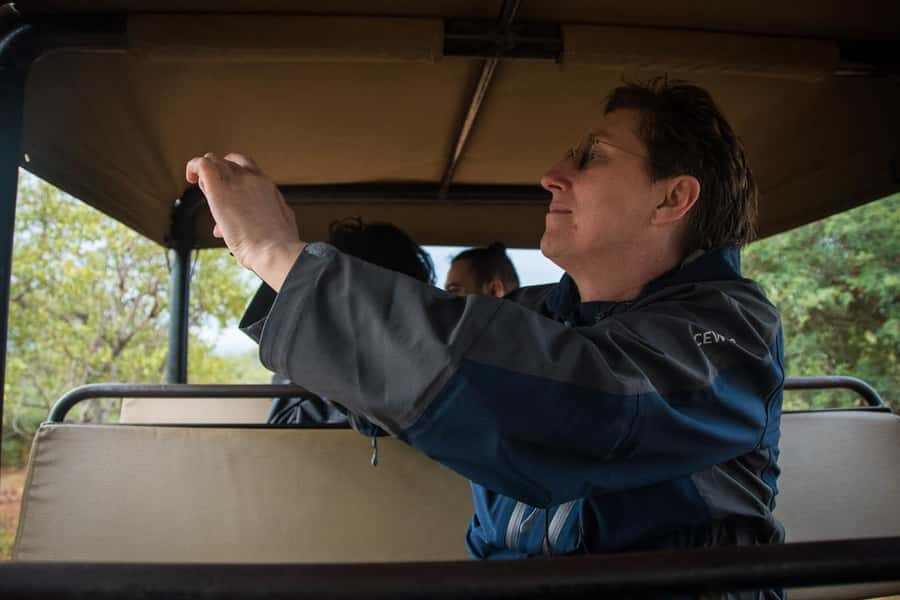
The biggest practical upgrade here is the custom-built open-sided game viewer used for Kruger drives. Closed vehicles are fine, but open sides change your experience in three ways.
First, you tend to notice more. Sounds carry differently, and you pick up that dry heat smell and animal wind-signs faster. Second, it helps you react quickly—when an animal appears on the edge of a thicket, you’ll turn with the group instead of waiting for a window angle. Third, it’s simply more “there.” You’re not looking through glass.
That said, open vehicles also mean you’ll feel the weather. Bring a light layer for early mornings and a hat/sunglasses for the brighter hours. If you’re sensitive to dust, plan for it—Kruger roads can kick it up.
Day 1: Tremisana Lodge, sunset drive on Balule, and a real bush BBQ night
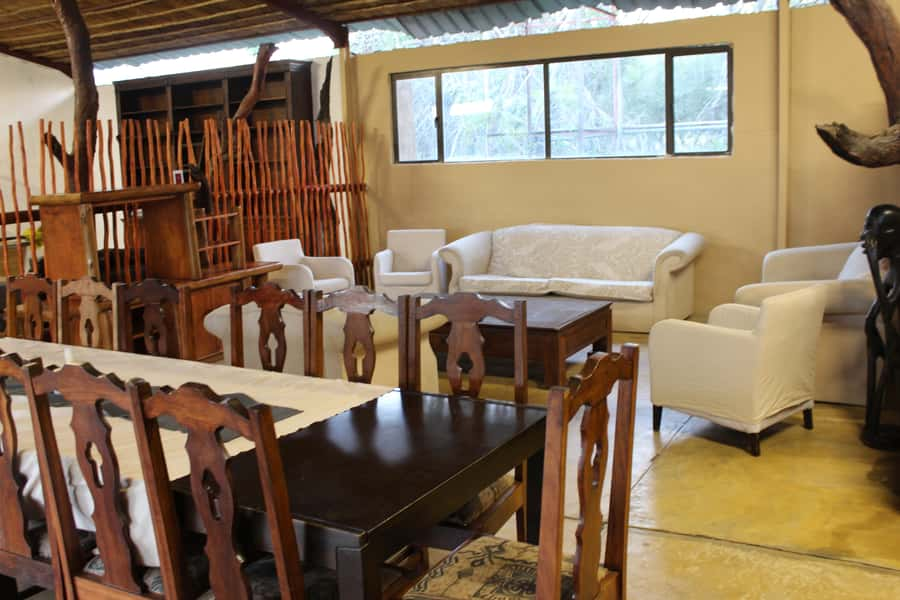
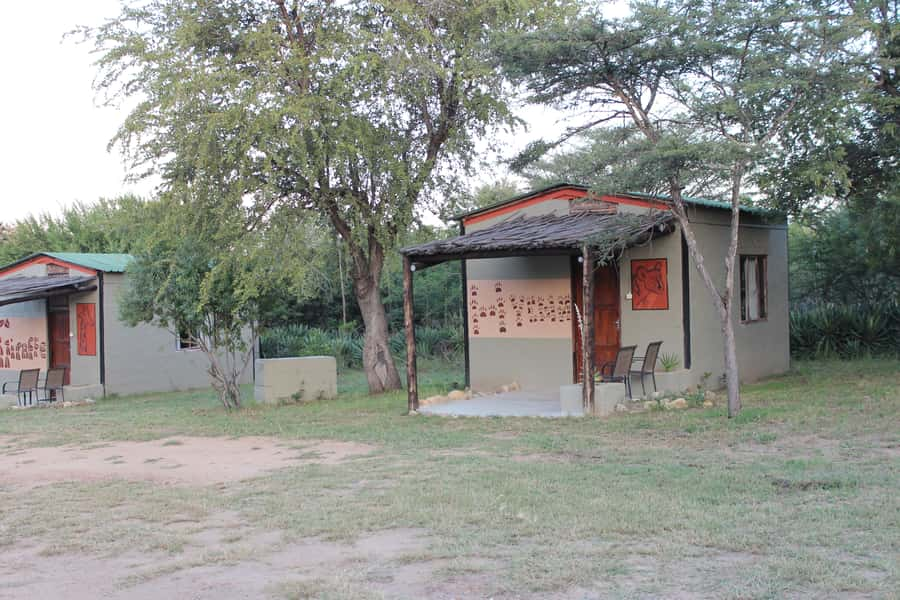
Day 1 is your warm-up into safari mode. You’re picked up from your Johannesburg hotel or the airport, then driven to Tremisana Game Lodge. You get time to settle in, and there’s even an option to swim or rest before the serious wildlife hours.
After that, the safari starts with an open Land Cruiser sunset drive. Sunset matters. Animals often move more actively as temperatures drop, and you get long light for spotting—plus a more dramatic sky for the whole experience.
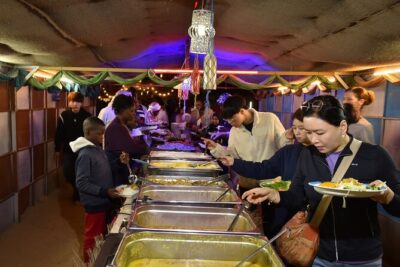
As the day turns dark, the plan shifts to nocturnal searching. You use spotlights to find animals after dark during a night drive, then return for an unforgettable bush BBQ dinner. That combo—sunset, then night driving, then eating outdoors—tends to be the moment many people remember most from “short” safaris.
Practical note: night drives can be cold if you’re traveling in cooler months. Bring something that blocks wind.
Day 2: Orpen Gate to Masango via big-herd plains in Kruger
Day 2 is the core Kruger day. You head to the Orpen Gate and board your open-sided game viewer, not a closed vehicle. From there, your route runs through the Orpen–Satara–Nwanedzi region.
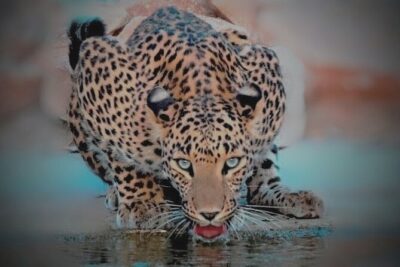
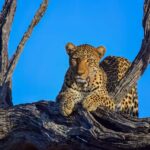
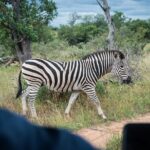
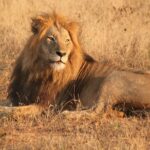
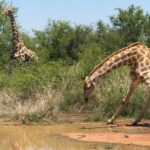
Why that area? The open plains in this part of Kruger are great for seeing large herds: zebra, giraffe, and other antelope. When prey is concentrated, predators have a better chance of being around to take advantage. The plan also points you toward one of the reasons this zone is famous: it’s associated with a high concentration of lions.
During the day, you’ll have regular stops—picnic spots, rest camps, and points of interest. Those breaks matter. They give you a chance to stretch, grab lunch at stops where purchasing is available, and reset your eyes before the next drive segment.
By evening, you move to Masango for dinner and overnight. This is a good “end of day” choice for keeping the Kruger momentum going rather than pulling you out too early.
Day 3: bushwalk on the Klaserie River plus Blyde Canyon’s Three Rondawels
The third day starts in the way many wildlife fans hope a safari will: on foot. You go for an early morning game walk along the Klaserie River, led with an armed guard. That detail matters—this is not a casual nature stroll. It’s about exploring animal country while staying within a structured safety setup.
On-foot time changes your spotting style. From a vehicle, you scan for movement and distance. On foot, you notice sign—tracks, scat, sounds, and the way birds react. You also get a stronger sense of scale: the bush isn’t just a backdrop. It’s the whole world.
After breakfast and the walk, the plan pivots from wildlife to scenery. You drive to the Three Rondawels in the Blyde River Canyon area. This is where the trip becomes a double win: animals in Kruger, then classic South African viewpoints outside the park.
You’re back in Johannesburg around 17h00, with airport drop-offs by 5pm. Build your flights with that reality in mind, including time for check-in and boarding.
Price and what $846 really buys you (and what it doesn’t)
Let’s talk value in plain terms. At $846 per person for 3 days, you’re paying for a package that includes:
- Entrance, conservation fees, and taxes
- Breakfasts and dinners
- All game drives and bush walks
- Pick-up and drop-off at O.R. Tambo or a Johannesburg hotel
Not included are lunches on transfer days and during the full Kruger day (you stop where lunch can be purchased), plus drinks (the lodge runs a cash bar) and personal items. Flights aren’t included either—so your total trip cost depends on how you arrive in South Africa.
Here’s how I’d judge the value: you’re not paying extra to figure out logistics, and you’re not paying for multiple drivers/vehicles on your own. The open-vehicle safari format and the guided bush walk are also parts of the package—not add-ons you haggle for.
Where the price can feel “off” is if you expected a leisurely, high-sighting guarantee. Kruger wildlife is always chance plus patience. If your expectations are built around a very specific sighting—like seeing a particular pride with cubs—short safaris can sometimes disappoint. The schedule is efficient, not infinite.
Lodges and comfort: what you should expect at Tremisana and Masango
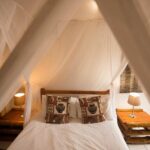
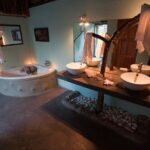
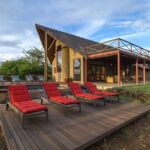
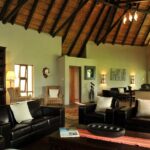
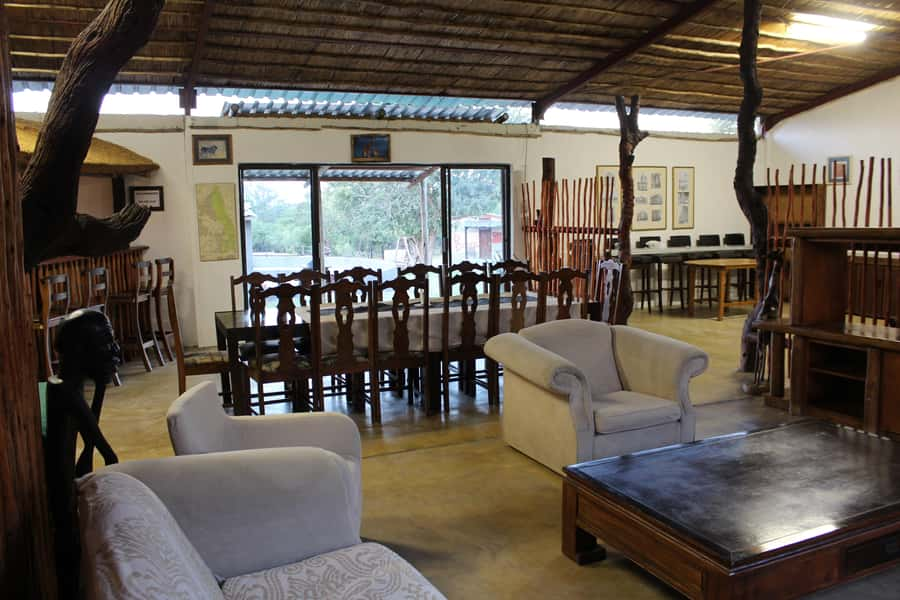
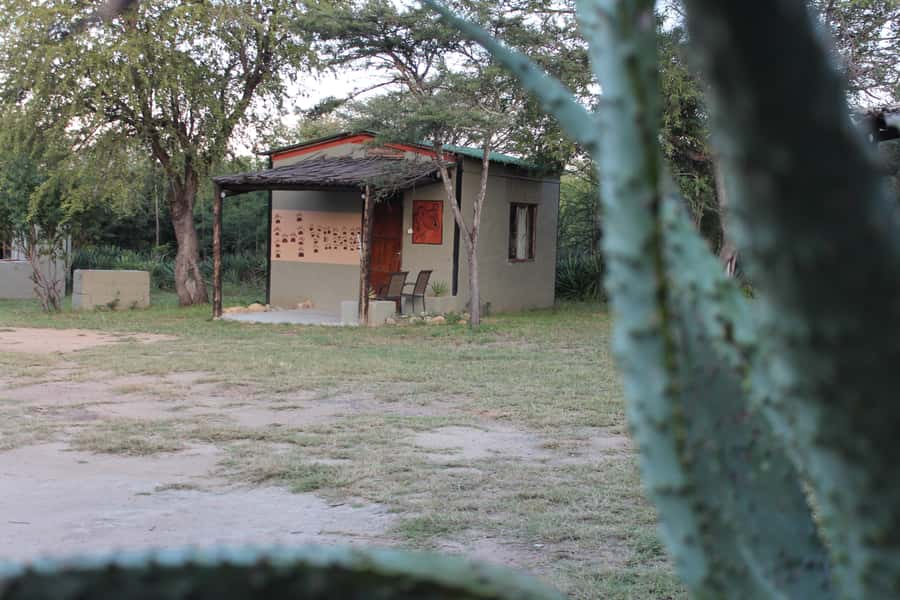
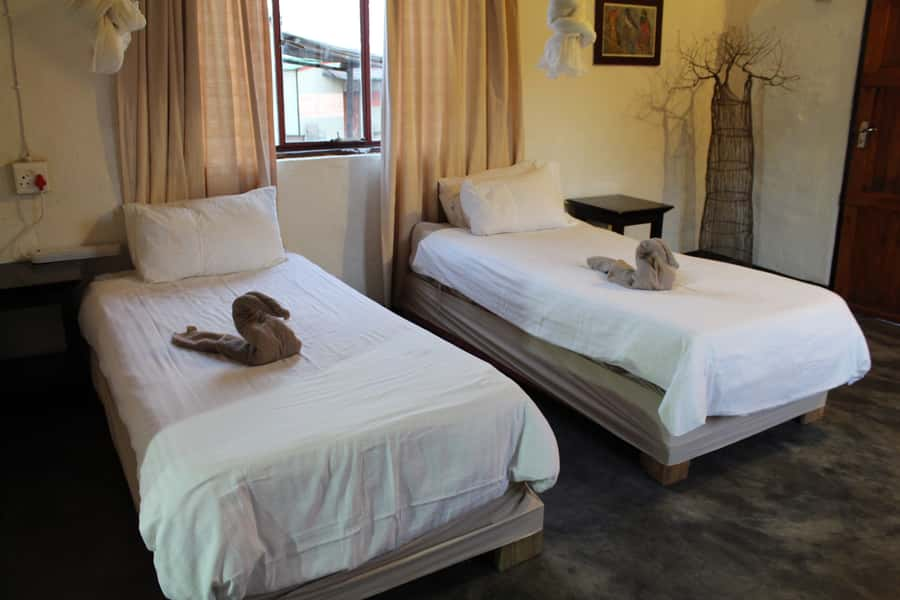
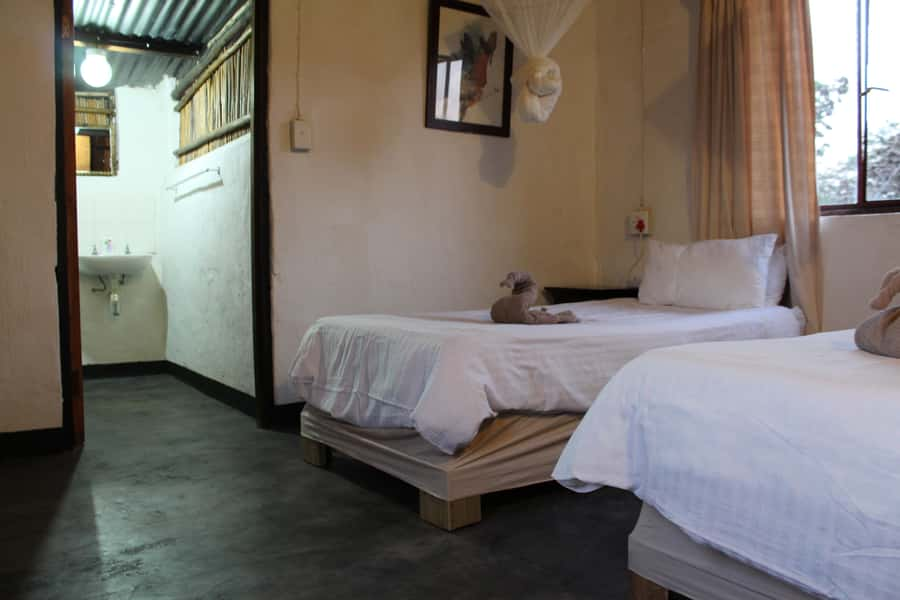
The accommodations are described as en suite air-conditioned chalets at Tremisana, which is a strong practical touch after hot drives and dust-filled days. Masango includes dinner and overnight as well.
Still, comfort in safari packages can be uneven. Some past guests described lodge areas as a bit rundown while still noting that beds were freshly made and generally clean around what matters most for sleeping. Another recurring practical complaint was luggage arriving dirty, with at least one report of damaged luggage handles or wheels.
So here’s my advice: pack smart for safari transport. Bring a sturdy bag cover or a trash bag for the outside. Expect dust. Don’t overpack fragile luggage parts. And if you’re traveling with soft bags, secure zippers well.
You’re doing this for the safari days, but I’d rather you go prepared than surprised.
Who this 3-day Kruger safari suits best
This one is a strong fit if you:
- Want a first Kruger safari from Johannesburg without needing to plan your own route.
- Love guided structure (small group, English guide, scheduled drives and walks).
- Prefer open-vehicle viewing and want that more direct bush feeling.
- Are okay with basic-to-moderate lodge standards in exchange for more animal time.
It may be a weaker fit if you:
- Want maximum nights inside Kruger itself (this trip is a sprint).
- Have a strict wishlist of one rare animal moment. Even the best planning can’t force sightings.
- Are extremely sensitive to lodging condition or to the possibility of luggage getting scuffed in transfers.
Final verdict: should you book?
I’d book this safari if you’re aiming for a compact, high-energy Kruger-from-Johannesburg experience that doesn’t waste daylight. The open-vehicle drives, the Balule sunset segment, the Klaserie morning walk, and the extra Blyde River Canyon stops make it feel like a full trip, not just a long drive to and from the park.
Just be honest with yourself about expectations. This isn’t a guarantee of seeing everything. It’s a well-focused plan that gives you multiple chances—sunset, full Kruger day, night drive, and an on-foot morning—to meet the bush on its terms.
If you want, tell me your travel month and your top priority sighting (lions, leopards, elephants, birds). I can help you decide whether three days is the right length for your goals.
FAQ
How long is this Johannesburg to Kruger safari?
It runs for 3 days.
Where does the safari operate?
The safari includes time in Kruger National Park and scenic stops around Mpumalanga, South Africa.
What’s the group size?
It’s a small group limited to 9 participants.
Do you get open-vehicle game viewing in Kruger?
Yes. You travel in a custom-built open-sided game viewer for the Kruger National Park day, so you can view wildlife without glass windows.
Is there a bushwalk on the itinerary?
Yes. On the morning of day 3, you’ll do a bushwalk along the Klaserie River with an armed guard.
What meals are included, and what’s not?
Breakfasts and dinners are included. Lunches are not included on transfer days and on the full Kruger day—you stop at places where lunch can be purchased.
Is drinks included?
No. Drinks are not included, and the lodge has a cash bar.
What time do you return to Johannesburg on the last day?
You return around 17h00, and airport drop-offs are by 5pm, so you’ll want flights that allow time for check-in and boarding.