REVIEW · KENYA
From Mombasa/Mtwapa/Diani/Tiwi: Tsavo East Full-Day Safari
Book on GetYourGuide →Operated by Explore PhotoTrip · Bookable on GetYourGuide
One day in Tsavo East feels like a whole Kenya chapter. You get two game-drive windows, a real shot at Tsavo’s famous Red Elephants, and a guide who helps you read animal behavior on the move. It’s a long day, but the sightings and the scenery make it feel fast.
I especially love the way the trip structures time: you start with a focused first push into the park and then get a second drive later, when animals often shift their routines. I also like the human part. Guides such as Musa and Beka are singled out in past trips for being calm behind the wheel and quick with information and photo stops.
The main drawback is the ride time. The journey from the Coast can be 3 to 3.5 hours each way, and the return drive can feel brutal in heat and traffic, with some vehicles noted as lacking air conditioning.
In This Review
- Key points at a glance
- Tsavo East in one day: what you’re really buying
- Getting from the Coast to Tsavo East (and why it matters)
- The early rhythm: pickup, breakfast stop, and washroom timing
- Game drive #1: the first 3 hours inside Tsavo East
- Game drive #2: the extra 2 hours that often make the day
- Red Elephants and the photo stops that actually help
- Lunch inside the park area: break, view, and reset
- Cost and value: how the US$200 turns into a real budget
- What to pack so you’re comfortable in the bush day
- Who should book this Tsavo East day safari
- Booking decision: should you go, or choose a longer safari?
- FAQ
- FAQ
- How long is the Tsavo East full-day safari?
- Where are the pickup locations for this safari?
- What is included in the price?
- What are the park entry fees?
- Are lunch and drinks included?
- What language is the guide, and is water provided?
- What should I bring for park entry and lunch payments?
- Is the safari suitable for pregnant women?
Key points at a glance
- Red Elephants: rust-colored dust baths and the kind of elephant behavior you remember for years
- Two game drives: first for big sightings, second to catch what you missed
- English-speaking guides: named guides like Musa and Beka show up as standouts
- Picnic/bush lunch stop: a break inside the action, not just a roadside stop
- Park fees extra: adult entry is US$80, plus food/drinks cost on top
Tsavo East in one day: what you’re really buying
This safari is built for people who don’t have the time (or budget) for a multi-day trip but still want real wildlife time, not just a quick photo stop. You’re paying for vehicle transport, guided game drives, and a driver-guide who knows where to slow down and scan.
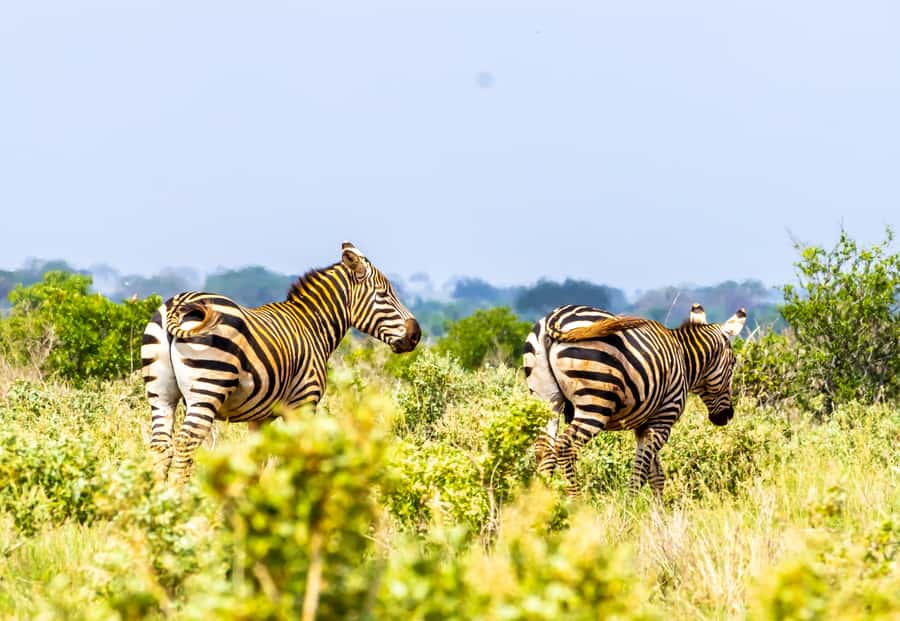
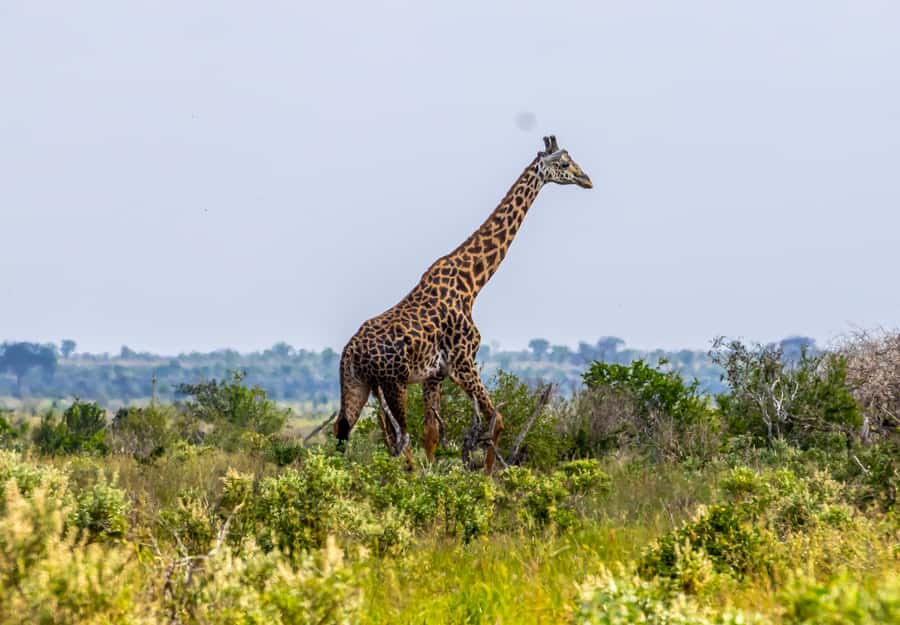
What you’ll feel most is pacing. In one day, you won’t learn every species or see every big predator. But you will get enough hours in the park to shift from guessing to recognizing patterns—elephants moving to water, giraffes drifting through open areas, zebras keeping close to safe cover, and birds acting like tiny weather vanes for where life is stirring.
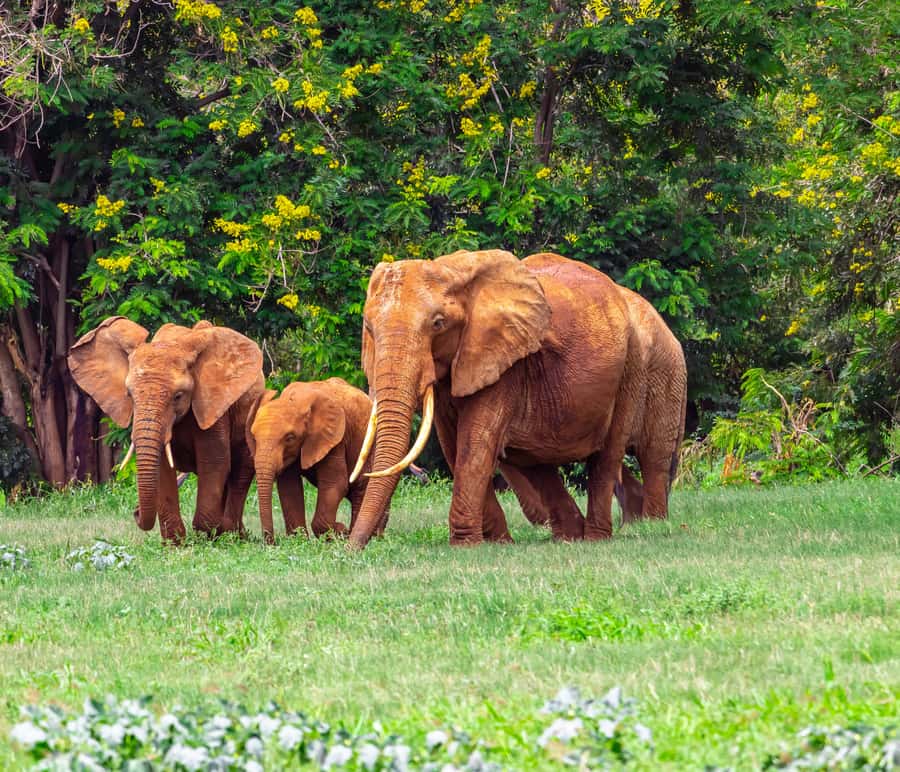
You also get the Tsavo East identity. This park is known for its distinct elephant look: the Red Elephants that kick up rust-colored dust during dust baths. That dust-bath behavior isn’t a gimmick. It’s a real, visible routine that changes how elephants stand, splash, and settle—so when you see it, it feels like you’ve stumbled onto a local highlight rather than a random animal encounter.
Getting from the Coast to Tsavo East (and why it matters)
Your day starts with pickup from the Coast zone, with options including Mombasa, Shanzu, Mtwapa, Diani Beach, and Tiwi. The total trip time is listed as 10 hours, but the real variable is that travel to the park is usually 3 to 3.5 hours from your pickup point.
That long drive does two things for you:
- It gets you into the park early enough for better wildlife activity.
- It sets expectations. You’ll be tired. You’ll sweat. You’ll be ready for the first drive.
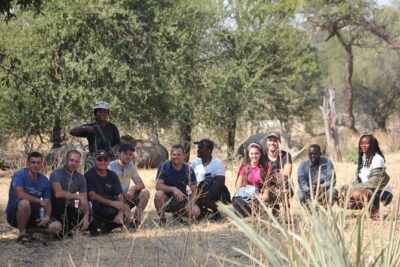
You’re in a shared safari van, so you should plan for a mix of people, not a private experience. The upside is value: shared transportation helps keep the price realistic for a full day out.
Also, it’s worth noting the vehicle comfort can vary. In past experiences, some travelers flagged an older bus/van and mentioned no air conditioning. That doesn’t stop the trip from being good, but it does mean you should pack smart for heat and sun.
The early rhythm: pickup, breakfast stop, and washroom timing
Before you enter Tsavo East, there’s a short stopout for breakfast and washrooms—about 15 minutes, plus a 30-minute breakfast window is built into the schedule. This matters more than it sounds. If you don’t plan for it, you spend your first hour in the park distracted.
Here’s how to use it well:
- Eat something light and easy to digest.
- Use the washroom even if you don’t feel desperate. You may not get chances once the game drive begins.
- Bring your water habits into play. Drinking water is provided in the van, but you’ll still want to manage your own pace in the heat.
If you’re prone to headaches or sun fatigue, this is the point where you prevent the rest of the day from going downhill. Sunscreen and sunglasses aren’t optional here.
Game drive #1: the first 3 hours inside Tsavo East
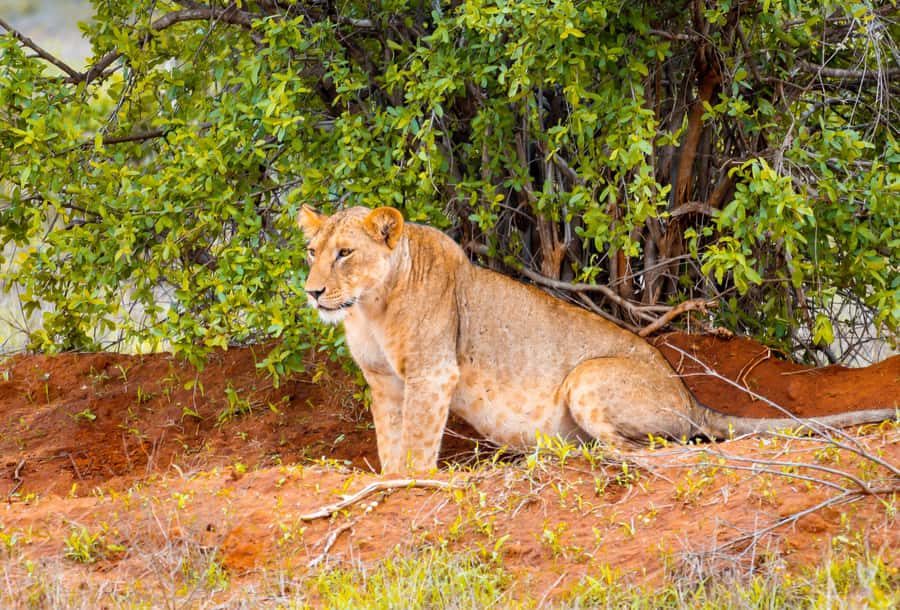
Your first guided session is about 3 hours of game drive and wildlife viewing. This is where you set the tone for the day.
Why the first drive feels different:
- Animals often show themselves more when you arrive early, especially around movement corridors and open viewing areas.
- Your guide can build a route based on what they’re seeing, not what they hope to see later.
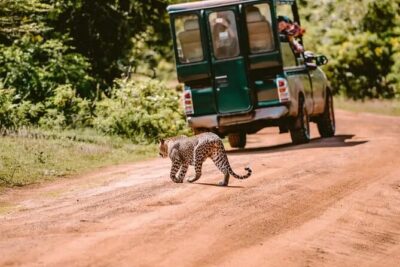
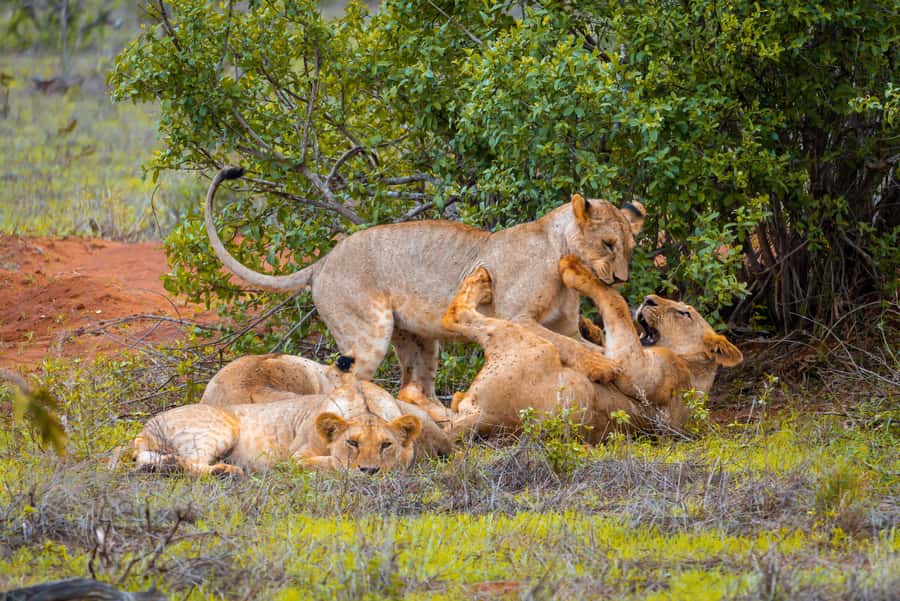
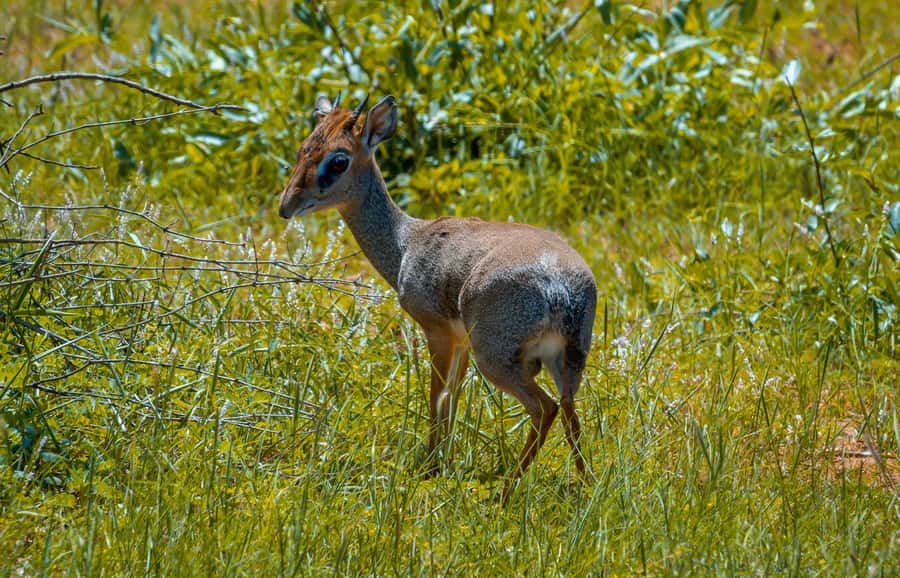
You’re likely to spot a broad mix of animals in this first push—giraffes, zebras, buffalo herds, and a variety of birds are all specifically part of what you’re looking for. From previous trip experiences, people also commonly report warthogs, antelope, ostrich, and elephant encounters so close they can feel unreal.
Even with the best planning, wildlife sightings aren’t guaranteed. That’s not a cop-out; it’s the reality of a wild park. The good news is that Tsavo East isn’t a one-species park. It’s active wildlife country, so even if one big cat sighting doesn’t happen early, you still get plenty of living scenes.
Game drive #2: the extra 2 hours that often make the day
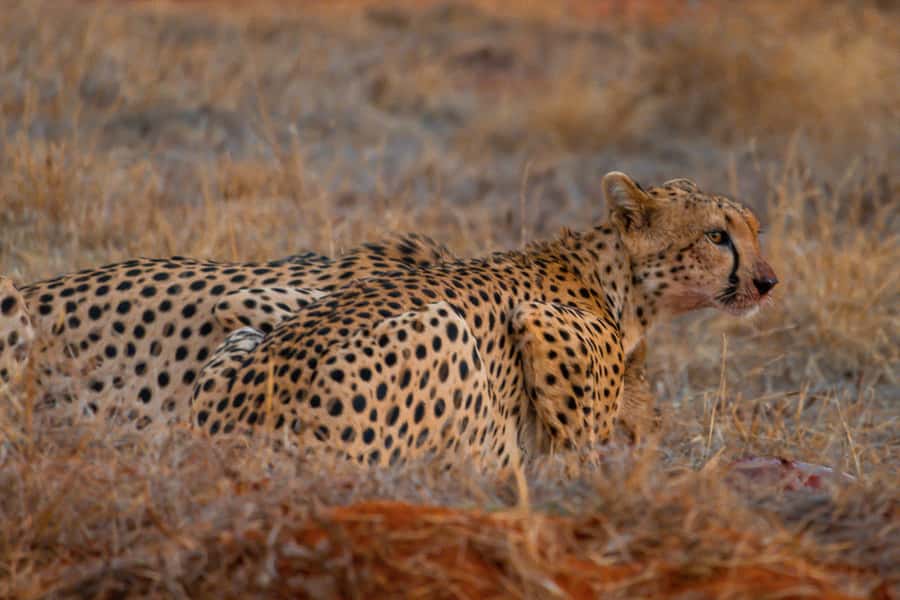
After lunch, you head back for a second drive session of about 2 hours. This part is easy to underestimate. It’s shorter, yes, but it often catches what the morning couldn’t.
Wildlife shifts through the day. Some animals move more in the morning, others drift or feed later. Predators also time their movements. That’s why the second drive can feel like a different safari.
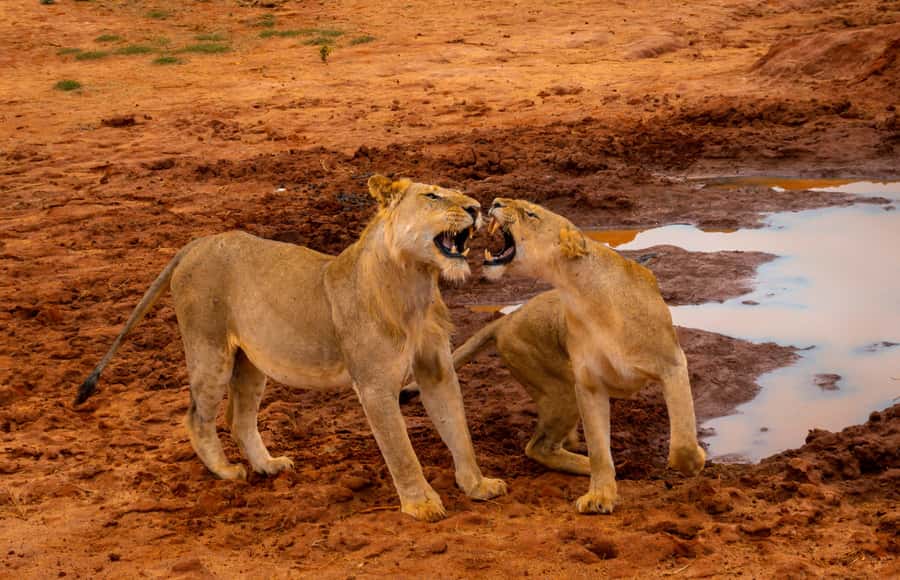
In past experiences, this is also where people report seeing additional lions or more elephant behavior, even if the morning was heavier on general sightings. Guides often use this window to refine their route based on what’s happened during the day.
Red Elephants and the photo stops that actually help
Tsavo East’s big headline is the Red Elephants, but what makes them special isn’t only their color. It’s what they do with dust baths. When elephants dust-bath, you see how they choose spots, how they roll and settle, and how the dust changes their silhouette. It’s action you can track, not just a still moment.
Your guide’s job during game drives is to connect sightings with the right angle and timing. Several trip accounts praise guides for stopping in perfect positions for photos and for taking extra time once animals appear.
That’s the difference between:
- seeing an animal
- and seeing enough behavior to feel like you understood the encounter
If you want to maximize your odds, keep your camera ready but your eyes moving too. When you spot animals yourself, you’ll start to predict where more might appear nearby—especially around elephant paths and water-linked areas.
Lunch inside the park area: break, view, and reset
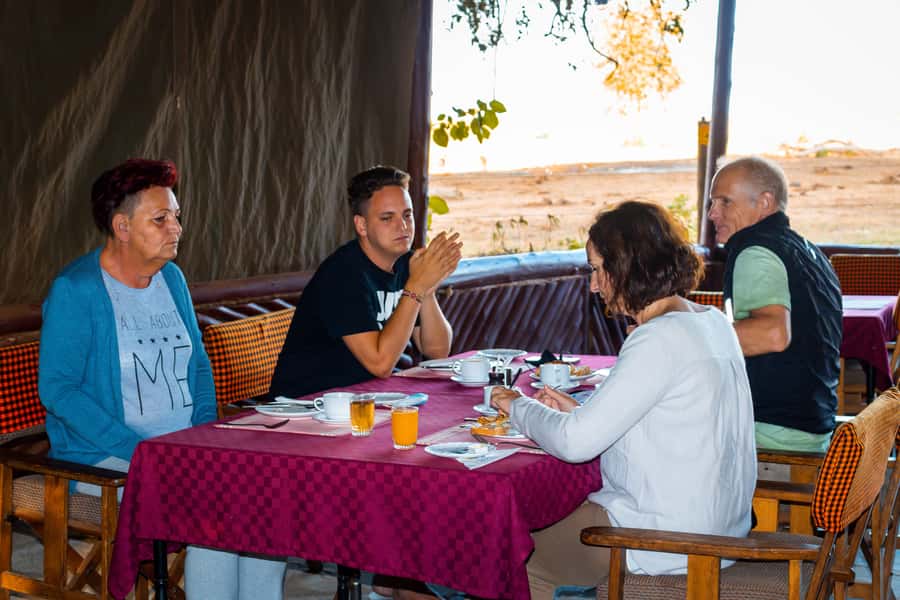
Lunch is a 1-hour stop at a local restaurant/lodge setting in the park area. The plan is described as a picnic-style lunch amidst the wilderness, and other accounts describe food as a self-serve buffet with a view and even a bar, with animals visible around a watering hole.
Either way, lunch here is more than a meal. It’s a viewing pause. You get a chance to:
- cool down
- recharge
- and watch wildlife without the constant scanning of the vehicle
Practical tip: don’t treat lunch like a heavy restaurant dinner. You still have a second drive after. Keep it simple so you’re energized for the afternoon session.
Also plan for payment. Food and drinks aren’t included in the main price, and lunch at the lodge restaurant may require you to pay on site.
Cost and value: how the US$200 turns into a real budget
The tour price is listed at US$200 per person, with hotel pickup/drop-off, shared transport, game drives, guide fees, and drinking water in the van included.
Then you add the items you pay separately:
- Park entry fees for an adult: US$80
- Park entry fees for a child (ages 3–17): US$40
- Food and drinks: US$25–35
So for an adult, you should expect around US$305 to US$315 total, before any extra optional spending. That’s still strong value for a full day inside an iconic national park, especially because the package includes both guide-led game-drive sessions and transport from multiple Coast areas.
Important payment note: you’ll want a card. It’s specifically advised to carry a credit or debit Mastercard or Visa to pay park entry fees and lunch at the lodge restaurant. Still, it’s smart to carry some cash too, since the trip also lists cash among what to bring.
What to pack so you’re comfortable in the bush day
You don’t need fancy gear for Tsavo East. You need the basics that make a 10-hour day survivable.
Bring:
- Comfortable shoes (you may be walking around at stops)
- Sunglasses and a sun hat
- Sunscreen
- Comfortable clothes that can handle heat
- A credit/debit card (Mastercard or Visa) for park and lunch payments
- Cash as a backup
And if you’re the type who hates warm drives, pack a small layer for the vehicle too. Even when it’s hot outside, car temperatures and dust can make you feel off.
Who should book this Tsavo East day safari
This is a great fit if:
- You’re staying on the Kenya Coast and want a full-day wildlife experience without transferring for days.
- You want a guide who helps you interpret what you’re seeing, not just a ride through the park.
- You’re okay with game viewing being unpredictable, but you still want strong odds with two drives.
It’s also ideal for cruise-ship visitors or anyone with a time crunch, because you can do a big park day starting from Mombasa-area pickup points.
Avoid if you are pregnant. The trip is listed as not suitable for pregnant women.
Booking decision: should you go, or choose a longer safari?
If you’re debating between a one-day safari and a longer trip, here’s the honest logic. A day safari is a solid wildlife taster. It can absolutely deliver close elephant encounters and even big-cat moments when the timing lines up. But if you want depth—more hours, fewer rushed drives, and better odds for the full range of predators—multi-day options generally make life easier.
That said, for most people on the Coast, this is one of the best ways to get real Tsavo East time without rearranging your whole itinerary. You get two guided game-drive sessions, the signature Red Elephants context, and the convenience of pickup from multiple hotels/areas.
FAQ
FAQ
How long is the Tsavo East full-day safari?
The duration is listed as 10 hours.
Where are the pickup locations for this safari?
Pickup options include Mombasa, Shanzu, Mtwapa, Diani Beach, and Tiwi.
What is included in the price?
The included items are hotel pickup and drop-off, shared transportation, game drives, guide fees, and drinking water in the safari van.
What are the park entry fees?
Park entry fees for an adult are US$80, and for a child ages 3–17 it is US$40.
Are lunch and drinks included?
Food and drinks are not included. The listed estimate is US$25–35.
What language is the guide, and is water provided?
The guide is English-speaking, and drinking water is provided in the van.
What should I bring for park entry and lunch payments?
Bring a credit or debit Mastercard or Visa to pay for park entry fees and lunch at the lodge restaurant. The trip also advises bringing cash.
Is the safari suitable for pregnant women?
No. The safari is listed as not suitable for pregnant women.