REVIEW · CAPE TOWN
Cape Town: Marine Biologist Led Safari Tour – V&A Waterfront
Book on GetYourGuide →Operated by African Ocean Safaris · Bookable on GetYourGuide
Cape Town can be loud and busy, but this tour is ocean-first. You cruise out of the V&A Waterfront into Table Bay with an onboard marine biologist, right in eye-shot of Robben Island, backed by a very real postcard view of Table Mountain.
What I like most is the mix of practical wildlife spotting and conservation talk: you get real marine guidance while also enjoying the ride close to the action. I also love that your ticket supports marine education for underprivileged children through the Two Oceans Aquarium Foundation partnership.
The main drawback to plan around: wildlife encounters are not guaranteed, and the boat can feel chilly and windy—so if you’re prone to seasickness, be cautious.
In This Review
- Key things to know before you go
- Table Bay feels like an ocean safari, not a sightseeing cruise
- Your 90 minutes on the water: safety check, refreshments, and the guided run
- Wildlife you can realistically spot near Robben Island
- Marine biologist onboard: what you learn while you’re moving fast
- Conservation value: your ticket supports youth marine education
- Price and logistics: where your money goes (and what to plan for)
- What to pack for this Table Bay RIB-style ride
- Who this tour suits best (and who should skip it)
- Should you book the Cape Town marine biologist safari?
- FAQ
- How long is the marine eco-tour?
- Where do I meet for the tour?
- What wildlife might I see during the tour?
- What’s included in the ticket price?
- Are food and drinks included?
- What should I bring?
- Is the tour affected by weather?
- Who is the tour not suitable for?
Key things to know before you go
- Onboard marine biologist commentary turns sightings into clear, memorable learning
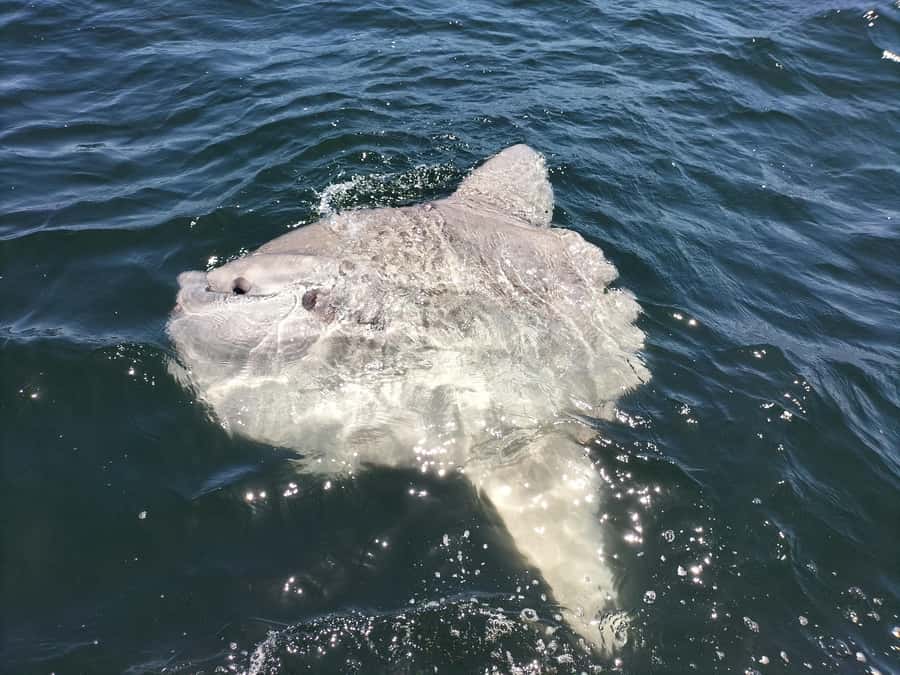
- Table Bay wildlife viewing can include dolphins, seals, penguins, sunfish, and sometimes whales (weather and luck matter)
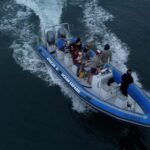
- Small, fast RIB-style boat experience helps the crew reach spots quickly when life appears
- Table Mountain views from the water are a real change of perspective from the promenade
- Every ticket supports outreach for marine education via the Two Oceans Aquarium Foundation
- Dress for wind: warm layers and a hat make a big difference on the water
Table Bay feels like an ocean safari, not a sightseeing cruise
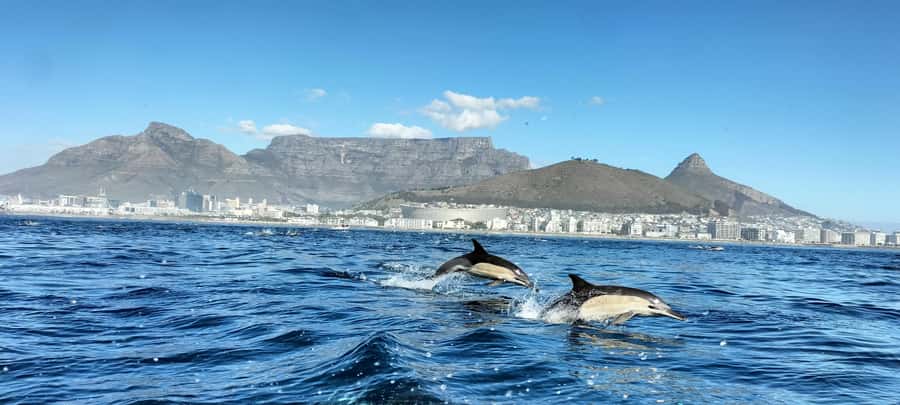
This is one of those Cape Town activities where the geography does half the work for you. You start at the V&A Waterfront, then head into Table Bay, with Robben Island sitting in your line of sight. That alone makes it more interesting than a generic harbor ride.
Then there’s the view from the water. From land, Table Mountain is often framed by buildings and roads. Out on the bay, you get a cleaner, wider look—mountain shape, changing light, and ocean movement all at once. It’s the kind of scene that makes you want to point things out to your companion.
You can also read our reviews of more tours and experiences in Cape Town.
Your 90 minutes on the water: safety check, refreshments, and the guided run
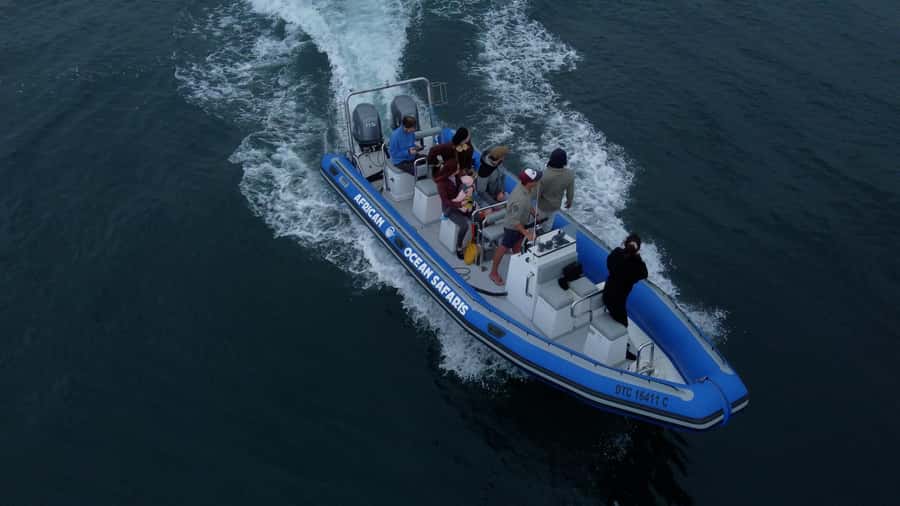
The trip is built to be simple and efficient, and that matters because you’re paying for time on the water.
Here’s the flow:
- Meet at the African Ocean Safaris ticket kiosk at the Marina Swing Bridge area, on the quayside near the African Trading post.
- You’ll check in and do a safety briefing, plus welcome refreshments (about 10 minutes).
- Then you’re out with the guide on the 1.5-hour marine portion. This is where you’ll spend most of your time scanning for wildlife while the marine biologist explains what’s happening in the ecosystem.
- You return to the same Marina Swing Bridge point.
One small detail I really appreciate: the schedule isn’t padded. You don’t get dragged around with extra stops. You get the briefing, you get the boat time, you get back—done.
Wildlife you can realistically spot near Robben Island
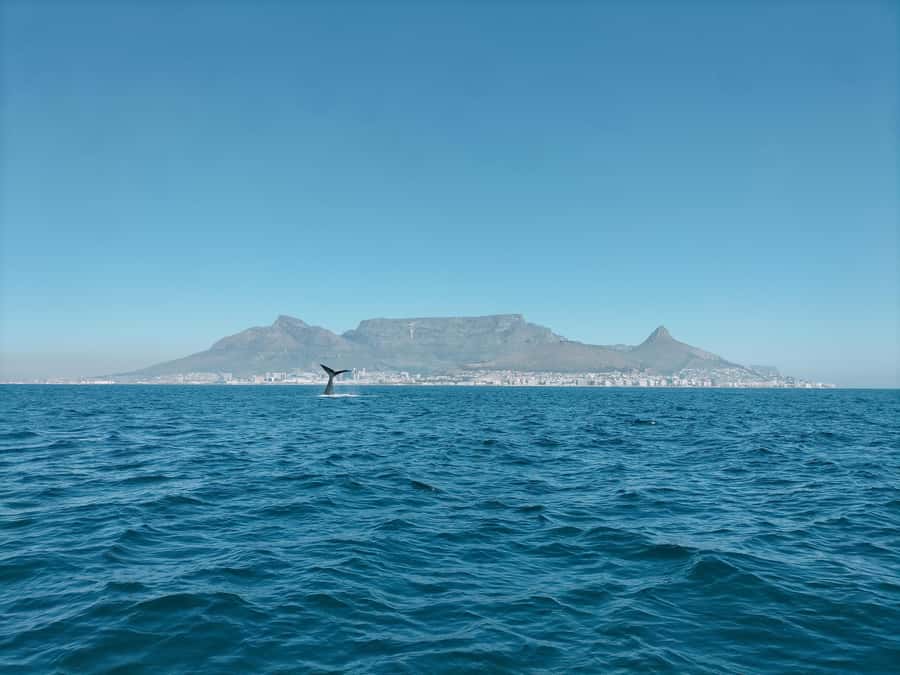
I like that this tour focuses on what’s actually possible in Cape Town waters. The bay has a strong mix of marine life, and the crew uses sightings to decide where to go next.
From past trips, you might see:
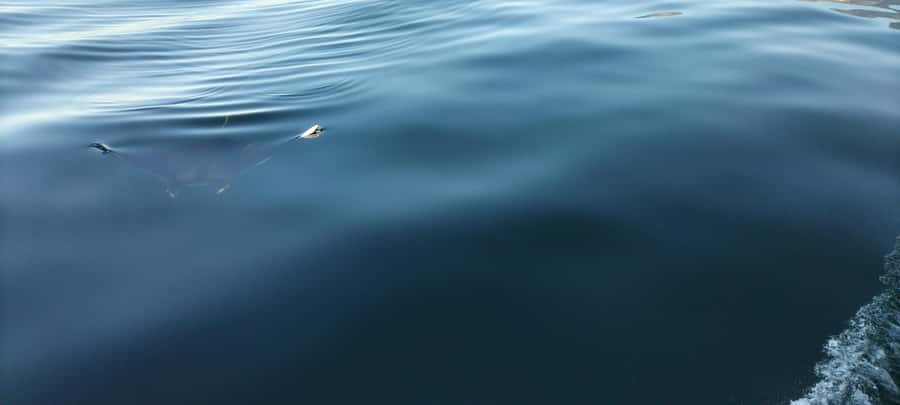
- Dolphins (including Heaviside dolphins)
- Seals (including seal feeding-like behavior)
- African penguins (sometimes seen closer to the ocean side, not just from shore)
- Sunfish (including moonfish and giant sunfish reported)
- Whales (humpbacks are mentioned, and whales can show up without a long advance warning)
Important truth: wildlife isn’t guaranteed. Even when you do everything right, marine animals move. Weather can also affect where the crew can safely travel. So think of this as an excellent chance, not a promise.
If you’re the type who gets disappointed when something doesn’t happen, adjust your mindset early. This trip is best when you come ready to enjoy multiple possible moments—dolphins one minute, penguins the next, and maybe something bigger if conditions line up.
Marine biologist onboard: what you learn while you’re moving fast
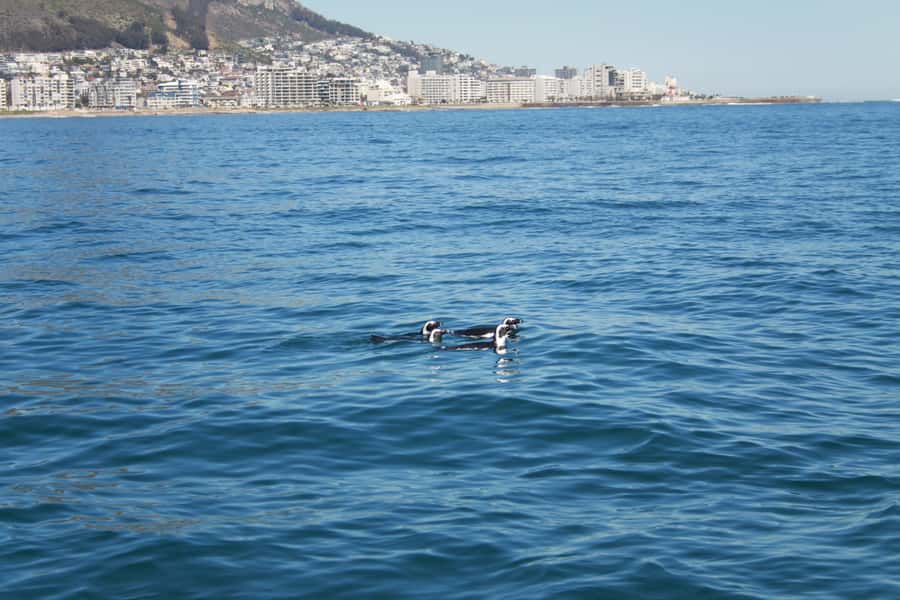
This tour works because the learning isn’t stuck behind a screen. You’re on the water, and the guide explains the ecosystem in real time.
In past runs, marine biologists have included Amir and Ismail. The effect is the same: you’re not just told animal names. You’re shown how those animals fit together—feeding patterns, local species traits, and what conservation needs tend to look like in the region.
I also like that the guides tend to answer questions on the spot. When you’re watching dolphins slice through the water, it’s natural to ask what species you’re looking at or why they behave a certain way. The crew has time to talk, and that makes the hour-and-a-half feel longer in a good way.
And yes, it can get exciting fast. Several experiences mention the crew reacting quickly when wildlife appears, with the boat repositioning to give you better views. That matters because marine life often shows up briefly, then moves on.
Conservation value: your ticket supports youth marine education
At $84 per person for about 90 minutes, the price might look like a typical boat tour at first glance. What changes the math is what’s attached to the ticket.
Every ticket includes a marine education gift for an underprivileged child, donated through African Ocean Safaris to the Two Oceans Aquarium Foundation. If you care about marine conservation beyond the photo, this is the part that lands best.
Why this is worth noting: it turns a short experience into something with a longer tail. You’re not just paying for your own wildlife encounter. You’re also supporting outreach that aims to build ocean connection in kids who might not otherwise access marine education.
It’s also a nice reminder of what the tour’s mission is really about. You’re learning to notice the ocean, and then the tour’s structure nudges that awareness toward conservation.

Price and logistics: where your money goes (and what to plan for)
Let’s keep this practical.
You’re paying $84 per person for:
- A marine eco-tour from the V&A Waterfront
- Onboard commentary by a marine biologist
- Opportunity to see multiple types of marine wildlife (dolphins, seals, penguins, sunfish, and sometimes whales)
- A direct contribution to marine education outreach for underprivileged children via the Two Oceans Aquarium Foundation
What’s not included:
- Food and drinks
- Hotel pickup/drop-off
So plan to eat before you arrive and bring water if you like. Also build in a little time to find your meeting point. The kiosk is specific: it’s at the African Ocean Safaris ticket sales area near the Clock Tower swing-bridge side, opposite the Clock Tower.
The other logistics piece that’s easy to miss until you feel it: the water gets windy. Even if the day feels warm on land, the boat ride can cool you down fast.
What to pack for this Table Bay RIB-style ride
This is one of those tours where the “what to bring” list is not optional. Warmth and sun protection both matter.
Bring:
- Warm clothing (a jacket you can layer)
- A hat
- Sunscreen
In multiple experiences, people called out wind and cold on the boat, especially when you’re moving at speed. If you’ve ever sat on a deck while the air whips past, you already get it: you feel it more on water.
Also, if you tend to get motion sickness, I’d treat the seasickness note seriously. The tour specifically isn’t suitable for people prone to seasickness, which tells you the conditions can be active.
Who this tour suits best (and who should skip it)
This is a strong fit if you:
- Want a short, high-value wildlife outing out of the V&A Waterfront area
- Like guided animal watching, not just a drive-by view
- Travel with kids who enjoy nature explanations (many experiences describe it as a memorable experience for young budding marine enthusiasts)
- Care about marine conservation, not only sea life spotting
It’s not a good fit if you:
- Have mobility impairments or use a wheelchair (not suitable)
- Are prone to seasickness
- Are traveling with a baby under 1 year
If you’re between those extremes—say you’re fine on boats but you get cold easily—then plan for warmth and you’ll likely enjoy it a lot.
Should you book the Cape Town marine biologist safari?
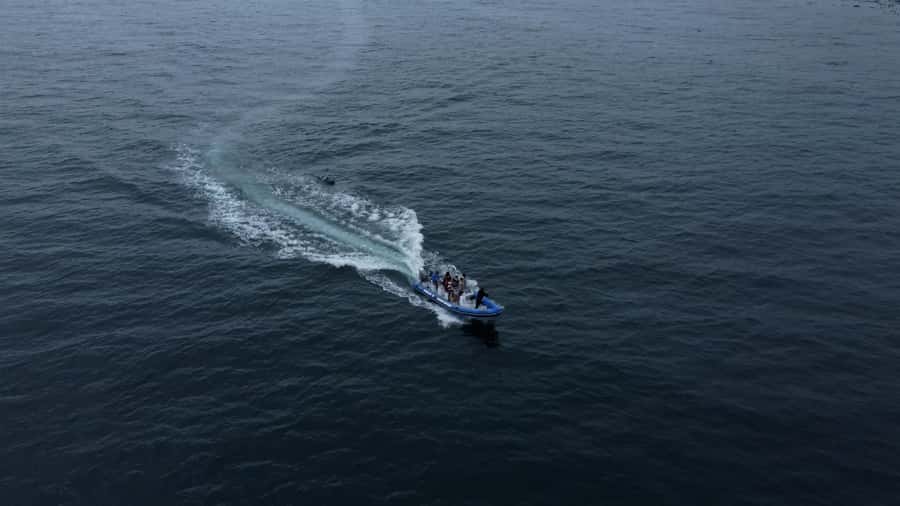
Yes, if your goal is a guided ocean experience that connects what you’re seeing to why it matters. This tour’s best quality is the pairing of wildlife time + marine science guidance, all wrapped in a mission that supports youth marine education through the Two Oceans Aquarium Foundation.
Book it especially if you’re excited by the idea of seeing dolphins, seals, penguins, sunfish—and you’re okay with the reality that whales or certain sightings depend on what the bay is offering that day.
But don’t book it expecting a guaranteed checklist. Treat it like an excellent chance to look closely at Table Bay, with a crew that’s good at spotting and repositioning when life appears.
If you’re ready for wind, bring warm layers, and come curious, this is one of the most worthwhile ways to experience Cape Town from the water.
FAQ
How long is the marine eco-tour?
The tour duration is 90 minutes, with about 10 minutes for safety briefing and welcome refreshments plus 1.5 hours of guided marine time.
Where do I meet for the tour?
Meet at the African Ocean Safaris ticket sales kiosk on the quayside next to the African Trading post, near the Marina Swing Bridge and opposite the Clock Tower.
What wildlife might I see during the tour?
The experience is designed for marine wildlife viewing and may include dolphins, seals, penguins, sunfish, and whales, but sightings are not guaranteed.
What’s included in the ticket price?
Your ticket includes the 1.5-hour marine eco-tour from the V&A Waterfront and onboard commentary by a marine biologist, plus participation in an outreach contribution where every ticket supports marine education for an underprivileged child through the Two Oceans Aquarium Foundation.
Are food and drinks included?
No. Food and drinks are not included.
What should I bring?
Bring warm clothing, a hat, and sunscreen. The boat can be windy and cool.
Is the tour affected by weather?
Yes. The tour is subject to weather conditions and may be rescheduled or cancelled with a full refund if conditions are poor.
Who is the tour not suitable for?
It’s not suitable for people with mobility impairments, wheelchair users, people prone to seasickness, and babies under 1 year.