REVIEW · UDAWALAWA
Udawalawe: National park safari & Elephant Transit Home Tour
Book on GetYourGuide →Operated by Udawalawe Wild Safari Tours · Bookable on GetYourGuide
Elephants close up change the whole day. An Udawalawe National Park safari is one of Sri Lanka’s most dependable ways to see wildlife, especially wild elephants, and then you get a chance for a closer look at the animals at the Elephant Transit Home. You’re not just riding around hoping for the best.
Two things I really like: first, the safari is led by an experienced driver-guide with 10 years in the field, so you’re not stuck with guesswork. Second, the vibe is calm and efficient: you get real time at sightings so you can actually watch, not just snap-and-go. The 4×4 jeep setup also keeps the group small, which helps you feel like you’re with your own guide instead of being herded.
The main consideration is simple: park entry and the Elephant Transit Home entrance fee aren’t included in the $29 price, so you’ll want to budget a bit extra. Also, wildlife sightings are never guaranteed, especially for animals that are naturally harder to find like leopards.
In This Review
- Key takeaways before you go
- Udawalawe National Park safari: why elephants are the big reason to come
- The private 4×4 jeep setup: small group, better positioning
- What the safari drive feels like: grasslands, forests, wetlands, and a lot of waiting done right
- Elephant Transit Home: a second viewing moment that adds meaning
- How long should you book? 4 hours vs 7+ hours
- Price and value: what $29 really buys (and what doesn’t come included)
- Practical details that can make or break your day
- Who this tour is best for
- Should you book Udawalawe Wild Safari Tours with the Elephant Transit Home stop?
- FAQ
- How long is the Udawalawe National Park safari and Elephant Transit Home tour?
- Is the tour guided, and what language is used?
- What is included in the price of about $29 per person?
- What is not included in the price?
- How many people travel in each jeep?
- Where does pickup happen?
- Does the tour include the Elephant Transit Home?
- Are there different starting times?
- Are drones allowed?
- Is this tour suitable for people with mobility impairments?
Key takeaways before you go
- Private 4×4 jeep (max 6 passengers) keeps your safari flexible and photo-friendly
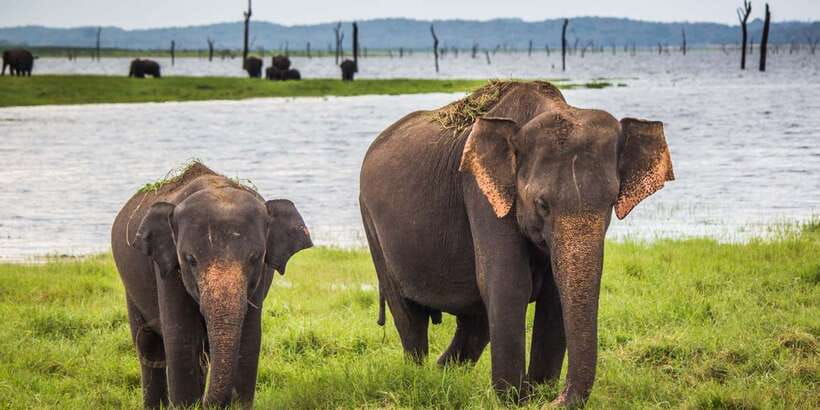
- Elephants are the headline act at Udawalawe, and you may see families up close
- Gimhana-style guiding means time to watch, not just drive past
- Multiple habitats (grasslands, forests, wetlands) boost your odds across the day
- Elephant Transit Home stop adds a second, closer viewing experience
- Entry fees not included means check your total cost before you book
Udawalawe National Park safari: why elephants are the big reason to come
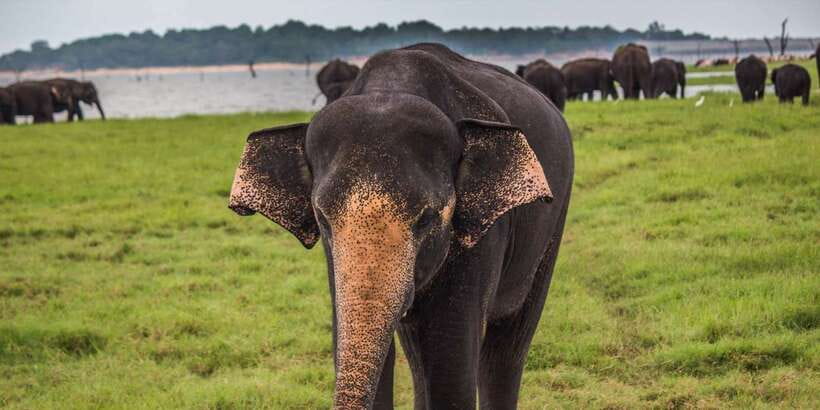
Udawalawe National Park sits on the boundary between the Sabaragamuwa and Uva Provinces in Sri Lanka. It covers about 308 square kilometers and was set up in 1972 to protect the catchment area of the Udawalawe Reservoir. That matters, because good habitat protection is what supports big wildlife days like this one.
Udawalawe isn’t a one-note park. You’ll be moving through different habitats—grasslands, forests, and wetlands—so the wildlife show changes as you go. Elephants are the star, but you’re also likely to spot other mammals and a wide range of birds. If you like wildlife that’s active in different ways at different times, Udawalawe is a smart pick.
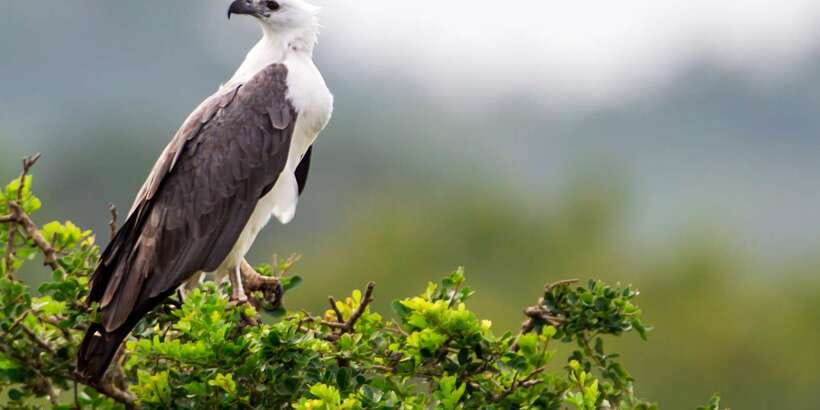
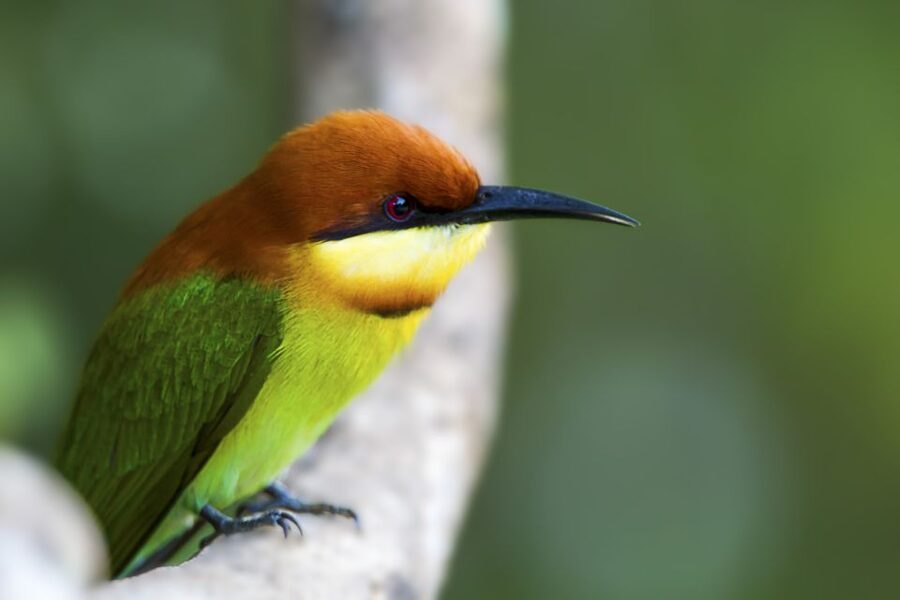
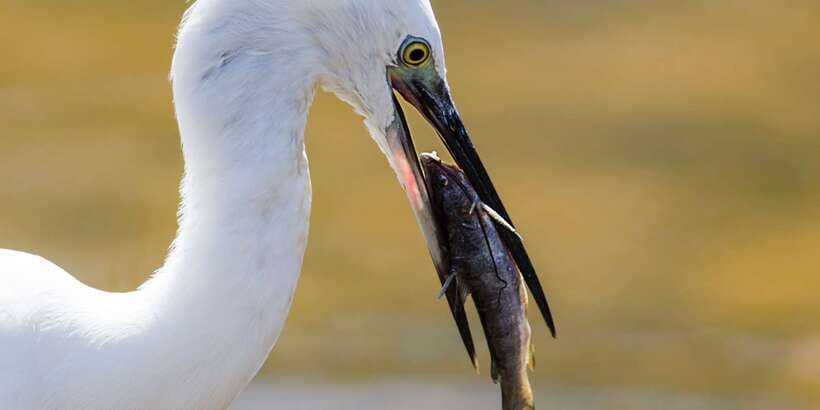
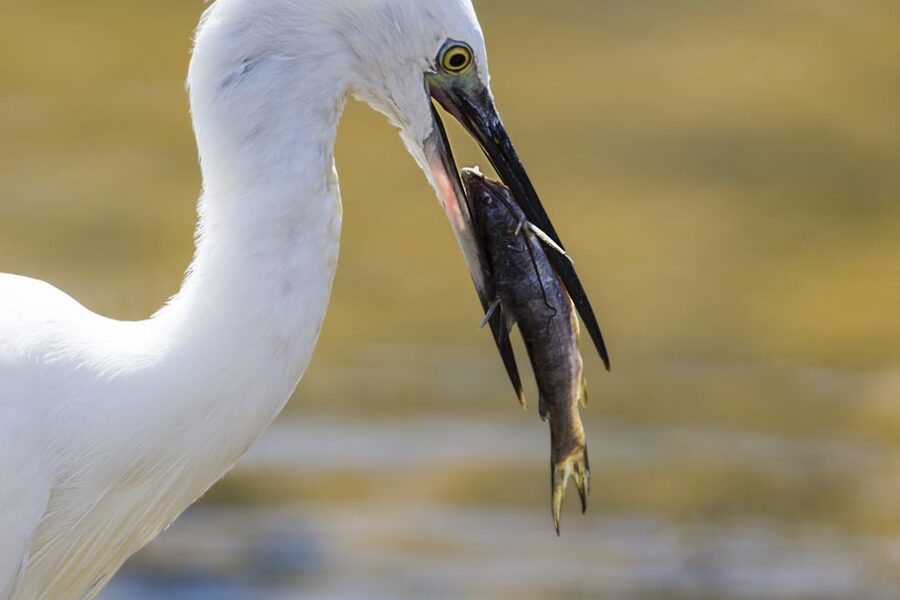
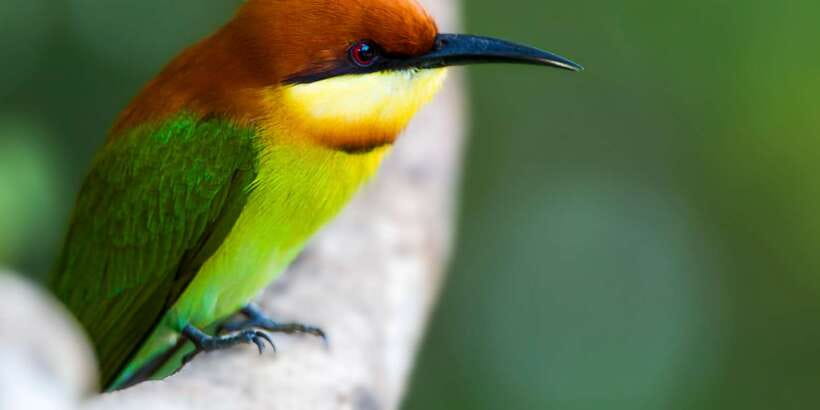
You can also expect endemic birds. This is one reason bird lovers like the park: you might see species such as Sri Lankan Jungle fowl, Sri Lankan Spurfowl, and the Sri Lankan Wood shrike. Even when you’re focused on elephants, these birds help keep the day interesting between sightings.
You can also read our reviews of more tours and experiences in Udawalawa.
The private 4×4 jeep setup: small group, better positioning
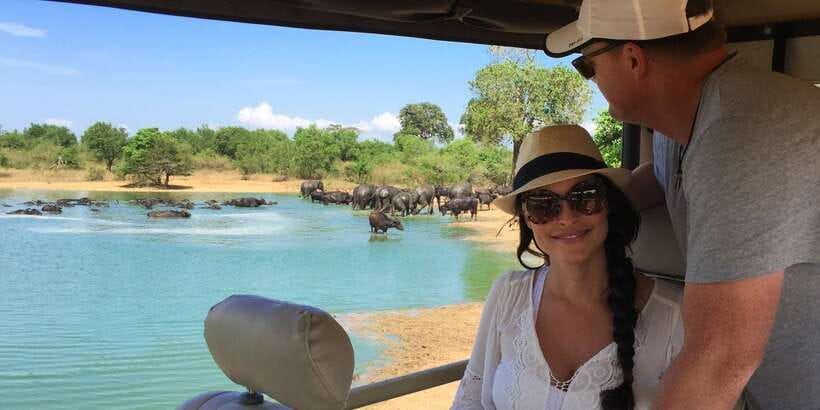
This safari runs in a 4×4 private jeep with a maximum of 6 passengers. That small number is a big deal. When the group is small, your guide can adjust the route and the jeep’s position without waiting for a bigger crowd to reorganize. It also makes it easier to keep everyone together if the animals decide to show up fast.
Your guide is also your driver, with 10 years of experience. In practice, that means you’re not just paying for transportation. You’re paying for someone who knows where to look and how to read what the animals are doing.
The tour is English-guided, which helps a lot in Udawalawe. You’ll get explanations about what you’re seeing and how animals live and behave. From the kinds of sightings people mention, the guide’s role goes beyond pointing at animals—he also helps you slow down and actually observe.
Pickup is part of the deal, too. You can be picked up from the Udawalawe area or from the Udawalawe National Park entrance. If you’re staying outside those areas, pickup is available for an additional charge. You’ll also get drop-off at the Elephant Transit Home.
What the safari drive feels like: grasslands, forests, wetlands, and a lot of waiting done right
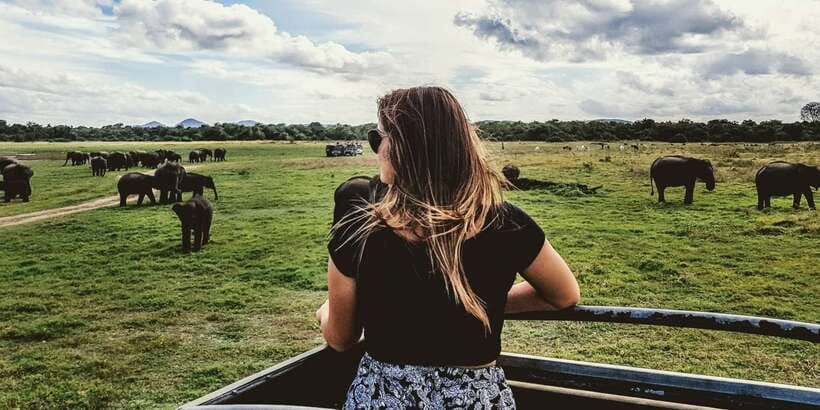
A Udawalawe safari isn’t a theme-park ride. It’s more like wildlife chess: you stop, scan, watch, and then move when you have a better chance. One of the best parts of this style of safari is that the guide gives you time—so you can watch body language, not just collect a checklist.
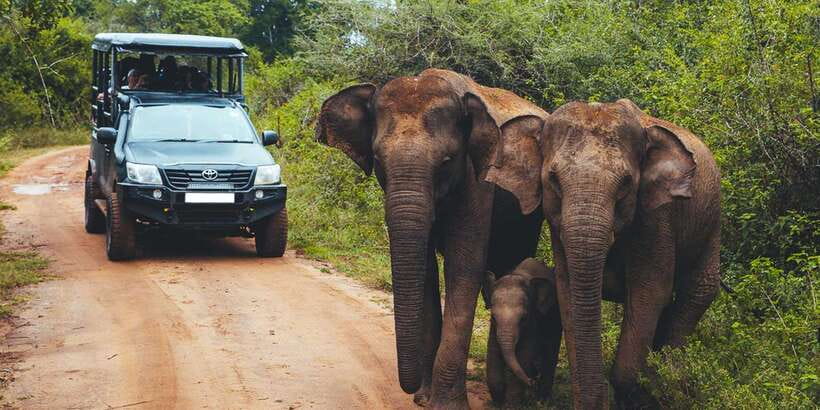
During the safari, you may see elephants, including elephant families. Many people come specifically for that. Elephants in Udawalawe often feel surprisingly close because the park is known for healthy elephant populations and frequent sightings. You might even catch sight of a younger elephant in the mix, which changes the whole mood of the encounter.
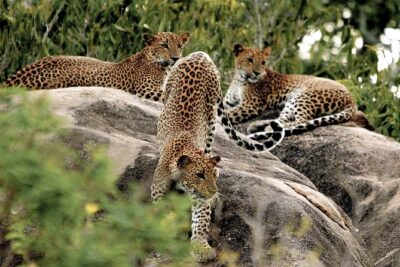
Other animals you might spot include sambar deer, jackals, mongooses, wild boar, and water buffalo. If you’re lucky, there are also predators to watch for. The park is home to species like leopards—not guaranteed, but it’s part of the realistic hope. Even when leopards don’t show, Udawalawe doesn’t go quiet. That’s where smaller wildlife and birds keep the day moving.
You may also see reptiles and amphibians, including crocodiles. Wetland areas make this more likely, especially when the guide times stops with animal activity. There’s also a good chance of seeing lizards and other small creatures you’d miss in a car without someone hunting them out.
Birding here works differently than in a garden. The guide’s scanning helps you notice movements you might not catch on your own, and the payoff can be quick—like spotting a bird that blends into the background until it moves.
Elephant Transit Home: a second viewing moment that adds meaning
After the safari drive, the plan includes a stop at the Elephant Transit Home, with drop-off provided. The big value of this is timing and closeness. Instead of only relying on what the park offers in that moment, you get a more controlled chance for a close look at elephants.
This is where the experience shifts from wild-distance to watching more closely. People often describe seeing elephants up close and even highlight encounters with a baby elephant. Even if your day already includes multiple elephant sightings, the Transit Home stop gives you a different perspective and adds structure to the day.
One practical note: the Elephant Transit Home entrance fee isn’t included, so you’ll want to pay that separately when you arrive.
How long should you book? 4 hours vs 7+ hours
The tour is listed as 4–10 hours depending on what you choose, and the length changes how relaxed (or rushed) your day feels.
- If you choose the 4-hour safari, you’re mostly buying a focused wildlife hit. It’s great if you have limited time, or if you want to keep your schedule open for other parts of Sri Lanka.
- If you book something like 6–7 hours, you’re more likely to cover more stops and get extra time when animals appear. In Udawalawe, that extra time can matter because sightings aren’t always constant.
Morning options can also change the experience. People mention starting around 6:00am and 6:30am. Earlier starts can be comfortable because it’s often cooler, and it can also reduce the feeling of crowded viewing at the entrance area.
Afternoon safaris also work if you prefer a later start. Either way, the best choice is the one that matches your energy level. A long safari is worth it if you enjoy the slow watch-and-wait rhythm.
Price and value: what $29 really buys (and what doesn’t come included)
At $29 per person, this safari can feel like a bargain—mainly because the included package is more than just a seat in a jeep. You’re getting:
- a private 4×4 safari jeep
- the driver-guide service (10 years experience)
- transportation with a small max group size (up to 6 passengers)
- pickup from the Udawalawe area or the park entrance area
- drop-off at the Elephant Transit Home
What’s not included:
- Udawalawe National Park entry / admission fee
- Elephant Transit Home entrance fee
So your real total cost is price plus entry fees. Still, the structure tends to be good value. Private jeep costs add up quickly in Sri Lanka, and the small-group setup helps justify the price even further—especially if you’re traveling with a friend or small group.
One more value point: good guiding saves you time. When your guide knows how to position the jeep and when to linger, you spend less energy searching and more energy watching. That’s what turns a cheap safari into a satisfying one.
Practical details that can make or break your day
A few small things can help you get more out of the safari:
- No drones: so plan to capture memories with your camera, not a drone.
- Skip alcohol and drugs: it’s not allowed, and it keeps the day safer and more respectful for everyone.
- Mobility note: it’s not suitable for people with mobility impairments, so choose something else if that might be an issue for your group.
Bring practical safari basics:
- Sun protection. Even when the day starts early, Sri Lanka has a way of turning the sun up.
- Something for comfort in a jeep. You’ll be sitting for hours, shifting your posture for photos and scanning.
One more real-world detail: your guide may provide small comforts. People mention cold drinks during the tour, and in some cases the guide offered water and cookies. Even if your own experience differs, it’s a sign the guide is paying attention to comfort, not just driving.
Safety also deserves a mention. Udawalawe can include tense moments if an elephant is acting aggressively. The guide approach matters, and people report that the guide stayed alert and took action to keep things safe.
Who this tour is best for
This is a great fit if you:
- want a wildlife-first day with a strong focus on elephants
- like the idea of a private jeep instead of a big group
- care about explanations and want the guide to help you understand what you’re seeing
- enjoy birds as much as mammals (Udawalawe gives you both)
It’s especially appealing for families and small groups who want a flexible safari rhythm. English guidance also helps if you don’t want to rely on guesswork.
If you’re chasing only one animal, like a leopard, keep your expectations realistic. Udawalawe has leopards, but sightings depend on where the animals are that day. You’ll still have plenty to watch even without a leopard sighting, but it’s smart to go with a wildlife mindset instead of a strict target.
Should you book Udawalawe Wild Safari Tours with the Elephant Transit Home stop?
I think you should book this tour if your main goal is a reliable Sri Lanka wildlife experience with excellent elephant odds, plus a structured second viewing at the Elephant Transit Home. The private jeep size, the experienced driver-guide, and the fact that the guide gives you time for observation all point to a safari that feels thoughtful rather than rushed.
I’d reconsider if you’re on a tight budget where entry fees might push you over your planned total, or if you need an option suitable for mobility impairments. Also, if you only care about one very specific predator sighting, you’ll want to accept that wildlife is wildlife.
If you want a day that mixes elephants, birds, and real time outdoors, this is a solid call.
FAQ
How long is the Udawalawe National Park safari and Elephant Transit Home tour?
The tour duration is listed as 4 to 10 hours, depending on the starting time and option you choose.
Is the tour guided, and what language is used?
Yes. It includes a live tour guide in English.
What is included in the price of about $29 per person?
Included are a 4×4 private safari jeep, a driver-guide with 10 years of experience, transportation in the jeep (max 6 passengers), hotel pickup from the Udawalawe area or pickup at the park entrance, and drop-off at the Elephant Transit Home.
What is not included in the price?
You’ll need to pay separately for Udawalawe National Park entry/admission and for the Elephant Transit Home entrance fee.
How many people travel in each jeep?
The jeep is set up for a maximum of 6 passengers.
Where does pickup happen?
Pickup is available from the Udawalawe area or from the Udawalawe National Park entrance. Pickup from other locations is available for an additional charge.
Does the tour include the Elephant Transit Home?
Yes. The tour includes drop-off at the Elephant Transit Home, but its entrance fee is not included.
Are there different starting times?
Starting times vary based on availability, and some options mentioned include early starts like around 6:00am or 6:30am.
Are drones allowed?
No. Drones are not allowed.
Is this tour suitable for people with mobility impairments?
No. It’s listed as not suitable for people with mobility impairments.