REVIEW · SIGIRIYA
From Sigiriya: Minneriya National Park Elephant Safari
Book on GetYourGuide →Operated by Shan Jeep Safari & Tour · Bookable on GetYourGuide
Hundreds of elephants can feel unreal. This Minneriya National Park safari from Sigiriya turns that into a half-day plan, with a jeep route through grasslands, lakes, and forest patches where herds often gather.
What I like most is the sheer chance of big encounters. You’re set up for elephant herd sightings (sometimes dozens at once) plus handy help for watching and photographing the action as they graze, splash, and move through the water.
One thing to consider: park costs aren’t included, and sightings can shift with weather and elephant movement. You might also find your route busier if herds drift into the main viewing zones—but guides often try to keep you away from the crowd.
In This Review
- Key highlights you’ll actually care about
- Minneriya’s elephant energy: what makes it worth the ride
- From Sigiriya to the park: what the 4-hour format really means
- What you’ll see inside the park: herds, water, and the “where is everyone?” moments
- Photography and wildlife viewing: how to get the shots without stressing anyone
- Responsible elephant safari: what “ethical” looks like in practice
- Price and value: is $33 a deal or just a nice-sounding number?
- When Minneriya shifts: park changes that can improve your sightings
- Who should book this safari from Sigiriya?
- Quick practical tips before you go
- Should you book the Sigiriya to Minneriya Elephant Safari?
- FAQ
- How long is the Minneriya elephant safari?
- What’s included in the price?
- Do I have to pay park entrance fees separately?
- What’s the total price like after adding entrance fees?
- Where will you pick me up from?
- What are the cancellation terms?
Key highlights you’ll actually care about
- Big-herd elephant time: You’re going specifically for the kind of elephant concentration Minneriya is famous for.
- Photo-minded spotting: The tour includes spotting and photography assistance, so you’re not just riding around hoping.
- English-speaking driver: Communication is simple, which matters when you’re trying to understand behavior fast.
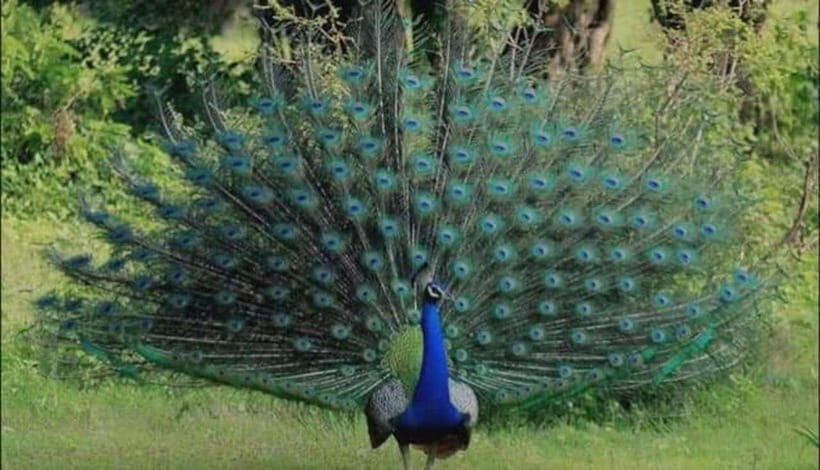
- Other wildlife besides elephants: Deer, water buffalo, monitor lizards, and exotic birds show up on the route.
- Flexible routing when elephants move: Recent safaris have involved park changes when conditions shift.
- Respectful viewing style: Multiple guides were praised for reducing disturbance and getting in good positions without pressure.
Minneriya’s elephant energy: what makes it worth the ride

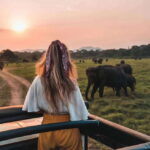
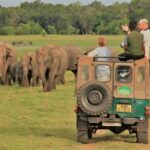
Minneriya National Park is one of those places where the “wildlife day” cliché actually holds up. The park’s scenery is built for elephant viewing: open grasslands, shimmering lakes, and pockets of forest. That mix is exactly why you can go from spotting grazing animals to watching a herd gather near water.
The best part is that this safari is designed around the main event. The tour is structured as a jeep outing with dedicated wildlife spotting help, so the day doesn’t feel like an expensive taxi into the jungle. You’re there for elephants in action—not just a token sighting from far away.
And yes, you may see other animals too. Deer and water buffalo are specifically mentioned as regular possibilities, and riders also report birds and reptiles. In other words, you’re not locked into only one type of sighting. If elephant action slows for a moment, there are usually other creatures on the move.
You can also read our reviews of more tours and experiences in Sigiriya.
From Sigiriya to the park: what the 4-hour format really means
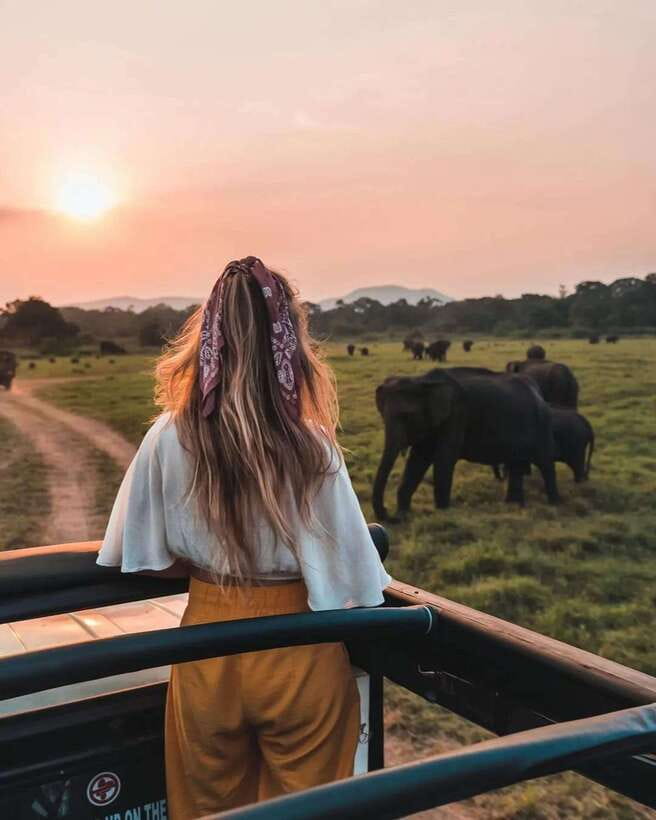
This is a 4-hour safari, timed as a practical half-day outing from the Sigiriya area (and also from nearby hubs like Habarana and Dambulla, depending on where you’re staying). With hotel pickup and drop-off included, you’re not wasting time coordinating transport.
Your “time on safari” is where the value lives. With only four hours, you’ll want the driver to be efficient. That’s why the driver being English-speaking matters, because it helps you follow what’s happening: why a herd is turning, where water might pull animals, and what to watch for while you’re stopped.
Now, a quick reality check: jeep safaris can mean bumpy roads. Some riders referenced rougher, muddy conditions in a nearby park when elephants were moved off the main area. If you’re sensitive to jolts, go in expecting some uneven terrain. Bring whatever helps you stay comfortable—steady shoes, a layer for the breeze, and a camera strap you trust.
What you’ll see inside the park: herds, water, and the “where is everyone?” moments
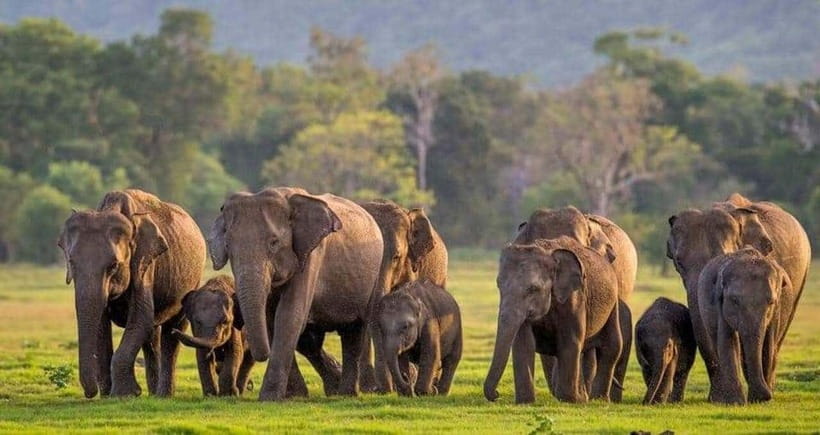
The headline expectation is simple: hundreds of elephants can show up in one area. That’s not a guarantee, but it’s the reason people schedule this stop in the first place. When a herd is visible, it can feel like the whole park is “about elephants” in that moment—grazing, walking in family lines, then pausing for dusting or water.
Water is the drama. The park has shimmering lakes, and multiple experiences highlight elephants bathing or coming close to the truck while grazing. When elephants decide to approach on their own, it changes the whole vibe—from watch-from-a-distance to a kind of quiet, up-close wildlife moment (as long as the guide keeps distance and behavior respectful).
Beyond elephants, keep your eyes open for the support cast:
- Water buffalo in the same watery zones
- Deer moving along edges and clearings
- Monitor lizards sometimes seen near open ground
- Exotic birds calling out and turning up during stops
What I like about this variety is that it reduces “dead time.” Even if you’re waiting for a herd to reposition, the driver typically uses that time to point out other wildlife and keep your attention active.
Photography and wildlife viewing: how to get the shots without stressing anyone
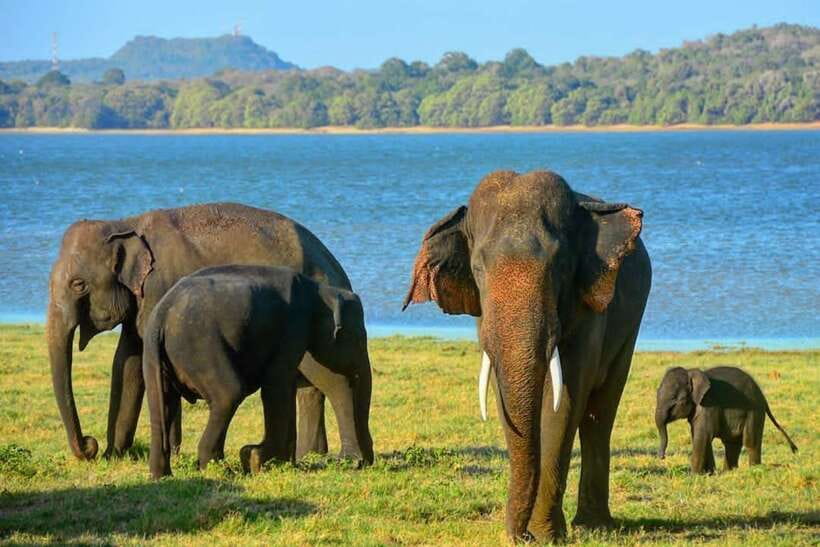
If you care about photos, this tour is built for it. The included help for wildlife spotting and photography means the driver isn’t just driving—you’re getting guidance on where to position the jeep and when to stop.
Here’s what I’d do to get better results:
- Use short bursts when the herd shifts. Elephants can move slowly, then suddenly change direction.
- Shoot with the elephant’s behavior in mind, not only the face. Grazing, dusting, and water moments tell the story.
- Keep your camera ready during expected pauses near lakes and grass edges. That’s where action tends to cluster.
Some guides were specifically praised for behaviors that help both animals and photographers. One rider mentioned the driver cutting the engine when elephants came close, and others noted the tour felt relaxed rather than chase-driven. When the engine noise drops and the jeep stays patient, you tend to get calmer viewing—and your photos often improve because the animals act more naturally.
One more practical note: if you go in wet weather, the ground can get muddy in parts of the region. It’s not about luxury—it’s about staying stable while you stand to look for herds. Choose footing carefully.
Responsible elephant safari: what “ethical” looks like in practice
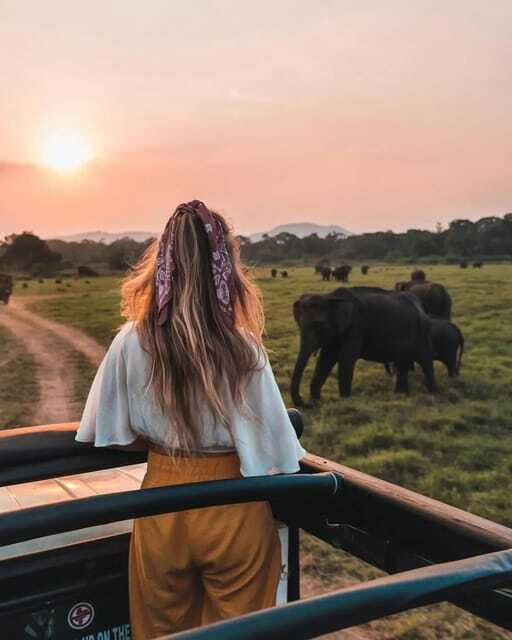
A responsible wildlife tour isn’t a slogan here. It’s in the way the drive is handled. The tour is described as a responsible wildlife experience supporting sustainable tourism, and real-world feedback backs up that the guides try to manage distance and reduce disturbance.
I’d summarize the “responsible” part like this:
- The guide aims for good viewing angles without pushing the jeep forward.
- You wait for animals to come into position naturally.
- The driver uses respectful tactics, like turning off the engine near elephants (reported by riders).
This doesn’t mean elephants never come close. In fact, several experiences describe elephants getting near the vehicle while grazing. The key difference is whether the jeep is acting like a pressure point. When the driver’s style is “let them decide,” you get the best balance: close views for you, calm behavior for the animals.
Also, a helpful tip: if you’re nervous about ethics, go earlier when possible. Some riders recommended morning for less busy conditions and steadier viewing. Even if you don’t chase an exact “best time,” going when the light is favorable helps your photos and can reduce congestion.
Price and value: is $33 a deal or just a nice-sounding number?
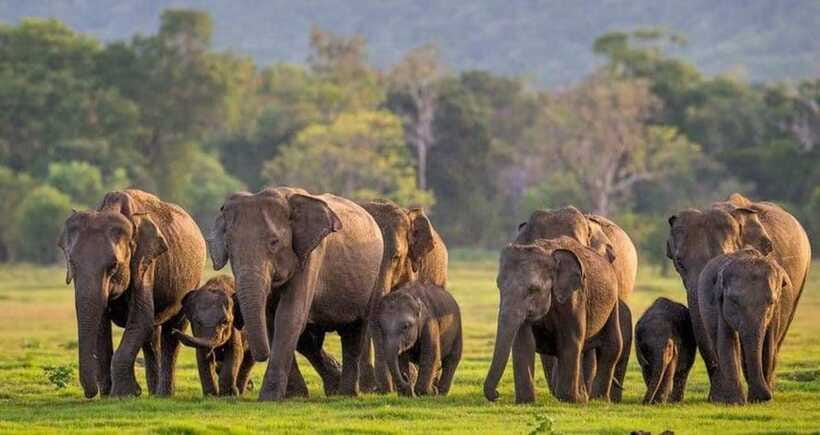
At $33 per person, this safari prices itself in the “budget-friendly but not toy” category. You’re getting hotel pickup and drop-off, a professional driver, English language support, insurance coverage for the safari vehicle, and wildlife spotting/photography assistance.
The one catch is straightforward: park entrance fees are not included. One rider flagged an extra cost of about 11,000 Sri Lankan rupees per person, which is worth budgeting for so you don’t get surprised at the gate.
So is it good value? In my view, yes—because the tour time is focused and the elephants are the whole point. This is not a full-day experience diluted by too many stops. You’re paying for a targeted half-day plan with transport and help finding wildlife.
What can change the feel of value is crowding. Some experiences mention the day can become busier if the herd shifts into a high-traffic area. But guides were praised for finding better spots and avoiding the main flow of jeeps. If you care about that, choose your time carefully (morning tends to help) and trust the driver’s calls.
When Minneriya shifts: park changes that can improve your sightings
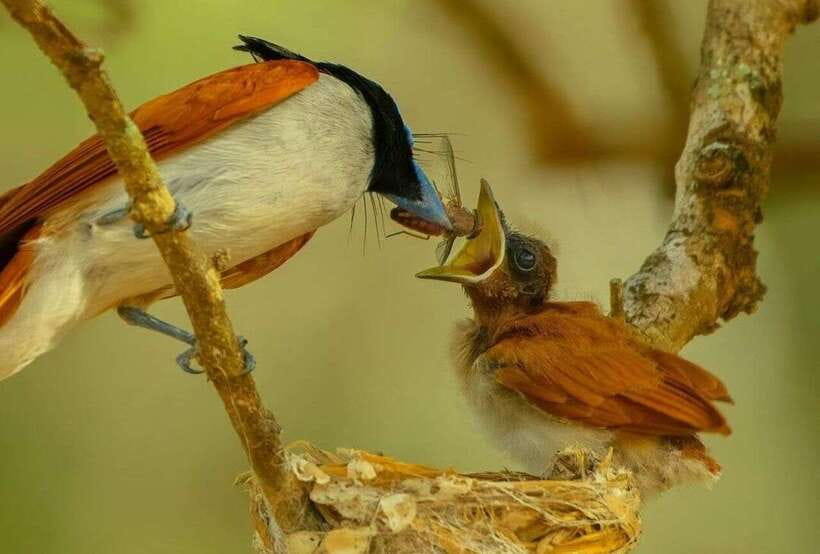
This is one of the most useful “real life” factors. Elephants move, and weather changes can push herds to different areas. Multiple experiences describe the provider adjusting the plan—sometimes toward other nearby parks—when elephants weren’t where people expected them to be.
That flexibility can actually improve your day. If elephants have shifted, a good driver doesn’t stick to the original map like it’s a museum plaque. Instead, they track where the animals are active.
You may also notice the effect of crowd levels. If your herd is in the busiest zone, you’ll feel it. If you’re lucky (and your driver works the route well), you may spend more time with fewer jeeps around you, and the viewing feels calmer.
Who should book this safari from Sigiriya?
This tour fits best if you want:
- A focused half-day wildlife outing instead of a long day tour
- Strong odds of seeing large elephant groups
- A driver who can guide your eyes and help with photo opportunities
- A simple plan with pickup and drop-off handled for you
Families tend to like it because it’s long enough to feel like a real outing, yet not so long that the day drags. Photographers often like it because the driver helps with positioning and timing. If you’re traveling solo, it can also feel easy and straightforward—just show up, climb in, and let the jeep do the work.
If you’re the kind of traveler who hates crowds, consider timing and be ready for routing changes. The best outcomes come when the guide makes smart calls quickly.
Quick practical tips before you go
- Bring a camera strap you can handle with bumpy jeep stops.
- Wear shoes with grip, especially if weather turns roads muddy.
- Pack a light layer. Morning or late day air can feel cooler than you expect.
- If you’re flexible with timing, early departures often mean less congestion.
- Ask your driver to focus on elephants first, then use other wildlife as bonus sightings.
Should you book the Sigiriya to Minneriya Elephant Safari?
If your main goal is big elephant sightings in a manageable time window, I’d book this safari. The value looks solid because transport, a driver, and wildlife/photography support are included, and multiple guides were praised for respectful behavior and good tracking.
I’d only hesitate if you have zero tolerance for park entrance fees added on top, or if you absolutely hate any chance of rerouting due to weather and elephant movement. For most people based near Sigiriya, though, this is one of the easiest ways to chase the region’s elephant drama without turning the day into chaos.
FAQ
How long is the Minneriya elephant safari?
The safari runs for 4 hours.
What’s included in the price?
It includes a professional experienced driver, English language support, hotel pickup and drop-off from Sigiriya/Habarana/Dambulla or nearby, wildlife spotting and photography assistance, and insurance coverage for the safari vehicle.
Do I have to pay park entrance fees separately?
Yes. Park entrance fees for Minneriya National Park are not included.
What’s the total price like after adding entrance fees?
The tour is listed at $33 per person, but park entrance fees are extra. One review noted park fees of about 11,000 rupees per person, though the exact amount can vary.
Where will you pick me up from?
Pickup is available from Sigiriya, Habarana, Dambulla, or nearby locations.
What are the cancellation terms?
You can cancel up to 24 hours in advance for a full refund.